Great Ocean Road Day Trip from Melbourne (2026): Complete Itinerary
- Words
- Melbourne Tourism Guide
- Updated
- September 2, 2026
- Read
- 15 min
Great Ocean Road day trip from Melbourne — full 12-hour itinerary, the Twelve Apostles, Loch Ard Gorge, Kennett River wild koalas, Apollo Bay lunch, self-drive vs coach tour, and overnight tips.
This article contains advertising. Our booking links are routed through a partner that adds commission tracking automatically, so if you book through one we earn a commission from the provider, at no extra cost to you. It never affects what we recommend. Affiliate disclosure
The Great Ocean Road day trip from Melbourne is the single most popular day excursion in Victoria — and for good reason. In one long but unforgettable day you can drive a 250-kilometre stretch of one of the world’s most scenic coastal routes, stand on a windswept platform overlooking the Twelve Apostles limestone stacks, walk through ancient temperate rainforest, photograph wild koalas in roadside gum trees, and watch the sun set over the Southern Ocean before driving back to your Melbourne hotel. This 2026 guide covers everything you need to plan a Great Ocean Road day trip: the best route, key stops, what to skip, whether to drive yourself or join a coach tour, and the case for staying overnight if you possibly can.
What is the Great Ocean Road?
The Great Ocean Road (B100) is a 243-kilometre coastal route along Victoria’s southwestern coast, running from Torquay (1 hour southwest of Melbourne) to Allansford near Warrnambool. Built between 1919 and 1932 by returned World War I soldiers, it is the world’s largest war memorial. The road hugs cliffs, dips inland through rainforest, then meets the coast again at Port Campbell National Park — where the Twelve Apostles, Loch Ard Gorge, and London Arch sit. For a day trip, most visitors drive only as far as Port Campbell and the Apostles before turning back, taking the inland route home through Colac to save time.
Should I do the Great Ocean Road as a day trip or overnight?
The honest answer: 2 days is far better than 1. A day trip means 12 hours of travel for 4 hours of stops, with the Apostles seen in the middle of the day rather than at golden hour. An overnight stay in Apollo Bay or Port Campbell lets you see the Apostles at sunset (the best photographic time), do an early-morning boardwalk visit before the coach crowds arrive, and explore Otway National Park’s rainforest properly. That said, if you only have one free day in Melbourne, a Great Ocean Road day trip is still one of the best day trips in Australia and absolutely worth it.
Self-drive vs coach tour vs small-group tour
- Self-drive (rental car) — A$80–A$120 for car hire, plus A$25 fuel. Total under A$200 for two people. Maximum flexibility, can stop anywhere, can stay later. Driving is on the LEFT in Australia. The road is well-paved but winding; allow time and avoid driving fatigued.
- Large coach tour — A$130–A$180 per person. 12 hours, includes hotel pickup. Predetermined stops, fast pace, tight schedule. Good for anyone uncomfortable with driving on the left or who wants pure passive sightseeing. AAT Kings, Gray Line, Bunyip Tours.
- Small-group tour — A$200–A$280 per person. Maximum 12–16 in a minivan. More flexibility, longer at each stop, often back-roads and koala spotting. Wildlife Wonders, Go West, Auswalk.
- Hire a private driver — A$700–A$1,200 for the vehicle (up to 6 people). Best for groups or special occasions.
For most first-time visitors, a small-group tour is the sweet spot — you don’t drive, you do see more, and you go at a humane pace. For couples or anyone confident driving, self-drive is cheaper and far more flexible.
Suggested Great Ocean Road day trip itinerary (self-drive)
Start early. The Twelve Apostles are 4 hours from Melbourne in good traffic — you want to arrive between 11 am and 1 pm to maximise daylight. Plan for a 12-hour total day.
- 6:30 am — leave Melbourne CBD via the West Gate Freeway (M1).
- 7:50 am — coffee stop in Torquay (Bomboras Cafe or Pickle Cafe). The Great Ocean Road officially starts here.
- 8:15 am — Bells Beach lookout (15 minutes). Free parking, photogenic surf spot.
- 9:00 am — Aireys Inlet — visit the Split Point Lighthouse (“Eagles Nest” in Round the Twist). 30 minutes.
- 10:00 am — Memorial Arch at Eastern View — the iconic photo stop with the GREAT OCEAN ROAD signage.
- 10:30 am — coffee and koala spotting in Kennett River. Park at the General Store; walk up Grey River Road for free wild koala viewing in the gum trees.
- 12:00 pm — lunch at Apollo Bay (Apollo Bay Bakery, Casa Tua, or fish and chips by the harbour).
- 1:30 pm — Otway National Park rainforest detour. Maits Rest Rainforest Trail (20-minute boardwalk) is the quick option.
- 3:00 pm — Twelve Apostles. Allow 1 hour. Park at the visitor centre, take the underpass to the boardwalks.
- 4:00 pm — Loch Ard Gorge (5 minutes drive west). 30 minutes including the beach steps.
- 4:45 pm — start the inland return route via Cobden, Colac, and the Princes Highway.
- 8:00 pm — back in Melbourne CBD.
Total drive distance: roughly 600 km round trip via the inland return. Total time: about 12 hours.
Key stops on the Great Ocean Road day trip
Bells Beach
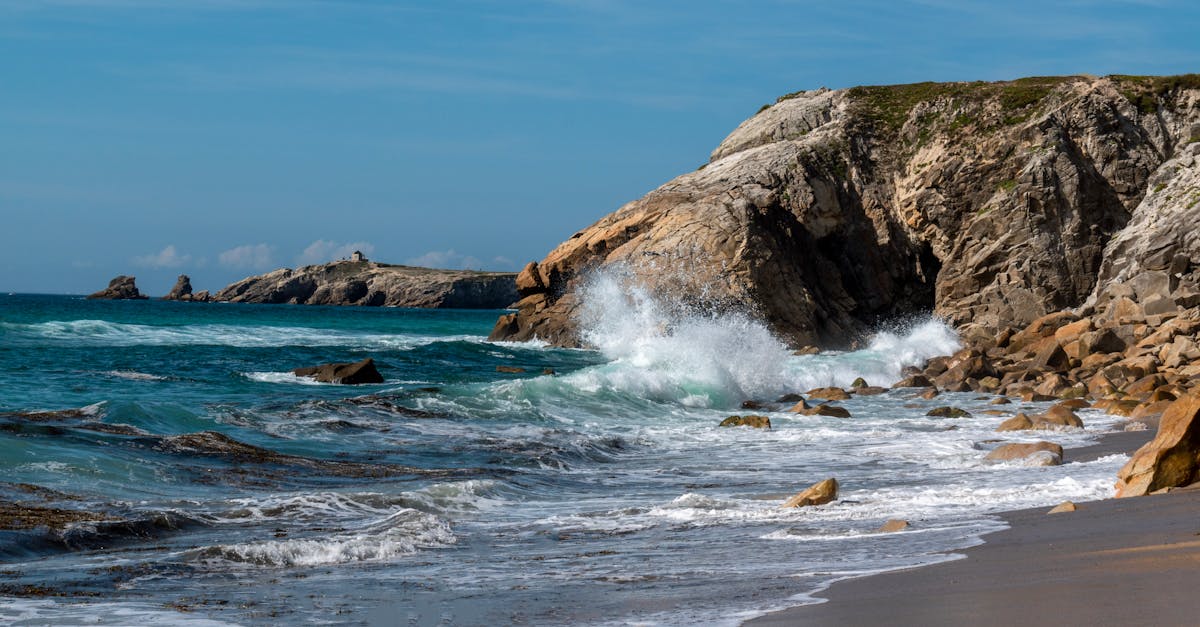
15 minutes off the main road, Bells Beach is one of the world’s most famous surf breaks and home to the Easter Rip Curl Pro contest. The cliffs above the beach offer a clean photographic angle. 30 minutes is enough.
Memorial Arch and Lorne
The wooden archway at Eastern View commemorates the road’s WWI soldier-builders. It’s the classic “I’m on the Great Ocean Road” photo stop. Lorne, just past it, is a charming seaside town with cafes and a pier — a good coffee or lunch stop on the return leg.
Kennett River koala viewing
Stop at Kennett River General Store. Walk up Grey River Road behind it. Look up. Wild koalas, totally free, no booking required, sleeping in the gum trees. Almost guaranteed sightings. King parrots and crimson rosellas often land on outstretched hands.
Apollo Bay
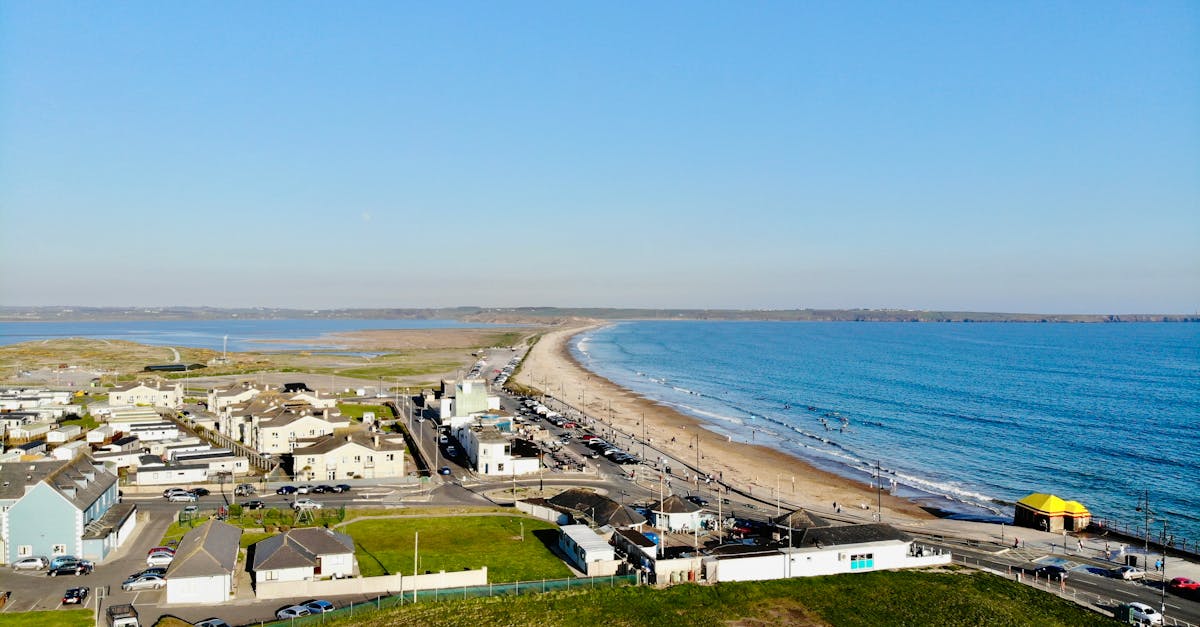
The road’s halfway point. Lunch options abound — the Apollo Bay Bakery is a Victorian institution. Many overnight visitors base here. Wildlife Wonders Sanctuary just outside Apollo Bay is a paid wildlife conservation walk-through (A$45) where koala and kangaroo sightings are essentially guaranteed.
Otway National Park rainforest
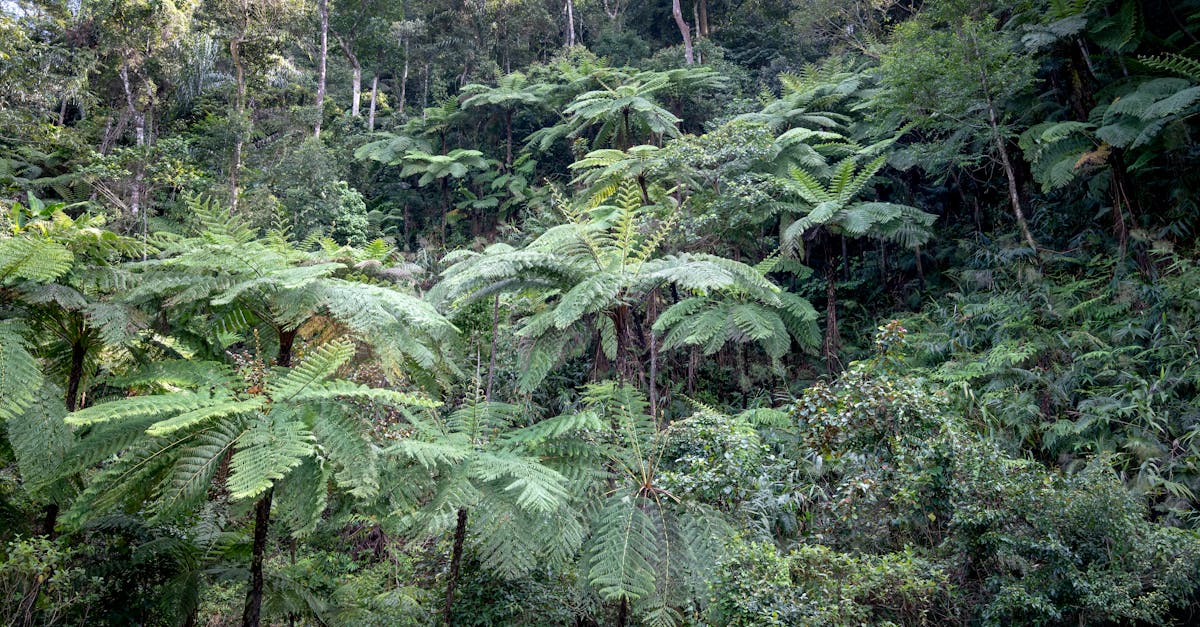
The road turns inland after Apollo Bay through ancient temperate rainforest. Maits Rest Rainforest Trail is a 20-minute boardwalk loop through soaring myrtle beech and tree ferns. Triplet Falls is a longer (1 hour) waterfall walk. The Otway Fly Treetop Walk (paid, A$32) lets you walk among rainforest canopies.
Twelve Apostles
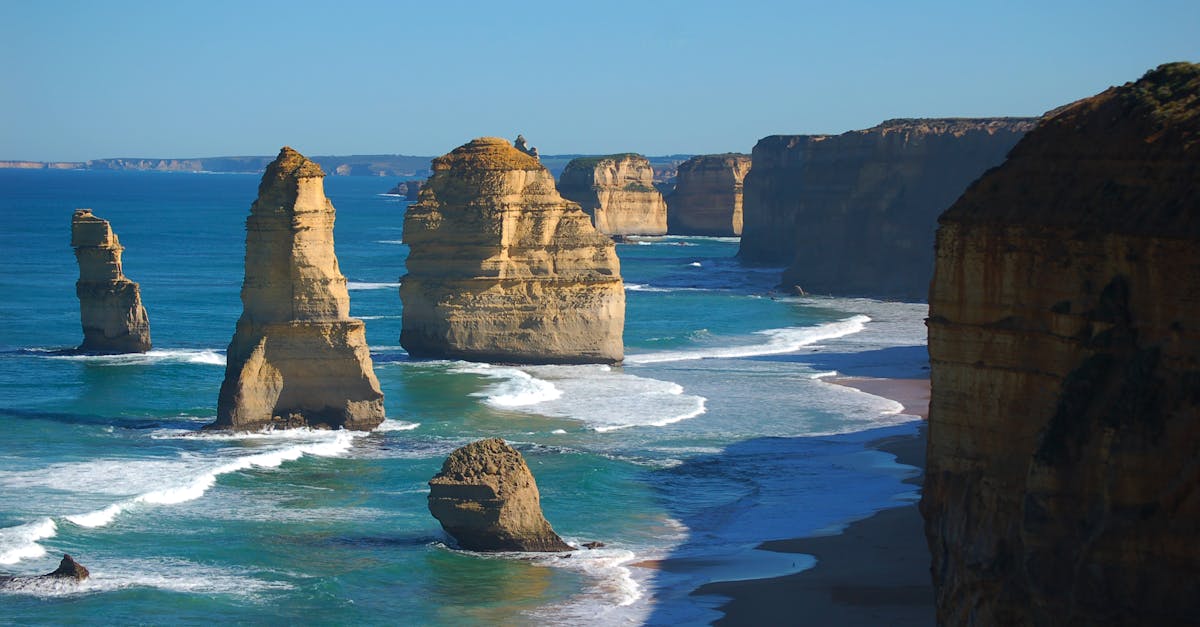
The headline attraction. A series of limestone stacks rising up to 45 metres out of the Southern Ocean, formed over millions of years of erosion. There are now 7 visible stacks (the original count was based on a poetic naming, not actual count, and several have collapsed since). Free visitor centre, free parking, free underpass to boardwalks. Allow at least 1 hour. Helicopter flights from the visitor centre cost A$165 for 15 minutes — splurge if you can.
Loch Ard Gorge
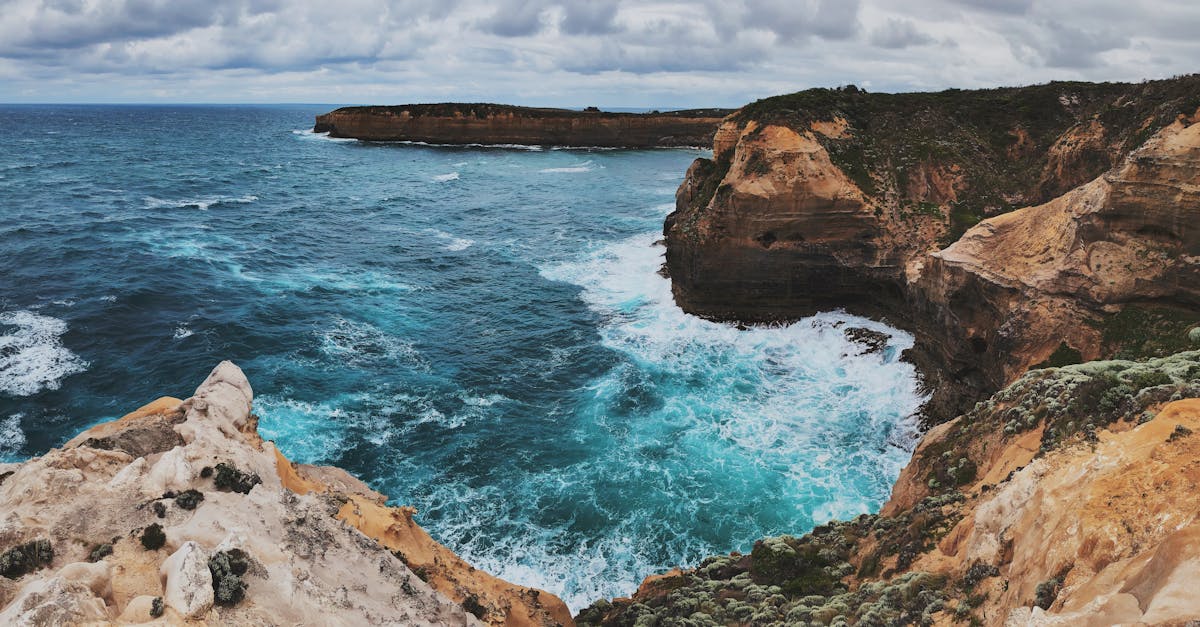
5 minutes’ drive west of the Apostles, named for the 1878 shipwreck of the clipper Loch Ard. Steps lead down to a sheltered beach inside a sandstone amphitheatre — one of the prettiest spots on the Great Ocean Road and dramatically less crowded than the Apostles. 30 minutes minimum.
London Arch (formerly London Bridge)
15 minutes further west, a former natural arch that partially collapsed in 1990, leaving its current dramatic form. Free, quick stop.
Best photo stops
- Memorial Arch (Eastern View) — the iconic “Great Ocean Road” sign over the road.
- Bells Beach overlook — surf and cliffs.
- Kennett River koalas — wild koalas in roadside gums.
- Twelve Apostles boardwalk and helicopter — the classic.
- Loch Ard Gorge from beach level — the more dramatic shot most tourists miss.
- Razorback (just east of Apostles) — sharp limestone ridge stack, photogenic.
- Bay of Islands (further west) — lower-traffic alternative if you have extra time.
What to pack for a Great Ocean Road day trip
- Layers — coastal Victoria can swing 15°C in a day, especially in spring.
- Waterproof jacket — wind off the Southern Ocean is fierce even on sunny days.
- Comfortable walking shoes — boardwalks and rainforest trails.
- Sunscreen and sunglasses — UV is extreme November to March.
- Snacks and water — service stations are sparse between Apollo Bay and Port Campbell.
- Camera or phone with full battery — bring a power bank for self-drive.
- Reusable bag for koala-viewing locations — the local cockatoos appreciate not finding plastic.
- Cash or card for parking and small-town cafes.
Best time of year for a Great Ocean Road day trip
- March–May (autumn) — best weather, low rainfall, mild temperatures, fewer crowds. Top recommendation.
- September–November (spring) — wildflowers, baby koalas, but rain risk.
- December–February (summer) — busiest, hottest, holiday traffic. Sea fog can ruin Apostles views some mornings.
- June–August (winter) — dramatic stormy seas, occasional sun breaks, but cold and wet. Whale-watching peak.
Common Great Ocean Road day trip mistakes
- Starting too late — leaving Melbourne after 8 am means rushing the Apostles or driving home in dark.
- Returning via the coast — the inland route via Colac is 1.5 hours faster and saves you driving the same road in the dark.
- Skipping Loch Ard Gorge — it’s arguably more beautiful than the Apostles and only 5 minutes away.
- Not booking a tour ahead in summer — coach tours sell out 3–5 days ahead in peak season.
- Trying to drive at night — wildlife (kangaroos, wombats) on rural roads after dark is genuinely dangerous.
- Underestimating winding-road fatigue — share the driving if possible.
- Skipping the koalas at Kennett River — they’re free, wild, and right there.
Every Great Ocean Road stop in detail
Torquay (the road’s official start)
The unofficial gateway. Torquay is the global home of the surf brands Rip Curl and Quiksilver, both founded here. The Australian National Surfing Museum (free) is worth a 20-minute stop. Bomboras Cafe and Pickle Cafe both serve excellent breakfast and coffee. Distance from Melbourne: 95 km.
Bells Beach
15-minute detour from Torquay. World-famous surf break that hosts the Rip Curl Pro every Easter. The cliff-top viewing platform offers a clean photographic angle of waves and surfers. 30 minutes is enough.
Anglesea
Often skipped on day trips. The Anglesea Golf Course famously has resident kangaroos grazing the fairways — visitors can drive in to see them up close (free, casual). Anglesea River and beach are family-friendly.
Aireys Inlet and Split Point Lighthouse
The Split Point Lighthouse (“Eagles Nest” in the Australian children’s TV show Round the Twist) sits on a cliff with panoramic views. Free to walk around the base; lighthouse tours A$12. The town has good fish and chips at the Aireys Pub.
Memorial Arch (Eastern View)
The wooden archway commemorating the road’s WWI soldier-builders. The classic “Great Ocean Road” sign photo. Free parking and a small interpretive area.
Lorne
One of the prettiest seaside towns on the route. The pier, the foreshore, and the main street offer good cafes and a relaxed beach-town vibe. A short detour inland leads to Erskine Falls (a 30-metre waterfall, 10-minute walk from the carpark).
Kennett River
The free wild koala viewing stop. Park at the Kennett River General Store. Walk up Grey River Road behind it. Look up. Wild koalas in gum trees, almost guaranteed sightings. King parrots and crimson rosellas often land on outstretched hands.
Apollo Bay
The road’s halfway point and the most popular overnight stop. Apollo Bay Bakery is a Victorian institution. Casa Tua does upscale Italian for dinner. Wildlife Wonders Sanctuary just outside Apollo Bay (paid, A$45) offers guaranteed koala and kangaroo sightings.
Otway National Park
Inland after Apollo Bay, the road climbs into ancient temperate rainforest. Maits Rest Rainforest Trail is a 20-minute boardwalk through soaring myrtle beech and tree ferns. Triplet Falls is a longer walk (1 hour). The Otway Fly Treetop Walk (paid, A$32) lets you walk among rainforest canopies.
Cape Otway Lighthouse
The mainland’s oldest surviving lighthouse (1848). 12-km detour from the main road. Excellent for whale watching in winter (June–September). Entry A$22. Wild koalas on the road in to the lighthouse are common.
Twelve Apostles
The headline stop. Limestone stacks rising up to 45 metres out of the Southern Ocean. Currently 7 visible stacks (the original count was a poetic naming convention; several have collapsed). Free parking, free underpass to boardwalks. Helicopter flights from the visitor centre cost A$165 for 15 minutes — splurge if you can. Allow at least 1 hour at ground level.
The Razorback and Bay of Islands
Often skipped, beautiful and quieter. The Razorback is a sharp limestone ridge stack just east of the Apostles. Bay of Islands further west is a series of smaller coastal stacks; usually empty even at peak season.
The Grotto
Often skipped. Easy 5-minute walk to a sea cave with a small natural archway and a tidal pool. Free, quiet, photogenic.
2-day Great Ocean Road overnight itinerary
Day 1 — Melbourne to Apollo Bay
- 8:00 am — leave Melbourne CBD via the M1.
- 9:30 am — coffee in Torquay, visit the surf museum.
- 10:30 am — Bells Beach lookout.
- 11:30 am — Aireys Inlet and Split Point Lighthouse.
- 12:30 pm — lunch in Lorne (the pier and foreshore).
- 2:30 pm — Erskine Falls quick detour.
- 3:30 pm — Kennett River for free koala spotting.
- 5:00 pm — check in to Apollo Bay accommodation.
- 6:00 pm — sunset walk on Apollo Bay beach.
- 7:00 pm — dinner at Casa Tua or Apollo Bay Hotel.
Day 2 — Apollo Bay to Twelve Apostles and back
- 7:30 am — early breakfast.
- 8:30 am — Cape Otway Lighthouse (whale watching in winter).
- 10:00 am — Maits Rest rainforest walk.
- 11:30 am — Otway Fly Treetop Walk.
- 1:00 pm — lunch in Princetown or at the Twelve Apostles visitor centre.
- 2:30 pm — Twelve Apostles boardwalks.
- 3:30 pm — Loch Ard Gorge.
- 4:30 pm — London Arch and the Grotto.
- 5:30 pm — start the inland return drive via Cobden, Colac, and the Princes Highway.
- 9:00 pm — back in Melbourne.
Where to stay along the Great Ocean Road
- Apollo Bay — the most popular overnight base. Apollo Bay Eco YHA (budget), Apollo Bay Hotel (mid), Chris’s Beacon Point (upscale).
- Lorne — Mantra Lorne (mid), Cumberland Lorne Resort (mid-upscale).
- Port Campbell — closest to the Twelve Apostles. Port Campbell Hostel (budget), Anchors Port Campbell (mid).
- Aireys Inlet — relaxed seaside guesthouses; The Lighthouse Resort and Aireys Inlet Holiday Park.
- Forrest — inland in the Otways, perfect for rainforest hikers. Forrest General Store accommodation.
- Princetown — small town 15 minutes east of Twelve Apostles; cabins available at the caravan park.
Great Ocean Road photography per stop
- Memorial Arch — wide-angle for the full sign-and-road shot, golden hour for warm light.
- Bells Beach — long lens for surfer-on-wave shots; wide angle for cliff-and-beach.
- Kennett River koalas — telephoto (200mm+) for tight koala-in-tree shots.
- Lorne pier — slow shutter on a tripod for silky water-and-pier shots at dawn.
- Twelve Apostles — golden hour (sunset best). Wide-angle from the boardwalks; helicopter for the iconic aerial.
- Loch Ard Gorge — beach level looking up for amphitheatre shots; cliff-top for the open ocean view.
- Otway rainforest — long exposure on a tripod, polariser to cut glare from wet leaves.
- London Arch — golden hour, wide-angle.
Great Ocean Road by season
- Summer (Dec–Feb) — busiest, hottest, holiday-traffic peak. Sea fog can ruin Apostles views some mornings. Book accommodation 3+ months ahead.
- Autumn (Mar–May) — best time. Settled weather, clear views, fewer crowds.
- Winter (Jun–Aug) — wild seas, dramatic light. Whale watching peak (southern right whales calve at Logans Beach in Warrnambool, May–October). Cold and wet, but atmospheric.
- Spring (Sep–Nov) — wildflowers, baby koalas, milder temperatures. Some rain risk.
Great Ocean Road wildlife
- Koalas — Kennett River (free, almost guaranteed), Cape Otway, Wildlife Wonders Sanctuary.
- Kangaroos — Anglesea Golf Course (resident population), Otway grasslands at dusk.
- Echidnas — occasional sightings on Cape Otway road.
- Whales (winter) — Logans Beach near Warrnambool is a designated nursery, May to October.
- Fairy penguins — at the Twelve Apostles boardwalk after dusk (small colony).
- King parrots, crimson rosellas, sulphur-crested cockatoos — at Kennett River.
Great Ocean Road beaches worth stopping at
- Anglesea Beach — family-friendly, river meets sea.
- Bells Beach — surfers only; not a swimming beach.
- Lorne main beach — patrolled in summer, calm bay water.
- Apollo Bay main beach — long curving bay, family-friendly.
- Wreck Beach — remote, pretty, anchor remnants visible at low tide; access via 350-step staircase.
- Gibson Steps Beach — beach-level access right next to the Twelve Apostles.
Cycling and active alternatives
- Great Ocean Walk — 110-km hiking trail from Apollo Bay to the Twelve Apostles. Multi-day trek, with camping or guided lodge-to-lodge options. Best in autumn.
- Cycling the Great Ocean Road — challenging because of road sharing with cars and limited shoulders. Best done in supported tour groups.
- Surf lessons — Torquay and Apollo Bay both have beginner surf schools (around A$95 for a 2-hour group lesson).
- Sea kayaking — Apollo Bay Surf and Kayak operates harbour and seal-spotting tours.
- Helicopter tours — from the Twelve Apostles visitor centre.
Great Ocean Road alternatives if you’ve been before
- Drive the full route to Warrnambool — beyond London Arch, the road continues to Warrnambool and Allansford. Logans Beach is a winter whale nursery.
- Detour to the Otway Ranges — Triplet Falls, Beauchamp Falls, and the Otway Fly Treetop Walk add an extra half-day.
- Combine with the Grampians — drive west from Warrnambool to the Grampians National Park for hiking; 2–3 days total.
- Inland route to the Twelve Apostles — skip Torquay-to-Apollo-Bay and drive directly via Colac and Cobden in 3 hours; saves a half-day for visitors who only want the Apostles.
Frequently asked questions about the Great Ocean Road day trip
How long does the Great Ocean Road day trip take?
About 12 hours total — 4 hours drive there, 4 hours of stops, 3.5 hours drive back via the inland route, plus traffic. Coach tours run 12 hours; small-group tours similar.
How far is the Great Ocean Road from Melbourne?
Torquay (where the road starts) is 100 km from Melbourne (1 hour 15 minutes). The Twelve Apostles are 235 km from Melbourne (3.5 to 4 hours). Round trip via inland return is roughly 600 km.
Can I see the Twelve Apostles in one day?
Yes — most visitors do exactly this. It’s a long day (12 hours), but very doable. Just leave Melbourne early (6:30 am or earlier) and return via the inland route.
Is the Great Ocean Road day trip worth it?
Yes — even as a fast day trip, it’s the most spectacular drive accessible from Melbourne, and the Apostles are genuinely as good as the photos. An overnight stay improves it significantly but is not strictly necessary.
What’s the best Great Ocean Road tour from Melbourne?
For budget travellers: AAT Kings, Gray Line, or Bunyip Tours large coaches (A$130–A$180). For better small-group experience: Wildlife Wonders, Go West Tours, or Auswalk (A$200–A$280). For the best small-luxury feel: Localing or Bunyip Tours premium options.
Are there koalas on the Great Ocean Road?
Yes — wild koalas live in the gum trees at Kennett River (especially Grey River Road), the Otway Fly area, and Cape Otway Lighthouse Road. Kennett River is the easiest, free, and almost-guaranteed spotting location.
Is it safe to drive the Great Ocean Road?
Yes — the road is well-paved and signed, but it is winding, with steep cliffs and slow trucks. Drive sober, take breaks every 90 minutes, and avoid driving after dark. Wildlife on rural roads at dusk is the main hazard.
Final word: making the most of your Great Ocean Road day trip
The Great Ocean Road day trip is one of those Australian experiences that lives up to every photograph you have ever seen — and surprises you with detail that the photographs miss. The smell of eucalyptus in the rainforest. The roar of wind off the Southern Ocean at Loch Ard Gorge. The sound of cockatoos at Kennett River. Plan for an early start, take the inland route home, and if you can stretch it to 2 days, do it. For more day trip ideas, see our best day trips from Melbourne pillar.