Melbourne Travel Guide (2026): Plan Your Perfect Trip
- Words
- Melbourne Tourism Guide
- Updated
- August 20, 2026
- Read
- 27 min
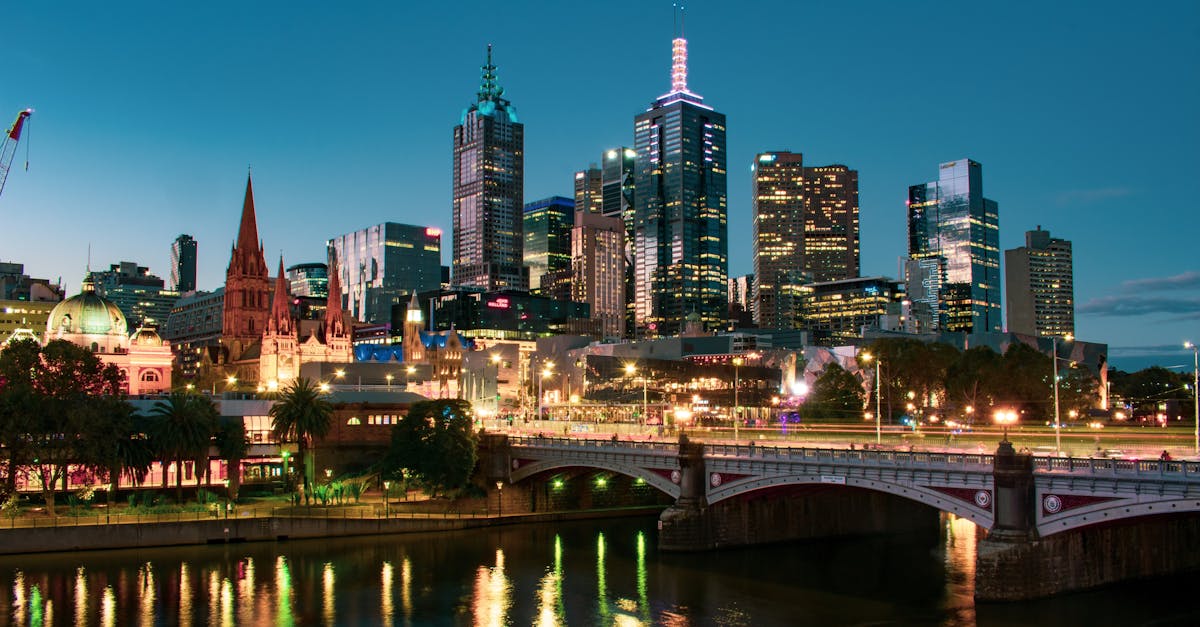
Melbourne travel guide — complete 2026 plan covering visa and ETA, when to visit, flights, where to stay, getting around, daily costs, itineraries, packing, safety, Melbourne vs Sydney, and 50 insider tips.
This article contains advertising. Our booking links are routed through a partner that adds commission tracking automatically, so if you book through one we earn a commission from the provider, at no extra cost to you. It never affects what we recommend. Affiliate disclosure
This Melbourne travel guide is the one-page plan you need to visit Melbourne in 2026 with confidence. It covers every decision a traveller has to make — visa, flights, when to visit, where to stay, how to get around, how much it will cost, what to pack, what to see, what to eat, and how to stay safe — in the order you will face them. Whether you are flying in for three days or planning a two-week deep dive, this guide will save you hours of scattered research and point you straight to the deeper pillars on our site when you need more. Melbourne is Australia’s culture capital, its food capital, its sport capital, and arguably its most liveable city. Done right, a Melbourne trip is one of the most rewarding you can take in the Southern Hemisphere.
Why visit Melbourne in 2026
Melbourne consistently ranks among the world’s most liveable cities (regularly top-three in The Economist’s Global Liveability Index) and for visitors it translates into a city that simply works. Trams run every six minutes in the CBD, most of the centre is walkable, tap water is safe, English is the main language, and the food, coffee, and arts scenes are world-class. Unlike Sydney’s harbour-and-beach identity, Melbourne’s strength is depth — the pleasure of the city reveals itself slowly, in laneway cafes, independent boutiques, hidden rooftop bars, and galleries that would be flagship institutions in any other city.
2026 is a particularly good year to visit. The NGV Triennial opens in December 2026. The Australian Open (January) remains one of the four tennis grand slams. The Formula 1 Grand Prix returns in March. The Melbourne International Comedy Festival in April is the world’s third-largest. And the Australian dollar remains favourable for most international visitors.
Australia visa requirements for visiting Melbourne
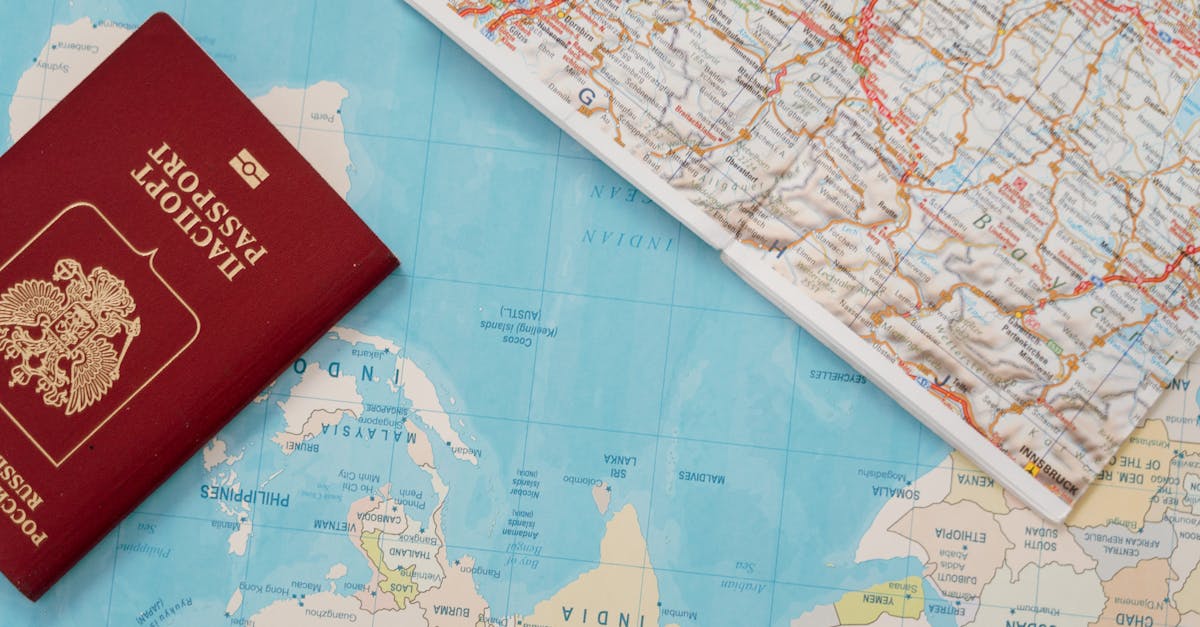
Almost every visitor to Melbourne needs a visa — even for short tourist stays. Australia does not have visa-free travel. The good news is that for most travellers the process is online, quick, and cheap.
- eVisitor (subclass 651) — free, for citizens of most European countries (EU, UK, Norway, Switzerland, etc.). Apply online via the Department of Home Affairs website. Allows multiple visits up to 3 months each within 12 months.
- Electronic Travel Authority (ETA, subclass 601) — A$20 service fee, for citizens of the US, Canada, Japan, South Korea, Singapore, Taiwan, Hong Kong, Malaysia, Brunei, and a handful of others. Must be applied for via the official Australian ETA mobile app, not third-party websites that charge inflated fees.
- Visitor Visa (subclass 600) — A$190+, for everyone else. Apply online via ImmiAccount. Processing from a few days to several weeks.
- Working Holiday (subclass 417/462) — A$670, for 18–30 year-olds (35 for some nationalities) from eligible countries. Allows 12 months of work and travel.
Apply at least 2 weeks before your trip. All Australian visas are electronically linked to your passport — there is no sticker or stamp. On arrival, Australia uses SmartGate e-passport lanes at Melbourne Airport that most ePassport holders from eligible countries can use. Always apply via the official government website (immi.homeaffairs.gov.au) and never via lookalike agent sites.
When is the best time to visit Melbourne?
Melbourne has a temperate oceanic climate with four distinct seasons — remember that the Southern Hemisphere reverses Northern seasons. The locals’ joke “four seasons in one day” is not an exaggeration; the weather can genuinely swing 15°C in a single afternoon, so always pack layers.
| Season | Months | Avg max / min | What to expect |
|---|---|---|---|
| Summer | December–February | 26°C / 14°C | Warm, dry, festival peak. Occasional heatwave days 38°C+. |
| Autumn | March–May | 20°C / 10°C | The best weather of the year. Clear, crisp, low rain. |
| Winter | June–August | 13°C / 6°C | Cool and grey, rain common. Never snows in the city. |
| Spring | September–November | 19°C / 8°C | Volatile. Gardens bloom. Rainy but warming. |
The sweet spots for most visitors are March and April (settled warm weather, comedy festival, Grand Prix) and October and November (spring blooms, Melbourne Cup, arts festival). Summer (December–February) is the festival and beach season but can include heatwaves; winter (June–August) is the cheapest time to visit with the fewest crowds and still-active indoor cultural scene.
Flights and arriving in Melbourne
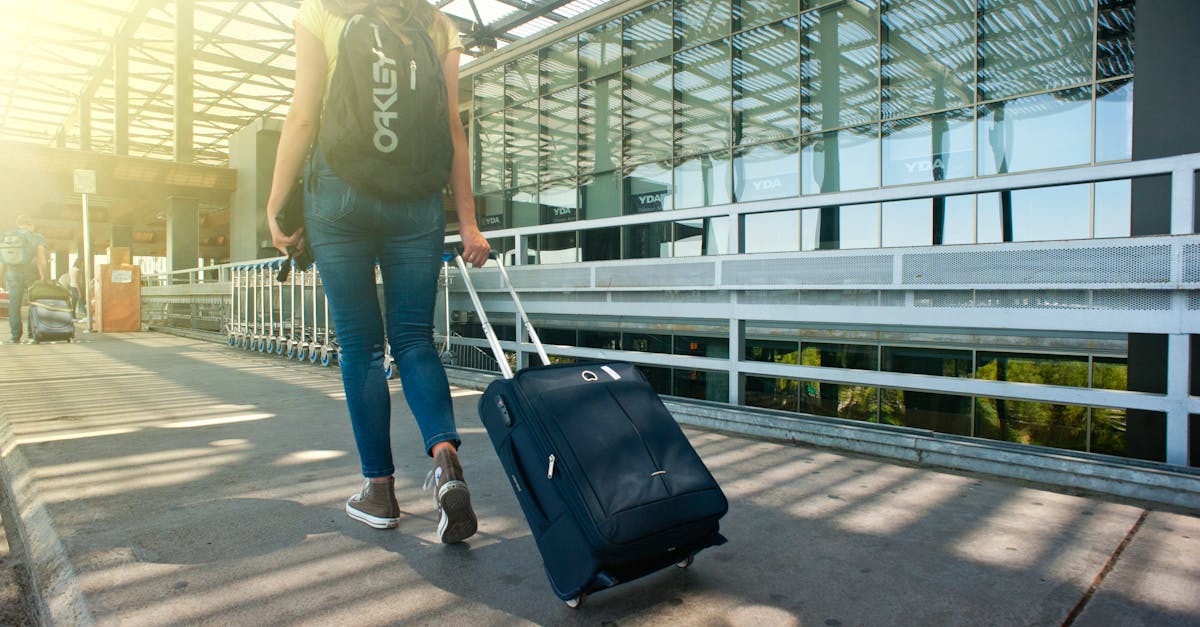
Melbourne Airport (code MEL, locally called Tullamarine) is the city’s main international and domestic airport, 25 km northwest of the CBD. It has four terminals: T1 Qantas domestic, T2 international (all airlines), T3 Virgin domestic, and T4 budget carriers (Jetstar, Rex). International arrivals clear immigration and customs in T2 — allow 45–60 minutes from wheels-down to exit during peak.
Four ways to reach the CBD from the airport:
- SkyBus — A$24 one way, A$45 return, runs 24/7 every 10 minutes. 25 minutes to Southern Cross Station. Best choice for most visitors.
- Uber / Taxi — A$60–A$90 to CBD, 25–45 minutes depending on traffic.
- Route 901 SmartBus — A$5.30 with Myki, 60 minutes, connects to Broadmeadows train station.
- Airport Rail (from 2029) — under construction, not available in 2026.
Avalon Airport (AVV), 55 km southwest, serves a handful of domestic and Asian budget flights. It has less frequent SkyBus service (A$24 to Southern Cross).
Getting around Melbourne
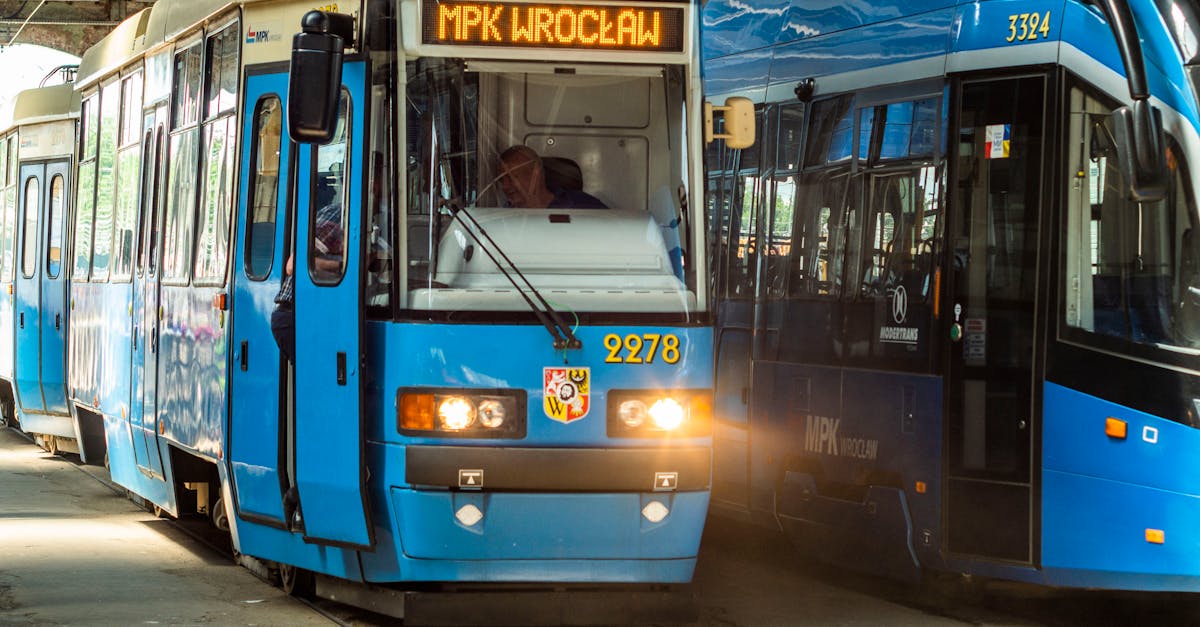
Melbourne has the world’s largest urban tram network — 250 km of track and nearly 500 trams. Combined with metropolitan trains and buses, public transport covers nearly every tourist destination. Practical essentials:
- Myki card — the single reusable stored-value card that gets you on every tram, train, and bus. Buy at any 7-Eleven, Myki machine, or PTV hub for a A$6 card fee, then top up. Contactless credit card tap-on is also rolling out in 2026.
- Daily cap — A$11 weekdays, A$8 weekends. No matter how many trips you take, you never pay more than the cap in one day.
- Free Tram Zone — the entire CBD core (between Spring, La Trobe, Spencer, and Flinders Streets, plus Docklands and Queen Vic Market) is completely free. Hop on and off without tapping.
- Night network — trams and trains run 24/7 on Friday and Saturday nights.
- Walking — the CBD grid is only 2 km × 1 km, genuinely walkable corner-to-corner in under 30 minutes.
Uber, Didi, and Ola operate citywide with 3-to-5-minute pickups in the CBD. Taxis (Silver Top, 13 CABS) are metered. For day trips to the Great Ocean Road, Yarra Valley, and Mornington Peninsula, most travellers join a coach tour or hire a car at the airport — Avis, Hertz, Europcar, and local Redspot all operate from MEL.
Where to stay in Melbourne
For a first visit, stay in or immediately around the CBD. The central grid is compact, inside the Free Tram Zone, and puts every major attraction within 20 minutes’ walk or one tram stop.
- CBD grid (east or west) — safest, closest to NGV, Fed Square, and the theatre district. Best all-round choice.
- Southbank — riverside, high-rise, home to Crown Casino, Arts Centre, and river-view hotels. Quieter at night than the CBD.
- Docklands — waterfront new-build district. Cheaper, quieter, slightly further from the action.
- South Yarra / Prahran — stylish, boutique-hotel friendly, near Chapel Street shopping. 15 minutes by tram to CBD.
- Carlton / Fitzroy — hip, walkable, foodie. Best for return visitors who want local neighbourhood vibes.
- St Kilda — beachside, backpacker-heavy, 20 minutes by tram to CBD. Good in summer.
Budget tiers to expect: hostels A$40–A$60/night, mid-range hotels A$150–A$250, upscale (Crown, Langham, Park Hyatt, Ritz-Carlton) A$400+. Airbnb is widely available but heavily regulated — always confirm the listing has a valid Victorian short-stay registration.
How much does a Melbourne trip cost?
Budget estimate per person, per day, in 2026 Australian dollars:
| Style | Accommodation | Food | Transport | Activities | Daily total |
|---|---|---|---|---|---|
| Budget | A$45 (hostel) | A$35 | A$8 | A$15 | A$103 |
| Mid-range | A$180 (3-star) | A$75 | A$11 | A$40 | A$306 |
| Luxury | A$450 (5-star) | A$180 | A$30 (Uber) | A$80 | A$740 |
Add one day trip at A$120–A$180 per person, and international flights starting around A$1,500 from North America or Europe. A modest 7-day Melbourne trip for two people in 2026 is realistically A$3,000–A$5,000 excluding flights.
Top things to do in Melbourne
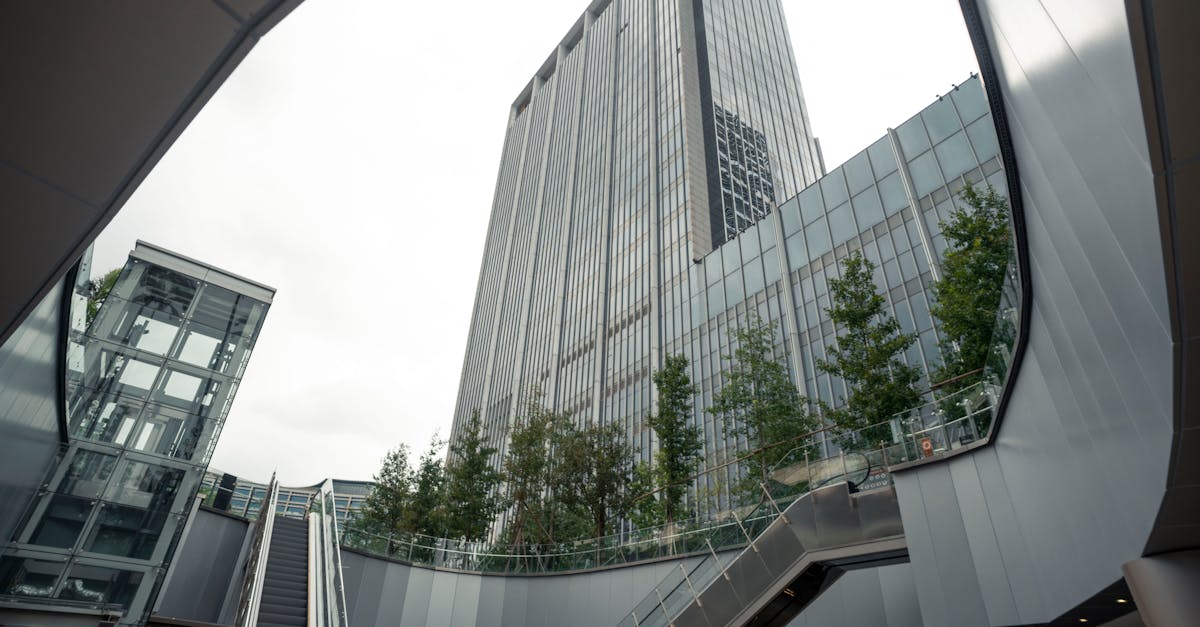
Melbourne’s attractions fall into clear clusters. Most first-timers will want to cover at least one from each group.
Culture and arts
National Gallery of Victoria (NGV International and NGV Australia — both free), ACMI, Melbourne Museum, Royal Exhibition Building, Arts Centre Melbourne, State Library of Victoria. Hosier Lane for street art.
Food and drink
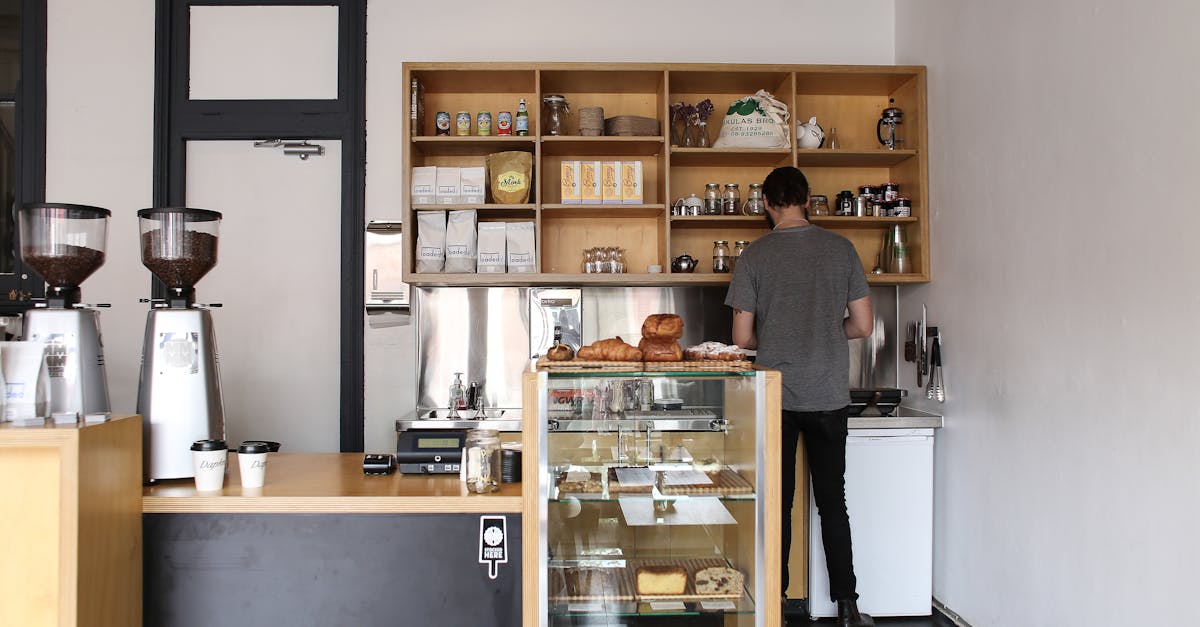
Queen Victoria Market (Melbourne’s 19th-century food market, free entry, open 6 days), Degraves Street and Hardware Lane (laneway cafes), South Melbourne Market, Lygon Street (Italian), Victoria Street (Vietnamese), Chapel Street (modern Australian), Carlton Gardens brunches. Melbourne invented the flat white — a morning cafe-hop is a core Melbourne experience.
Parks and outdoors
Royal Botanic Gardens (38 hectares, free), Kings Domain, Albert Park Lake, Yarra River paths. St Kilda Beach and pier. Half-day walking loop: Princes Bridge → Botanic Gardens → Shrine of Remembrance → Arts Centre spire.
Sport
Melbourne is Australia’s sport capital. The Melbourne Cricket Ground (MCG) hosts AFL (March–September), international cricket (summer), and Boxing Day Test. Rod Laver Arena hosts the Australian Open (January). Albert Park hosts the Formula 1 Grand Prix (March). Flemington hosts the Melbourne Cup (first Tuesday in November). Booking ahead for any of these is essential.
Beaches and coast
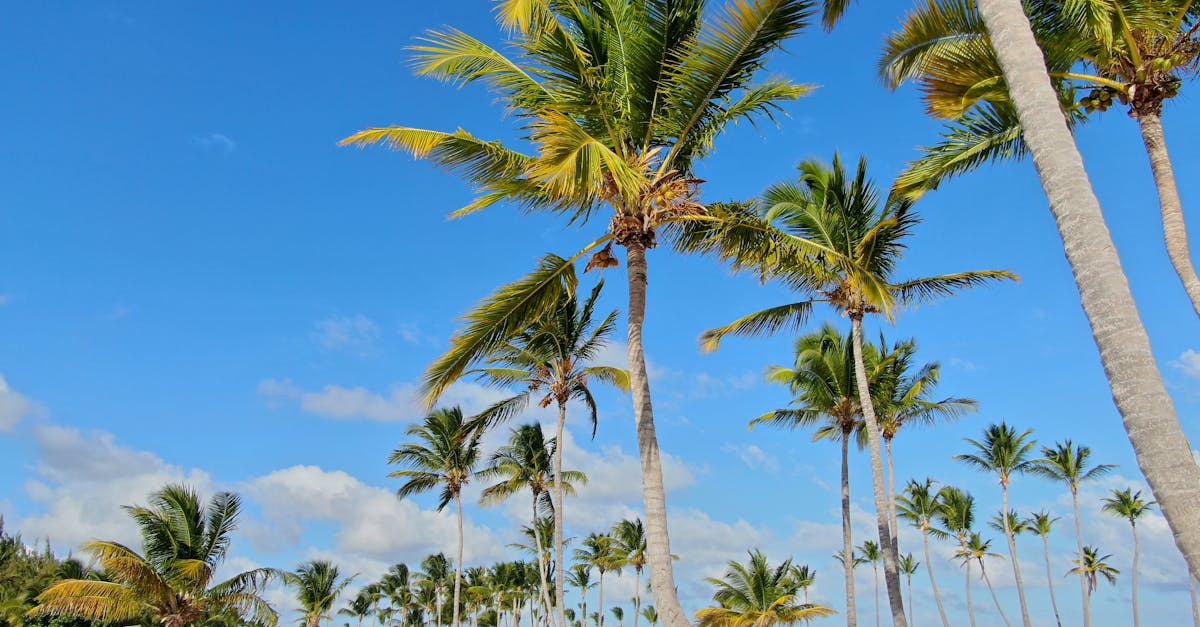
St Kilda Beach is 20 minutes by tram from the CBD and free. The Mornington Peninsula is an hour south for better beaches (Sorrento, Blairgowrie). Brighton Beach has the famous painted bathing boxes.
Day trips from Melbourne
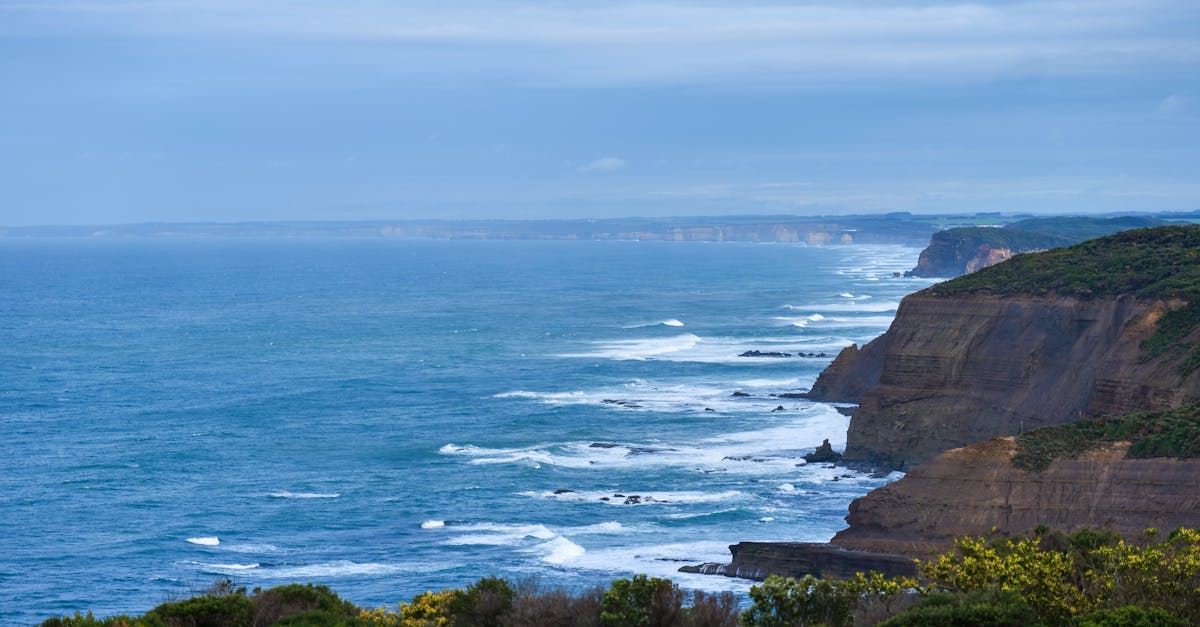
If you have a week or more, build in at least one day trip. The canonical three:
- Great Ocean Road — the Twelve Apostles, Loch Ard Gorge, and coastal rainforest. 1-day coach tours A$130–A$180; 2-day stays far better.
- Yarra Valley — wine country 1 hour east. Domaine Chandon, Yering Station, Rochford. Tours with tastings A$160–A$200.
- Phillip Island — the Penguin Parade at sunset, koalas, surf beaches. 1-day tours A$140–A$170.
Further afield: Mornington Peninsula (hot springs, beaches), Ballarat (Sovereign Hill gold-rush history), and Grampians (hiking, one of Australia’s best national parks).
Melbourne itineraries: 3, 5, and 7 days
3-day Melbourne itinerary
Day 1 — The Essentials: Morning coffee on Degraves Street. NGV Australia at Fed Square. Hosier Lane. Lunch at Queen Victoria Market. Afternoon at the State Library and Melbourne Museum. Dinner on Hardware Lane. Rooftop bar at night.
Day 2 — Gardens and River: Walk the Yarra to the Royal Botanic Gardens and Shrine of Remembrance. NGV International. Tram to St Kilda Beach. Sunset at the pier. Dinner on Fitzroy Street.
Day 3 — Great Ocean Road: One full day tour to the Twelve Apostles. Late return, casual dinner in Carlton on Lygon Street.
5-day Melbourne itinerary
Keep days 1–3 above. Day 4 — Yarra Valley wine tour. Day 5 — morning in Fitzroy (Brunswick Street, Collingwood Yards galleries, vintage shopping), afternoon at ACMI, evening live music at Northcote Social Club or The Corner Hotel.
7-day Melbourne itinerary
Add Day 6 Phillip Island penguin parade and koalas, and Day 7 Mornington Peninsula hot springs and beaches. Alternatively, replace with a 2-day Great Ocean Road overnight to reach the Grampians. This rounds out city-coast-wine-wildlife in one week.
What to pack for Melbourne
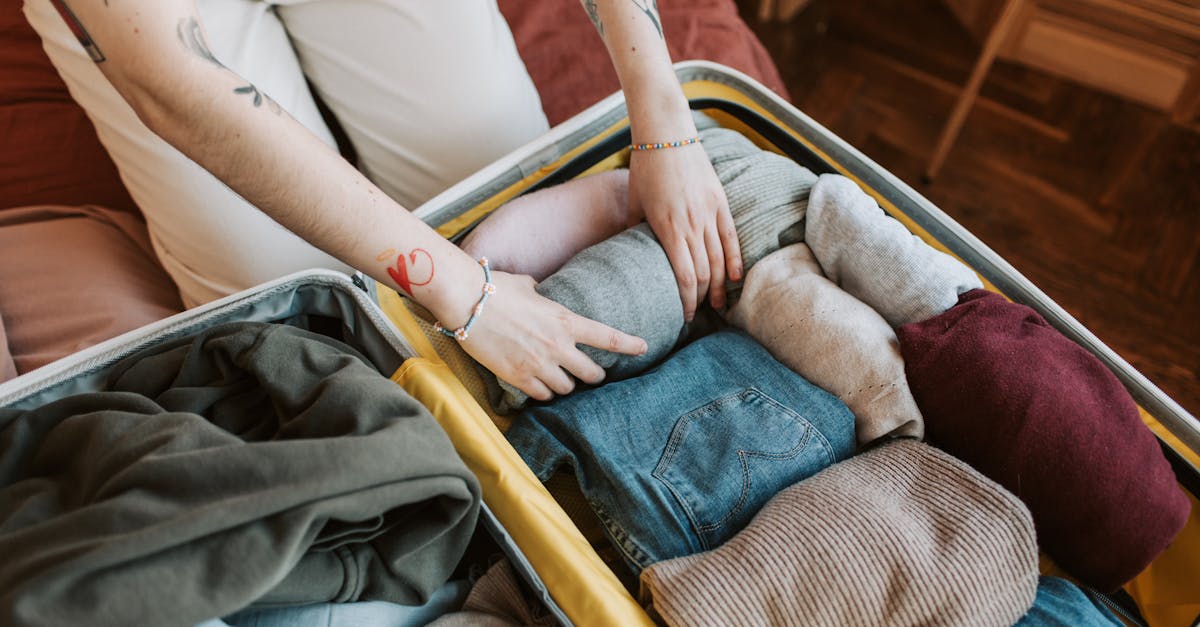
Melbourne’s signature weather rule: layers. Regardless of season, always pack a light waterproof jacket and a warm mid-layer. Core seasonal checklists:
- Summer (Dec–Feb): t-shirts, shorts, dress for nights out, swimwear, sunscreen SPF50+, hat, sunglasses, light rain jacket, one warm layer for air-conditioned venues.
- Autumn (Mar–May): jeans, long-sleeve shirts, light sweater, waterproof jacket, comfortable walking shoes.
- Winter (Jun–Aug): warm coat, scarf, beanie, waterproof jacket, thermal base layers for evenings, waterproof shoes.
- Spring (Sep–Nov): mix of autumn and summer — expect any weather in one day.
Australian electrical outlets are Type I (three angled flat prongs, 240V/50Hz). Most US, European, and Asian devices need an adapter. Nearly all hotels have USB ports at the bedside. Tap water is safe, a reusable bottle saves plastic.
Is Melbourne safe for tourists?
Melbourne is one of the world’s safest cities. Violent crime against tourists is very rare. The most common incidents are opportunistic: phone theft on crowded trams, bag-snatching from unattended tables at late-night restaurants, and pickpocketing around major tourist sites (Bourke Street Mall, Queen Victoria Market, big festivals).
Common-sense precautions apply: keep your phone in a secure pocket on public transport, do not leave bags unattended, avoid isolated underpasses late at night, and if you are out after midnight in the CBD on weekends, expect busy but generally safe streets (visibly present police and private security). Emergency number is 000 for police, ambulance, or fire. Healthcare is excellent — large public hospitals (Royal Melbourne, St Vincent’s) are 24/7 and take walk-in emergencies. Pharmacy-style minor conditions: Chemist Warehouse stays open until late in most suburbs.
Weather safety is often underestimated. Summer sun is extreme — UV readings regularly hit 11+. Wear sunscreen, hat, and sunglasses between 10 am and 4 pm November to March. Bushfire risk on very hot days (40°C+) can affect day trips — check the Victorian Emergency app.
Money, tipping, and apps
Currency is the Australian dollar (AUD, A$). Australia is nearly cashless — tap-to-pay card or phone works almost everywhere, including trams and market stalls. ATMs are widely available and non-bank ATMs (Westpac, CBA, NAB, ANZ) are free for most foreign cards; convenience-store ATMs charge A$2–A$3.
Tipping is not expected in Australia. Service staff are paid a legally mandated wage that does not rely on tips. Rounding up at a restaurant, or leaving 5–10% for outstanding service, is appreciated but never obligatory. No tipping at cafes, hotels, taxis, or bars.
SIM cards are cheap (A$30 for 30-day unlimited from Optus, Telstra, or Vodafone at the airport). eSIMs (Airalo, Holafly) work well for short visits. Public Wi-Fi is reliable in hotels, cafes, libraries, and the entire CBD Free Wi-Fi network.
Essential apps for visiting Melbourne
- PTV Journey Planner — live tram, train, bus times and trip planning.
- Uber / Didi / Ola — ride hail.
- Google Maps / Apple Maps — walking and transit routing.
- Yarra Trams — tram-specific real-time tracker.
- Visit Victoria — official tourism info.
- Australian ETA — official government app for US/Canadian/Japanese etc visa applications.
- BOM Weather — Bureau of Meteorology official weather app.
- Melbourne Airport — live flight and terminal info.
- TodayTix / Lasttix — cheap theatre tickets.
- OpenTable — restaurant bookings.
Melbourne vs Sydney: honest comparison
The eternal question. Both cities are worth visiting, and if you have more than a week in Australia, you can do both. Short version:
- Sydney wins on: harbour views, iconic postcard landmarks (Opera House, Harbour Bridge), ocean beaches, short-trip bucket-list photos.
- Melbourne wins on: food, coffee, arts and culture, live music, shopping, and liveability. The city rewards slow exploration.
- Best combination: 3 days in Sydney, 4–5 days in Melbourne. Fly between them (1h25m, A$100–A$200).
First-time visitor mistakes to avoid
- Not buying a Myki card: you’ll be stuck at tram stops and ticket inspectors do check.
- Skipping the laneways: the real Melbourne is between the main streets — Degraves, Hardware, Centre Place, Hosier.
- Staying in the suburbs on a 3-day trip: save yourself transit time, stay CBD.
- Visiting Great Ocean Road as a self-drive in one day: it’s exhausting. Take a tour or stay a night.
- Not dressing for weather swings: the 25°C morning can be 12°C by afternoon. Layer.
- Arriving during the Grand Prix or AFL Grand Final without booking: hotels sell out months ahead.
- Paying third-party visa agent sites: the ETA is A$20 on the official app; agent sites charge A$100+.
- Expecting to tip: it’s not part of the culture. Over-tipping marks you as a first-timer.
50 Melbourne travel tips locals wish tourists knew
- Order a “flat white” at a cafe — it’s the default Melbourne coffee.
- Never call it “Melbs” or “Melbs-ville.” It’s Melbourne.
- Pronounce it “Mel-bun,” not “Mel-born.”
- The Free Tram Zone is genuinely free — just hop on, no tap-on needed.
- Outside the Free Tram Zone, always tap on with Myki, even on trams.
- Validate your ticket or face a A$250 fine from plainclothes inspectors.
- Bring reusable shopping bags — single-use plastic bags are banned statewide.
- Drinking in public is not allowed in the CBD. Bars and clubs only.
- Legal drinking age is 18. Expect ID checks.
- Smoking is banned in all outdoor dining and drinking areas.
- Cannabis remains illegal recreationally in Victoria.
- Tip only for extraordinary service; rounding up is enough.
- Order food at the counter, not at the table, in most cafes.
- Restaurants take credit cards, but a 1.5% surcharge is common.
- “BYO” means bring your own wine — many restaurants allow it for a small corkage fee.
- Weekdays at 4 pm, Melbourne traffic jams. Avoid Uber at peak times.
- “Meet me at the Flinders Street clocks” is a century-old tradition.
- Jaywalking is technically illegal and fined. Wait for the green man.
- The Opal card (Sydney) does NOT work in Melbourne.
- Most museums close on Mondays.
- Shops close earlier on Sundays (usually 5 pm).
- Thursday and Friday late-night shopping hits 9 pm in the CBD.
- AFL matches are cheap and iconic — get day-of tickets on Ticketmaster.
- MCG is pronounced “the G.”
- Pokies (poker machines) are everywhere but most locals avoid them.
- Australian spiders/snakes: real but extremely rare in the city.
- The water is safe everywhere. No bottled water needed.
- Free Wi-Fi covers most of the CBD — network is “CBD Free Wi-Fi.”
- Melbourne’s coffee shops open at 7 am and close at 3–4 pm.
- Brunch is a sacred institution. Book ahead for weekends.
- Laneways are the soul of Melbourne. Walk every one you pass.
- Summer water temperature at St Kilda rarely exceeds 20°C. It’s cool.
- Queen Victoria Market is cheapest in the last hour before closing.
- Melbourne Cup day (first Tue in November) is a public holiday.
- AFL Grand Final Friday is also a public holiday.
- The AFL Grand Final (Saturday after the first Friday in October) is bigger than Super Bowl here.
- Boxing Day is Melbourne’s biggest shopping day. Queues are long.
- Melbourne has no open container law — no public drinking.
- Police carry guns but almost never use them.
- Emergency number is 000.
- Ambulance is expensive without Medicare — travel insurance is essential.
- Most trams accept prams and wheelchairs via low-floor models.
- Assistance dogs are welcome on all public transport.
- Dogs are NOT generally welcome on trams (guide dogs excepted).
- The fastest way across the CBD is tram 86 or walking.
- Tipping is never expected in Australia.
- Australia uses metric — kilometres, kilograms, Celsius.
- Driving is on the LEFT.
- Melbourne drivers do “hook turns” — turn right from the far left lane at some CBD intersections. Learn this.
- Accept you will not see everything. That’s why people come back.
Yarra River — Melbourne’s central artery
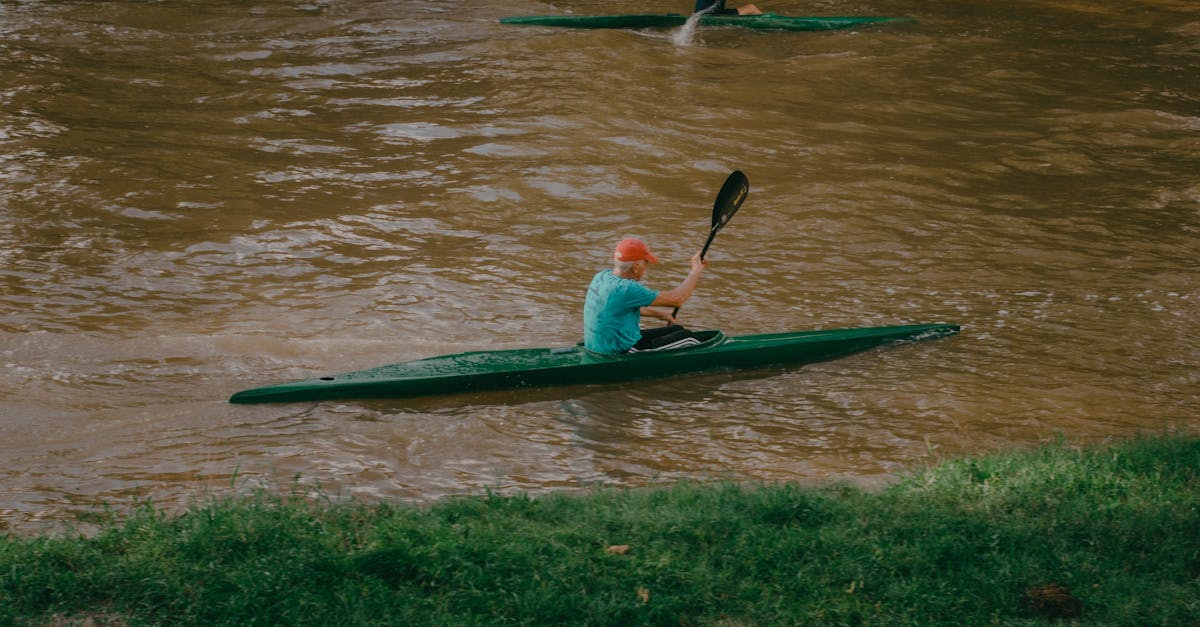
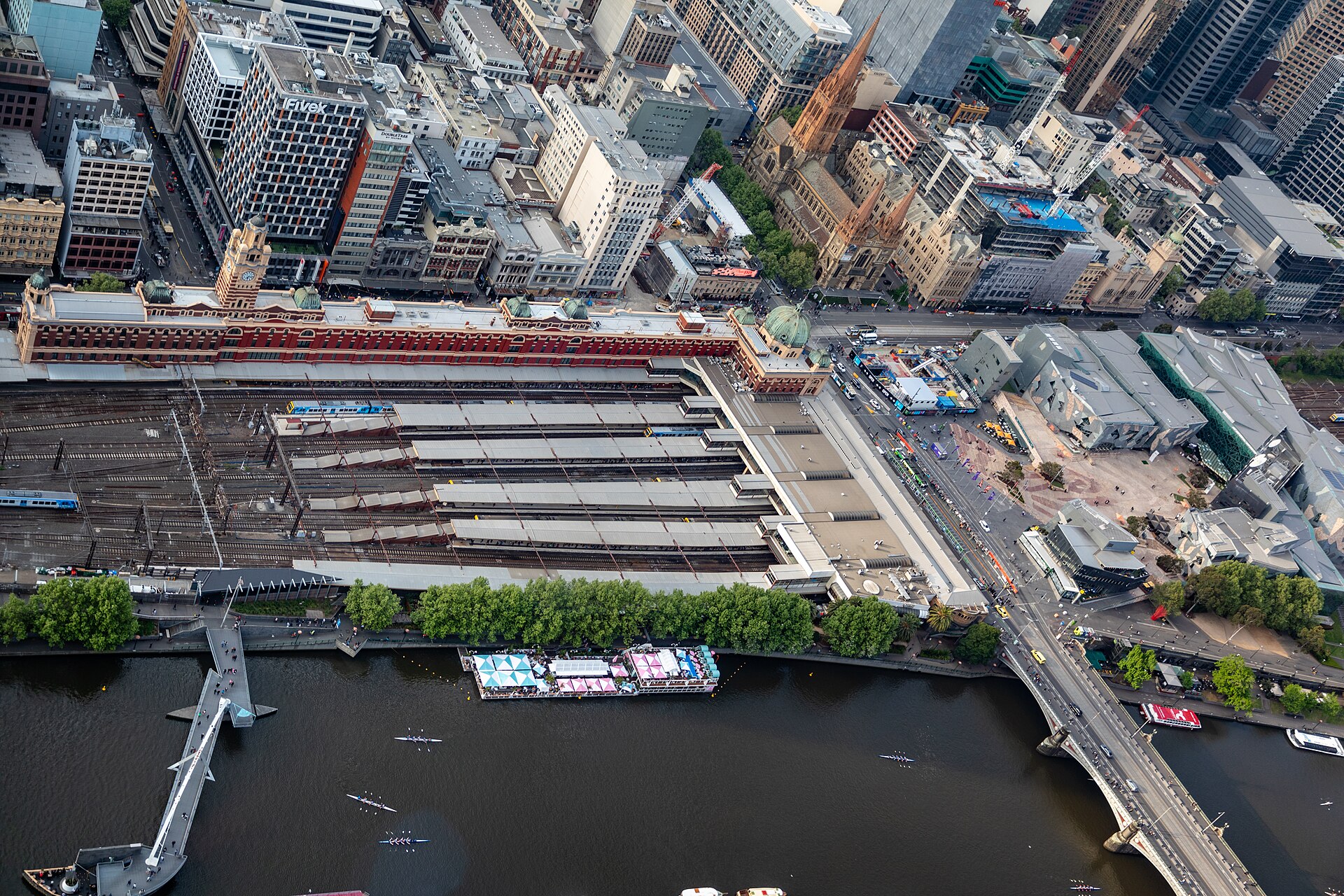
The Yarra (Birrarung in Woi Wurrung) separates the CBD from Southbank. River cruises (Melbourne River Cruises, A$39 for 1 hour) run daily from Federation Square. GoBoat (A$169/hr for up to 8 people) lets you drive your own picnic boat. For free walks, the Birrarung Marr riverside parklands and the Southbank Promenade give great city views at sunset.
Your Melbourne pre-departure checklist
Most of what goes wrong on a Melbourne trip goes wrong before you leave home. Work backwards from your departure date.
| When | Do this |
|---|---|
| 3 months out | Check your passport has at least six months’ validity. Apply for your visa. Book accommodation if your dates overlap the Australian Open, Grand Prix, Melbourne Cup or AFL Grand Final. Buy travel insurance at the same time you book flights, not later |
| 1 month out | Book any restaurant with a 30–90 day release window. Book day tours for the Great Ocean Road or Phillip Island. Check whether a Victorian public holiday falls in your dates. Order an eSIM or plan to buy a prepaid SIM on arrival |
| 1 week out | Check the weather forecast and pack layers regardless of season. Confirm your airport transfer. Tell your bank you are travelling. Download the PTV app and a maps app with offline Melbourne downloaded |
| Day before | Empty your bags of food, plant material and anything wooden. Check your airline’s terminal — Melbourne Airport has four and one of them is a walk away from the others |
The single most valuable item on that list is the insurance one. Australia has reciprocal health care agreements with only a small number of countries, and even those do not cover everything — see the health section below.
Entry, customs and biosecurity: what actually happens on arrival
Australia runs one of the strictest biosecurity regimes in the world, and it is the part of arrival that catches travellers out — not immigration.
Visas
Three visitor pathways exist. The eVisitor (subclass 651) is free and available to eligible European passport holders. The ETA (subclass 601) covers a different list of nationalities and carries a small service charge, applied for through the official app. The Visitor visa (subclass 600) is the fallback for everyone else and costs considerably more. Because fees and eligible nationality lists change, check the Department of Home Affairs visa pricing estimator directly rather than relying on any figure quoted in a travel article — including this one. Our visa requirements guide covers the application process.
The passenger card and declarations
Australia is transitioning from the paper Incoming Passenger Card to a digital Australia Travel Declaration, but the rollout runs to 2027, so most arrivals in 2026 and 2027 will still complete a paper card handed out on the plane. Fill it in honestly. The golden rule is simple: if in doubt, declare it. Declaring something that turns out to be permitted costs you nothing but a moment at the counter. Failing to declare something prohibited is expensive.
- Always declare: all food of any kind including snacks from the plane, plant material, seeds, wooden items, animal products, medicines, and anything made from natural materials.
- The penalties are real. A minimum airport infringement is $660. Failing to declare high-risk goods attracts $1,980 or $3,960 depending on severity, and concealed goods $6,600. Court penalties run into the hundreds of thousands. Infringements issued at the airport must be paid before you leave it.
- Visa holders can have their visa cancelled for biosecurity breaches and be sent home. This is not theoretical.
Duty free allowances
General goods up to A$900 per adult, or A$450 for travellers under 18. Alcohol is a separate allowance of 2.25 litres for over-18s, and tobacco is limited to 25 cigarettes or 25 grams. Families arriving on the same flight may pool their allowances — two adults and two children can combine to A$2,700 — but you must clear customs together to do it. One trap worth knowing: if you exceed the general goods allowance, duty is payable on the entire amount, not just the excess.
Practical essentials: power, water, phones and emergencies
- Power. Australia uses the Type I plug — two flat pins in a V shape plus an earth pin — at 230 volts, 50 hertz. It is not the same as any European, British or North American plug, so bring an adapter. Most modern phone and laptop chargers handle 230V without a converter, but check anything with a motor or a heating element.
- Tap water. Safe to drink everywhere in Melbourne, and genuinely good — it is among the softest water in Australia. There is no reason to buy bottled water, and refill fountains are common in the CBD and parks.
- Emergency number: 000. That is police, fire and ambulance. If you dial 112 from a mobile it will also connect you. Save it before you need it.
- Phones and data. A prepaid SIM or eSIM from an Australian carrier costs a fraction of international roaming — short-stay eSIM plans start at a few dollars for a few days. Coverage across metropolitan Melbourne is good on any network; if you are heading to the Grampians, Wilsons Promontory or the Great Ocean Road, Telstra has the widest regional coverage.
- Opening hours. Australian retail closes earlier than most visitors expect — typically 5pm or 6pm, with late trading on Thursday and Friday nights. Restaurants stop taking food orders between 9pm and 10pm.
- Sun protection. This matters far more in Australia than at equivalent latitudes elsewhere. Melbourne’s summer UV routinely exceeds that of southern European cities, and protection is needed whenever the UV index reaches 3 — which is most of the year here, including on cool and overcast days. The free SunSmart app gives the daily window when protection is required.
Health, insurance and reciprocal healthcare
Australia has reciprocal health care agreements with a limited number of countries, and understanding what they do and do not cover is one of the more consequential pieces of trip planning.
The eleven countries with agreements are: Belgium, Finland, Ireland, Italy, Malta, the Netherlands, New Zealand, Norway, Slovenia, Sweden and the United Kingdom. If your passport is from anywhere else — including the United States, Canada, most of Asia, and much of Europe — you have no cover at all and will pay the full cost of any public hospital treatment.
Even if your country is on that list, the cover is narrower than people assume. It extends to essential or immediately medically necessary treatment only — GP visits and public hospital care for something that cannot wait until you get home. Non-urgent treatment is charged at full cost, some agreements exclude student visa holders, and the agreements are explicitly not a substitute for travel insurance.
Ambulance transport is not covered by Medicare or by any reciprocal agreement. In Victoria a road ambulance can cost well over $1,000 in metropolitan Melbourne and more from a regional area — this is the single most common uninsured expense international visitors face here. Buy travel insurance that covers medical evacuation and ambulance, and buy it when you book your flights rather than the week before you fly.
Victorian public holidays and what actually closes
Public holidays affect opening hours, transport timetables and restaurant surcharges. Three of them close most retail entirely.
| Date | Holiday | Impact |
|---|---|---|
| Fri 25 Sep 2026 | Friday before the AFL Grand Final | Public holiday; city very busy |
| Tue 3 Nov 2026 | Melbourne Cup Day | Metropolitan Melbourne only; shops open, city quiet |
| Fri 25 Dec 2026 | Christmas Day | Restricted trading — most retail closed |
| Sat 26 & Mon 28 Dec 2026 | Boxing Day and substitute | Boxing Day sales; huge crowds in the CBD |
| Fri 1 Jan 2027 | New Year’s Day | Reduced hours |
| Tue 26 Jan 2027 | Australia Day | Reduced hours; events in the city |
| Mon 8 Mar 2027 | Labour Day | Moomba long weekend |
| Fri 26 – Mon 29 Mar 2027 | Easter | Good Friday is restricted trading — most retail closed |
| Sun 25 Apr 2027 | ANZAC Day | Restricted trading until 1pm. Dawn service at the Shrine |
| Mon 14 Jun 2027 | King’s Birthday | Reduced hours |
On the three restricted trading days — Good Friday, Christmas Day and ANZAC Day before 1pm — exemptions apply to pharmacies, petrol stations, cafés, restaurants, takeaway outlets and smaller shops, so you will not go hungry. But major shopping centres and most retail will be shut, and public transport runs to a Sunday timetable. Restaurants apply a surcharge, typically 10–15 per cent, on all public holidays.
Frequently asked questions about visiting Melbourne
How many days do I need in Melbourne?
Three days covers the essentials, five days is comfortable with one day trip, seven days is ideal for the city plus two day trips. Anything under three days means rushing.
Is Melbourne expensive?
Moderately. A budget traveller can manage A$100 a day; a mid-range traveller around A$300; luxury A$700+. Flights, not in-city costs, are usually the biggest expense for international visitors. Accommodation and eating out are cheaper than London or New York, comparable to Paris.
Do I need a visa to visit Melbourne?
Yes — every non-Australian needs a visa, even for a short tourist stay. Most travellers use the free eVisitor (Europe) or cheap ETA (US, Canada, Japan, etc). Apply online via the official Australian government site, never through third-party agents.
What’s the best area to stay in Melbourne?
The CBD for first-time visitors — central, inside the Free Tram Zone, close to every attraction. Southbank is a quieter variant. Carlton, Fitzroy, and South Yarra suit return visitors or those wanting neighbourhood feel.
Is Melbourne safe at night?
The CBD, Southbank, and major tram corridors are well-lit, busy, and safe. Stay aware of surroundings, avoid isolated laneways after 1 am, and take an Uber or 24/7 Night Network tram if returning from outer suburbs after midnight.
What’s the best month to visit Melbourne?
March, April, October, and November — warm days, cool nights, low rainfall, and festival season. January is festival and sport peak but can be very hot. June to August is cheap, quiet, and grey.
Can I drink tap water in Melbourne?
Yes — Melbourne’s tap water is consistently ranked among the world’s best. Drink straight from the tap, fill a reusable bottle, skip the plastic.
Do I need to tip in Melbourne?
No. Tipping is not customary in Australia because wages are legally set and higher than many countries. Rounding up or leaving 5–10% for great service is appreciated but never obligatory.
What’s the best way to get from Melbourne Airport to the city?
SkyBus, A$24 one-way, runs 24/7 every 10 minutes and takes 25 minutes to Southern Cross Station. Uber is A$60–A$90. The Melbourne Airport Rail link is under construction and not open in 2026.
Is Melbourne or Sydney better?
Different cities for different moods. Sydney wins on harbour views and iconic postcards; Melbourne wins on food, culture, coffee, and liveability. Most first-time Australia visitors do both — 3 days Sydney, 5 days Melbourne.
What do I have to declare when I arrive in Australia?
All food without exception, including snacks handed out on the plane; plant material and seeds; wooden items; animal products; medicines; and anything made from natural materials. The rule that saves people money is simply: if in doubt, declare it. Declaring a permitted item costs you nothing. Failing to declare a prohibited one starts at a $660 infringement and rises to $1,980 or $3,960 for undeclared high-risk goods and $6,600 for concealed goods — and visa holders can have their visa cancelled over it. Airport infringements must be paid before you leave the terminal.
Do I need a visa to visit Melbourne?
Yes — every visitor except New Zealand citizens needs a visa or travel authority before travelling. Eligible European passport holders can apply for the free eVisitor (subclass 651). Another list of nationalities uses the ETA (subclass 601), which carries a small service charge and is applied for through the official app. Everyone else needs a Visitor visa (subclass 600), which costs considerably more. Eligibility lists and fees change, so check the Department of Home Affairs visa pricing estimator directly rather than trusting a figure in any travel article.
Is Melbourne tap water safe to drink?
Yes, and it is very good — Melbourne’s supply is among the softest water in Australia and much of it comes from protected forest catchments. There is no reason to buy bottled water anywhere in the city. Public refill fountains are common throughout the CBD and the parks, so carry a bottle. The same applies in the regional towns you are likely to visit on a day trip.
What power adapter do I need for Australia?
Australia uses the Type I plug — two flat pins angled in a V, plus a vertical earth pin — running at 230 volts and 50 hertz. It is not compatible with European, British, or North American plugs, so you will need an adapter and should buy one before you fly rather than paying airport prices. Most modern phone, tablet and laptop chargers are dual voltage and work fine on 230V, but check anything with a motor or heating element, particularly hairdryers from 110V countries.
Does my country have a reciprocal health care agreement with Australia?
Eleven countries do: Belgium, Finland, Ireland, Italy, Malta, the Netherlands, New Zealand, Norway, Slovenia, Sweden and the United Kingdom. If you hold a passport from anywhere else — including the United States and Canada — you have no cover and will pay the full cost of public hospital treatment. Even where an agreement exists it covers only essential or immediately necessary treatment, some agreements exclude student visa holders, and ambulance transport is never covered. Victorian road ambulance can cost well over $1,000. Travel insurance is not optional here.
What’s the emergency number in Melbourne?
000 — one number for police, fire and ambulance. Dialling 112 from a mobile phone will also connect you to the same service, which is useful to remember if you are used to the European number. Both work from any mobile, including one without a local SIM. For non-urgent police matters there is a separate assistance line, and for health advice that is not an emergency, Victoria runs a nurse-on-call telephone service.
Which shops close on Victorian public holidays?
Three days have restricted trading: Good Friday, Christmas Day, and ANZAC Day until 1pm. On those days most retail and all major shopping centres close, though pharmacies, petrol stations, cafés, restaurants, takeaway outlets and smaller shops are exempt, so food and essentials remain available. Every other public holiday sees normal or slightly reduced trading, plus a restaurant surcharge of typically 10–15 per cent. Public transport runs to a Sunday timetable on public holidays. Melbourne Cup Day, the first Tuesday in November, is a public holiday in metropolitan Melbourne only.
How accessible is Melbourne for visitors with limited mobility?
Reasonably good, with caveats. Low-floor accessible trams are the norm on routes 11, 19, 96 and 109 and appear regularly on several others, but a low-floor tram still needs a raised platform stop for level boarding — plan the specific stop, not just the route. Newer CBD hotels have well-designed accessible rooms; heritage conversions often do not. Companion Card holders’ carers travel free across the network, and a number of Metro Trains staff are Auslan-trained and wear language badges. Several Victorian parks lend all-terrain wheelchairs and beach wheelchairs free of charge.
Final word: this is your Melbourne travel guide starting point
Everything above is the distilled version of what we cover in depth across this site. For deeper planning, follow through to the specialist pillars: the cost breakdown in Melbourne on a Budget, the timing and tickets detail in Melbourne Events and Festivals, neighbourhood-by-neighbourhood coverage in Best Neighborhoods in Melbourne, the transport mechanics in Melbourne Public Transport Guide, and the itineraries in our 3-day, 5-day, and 7-day sister guides. Melbourne rewards the time you give it. Plan well and the trip will take care of itself.
Planning Your Melbourne Trip: The Full Series
- Australia Visa Requirements (2026): ETA, eVisitor and Visitor Visa Made Simple
- Melbourne vs Sydney (2026): Honest Comparison for Tourists
- 3-Day Melbourne Itinerary (2026): The Perfect First Visit
- Is Melbourne Safe for Tourists? Honest 2026 Safety Guide
- 7-Day Melbourne Itinerary: City, Coast & Wine Country
- 5-Day Melbourne Itinerary (City + One Day Trip)
- What to Pack for Melbourne: Season-by-Season Checklist
- 50 Melbourne Travel Tips Locals Wish Tourists Knew
- First Time Visiting Melbourne: Essential Tips to Know
- 15 Most Useful Apps for Visiting Melbourne (Free)