Melbourne Arts and Culture Guide (2026): Museums, Galleries, Music and More
- Words
- Melbourne Tourism Guide
- Updated
- October 25, 2026
- Read
- 27 min
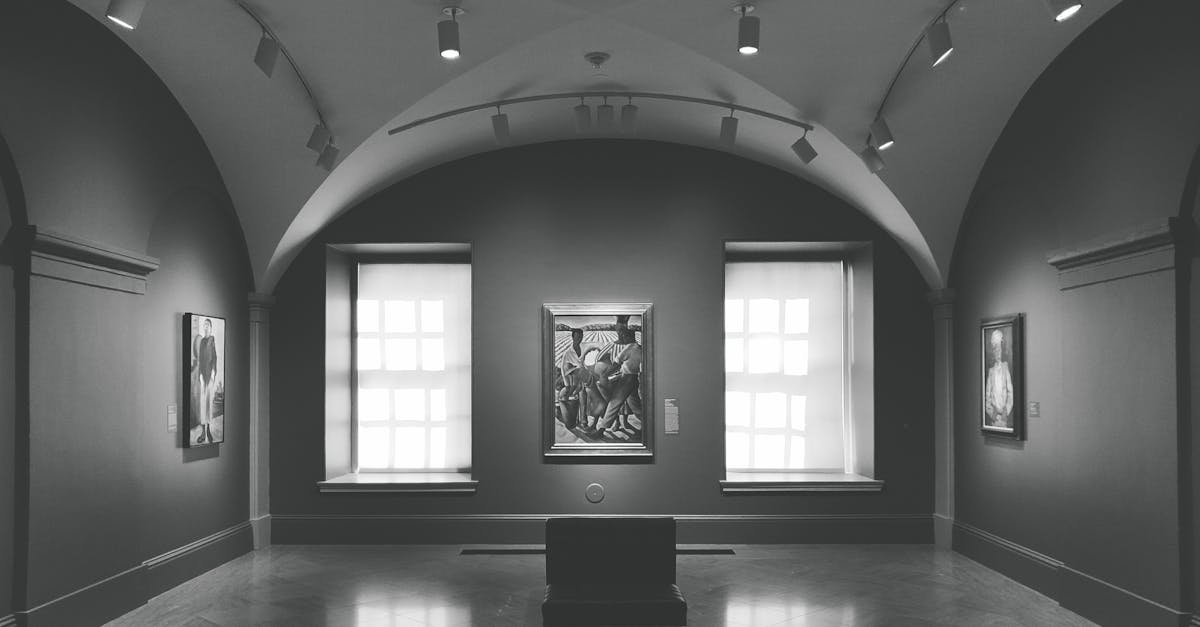
Melbourne arts and culture — complete 2026 guide to the NGV, Melbourne Museum, ACMI, street art laneways, Hosier Lane, Arts Centre Melbourne, live music scene, Indigenous culture, and the city's festival calendar.
This article contains advertising. Our booking links are routed through a partner that adds commission tracking automatically, so if you book through one we earn a commission from the provider, at no extra cost to you. It never affects what we recommend. Affiliate disclosure
Melbourne arts and culture is the beating heart of Australia’s creative life. No other Australian city packs so much into such a compact footprint: the Southern Hemisphere’s oldest public art gallery, a UNESCO-designated City of Literature, laneways that double as open-air street art museums, a live music scene with more venues per capita than anywhere on earth, and a calendar of festivals that rolls without pause from January to December. This complete 2026 guide to Melbourne arts and culture walks you through every major institution, the best neighbourhoods for creative wandering, smart exhibit timing, and the hidden gems that even long-time locals are still discovering.
Why Melbourne is Australia’s cultural capital
Melbourne has worn the title “cultural capital of Australia” for so long that it has stopped being a boast and become a fact. The reasons are structural. The city was built during Victoria’s 19th-century gold rush, when booming wealth funded grand civic institutions: the State Library, the NGV, the Royal Exhibition Building, the Princess Theatre. Those same institutions still anchor the scene today. Around them, waves of migration — Italian, Greek, Vietnamese, Chinese, Ethiopian, Sudanese, Syrian — have layered in cuisines, languages, music, and visual traditions that keep the culture living and evolving. The state government also invests heavily: arts funding in Victoria consistently outpaces other states, and the Creative State strategy channels hundreds of millions into venues, festivals, and First Peoples-led programs.
For visitors, this translates into an embarrassment of riches. You can see a world-class Picasso show in the morning, eat at a Vietnamese-Australian restaurant winning national awards at lunch, catch an experimental theatre piece in a converted warehouse after work, and finish the night at a jazz bar where the band has been playing the same Monday residency since the 1990s. Most of it is walking distance. Much of it is free.
NGV: National Gallery of Victoria
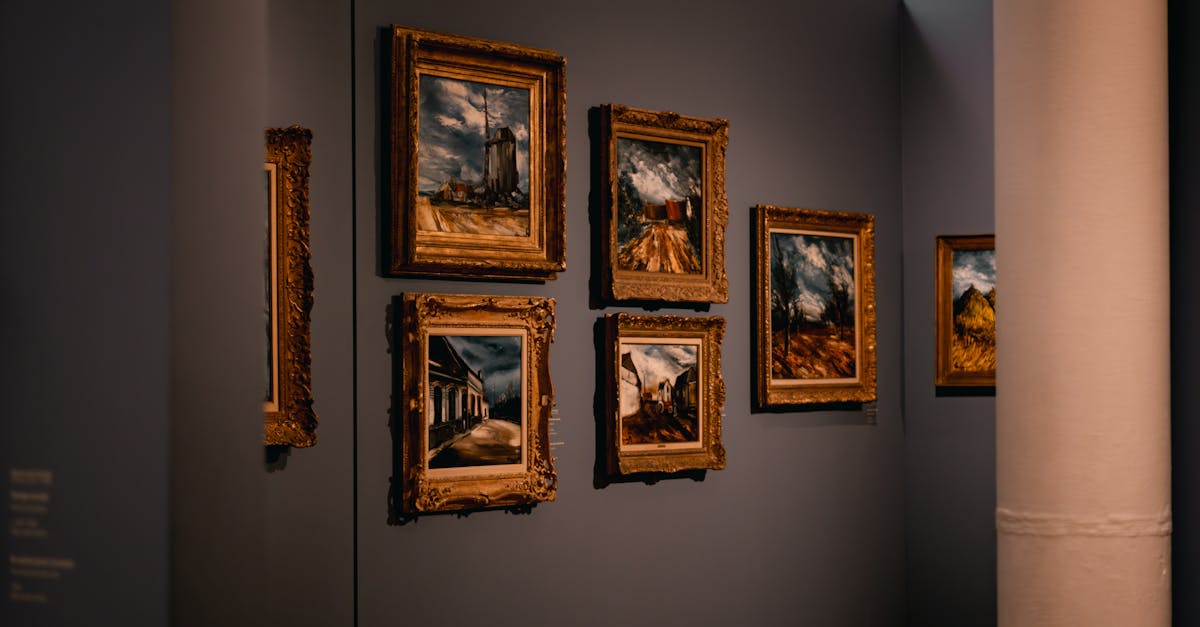
The National Gallery of Victoria (founded 1861) is the oldest and largest public art museum in Australia, and it is split across two buildings. NGV International sits on St Kilda Road, the dark bluestone fortress with the famous water wall entrance. It holds the international collection — European old masters, modern American art, East and South Asian works, contemporary photography, and fashion. NGV Australia at Federation Square (The Ian Potter Centre) is dedicated entirely to Australian art, from 19th-century colonial painting to Indigenous contemporary and post-war modernism.
General admission to both NGV buildings is free. Only the ticketed blockbuster exhibitions carry a fee, usually around A$30. If you have one day and want the single best introduction to Australian visual culture, start at NGV Australia — the Aboriginal and Torres Strait Islander collection on the ground floor is unmissable. If you have two days and prefer international art, add NGV International, where the 19th-century European rooms and the 20th-century photography galleries are the most rewarding. The NGV Triennial, running roughly every three years (next edition December 2026), is the gallery’s flagship event — free, sprawling, and genuinely contemporary, it takes over the entire International building with commissions from global artists.
Practical tips for visiting the NGV: go on a weekday morning for the quietest experience, Wednesday evenings when International stays open late for wine-and-art crowds, or Sunday lunchtime when the Garden Restaurant is a lovely place to break up a gallery day. The gift shops are exceptional — among Melbourne’s best places to buy art books, design objects, and Indigenous-designed jewellery. Free cloakrooms at both buildings mean you can ditch your bag for the visit.
Melbourne street art: Hosier Lane and beyond
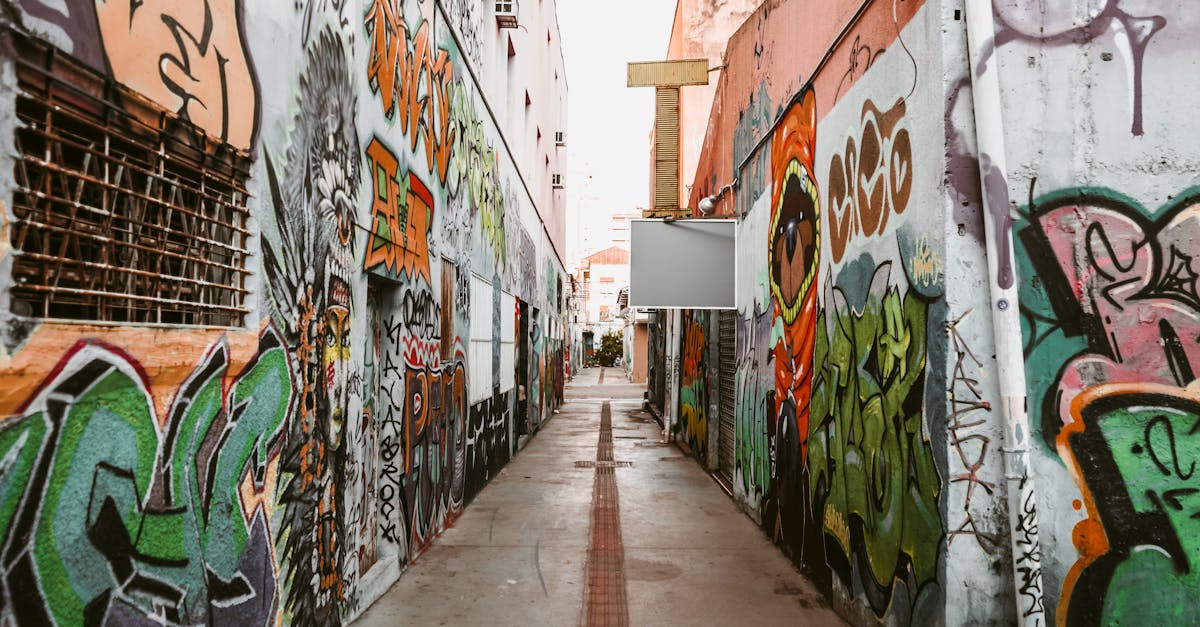
Melbourne street art is a core pillar of Melbourne arts and culture and arguably the single most photographed feature of the city. What began in the 1980s as tagging and political graffiti evolved through the 2000s stencil movement (Banksy created work in Melbourne in 2003) into a mature, council-tolerated, constantly evolving outdoor gallery. The city now has roughly a dozen designated legal-paint laneways where the work cycles through in weeks or days. If you come back a month later, none of what you photographed will still be there.
Hosier Lane
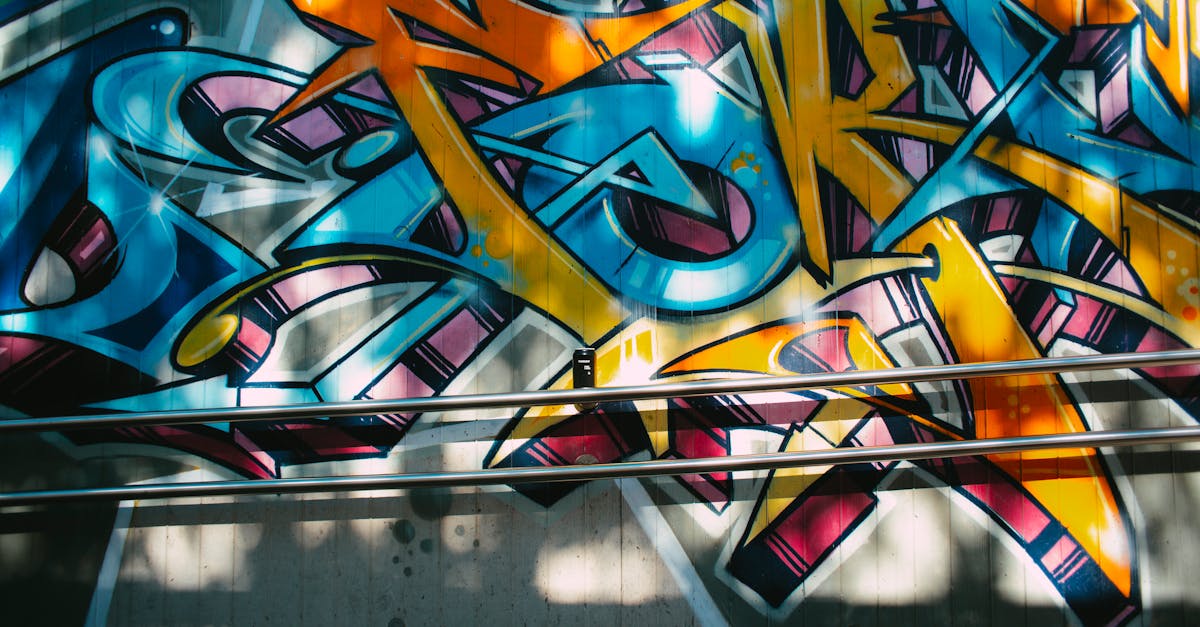
Hosier Lane runs between Flinders Street and Flinders Lane, opposite Federation Square, and it is the city’s most famous street art destination. Every wall, dumpster, door frame and downpipe is painted, often several layers deep. Brides in white dresses pose for wedding photos alongside backpackers, street artists, and tourists from three continents. Go early (before 9 am) for empty-laneway photos, or come in the evening when the lane takes on a different, moodier quality. Rutledge Lane, branching off Hosier halfway along, has historically been the more raw, less curated cousin.
AC/DC Lane, Croft Alley, Union Lane
AC/DC Lane (between Flinders Lane and Little Collins) is smaller but has a rock-and-roll aesthetic. Cherry Bar, a Melbourne rock music institution, is at 68 Little Collins Street. Croft Alley off Chinatown mixes graffiti with food-delivery mopeds and the smell of Sichuan cooking. Union Lane near Bourke Street Mall is the easiest to find on a shopping day. Blender Lane (near Queen Vic Market) houses Blender Studios, where many working street artists keep studios, and they run paid tours that actually take you inside.
Street art tours worth taking
Self-guided is fine. Guided is better if you want context. Melbourne Street Art Tours (A$69 for 3 hours) is run by working artists and includes a hands-on stencil workshop. Blender Studios Tours (A$59) takes you inside an actual working studio space. Both run daily. If you only have an hour, do the free Hosier Lane → AC/DC Lane → Degraves Street walk — about 15 minutes of laneway and 45 of coffee.
Melbourne Museum and the Royal Exhibition Building
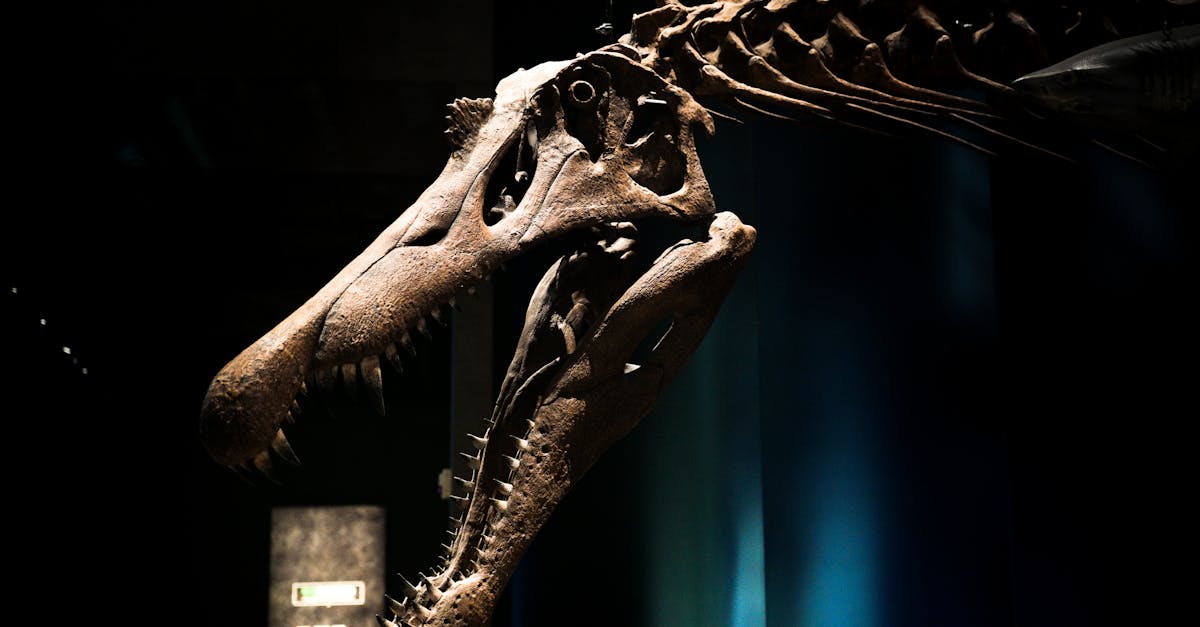
Melbourne Museum in Carlton Gardens is the largest museum in the Southern Hemisphere. It covers natural history, biology, Indigenous cultures, and Melbourne’s social history in roughly seven interconnected galleries. The highlights for most visitors are the Dinosaur Walk gallery (full mounted skeletons including a pliosaur), the Forest Gallery (a living, open-roofed indoor forest with live frogs and birds), Bunjilaka Aboriginal Cultural Centre (one of Australia’s most thoughtful First Peoples exhibits), and Phar Lap — the stuffed remains of Australia’s most famous racehorse, displayed since 1933.
General admission is A$15 for adults, free for children under 16 and concession card holders. IMAX Melbourne shares the site and has the third-largest cinema screen in the world. A combined Museum + IMAX ticket saves a few dollars if you want both. Directly across the lawn is the Royal Exhibition Building, Australia’s first UNESCO World Heritage-listed site, where the first Parliament of Australia met in 1901. Heritage tours run twice a day and take you inside the domed hall for A$15. The gardens around both are free, beautiful, and a great picnic spot.
ACMI: the Australian Centre for the Moving Image
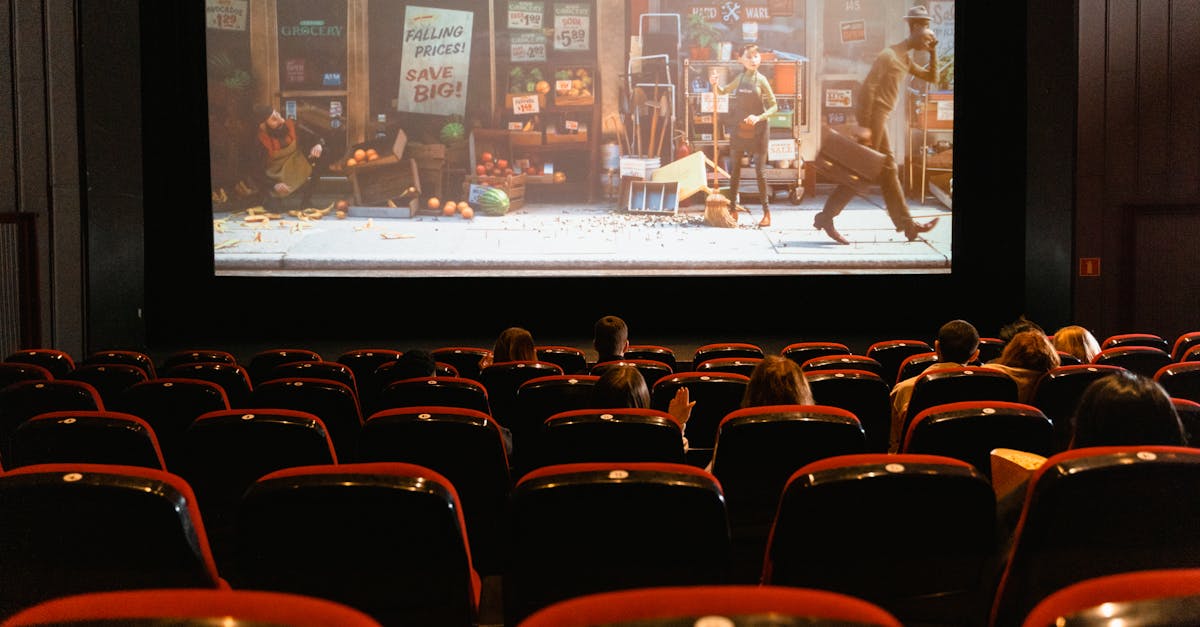
ACMI, at Federation Square, is Australia’s only national museum of film, television, videogames, and digital culture. Its permanent exhibition The Story of the Moving Image is free and genuinely excellent — interactive, thoughtful, and globally significant. The temporary exhibitions are where the big blockbuster shows land: Disney, Studio Ghibli and Wes Anderson shows all ran here. Tickets for temporary shows are A$25 to A$30 and often sell out weeks in advance; book online.
ACMI Cinemas inside the complex show curated film programs — international festivals, director retrospectives, and restorations — rather than Hollywood releases. If you are a film nerd, the ACMI shop is one of the best-curated in the country, and the Mel Lab makerspace on the lower level runs free drop-in digital creation sessions on weekends. ACMI is a short walk from the NGV Australia and the State Library, and the three pair perfectly into a single cultural day.
Arts Centre Melbourne and the performing arts precinct
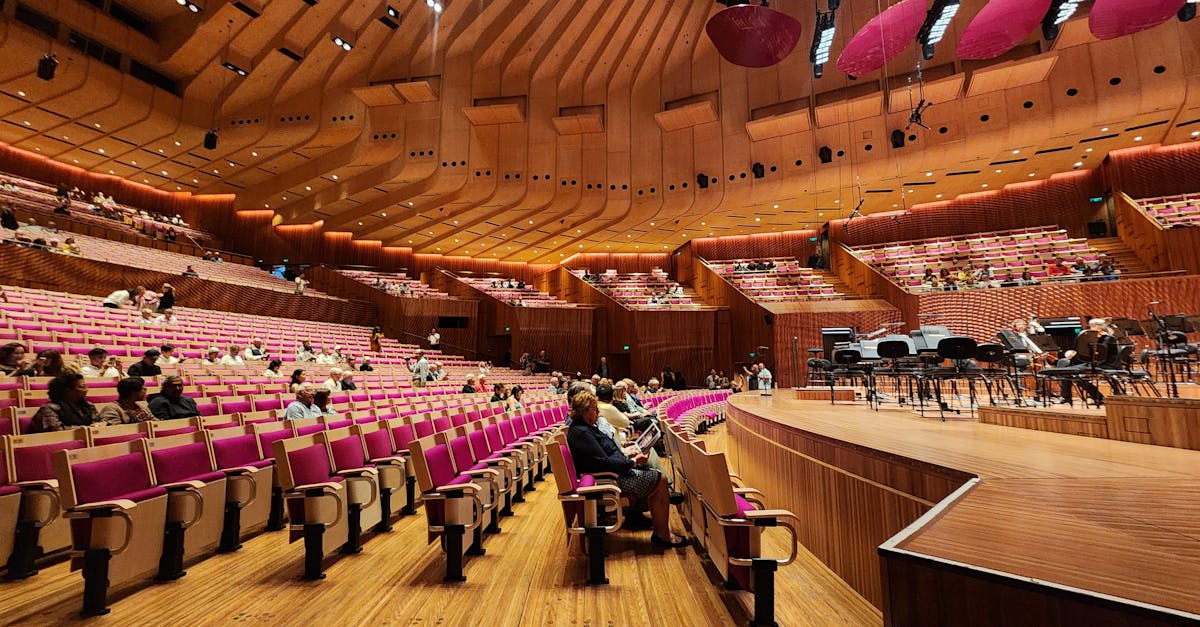
Arts Centre Melbourne, on St Kilda Road beside the NGV, is the hub of Melbourne’s performing arts. Its 162-metre illuminated spire is visible from across the city. The complex houses Hamer Hall (the city’s main concert hall, home to the Melbourne Symphony Orchestra), the State Theatre (home to Opera Australia and The Australian Ballet, though it has been closed since March 2024 and reopens in October 2026 as the Ian Potter State Theatre), the Playhouse, and the Fairfax Studio. Guided tours of the building run on selected dates (A$25, about an hour, from 10:30am), so check the listing on What’s On Melbourne before making a special trip.
A short walk away, across Southbank Boulevard, sits the Melbourne Recital Centre — the acoustically superb home of chamber music in Australia — paired with the Melbourne Theatre Company’s Southbank Theatre. Between these four venues, you can usually find a major performance seven nights a week. Melbourne Fringe (September–October), Midsumma (January–February) and RISING (May–June) all use these venues as anchors. Note that the old Melbourne International Arts Festival and White Night no longer run as separate events — both were absorbed into RISING.
Melbourne theatres and commercial shows

For commercial musicals and plays, Melbourne rivals Sydney as Australia’s theatre capital. The grand old venues sit in the east CBD: Her Majesty’s Theatre (1886) on Exhibition Street, the Princess Theatre (1886) on Spring Street, the Regent Theatre (1929) on Collins Street, and the Comedy Theatre (1928). These host the big touring musicals — Hamilton, MJ: The Musical, & Juliet, The Book of Mormon — along with classic revivals. Tickets usually run A$70 to A$200; TodayTix and Lasttix apps regularly carry day-of tickets at 30–50% off. For smaller independent work, Malthouse Theatre in Southbank is Melbourne’s flagship experimental house, and La Mama in Carlton is where most Australian playwrights cut their teeth.
Melbourne live music scene
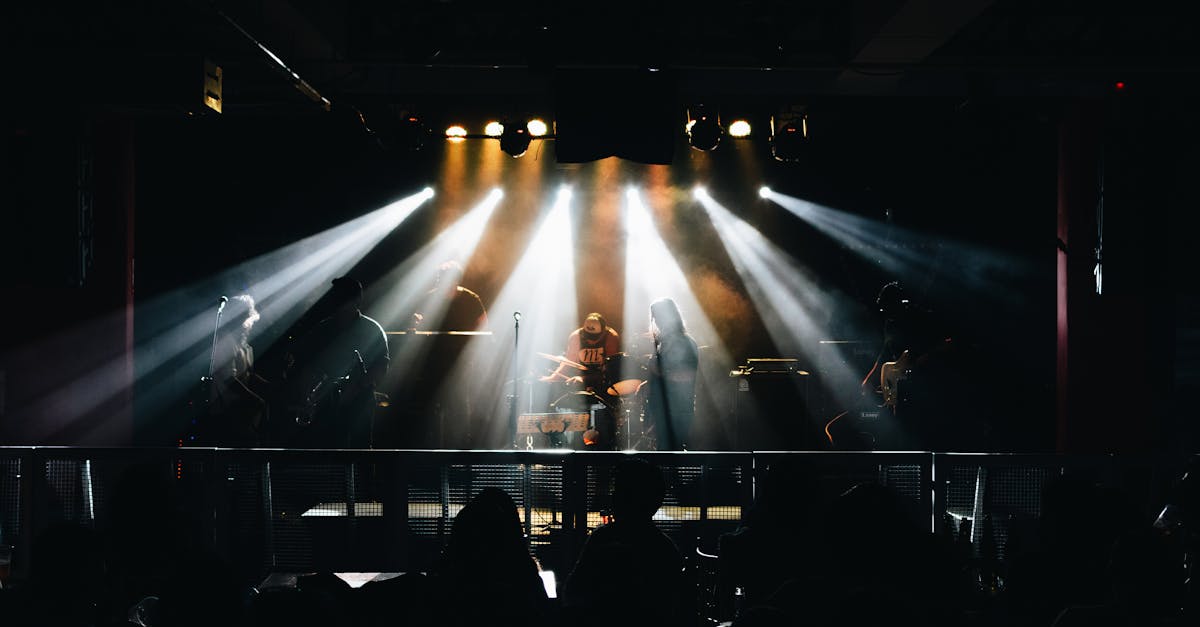
Melbourne’s live music scene is one of the most densely packed in the world. A Live Music Census study put the number of gigs per year above 62,000 — more per capita than Austin, Nashville, or London. Independent bands, not stadium acts, are the backbone. The canonical venues are the Corner Hotel in Richmond (medium rock), The Tote in Collingwood (punk and indie), Northcote Social Club (indie singer-songwriter), The Espy in St Kilda (multi-stage beachside pub), Cherry Bar on Little Collins Street (classic rock), Bird’s Basement (jazz, CBD), and 170 Russell (mid-size touring acts). Cover charges range from free to A$40. Gigs are listed daily on Beat Magazine, Forte, and Time Out Melbourne.
For classical and orchestral music, the Melbourne Symphony Orchestra performs at Hamer Hall (season roughly March to November). The Melbourne Recital Centre hosts the Australian String Quartet and touring international ensembles. Jazz runs seven nights a week at Bennetts Lane (still the city’s most intimate jazz room), Paris Cat, and 303 in Northcote. For electronic and dance music, Revolver in Prahran and Sub Club under the Forum are Melbourne institutions.
UNESCO City of Literature: Melbourne’s book culture
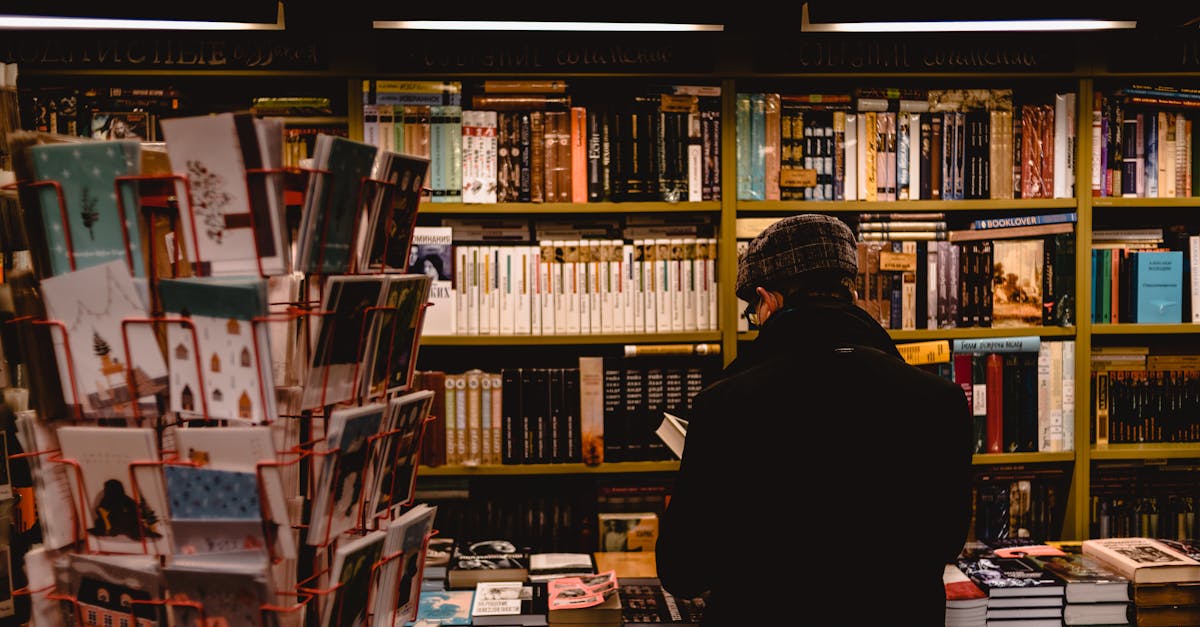
Melbourne was the second city in the world to be named a UNESCO City of Literature (after Edinburgh), and it takes the designation seriously. The State Library of Victoria on Swanston Street is a destination in its own right — the 1913 La Trobe Reading Room, with its octagonal dome, is one of the most beautiful library spaces anywhere. Entry is free, and the permanent Ned Kelly exhibit (including his armour) is downstairs.
The independent bookstore scene is thriving. Readings Carlton is Melbourne’s most famous bookshop, with a second location in State Library and several suburban branches. The Little Bookroom in Carlton is Australia’s oldest children’s bookshop. Metropolis Books at Curtin House, Hill of Content near Parliament, and Paperback Bookshop on Bourke Street are all excellent. For secondhand, try Alice’s Bookshop in Carlton North and Books for Cooks in Queen Vic Market. The Melbourne Writers Festival (May) is the biggest literary event of the year.
Indigenous arts and cultural experiences
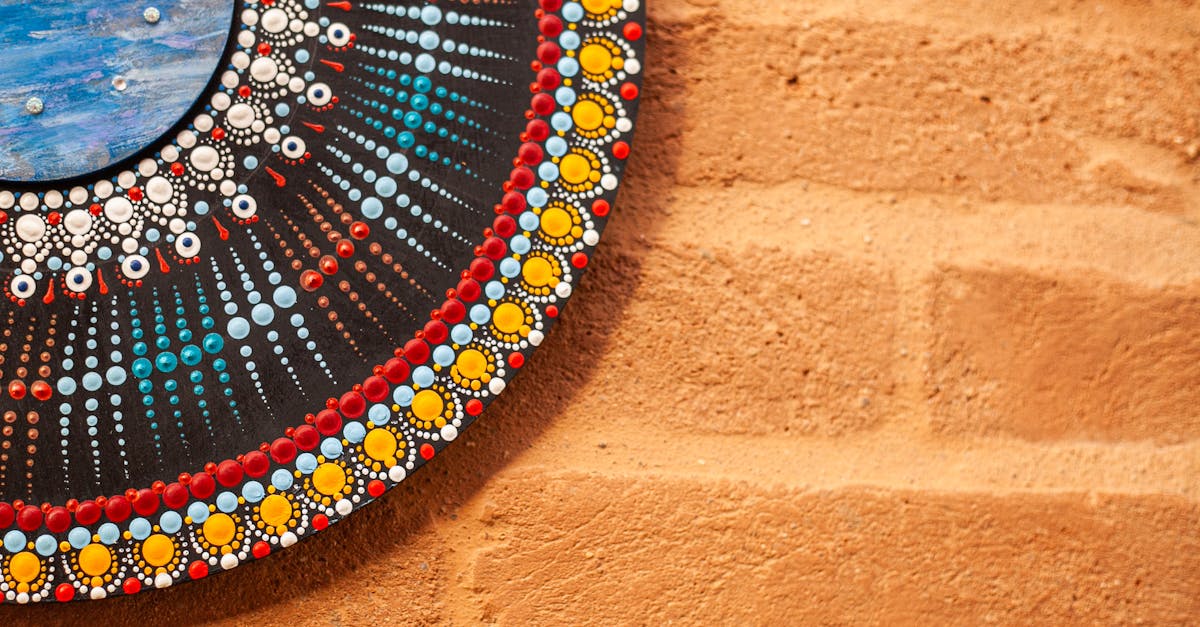
Melbourne sits on the unceded lands of the Wurundjeri Woi Wurrung and Bunurong peoples of the Kulin Nation. Engaging respectfully with Indigenous arts is one of the most valuable things you can do on a trip. The best places to start are the Koorie Heritage Trust at Federation Square (free, with rotating exhibitions and a fair-trade Indigenous-art shop), Bunjilaka at Melbourne Museum (immersive First Peoples gallery), and the Indigenous Art galleries on level 3 of NGV Australia.
Guided cultural walks are run by Wurundjeri Elders through companies such as Koorie Heritage Trust (A$35 for a 90-minute Birrarung Wilam walk along the Yarra) and Aboriginal Heritage Walk at the Royal Botanic Gardens (A$55, 90 minutes). These are led by First Nations guides and go well beyond what any signboard or app can tell you. The Naarm galleries along Smith Street in Fitzroy/Collingwood (Gallery Kaiela, Tandanya satellite shows) stock art direct from remote communities with ethical provenance.
Federation Square: the cultural heart of the CBD
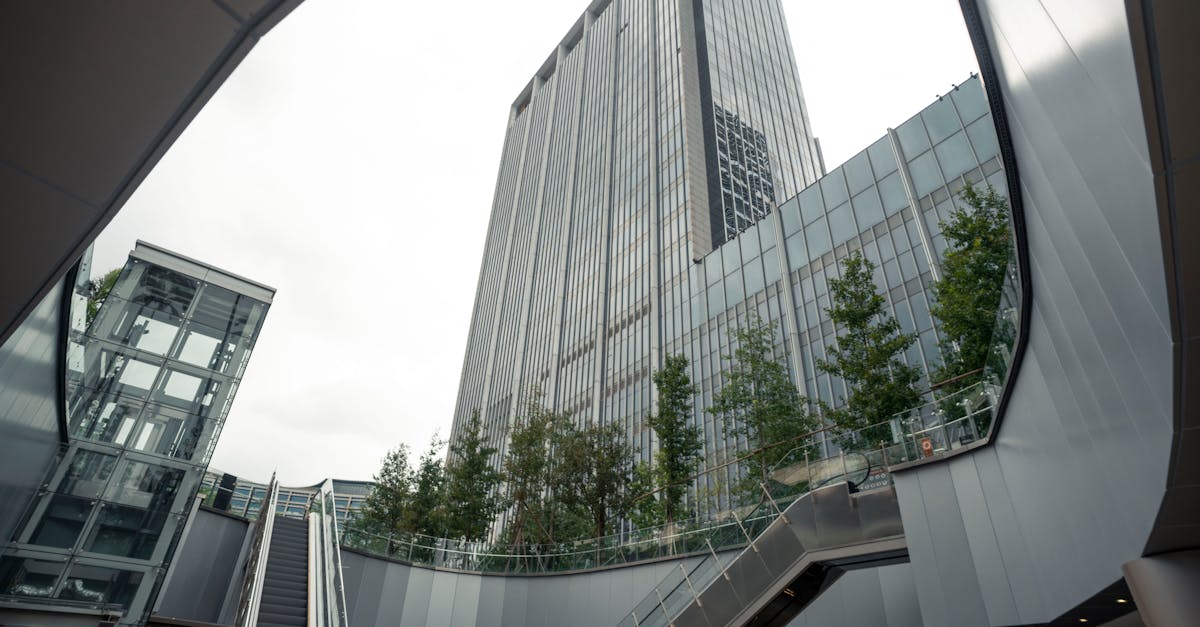
Federation Square (opened 2002) is Melbourne’s cultural crossroads. In one square block it houses NGV Australia, ACMI, the Koorie Heritage Trust, the Melbourne Visitor Centre, the Deakin Edge events venue, and a rotating program of free public events — from outdoor cinema and jazz in January to Diwali lights in October and AFL Grand Final live sites in September. The controversial deconstructivist architecture (sandstone, zinc, and glass panels) has grown on most Melburnians. The big outdoor screen shows live sport, festival streams, and occasionally major public broadcasts. All of it is free. Most visitors will pass through Fed Square half a dozen times during a typical Melbourne trip.
Melbourne’s neighbourhood cultural personalities
The centre holds the institutions, but Melbourne’s most interesting culture often lives in the inner suburbs. Each has a distinct character worth a half-day.
Fitzroy and Collingwood
Brunswick Street and Smith Street are the historic spines. Galleries like Sutton Gallery, Flinders Lane Gallery’s new Collingwood space, and the Collingwood Yards arts complex concentrate contemporary visual art. Vintage shopping, live music pubs (The Workers Club, The Gasometer), and Melbourne’s densest ratio of tattoo studios to cafes. Brunswick Street Gallery is a good one-stop commercial space.
Carlton
University of Melbourne’s Ian Potter Museum of Art (free), Melbourne Museum, the Carlton Gardens, and Lygon Street’s Italian heritage. La Mama Theatre stages a new small-scale play every two weeks. Readings Carlton anchors the literary scene. Lygon Street itself has lost some authenticity to tourism, but the side streets and the Italian Cultural Institute still deliver.
Richmond and Abbotsford
Richmond’s Victoria Street is little Vietnam; its cultural offerings are more culinary than visual, but the Abbotsford Convent — a former Catholic convent turned multi-arts centre — hosts artists’ studios, gallery spaces, and outdoor events on 16 acres beside the Yarra. Free to wander, with a good café.
Brunswick and Northcote
The indie music heartland. Northcote Social Club and Thornbury Theatre anchor the live gig circuit. Brunswick Street, Sydney Road, and High Street Northcote are where to find the under-the-radar gallery spaces and vinyl shops that Melbourne’s creative class actually uses.
St Kilda and Windsor
Classic Melbourne bohemia. The Esplanade Hotel (the Espy) is a historic multi-stage live music pub on the beachfront. The Astor Theatre on Chapel Street shows classic and arthouse films in a single beautiful 1936 auditorium. Linden New Art on Acland Street is a free contemporary gallery in a heritage mansion.
Free Melbourne arts and culture (on a budget)
Melbourne arts and culture is accessible on any budget. The big free experiences are NGV International and NGV Australia (permanent collections), ACMI’s permanent moving-image exhibition, the State Library of Victoria, the Royal Botanic Gardens, the Koorie Heritage Trust, every laneway of street art, Federation Square events, the Ian Potter Museum at Melbourne University, Linden New Art in St Kilda, and the MPavilion architecture pavilion in the Queen Victoria Gardens (summer only). Most commercial galleries along Flinders Lane and Collingwood Yards are also free to walk into. Between these, you could fill five full days of Melbourne arts and culture without paying an admission fee.
Melbourne’s arts and culture festival calendar
The calendar is the rhythm. Knowing what is on when helps you time your trip. Key 2026 festivals to know:
| Month | Festival | What it is |
|---|---|---|
| January | Midsumma (into Feb) | LGBTIQ+ arts and culture festival |
| March | Melbourne International Comedy Festival | One of the world’s major comedy festivals |
| April | Melbourne International Flower & Garden Show | Southern Hemisphere’s largest horticultural event |
| May | Melbourne Writers Festival | UNESCO City of Literature flagship event |
| August | Melbourne International Film Festival (MIFF) | Oldest film festival in the Southern Hemisphere |
| September | Melbourne Fringe | Independent, experimental, cross-discipline |
| December–January | NGV Triennial (every 3 years) | Free contemporary art mega-exhibition |
Suggested Melbourne arts and culture itineraries
One perfect cultural day
Start at Federation Square at 10 am for NGV Australia (2 hours). Cross Swanston Street for a coffee-and-pastry break at Degraves Street (30 minutes). Walk Hosier Lane for photos, then cut up to ACMI for the free Story of the Moving Image exhibit (1.5 hours). Late lunch on Flinders Lane. Cross the river via Princes Bridge to NGV International on St Kilda Road (2 hours). Finish at the Arts Centre Spire lawn for sunset. Dinner on Southbank.
Three-day cultural deep dive
Day 1 (CBD Icons): NGV International, NGV Australia, ACMI, Federation Square, Hosier Lane, State Library of Victoria. Evening: show at Her Majesty’s or the Princess.
Day 2 (Inner North): Melbourne Museum and Royal Exhibition Building. Lunch on Lygon Street. Afternoon in Fitzroy — Brunswick Street Gallery, Collingwood Yards, Gertrude Contemporary. Evening gig at Northcote Social Club or The Tote.
Day 3 (South Yarra / St Kilda): Ian Potter Museum at Melbourne Uni in the morning, then tram to St Kilda. Esplanade Hotel lunch. Linden New Art. Astor Theatre double bill at night.
Family-friendly cultural day
Melbourne Museum in the morning (dinosaurs, forest, Bunjilaka) — at least 3 hours. Picnic in Carlton Gardens. Tram down to ACMI for the free moving image gallery (kids love the interactive consoles). Finish at the State Library children’s gallery. Ice cream on Degraves Street.
Practical tips for visiting Melbourne arts and culture venues
- Free Tram Zone: Almost every major cultural venue in the CBD is inside the Free Tram Zone. Trams 1, 3, 5, 6, 16, 64, 67, and 72 on Swanston Street connect the State Library, Fed Square, NGV, and Arts Centre in sequence.
- Book blockbusters early: Big ticketed exhibits at NGV, ACMI, and Melbourne Museum regularly sell out. Book online at least a week ahead.
- Open late on Wednesdays: NGV International, ACMI, and many galleries extend hours on Wednesday nights. It is the best time to avoid crowds.
- Free Sunday concerts: The State Library runs free chamber concerts most Sundays. Check “What’s On” on their website.
- Melbourne Pass / cultural pass: No single pass covers everything. If you are visiting multiple paid venues, check NGV Member and Victorian Cultural Network bundles.
- Photography rules: NGV allows photos in permanent galleries without flash; blockbuster exhibits vary. ACMI is photo-friendly. Melbourne Museum is mostly photo-friendly.
- Accessibility: All major venues are fully wheelchair accessible with companion-card pricing. Auslan tours and audio description are bookable in advance at the NGV, Arts Centre, and Melbourne Museum.
What’s on right now, and how to check before you go
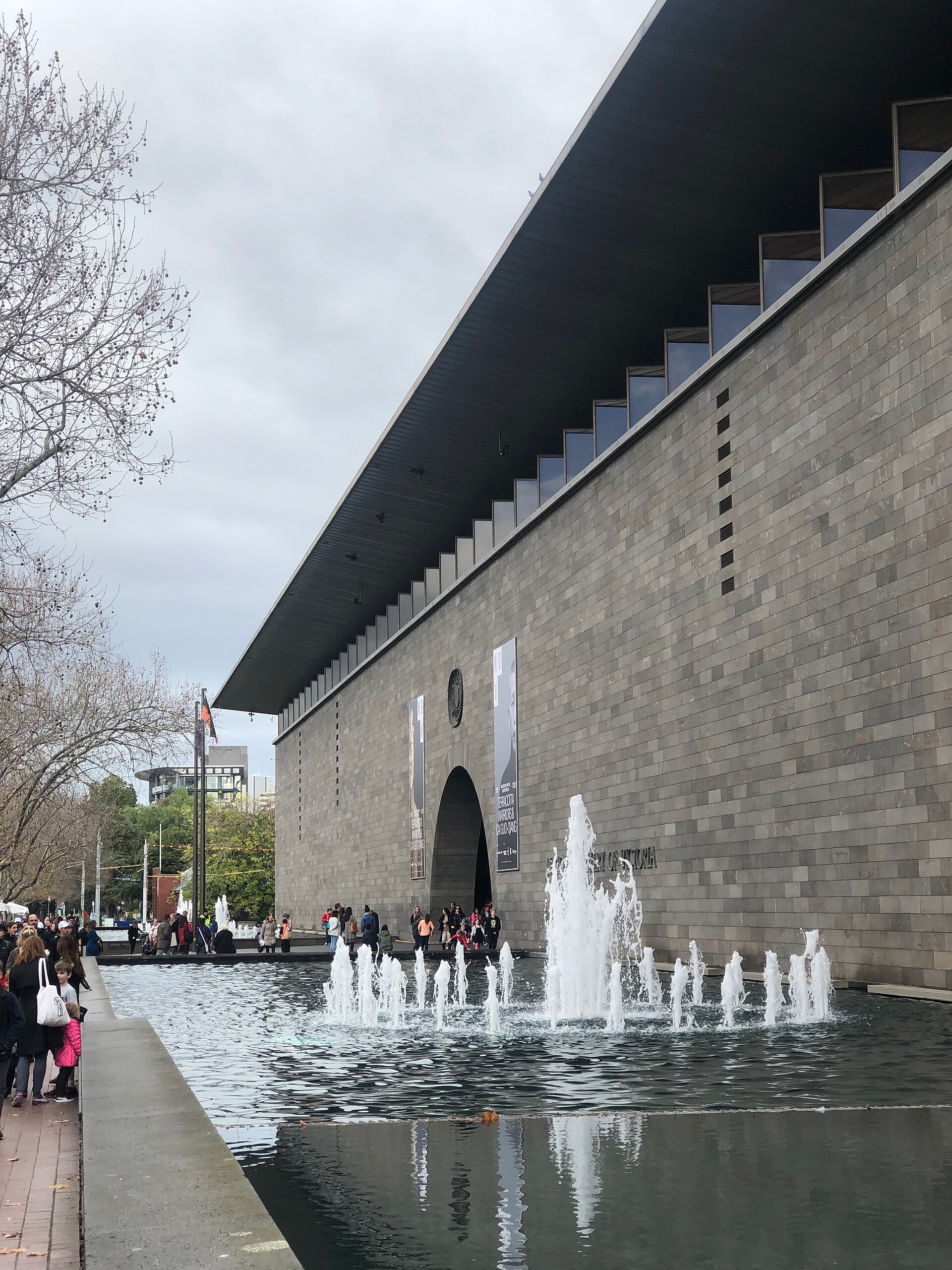
Almost every arts guide to Melbourne lists venues and stops there, which is unhelpful when the reason to visit a gallery is usually the show inside it. Here is what is actually on, and when the next wave arrives.
| Exhibition | Where | Dates | Adult ticket |
|---|---|---|---|
| Cartier — Melbourne Winter Masterpieces 2026 | NGV International | 12 Jun – 4 Oct 2026 | $43 |
| Ragnar Kjartansson: Mercy | NGV International | 26 Jun – 4 Oct 2026 | $25, or $10 as an add-on to a Cartier ticket |
| Margaret Preston | The Ian Potter Centre, Federation Square | 4 Sep 2026 – 31 Jan 2027 | $35 |
| ROME: Empire, Power, People | Melbourne Museum | Until 25 Oct 2026 | $35 including museum entry |
| NGV Triennial 2026 | NGV International, all four levels | 13 Dec 2026 – 11 Apr 2027 | Free |
| Barbie: The Exhibition | Melbourne Museum | 28 Nov 2026 – 16 May 2027 | $30 |
The one to plan a trip around is the NGV Triennial, which returns on 13 December 2026 and runs to April 2027. It occupies all four levels of NGV International with around a hundred artists from 35 countries and roughly 25 world-premiere commissions, and it is free. Previous editions have drawn well over a million visitors. If your dates are flexible and contemporary art interests you at all, come after mid-December.
Worth knowing about the current blockbuster: NGV Friday Nights runs 6–10pm every Friday for the duration of the Cartier exhibition, from $50, with bars, live music residencies and unlimited entry to the show. It is a genuinely different experience from a daytime visit, it is licensed, and under-18s need an adult with them.
The arts precinct is being rebuilt: The Fox: NGV Contemporary
Melbourne is midway through the largest cultural infrastructure project in Australian history — a $1.7 billion transformation of the Southbank arts precinct — and it affects what you can see while you are here.
The centrepiece is The Fox: NGV Contemporary, rising on the former Carlton & United Breweries site at 77 Southbank Boulevard. Ground was broken in March 2025 on a 30,000 square metre building with more than 13,000 square metres of display space, a 40-metre spherical hall, and a rooftop terrace and sculpture garden. Designed by Angelo Candalepas, it will be Australia’s largest contemporary art gallery — and, like the NGV’s permanent collection, admission will be free. It is due later this decade rather than imminently. The project also delivers Laak Boorndap, an 18,000 square metre public garden linking the precinct together.
What this means for a visit in 2026: the NGV Garden is closed for construction, and parts of Southbank Boulevard are a building site. More significantly, the State Theatre at Arts Centre Melbourne has been closed since March 2024 and reopens in October 2026 as the Ian Potter State Theatre — six months ahead of schedule — with the Australian Ballet’s Nutcracker from 24 October. Until then, Opera Australia and the Australian Ballet have been performing at the Regent Theatre instead. Hamer Hall has stayed open throughout, and Arts Centre guided tours run on selected dates.
Independent and artist-run galleries, almost all free
Below the major institutions sits a layer of small public galleries and artist-run spaces that most travel guides either ignore or describe using addresses that are several years out of date. Nearly all of them are free.
- ACCA, 111 Sturt Street, Southbank — the Australian Centre for Contemporary Art, in the rusted steel building opposite the Malthouse. Always free, Tuesday to Friday 10am–5pm and weekends 11am–5pm. The best single contemporary art stop in the city after the NGV.
- Buxton Contemporary, Southbank — free, Tuesday to Saturday 11am–5pm, and a short walk from ACCA.
- Craft, Watson Place in the CBD — free, Tuesday to Friday 11am–5pm, with a shop worth browsing for gifts.
- West Space, at Collingwood Yards — free, Wednesday to Friday 11am–6pm. Collingwood Yards itself is a converted school full of studios and small galleries, and simply wandering it is worthwhile.
- Gertrude Contemporary — one of Australia’s most influential artist-run spaces, now at 21–31 High Street in Preston South rather than its original Fitzroy address.
- Abbotsford Convent — the grounds are free and open daily from 7.30am to 10pm, with free self-guided audio tours, artist studios, galleries and cafés in a nineteenth-century convent complex.
A caution about older guides: several Melbourne galleries have moved or closed in recent years. Blindside is now in North Melbourne, Bus Projects has relocated to Brunswick East, the Centre for Contemporary Photography vacated its George Street gallery, and c3 Contemporary closed some years ago. Check an address before making a special trip. Also worth deleting from any older itinerary: The Lume Melbourne closed permanently in June 2025.
Public art and sculpture: a self-guided CBD walk
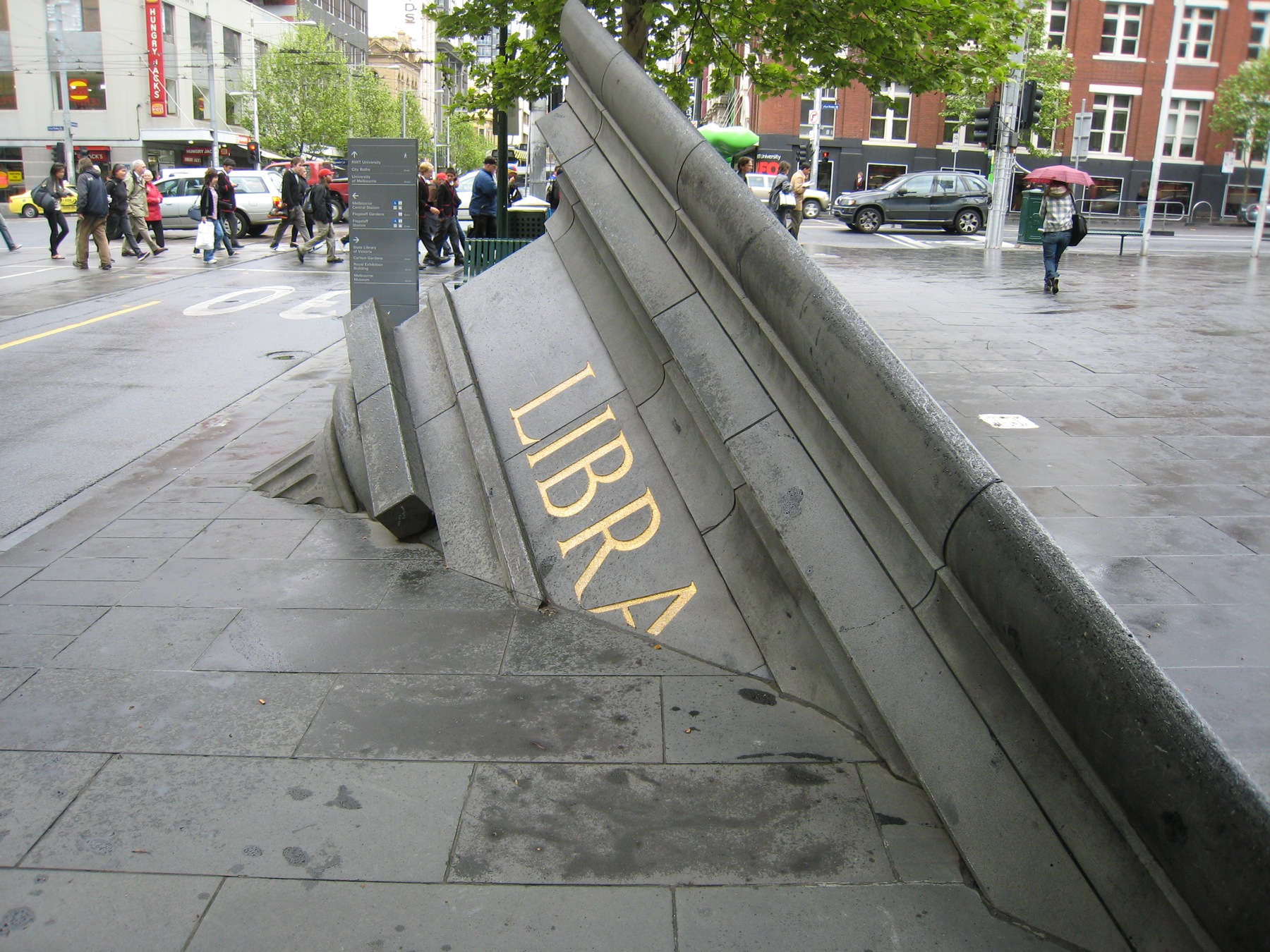
Melbourne’s street art gets all the attention, but the city also holds a substantial collection of permanent public sculpture, all of it free and outdoors. These works make a good ninety-minute walk and they are useful landmarks in their own right.
- The Public Purse (Simon Perry, 1994), Bourke Street Mall — an enormous bronze handbag that people sit on without ever quite registering what it is.
- Architectural Fragment (Petrus Spronk, 1992), outside State Library Victoria — a sinking bluestone corner of a building emerging from the footpath. Melbourne’s most photographed sculpture.
- Vault (Ron Robertson-Swann, 1980), in the ACCA forecourt — the yellow steel abstract known citywide as the “Yellow Peril”, the subject of Melbourne’s fiercest public art row, and added to the Victorian Heritage Register in 2024.
- Angel (Deborah Halpern, 1988), Birrarung Marr, and her Ophelia (1992) at Southbank — mosaic figures that are among the most recognisable images of the city.
- Federation Bells, Birrarung Marr — 39 upturned brass bells that play commissioned compositions daily. The site is open 8am to 10pm and there is a free app that lets you compose for them.
- Cow Up a Tree (John Kelly, 2000), Harbour Esplanade, Docklands — exactly what the title says, and worth the tram ride.
ACCA publishes a free ten-stop Melbourne Public Art Trail map that links most of these into a single route. Pair it with our street art guide for the other half of Melbourne’s outdoor art.
Melbourne arts with kids
Melbourne’s cultural institutions are unusually well set up for children, and the pricing is generous in a way visitors rarely realise.
- Children 16 and under enter Melbourne Museum free, and so do concession card holders — it is free entry rather than a discount. Adult entry is $18. The same applies at Scienceworks and the Immigration Museum, both $15 for adults.
- Pauline Gandel Children’s Gallery at Melbourne Museum is designed for under-fives and included with entry, running as free timed 50-minute sessions.
- ArtPlay at Birrarung Marr runs hands-on creative sessions for ages 0–13, many of them free, in a building beside the Federation Bells.
- State Library Victoria’s Children’s Quarter is free and open daily 10am to 6pm, and the domed reading room upstairs impresses children more than you would expect.
- ACMI has free general entry and its permanent moving-image exhibition is genuinely interactive — the best wet-weather option in the city with children.
- The NGV programmes a free children’s commission alongside its major exhibitions, so there is usually something specifically for kids at no cost.
For a full family itinerary see our guide to Melbourne with kids.
How to book, and how to pay less
There is no single Melbourne museum pass, and visitors waste time looking for one. The honest answer is that Melbourne’s model is free general entry at most institutions, with money charged only for touring blockbusters — so the saving is already built in. Where you do pay, these are the levers.
- Halftix Melbourne, at 208 Little Collins Street, sells same-day theatre tickets at a discount. Open Monday 10am–2pm, Tuesday to Friday 9am–5pm and Saturday 10am–4pm. It is a physical booth, not an app.
- tixatsix — Arts Centre Melbourne releases 20 tickets at $30 for selected performances at 6pm, in person at the Theatres Building box office. Turn up and queue.
- Age-based schemes. Melbourne Theatre Company sells Under 30s tickets at $49, weekend rush at $39 and Seat Savers at $29. The Australian Ballet runs a $40 ballot and student rush tickets from around $39. Opera Australia discounts for under-35s and runs a $20 ticket ballot.
- Memberships pay for themselves fast. Museums Victoria membership is $59 for an adult or $99 for a household and covers Melbourne Museum, Scienceworks and the Immigration Museum — worth it if you are visiting more than two. NGV membership starts at $55 and includes ticketed exhibitions.
- Bundle at the NGV. Adding a second exhibition to a blockbuster ticket typically costs a fraction of the standalone price — currently $10 rather than $25.
- Free daily tours. The NGV runs free volunteer-led guided tours; they are excellent and almost nobody books them.
Frequently asked questions about Melbourne arts and culture
What is the best art gallery in Melbourne?
The National Gallery of Victoria (NGV) across its two buildings — NGV International on St Kilda Road and NGV Australia at Federation Square — is the largest and most significant. Both have free general admission. If you only visit one, choose based on interest: NGV Australia for Australian and Indigenous art, NGV International for European, Asian, and contemporary international work.
Is Melbourne street art legal?
Some of it is. The City of Melbourne has a small number of designated “legal art” laneways — Hosier Lane being the most famous — where painting is tolerated or encouraged. Painting anywhere else in the city remains illegal and prosecutable. Respectful tourists photograph only; never paint over existing work.
How much time do I need for Melbourne arts and culture?
One full day covers the CBD big three (NGV, ACMI, Melbourne Museum). Three days lets you add street art tours, a theatre show, and one inner suburb. A full week is needed if you want to experience a festival, live music several nights, and multiple neighbourhood scenes.
What is a UNESCO City of Literature?
Melbourne was designated a UNESCO City of Literature in 2008 — the second in the world, after Edinburgh. The designation recognises the city’s independent bookstores, major public libraries, active publishing industry, and literary festivals. In practice this means Melbourne has one of the best bookshop scenes in the English-speaking world.
Is the NGV free?
Yes — general admission to the permanent collections at both NGV International and NGV Australia is completely free. Only temporary blockbuster exhibitions (like NGV Triennial commissions that require tickets, or international touring shows) cost money, usually A$25–A$30.
What is the best live music venue in Melbourne?
There is no single answer — it depends on genre. For rock and indie, The Corner Hotel in Richmond; for punk, The Tote in Collingwood; for singer-songwriters, Northcote Social Club; for jazz, Bird’s Basement or Bennetts Lane; for a beachside multi-stage pub experience, The Esplanade (Espy) in St Kilda.
Where can I see Aboriginal art in Melbourne?
Start with the Aboriginal and Torres Strait Islander galleries on level 3 of NGV Australia, Bunjilaka at Melbourne Museum, and the Koorie Heritage Trust at Federation Square. For ethically provenanced commercial galleries, visit the Aboriginal art shops along Smith Street in Fitzroy/Collingwood. Always ask about artist attribution and community of origin.
Is the NGV free, and what do you actually pay for?
Both NGV sites — NGV International on St Kilda Road and The Ian Potter Centre at Federation Square — have free general entry, daily 10am to 5pm, and the permanent collections are among the best in the southern hemisphere. You pay only for major touring exhibitions. Currently that means Cartier at $43, Ragnar Kjartansson’s Mercy at $25, and Margaret Preston at $35. Several substantial shows are free even now, and the NGV Triennial from December 2026 is free in its entirety.
What’s the big exhibition on in Melbourne right now?
Cartier, the 2026 Melbourne Winter Masterpieces exhibition at NGV International, running 12 June to 4 October 2026. It brings roughly 400 jewels and timepieces drawn from the V&A. Adult entry is $43, concession $39, children 5–15 $19 and a family ticket $99, with under-fives free. If you would rather see it with a drink and live music, NGV Friday Nights runs 6–10pm every Friday of the exhibition from $50.
When is the next NGV Triennial and is it free?
The NGV Triennial 2026 opens on 13 December 2026 and runs until 11 April 2027, and it is completely free. It fills all four levels of NGV International with around 100 artists and collectives from 35 countries, more than 80 projects and about 25 commissions premiering worldwide. Past editions have drawn well over a million visitors. It is the single strongest reason to time a Melbourne arts trip for the summer rather than the winter.
When does The Fox: NGV Contemporary open?
Later this decade — construction began in March 2025 and the NGV has not published a firm opening date, so treat any specific year you see quoted with caution. When it does open it will be Australia’s largest contemporary art gallery, with over 13,000 square metres of display space, a 40-metre spherical hall and a rooftop sculpture garden, and entry will be free. In the meantime the NGV Garden is closed and parts of Southbank Boulevard are a construction site.
Is there a Melbourne museum pass or multi-venue ticket?
No, and you do not need one. Melbourne’s model is free general entry at the NGV, ACMI and State Library Victoria, with charges only for touring exhibitions — so the discount is already built into the city. If you are visiting several Museums Victoria sites, a membership at $59 for an adult or $99 for a household covers Melbourne Museum, Scienceworks and the Immigration Museum and pays for itself on the second visit. NGV membership from $55 includes ticketed exhibitions.
Are Melbourne museums free for children?
Largely, yes. Children 16 and under enter Melbourne Museum, Scienceworks and the Immigration Museum free — and so do concession card holders, which is free entry rather than a reduced rate. Adults pay $18 at Melbourne Museum and $15 at the other two. The NGV, ACMI and State Library Victoria are free for everyone. Special exhibitions charge a child rate, typically around half the adult price, and under-fives are usually free.
Can I see the State Theatre at Arts Centre Melbourne?
From October 2026, yes. The State Theatre closed in March 2024 for redevelopment and reopens as the Ian Potter State Theatre in October 2026, six months ahead of schedule, with the Australian Ballet’s Nutcracker from 24 October. Until it reopens, Opera Australia and the Australian Ballet have been performing at the Regent Theatre. Hamer Hall has remained open throughout for orchestral and concert programming, and Arts Centre guided tours run on selected dates.
How many days do I need for Melbourne’s arts and culture?
Two full days covers the essentials comfortably: one for the Southbank precinct — NGV International, ACCA, Buxton Contemporary and Arts Centre Melbourne, all within a few hundred metres of each other — and one for the Federation Square and Carlton axis, taking in ACMI, The Ian Potter Centre, State Library Victoria and Melbourne Museum. A third day lets you get out to Collingwood Yards, Abbotsford Convent and the independent galleries, which is where the city’s contemporary scene actually lives. Add an evening for theatre or live music.
Final word: why Melbourne arts and culture deserves a trip of its own
Melbourne arts and culture is not a side activity you fit in around shopping and food. It is the city’s defining feature. You can spend a week doing only cultural things — different galleries every morning, theatre or gigs every night, street art walks in between — and still leave with a notebook of places you did not get to. The best advice for first-time visitors is to build the trip around one anchor event (a show you want to see, a festival, a blockbuster exhibit), then let the rest fall into place. The density is so high that you are never more than a tram stop from the next interesting thing.
Melbourne Arts and Culture in Depth
- NGV Melbourne (2026): Visitor Guide to the National Gallery of Victoria
- Melbourne Museum (2026): Complete Visitor Guide, Tickets and Tips
- Hosier Lane (2026): Melbourne’s Iconic Street Art Destination
- ACMI Melbourne (2026): Visitor Guide to the Moving Image Museum
- Melbourne Street Art Guide: Laneways, Artists & Tours
- Arts Centre Melbourne (2026): Venues, Tours and Performances
- Melbourne Theatres Guide: Best Venues & What’s On
- Best Bookstores in Melbourne (Indie Book Lovers’ Guide)
- Melbourne Live Music Scene (2026): History and Where to See Gigs Now
- Indigenous Culture Experiences in Melbourne (Respectful Guide)