NGV Melbourne (2026): Visitor Guide to the National Gallery of Victoria
- Words
- Melbourne Tourism Guide
- Updated
- July 25, 2026
- Read
- 12 min
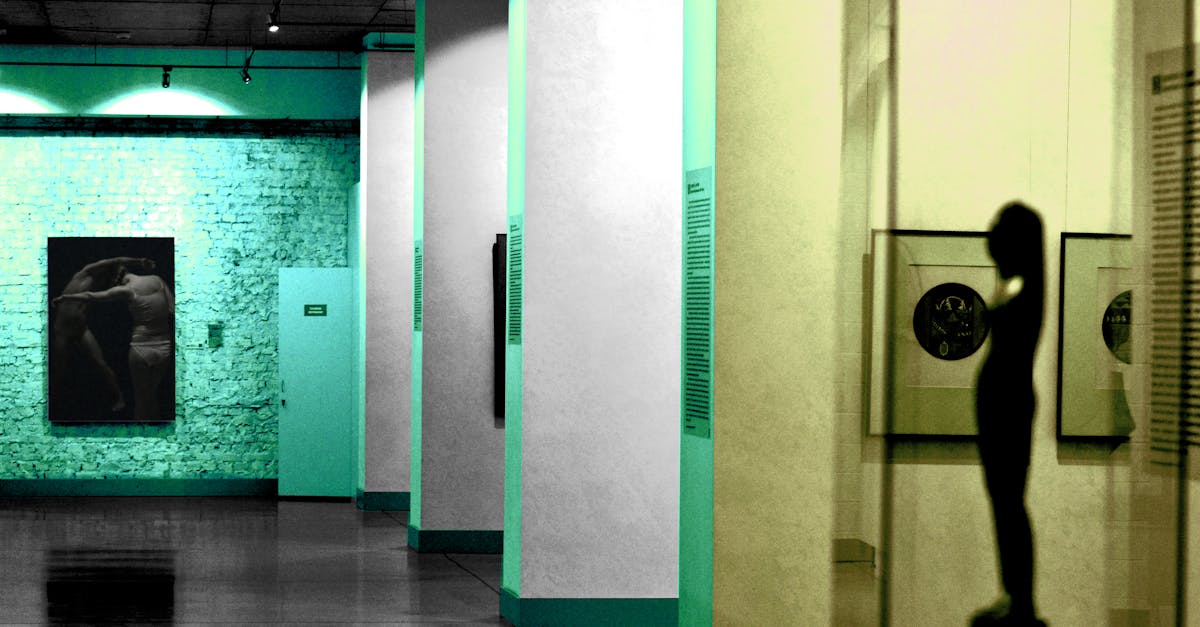
NGV Melbourne — visitor guide to the National Gallery of Victoria. Free admission, NGV International vs NGV Australia, the water wall, the Triennial, blockbuster exhibitions, and family tips.
This article contains advertising. Our booking links are routed through a partner that adds commission tracking automatically, so if you book through one we earn a commission from the provider, at no extra cost to you. It never affects what we recommend. Affiliate disclosure
The NGV Melbourne — the National Gallery of Victoria — is the oldest, largest, and most-visited public art museum in Australia. Founded in 1861 during Victoria’s gold rush, it now holds more than 75,000 works across two buildings and reliably draws over three million visitors a year, more than any other art gallery in the Southern Hemisphere. For first-time visitors, the NGV is split into two distinct sites: NGV International on St Kilda Road and NGV Australia at Federation Square. Both have free general admission. This 2026 visitor guide explains exactly which building to visit when, how to time blockbuster exhibitions, what’s free versus ticketed, where to eat, what to skip, and how to plan a half-day, full-day, or multi-day NGV Melbourne visit.
Quick facts about the NGV Melbourne
- Founded: 1861.
- Two buildings: NGV International (St Kilda Road) and NGV Australia (Federation Square).
- Collection: 75,000+ works.
- General admission: Free at both buildings.
- Ticketed exhibitions: A$25–A$30 typically.
- Hours: Daily 10 am to 5 pm, with Wednesday late nights at NGV International.
- Closed: Christmas Day, Good Friday.
- Wheelchair accessible: Both buildings, with companion-card pricing.
NGV International (St Kilda Road)
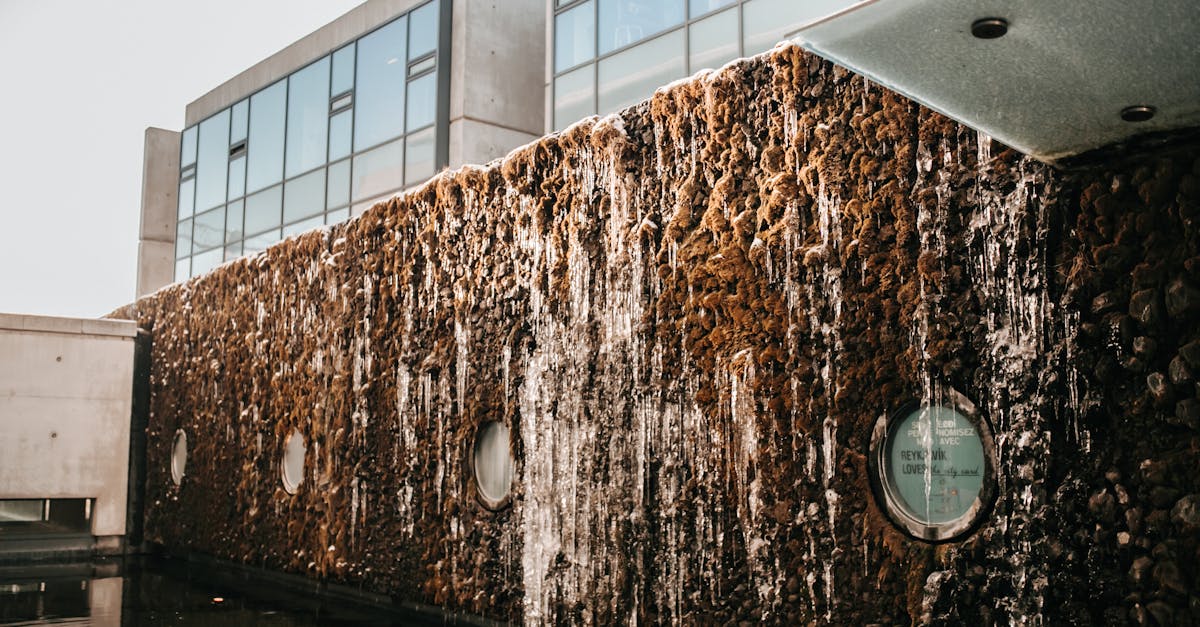
NGV International (officially “the Roy Grounds Building”) is the dark bluestone fortress on St Kilda Road, instantly recognisable for its famous water wall — a sheet of glass with cascading water that visitors love to press their hands against. Designed by architect Roy Grounds and opened in 1968, it was the first purpose-built modernist art gallery in Australia. The building was extensively renovated in 2003 by Mario Bellini and remains the home of the NGV’s international collection.
What’s inside NGV International
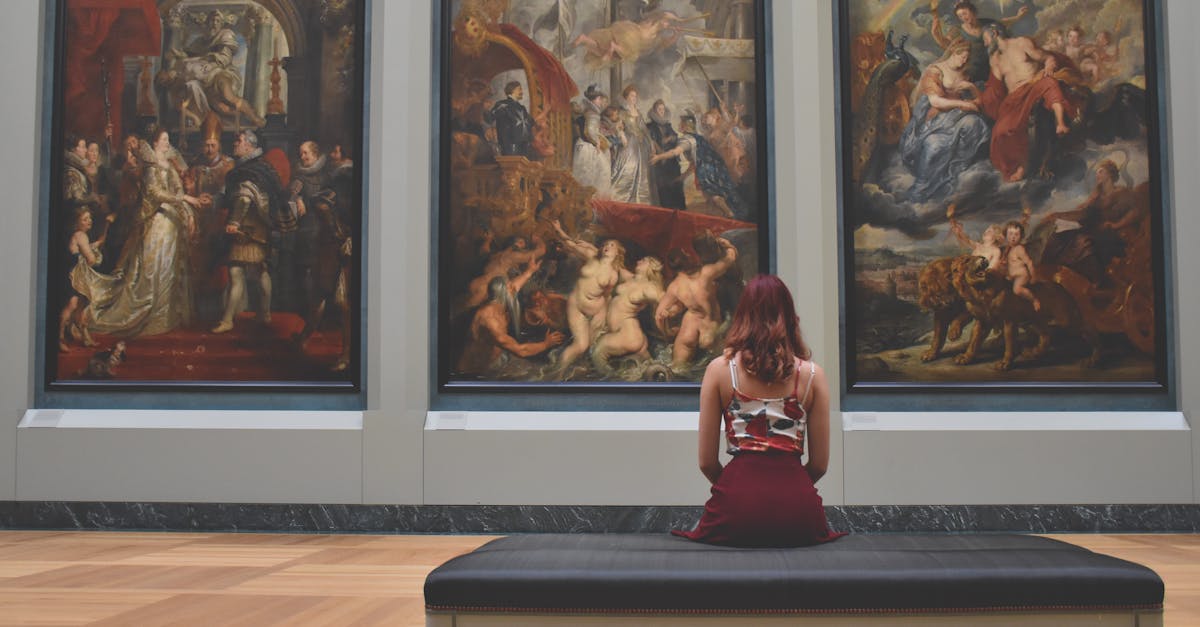
- European art (ground and first floors) — Italian Renaissance, Dutch Golden Age, French 18th and 19th century. Notable works include Tiepolo’s The Banquet of Cleopatra, Rembrandt etchings, and a strong Pre-Raphaelite collection.
- Asian art (ground floor) — Chinese ceramics, Japanese woodblock prints, Indian sculpture, and South-East Asian textiles.
- Photography (level 1) — outstanding 19th- and 20th-century photographic collection, regularly rotating.
- Contemporary art (level 3 and Federation Court) — international contemporary, often the site of large temporary commissions.
- Decorative arts and design (multiple floors) — fashion, furniture, glass, ceramics, and jewellery.
- Great Hall (level 1) — the famous stained-glass ceiling by Leonard French is the room’s centrepiece. Lie down on the floor to take it in.
NGV Triennial
Every three years, NGV International is taken over by the NGV Triennial, the gallery’s flagship contemporary art event and one of the most-visited exhibitions in Australian history. The next edition opens in December 2026 and runs through April 2027. Triennials are completely free, sprawl across the entire International building, and feature commissioned work from artists worldwide — Yayoi Kusama, Refik Anadol, and JR have all appeared. If you visit Melbourne during a Triennial year, prioritise it.
NGV Australia at Federation Square
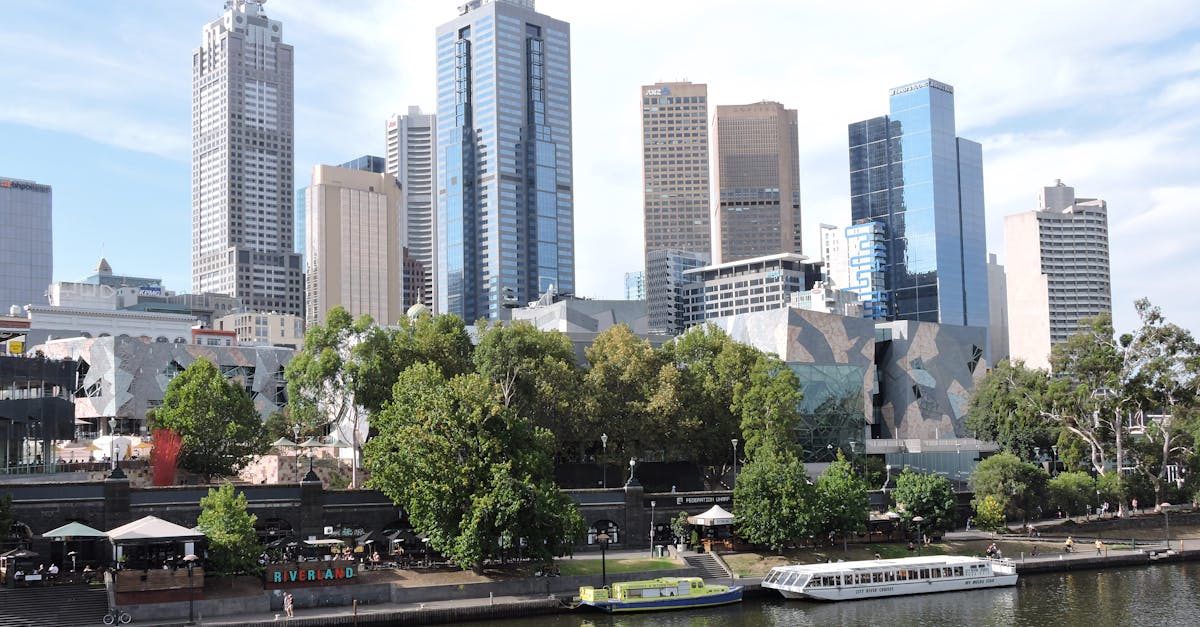
NGV Australia (officially the Ian Potter Centre: NGV Australia) opened in 2002 inside Federation Square. Its three floors are dedicated entirely to Australian art: from colonial 19th-century painting through to the most exciting contemporary work being made today. For most international visitors interested in Australian culture, NGV Australia is the more meaningful of the two buildings.
What’s inside NGV Australia
- Aboriginal and Torres Strait Islander art (level 3) — the unmissable centrepiece. The Aboriginal collection here is one of the world’s most important: Papunya Tula founders, Emily Kngwarreye, Rover Thomas, contemporary urban Indigenous practice, and rotating exhibitions.
- Colonial Australian art (level 2) — Eugene von Guérard, John Glover, the Heidelberg School (Streeton, Roberts, McCubbin), and works documenting frontier Australia.
- Modern Australian art (level 1) — Sidney Nolan’s Ned Kelly series, Albert Tucker, Arthur Boyd, John Brack’s Collins Street, 5pm.
- Contemporary Australian (level 1 and ground floor) — Ron Mueck’s hyper-realist sculpture, Patricia Piccinini, Tracey Moffatt, and rising young Melbourne artists.
- Australian fashion and design — rotating displays in dedicated galleries.
- Children’s gallery — interactive, free, designed for families.
Which NGV Melbourne building should I visit first?
If you only have time for one:
- Visit NGV Australia first if you are an international tourist interested in Australian and Indigenous culture. The level 3 Aboriginal galleries alone justify the visit.
- Visit NGV International first if you’ve already seen Australian art elsewhere or are particularly interested in European or contemporary global art.
- Visit during a Triennial — go to NGV International first; it’s the headliner.
- Visit during a blockbuster — go to whichever building is hosting the ticketed show. Recent blockbusters at NGV International included Pierre Bonnard, Yayoi Kusama, Picasso Century, and Andy Warhol.
Both buildings are 10 minutes apart on foot via Princes Bridge across the Yarra. Most visitors with a half-day can comfortably do both.
Suggested NGV Melbourne itineraries
2-hour quick visit (NGV International)
Enter via the water wall. Spend 20 minutes in European Old Masters (level 1). Cross to the Great Hall and look up at the stained-glass ceiling. Spend 20 minutes in Asian art (ground floor). Spend 30 minutes in Contemporary (level 3). Coffee at the Garden Restaurant or the cafe by Federation Court.
2-hour quick visit (NGV Australia)
Take the lift straight to level 3. Spend 45 minutes in the Aboriginal and Torres Strait Islander galleries. Move down to level 2 for colonial and Heidelberg School (45 minutes). Stop on level 1 for Sidney Nolan’s Ned Kelly series and Brack’s Collins Street, 5pm (15 minutes). Coffee at Persimmon or in Fed Square.
Full-day NGV Melbourne visit (both buildings)
Morning at NGV Australia (10 am to 1 pm). Lunch at Persimmon or in Fed Square. Walk across Princes Bridge. Afternoon at NGV International (2 pm to 5 pm). End on the lawn behind the Arts Centre Spire to decompress.
Family visit with kids
Kids tend to engage best with NGV Australia’s children’s gallery (free, level 1) and contemporary works like Ron Mueck’s sculptures. The water wall at NGV International is also a guaranteed kid-pleaser. Both buildings have free family activity packs at the front desk and free strollers/prams. The Garden Restaurant at NGV International has the best kids’ menu.
Free vs ticketed at the NGV Melbourne
One of the most common questions: is the NGV free? Yes — general admission to the permanent collections at both buildings is completely free, no ticket required. You only pay for ticketed major exhibitions. Examples of past ticketed shows: Yayoi Kusama, Picasso Century, Andy Warhol. These typically cost A$25–A$30, with concession and family discounts.
The NGV Triennial, held every three years, is free even though it’s a major event. It’s the closest the gallery comes to having a “free blockbuster.” If you can time your trip during a Triennial year, do.
Contemporary commissions and the Triennial
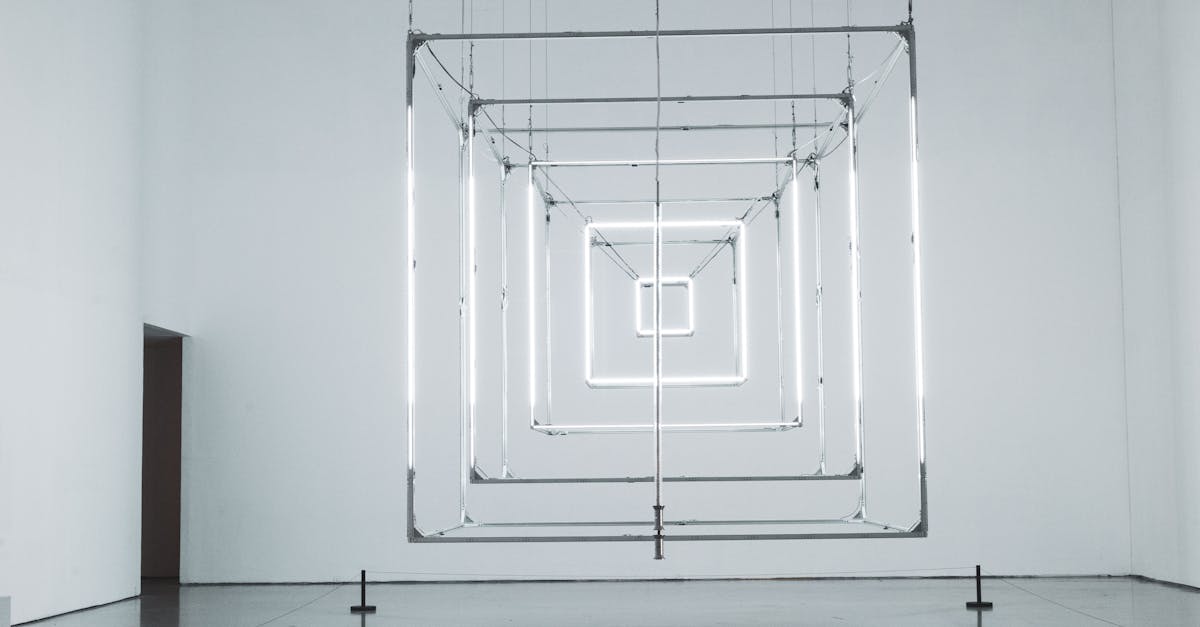
The NGV is unusual among Australian art museums for the seriousness with which it pursues contemporary art commissions. The annual Architecture Commission outside NGV International installs a major architectural pavilion every December (free to walk through). The Triennial commissions go further, occupying the entire International building. The result is that the NGV is constantly evolving — visit in March and December of the same year and you’ll see two largely different museums.
Eating and drinking at the NGV
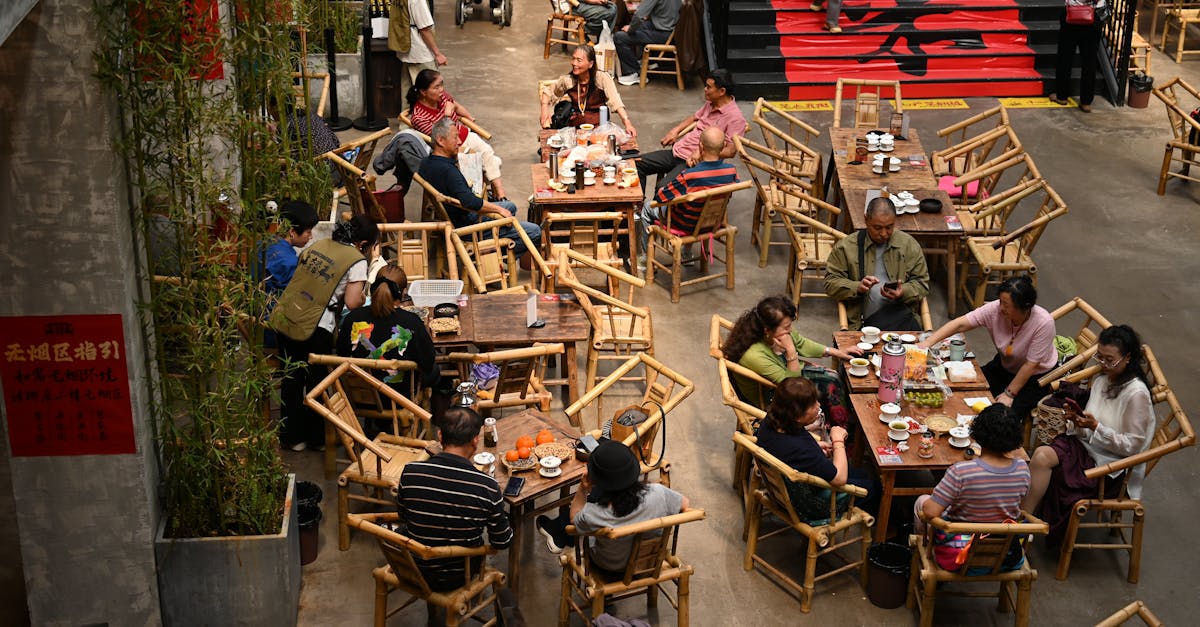
- Garden Restaurant (NGV International) — full restaurant with garden views, breakfast, lunch, and dinner. Wednesday late-night dinner pairs nicely with the gallery’s late hours.
- Tea Room (NGV International) — light meals, sandwiches, and pastries.
- Federation Court Café (NGV International) — coffee and pastries, casual.
- Persimmon (NGV Australia) — modern Australian cafe with Indigenous-influenced menu and excellent coffee.
Both buildings allow re-entry on the same day, so you can leave for lunch elsewhere in Federation Square or on Flinders Lane and return in the afternoon.
NGV gift shops
The NGV gift shops at both buildings are among the best in Australia. NGV International’s design store carries international art books, design objects, and editions. NGV Australia’s shop emphasises Australian design and ethically sourced Indigenous art prints, jewellery, and homewares. The membership store inside the entrances is a smaller version. If you want a “Melbourne souvenir” that is not a generic stuffed koala, an NGV gift shop print or design object is the move.
How to get to the NGV Melbourne
- NGV International (180 St Kilda Road) — tram routes 1, 3, 5, 6, 16, 64, 67, 72 (Stop 14 / Arts Precinct). 5-minute walk south of Federation Square.
- NGV Australia (Federation Square) — Flinders Street Station is opposite; every CBD tram passes through.
- Free Tram Zone — both buildings are inside or just outside the Free Tram Zone. Trams to NGV International on St Kilda Road require a Myki tap.
- Parking — the Arts Centre car park beneath NGV International (paid). Federation Square parking is limited; nearby Flinders Street and Russell Street car parks have hourly rates.
Tips for the best NGV Melbourne visit
- Go on a weekday morning — quietest time, especially Tuesdays and Wednesdays.
- Wednesday late nights — NGV International stays open until 9 pm Wednesdays in many seasons. Less crowded, atmospheric, dinner at the Garden Restaurant works perfectly.
- Book blockbuster shows online — Picasso, Kusama, etc. sell out 1–2 weeks ahead.
- Free cloakrooms — both buildings have them; ditch your bag.
- Pickup audio guides at the entrance — A$5, well worth it for permanent galleries.
- Photo policy — no flash in permanent galleries; ticketed exhibitions vary (often no photography).
- Sundays are family day — quieter than Saturdays but still busier than weekdays.
- Combine with ACMI and Federation Square — at NGV Australia, you’re seconds from ACMI’s free moving image gallery and the Koorie Heritage Trust.
- Leave time for the architecture — the Roy Grounds bluestone façade at NGV International, the deconstructivist Federation Square at NGV Australia.
NGV Melbourne floor-by-floor breakdown
NGV International — ground floor
- Federation Court — the soaring central hall, with the famous Leonard French stained-glass ceiling. Lie on the floor to take it in.
- Asian art galleries — Chinese ceramics dating back to the Han Dynasty, Japanese woodblock prints (including Hokusai), Indian sculpture, and a textile collection from across Asia.
- Decorative arts — European and Asian ceramics, glass, and metalwork.
- Special exhibition spaces — most ticketed blockbusters take place on this floor.
NGV International — level 1
- European old masters — Italian Renaissance through Dutch Golden Age. Notable works: Tiepolo’s The Banquet of Cleopatra, Rembrandt etchings, Pre-Raphaelite paintings.
- Photography galleries — outstanding 19th- and 20th-century collection, regularly rotating.
- The Great Hall — usually used for special exhibitions and large-scale installations.
NGV International — level 2 and 3
- Modern and contemporary international art — 20th- and 21st-century European, American, and global works.
- Fashion and textiles galleries — extensive collection of haute couture and contemporary fashion.
- Triennial commissions — large-scale contemporary works during NGV Triennial years.
NGV Australia — ground floor
- Children’s gallery — interactive, free, designed for under-12s.
- Contemporary Australian and First Nations — rotating contemporary work.
- Persimmon café — modern Australian menu with Indigenous-influenced dishes.
NGV Australia — level 1
- 20th-century Australian modernism — including Sidney Nolan’s Ned Kelly series, Albert Tucker, Arthur Boyd.
- John Brack’s Collins Street, 5pm — one of Australia’s most recognised paintings, depicting weary office workers leaving the CBD.
- Ron Mueck’s hyper-realist sculpture — works that draw constant crowds for their scale and detail.
NGV Australia — level 2
- 19th-century colonial Australian art — Eugene von Guérard’s grand landscapes, John Glover’s early Tasmanian work, the Heidelberg School (Streeton, Roberts, McCubbin).
- Heidelberg School icons — Tom Roberts’s Shearing the Rams, Frederick McCubbin’s The Pioneer, Arthur Streeton’s Golden Summer, Eaglemont.
- Australian fashion and design rotating displays.
NGV Australia — level 3 (Aboriginal and Torres Strait Islander art)
The unmissable centrepiece of NGV Australia. The Aboriginal and Torres Strait Islander gallery is one of the most significant collections of Indigenous art anywhere in the world.
- Papunya Tula founders’ work — the start of the Western Desert dot painting movement.
- Emily Kame Kngwarreye — Australia’s most internationally celebrated Indigenous artist.
- Rover Thomas’s stark Kimberley landscapes.
- Contemporary urban Indigenous artists — Tracey Moffatt, Fiona Foley, Reko Rennie.
- Bark paintings from Arnhem Land.
- Tiwi Islands ceramics and textiles.
- Rotating exhibitions throughout the year.
Top NGV Melbourne masterworks to see
- Tiepolo, The Banquet of Cleopatra (NGV International, level 1) — the gallery’s most-copied painting; a 1743 baroque masterpiece.
- Rembrandt etchings (NGV International) — small but exceptional collection.
- Sidney Nolan, Ned Kelly series (NGV Australia, level 1) — Australia’s most iconic 20th-century paintings.
- John Brack, Collins Street, 5pm (NGV Australia) — instantly recognisable image of post-war Melbourne.
- Tom Roberts, Shearing the Rams (NGV Australia, level 2) — the Heidelberg School at its peak.
- Frederick McCubbin, The Pioneer (NGV Australia) — three-panel epic of European settlement.
- Emily Kame Kngwarreye’s late paintings (NGV Australia, level 3) — her colour-field works are among the most expensive Australian paintings.
- Ron Mueck’s Mask II — hyper-realist sleeping head, internet-famous.
- Yayoi Kusama installations (when on display) — rotating from Triennial commissions.
- Leonard French’s stained-glass ceiling in the Great Hall — Australia’s largest stained-glass work.
NGV Triennial history and the next edition
The NGV Triennial launched in 2017 and has run every three years since (with COVID-related schedule shifts). Each Triennial commissions new contemporary work from artists worldwide, taking over the entire NGV International building. Past editions have featured Yayoi Kusama, Refik Anadol, JR, Tracey Emin, Damien Hirst, Olafur Eliasson, and dozens more.
Past Triennial highlights:
- 2017 Triennial — the inaugural edition, drew 1.2 million visitors.
- 2020 Triennial — opened despite the pandemic, with smaller crowds but extensive media coverage.
- 2023 Triennial — Refik Anadol’s AI-generated work was a viral hit.
- 2026 Triennial (December 2026 to April 2027) — the next edition. Free admission across all 4 floors of NGV International.
NGV Melbourne for families with kids
- Free children’s gallery at NGV Australia — interactive, hands-on, designed for under-12s.
- Free family activity packs at the entry desk of both buildings.
- Free strollers and prams at both buildings; ask at the front desk.
- Baby-changing facilities at multiple points in both buildings.
- Kid-friendly works to seek out: Ron Mueck’s hyper-realist sculptures (NGV Australia), the water wall at NGV International, Aboriginal art level 3 with bright colours and animal stories.
- Kids’ workshops — every Sunday and during school holidays at NGV Studio. Free with general admission.
- Annual NGV Kids Summer Festival — January programming aimed at families. Free.
NGV Member benefits
- Cost: A$135 per adult, A$220 per couple, A$240 family. Discounts for concession.
- Free entry to all ticketed exhibitions — pays for itself with one or two blockbuster visits.
- Member-only previews of major exhibitions.
- 10% off NGV cafe and shop purchases.
- Reciprocal benefits at galleries worldwide (AGNSW, Tate, MoMA partner gallery list).
- Triennial member access — book ahead during the Triennial without queues.
NGV after dark and Wednesday late nights
NGV International runs Wednesday late-night opening (until 9 pm) in many seasons. The atmosphere is more like a cocktail party than a museum visit — wine bar in the foyer, live music in the Great Hall, and the galleries quieter than during the day. The Garden Restaurant offers a curated dinner menu paired with the late-night programming. Free to enter, drinks paid. The best time for a date night with art.
Accessibility at the NGV
- Wheelchair access at all entrances and through every gallery.
- Free wheelchair loan at both buildings.
- Auslan tours bookable in advance for major exhibitions.
- Audio described tours for vision-impaired visitors.
- Sensory-friendly mornings on certain weekends — quieter, lower lighting, autism-friendly.
- Companion card pricing on ticketed exhibitions.
- Accessible parking at both buildings.
- Service animals welcome.
NGV photography rules
- Permanent collections — photography allowed, no flash.
- Special ticketed exhibitions — usually no photography (varies by show; check signage).
- Tripods and selfie sticks — not permitted in galleries.
- Commercial photography (engagement, wedding, professional shoots) requires a permit from the NGV.
- Sketching and watercolouring on portable paper allowed in most galleries.
Free guided tours and audio guides at the NGV
- Free volunteer-led tours — multiple times daily at both buildings. Topics rotate (Australian art highlights, Indigenous art, Asian art, contemporary, etc.).
- Audio guides at A$5 — well worth it for permanent galleries.
- Smartphone NGV app — free, with self-guided tours and curator commentary.
- Specialist tours — book in advance via NGV website (e.g., Indigenous art tour, fashion tour, blockbuster tour).
NGV cafes, restaurants, and the famous garden
- Garden Restaurant (NGV International) — full restaurant with a garden courtyard, breakfast, lunch, dinner. Wine bar attached. Wednesday late-night dinner pairs perfectly with extended gallery hours.
- Tea Room (NGV International) — light meals, sandwiches, and pastries.
- Federation Court Café (NGV International) — coffee, pastries, casual seating.
- Persimmon (NGV Australia) — modern Australian cafe with Indigenous-influenced menu and excellent coffee.
- Sculpture Garden (NGV International) — outdoor courtyard with public sculpture; free to walk through, picnic-friendly in summer.
NGV gift shops
- NGV International design store — international art books, design objects, jewellery, and limited editions.
- NGV Australia gift shop — Australian design, Indigenous art prints, ethically sourced craft, kids’ books.
- Pop-up shops during major exhibitions — often the only place to buy specific blockbuster merch.
- Online NGV Shop — ships internationally; ideal for souvenirs after travel.
What to combine with an NGV visit
- NGV Australia + ACMI + Federation Square — three world-class cultural institutions in one block.
- NGV International + Royal Botanic Gardens + Shrine of Remembrance — a perfect culture-and-park half-day.
- NGV International + Arts Centre Spire + Yarra River walk — sunset arts itinerary.
- Both NGV buildings + lunch at Persimmon or the Garden Restaurant — a full art day with the best gallery dining in Melbourne.
Frequently asked questions about the NGV Melbourne
Is NGV Melbourne free?
Yes — general admission to both NGV International and NGV Australia is completely free, with no ticket required for the permanent collections. Only major temporary blockbuster exhibitions cost money, typically A$25–A$30 each.
What’s the difference between NGV International and NGV Australia?
NGV International (St Kilda Road) holds international art — European, Asian, contemporary global — and is the larger of the two buildings. NGV Australia (Federation Square) is dedicated entirely to Australian art, including a major Aboriginal and Torres Strait Islander gallery on level 3.
How long does it take to see the NGV?
2 hours per building is enough for a focused visit. 3 hours per building is comfortable. A full day of 6 hours covers both with breaks. A serious art lover could spend 2–3 days across both buildings during a Triennial year.
Where is NGV Melbourne located?
NGV International is at 180 St Kilda Road, two minutes south of Princes Bridge. NGV Australia is in Federation Square, opposite Flinders Street Station. The two are about 10 minutes apart on foot.
What is the NGV Triennial?
The NGV Triennial is the gallery’s flagship contemporary art event, held every three years. It takes over the entire NGV International building with newly commissioned work from artists worldwide. It’s free, multi-floor, and one of the most-visited exhibitions in Australian history. The next edition opens December 2026.
Are there guided tours of the NGV?
Free volunteer-led tours run several times daily at both buildings. Specialist tours (Indigenous art, Australian fashion, blockbuster exhibitions) run on rotation. NGV Members get priority booking. Audio guides at A$5 are also a worthwhile alternative.
Can you eat inside the NGV?
Yes — both buildings have full restaurants and casual cafes. Persimmon at NGV Australia and the Garden Restaurant at NGV International are the standouts. Both buildings allow re-entry on the same day if you leave for lunch elsewhere.
Is the NGV good for families with young children?
Yes — NGV Australia’s free children’s gallery is excellent, both buildings provide free strollers, family activity packs, and have ample baby-changing facilities. The water wall at NGV International is a universal kid-pleaser. Avoid blockbuster Saturday afternoons with toddlers.
Final word: planning your NGV Melbourne visit
The NGV Melbourne is the cultural anchor of any visit to the city — and because admission to both buildings is free, it costs nothing to step inside and find out which collection grips you. International visitors to Australia consistently rate the level 3 Aboriginal galleries at NGV Australia as the most memorable hour of their trip. Time-rich travellers should aim for both buildings; time-poor visitors should pick by interest. For more on Melbourne’s broader cultural scene, see our complete Melbourne arts and culture pillar.