Melbourne Museum (2026): Complete Visitor Guide, Tickets and Tips
- Words
- Melbourne Tourism Guide
- Updated
- September 2, 2026
- Read
- 12 min
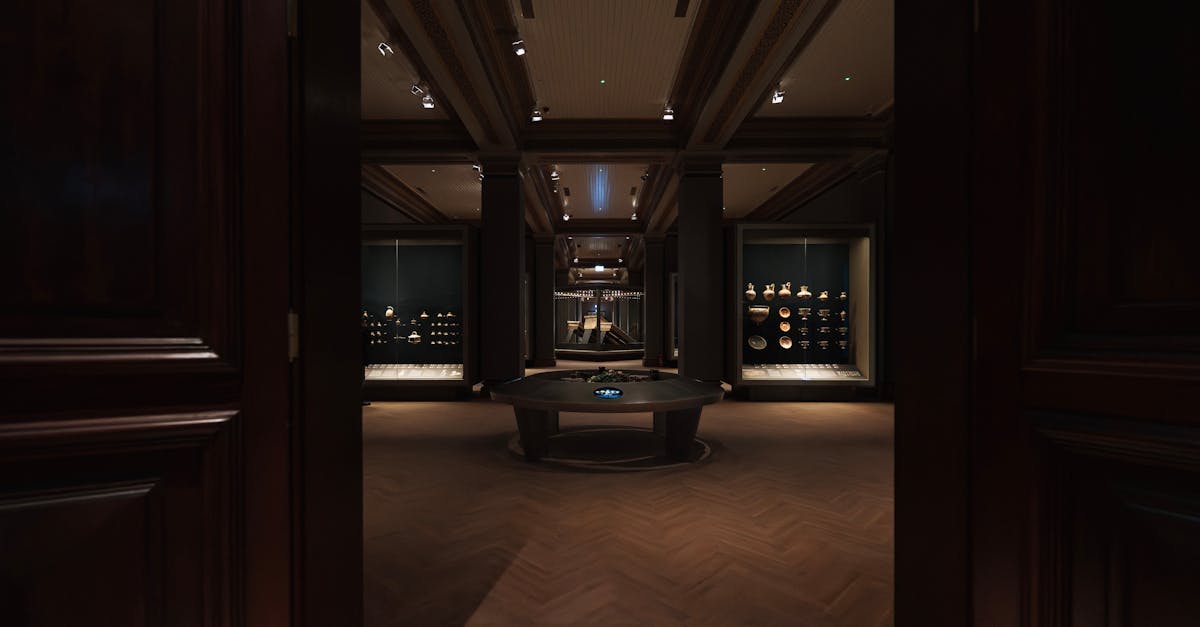
Melbourne Museum — complete visitor guide. Dinosaur Walk, Bunjilaka, Forest Gallery, ticket prices, opening hours, family tips, IMAX, and the Royal Exhibition Building next door.
This article contains advertising. Our booking links are routed through a partner that adds commission tracking automatically, so if you book through one we earn a commission from the provider, at no extra cost to you. It never affects what we recommend. Affiliate disclosure
Melbourne Museum is the largest museum in the Southern Hemisphere and a near-mandatory stop for anyone visiting Melbourne with even a passing interest in natural history, Indigenous culture, or science. Set inside Carlton Gardens — itself a UNESCO World Heritage site — and adjacent to the Royal Exhibition Building, the museum spreads across seven interconnected galleries that take a serious half-day to explore. This 2026 visitor guide covers everything you need to know: tickets and prices, the must-see exhibits, family-friendly spaces, opening hours, transport, and what to combine the visit with for a perfect Melbourne day.
Melbourne Museum quick facts
- Address: 11 Nicholson Street, Carlton (inside Carlton Gardens).
- Opening hours: Daily 9 am to 5 pm.
- Closed: Christmas Day, Good Friday.
- Adult ticket: A$15 (general admission, 2026).
- Children under 16: free.
- Concession: A$11.
- Visit time: 3 to 5 hours for a thorough look.
- Wheelchair accessible: entire building.
How to buy Melbourne Museum tickets
Tickets can be booked online via the Museums Victoria website or bought at the front entrance. Buying online is recommended on weekends and school holidays as queues at the door can stretch 20 minutes. Museums Victoria membership (A$120/year for a family) gives unlimited free entry to Melbourne Museum, Scienceworks, and the Immigration Museum — pays for itself after one family visit and one Scienceworks trip.
IMAX Melbourne, Australia’s biggest cinema screen, is housed inside the museum complex. Combined Museum + IMAX tickets save a few dollars off both. IMAX tickets need separate booking on top of museum entry.
The must-see exhibits at Melbourne Museum
Dinosaur Walk
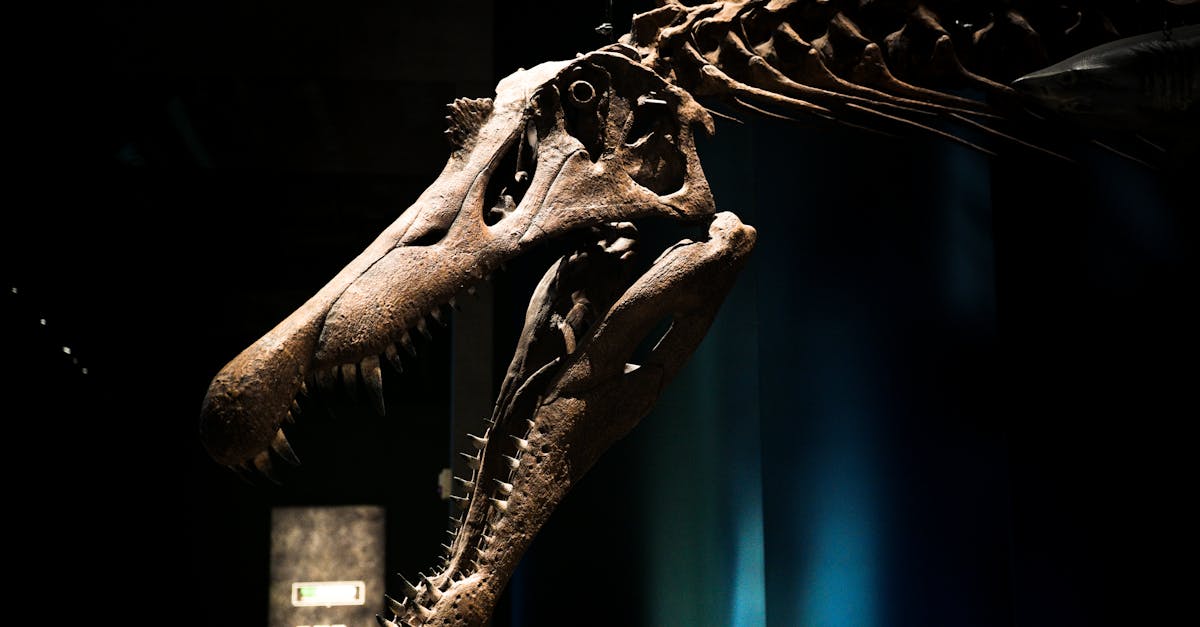
The signature attraction. Dinosaur Walk is a soaring, light-filled gallery housing fully mounted skeletons including a Tyrannosaurus rex, a giant marine reptile (Kronosaurus), Australian dinosaurs Muttaburrasaurus and Australovenator, and a quick-moving Velociraptor. Pterosaurs hang from the ceiling. The gallery is permanent, free with general admission, and almost guaranteed to be the favourite memory of any visiting child.
Bunjilaka Aboriginal Cultural Centre
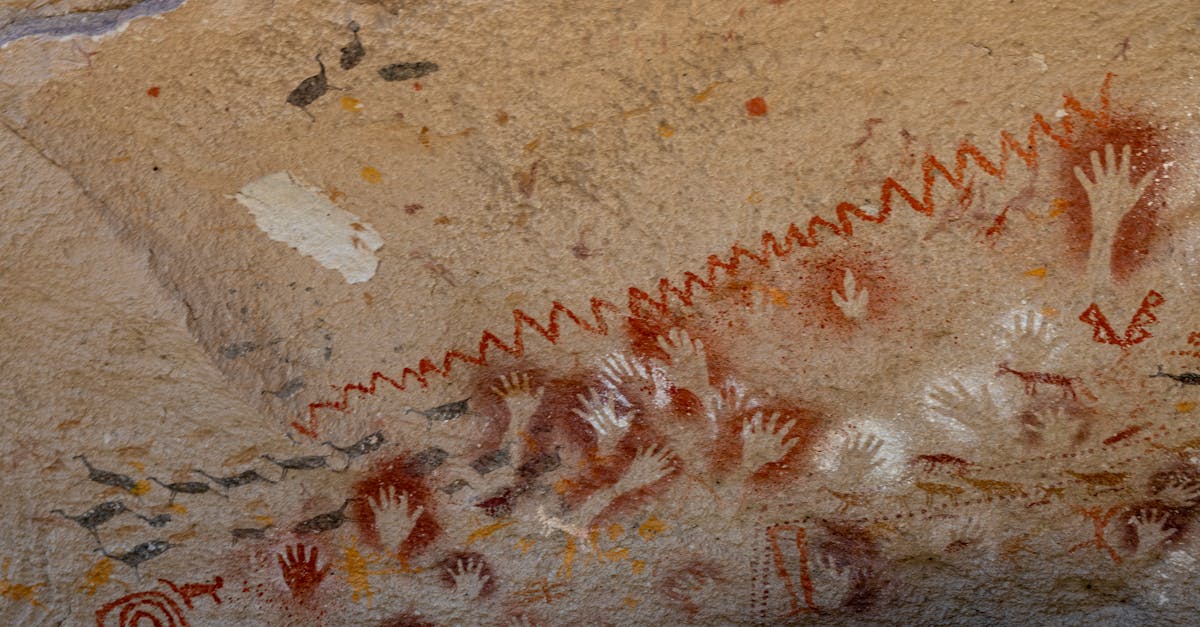
One of the most thoughtful First Peoples exhibits in any Australian museum. Bunjilaka tells the story of Victoria’s Indigenous nations — Wurundjeri, Bunurong, Taungurung and others — across the deep past, the impact of colonisation, and contemporary Aboriginal life. Permanent displays include Birrarung Wilam (an installation by Wurundjeri artists), the Forest Garden (an outdoor area planted with Indigenous food and medicine plants), and the First Peoples gallery. Allow 60–90 minutes.
Forest Gallery
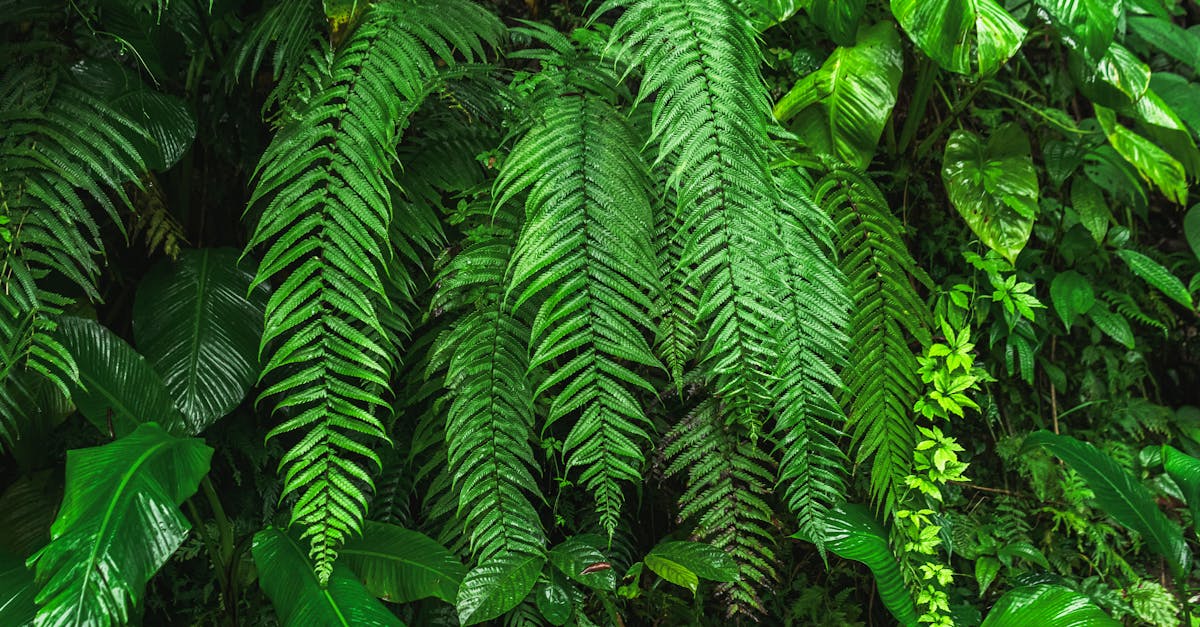
An entire indoor temperate rainforest with an open glass roof. Wallabies graze, tree ferns soar, and live frogs and birds inhabit the ecosystem. The gallery represents Mountain Ash forest — Victoria’s iconic landscape — and is one of the more unusual museum experiences in the world.
Melbourne Story
The social history of the city, from gold-rush boom to the immigration waves that shaped contemporary Melbourne. The Melbourne Story gallery has trams, period rooms, and (the icon) the actual stuffed body of Phar Lap — Australia’s most famous racehorse, displayed since 1933. The original heart of Phar Lap is in Canberra; the hide and skeleton are split between Melbourne and Christchurch.
Te Pasifika Gallery
The Pacific Islands gallery showcases the cultures of Melbourne’s Pacific Islander communities — Samoan, Tongan, Cook Islands, Niuean, Fijian — through art, music, and oral history.
Children’s Museum (Pauline Gandel Children’s Gallery)
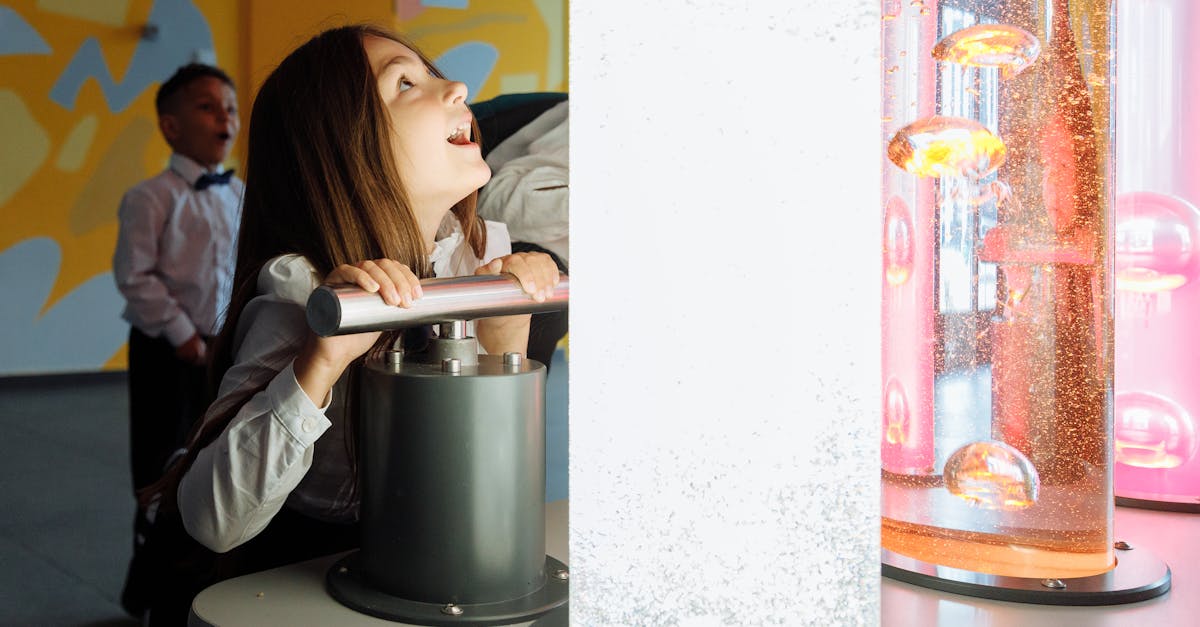
A dedicated children’s gallery with rotating themed exhibits aimed at ages 0–5. Recent themes include “Dance,” “Tinker,” and “Land.” Free with general admission (and free for kids under 16 anyway). Designed with sensory play areas, climbing structures, and dress-up zones. Allow 60 minutes minimum if you have toddlers.
The Royal Exhibition Building (next door)
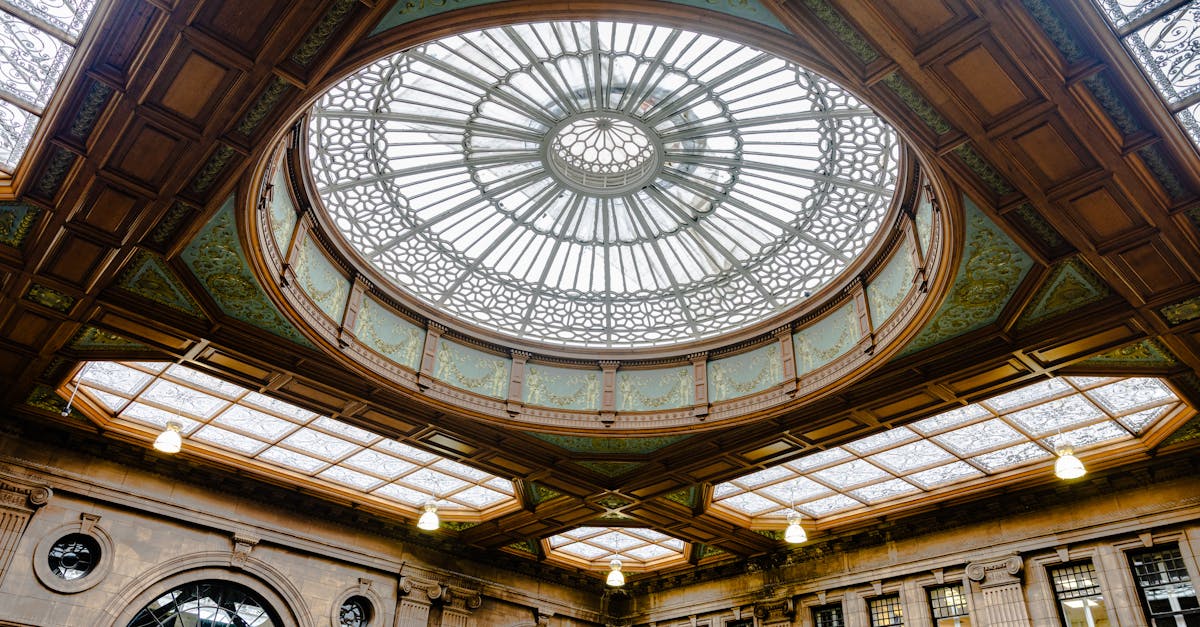
Step out of Melbourne Museum and you’re metres from the Royal Exhibition Building — Australia’s first UNESCO World Heritage site (added in 2004). Built for the 1880 Melbourne International Exhibition and the 1888 Centennial International Exhibition, it hosted the first Parliament of Australia in 1901. The interior is open to visitors only via Heritage Tours (A$15, twice daily). The dome viewing from the roof is included on extended tours and offers some of the best CBD-skyline photos in Melbourne. Combined Museum + Royal Exhibition Building tickets save a small amount.
IMAX Melbourne
Built into the museum complex, IMAX Melbourne is the third-largest IMAX screen in the world (32 metres wide, 23 metres tall). It typically screens nature documentaries, big-screen science films, and current Hollywood IMAX releases. Tickets are A$22–A$28 per session and book separately from museum entry. The screen is mind-bendingly large in person — most visitors describe it as “you sit in front of it and the picture is bigger than your peripheral vision.” Worth a session if your kids tire of museum displays.
Suggested itinerary for Melbourne Museum
3-hour visit (recommended minimum)
- 9:30 am — arrive at opening (avoid school groups).
- 10:00 am — Dinosaur Walk (45 min).
- 10:45 am — Forest Gallery (30 min).
- 11:15 am — Bunjilaka (60–90 min).
- 12:30 pm — coffee at the museum cafe or Lygon Street.
- 12:45 pm — Melbourne Story and Phar Lap (45 min).
- 1:30 pm — exit via Carlton Gardens.
5-hour deep dive
Add Te Pasifika, The Mind, the Children’s Museum, IMAX (one feature film), and the Royal Exhibition Building tour. Lunch at the in-museum cafe or walk over to Lygon Street.
Family with young children
Open at 9 am. Children’s Museum first (60 min, before crowds). Dinosaur Walk (30 min). Forest Gallery (15 min). Lunch at museum cafe. Bunjilaka if attention spans hold. Plan to leave by 1 pm before nap time.
How to get to Melbourne Museum
- Tram (best option): route 86 or 96 along Nicholson Street stops at Melbourne Museum (Stop 11). Inside the Free Tram Zone — completely free.
- Walk: 15 minutes north of Flinders Street Station; 10 minutes east of Melbourne Central.
- Train: Parliament Station is the closest, 8-minute walk.
- Drive: paid parking under the museum complex (A$24 daytime).
- Bike: bike racks at the Nicholson Street and the Carlton Gardens entrance.
Eating at and around Melbourne Museum
- Pidapipo Lab (museum cafe) — coffee, pastries, light meals, and (notably) gelato from one of Melbourne’s top gelato makers.
- Picnic in Carlton Gardens — bring sandwiches; the lawn outside the museum is one of the prettiest spots in Melbourne to picnic.
- Lygon Street (5 min walk south) — Italian institutions including Brunetti, Tiamo, and Lygon Street Pizza.
- Brunetti Classico — large Italian bakery cafe two blocks south of the museum, perfect for an after-visit cake or cappuccino.
What to combine with a Melbourne Museum visit
- Royal Exhibition Building — adjacent and unmissable.
- Carlton Gardens — the museum sits inside this UNESCO-listed park; allow 30 minutes to wander.
- Lygon Street Italian quarter — 5 minutes walk south; lunch and coffee.
- Lygon Street’s bookshops and the Italian Cultural Institute — for the culturally curious.
- Captain Cook’s Cottage in Fitzroy Gardens — 15 minutes east by tram.
- Old Melbourne Gaol — 10 minutes south by walking, where Ned Kelly was hanged.
Tips for visiting Melbourne Museum
- Mornings are quieter than afternoons — especially before school groups arrive at 10:30 am on weekdays.
- Weekends are busier — Sunday is family day, expect more crowd in the children’s gallery.
- School holidays bring rotating extra programming, but also longer queues.
- Membership pays off after 2 visits — A$120 family/year covers Melbourne Museum, Scienceworks, and the Immigration Museum.
- Check the rotating major exhibitions — recent blockbusters at Melbourne Museum included Tutankhamun, World of the Wiggles, and Marvel: Earth’s Mightiest Exhibition. These are ticketed separately.
- Free strollers and wheelchairs available at entry; ask at the desk.
- Photography allowed in permanent galleries (no flash); ticketed exhibitions vary.
- Allow time for the museum shop — the dinosaur, Indigenous, and natural-history merchandise is excellent.
Melbourne Museum gallery-by-gallery breakdown
Bunjilaka Aboriginal Cultural Centre
One of the most thoughtful First Peoples exhibits in any Australian museum. Bunjilaka tells the story of Victoria’s Indigenous nations across the deep past, the impact of colonisation, and contemporary Aboriginal life. Permanent components:
- First Peoples gallery — the central permanent exhibit. Multimedia, oral histories, contemporary art.
- Birrarung Wilam (River Camp) — outdoor installation by Wurundjeri artists at the museum’s front entrance.
- Forest Garden — outdoor area planted with Indigenous food and medicine plants.
- Possum-skin cloak collection — traditional Wurundjeri ceremonial cloaks.
Forest Gallery
An entire indoor temperate rainforest with an open glass roof. Wallabies graze, tree ferns soar, and live frogs and birds inhabit the ecosystem. Represents the Mountain Ash forests of Victoria. One of the more unusual museum experiences in the world.
The Mind: Brain Science Gallery
Interactive exploration of how the brain works. Hands-on optical illusions, neuroscience displays, exhibits on memory, language, and consciousness. Best for older kids and curious adults. Includes a real preserved brain on display.
Melbourne Story
Social history of the city, from gold-rush boom through immigration waves to contemporary multicultural Melbourne. Highlights:
- Phar Lap — the actual stuffed remains of Australia’s most famous racehorse, displayed since 1933.
- The Yarra Trams Z-class — a historic tram visitors can walk through.
- Period rooms — Victorian, Federation, Art Deco, post-war Italian-Greek migrant rooms.
- Hoddle Grid models showing Melbourne’s growth from 1830s.
Pauline Gandel Children’s Gallery
Dedicated children’s gallery with rotating themed exhibits aimed at ages 0–5. Recent themes: “Dance,” “Tinker,” “Land,” “Sky.” Free with general admission. Sensory play areas, climbing structures, dress-up zones. Allow 60 minutes minimum if you have toddlers.
Animal & Plant Galleries
Natural history collection — preserved Australian wildlife, taxidermy birds, marine specimens, fossils. The Rare Earth gallery focuses on Australian geology and gemstones.
IMAX Melbourne deep dive
- Screen size: 32 metres wide by 23 metres tall — the third-largest IMAX screen in the world.
- Tickets: A$22–A$28 per session. Combined Museum + IMAX tickets save a few dollars.
- Films: nature documentaries (Antarctica, Great Barrier Reef, Tibet), big-screen science films (the universe, dinosaurs), and current Hollywood IMAX releases.
- Sessions: several daily, with morning sessions cheapest. Book online to choose seats.
- Best for: visitors who want a cinematic break in the middle of a museum day, kids who tire of static exhibits.
The Royal Exhibition Building deep dive
Built for the 1880 Melbourne International Exhibition, the Royal Exhibition Building is Australia’s first UNESCO World Heritage site (added 2004). It hosted the 1888 Centennial International Exhibition and the first Federal Parliament of Australia in May 1901.
- Heritage tours — A$15 adult, twice daily. Include access to the dome viewing platform and the Federation room.
- Architecture — Italian Renaissance revival; the dome rises 68 metres above the floor.
- Annual events — Royal Melbourne Show (September), Melbourne International Flower & Garden Show (March), trade fairs.
- Photography — exterior anytime, interior on tours only.
- Combined Museum + REB ticket saves a small amount.
Melbourne Museum membership and value
- Single adult membership — A$95/year, unlimited entry to Melbourne Museum, Scienceworks, and the Immigration Museum.
- Family membership — A$120/year, covers two adults and dependent children.
- Pays for itself after one family visit and one Scienceworks trip.
- Includes 10% off shop and cafe purchases, free entry to ticketed special exhibitions for some membership tiers, member-only previews.
- Reciprocal benefits at other Australian and international museums.
School holiday programming at Melbourne Museum
During Victorian school holidays (April, June–July, September, December–January), Melbourne Museum runs intensive family programming:
- Daily storytelling sessions in the children’s gallery.
- Themed scavenger hunts across the galleries.
- Hands-on workshops (palaeontology, weaving, slime science).
- Free face painting sessions on weekends.
- Live performances — drama, music, Indigenous storytelling.
- Bunjilaka cultural workshops with Wurundjeri educators.
Most programming is free with general admission. Workshops sometimes require a small additional fee (A$5–A$15) and bookings.
Past blockbuster exhibitions at Melbourne Museum
- Tutankhamun and the Golden Age of the Pharaohs — historic Egyptian treasures.
- Marvel: Earth’s Mightiest Exhibition — original costumes and props from the Marvel Cinematic Universe.
- World of the Wiggles — Australian children’s icon exhibit.
- Triceratops: Fate of the Dinosaurs — fossil-rich blockbuster.
- Ancient Egypt — long-running rotating Egyptology exhibit.
- Fashion-themed shows — frequent Australian and international fashion blockbusters.
Melbourne Museum vs Scienceworks vs Immigration Museum
- Melbourne Museum — natural history, Indigenous culture, Australian social history. Best for first-time visitors and families with broad interests.
- Scienceworks (Spotswood) — hands-on science museum. Best for kids ages 6–14 and science-curious teens. Includes a planetarium and Lightning Room.
- Immigration Museum (Old Customs House, CBD) — multi-cultural Melbourne history. Best for visitors with personal connections to immigration to Australia, or interest in social history.
- All three are run by Museums Victoria and a single membership covers all three.
Behind-the-scenes and special access
- Curator-led tours — A$25–A$50 per person, occasional, with leading academics behind the collection.
- Sleepovers in the museum — periodic family sleepovers (A$80+ per person).
- Adult-only late nights — periodic 18+ events with bars, DJs, and after-dark gallery access.
- Volunteer guided tours — free, daily, multi-language on selected days.
Accessibility at Melbourne Museum
- Wheelchair accessible throughout. Free wheelchair loan at the entrance.
- Parents’ rooms — multiple, with feeding chairs and changing tables.
- Sensory backpacks — for visitors with sensory needs; ear defenders, fidget toys, visual schedules. Free.
- Auslan tours — book in advance.
- Service animals welcome.
- Quiet hour mornings on certain weekends — autism-friendly, lower lighting.
- Companion card pricing.
- Audio described tours for vision-impaired visitors.
Photography at Melbourne Museum
- Permanent collections — photography allowed (no flash on biological specimens).
- Special ticketed exhibitions — varies; check signage.
- Tripods and selfie sticks — not permitted in galleries.
- Commercial photography requires a permit.
- Bunjilaka cultural sites — some sensitive materials may have photography restrictions; respect signage.
Best time to visit Melbourne Museum
- Tuesday and Wednesday mornings — quietest. Avoid school groups arriving 10:30 am.
- Thursday and Friday afternoons — moderate crowds.
- Weekends — busy, especially Sunday family day.
- School holidays (Vic state) — busiest, but with extra programming. Worth the crowds for kids.
- Public holidays — busier but typically open.
Frequently asked questions about Melbourne Museum
How much does Melbourne Museum cost?
Adult general admission is A$15 in 2026. Children under 16 are free. Concession (students, seniors) is A$11. Major ticketed exhibitions cost extra (A$25–A$30). IMAX is separately ticketed at A$22–A$28.
Is Melbourne Museum free for children?
Yes — children under 16 are free for general admission. The dedicated Children’s Museum is also free with general admission.
How long do you need at Melbourne Museum?
3 hours is a reasonable minimum to cover the highlights. 4–5 hours allows a thorough visit with all major galleries plus the Children’s Museum or IMAX. Families with young kids could easily spend a full school-holiday day.
What’s the best exhibit at Melbourne Museum?
For most visitors: Dinosaur Walk for spectacle, Bunjilaka for cultural depth, Forest Gallery for sheer “where else would you find this?” wonder. The Melbourne Story (with Phar Lap) is also iconic.
Where is Melbourne Museum located?
11 Nicholson Street, Carlton — inside Carlton Gardens, next to the Royal Exhibition Building. 15 minutes walk from Flinders Street Station; tram 86 or 96 along Nicholson Street stops directly outside.
Is Melbourne Museum worth visiting?
Yes — it’s one of the largest museums in the Southern Hemisphere, free for children, and houses world-class exhibits on dinosaurs, Indigenous culture, and Australian natural history. Most first-time Melbourne visitors place it in their top 5 attractions.
What’s the difference between Melbourne Museum and the NGV?
Melbourne Museum is a natural history, science, and cultural-history museum (dinosaurs, Indigenous culture, Australian social history). The NGV is an art gallery (paintings, sculpture, design). Both are excellent and serve different interests; many visitors do both during a Melbourne trip.
Can you bring food into Melbourne Museum?
Snacks for young children are fine; full meals should be eaten in the museum cafe or outside in Carlton Gardens. Picnicking on the lawns directly outside the museum is one of Melbourne’s underrated pleasures.
Final word: Melbourne Museum is an essential stop
Of all the things to do in Melbourne with a half-day to spare, Melbourne Museum is the one that delivers consistently regardless of age, interest, or background. The dinosaurs are big, the Bunjilaka galleries are quietly powerful, and the museum café serves arguably the best gelato in any cultural institution in Australia. Pair it with the Royal Exhibition Building next door and Lygon Street for lunch, and you have a perfect Melbourne morning. For broader cultural context, see our Melbourne arts and culture pillar.