Melbourne to Sydney (2026): Flight vs Train vs Coach vs Drive Compared
- Words
- Melbourne Tourism Guide
- Updated
- July 25, 2026
- Read
- 12 min
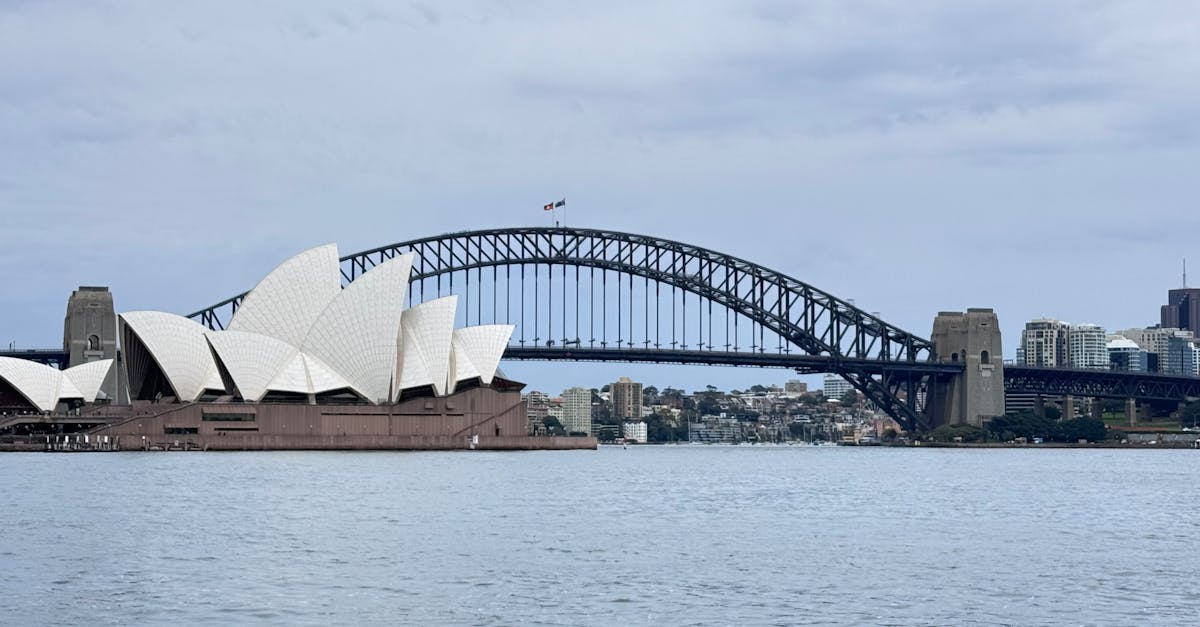
Melbourne to Sydney travel — full 2026 comparison of flight, train (XPT), coach, and self-drive options. Times, prices, scenic value, and which option is best for your trip.
This article contains advertising. Our booking links are routed through a partner that adds commission tracking automatically, so if you book through one we earn a commission from the provider, at no extra cost to you. It never affects what we recommend. Affiliate disclosure
Going from Melbourne to Sydney is one of Australia’s most-travelled domestic routes — and one that confuses first-time visitors who assume two major cities only 880 kilometres apart should be quick to connect. Australia is large, the train network is sparse, and the highway between them is long. This 2026 guide compares every realistic Melbourne to Sydney transport option: flights, trains, coaches, road trips, and hybrid combinations. We cover prices, travel times, scenery, comfort, and the surprising fact that flying is almost always the right answer despite Australia’s growing rail enthusiasm.
Melbourne to Sydney: distance and key facts
- Distance: 880 km direct (1,400 km if you take the long coastal drive).
- Direct flight: 1 hour 25 minutes.
- Driving: 9 hours via inland Hume Highway, 11–12 hours via coastal route.
- Train (XPT): 11 hours by day; overnight option also available.
- Coach: 12 to 14 hours.
- Time zone: same year-round (both AEDT in summer, both AEST in winter).
Flying Melbourne to Sydney

The Melbourne to Sydney air route is one of the world’s five busiest, with more than 8 million passengers a year. Qantas, Virgin Australia, Jetstar, and Rex all operate flights, and there’s a departure roughly every 15–20 minutes during the day. For nearly every traveller, flying is the right answer — it’s the fastest, often the cheapest after rail surcharges, and the most flexible.
- Cost: A$80–A$200 one way booked 2–4 weeks ahead. Last-minute fares climb to A$300+. Jetstar is the cheapest, Qantas the most premium, Virgin in between.
- Flight time: 1 hour 25 minutes gate to gate.
- Total door-to-door (CBD to CBD): 4 to 5 hours including taxi/SkyBus, check-in, security, baggage claim, and onward transport.
- Frequency: Every 15–30 minutes between 6 am and 10 pm.
- Departure airports: Melbourne Tullamarine (MEL) is the main hub. Avalon (AVV) has 1–2 daily Jetstar flights to Sydney for a slight cost saving.
- Sydney arrival: Sydney Kingsford Smith (SYD), 8 km south of Sydney CBD. Airport Link train to CBD A$22, 13 minutes.
- Best for: almost everyone. The default Melbourne to Sydney choice.
Tip: Tuesdays and Wednesdays mid-morning have the cheapest fares. Avoid Friday evenings and Sunday afternoons (business-traveller peaks).
Train Melbourne to Sydney: the XPT
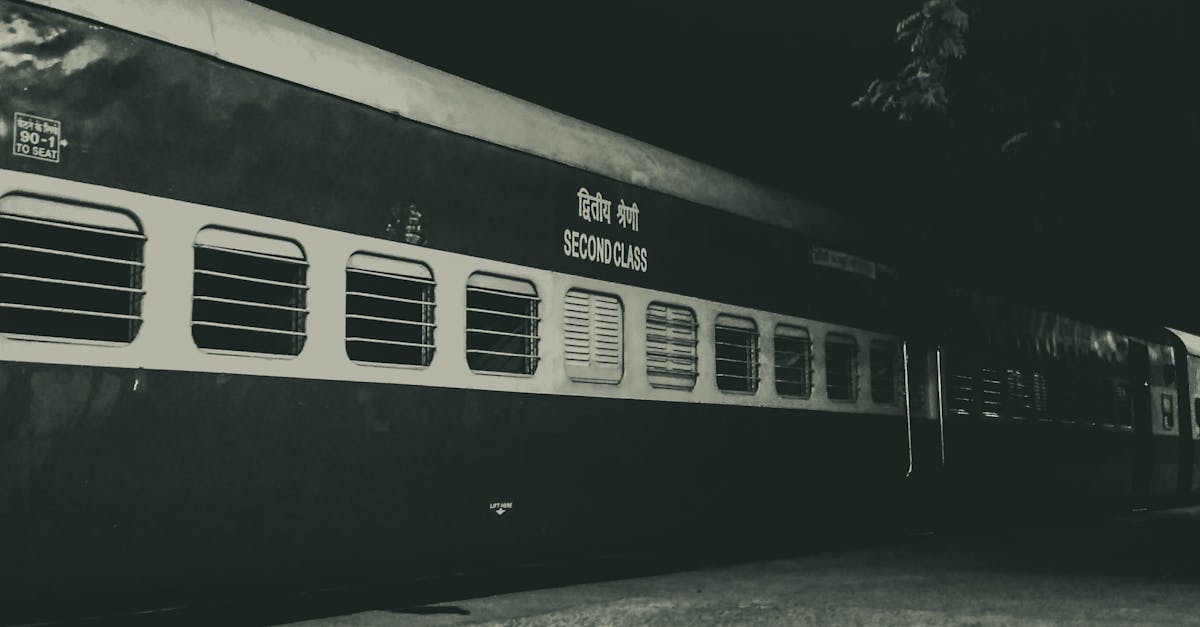
NSW TrainLink’s XPT (Express Passenger Train) runs twice daily between Melbourne and Sydney — a daytime departure and an overnight service. The train is 1980s rolling stock, comfortable but not luxurious, and the journey is much slower than flying. For most travellers it’s a niche choice, but for railway enthusiasts and those who want to see the Australian Alps from the carriage window, it has charm.
- Cost: A$110 economy seat, A$170 first class, A$250 sleeper berth (overnight only). Concessions and pensioner discounts available.
- Travel time: 11 hours daytime; 11 hours overnight including layover stops.
- Daytime departure: Approximately 8:30 am from Southern Cross Station, arriving Sydney Central around 7:30 pm.
- Overnight departure: Approximately 8:30 pm from Southern Cross, arriving Sydney Central around 7:30 am.
- Frequency: Twice daily — one daytime, one overnight.
- Stops: Albury, Wagga Wagga, Cootamundra, Goulburn, and others.
- Catering: buffet car on board.
- Best for: railway enthusiasts, those who want to see countryside, travellers who don’t fly, and overnight saving on accommodation.
Book via NSW TrainLink’s website. Sleeper berths sell out 4–6 weeks ahead. Bring snacks; the buffet car is basic.
Coach Melbourne to Sydney
The cheapest option for the bare-bones budget traveller. Greyhound, Firefly Express, and Murrays operate Melbourne–Sydney services. A long, exhausting journey, but the right choice if A$50 fare matters more than 12 lost hours.
- Cost: A$50–A$100 one way; book online for cheapest fares.
- Travel time: 12 to 14 hours including rest stops.
- Operators: Greyhound (Albury, Wagga, Goulburn route), Firefly Express (overnight CBD-to-CBD), Murrays (charter).
- Departure: Southern Cross Station coach terminal in Melbourne.
- Arrival: Central Station coach bay in Sydney.
- Best for: backpackers, those without time pressure, budget-only trips.
Driving Melbourne to Sydney
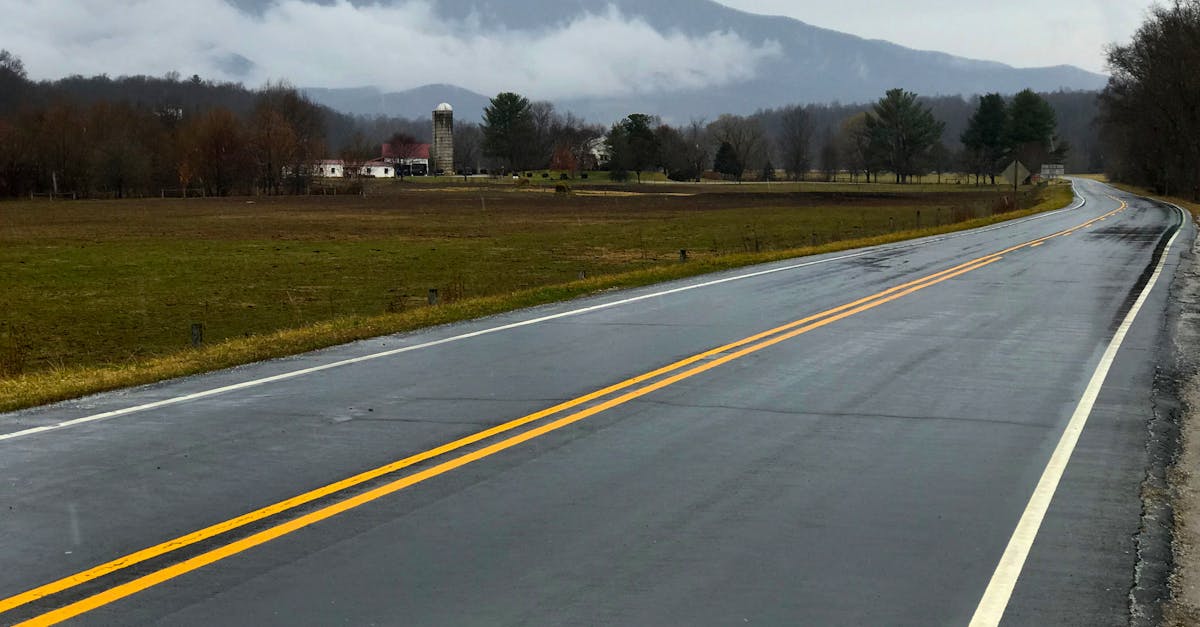
Driving Melbourne to Sydney is realistic over 1 long day or, ideally, spread across 2–3 days. There are two main routes:
Inland: Hume Highway (M31)
- Distance: 880 km.
- Driving time: 9 hours.
- Best stops: Albury (NSW border, 3 hrs), Gundagai (the dog-on-the-tucker-box statue), Goulburn (Big Merino), and lunch in Yass.
- Best for: getting there fast, two-driver groups, single-day trips.
- Drawback: mostly featureless inland farmland.
Coastal: Princes Highway (A1)
- Distance: 1,400 km.
- Driving time: 11–12 hours straight, but more typically a 3–4 day road trip.
- Best stops: Lakes Entrance, Eden, Bermagui, Mollymook, Jervis Bay (white sand beaches), Kiama Blowhole.
- Best for: a multi-day road trip with overnights, beach lovers, and travellers who want to see regional NSW.
- Drawback: too long for a 1-day drive.
Costs of driving
- Fuel: A$120–A$160 round trip.
- Tolls: Sydney’s M5 and M7 motorways add ~A$20.
- Car rental: A$60–A$120/day plus one-way drop-off fee (typically A$200–A$400).
- Accommodation along the route: A$120–A$220/night for budget motels.
Driving makes most sense if you actually want to road-trip and stop along the way. For pure A-to-B travel, flying is faster and usually cheaper.
Hybrid options: train one way, fly the other
One excellent strategy for budget-conscious travellers who want the train experience without the full 22-hour round trip: take the XPT one direction and fly the other. Train Melbourne to Sydney as a daytime scenic experience, fly back. Total cost A$200–A$300 per person, total time saved against round-trip train: 11 hours. This combination is also kinder on overnight sleep schedules.
Comparison: which Melbourne to Sydney option is best?
| Option | Time | Cost | Best for |
|---|---|---|---|
| Flight | 1.5 hrs (4–5 door-to-door) | A$80–200 | Most travellers |
| XPT train (day) | 11 hrs | A$110–250 | Rail enthusiasts, scenery |
| XPT train (overnight) | 11 hrs | A$110–250 | Save on accommodation |
| Coach | 12–14 hrs | A$50–100 | Budget backpackers |
| Drive (Hume) | 9 hrs | A$120+ fuel | Single-day road trip |
| Drive (coastal) | 3–4 days | A$300+ multi-day | Multi-day adventure |
Travel from Sydney to Melbourne (the reverse)
All the same options apply in reverse. The XPT runs the same twice-daily schedule from Sydney Central. Sydney Airport (SYD) has the same flight frequency. Coach services run from Central Sydney coach terminal. Many international visitors fly into Sydney first (it’s Australia’s largest international hub), spend 2–3 days, then fly to Melbourne for 4–5 days. Going the reverse direction is equally easy.
Day trips between Melbourne and Sydney
It’s technically possible to fly Melbourne to Sydney for a same-day visit, but you’ll spend more time in airports than in either city. The realistic minimum overlap is one overnight. For a sane trip, plan at least 2 nights in each city.
Tips for travelling Melbourne to Sydney
- Book flights 2–4 weeks ahead — fares double last-minute.
- Tuesdays and Wednesdays are cheapest for flights.
- Avoid the Friday 5 pm and Sunday 5 pm peak business flights — most expensive.
- Carry-on only saves baggage time — Melbourne–Sydney travellers rarely need checked bags for short trips.
- Use the Sydney Airport train — A$22, 13 minutes to Central. Cheaper alternative is the bus, but the train is much faster.
- Book the XPT 4+ weeks ahead for sleepers — limited berths sell out fast.
- Consider Avalon (AVV) airport for cheaper Jetstar fares — but factor in the SkyBus time and reduced flexibility.
- Drive in autumn or spring — summer can mean bushfire-related closures on the Hume; winter has fog risk.
- Both cities use the same time zone year-round, so no jet lag.
Melbourne to Sydney airline comparison
- Qantas — most premium domestic carrier. Frequent flyer status (Platinum, Gold) gets lounge access. Two checked bags free in business; one in economy on most fares. Flat-bed business class on most flights.
- Virgin Australia — second major carrier. Generally a few dollars cheaper than Qantas. Velocity points programme. One checked bag free on most fares.
- Jetstar — budget arm of Qantas. Cheapest fares but no checked bag included; everything is paid extra (seat selection, food, drink). Frequent flyer benefits limited.
- Rex Airlines — newer entrant to the route. Smaller capacity, often competitive fares. Usually older aircraft.
Most travellers fly Qantas or Virgin for full-service economy. Jetstar is significantly cheaper but check the total fare (with bag, seat selection, food) before booking — sometimes the Jetstar advantage disappears.
When to fly Melbourne to Sydney for cheapest fares
- Cheapest days: Tuesday, Wednesday, and Saturday.
- Most expensive days: Friday afternoon, Sunday afternoon (business traveller peaks).
- Best booking window: 6 to 8 weeks ahead for the lowest economy fares.
- Cheapest months: February, May, August (excluding school holidays).
- Most expensive months: December–January (summer holiday peak), late June (winter break), September (school holiday week).
- Cheap-flight tools: Skyscanner, Google Flights, and Webjet show fare calendars; flexibility on dates is the main lever.
The XPT train experience in detail
- Rolling stock: 1980s diesel-electric trains. Comfortable but old.
- Carriages: economy seating (recliner-style) and sleeper berths (overnight train only).
- Sleeper berths: two-berth cabins (one upper, one lower bunk). Shared bathrooms in the carriage. No private shower.
- First class seating: wider seats, more legroom; same carriage style as economy.
- Buffet car: snacks, sandwiches, drinks, and basic hot meals. Bring substantial snacks for a long ride.
- Wi-Fi: intermittent through the bush; mobile signal varies.
- Power outlets: some seats have them, not all. Bring a power bank.
- Luggage: generous space at the end of carriages.
- Pets: generally not allowed except service animals.
Booking the XPT in advance
- Book via NSW TrainLink website. Fares can be booked up to 4 months ahead.
- Sleeper berths are limited and sell out 4–6 weeks ahead.
- Pensioner and concession fares are significantly discounted.
- Backpacker rail passes can include the XPT — check Greyhound, Bus Australia, and Discovery passes.
- Dietary needs — request vegetarian or gluten-free meals 24 hours ahead.
Coach operators on the Melbourne–Sydney route
- Greyhound Australia — major operator with daily services. Hop-on-hop-off pass options for backpackers. Wi-Fi on most coaches.
- Firefly Express — overnight CBD-to-CBD service. The cheapest sleeper-style coach option.
- Murrays — primarily charter with some scheduled routes.
- Brisbane–Melbourne via Sydney coach connections — extended journey for Trans-Tasman backpackers.
Driving Melbourne to Sydney: stops on the inland Hume Highway
- Wallan / Kalkallo — first major service stop, 50 minutes from Melbourne CBD.
- Seymour — small town with cafes and a heritage train station.
- Glenrowan — Ned Kelly’s last stand site, 2.5 hours from Melbourne. The Big Ned is photo-worthy.
- Wangaratta — base for King Valley wine region detours; 2 hours 40 minutes from Melbourne.
- Albury (NSW border) — major regional city, 3.5 hours. The Murray River views are pretty.
- Wagga Wagga — 5 hours from Melbourne. Mid-route lunch stop.
- Gundagai — the Dog on the Tucker Box statue, classic Australiana.
- Yass — small town with cafes, 7 hours from Melbourne.
- Goulburn — the Big Merino sheep statue.
- Mittagong / Bowral — Southern Highlands wineries, 1 hour from Sydney.
- Sydney CBD — 9 hours total in good traffic.
Driving Melbourne to Sydney: the coastal Princes Highway
- Drouin / Warragul — Gippsland gateway, 90 minutes east of Melbourne.
- Lakes Entrance — Victoria’s biggest fishing port, beautiful river-meets-sea.
- Eden (NSW) — historic whaling town, the start of the Sapphire Coast.
- Bermagui — quiet coastal town with great fish & chips.
- Mollymook — beach town with Rick Stein at Bannisters restaurant.
- Jervis Bay — Hyams Beach (whitest sand in the world by some measures).
- Kiama Blowhole — natural sea geyser; spectacular when swell is up.
- Wollongong — Sydney’s southern coastal neighbour.
- Sydney CBD — 11 to 12 hours total over a long day, or 3–4 days with overnights.
Multi-day road trip Melbourne to Sydney itineraries
3-day Hume Highway road trip
- Day 1: Melbourne to Albury via Glenrowan, overnight in Albury (3.5 hours).
- Day 2: Albury to Goulburn via Wagga and Gundagai (4.5 hours), overnight Goulburn.
- Day 3: Goulburn to Sydney via Southern Highlands wineries (2 hours).
4-day coastal road trip
- Day 1: Melbourne to Lakes Entrance (3 hours).
- Day 2: Lakes Entrance to Eden, swim at Boydtown.
- Day 3: Eden to Mollymook via Bermagui.
- Day 4: Mollymook to Sydney via Jervis Bay and Kiama.
Sydney arrival logistics from Melbourne
- Sydney Airport (SYD) — 8 km south of Sydney CBD. Airport Link train to Central Station: A$22, 13 minutes.
- Central Station coach terminal — for Greyhound and Firefly arrivals.
- Central Station rail terminus — for XPT arrivals.
- Sydney CBD car parking — expensive (A$70+/day at most CBD parks); consider parking outside the CBD if driving.
Environmental impact comparison
- Flying: roughly 230 kg CO2 per economy passenger one-way.
- Train (XPT): roughly 60 kg CO2 per passenger.
- Coach: roughly 50 kg CO2 per passenger.
- Solo car driving: roughly 200 kg CO2.
- Car driving with 4 people: roughly 50 kg CO2 per person.
Coach and shared driving are the lowest-carbon options. Flying is the highest. The XPT is competitive with coach despite being slower because it carries far more passengers per service.
Delays and cancellations on the Melbourne–Sydney route
- Flights: Melbourne–Sydney is one of the most-delayed routes in Australia (peak-time congestion at Sydney). Allow buffer time for connections.
- XPT: reliable but slow. Track maintenance occasionally causes overnight diversions.
- Coach: generally reliable; weather (fog, smoke from bushfires) can cause delays.
- Driving: bushfire season (December–March) can close sections of the Hume Highway.
Tips for a comfortable Melbourne to Sydney trip
- For flights — book 6+ weeks ahead, fly Tuesday or Wednesday, carry-on only.
- For the XPT — book a sleeper berth for overnight; bring snacks and a book.
- For coach — bring noise-cancelling headphones, eye mask, and a small pillow.
- For driving — share the wheel with two drivers, take a break every 90 minutes, don’t drive at night through wildlife corridors.
- Both cities use the same time zone year-round — no jet lag adjustments.
- Pack layers — even summer mornings in Sydney are cool from the sea breeze, while inland Hume can be hot.
Frequently asked questions about Melbourne to Sydney travel
How long does it take to fly from Melbourne to Sydney?
1 hour 25 minutes flight time, but 4 to 5 hours total door-to-door including ground transport, check-in, and security at both ends.
What’s the cheapest way to get from Melbourne to Sydney?
Coach (Greyhound or Firefly) at A$50–A$100 is the cheapest if booked ahead. Jetstar flights from Avalon Airport often match this price for far less travel time.
Is the train from Melbourne to Sydney scenic?
Moderately. The XPT crosses the foothills of the Australian Alps and passes through farmland, vineyards, and small NSW country towns. It’s not a “world’s best train ride” experience but pleasant for railway enthusiasts.
Can I drive Melbourne to Sydney in one day?
Yes via the Hume Highway in 9 hours, but it requires a very early start, ideally two drivers, and stops every 90 minutes. Splitting into 2 days with an overnight in Albury or Wagga Wagga is much more relaxed.
Is the overnight train from Melbourne to Sydney comfortable?
The XPT sleeper berths are functional but not luxurious — small, no shower in your cabin, shared bathrooms in the carriage. Comparable to a basic budget hostel. The train is also old (1980s rolling stock) and slow. Some passengers love it; others find it a one-time experience.
Is there a high-speed train between Melbourne and Sydney?
No — Australia has no high-speed rail. A high-speed Melbourne–Sydney–Brisbane corridor has been studied for decades but never built. The XPT is the only direct rail service.
What’s the best way to travel Melbourne to Sydney?
For 95% of travellers: fly. It’s the fastest, often the cheapest, and the most flexible. Choose train if you specifically want the experience or are uncomfortable flying; coach if budget is the only consideration; drive if you want to road-trip with stops.
How much does it cost to fly Melbourne to Sydney?
A$80–A$200 one way booked 2–4 weeks in advance. Last-minute fares climb to A$300+. Jetstar usually has the cheapest fares; Qantas the most premium.
Final word: planning your Melbourne to Sydney leg
The Melbourne to Sydney route is one of Australia’s tourism essentials — most international visitors do both cities on the same trip, and Australia’s geography means you have to make a choice about how to bridge them. Fly for time, train for romance, drive for adventure, coach for absolute budget. Match the choice to the trip you’re trying to take. For broader trip planning, see our Melbourne travel guide.