Phillip Island Penguin Parade (2026): Complete Visitor Guide
- Words
- Melbourne Tourism Guide
- Updated
- July 25, 2026
- Read
- 14 min
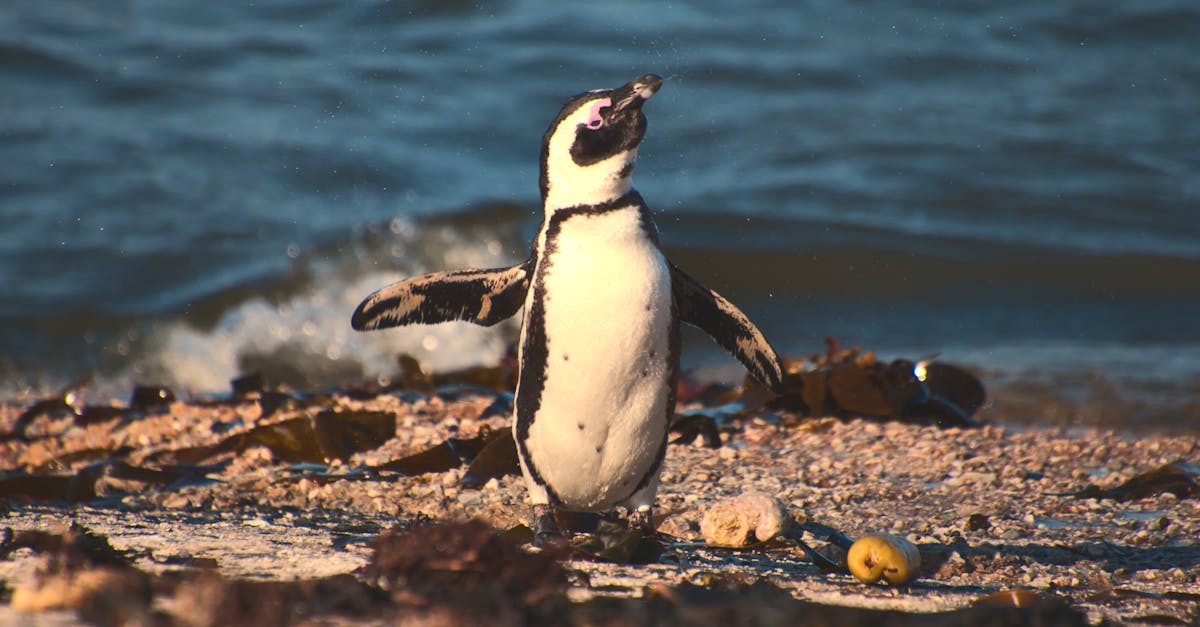
Phillip Island Penguin Parade — complete 2026 guide to little penguins at Summerland Beach. Tickets, sunset times, what to wear, koalas, Nobbies, and self-drive vs tour from Melbourne.
This article contains advertising. Our booking links are routed through a partner that adds commission tracking automatically, so if you book through one we earn a commission from the provider, at no extra cost to you. It never affects what we recommend. Affiliate disclosure
The Phillip Island Penguin Parade is one of Australia’s most beloved wildlife experiences and the single most-watched penguin colony in the world. Every evening at sunset, hundreds of little penguins (the world’s smallest penguin species) waddle out of the surf at Summerland Beach, cross the sand in tight groups, and return to their burrows in the dunes. Tens of thousands of visitors a year travel from Melbourne, 90 minutes by car, to watch this absolutely reliable, genuinely wild spectacle. This 2026 visitor guide explains exactly how to plan a Phillip Island Penguin Parade trip: ticket types and prices, how to get there from Melbourne, what time to arrive, what to wear, what other Phillip Island attractions to combine, and the etiquette for not disturbing the penguins.
What is the Phillip Island Penguin Parade?
The Phillip Island Penguin Parade is the daily evening return of “little penguins” (formerly known as fairy penguins) to their burrows on Summerland Beach, on the southwestern tip of Phillip Island, Victoria. Little penguins (Eudyptula minor) are the world’s smallest penguin species, weighing about 1 kg and standing 33 cm tall. They spend their days fishing in Bass Strait and return to land at dusk in tight defensive groups for safety from predators. The parade takes place every single night of the year, regardless of weather or season — penguins are coastal birds that don’t take days off.
The Phillip Island Nature Parks operates the official viewing platforms and visitor centre. The colony numbers around 32,000 penguins, with peak emergence happening in spring and summer (when chicks are being fed). The parade is wild — the penguins are not trained, fed by humans, or held captive. They simply happen to come ashore at the same beach every evening, and the visitor infrastructure is built around their natural behaviour.
Phillip Island Penguin Parade ticket types
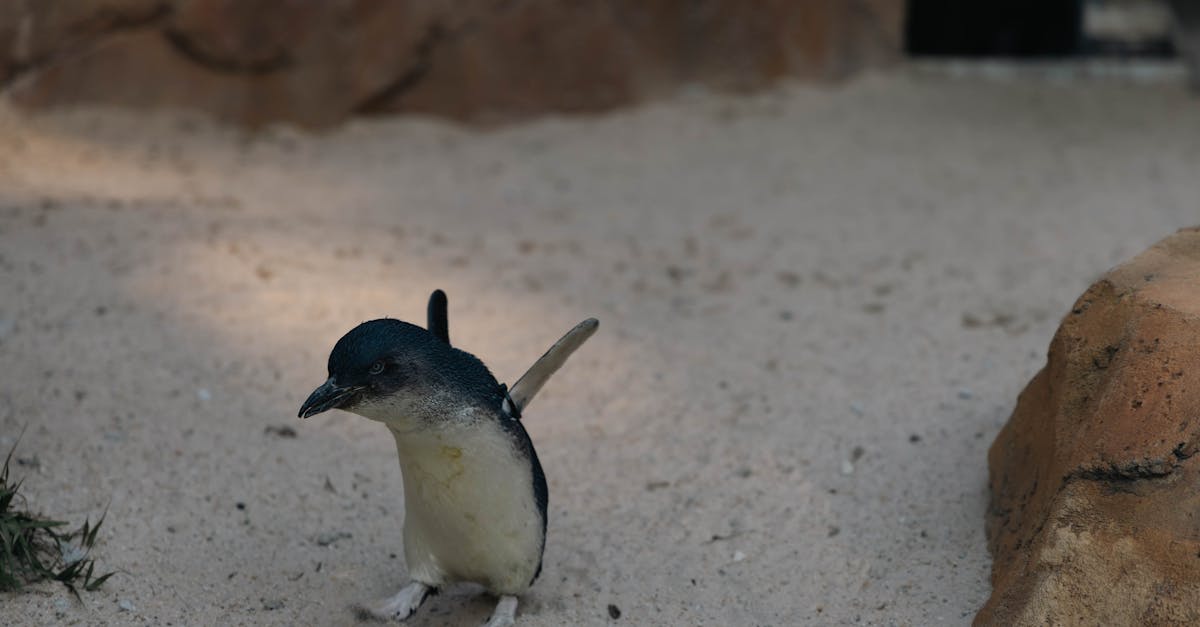
- General Viewing — A$32 adult, A$16 child (4–15), A$80 family of 4. Tiered concrete amphitheatre seats up to 3,500 people. Best for first-timers on a budget.
- Penguins Plus — A$54 adult, A$28 child. Smaller boardwalk viewing with reserved seats and ranger commentary. Closer to the action.
- Underground Viewing — A$84 adult, A$45 child. Underground hide with eye-level glass at the beach. The penguins waddle right in front of your face.
- Ultimate Adventure Tour — A$110 adult. Small group with a ranger, a behind-the-scenes guided tour, and reserved Plus seating.
- Guided Ranger Tour — A$99 adult. Small group with night-vision and a ranger guide on the beach itself (limited).
All tickets must be booked online via the Phillip Island Nature Parks website in advance — the parade regularly sells out, particularly in summer school holidays. Last-minute walk-ins are rarely possible.
What time is the Phillip Island Penguin Parade?
The parade begins at sunset, which means the timing changes throughout the year:
| Month | Approx parade start | Visitor centre opens |
|---|---|---|
| December–January | 8:30–9:00 pm | 5:00 pm |
| February–March | 7:30–8:00 pm | 4:30 pm |
| April–May | 5:30–6:30 pm | 3:00 pm |
| June–July | 5:30 pm | 2:30 pm |
| August–September | 6:00–6:30 pm | 3:00 pm |
| October–November | 7:30–8:00 pm | 4:30 pm |
Arrive at the visitor centre at least 60 minutes before the scheduled parade start. The centre has interpretive exhibits, a cafe, gift shop, and free Wi-Fi to help fill the wait. Use the bathroom before walking out to the viewing area — there are no facilities at the beach.
How to get to the Phillip Island Penguin Parade from Melbourne
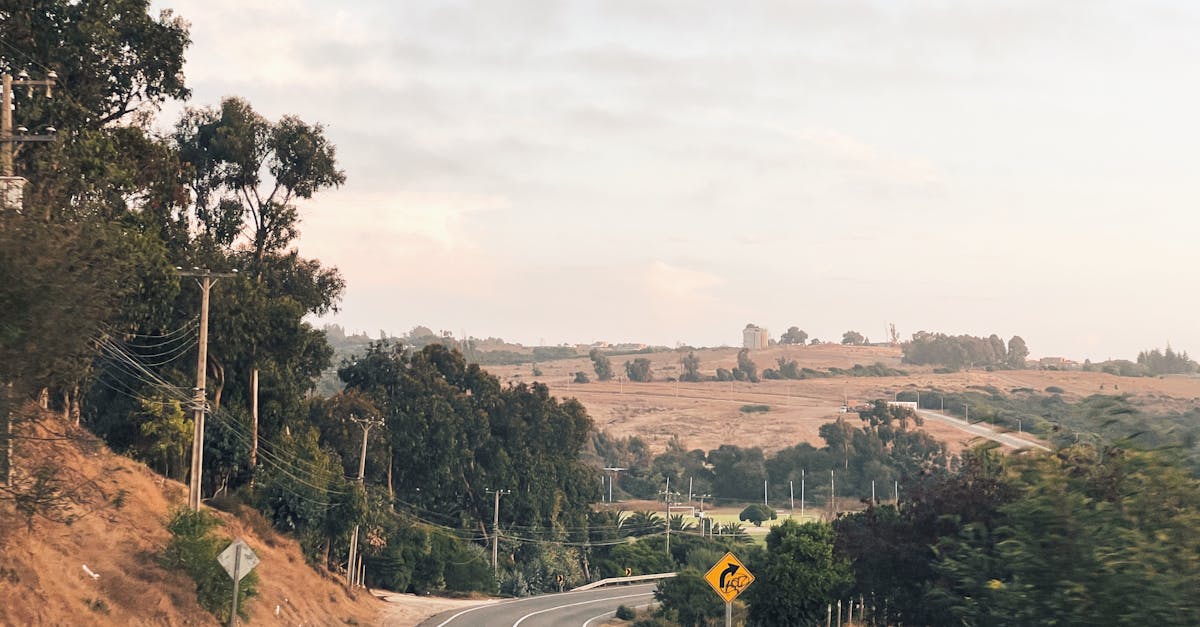
- Self-drive — 140 km, 1.5 to 2 hours via the M1 (Monash Freeway) and South Gippsland Highway. The most flexible option. Free parking at the Penguin Parade visitor centre.
- Coach tour — A$140–A$170 per person, leaves Melbourne at 12:30–1:30 pm and returns 11 pm to midnight. Operators include AAT Kings, Gray Line, Bunyip, and Go West.
- Small-group tour — A$200–A$280 per person. Smaller group, more flexibility, often includes additional Phillip Island attractions.
- Public transport — V/Line train Melbourne to Cowes (with bus connection) is possible but slow and impractical for the late-night return. Not recommended unless you stay overnight.
- Helicopter — premium option, Phillip Island Helicopters offer flight transfers from Moorabbin Airport.
For most visitors, a small-group day tour is the sweet spot — it removes the hassle of late-night driving home, includes additional Phillip Island attractions like the Koala Conservation Reserve and Nobbies, and gets you back to your Melbourne hotel without effort.
What else to do on Phillip Island
The Penguin Parade is the headliner, but Phillip Island offers a full day of other wildlife and coastal attractions worth combining.
Koala Conservation Reserve
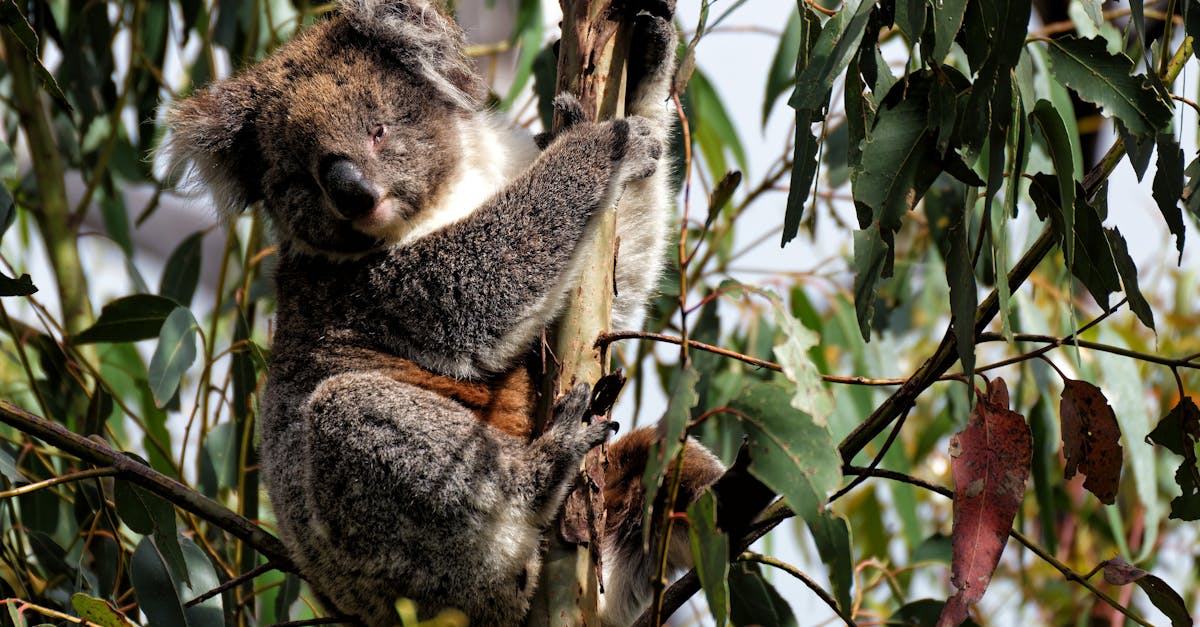
10 minutes from the Penguin Parade, the Koala Conservation Reserve is a 2-hectare bushland sanctuary where wild koalas live in eucalyptus trees. Elevated boardwalks bring you eye-level with sleeping koalas. Tickets A$15 adult, A$8 child. Open daily 10 am to 5:30 pm. Almost-guaranteed sightings.
The Nobbies and Seal Rocks
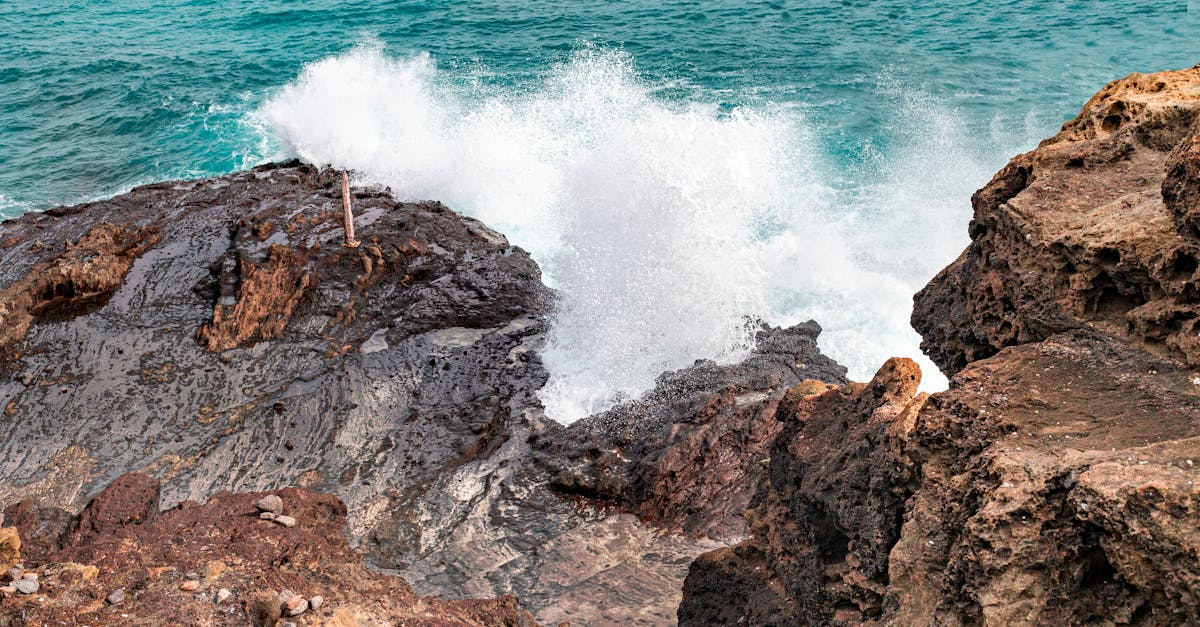
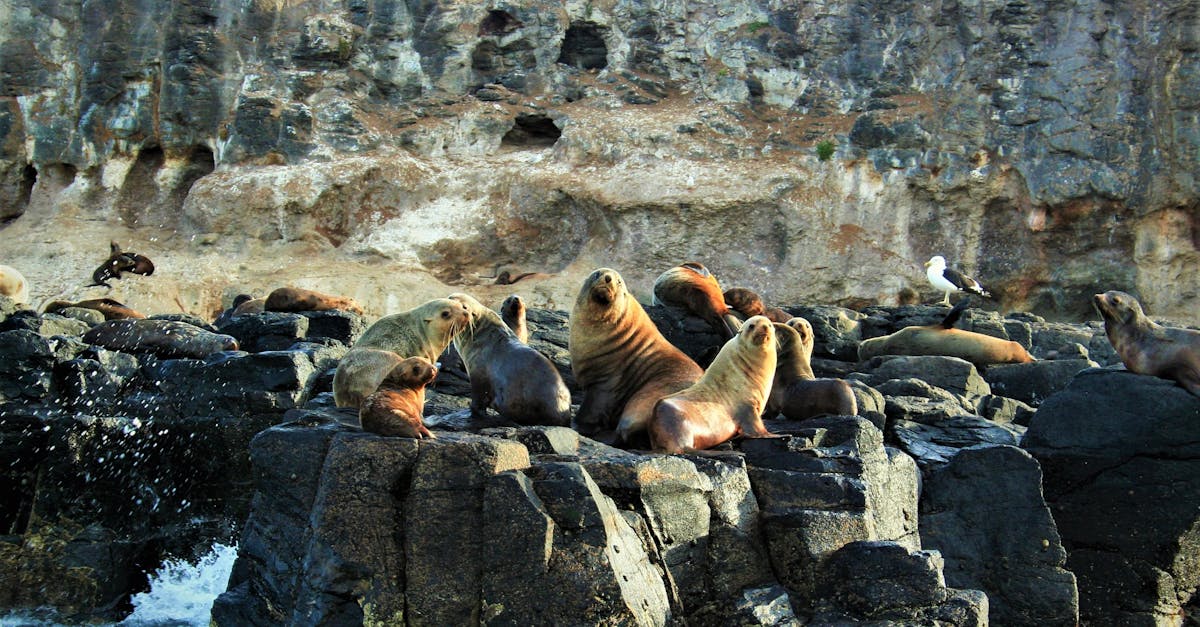
The clifftop boardwalks at the Nobbies (5 minutes from the Penguin Parade) overlook Seal Rocks, home to Australia’s largest colony of fur seals — up to 25,000 in summer. Free to walk; the Nobbies Centre has interactive displays, an underwater webcam, and a glass-floor observatory. Boat tours to Seal Rocks (A$70–A$110) get you within metres of the seals.
Churchill Island Heritage Farm
A working heritage farm on a small island connected to Phillip Island by a bridge. Working sheepdog demonstrations, sheep shearing, blacksmithing, and farm animal pens. A$15 adult.
Phillip Island Grand Prix Circuit
The MotoGP and Superbike circuit is open for self-drive laps and guided tours when no race is on. The MotoGP runs in late October each year — a major event for race fans.
Cape Woolamai surf and beaches
Phillip Island has some of Victoria’s best surf beaches — Cape Woolamai, Smith’s Beach, Surfies Point. Cape Woolamai also has dramatic granite cliffs and a 7-km coastal walking track.
Suggested Phillip Island day trip itinerary
- 10:00 am — leave Melbourne CBD via the M1 and South Gippsland Highway.
- 12:00 pm — arrive on Phillip Island. Lunch in Cowes (the main town) or at the Penguin Parade visitor centre.
- 1:30 pm — Koala Conservation Reserve (1 hour).
- 3:00 pm — The Nobbies and Seal Rocks (1 hour).
- 4:30 pm — afternoon tea at Phillip Island Chocolate Factory.
- 5:30–6:30 pm — arrive at Penguin Parade visitor centre.
- Sunset — Penguin Parade (1.5 hours including walk in/out).
- 9:00–9:30 pm — drive back to Melbourne.
- 11:00 pm — back in Melbourne CBD.
What to wear and bring to the Phillip Island Penguin Parade
- Warm layers — even on summer evenings, the wind off Bass Strait is cold once the sun sets. Bring a jacket, hat, and possibly a beanie.
- Waterproof jacket — rain showers are unpredictable.
- Closed-toe walking shoes — the boardwalk is exposed and can be wet or sandy.
- Beanie or thermal layer in winter — June to August evenings are below 10°C.
- Cushion or blanket — for General Viewing, the concrete amphitheatre seats are cold and hard.
- No flash photography — strictly forbidden, harms the penguins. Photos are not permitted at all in some viewing areas in 2026.
- Water and a snack — the visitor centre cafe closes once the parade starts.
Penguin Parade rules and etiquette
- No flash photography under any circumstances — flashes can permanently blind penguins.
- No phones during the parade — phone screens, even unlit, can disturb birds.
- Stay seated and silent — penguins are easily startled and may turn back into the surf.
- Stay on the boardwalks and viewing platforms — never step onto the sand or burrow areas.
- Do not touch the penguins — even if they walk past your feet (and they sometimes will).
- Do not feed them or any wildlife — the rangers will eject anyone who tries.
- No drinks or food during the parade — only water bottles allowed.
- Use red-light torches if needed — white-light torches disturb penguin eyesight.
Best time of year for the Penguin Parade
- Spring and summer (October–March) — peak season. Penguins are feeding chicks, so they come ashore in larger numbers (sometimes 800+ in one parade). Warmer evenings, but visitor centre is busiest.
- Autumn (April–May) — cooler weather, smaller crowds, smaller penguin numbers (typically 200–400 per parade). Earlier sunset means earlier finish.
- Winter (June–August) — coldest, smallest penguin numbers (50–200), but smallest crowds. Sunset around 5:30 pm means a much earlier evening.
For most visitors, late spring or early summer (November to early January) is the sweet spot — large penguin numbers, manageable evening temperatures, and crowds that haven’t yet reached peak summer holiday levels.
The science of little penguins
Little penguins (Eudyptula minor) are the world’s smallest penguin species. Adults weigh about 1 kg and stand 33 cm tall. They are the only penguin species native to Australia. Phillip Island’s Summerland Beach colony numbers around 32,000 birds.
- Daily routine — penguins fish in Bass Strait during daylight hours and return to land at dusk in tight defensive groups. Their main predators on land are foxes, cats, and dogs (which is why dog walking near the colony is forbidden).
- Diet — small fish (anchovies, pilchards), squid, and krill. They can dive to 70 metres and stay underwater for 90 seconds.
- Breeding — September to February. Two eggs per clutch. Males and females share incubation.
- Chicks — fledge around 8 weeks. Spring-summer parade is biggest because parents are bringing food to hungry chicks every night.
- Lifespan — 6 to 10 years in the wild; some banded birds have lived 20+ years.
- Burrows — penguins return to the same burrow each year, often with the same mate.
Conservation history of the Phillip Island colony
The Summerland Estate housing development built on Phillip Island in the 1960s nearly destroyed the colony — at the lowest point in the 1980s the population had dropped to 12,000. Phillip Island Nature Parks and the Victorian Government bought back hundreds of houses on the breeding grounds, demolished them, and restored native vegetation. The colony recovered to over 32,000 birds. Today the Penguin Parade is operated by Phillip Island Nature Parks (a not-for-profit), with all admission revenue funding conservation, research, and habitat restoration.
Penguin Parade ticket types compared
| Ticket | Adult | Child | Capacity | Position |
|---|---|---|---|---|
| General Viewing | A$32 | A$16 | ~3,500 | Tiered concrete amphitheatre |
| Penguins Plus | A$54 | A$28 | ~250 | Boardwalk, reserved seat, ranger commentary |
| Underground Viewing | A$84 | A$45 | ~70 | Underground hide with eye-level glass |
| Ultimate Adventure Tour | A$110 | A$110 (12+ only) | ~12 | Behind-the-scenes guided |
| Guided Ranger Tour | A$99 | A$60 (8+ only) | ~10 | On-beach with ranger and night vision |
Phillip Island Penguin Parade photography rules
Photography rules tightened significantly in 2017–2019 after research showed that flash and phone-screen light cause penguin disturbance and disorientation. Current 2026 rules:
- No photography of any kind in the General Viewing area, Penguins Plus, or Underground Viewing during the parade.
- No phone use — phones must remain in pockets/bags during the parade.
- Photography is allowed in the visitor centre exhibits and around the buildings during daylight.
- Daytime nature photography is permitted at the Nobbies and Koala Conservation Reserve.
- Authorised media access — book through Phillip Island Nature Parks marketing in advance for editorial photography.
This is unusual among major tourist attractions but the rules are strictly enforced — visitors using phones are asked to leave. The conservation rationale is genuine and accepted; visitors who want photos can buy them at the gift shop or from the Phillip Island Nature Parks website.
What to do in pouring rain at the Penguin Parade
- The parade goes ahead in all but the most extreme weather. Penguins return to land regardless of rain.
- The General Viewing area is uncovered — bring a waterproof jacket.
- Penguins Plus has a partial cover.
- Underground Viewing is fully indoors — best choice for rainy nights.
- The visitor centre is fully indoors with cafe, gift shop, and exhibits — useful for the wait period before the parade.
- Consider rescheduling within your trip if forecast is for severe storms or lightning.
Phillip Island combination passes and 3-Park Pass
Phillip Island Nature Parks operates three attractions on the island. A combined 3-Park Pass saves money if you’re visiting more than just the Penguin Parade.
- 3-Park Pass (Penguin Parade General Viewing + Koala Conservation Reserve + Churchill Island) — A$54 adult, A$27 child. Valid 3 months from purchase.
- 2-Park Pass (Penguin Parade General Viewing + Koala Conservation Reserve) — A$45 adult, A$22 child.
- Penguin Parade Plus combinations — upgrade General Viewing to Penguins Plus for an additional A$22.
- Family Penguin Parade General Viewing — A$80 for two adults and two children.