Best Shopping in Melbourne (2026): Streets, Malls, Markets and More
- Words
- Melbourne Tourism Guide
- Updated
- August 20, 2026
- Read
- 24 min
The complete guide to the best shopping in Melbourne — CBD malls, Chapel Street, Chadstone, Queen Victoria Market, laneways, vintage stores, and GST refund tips for tourists.
This article contains advertising. Our booking links are routed through a partner that adds commission tracking automatically, so if you book through one we earn a commission from the provider, at no extra cost to you. It never affects what we recommend. Affiliate disclosure
Last updated: August 2026. Melbourne is widely considered Australia’s fashion and retail capital — a city with more independent boutiques per capita than any other in the country and home to the Southern Hemisphere’s largest shopping centre. This guide to the best shopping in Melbourne covers the CBD strips, designer malls, historic markets, indie laneways, outlet centres, and vintage stores — plus hours, tips, and how tourists can claim back GST at the airport.
Where should you shop? That depends on what you’re after: mainstream fashion (Bourke Street Mall, Melbourne Central), designer and luxury (Emporium, Collins Street, Chadstone), emerging independent (Fitzroy, Collingwood, Flinders Lane), vintage and thrift (Brunswick, Fitzroy), outlets (DFO South Wharf, DFO Essendon), or fresh produce and souvenirs (Queen Victoria Market). This article walks through each — with exact locations, standout stores, and the kinds of things you’ll find that you can’t get anywhere else in Australia.
Best shopping in Melbourne at a glance
| Destination | Best for | Price range | Area |
|---|---|---|---|
| Bourke Street Mall | Mainstream department stores | Mid-range | CBD |
| Emporium Melbourne | Luxury + designer | Premium | CBD |
| Melbourne Central | Youth fashion + accessible brands | Mid-range | CBD |
| Chapel Street | Fashion-forward boutiques | Mid to premium | South Yarra |
| Chadstone | Biggest variety, luxury to mid | All price points | East suburbs |
| DFO South Wharf / Essendon | Brand outlet bargains | Budget | Inner suburbs |
| Queen Victoria Market | Produce, food, souvenirs | Budget to mid | CBD north edge |
| Fitzroy / Collingwood (Brunswick Street, Gertrude, Smith) | Indie, vintage, designer | Mid-range | Inner north |
| Flinders Lane + Degraves | Laneway boutiques | Mid to premium | CBD |
| Collins Street “Paris End” | High-end luxury | Premium | CBD |
Bourke Street Mall — the main shopping strip
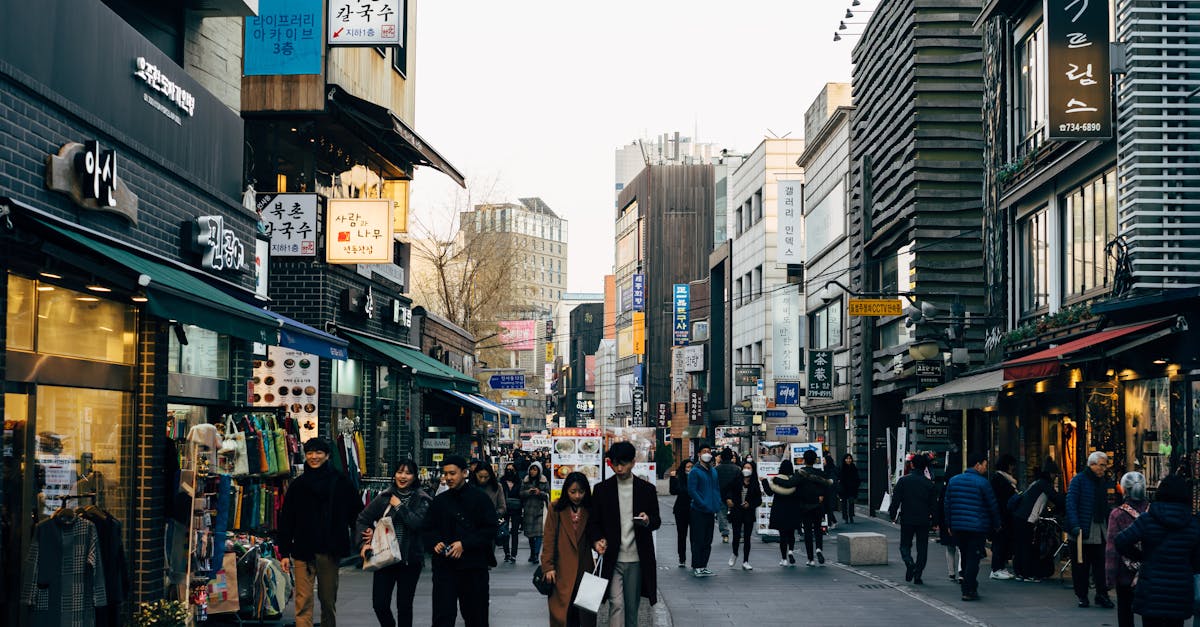
A pedestrianised city block between Elizabeth and Swanston Streets, Bourke Street Mall is the closest thing Melbourne has to a traditional department-store high street. The two anchor tenants are Myer (Australia’s largest department store; 9 floors, cosmetics, fashion, homewares) and David Jones (premium department store with a dedicated women’s wear building and a separate menswear building). Both run substantial sales in late January (post-Christmas), around June (end of financial year), and in November (Black Friday).
Also on the mall: H&M, Uniqlo, Sephora, Zara, and a number of Australian fast-fashion labels (Cotton On, Sportsgirl, Glassons). If you want one shop-stop with a bit of everything, Bourke Street Mall is where you start. Hours are typically 9:30am–7pm (late-night Thursday/Friday to 9pm, Sunday 10am–7pm).
Emporium Melbourne — premium CBD mall
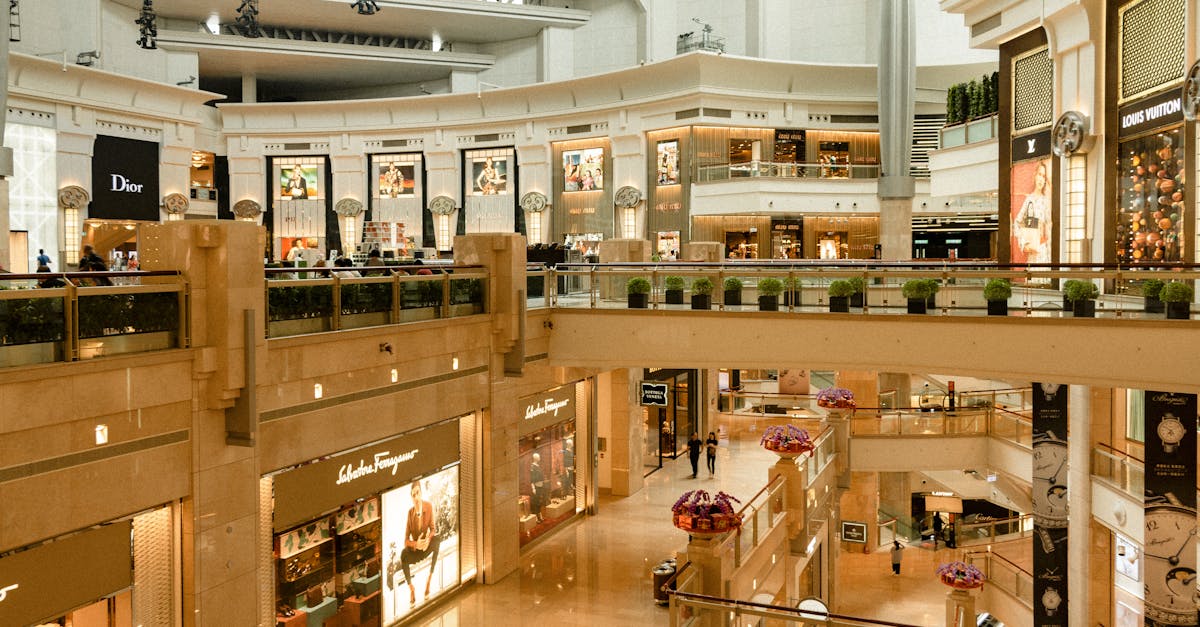
Emporium sits above Myer and is connected to Melbourne Central, David Jones, and QV by underground walkways — you can spend an entire rainy day shopping without stepping outside. It’s Melbourne’s most design-led CBD mall, with tenants including Tiffany & Co., Sandro, Maje, The Kooples, Calvin Klein, COS, and a strong contingent of Australian designers like Scanlan Theodore, Aje, Sass & Bide, and Camilla & Marc. The food court at level 3 is better than average, with Chin Chin takeaway and Hakata Gensuke ramen.
Melbourne Central — youth and streetwear
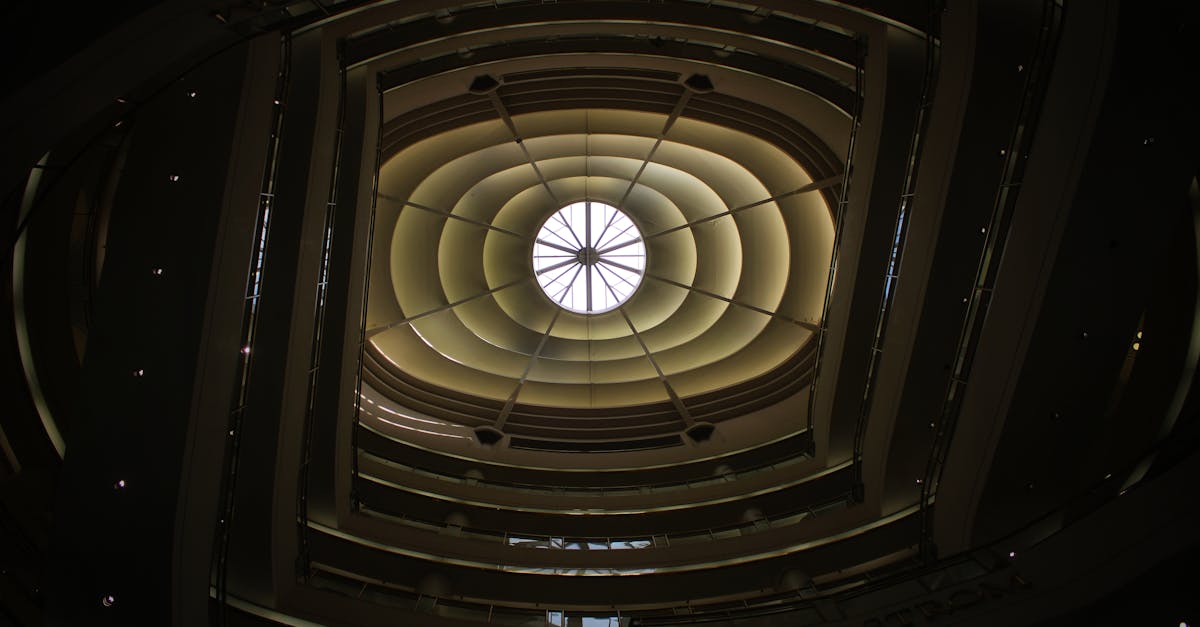
Built around the preserved 1890 Coop’s Shot Tower under a massive glass cone, Melbourne Central leans younger and more streetwear-focused than Emporium. Look for Daiso (Japanese dollar store), Typo, Lego, LUSH, Kikki.K, Culture Kings (streetwear), and a large Muji. The building also houses a train station on the City Loop, so it’s ground zero for student and tourist foot traffic.
Chapel Street — the fashion strip
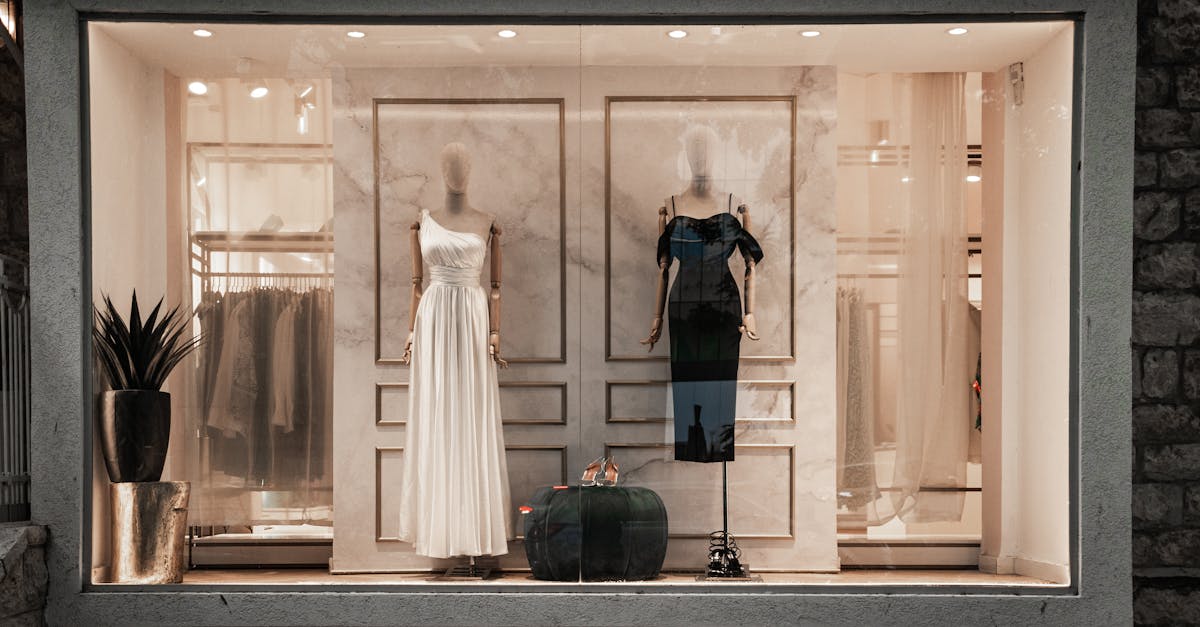
Chapel Street runs 4 kilometres through South Yarra, Prahran, and Windsor. The South Yarra end (near Toorak Road) is the most concentrated for fashion — think Scanlan Theodore flagship, Aje, Viktoria & Woods, Bassike, and a Chanel concession inside David Jones South Yarra. Further south toward Windsor, the street transitions into homewares, vintage, and café culture. The Jam Factory on Chapel Street is a mid-range mall with a cinema, and Prahran Market (just off Chapel) is one of Melbourne’s best fresh food markets.
Catch tram 78 down Chapel Street for easy hop-on, hop-off shopping. The Chapel Street Precinct is the closest most visitors will come to seeing where Melburnians actually shop.
Chadstone — Australia’s biggest mall
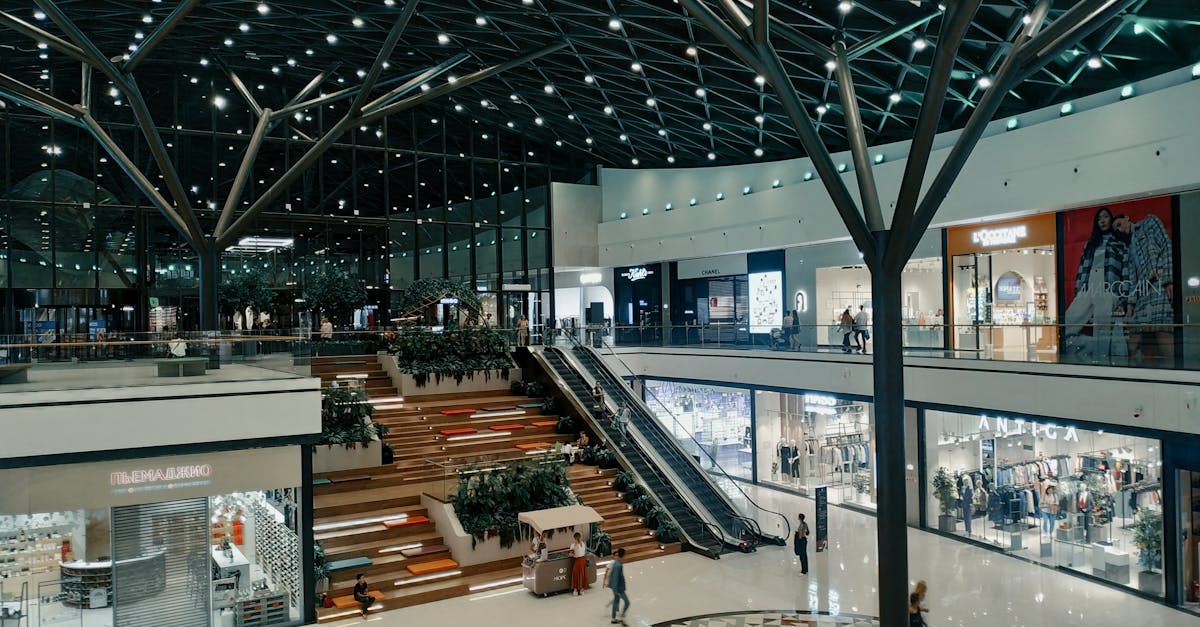
Chadstone — “The Fashion Capital” — is the Southern Hemisphere’s largest shopping centre, with 550+ stores across 210,000 m² in Melbourne’s southeast, about 20 km from the CBD. The luxury precinct at the eastern end hosts Gucci, Louis Vuitton, Prada, Dior, Chanel, Burberry, Tiffany, Moncler, and Balenciaga — often with full ranges that other Australian stores don’t stock. Beyond luxury, Chadstone has every mid-market Australian chain plus H&M, Uniqlo, Sephora, Apple, Lego, and a LEGOLAND Discovery Centre.
Getting there: frequent shuttle buses from Federation Square (about 30 minutes, around $8–10 return via the Chadstone Shuttle); alternatively, train to East Malvern then bus 630 or 900. An Uber from the CBD is typically $25–35. Budget half a day minimum if you want to walk the whole centre.
Queen Victoria Market — the oldest and best
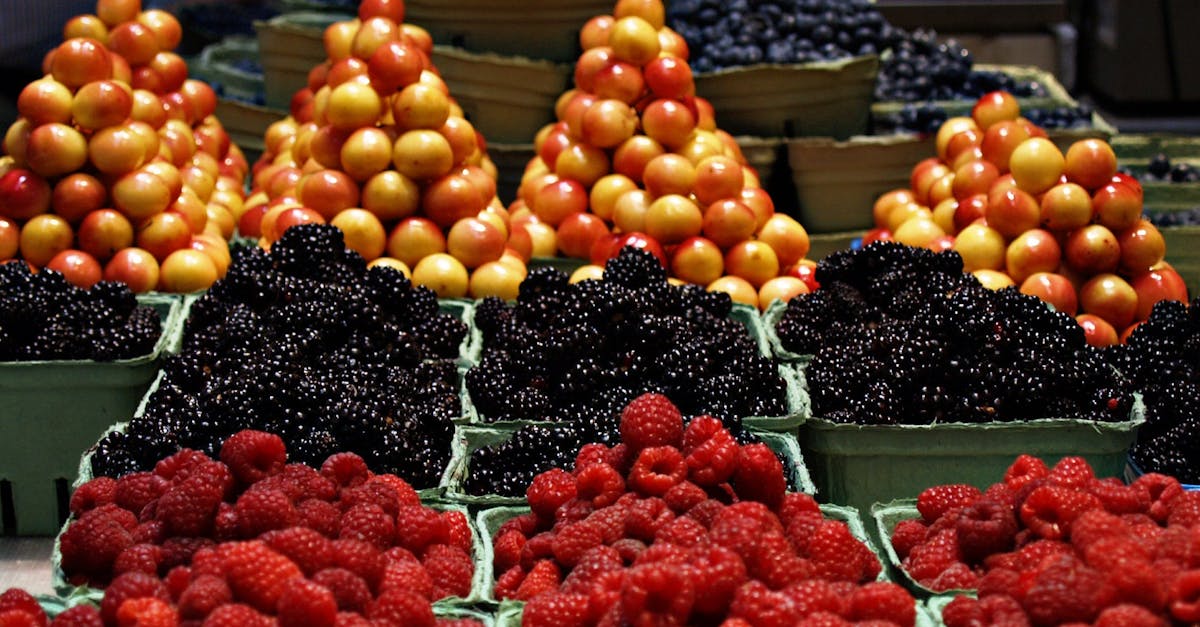
Open Tuesday, Thursday, Friday, Saturday and Sunday (closed Monday and Wednesday), Queen Vic is a historic 7-hectare open-air market with fresh produce, meat, seafood, deli goods, clothing, souvenirs, and art. The String Bean Alley and Deli Hall sections are where you’ll find most souvenirs — wool products, Indigenous art, leather goods, Aussie-themed t-shirts, and gourmet food gifts (Tasmanian leatherwood honey, native pepperberry, Bundaberg rum caramels).
The Summer Night Market (Wednesdays Nov–Mar) and Winter Night Market (Wednesdays June–Aug) transform the space into a food-focused evening market with live music and bars — arguably more fun than the daytime version. Entry is free. Carry cash; some stalls don’t take cards.
Laneway shopping in the CBD
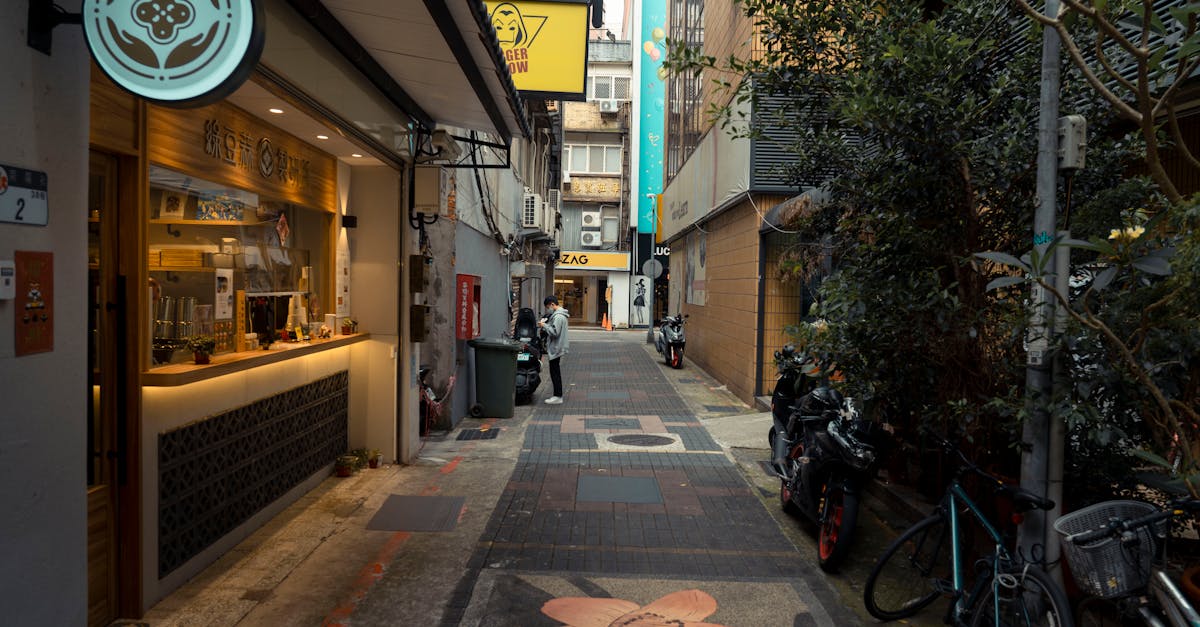
Melbourne’s laneways are what make the city distinctive. The key shopping laneways:
- Flinders Lane — designer boutiques like Christine and a rolling cast of Australian jewellers, plus the Nicholas Building (see below).
- Degraves Street — café-heavy but has a strong handful of fashion and accessories stalls, including Degraves Subway Space art vendors.
- Centre Place — quirky independents; graffiti backdrop.
- Little Collins Street & side arcades — men’s tailoring (Oscar Hunt, P. Johnson) and cult coffee.
- The Nicholas Building (Flinders Lane) — a six-storey 1926 heritage building now home to 40+ independent artists, milliners, textile artists, and designers. The most concentrated block of “only in Melbourne” studios in the city.
- Cathedral Arcade — home to Alice Euphemia and other indie designer labels.
- Royal Arcade — 1870s heritage arcade with chocolatiers (Koko Black), vintage jewellers, and Australian-made accessories.
- Block Arcade — elegant 1892 shopping arcade; home to Haigh’s Chocolates and the Hopetoun Tea Rooms.
Collins Street “Paris End” — luxury
The top (eastern) end of Collins Street is known as the “Paris End” for its tree-lined boulevard and high-end flagships. Louis Vuitton, Chanel, Cartier, Bulgari, Bottega Veneta, Hermès, and Christian Dior all anchor individual townhouses or corners between Swanston and Spring Streets. If you’re looking for single-brand flagships rather than department-store boutiques, Collins Street is where they are.
Fitzroy, Collingwood & Brunswick — the indie scene
Inner-north Melbourne is where independent, emerging, and alternative shopping lives.
- Brunswick Street, Fitzroy — vintage stores, Australian streetwear, LP record shops, and Fitzroy’s famous Third Drawer Down design store.
- Gertrude Street, Fitzroy — higher-end independent Australian designers (Alpha60, Bul, Kuwaii) plus refined homewares.
- Smith Street, Collingwood — vintage, op-shops, tattoo studios, and increasingly refined eateries.
- Sydney Road, Brunswick — Middle Eastern groceries, cheap vintage, student fashion, and the famous Savers thrift department store.
- High Street, Armadale — antiques and high-end homewares (the more bourgeois cousin of Smith Street).
Vintage and thrift
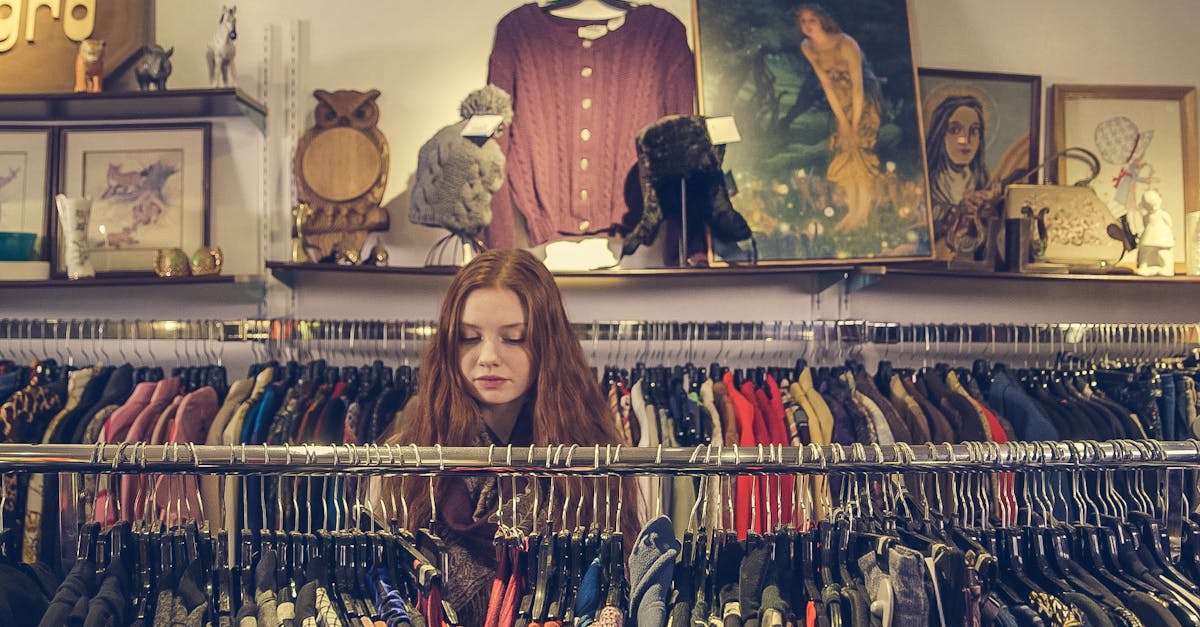
Melbourne has one of the best vintage scenes outside Tokyo. Start with Hunter Gatherer Vintage (multiple locations, big mid-century selection), Shag (Chapel Street), Dejour Jeans (Smith Street; curated denim), Retrostar (Flinders Lane; multi-level warehouse), and Vintage Garage (Brunswick). For true thrift, the chain Savers (Brunswick and Footscray) is a Melburnian institution — donated goods at garage-sale prices, and a real gamble-for-gems experience. Lost and Found Market in Collingwood is a warehouse of antique stalls worth half an afternoon.
DFO — direct factory outlets
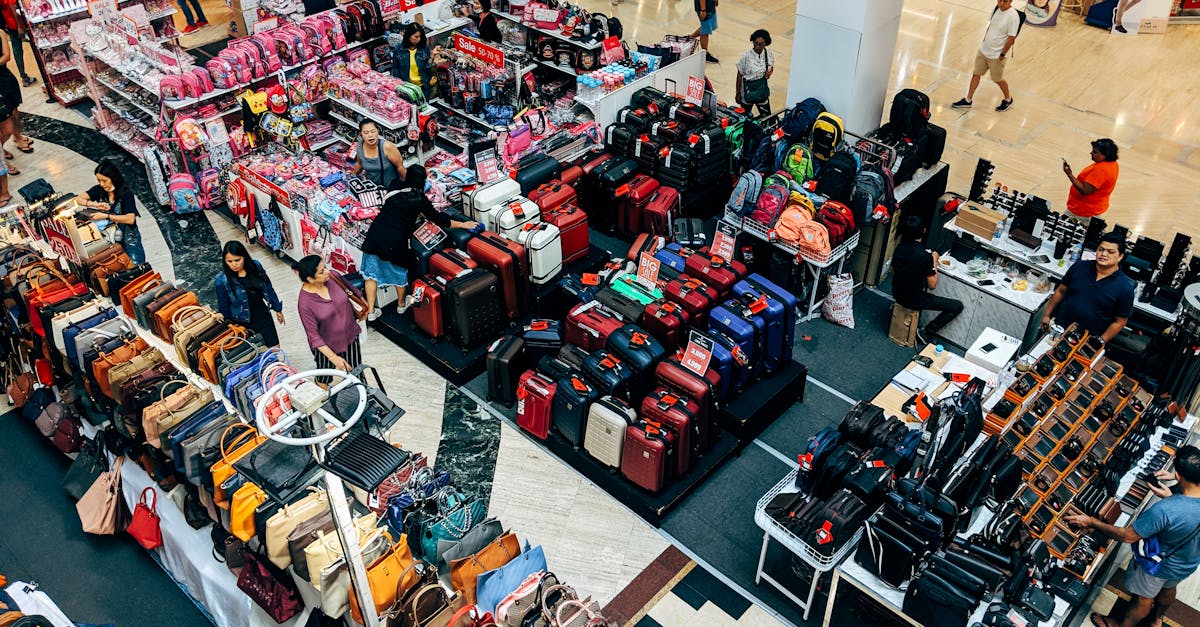
For brand-name bargains, Melbourne has two DFO centres:
- DFO South Wharf — 180 outlet stores, 10 min walk or free tram from CBD (Route 96 to Exhibition Centre). Nike, Adidas, Polo Ralph Lauren, Calvin Klein, Tommy Hilfiger, Hugo Boss outlet, Coach, Kate Spade, and Australian labels at 30–70% off.
- DFO Essendon — 110 stores, larger lifestyle mix (homewares, sports, fashion), 20 min drive from CBD or train to Essendon then bus.
Outlet pricing is legitimately discounted but remember Australia is not a cheap retail market — a Hugo Boss shirt at outlet still runs ~A$150. For mid-market brands (Cotton On, Kathmandu, Rip Curl, Bonds) the savings are substantial.
Best souvenirs from Melbourne
- Yarra Valley wine — available from specialist stores like Blackhearts & Sparrows or direct from cellar doors on a day trip.
- Haigh’s Chocolates — Adelaide-founded but institutional in Melbourne; the Block Arcade store is a must-visit.
- Koko Black chocolate — Melbourne-born, Belgian-style; Royal Arcade flagship.
- Aboriginal art — buy only from ethical galleries like Koorie Heritage Trust (Fed Square) or Tali Gallery to ensure artists are fairly paid.
- R.M. Williams boots — iconic Australian leather boots (Emporium flagship).
- Akubra hats — quintessential Australian bush hats (Strand Hatters, RM Williams, or City Hatters at Flinders Street).
- Australian beauty and skincare — Aesop (born in Melbourne; flagship on Gertrude Street), Grown Alchemist, Sukin.
- Tim Tams and Vegemite — chocolate biscuits and yeast spread; supermarket staples that every Melburnian will recommend.
- Melbourne Coffee — take home beans from Market Lane, Seven Seeds, Proud Mary, or ST. ALi — Melbourne is the world’s specialty-coffee city.
- AFL team merchandise — local football club gear is a great conversation-starter souvenir (try the MCG gift shop).
GST refund for tourists
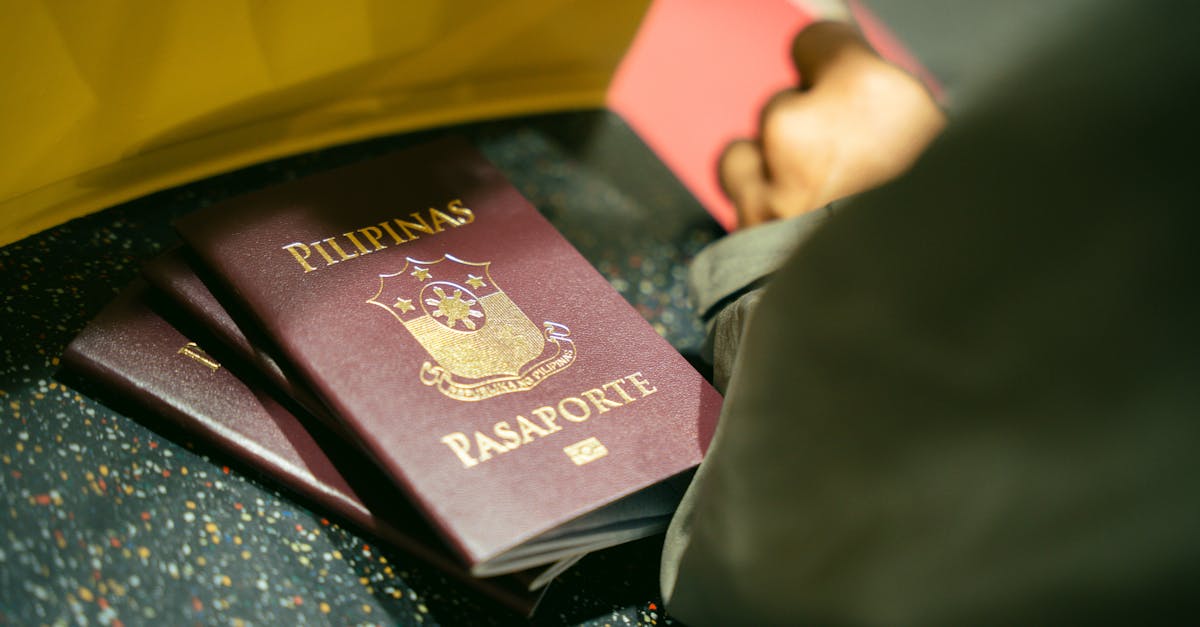
Australia’s Tourist Refund Scheme (TRS) lets international visitors claim back the 10% GST (and Wine Equalisation Tax) on goods purchased in Australia within 60 days of departure — provided the total on a single receipt from one ABN is A$300 or more. You must take the goods with you as carry-on or wear them out, present the goods, original tax invoice, boarding pass, and passport at the TRS counter at Melbourne Airport (after security, in the departure concourse). Refund is credited to a credit card, Australian bank account, or paid via cheque.
Pro tip: the TRS app (available on iOS and Android) lets you pre-register your claim, shortening the airport queue significantly. Arrive at least 90 minutes before departure if you plan to claim — TRS queues can be long during peak season.
Shopping hours in Melbourne
General retail hours:
- Monday–Wednesday: 9:30am–6pm (CBD and malls)
- Thursday: 9:30am–9pm (late-night trading)
- Friday: 9:30am–7pm (some CBD stores to 9pm)
- Saturday: 9:30am–5pm
- Sunday: 10am–6pm (most shops; QVM closed; some indie stores closed)
Boxing Day (26 Dec) is the biggest sale day — queues start before dawn at Myer, David Jones, and Chadstone luxury stores. End-of-financial-year (late June) and Black Friday (late November) are the other major sales periods.
Pro tips for shopping in Melbourne
- Keep receipts together if you’re planning a TRS claim. You need original tax invoices.
- Free trams in the CBD Free Tram Zone connect most major shopping precincts (Bourke St Mall, Queen Vic Market, Chinatown) at no cost.
- Bring a reusable bag — single-use plastic bags are banned across Victoria.
- Sunday is quieter in indie precincts; many Fitzroy and Collingwood boutiques open Sunday 11am–5pm and close Monday.
- Check outlet outlet tags — some DFO items are “outlet-only” product lines (not ex-full-retail stock). Compare quality carefully for premium labels.
- Australian sizing runs close to UK sizing (not US). Try things on.
- For the best shopping in Melbourne on rainy days, use the underground links between Emporium, Myer, David Jones, and Melbourne Central — you can cover kilometres without coming outside.
Melbourne’s best markets, compared
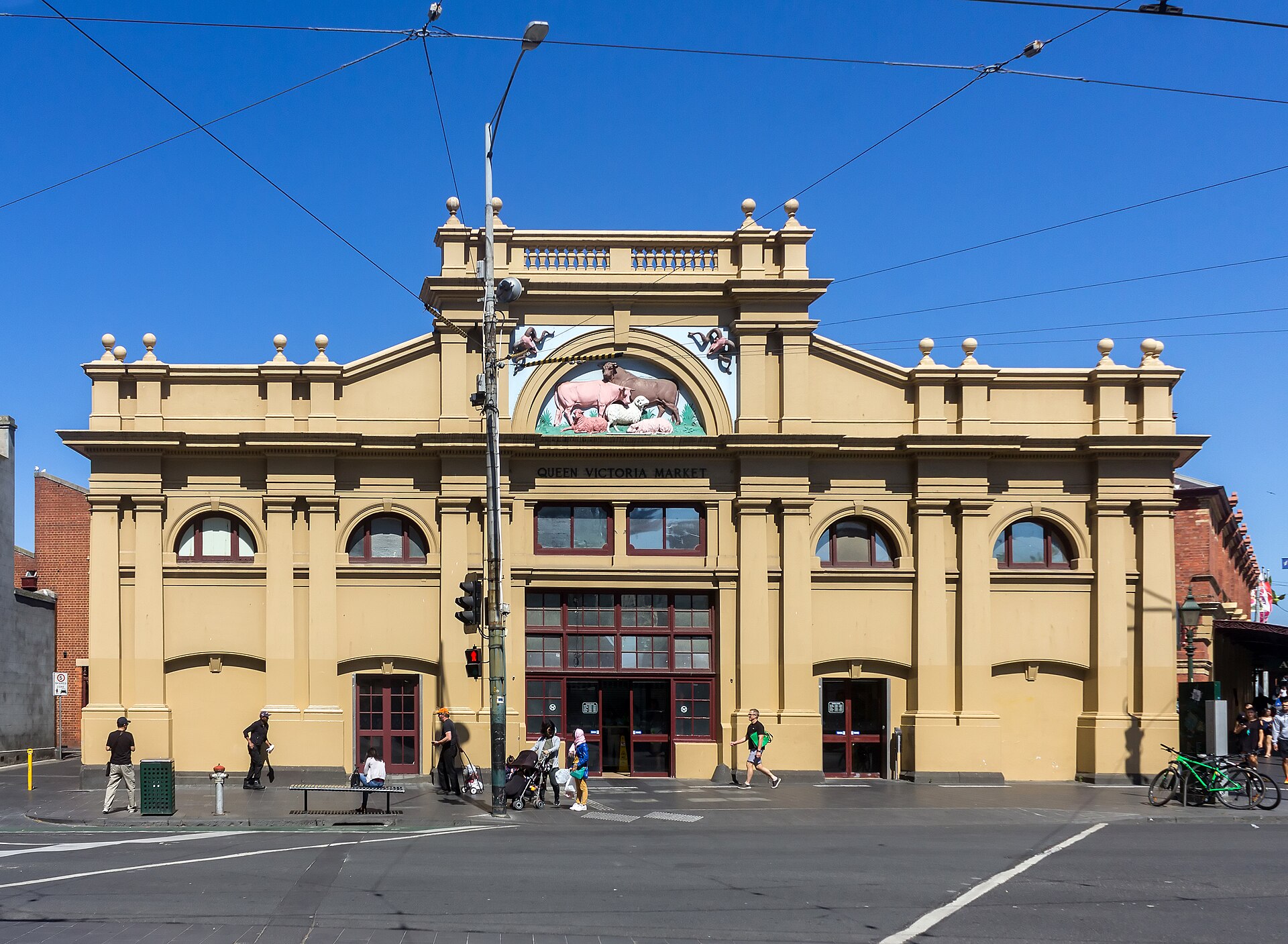
Markets are where Melbourne shopping is most distinctive, and the mistake visitors make is treating Queen Victoria Market as the only one. Each of the city’s major markets does something different, and several are closed on the days people most often try to visit.
| Market | Days and hours | Best for |
|---|---|---|
| Queen Victoria Market | Tue, Thu, Fri 6am–3pm; Sat 6am–4pm; Sun 9am–4pm. Closed Mon and Wed | Produce, deli, souvenirs, the full Melbourne institution. Specialty shopping opens 9am |
| Prahran Market | Tue and Thu 7am–4pm; Fri and Sat 7am–5pm; Sun 8am–4pm. Closed Mon and Wed | The city’s best fresh produce and specialist food traders |
| South Melbourne Market | Wed, Fri, Sat, Sun from 8am | Food stalls, dim sims, and a strong mix of homewares and design |
| Rose Street Artists’ Market | Sat and Sun 10am–4pm | Up to 120 independent makers in Fitzroy — the best place to buy something genuinely local |
| Camberwell Sunday Market | Sundays 7am–12.30pm, gold coin entry | Second-hand and vintage; get there early, trading stops at 12.30pm sharp |
If you only have time for one, the answer depends on what you want. Queen Victoria Market for atmosphere and souvenirs, Prahran for food quality, Rose Street for buying something you cannot get at home. And note the pattern in that table: Monday and Wednesday are bad market days in Melbourne, with the two biggest food markets both shut. Our guide to Melbourne’s food markets goes deeper on the eating side.
Shopping by budget: under $20, under $100, and the splurge
Under $20
Melbourne is good at cheap things that don’t feel cheap. A tin of loose-leaf tea from an Australian tea brand, a bar of local chocolate, a jar of Vegemite that costs a third of what it does overseas, a print or badge from a Rose Street maker, a second-hand paperback from one of the CBD’s basement bookshops, or a bag of coffee beans from a local roaster. Queen Victoria Market’s specialty sheds cover most of this in one stop.
Under $100
This is the sweet spot for Australian-made goods that are genuinely cheaper here than abroad. Aesop skincare, a piece from an independent Fitzroy label, a ceramic from a local studio, a good wool scarf, or vintage denim from Brunswick. It is also where DFO outlet shopping pays off, with mainstream brands discounted enough to close the gap on international pricing.
The splurge
R.M.Williams boots are the classic Melbourne splurge — expect somewhere in the region of $580 to $650 for the Craftsman, and check current pricing in store. Beyond that: a piece from one of Australia’s established designers at Emporium, an Akubra hat, or Australian opal. Remember the Tourist Refund Scheme returns one-eleventh of the price on anything over $300 from a single retailer, which takes a meaningful edge off a large purchase.
Half-day and full-day shopping itineraries
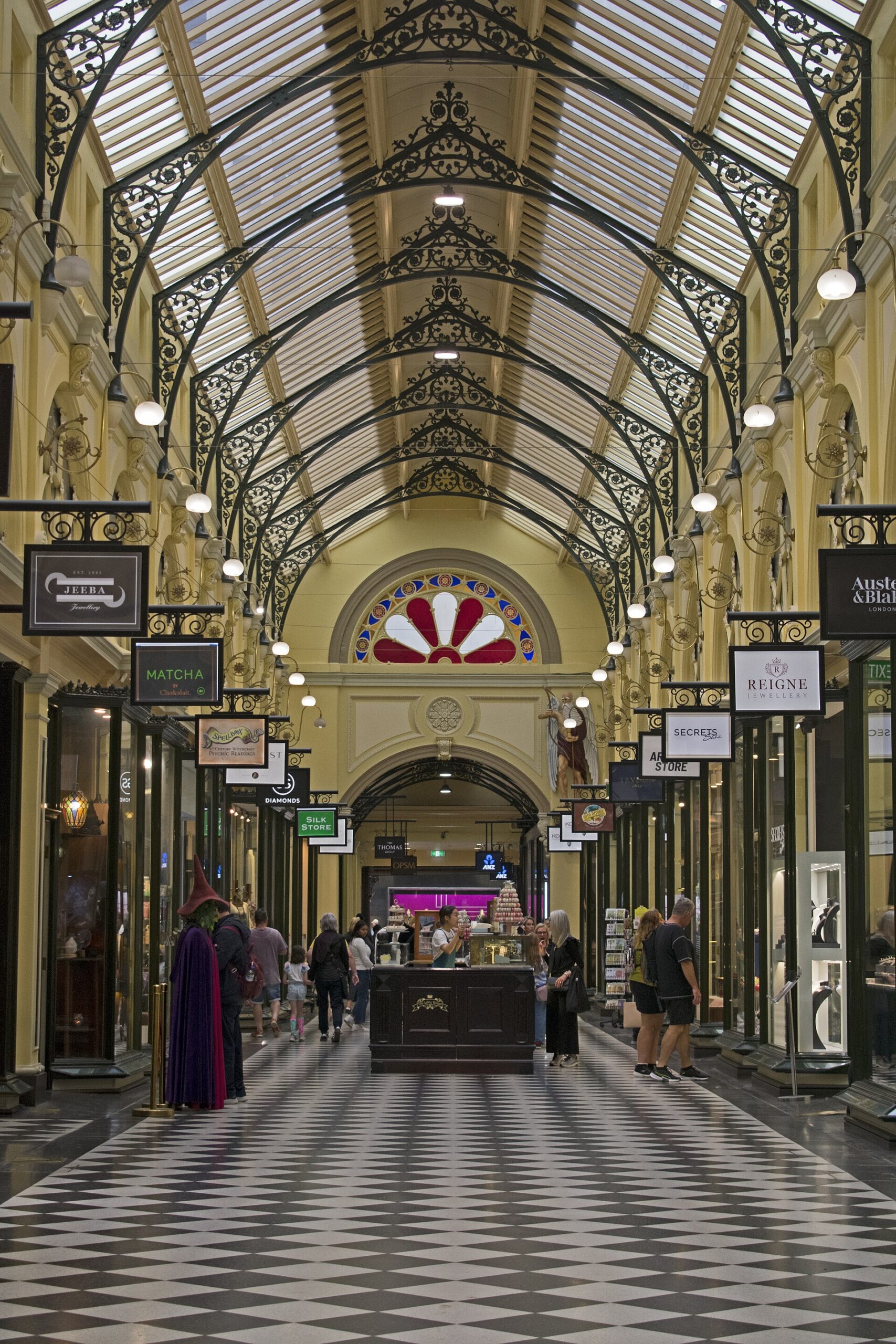
Half day: the CBD arcades loop
Start at Bourke Street Mall for the department stores, cut south through the Royal Arcade and Block Arcade for the historic retail and a coffee, continue to Collins Street for luxury window shopping, then work east into the Flinders Lane laneways for independent boutiques and jewellery. Finish at Degraves Street. The whole route is under two kilometres, entirely walkable, and sits inside the Free Tram Zone if you get tired.
Half day: Fitzroy and Collingwood
Tram 86 to Gertrude Street, walk east through the design shops and small labels, turn north onto Smith Street for vintage and second-hand, then continue to Brunswick Street for bookshops, records and Melbourne’s densest concentration of independent retail. On a weekend, start at the Rose Street Artists’ Market instead. This is the route for anything you cannot buy at home.
Full day: markets to malls
Queen Victoria Market from 8am for produce, souvenirs and breakfast — go Tuesday, Thursday, Friday, Saturday or Sunday, never Monday or Wednesday. Walk south into the CBD for the arcades loop above through the middle of the day. Late afternoon, tram to Chapel Street in South Yarra for fashion, or stay in the CBD if it’s a Thursday or Friday, when city stores trade until 9pm. That’s a full day without ever needing a car.
Australian brands actually worth buying here
Australian retail is expensive by international standards — imported designer labels typically cost 10 to 30 per cent more than in their home market, so buying a European brand in Melbourne is usually a mistake. The exception is Australian-made goods, which are competitively priced here and often hard to find abroad.
- R.M.Williams — the Chelsea boot Australia is known for, made in Adelaide. The Craftsman is the classic. Sizing is unusual, so buy in person rather than online.
- Aesop — Melbourne-founded skincare, cheaper here than almost anywhere else and available at the flagship stores across the CBD and inner suburbs.
- Akubra — the felt bush hat. A real one is an investment piece and lasts decades.
- Gorman — bold-print Australian womenswear, distinctive enough to be worth carrying home.
- Scanlan Theodore and Zimmermann — the two Australian labels with genuine international standing, both stocked at Emporium.
- T2 — Melbourne-founded tea, good value and lightweight to pack.
- Country Road — mid-market Australian basics, reliably well made.
- Local ceramics and homewares — the inner north studios and the Rose Street market are where to look.
One caution on brands: Australian retail has had a difficult few years and several well-known chains that still appear in older shopping guides no longer exist, including Jeanswest and the Mosaic Brands group. If a guide sends you to a specific store, check it is still trading before making a special trip.
Buying Aboriginal art and Indigenous-made goods ethically
Aboriginal art is one of the most meaningful things you can take home from Australia, and also one of the easiest to get wrong. A significant share of “Aboriginal-style” souvenirs sold in tourist areas are mass-produced, made overseas, and return nothing to Aboriginal artists or communities. Buying well is not difficult, but it does require you to look for specific things.
- Buy from Aboriginal-owned organisations or art centres. Art centres are artist-owned, community-controlled cooperatives, and buying through them means the artist is paid properly. shopKOORIE at the Koorie Heritage Trust in the Birrarung Building at Federation Square is Melbourne’s most accessible Aboriginal-owned retail option, operating as a not-for-profit since 1985.
- Look for the Indigenous Art Code. Dealers who are signatories commit to fair and transparent dealing with artists. It is a meaningful signal.
- Ask for a certificate of authenticity naming the artist, their community and language group. Any significant artwork bought through an art centre should come with one.
- Be sceptical of generic CBD souvenir shops. Victoria’s own tourism body notes that many city galleries selling Aboriginal art do not prioritise ethical practice. Boomerangs and didgeridoos sold cheaply near the tourist strips are usually imported.
- Ask who made it and where. A legitimate seller will answer immediately and in detail.
For context on the culture behind the work, see our guide to Indigenous culture experiences in Melbourne.
Bookshops and record stores
Melbourne is a UNESCO City of Literature and it shows in the retail. Independent bookshops survive here in numbers that have collapsed in most comparable cities, and the second-hand trade is genuinely good.
- Carlton — the university precinct around Lygon Street has Melbourne’s best-known independent bookshop and several academic and second-hand specialists within a few blocks.
- The CBD — basement and first-floor bookshops tucked into the arcades and laneways, including long-established literary and specialist stores. Several have moved premises in recent years, so check the address before you set out.
- Fitzroy and Brunswick — the best second-hand shelves in the city, plus small press and zine culture.
- Records — Melbourne’s vinyl scene is concentrated in the CBD, Fitzroy and Northcote. Note that one of the CBD’s best-known record shops has closed its physical store and now trades online only, despite still appearing in printed guides.
Our Melbourne bookstores guide has the full list.
Sustainable and second-hand fashion
Melbourne has one of the strongest second-hand clothing scenes in the southern hemisphere, and it splits into three tiers that are worth understanding before you go looking.
- Charity op shops — the cheapest tier, scattered through the suburbs. Better hunting in the wealthier eastern suburbs than in the inner north, where they have been picked over.
- Curated vintage — Brunswick Street, Smith Street and Chapel Street’s Greville Street end. Higher prices, but sorted, sized and in good condition.
- Designer resale and consignment — concentrated in South Yarra and Prahran, where the stock reflects the neighbourhood. This is where you find serious labels at a fraction of retail.
- Social enterprise retail — several Melbourne labels operate on a give-back model, including one at Emporium that channels profits into supporting people experiencing homelessness.
Sunday morning at the Camberwell market is the single best second-hand session in Melbourne, but trading stops at 12.30pm, so it is an early start.
Food and gourmet gifts to take home
Edible souvenirs are cheap, light and genuinely Australian — but they are also the category most likely to be confiscated, so it pays to know the rules before you buy.
- Safe bets: commercially packaged and sealed goods — Australian wine, Tim Tams, macadamias, chocolate, honey from a commercial producer, packaged tea and coffee, Vegemite.
- Risky: fresh fruit and vegetables, seeds, nuts in shell, plant material, raw honey, meat and dairy. Many countries prohibit these on arrival regardless of what Australia allows you to take out.
- Restricted on export: anything made from protected species — ivory, tortoiseshell, some corals and protected bird feathers — is controlled under Australian environmental law and needs a permit.
- Wine is the exception in the refund rules: it is the one alcohol category you can claim the Tourist Refund Scheme on, and you can claim the Wine Equalisation Tax back as well as GST.
Buy food gifts at Queen Victoria Market or Prahran Market rather than airport shops — the range is better and the prices are a fraction of duty-free.
Shopping when it rains
Melbourne’s weather is unreliable enough that this deserves a plan. The CBD’s great advantage is that you can shop for hours without going outside: Melbourne Central, Emporium, Myer and David Jones are connected by covered walkways and bridges, and the historic arcades — Royal, Block and Cathedral — are enclosed, which is exactly why they were built in the first place.
Beyond the CBD, Chadstone is entirely indoors and has the largest range in the country, though it is a half-day commitment including travel. Queen Victoria Market’s sheds are roofed, so it works in rain even though it feels like an outdoor market. The routes to avoid on a wet day are Chapel Street and the Fitzroy strips, which are open-air and involve a lot of walking between shops. For more wet-weather options see our guide to Melbourne on a rainy day.
Sale seasons: when prices actually drop
Australian retail has four discount periods worth timing a trip around, and they do not all line up with the northern hemisphere calendar.
- Boxing Day, 26 December — the biggest of the year, and the traditional start of summer clearance. Best for fashion. Expect serious crowds in the CBD from early morning.
- Black Friday, 27 November 2026, and Cyber Monday, 30 November — now firmly established in Australia and often better than Boxing Day for electronics and homewares.
- End of financial year, late June — a distinctly Australian sale period, and the best time of year for electronics, appliances and anything big-ticket.
- Mid-season clearances — late January and late July, as stores clear seasonal stock. Quieter and often better picking than the headline sales.
Note that Victoria restricts trading on Good Friday, Christmas Day and Anzac Day until 1pm, with exemptions for smaller shops, cafés and pharmacies — so those are not shopping days regardless of what the sale calendar says.
FAQ: best shopping in Melbourne
What’s the best shopping area in Melbourne for tourists?
For one-area shopping, the CBD block bounded by Bourke, Lonsdale, Swanston, and Elizabeth Streets has the densest concentration — Bourke Street Mall, Emporium, Melbourne Central, Myer, David Jones, and the laneway arcades all sit within a 5-minute walk. For a fashion-focused day out, Chapel Street South Yarra is Melbourne’s equivalent of a walking fashion district.
Is Melbourne or Sydney better for shopping?
Melbourne is widely regarded as Australia’s fashion capital — more independent designers, a denser laneway retail scene, and Australia’s biggest mall at Chadstone. Sydney has a bigger luxury concentration at the Queen Victoria Building and Westfield Sydney, plus bigger flagship stores on Castlereagh Street. For luxury brands with full range, both cities are comparable; for breadth of independent retail, Melbourne wins.
Is shopping in Melbourne cheap?
Relative to the US or UK, no — Australian retail carries a premium due to import costs, wages, and GST. Designer labels are often 10–30% more expensive than their source country. The exception is Australian-made goods (RM Williams, Aesop, Akubra, local designers) which are competitive, and outlet centres like DFO where brand discounts bring prices closer to parity.
What’s the best day for shopping in Melbourne?
Thursday is late-night trading (most stores to 9pm), so it’s the best combination of “open late” with full weekday staffing and less weekend crowding. Saturday is busiest. For markets, Saturday morning at Queen Victoria Market is the peak atmosphere.
Can I claim GST back on shopping in Melbourne?
Yes, via the Tourist Refund Scheme (TRS) at the airport departure terminal — the 10% GST is refundable on any single receipt of A$300+ from one business, as long as you take the goods with you within 60 days of purchase. Use the TRS mobile app to speed up the queue.
Is Chadstone worth the trip from the CBD?
For luxury shoppers, yes — Chadstone has the biggest luxury store footprints in Australia, rivalling or exceeding Sydney. For mid-market shopping, the CBD or Emporium covers similar ground without the half-day commitment. Budget 3–4 hours round trip including travel.
Can tourists claim GST back in Melbourne, and how much do you get?
Yes, through the Tourist Refund Scheme. You get back one-eleventh of the purchase price — the GST component — plus the Wine Equalisation Tax on wine. To qualify you must spend $300 or more including GST with a single business, buy the goods no more than 60 days before you depart, have paid for them yourself, and hold the original tax invoices. The scheme is open to Australian residents as well as overseas visitors. Operating air crew are excluded.
Do I need to spend $300 in one transaction to claim the refund?
No — and this is the most commonly misunderstood part of the scheme. The $300 threshold applies per business, not per transaction. You can combine multiple invoices from the same retailer, as long as they share the same ABN, to reach $300. What you cannot do is add up purchases from different shops. So three separate $120 purchases from the same department store qualify; three $120 purchases from three different stores do not.
Where is the TRS counter at Melbourne Airport, and how long does it take?
The main TRS office is in Terminal 2 Departures, past customs, inside the main tax-and-duty-free store. You need to present the goods themselves, the original tax invoice, your passport and your international boarding pass. Allow proper time: the official advice is to clear immigration at least 90 minutes before your flight, and the queue can be long at peak departure times. You can pre-lodge your claim through the ABF’s TRS app, which generates a QR code giving you access to a dedicated shorter queue — but completing the app is not the same as lodging the claim, and an officer still has to scan the code and sight the goods.
What if my purchase is too big for hand luggage?
The default rule is that you must wear or carry the goods as hand luggage to present them at the TRS counter. For oversized items, or liquids, aerosols and gels that cannot go through security, there is a separate process: take them to the ABF office in Terminal 2 Arrivals to be sighted before you check in, then check the item and complete your refund claim at the TRS booth after immigration. Do this before you go to the check-in desk, not after — once the item is in the hold without being sighted, the claim fails.
What can’t I claim the refund on?
Generally: anything consumed or partly consumed in Australia, tobacco products, alcohol other than wine under 22 per cent, gift cards themselves, services such as accommodation, tours or car hire, and dangerous goods that cannot be carried on a flight. Wine is the notable exception among alcohol — you can claim GST and the Wine Equalisation Tax on it. If you are unsure about a specific item, check with the retailer at the point of purchase, since they issue the tax invoice you will need.
What days is Queen Victoria Market closed, and what night is late-night shopping?
Queen Victoria Market is closed Mondays and Wednesdays. It trades Tuesday, Thursday and Friday 6am to 3pm, Saturday 6am to 4pm and Sunday 9am to 4pm, with the specialty non-food shopping opening at 9am on market days. Prahran Market is also closed Mondays and Wednesdays. For late-night shopping, Thursday and Friday are the CBD’s extended-trading nights, with Emporium and Melbourne Central open until 9pm. Chadstone runs late from Thursday through Saturday, closing at 9pm — which makes it the only major centre with a genuinely late Saturday.
How do I know Aboriginal art I’m buying is authentic?
Buy from an Aboriginal-owned organisation or an art centre rather than a general souvenir shop. Art centres are community-controlled cooperatives that pay artists properly, and any significant work should come with a certificate of authenticity naming the artist, their community and their language group. Look for dealers who are signatories to the Indigenous Art Code. In Melbourne, shopKOORIE at the Koorie Heritage Trust in Federation Square is an Indigenous-owned not-for-profit and the most straightforward place to buy well. Be sceptical of cheap boomerangs and didgeridoos on the tourist strips — a lot of it is imported and returns nothing to Aboriginal communities.
Are shops open on public holidays in Melbourne?
Mostly yes, with three exceptions. Victoria restricts retail trading on Good Friday, Christmas Day, and Anzac Day until 1pm. Exemptions apply to pharmacies, petrol stations, cafés, restaurants and takeaway outlets, and to smaller shops staffing 20 or fewer people on the day. On every other public holiday the major centres trade, though often on reduced hours and with a surcharge in cafés and restaurants. Melbourne Cup Day is a public holiday in metropolitan Melbourne and shops generally open, but the city is unusually quiet.
Final thoughts on the best shopping in Melbourne
For visitors planning the best shopping in Melbourne into a tight itinerary, a sensible day splits into: morning at Queen Victoria Market for souvenirs and coffee, midday at Emporium/Bourke Street Mall for mainstream and premium, and afternoon exploring the laneway arcades and Fitzroy/Collingwood for independent finds. Tack on a DFO visit for outlets, or a Chadstone day if luxury is the priority. Keep your receipts, wear comfortable shoes — Melbourne is a walking city — and leave room in your suitcase.
The Complete Melbourne Shopping Series
- Chadstone Shopping Centre (2026): Australia’s Largest Mall Guide
- DFO Outlets Melbourne: South Wharf & Essendon Compared
- Emporium Melbourne Guide: Luxury Shopping in the CBD
- Bourke Street Mall Shopping Guide: Stores, Tips & Map
- Queen Victoria Market Shopping: Souvenirs, Stalls & Guide
- Chapel Street Shopping Guide: South Yarra to Windsor
- Vintage Shopping in Melbourne: Best Thrift & Vintage Stores
- Melbourne Central Shopping Guide: Stores, Food & Hours
- Best Souvenirs to Buy in Melbourne (& Where to Find Them)
- Melbourne Laneway & Arcade Shopping Guide