Melbourne Nightlife Guide (2026): Best Bars, Clubs and Live Music
- Words
- Melbourne Tourism Guide
- Updated
- August 20, 2026
- Read
- 24 min
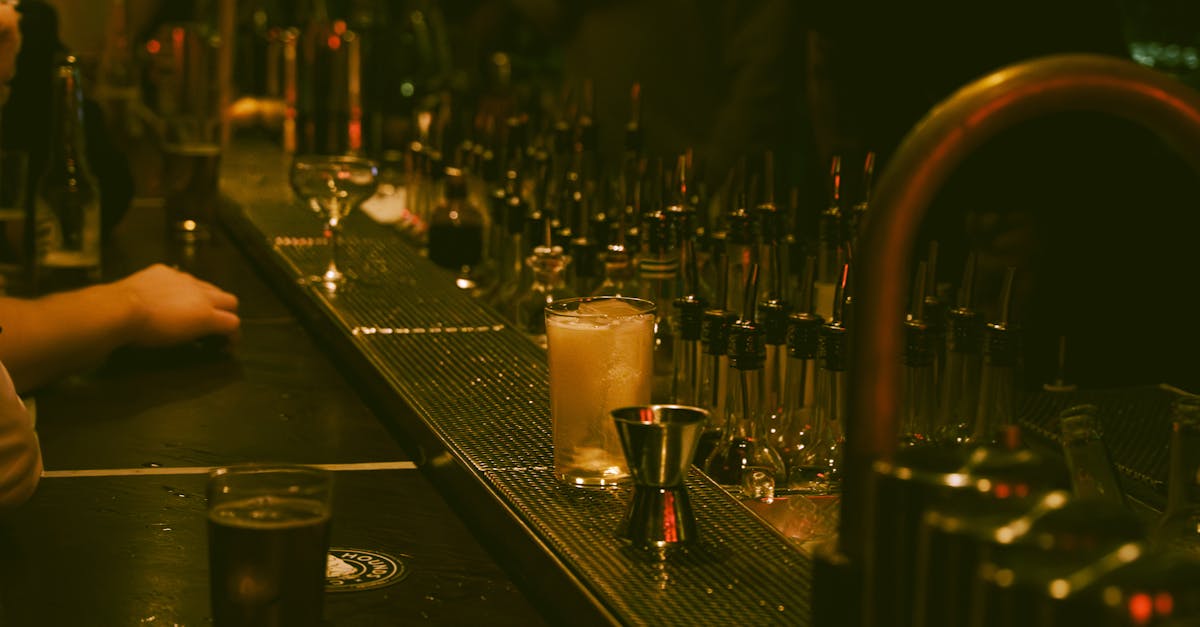
The complete Melbourne nightlife guide — best bars, cocktail spots, rooftop bars, laneway hideaways, live music venues, clubs, jazz bars, pubs, LGBTQ+ nightlife, and late-night food.
This article contains advertising. Our booking links are routed through a partner that adds commission tracking automatically, so if you book through one we earn a commission from the provider, at no extra cost to you. It never affects what we recommend. Affiliate disclosure
Last updated: August 2026. Melbourne is Australia’s after-dark capital. The city has more licensed venues per capita than Sydney, a laneway-bar culture that inspired similar scenes around the world, and a protected live-music sector that lives somewhere between a subculture and an industry. This Melbourne nightlife guide lays out where to drink, where to dance, where to catch live music, and what neighbourhoods suit different moods — plus dress codes, opening times, and the small rules that make the difference between a smooth night and a pointless hotel-to-bar-to-hotel loop.
Unlike Sydney’s harbourside stretches or Brisbane’s open-air plazas, Melbourne’s nightlife is an indoor, layered, hidden affair. The best bars are often unmarked, on upper floors, behind unassuming doors. This is both the charm and the challenge — follow this guide and you’ll spend less time wandering and more time sitting down somewhere great.
Melbourne nightlife guide at a glance
| Mood | Where to go | Typical spend | Vibe |
|---|---|---|---|
| Rooftop drinks at sunset | Arbory Afloat, Rooftop at QT, Siglo, Arbory Bar | $$$ | Dressier, reservations help |
| Craft cocktails | Black Pearl, Bar Americano, Eau de Vie, 1806 | $$$ | Serious mixology, intimate |
| Hidden laneway bars | Section 8, Ferdydurke, Bar Ampere, Double Happiness | $$ | Grungy, eclectic, mixed crowd |
| Live music pubs | Tote, Corner Hotel, Northcote Social, Cherry | $$ | Rock, indie, local bands |
| Big clubs | Revolver Upstairs, Miss Libertine, Circus, Sircuit | $$ | 3am+, varied music policy |
| LGBTQ+ | Sircuit, DT’s, The Peel, Poof Doof nights | $$ | Friendly, queer-led |
| Historic pubs | The Mitre Tavern, Young & Jackson, Cricketers Arms | $ | Relaxed, no dress code |
| Jazz | Bird’s Basement, Paris Cat, The Jazzlab | $$$ | Seated, cover charge |
Where to drink in Melbourne: the neighbourhoods
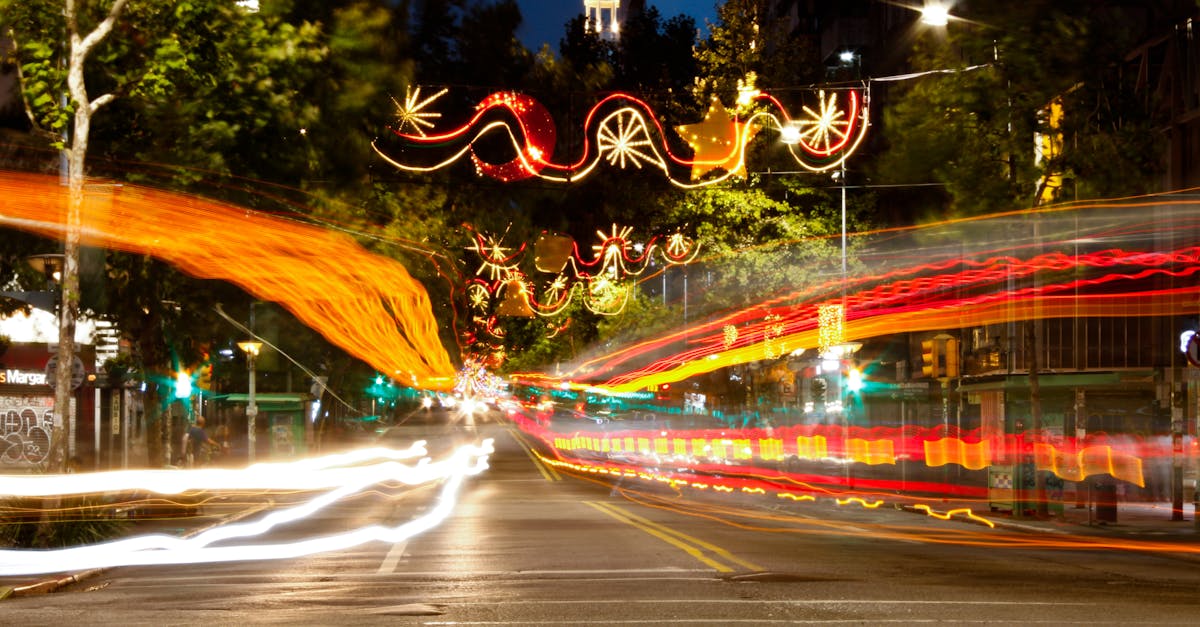
- CBD laneways — Meyers Place, Hardware Lane, Tattersalls Lane, Flinders Lane. Highest density of hidden bars and late-night food. Start here.
- Fitzroy and Collingwood (inner north) — Brunswick Street, Smith Street, Gertrude Street. Indie bars, live music, vintage pubs, dive bars. Younger, more alternative crowd.
- South Yarra and Prahran — Chapel Street. Fashion-forward bars, big clubs, the gay village on Commercial Road. Dressier, higher prices.
- St Kilda — beachside nightlife along Acland Street and Fitzroy Street. Mix of tourists, locals, live music pubs (Esplanade Hotel), and late-night eats.
- Northcote and Brunswick — the frontier of indie live music. Northcote Social Club and the Brunswick Ballroom book Australian emerging acts.
- Richmond — Swan Street for boisterous pubs; Bridge Road for post-AFL crowds.
Rooftop bars with the best views
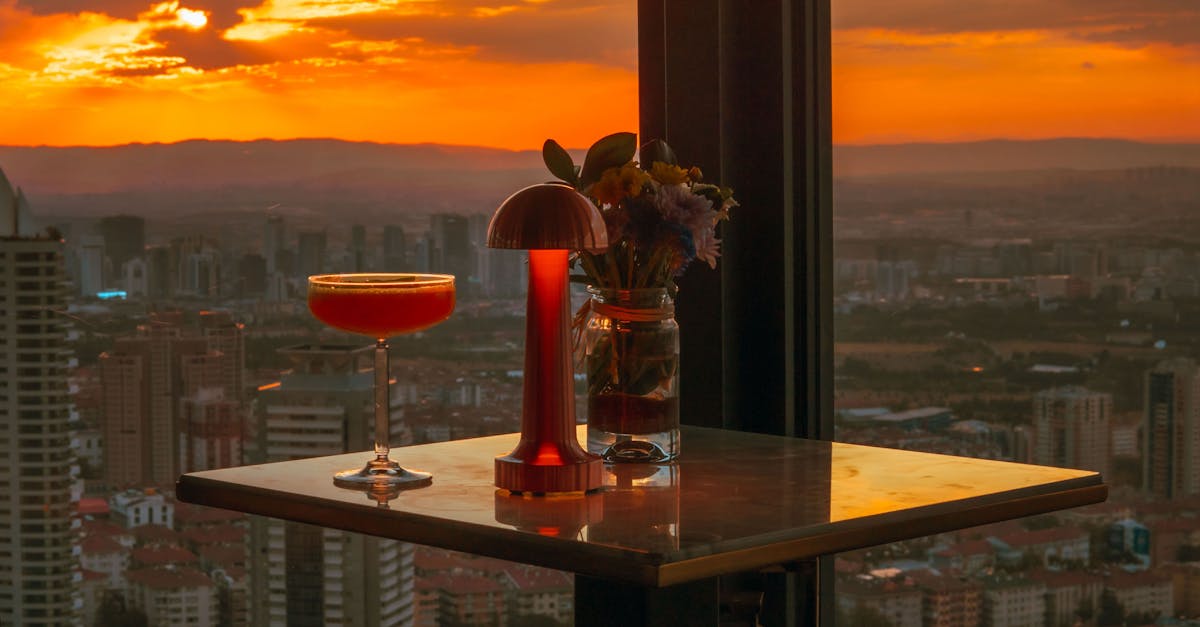
- Arbory Afloat — floating bar on the Yarra River, open only in summer (roughly Oct–Apr). Themed each year. Book.
- Rooftop at QT — QT Hotel’s top floor on Russell Street. Outdoor fire pits in winter, cocktails with a theatre-district crowd.
- Siglo (above Supper Club, Spring Street) — the elder statesman of Melbourne rooftops; Parliament House views, cigar lounge, leaning older and more traditional.
- Bomba Rooftop — above a tapas bar on Lonsdale Street; smaller, but one of the more atmospheric late-night terraces in the CBD.
- Rooftop Cinema (Curtin House) — part cinema, part bar. Summer only. Screens films against the Melbourne skyline.
- Naked in the Sky (Brunswick Street, Fitzroy) — perched above Naked for Satan; 360° views of Fitzroy rooftops and city skyline.
- Lui Bar (Vue de Monde, 55 Collins Street) — 55 floors up, arguably Melbourne’s best view, cocktail-only, dress code enforced.
- Transit Rooftop (Fed Square) — casual, tourist-friendly, direct view of Flinders Street Station and the Yarra.
Most rooftops either require booking or start queues by 6pm on Friday/Saturday. Sunset is peak, especially on summer Sundays. Drinks run $18–24 for cocktails, $14–18 for wine by the glass.
Best cocktail bars in Melbourne
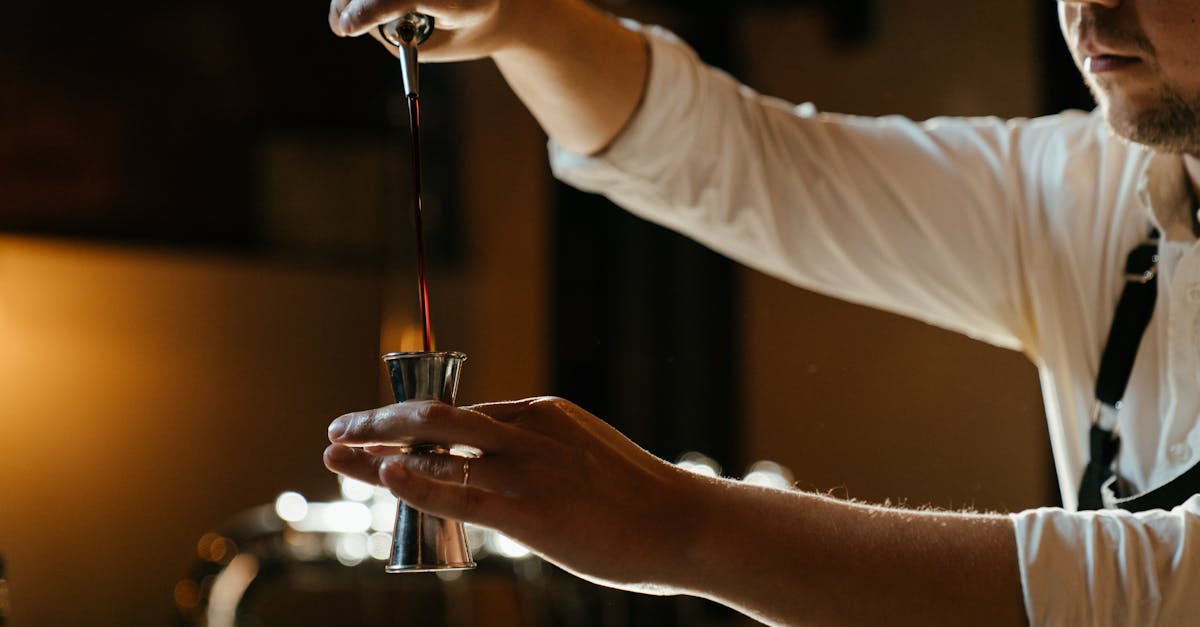
Melbourne cocktail culture runs deep. A tight shortlist:
- Black Pearl (Fitzroy) — four-time World’s 50 Best listing. The Attic upstairs is reservations-only. Order bartender’s choice and trust them.
- Eau de Vie (CBD, Malthouse Lane) — speakeasy-style, dimly lit, theatrical drinks. Try the Smokey Old Fashioned.
- Bar Americano (Presgrave Place) — standing-room-only, 15-seat, impeccable classics.
- 1806 (Exhibition Street) — cocktail menu organised by historical era; deep bartender knowledge.
- Above Board (Easey Street, Collingwood) — eight seats, omakase-style, tasting-menu cocktails. Reservation-only.
- Romeo Lane (CBD) — tiny, all-female-shortlisted, serious classics.
- Caretaker’s Cottage (City Square) — craft gin palace; James-Beard-shortlisted bartenders.
- Nick & Nora’s (Little Collins) — art-deco glam with a classic martini program.
Laneway and hidden bars
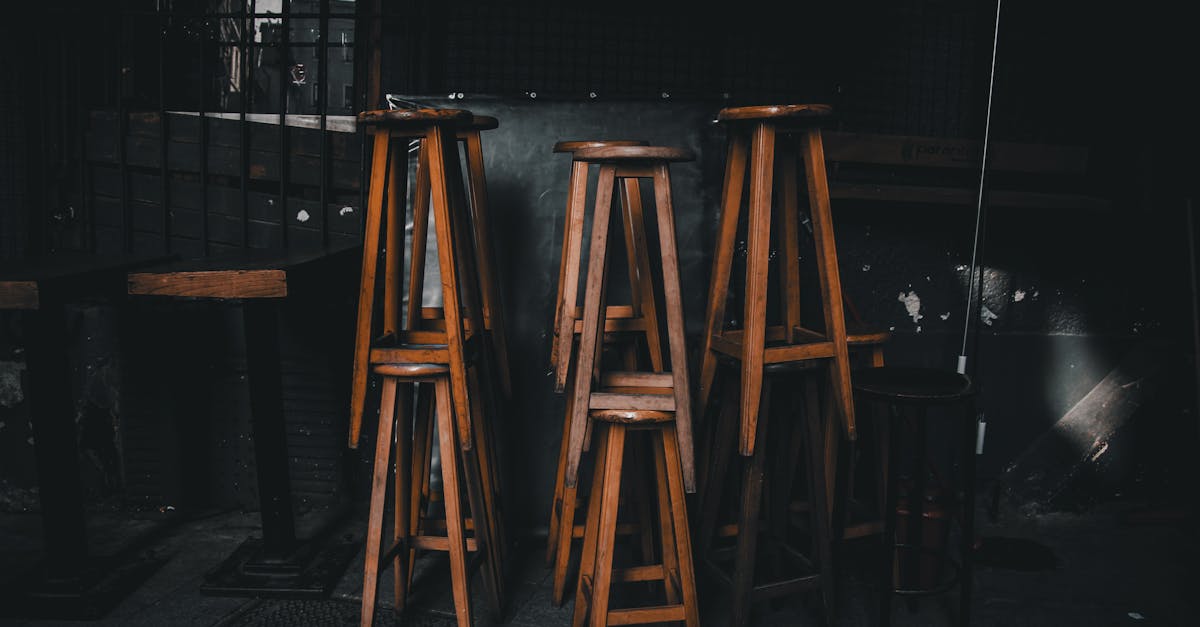
The laneway bar is Melbourne’s signature contribution to global nightlife. The originals date from the early 2000s when small-bar licenses were introduced; there are now hundreds. A starter list:
- Section 8 (Tattersalls Lane) — shipping-container bar in an alley; best for early-evening drinks with a mixed crowd and Asian street food from the hawker stalls nearby.
- Ferdydurke (Tattersalls Lane) — upstairs from Section 8; small candlelit bar with records and Polish-accented cocktails.
- Bar Ampere (Crossley Street) — tucked behind Chinatown; vintage electrical-parts decor, strong wine list.
- Double Happiness (Liverpool Street) — Chinese-themed, Communist-propaganda decor, ginger cocktails.
- Beneath Driver Lane — underground bar with live blues and soul four nights a week.
- Murmur (ACDC Lane) — basement-level, weekend only, local DJs and dancing until late.
- Heartbreaker (Russell Street) — dive-bar aesthetic, 70s rock soundtrack, pool table, 3am license.
- Boilermaker House (Russell Street) — beer + whiskey pairings; 40+ tap beers and 850 whiskies.
Live music venues
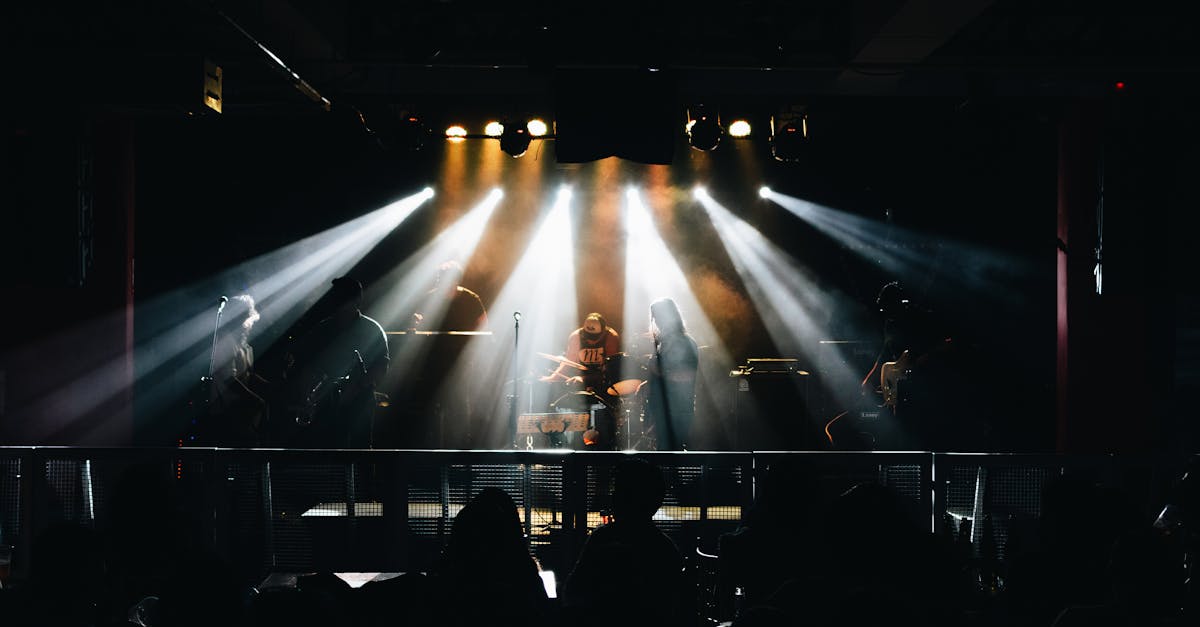
Melbourne has 460+ live music venues — more per capita than any other English-speaking city. The key rooms:
- The Tote (Collingwood) — Australia’s most loved rock pub, saved by public protest in 2010. Loud, sticky-floored, iconic.
- Corner Hotel (Richmond) — mid-sized (850 capacity) pub venue with an open-air rooftop. Hosts international indie and local headliners.
- Northcote Social Club — 250-cap room where you’ll catch up-and-coming Australian acts.
- Cherry Bar (AC/DC Lane) — dive-bar rock icon; open late.
- Forum Theatre (Flinders Street) — heritage-listed Moorish fantasia; 2,000 standing, stunning room for bigger acts.
- Palais Theatre (St Kilda) — 1920s art-deco 2,900-seater, used for bigger touring shows and orchestras.
- The Esplanade Hotel (St Kilda, “The Espy”) — multi-room pub with three live bands most nights, front-bar trivia, rooftop. A Melbourne institution.
- Northcote Theatre — 1,500-cap, newer listed-heritage venue; great sight lines.
- Brunswick Ballroom — 450-cap, intimate newer room with strong indie bookings.
- The Gasometer (Collingwood) — front bar + upstairs stage; indie bookings, late kitchen.
Check Beat, Broadsheet, or Ticketmaster for what’s on any given night. Ticket prices range $25–60 for local acts and climb quickly for touring internationals.
Best clubs in Melbourne
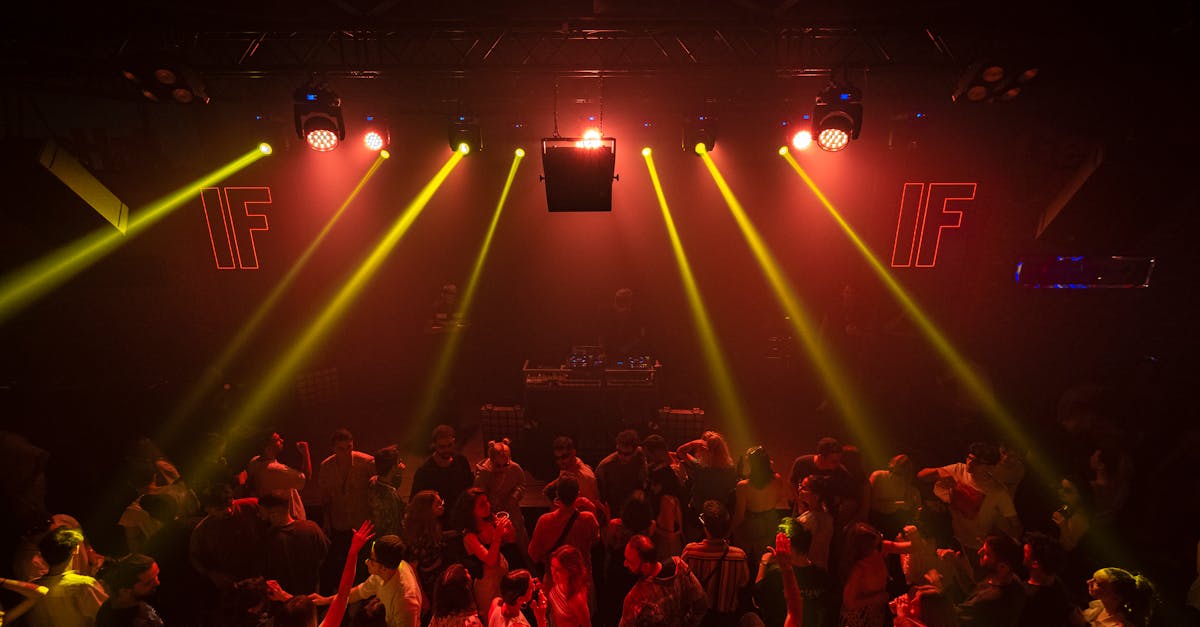
- Revolver Upstairs (Chapel Street) — Melbourne’s most famous late venue. Open until Monday morning on weekends; house and techno dominant.
- Miss Libertine (Russell Street) — EDM/commercial mix; CBD-convenient.
- Circus Bar (Chapel Street) — themed nights, dancefloor, queues start 10pm.
- New Guernica (CBD, Little Lonsdale) — upper-room techno, 24-hour license on weekends.
- Glamorama (St Kilda) — pop-and-RnB club, younger crowd, late close.
- The Prince (St Kilda) — upstairs dance floor, mixed crowd, music policy varies by night.
Club cover charges are typically $10–25, sometimes free before 11pm. Dress codes are enforced — collared shirts, no thongs (flip-flops) or active wear. Door staff can be strict at Revolver-tier venues; turning up neat-casual with a small group reads better than a mixed group of visibly intoxicated stag-do attendees.
Historic pubs and classic beer
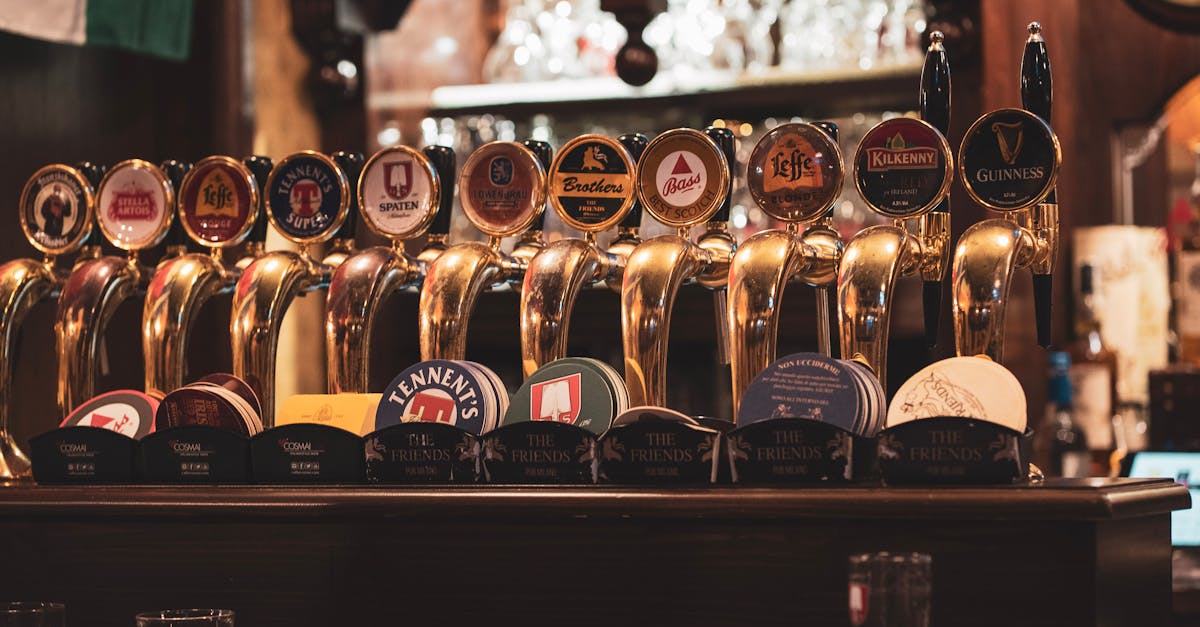
- Young & Jackson (Swanston/Flinders) — 1861. Famous for its upstairs Chloé painting. The big tourist-friendly CBD pub.
- Mitre Tavern (Bank Place) — 1837. The oldest continuously operating pub in Melbourne. Heritage-listed courtyard.
- The Cricketers Arms (Cricketers Hill, Richmond) — pre-match AFL pub; meat pies and tap beer.
- The Post Office Hotel (Coburg) — unassuming pub with one of Melbourne’s best craft beer lists.
- Stomping Ground Brewing Co. (Collingwood) — brewery-pub with warehouse beer hall, 25+ taps of their own beer.
- Moon Dog World (Preston) — massive brewery with a tropical atrium and 30+ taps; best for afternoons.
- The Espy (St Kilda) — rolling pub complex with live music, ocean views, and multiple bars.
- Belleville (Queen Victoria Market precinct) — retro-soul vibe, food truck pop-ups.
Jazz, blues and niche music
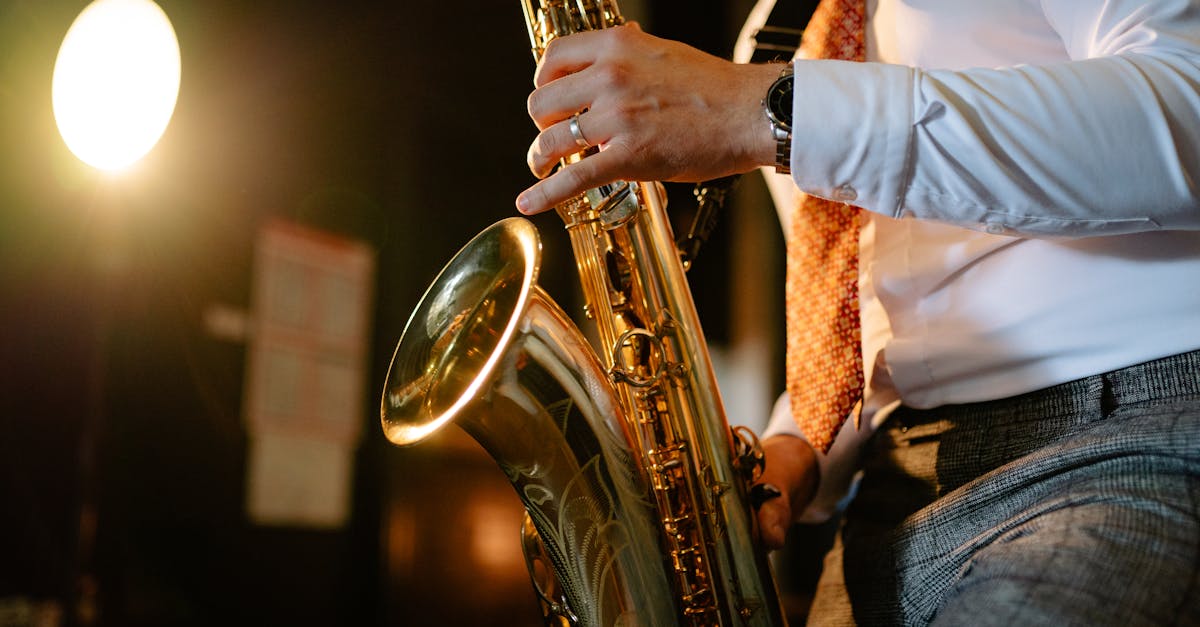
- Bird’s Basement (CBD) — sister venue to NYC’s Birdland; touring international jazz acts, table service, cover $30–60.
- Paris Cat Jazz Club (Goldie Place) — cabaret-style venue, two sets a night, local acts Tuesday–Saturday.
- The Jazzlab (Brunswick) — intimate jazz room, seven nights a week, student-and-pro mix.
- Paris End (Collins Street pianists — various restaurants like Grossi Florentino do nightly piano).
- Cherry Bar (ACDC Lane) — rock and blues late sessions.
- Memo Music Hall (St Kilda) — listening-focused room for singer-songwriters and folk.
LGBTQ+ nightlife in Melbourne
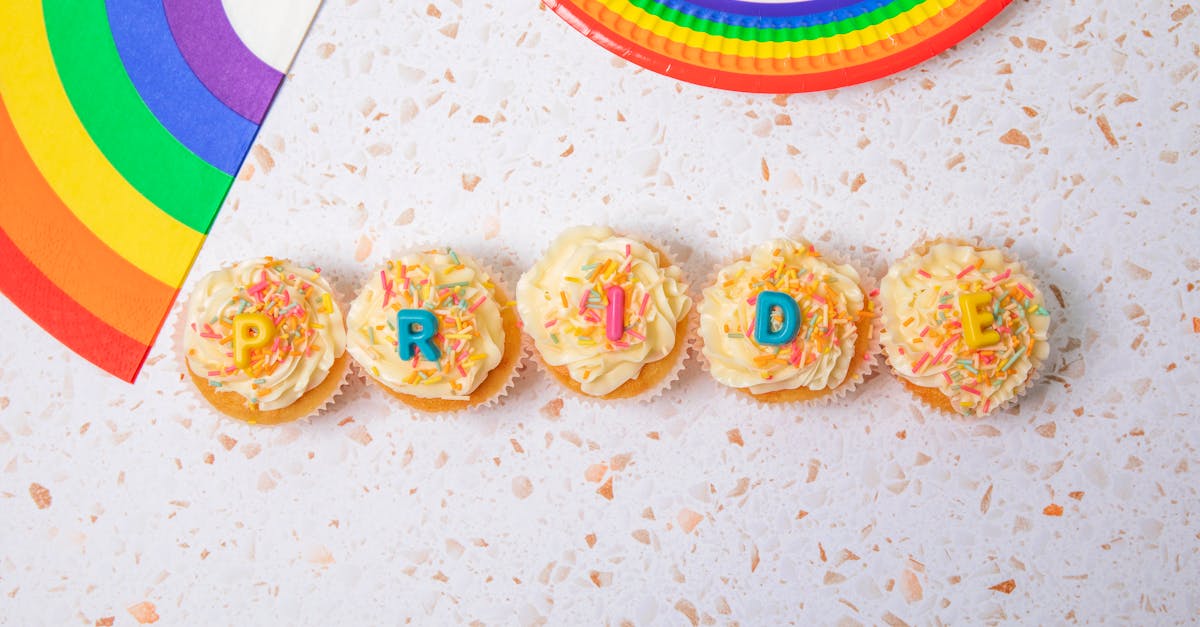
Melbourne’s queer nightlife centres on two zones: Commercial Road (Prahran/South Yarra) and Collingwood/Fitzroy.
- Sircuit (Smith Street, Fitzroy) — anchor gay club. Multiple rooms, drag shows, dancing until late.
- The Peel Dance Bar (Collingwood) — iconic, running since 1977. Gay male-focused.
- DT’s Hotel (Richmond) — Melbourne’s oldest continuously operating gay pub (since 1869 as a pub; gay since the 1980s).
- Poof Doof — a touring queer club night held at various venues (most regularly at 520 Chapel Street).
- Yah-Yah’s (Fitzroy) — inclusive dance bar, lesbian-led, techno/electroclash.
- Grumpy’s Green (Smith Street) — queer-friendly, relaxed pub with craft beer.
Midsumma Festival in January/February is the flagship queer arts and party fortnight; Pride March and Carnival at Catani Gardens in St Kilda draws 100,000+.
Comedy clubs
- The Comics Lounge (North Melbourne) — Melbourne’s only dedicated full-time comedy club. 5 nights a week.
- Comedy Republic (Exhibition Street) — 260-seat theatre; frequent touring acts.
- Last Laugh Comedy Club (Athenaeum Theatre) — heritage room hosting touring national and international comedians.
- The Butterfly Club (Carson Place, CBD) — cabaret-and-comedy hybrid, often quirky, LGBT-leaning.
- Melbourne International Comedy Festival — every venue in town hosts shows for 3 weeks in March/April.
Late-night food
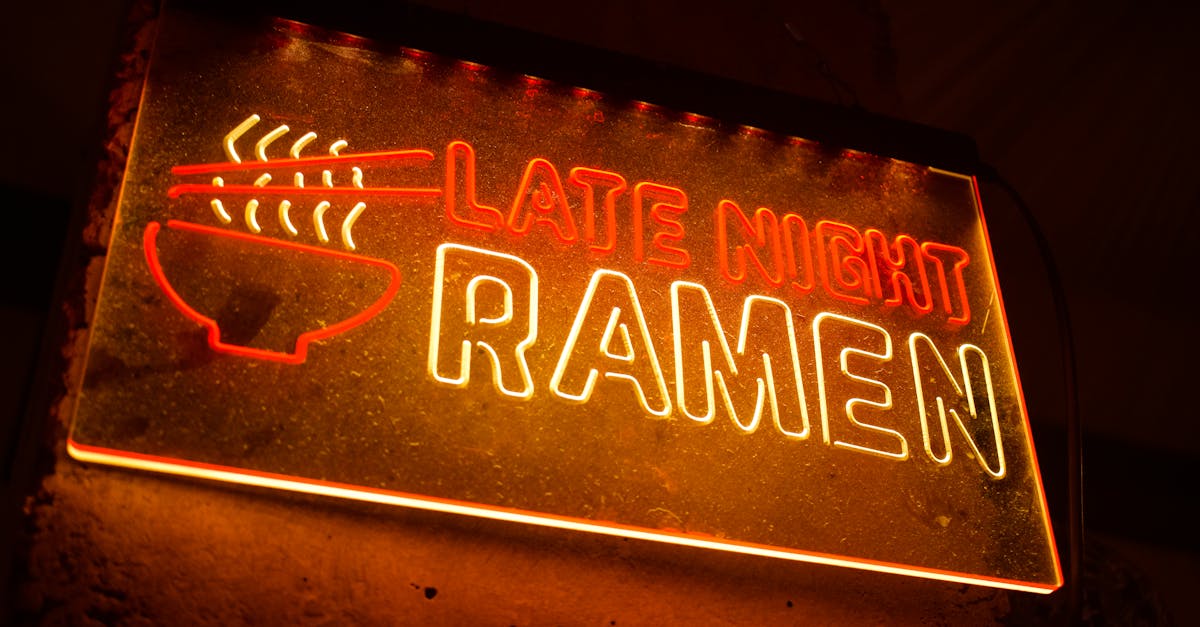
- Chinatown (Little Bourke Street) — many restaurants serve until 2–3am weekends; Supper Inn (go-to since 1980s), Shark Fin Inn, Dumplings Plus.
- Mamak (Lonsdale Street) — Malaysian roti and nasi lemak; queues even at midnight.
- Stalactites (Lonsdale Street) — Greek souvlaki, 24/7 since 1978.
- Flower Drum — fine-dining Chinese upstairs, open late for dim sum pairings.
- Pelligrini’s Espresso Bar (Bourke Street) — retro 1950s café; late-night espresso institution, closed Sundays.
- Half Moon Cafe (St Kilda) — late-night Lebanese pizza and mezze until 4am weekends.
- 7-Eleven — ubiquitous, with surprisingly decent hot snacks; a late-night rite of passage.
Practical tips for a night out in Melbourne
- Legal drinking age is 18. Always carry ID — photographic driver’s licence or passport.
- Cash is optional — almost every bar in Melbourne takes contactless/cards.
- Dress codes are enforced at clubs and upscale rooftops. No thongs (flip-flops), singlets, or activewear.
- Tipping is not required but rounding up or leaving small change at a bar is appreciated.
- Licensing — most bars are licensed to 3am, many in the CBD to 5am; a few (like Revolver) hold longer licences.
- Public transport — trams run until about 1am; Night Network trams, trains, and buses run Friday/Saturday nights for 24-hour service. Use Myki.
- Ubers and taxis are plentiful; surges hit after 2am on weekends.
- Secondary venues — many bars have an upstairs/downstairs pairing (Black Pearl’s Attic, Naked for Satan’s rooftop). Ask if you don’t see the stairs.
- Start early — bars typically empty out before clubs fill; people begin dinner at 7pm and move to bars around 9pm.
What a night out in Melbourne actually costs
Melbourne is not a cheap night out by international standards, but it is predictable, and knowing the going rate stops you overpaying in the wrong places. These are typical 2026 city prices — inner suburbs run slightly cheaper, rooftop bars and hotel bars noticeably dearer.
| Item | Typical price | Notes |
|---|---|---|
| Pot of beer (285ml) | From around $9 | The standard small pour; ask for a pot, not a half-pint |
| Pint of beer | $10–$12 | Craft and imported beer sits at the top of that range or above |
| Cocktail | $22–$28 | Specialty cocktail bars; simpler drinks at a pub run less |
| Glass of wine | $12–$18 | Wine bars pour by the glass from serious lists at the upper end |
| Club entry | $20–$40 | Ticketed by event, not a flat cover; many bars and smaller clubs are free |
| Happy hour | $10 pints, $10 house wine | Commonly Monday to Thursday, roughly 4–7pm |
A realistic budget: around $80–$120 per person for a full night of drinks and a late meal in the city, or $50–$70 if you start with happy hour in the inner north and stick to beer and wine. Add a ticketed club night and you are closer to $150. For broader cost planning see our guide to Melbourne on a budget.
Three first-timer night-out itineraries
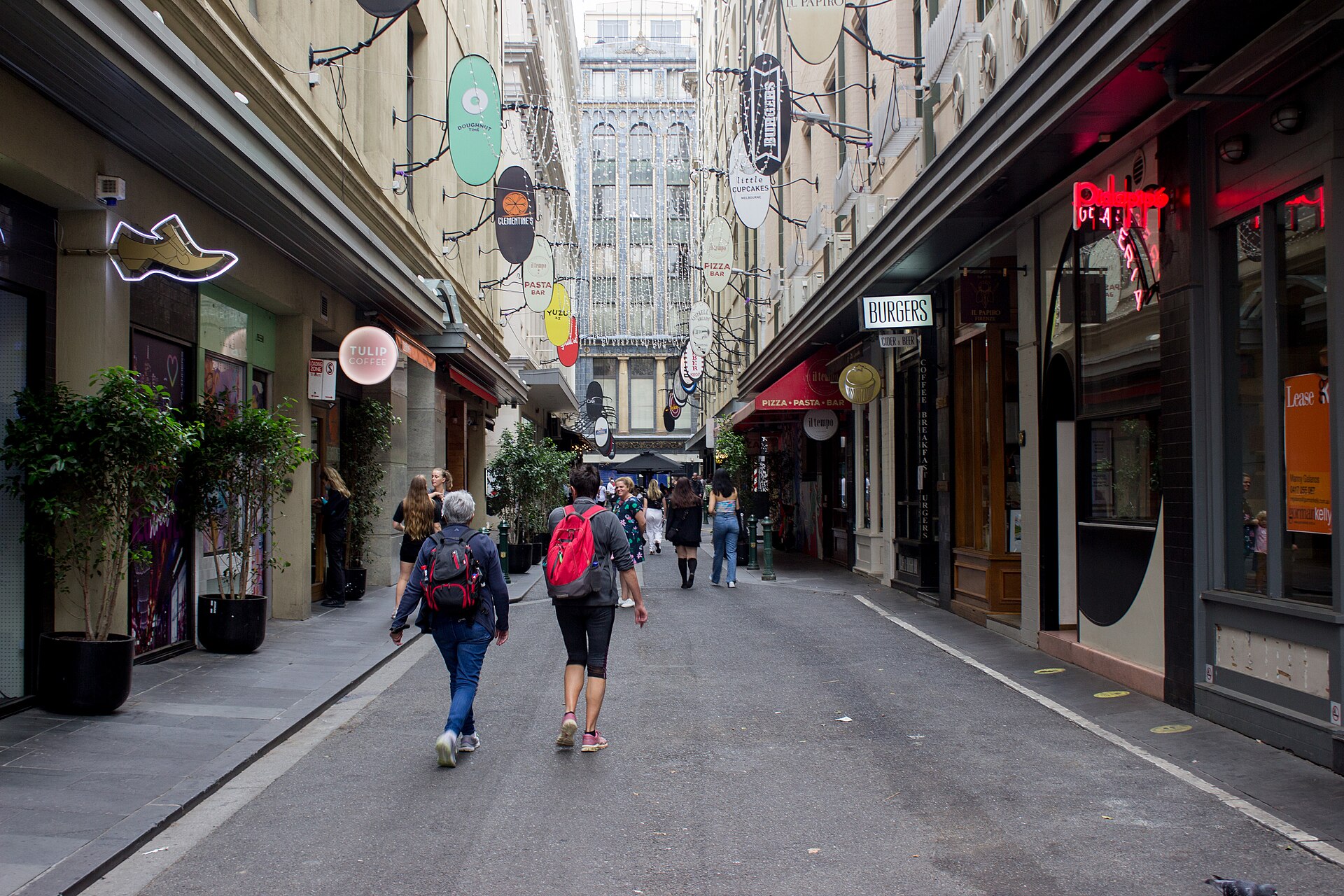
Melbourne’s nightlife is spread across distinct districts rather than concentrated in one strip, which is why visitors so often end up drifting between mismatched venues. Pick one area and work it properly.
The CBD laneway crawl
Start around 5pm with a rooftop drink while there is still light, drop down into the laneway bars off Flinders Lane and Little Collins Street for the middle of the night, and finish at a late-licence venue in the Chinatown block. This is the highest-density option — you can cover six venues without walking more than fifteen minutes total — and it is the easiest to do without planning, because the whole area is inside the Free Tram Zone. Eat late on Little Bourke Street, where kitchens run past midnight.
Fitzroy and Collingwood
The inner north is where Melbourne’s live music and independent bar scene actually lives. Start with a taproom in Abbotsford or Collingwood in the early evening, move on to Gertrude or Smith Street for wine bars and pubs, then finish at a gig at a venue like The Tote in Collingwood or the Northcote Social Club a little further out. Tram 86 or 96 gets you back to the city, and both run overnight on Friday and Saturday. This is the cheapest of the three routes and the one locals would actually do.
St Kilda and the bay
Best in summer, and best started early. Drinks on Acland or Fitzroy Street with the sunset over the water, dinner nearby, then either a late bar in St Kilda or the tram back up Chapel Street to Prahran, where the clubs run latest. Route 96 connects the whole corridor and runs all night on weekends. Worth noting: St Kilda is quieter midweek and in winter, so this itinerary is a Friday-or-Saturday-in-summer plan rather than a year-round one.
Best nights of the week to go out
Melbourne does not shut down midweek the way many cities do, but the character of a night changes a lot depending on when you go.
- Monday to Wednesday — happy hours are at their most generous, restaurants and bars take walk-ins, and small live music rooms programme emerging acts cheaply or free. Clubs are mostly closed. Good for wine bars and pubs, not for dancing.
- Thursday — the underrated night. Late-night shopping in the CBD means the city stays busy into the evening, most bars are properly open, and gig listings are strong without weekend prices or queues.
- Friday — the biggest night after work, and the point at which the all-night Night Network kicks in. Bars fill from 5pm; clubs get going after 11pm.
- Saturday — the peak. Around 112,000 people are out in Melbourne’s live music venues on a typical Saturday night. Book anything you care about, and expect queues at ticketed clubs after midnight.
- Sunday — the local secret. Sunday sessions at pubs, often with live bands from mid-afternoon, and a genuinely relaxed atmosphere. Ends early because the trains stop at midnight.
How to find gigs while you’re here
Melbourne has more live music venues per head than any city in the world — roughly one venue for every 8,785 residents, comfortably ahead of Austin, Sydney, New York and London. The consequence is that there is always something on, and that the good stuff is invisible unless you know where to look, because most of it is not advertised to tourists.
- Local gig guides — Melbourne’s street-press listings publish weekly and are the most complete source for pub and small-room gigs. They list hundreds of shows a week that never appear on international ticketing platforms.
- Venue socials — most independent rooms announce shows on Instagram first. Following four or five venues in the suburbs you’ll be near is more useful than any aggregator.
- Walk in — a genuine Melbourne habit. Many pub gigs are free or $15–$25 on the door, and you don’t need to decide in advance.
- Record shops — poster walls in Fitzroy and the CBD are still the best analogue listings in the city.
For a deeper look at the venues themselves, see our guide to the Melbourne live music scene.
Breweries and taprooms
Melbourne’s craft brewing scene concentrated itself in the old industrial pockets of Abbotsford and Collingwood, which means you can visit four or five working breweries in an afternoon on foot. Taprooms are a different proposition from bars: they open earlier, close earlier, welcome children and dogs during the day, and are considerably better value.
- Moon Dog (Abbotsford) — the best-known of the group, with a large and deliberately absurd tropical-themed space.
- Bodriggy (Abbotsford) — brewery and full kitchen in a converted garage; the food is good enough to go for on its own.
- Stomping Ground (Collingwood) — a big beer hall in a former textile factory, and it runs free brewery tours on weekends.
- Molly Rose (Collingwood) — smaller and more experimental, with a rotating tap list.
The practical tip: taprooms tend to stop serving between 9pm and 11pm, so treat them as the start of a night rather than the end. They are all within about twenty minutes’ walk of each other, and tram 86 runs back to the city from Smith Street.
Wine bars and listening bars
Two formats have quietly taken over from the big cocktail bar as Melbourne’s default night out. The wine bar — small, food-led, usually with a natural-wine leaning and a chalkboard list — is now the standard opening of any inner-suburb evening. The listening bar, a Japanese import built around a serious sound system and vinyl played properly rather than as background, is the newer arrival and Melbourne has taken to it faster than any other Australian city.
What to expect: no bookings at the smaller wine bars, so arrive before 7pm or accept a wait; a short, frequently changing list rather than a wine menu; and staff who will pour you a taste before you commit. Prices sit around $12–$18 a glass, and most do a proper food menu rather than snacks. The densest clusters are along Gertrude Street in Fitzroy, in Carlton North, and in the laneways at the eastern end of the CBD. Listening bars are more scattered — Brunswick and the CBD have the best of them — and tend to enforce a lower-volume-conversation etiquette that is worth respecting.
Going out without drinking
Melbourne is unusually well set up for a night out that does not involve alcohol, which matters if you are travelling sober, pregnant, driving, or simply not in the mood.
- Dedicated non-alcoholic bars. Brunswick Aces on Weston Street in Brunswick East was Australia’s first non-alcoholic bar and still runs a full zero-proof list alongside regular drinks, open Thursday to Saturday evenings.
- Every decent bar has a real non-alcoholic list now. Not just soft drinks — properly built zero-proof cocktails, alcohol-free beer on tap and de-alcoholised wine are standard across the inner suburbs.
- Late-night dessert and coffee. Melbourne’s café culture stretches into the evening in a way most cities’ doesn’t; several CBD and Carlton venues serve coffee and dessert past 11pm.
- Live music without a bar focus. Jazz rooms, listening bars and small theatre venues are all about the room rather than the drinking.
- Late gallery openings. Major institutions run regular after-hours evening programmes — see our arts and culture guide and night-time activities guide.
Getting home: Night Network, buses and rideshare
This is the part of a Melbourne night out that catches visitors out, because the transport system behaves completely differently on weekends and weekdays.
- Friday and Saturday nights: everything runs all night. The Night Network operates trains, trams and buses through to morning. Trains run roughly hourly overnight on all lines except Flemington Racecourse and Stony Point.
- Sunday to Thursday: it stops. Last trains leave the city around midnight. Plan your exit before you go out, or budget for a taxi.
- The City Loop closes at midnight. Even on Night Network nights, City Loop and Metro Tunnel stations shut at midnight — Town Hall is the exception — and Southern Cross closes at 1am. Overnight trains run through Flinders Street, so head there, not to Melbourne Central or Parliament.
- Night trams run on routes 19, 67, 75, 86, 96 and 109, every 30 minutes. Between them they cover the inner north, Chapel Street, St Kilda and the eastern suburbs.
- Night buses — 21 routes fill in the gaps to suburbs the trains and trams don’t reach.
- The Free Tram Zone still operates overnight, so short hops within the CBD cost nothing.
- Regional coaches leave Southern Cross around 2am on weekends for Geelong, Ballarat, Bendigo, Traralgon and Seymour — useful if you are based outside Melbourne.
- Rideshare and taxis — both plentiful, but surge pricing between 1am and 3am on weekends is steep. See our comparison of Uber versus taxis in Melbourne.
Fares are currently half price across Victoria until 1 January 2027, which makes the late-night network cheaper than it has been in years — the full-fare daily cap is $5.70 rather than $11.40. Our public transport guide has the full detail.
Staying safe on a night out
Melbourne is a safe city by international standards and most visitors have entirely uneventful nights out. A few specifics are worth knowing anyway.
- Know the hotspots. Alcohol-related incidents concentrate around King Street, the casino precinct and parts of Bourke Street late on Friday and Saturday. These are not no-go areas, but they are the rowdiest part of the city and there is no particular reason a visitor needs to drink there.
- Safe City Ambassadors — City of Melbourne staff in high-visibility yellow patrol the CBD on weekend nights and are there to help with directions, transport and anyone in trouble.
- Bring your passport. The legal drinking age is 18 and staff must check anyone who looks under 25. A passport is always accepted; an overseas driver licence may not be, particularly if it is not in English. Using a fake ID carries a fine of over $1,000.
- Dress codes exist but are relaxed. Most Melbourne bars have no code at all. Clubs and the casino will turn away thongs, singlets and high-vis workwear. Smart casual covers everything.
- Watch your drink, as anywhere, and use the venue — Victorian bars take drink-spiking reports seriously and staff will act.
For general context, our guide on whether Melbourne is safe for tourists covers the wider picture.
Summer versus winter nightlife
Melbourne’s nightlife changes shape with the seasons more than most Australian cities, because so much of the summer scene is outdoors and simply does not exist in July.
Summer (December to February) brings the rooftop bars into their own, floating bars on the Yarra, beach-adjacent drinking in St Kilda, outdoor cinema and the Wednesday night market at Queen Victoria Market. Sunset is after 8.30pm, so evenings start late and run long. This is peak season for nightlife and peak season for crowds. See Melbourne in summer for the full picture.
Winter (June to August) pushes everything indoors, which is where Melbourne is genuinely strongest — basement bars, small live music rooms, pubs with open fires and the laneway bars that were built for exactly this weather. November brings Melbourne Music Week, and the winter months carry a dense gig calendar. It is also the cheapest time to visit. If your priority is live music and bars rather than rooftops, winter is arguably the better trip.
Melbourne nightlife etiquette
Melbourne’s bar culture has its own conventions, and a few of them catch international visitors out.
- Tipping is not expected. Australian hospitality staff are paid a proper wage, and there is no tipping culture in bars. Rounding up or leaving change for exceptional service is appreciated but never required, and nobody will chase you for it.
- Order at the bar. Most Melbourne bars and pubs have no table service — you go to the bar, order, and pay each round. Table service exists at the higher-end cocktail bars and restaurants, and they will tell you.
- Learn the beer sizes. A pot is 285ml, a pint is 570ml, and a schooner sits between the two. Asking for “a beer” will get you a follow-up question.
- Shouting. Buying rounds for a group is a real social convention here — if someone buys you a drink, the expectation is that you buy the next round. Opt out politely at the start rather than midway through.
- Small bars fill fast and rarely take bookings. Laneway bars in particular are tiny. Arrive before 7pm or be prepared to move on.
- Smoking is banned indoors and in outdoor dining areas. Venues with courtyards have designated sections.
- Photography. Some smaller bars and clubs discourage phone cameras. If there is a sign, take it seriously.
The broader point: Melbourne bar culture is informal and unpretentious even at the expensive end. Dressing up is optional almost everywhere, and staff are direct rather than deferential — that is friendliness, not rudeness.
FAQ: Melbourne nightlife guide
What’s the best area for nightlife in Melbourne?
The CBD laneways (particularly Meyers Place, Hardware Lane, Tattersalls Lane, and Flinders Lane) have the highest density of bars within walking distance. For live music and indie venues, head to Fitzroy/Collingwood. For clubs and bigger dance venues, Chapel Street (Prahran/South Yarra) is the scene.
How late do bars stay open in Melbourne?
Most bars close at 1–3am. Clubs in the CBD and Chapel Street typically run until 5am or later; Revolver Upstairs holds a 72-hour licence and is legendary for Sunday afternoon sessions. There is no statewide curfew.
Is Melbourne nightlife safe?
Generally yes — the CBD has lockout-free licensing but well-policed late-night zones. King Street has a rougher reputation for stag/hen-night crowds; avoid unless specifically going to a venue there. Fitzroy, Collingwood, South Yarra, and the CBD laneway cluster are all busy and well-lit late into the night.
Do I need to book bars in Melbourne?
Rooftop bars and well-known cocktail destinations (Black Pearl’s Attic, Eau de Vie, Lui Bar) often fill by 8pm Friday/Saturday. Smaller laneway bars operate walk-in. Jazz venues (Bird’s Basement, Paris Cat) are ticketed for named shows. Clubs are always walk-in but queues after 11pm can be long.
What’s an average bar night out cost in Melbourne?
Budget around $18–24 per cocktail, $12–16 per pint of craft beer, $14–18 per glass of wine. A bar-crawl evening (3 stops, 2 drinks each) will run $90–150 per person. Clubs add a $10–25 cover. Factor in Uber or tram fare for the CBD-and-beyond loop.
Is Melbourne nightlife better than Sydney’s?
Melbourne has more venues per capita, a more varied laneway-and-basement culture, and a better live-music scene. Sydney has better harbour-view drinking, bigger clubs, and more large-format dance venues. For drinking variety and late-night eating, Melbourne wins. For views and outdoor party energy, Sydney leads.
Does Melbourne have lockout laws?
No. A 2am lockout ran as a three-month trial in 2008 and was never reinstated, so Melbourne — unlike Sydney for much of the last decade — has no lockout restriction. Venues wanting to trade past 1am need a specific late-night licence, and councils covering the CBD, Port Phillip, Yarra and Stonnington attach extra conditions to those licences. That is why late-trading venues cluster in the CBD, Fitzroy and Collingwood, and Prahran rather than being spread evenly across the city.
Can I get home on public transport after midnight?
On Friday and Saturday nights, yes — the Night Network runs trains, trams and buses all night, with trains roughly hourly. From Sunday to Thursday, no: last services leave the city around midnight. One detail that catches people out is that City Loop and Metro Tunnel stations close at midnight even on Night Network nights, with Town Hall the exception, and Southern Cross closes at 1am. Overnight trains run through Flinders Street, so that is where you need to be.
Is a foreign passport enough ID to get into a Melbourne bar?
Yes, and it is the safest option. Venue staff are legally required to check anyone who looks under 25, and a passport is universally accepted. An overseas driver licence may be refused if it is not in English — in that case you would need a certified translation or an International Driving Permit alongside it. Photocopies and photos on your phone are not accepted. The legal drinking age is 18.
How much does a night out in Melbourne cost?
Budget $80–$120 per person for a standard night of drinks and a late meal in the city. You can bring that down to $50–$70 by starting at happy hour, drinking beer and wine rather than cocktails, and heading to the inner north instead of the CBD. Add $20–$40 if you want a ticketed club night. Pints run $10–$12, cocktails $22–$28, and happy hours — typically Monday to Thursday from around 4pm to 7pm — commonly put pints and house wine at $10.
Which Melbourne suburb is best for a night out?
It depends what you want. The CBD laneways give you the highest density of bars in the smallest area and are the easiest to navigate without local knowledge. Fitzroy and Collingwood have the live music, the taprooms and the best value, and are where Melburnians actually go. Prahran and South Yarra along Chapel Street have the clubs that run latest. St Kilda is a summer proposition built around the bay. If you only have one night, the CBD laneways are the safest choice; if you have two, spend the second in Fitzroy.
Where can I go out in Melbourne if I’m not drinking?
Melbourne handles this better than most cities. Brunswick Aces in Brunswick East was Australia’s first dedicated non-alcoholic bar and still runs a full zero-proof programme. Beyond that, virtually every decent bar in the inner suburbs now carries properly made non-alcoholic cocktails, alcohol-free beer on tap and de-alcoholised wine, so you can go anywhere without being stuck with soft drinks. Live music rooms, listening bars, late-opening dessert cafés and after-hours gallery programmes all give you a night out where drinking isn’t the point.
Wrapping up the Melbourne nightlife guide
If you have one night in Melbourne, spend it in the CBD: start with rooftop drinks at 6pm, laneway cocktails at 8pm, dinner in Chinatown at 9:30pm, and live music or clubbing from 11pm. If you have two nights, dedicate the second to Fitzroy and Collingwood — tote-bag energy, live bands at The Tote, and late-night eats at Supermaxi or Messina. Melbourne’s nightlife rewards the curious: venture upstairs, push open unmarked doors, and you’ll find bars that haven’t made it into any guide yet.
Melbourne Nightlife: Venue-by-Venue Guides
- Best Rooftop Bars Melbourne (2026): 15 Skyline Stunners
- Best Cocktail Bars in Melbourne: 25 Top Mixology Spots (2026)
- Best Pubs Melbourne (2026): 25 Historic Classics & Craft Beer Halls
- Best Clubs in Melbourne: Where to Dance All Night (2026)
- Melbourne Laneway Bars: 20 Hidden Spots Only Locals Know (2026)
- Best Live Music Venues in Melbourne: Pubs, Clubs & Halls (2026)
- Best Comedy Clubs in Melbourne: Stand-Up & Improv Venues (2026)
- Late Night Food in Melbourne: 24-Hour Eats & Supper Spots (2026)
- LGBTQ+ Nightlife in Melbourne: Gay Bars, Clubs & Events (2026)
- Best Jazz Bars in Melbourne: Live Jazz Scene Guide (2026)