Melbourne Events and Festivals Calendar (2026): Complete 12-Month Guide
- Words
- Melbourne Tourism Guide
- Updated
- August 20, 2026
- Read
- 23 min
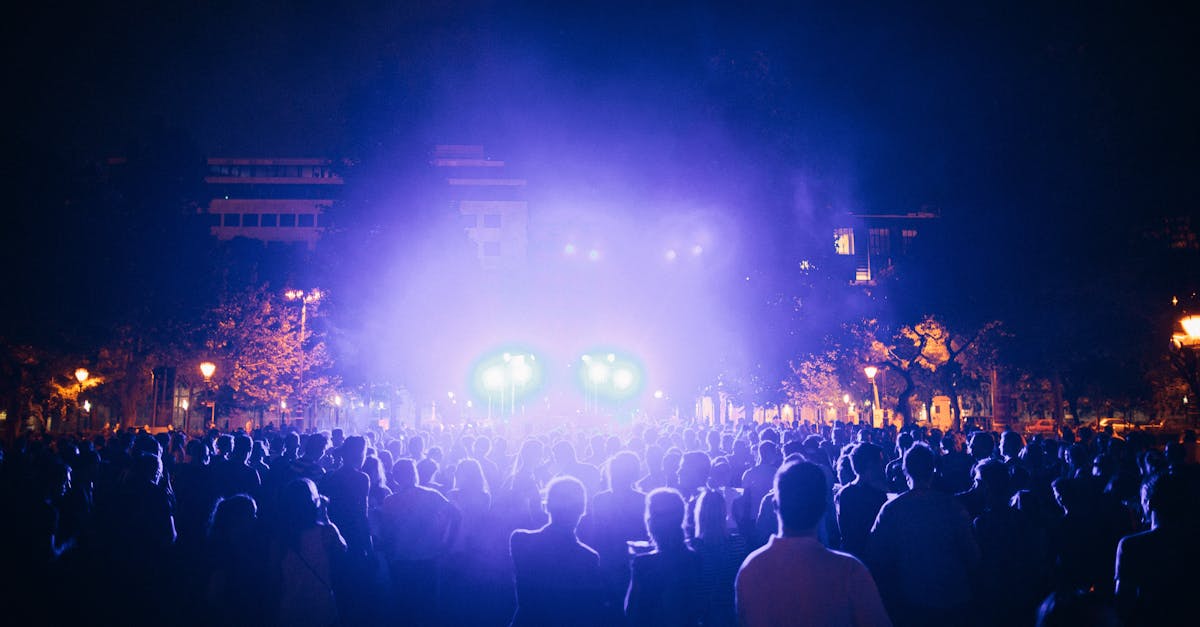
The complete Melbourne events and festivals calendar for 2026 — Australian Open, Grand Prix, Melbourne Cup, Comedy Festival, AFL Grand Final and every major event month by month.
This article contains advertising. Our booking links are routed through a partner that adds commission tracking automatically, so if you book through one we earn a commission from the provider, at no extra cost to you. It never affects what we recommend. Affiliate disclosure
Last updated: August 2026. Melbourne is Australia’s event capital. Across the calendar year the city hosts two Grand Slam-level sports events, two international festivals of comedy, film and food, the world’s richest horse-racing carnival, and a rolling calendar of cultural festivals that outpunches any other city on the continent. If you’re timing a visit around big happenings, this guide to Melbourne events and festivals lays out the full year at a glance, with dates, ticket tips, and when to book accommodation.
Visit Victoria reports more than 100 major events annually, drawing over 25 million attendances combined. Some — the Australian Open, the F1 Grand Prix, Melbourne Cup, AFL Grand Final — double hotel rates and sell out entire neighbourhoods. Others, like the free Moomba Festival in March, are simply great cultural moments to be in town for. Use this calendar both as “what’s worth travelling for” and as “what to avoid if you’re price-sensitive.”
Melbourne events and festivals at a glance (2026)
| Month | Flagship event | Why it matters |
|---|---|---|
| January | Australian Open | Tennis Grand Slam, 800k+ visitors |
| February | Midsumma Festival | LGBTIQ+ arts and culture |
| March | Formula 1 GP + Food & Wine Festival + Moomba | Packed month — triple premium |
| April | Melbourne International Comedy Festival | 3rd largest comedy festival in the world |
| May | AFL season peak, Knowledge Week | Cultural calendar slows; good for visiting |
| June | Melbourne International Jazz Festival | Winter cultural anchor |
| July | Rising Festival + Open House | Winter warmth via arts |
| August | MIFF (Melbourne International Film Festival) | Major arts festival |
| September | AFL Grand Final + Melbourne Fringe | Peak sport + arts combo |
| October | Royal Melbourne Show, Spring Racing begins | Family + races |
| November | Melbourne Cup Carnival | World’s richest handicap |
| December | Boxing Day Test + NYE | Cricket + fireworks finale |
January — Australian Open tennis
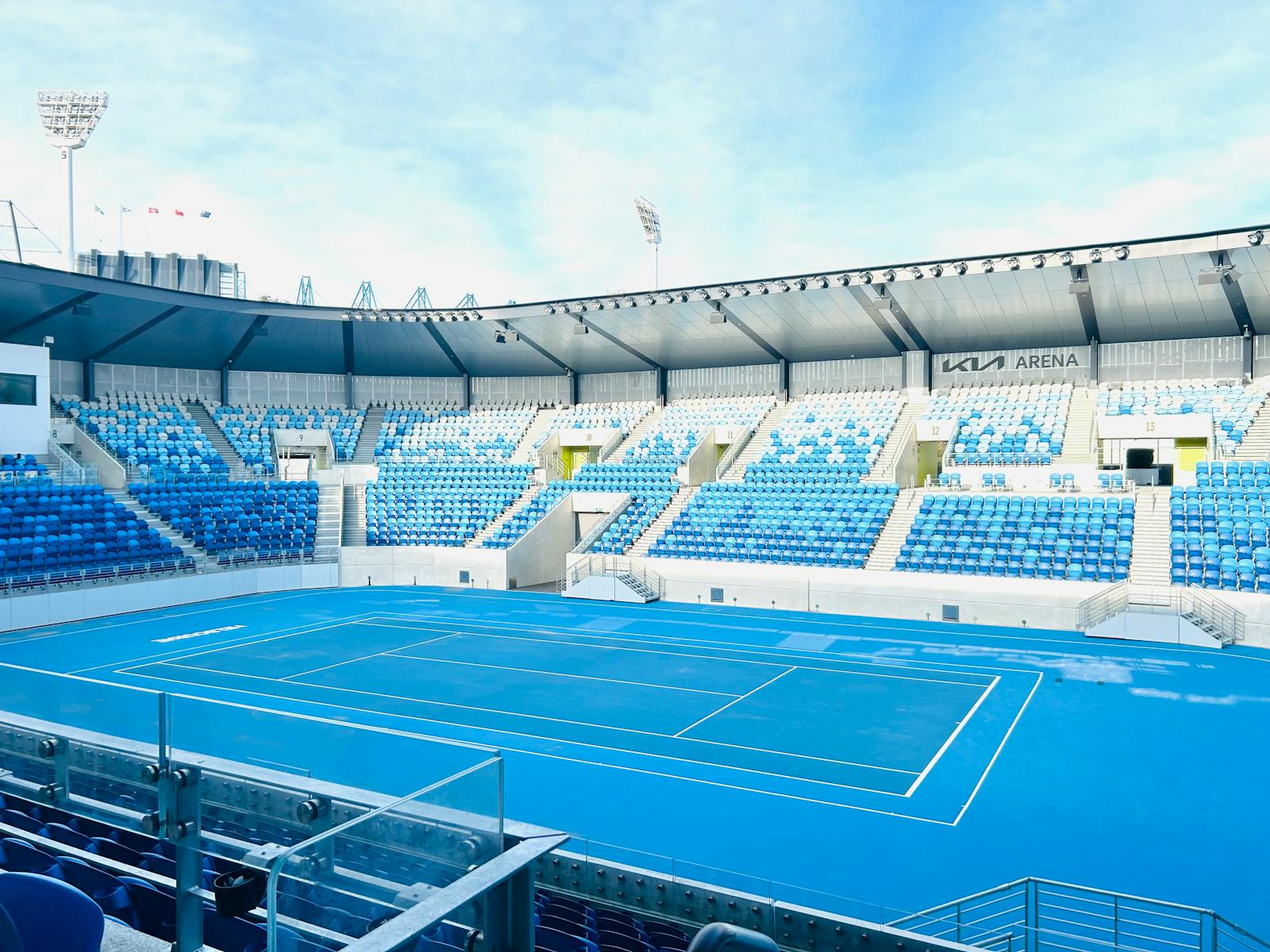
The Australian Open is the year’s first Grand Slam and arguably Melbourne’s biggest single tourism draw. Held at Melbourne Park from mid-January into the first week of February, it attracts over 800,000 attendances across three weeks. 2026 dates: qualifying from Monday 12 January; main draw Monday 19 January to Sunday 1 February.
Tickets
- Ground passes ($35–$75) give access to outer courts where you can watch top-20 players at close range.
- Rod Laver Arena tickets range $85 (upper) to $475+ (finals).
- Night sessions are a signature Australian Open experience — book weeks ahead.
- Heineken Live Stage and Grand Slam Oval give free atmosphere for ground-pass holders.
Book hotels 4-6 months in advance for finals week. CBD and Richmond are closest; Yarra Park walks directly to Melbourne Park.
February — Midsumma Festival
Midsumma is Melbourne’s three-week LGBTIQ+ arts, culture and community festival. The highlight is Midsumma Pride March down Fitzroy Street, St Kilda, on a Sunday in early February. Events run across more than 100 venues, from cabaret at Theatre Works to queer film at ACMI.
March — the triple-whammy month
March is Melbourne’s busiest month for events. Three major festivals overlap with perfect early-autumn weather, meaning hotel rates peak and every restaurant is full.
Formula 1 Australian Grand Prix
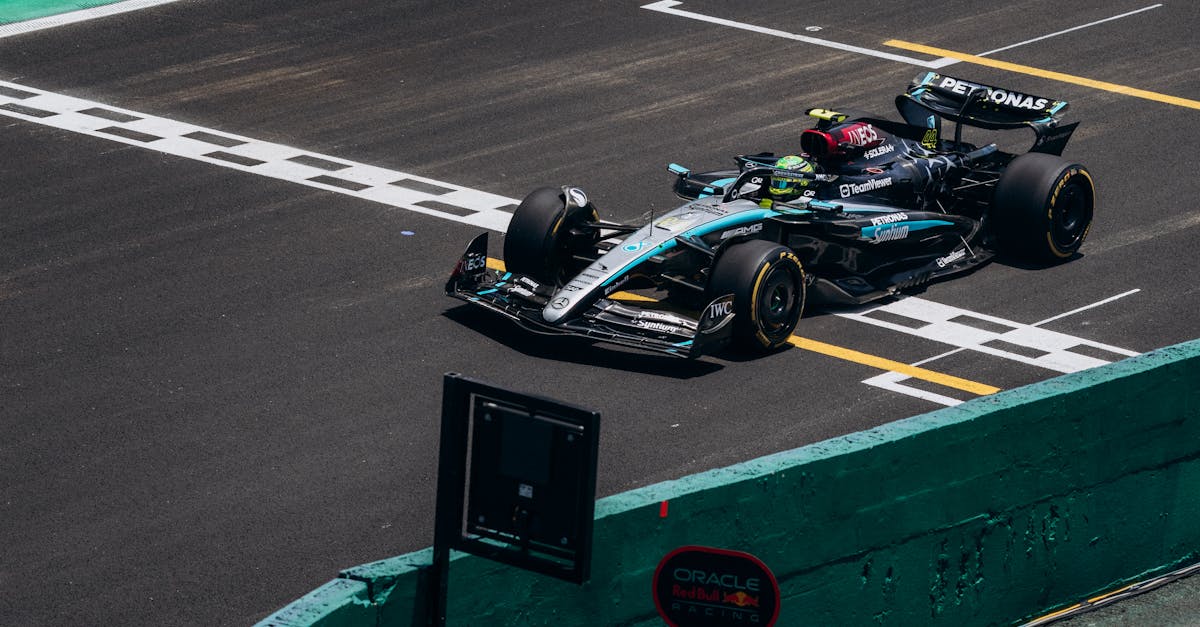
Albert Park’s street circuit has historically opened the F1 season. 2026 GP weekend is mid-to-late March — check formula1.com.au for confirmed dates. Four-day General Admission passes start at $299; grandstand tickets from $419. It’s worth paying for a grandstand at Turn 1 or the pit straight for the best atmosphere.
Melbourne Food and Wine Festival
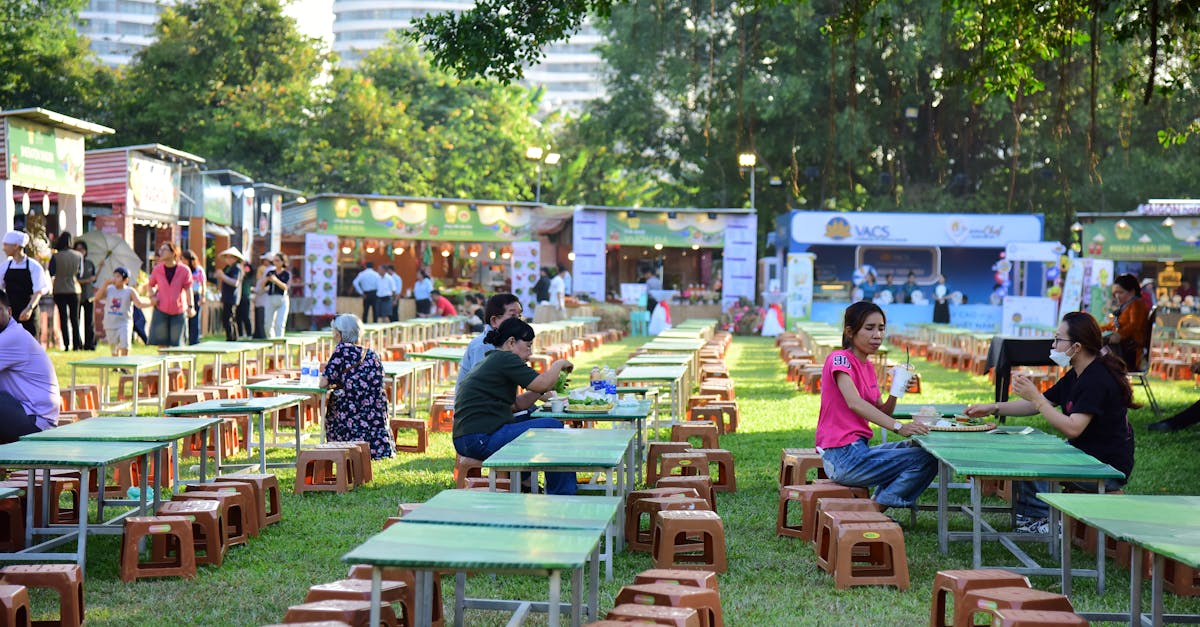
The Melbourne Food and Wine Festival runs for roughly 10 days in March. Signature events: the World’s Longest Lunch, Wine Trails in regional Victoria, chef collaborations at top restaurants, and free masterclasses. Over 250,000 people attend.
Moomba Festival
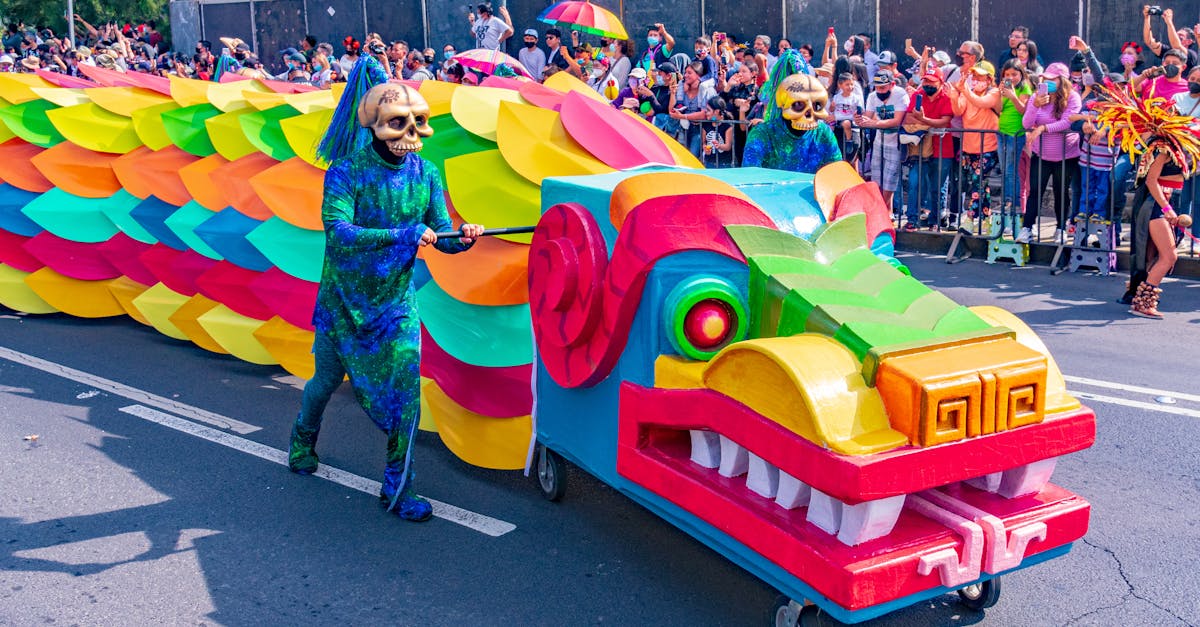
Moomba is Australia’s largest free community festival, held over the Labour Day long weekend in early March. Fireworks over the Yarra, the Birdman Rally (homemade flying machines launched off a pier), the Moomba Parade, carnival rides, and water-skiing contests. Held in Alexandra Gardens and along the Yarra.
April — Melbourne International Comedy Festival

MICF runs for nearly four weeks, from late March through April. It is the third-largest comedy festival in the world (behind Edinburgh Fringe and Just for Laughs Montreal), with 600+ shows across 100+ venues. Headliners range from Hannah Gadsby to international touring acts.
Tips: tickets are $15–$45 per show; buy a “Flat Out Pack” for 4 shows at a discount. The Gala (televised opening) and Great Debate at the Town Hall are classics. Many shows are at the Melbourne Town Hall, Trades Hall, and at ACMI.
May — AFL season rolling peak
By May, the AFL season is in full swing. Matches at the MCG (capacity 100,000) and Marvel Stadium (capacity 56,000) run most weekends with multiple matches daily. The ANZAC Day clash between Essendon and Collingwood at the MCG, held on 25 April, is Melbourne’s biggest regular-season AFL fixture and often sells out 80,000+. Tickets from $35 for general admission.
June — Melbourne International Jazz Festival
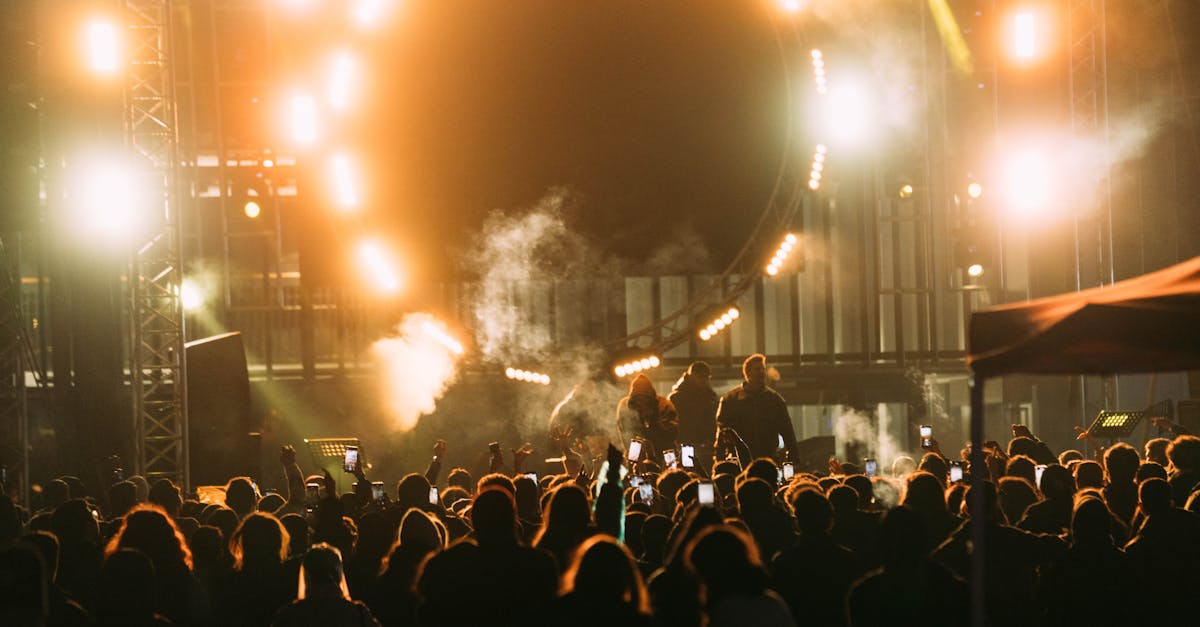
Melbourne International Jazz Festival is a 10-day showcase held in early June at venues including Hamer Hall, the Melbourne Recital Centre, and Bird’s Basement. International headliners plus Australian jazz greats. Ticket prices $45–$150 depending on venue.
July — Rising Festival and Open House
Rising is Melbourne’s winter arts festival, replacing the former White Night Melbourne. Think large-scale installations, immersive art, international performance, music shows, and weird-and-wonderful late-night activations across the CBD. A great reason to visit Melbourne in winter.
Open House Melbourne (late July) opens 200+ architecturally significant buildings to the public, free of charge. Perfect for design-minded visitors.
August — Melbourne International Film Festival
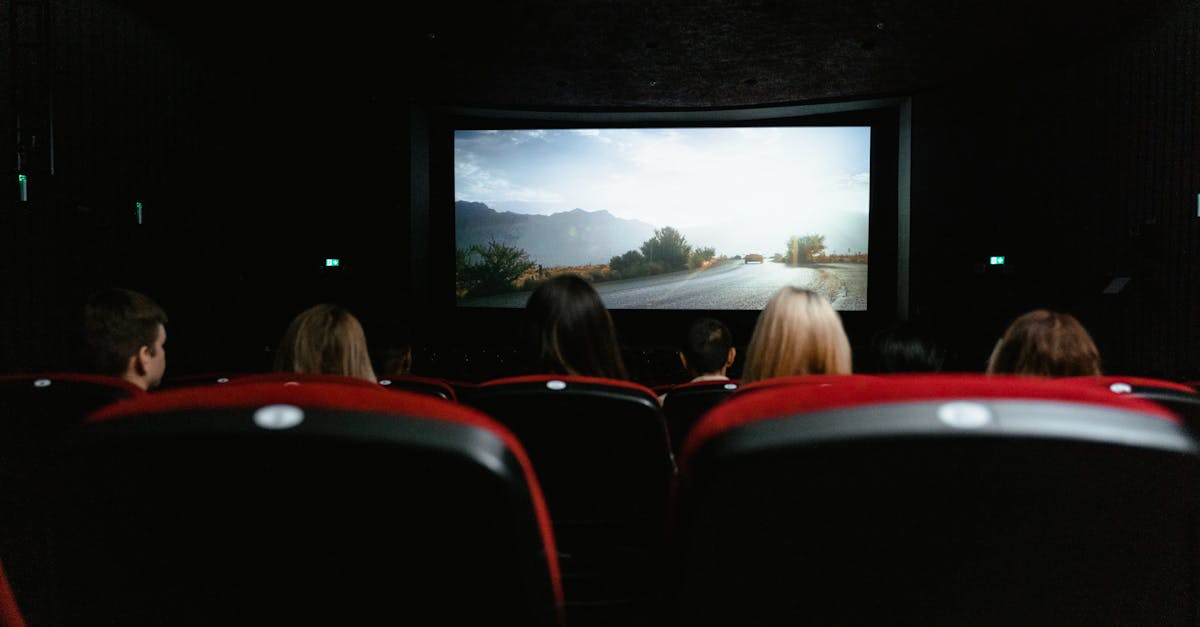
MIFF runs 17 days in August across venues including ACMI, The Forum, the Capitol Theatre, and suburban cinemas. It’s one of the largest and oldest film festivals in the Southern Hemisphere, screening 250+ films including Australian and international premieres. MIFF Play streaming extends access nationally.
September — AFL Grand Final and Melbourne Fringe
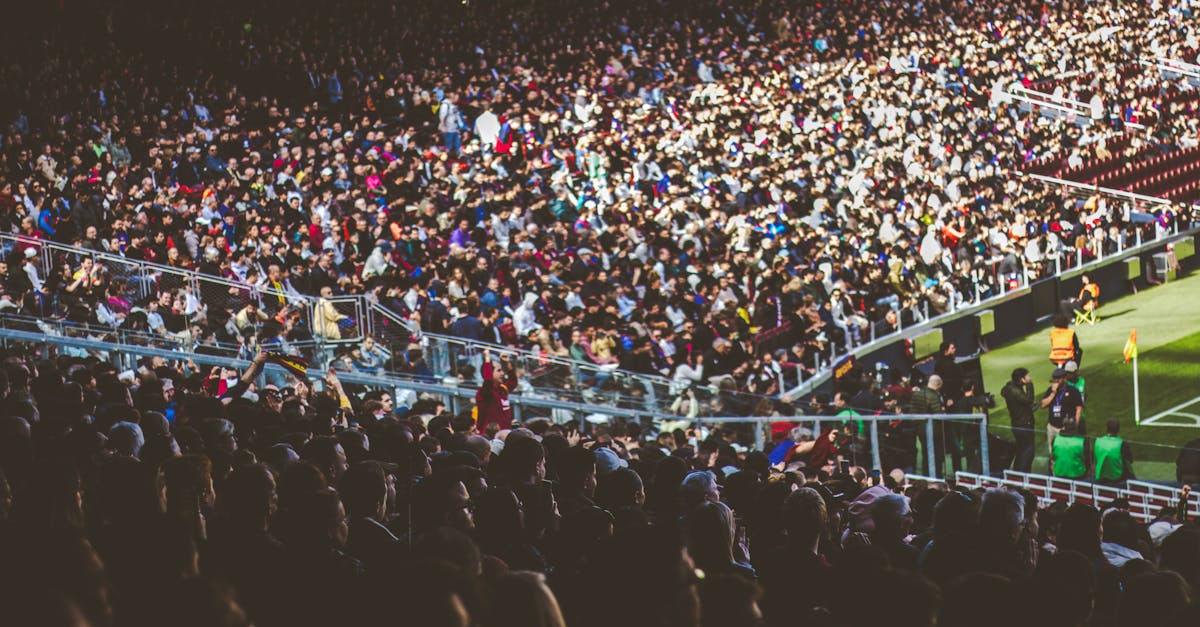
AFL Grand Final
The AFL Grand Final is held at the MCG on the last Saturday of September, drawing 100,000 fans and a TV audience in the millions. It’s Melbourne’s single biggest sporting day — even if you can’t get a ticket, the city’s atmosphere is extraordinary, with the Grand Final Parade on the Friday morning down Swanston Street. The Grand Final Eve is a public holiday in Victoria.
Grand Final tickets are extremely hard to come by — they’re mostly allocated to AFL members. Secondary market tickets start around $500 and quickly run into the thousands.
Melbourne Fringe Festival
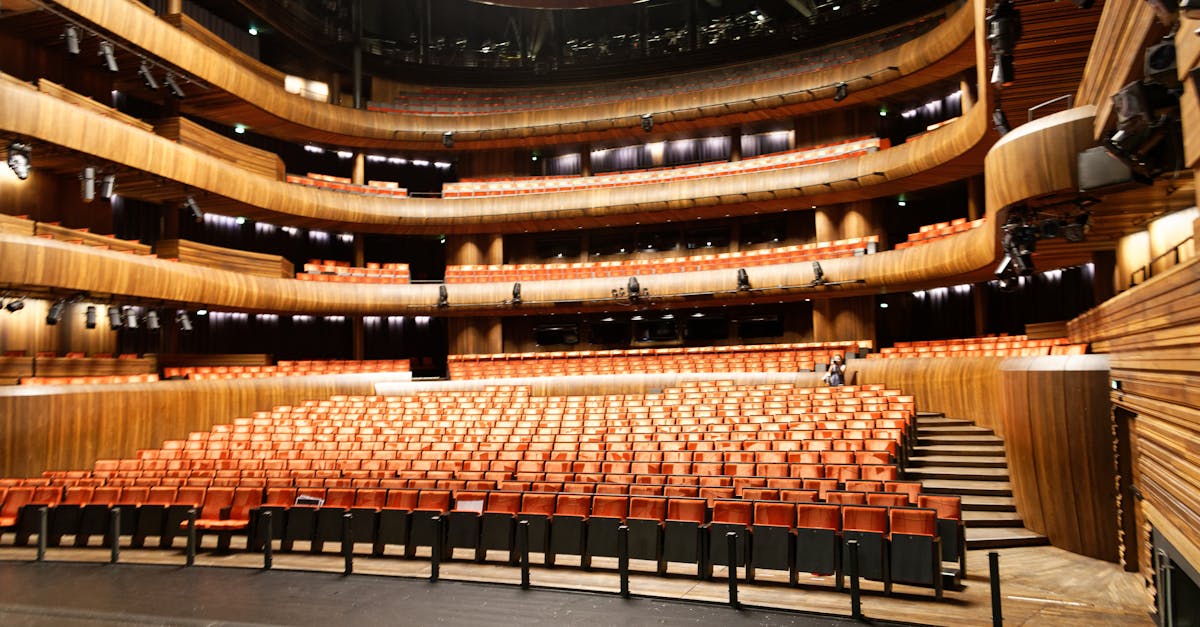
Melbourne Fringe Festival runs across three weeks in September, showcasing independent artists across theatre, comedy, dance, circus, music and visual arts. 450+ events, most under $30. Great for adventurous audiences willing to take chances on unknown performers.
October — Royal Melbourne Show
The Royal Melbourne Show is Victoria’s largest agricultural show, held over 11 days in late September / early October at the Melbourne Showgrounds. Think carnival rides, livestock competitions, wood chopping, the famous showbags (bags of themed branded treats), rodeos, and fireworks. Family-friendly, atmospheric, and a quintessentially Melbourne experience.
Spring Racing Carnival also starts in October with Caulfield Cup and Cox Plate leading into the bigger Melbourne Cup Carnival in November.
November — Melbourne Cup Carnival
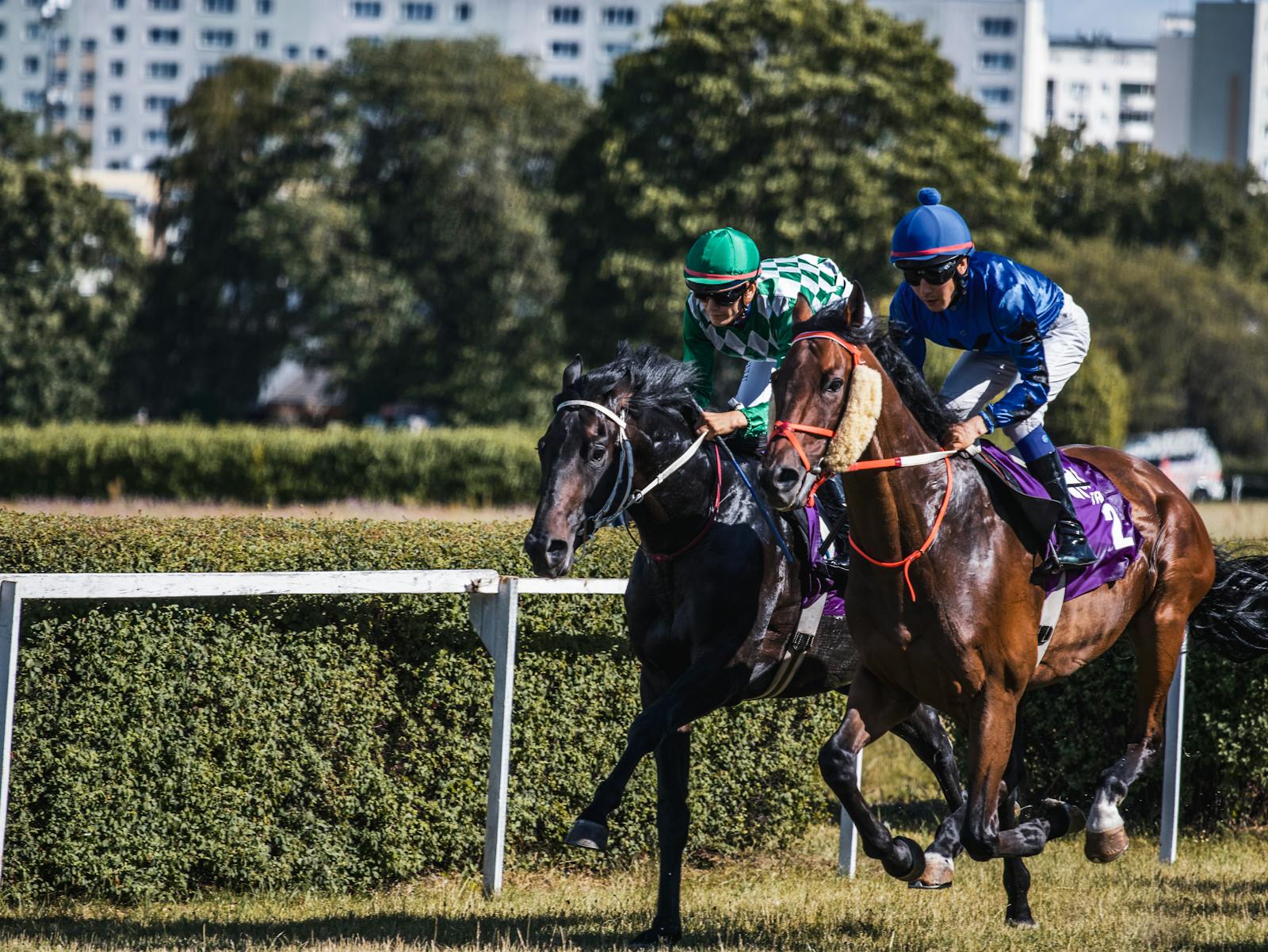
“The race that stops the nation” is run on the first Tuesday in November at Flemington Racecourse. The 2026 Melbourne Cup is Tuesday 3 November. The broader Melbourne Cup Carnival spans four days:
- Derby Day (Saturday 31 October 2026) — traditional black-and-white dress code.
- Melbourne Cup Day (Tuesday 3 November) — the main event and public holiday in metropolitan Melbourne.
- Oaks Day (Thursday 5 November) — “Ladies Day”.
- Stakes Day (Saturday 7 November) — family-focused.
General Admission from $58; Members’ Stands from $250. Book Flemington trains well ahead (Flinders Street to Flemington Racecourse via a dedicated race-day service). Dress codes are enforced — Derby Day is formal black/white, Cup Day morning suits and tailored daywear, with fascinators or hats essential in the Members’ enclosures.
December — Boxing Day Test and New Year’s Eve
Boxing Day Test cricket
The MCG Boxing Day Test is one of cricket’s great institutions — Australia plays a touring international side starting 26 December, with up to 100,000 fans across the five days. Day 1 tickets from $50 general admission; grandstand from $125. Attend even one day — the atmosphere is iconic.
New Year’s Eve
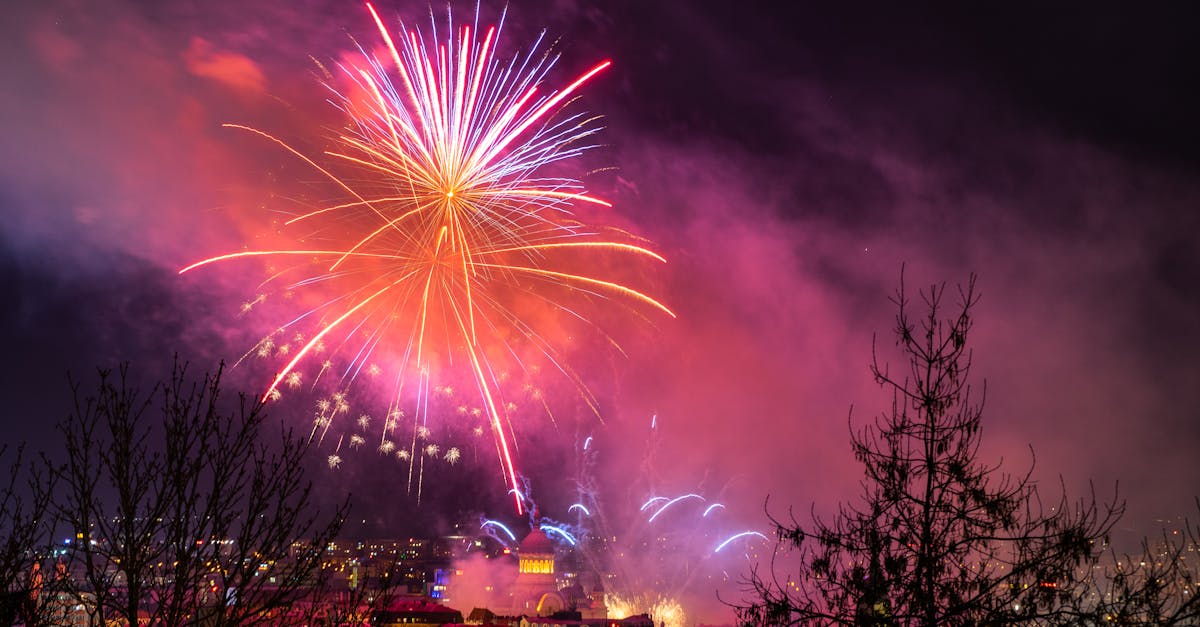
Melbourne’s NYE is free to attend along the Yarra and Southbank. Family fireworks at 9:30 pm; full midnight show launched from CBD skyscraper rooftops. Prime viewing: Birrarung Marr, Alexandra Gardens, Southbank Promenade, Princes Bridge. Public transport runs all night.
Hotel pricing and event timing
These are the weeks to expect significantly higher accommodation rates — and booking 2–4 months ahead:
| Period | Event | Premium |
|---|---|---|
| Mid-Jan to early Feb | Australian Open | +40-80% |
| Mid-to-late March | F1 Grand Prix + Comedy | +30-60% |
| Grand Final weekend (Sept) | AFL Grand Final | +50-100% |
| Melbourne Cup week (Nov) | Spring Racing Carnival | +40-80% |
| 26 Dec – 1 Jan | Boxing Day Test + NYE | +30-60% |
Conversely, June and early July offer the best hotel deals as most events are smaller. See our full breakdown in best time to visit Melbourne.
Booking tickets — practical tips
- Official websites first. Most major Melbourne events sell directly through their official websites. Secondary markets (StubHub, Viagogo) are legal but often much more expensive and carry risk.
- Ticketmaster handles AO, F1, and most AFL ticketing.
- Ticketek handles AFL Grand Final, some cricket, and some theatre.
- flemington.com.au for all Melbourne Cup Carnival tickets.
- Pre-sales: AFL members get Grand Final priority; AO subscribers get early access; MICF mailing list gets advance bookings. Sign up 6+ months ahead if you’re event-chasing.
- Late-release tickets for sold-out events often appear in the final 48 hours — worth checking official resale.
Smaller but still worthwhile events
- White Night Ballarat / Geelong — travels between regional cities.
- Melbourne Fashion Week (March) — runway shows plus open studios.
- Night Noodle Markets (October) at Birrarung Marr — 40+ hawker stalls under the stars.
- Sidney Myer Music Bowl free concerts (summer) — free MSO performances.
- St Kilda Festival (February) — free beachside music festival.
- Tropfest Melbourne — short-film event.
- Good Food Month (November) — city-wide restaurant specials.
Free events in Melbourne: what costs nothing
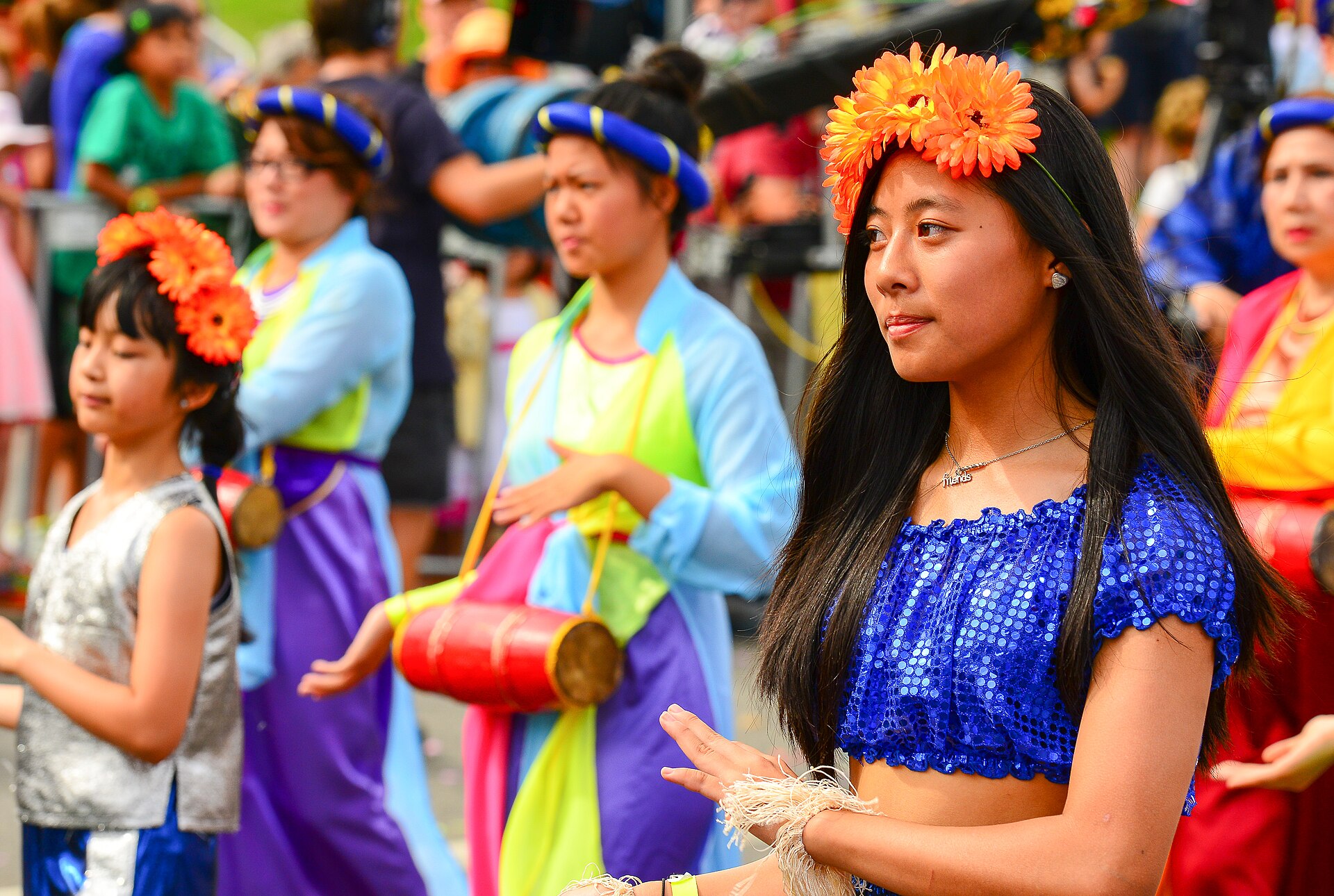
A surprising share of Melbourne’s biggest events charge nothing at the gate. If your trip is built around free entertainment, these are the ones to plan around — and several of them are the city’s most-attended events of the year, bigger than most ticketed festivals.
- Moomba Festival (March, Labour Day long weekend) — entirely free. Carnival rides on Birrarung Marr are individually ticketed, but the parade, the waterskiing on the Yarra, the Birdman Rally and the fireworks cost nothing. The Moomba parade is Australia’s largest free community festival.
- St Kilda Festival (February) — a free two-day music festival along the St Kilda foreshore, with multiple stages of Australian acts. Get there by tram 96 and expect the beach end to be packed by early afternoon.
- Antipodes Festival (late February) — the Greek festival on Lonsdale Street, now in its fourth decade, draws around 145,000 people across a weekend with free entry, three stages and more than a hundred food stalls.
- Lunar New Year in Chinatown (late January or February, depending on the lunar calendar) — dragon dancing, firecrackers and street food along Little Bourke Street, free to attend.
- Winter Night Market at Queen Victoria Market — free entry on Wednesday evenings through the colder months; you only pay for what you eat and drink.
- Melbourne Fringe — the festival itself is ticketed, but the Fringe programme always includes a substantial free strand of street performance and outdoor work.
- New Year’s Eve fireworks — the city’s 9pm family fireworks and midnight display are free to watch from a dozen public vantage points.
- AFL Grand Final Footy Festival — four days of free activities in Yarra Park beside the MCG, open from 9am on Grand Final day itself even if you have no match ticket.
Beyond the marquee names, the City of Melbourne programmes free outdoor cinema, live music in laneways and pop-up performance throughout the year. If you want more no-cost ideas outside of festival season, our guide to free things to do in Melbourne covers the permanent options.
Melbourne sport calendar: every major fixture in one view
Melbourne calls itself the sporting capital of Australia and the calendar backs it up: the city hosts a Grand Slam, a Formula 1 round, the AFL Grand Final, a Test match and the world’s most famous handicap horse race, all within a twelve-month cycle. If sport is the reason you are coming, this is the year at a glance.
| Event | When | Venue | Ticket notes |
|---|---|---|---|
| Australian Open | Mid-to-late January | Melbourne Park | Ground Pass from $49; on sale from August the year before |
| Australian Grand Prix | March or April (see 2027 note below) | Albert Park | Four-day passes sell out; general admission cheapest |
| AFL home-and-away season | March to August, most weekends | MCG and Marvel Stadium | Walk-up tickets usually available for non-blockbuster games |
| AFL Grand Final | Late September, 2.30pm Saturday | MCG | Effectively impossible for visitors; members and club ballots only |
| Melbourne Cup Carnival | Late October to early November | Flemington | General admission under $100; under-12s free with a ticketed adult |
| Boxing Day Test | 26–30 December | MCG | Via Ticketek; day one is the one that sells |
Two additions worth knowing about for the current season. The MCG hosts an NFL regular-season game on Friday 11 September 2026 — the San Francisco 49ers against the Los Angeles Rams, the first NFL regular-season fixture ever played in Australia, with a free Kickoff Festival at Melbourne Park across 10–12 September. And the Boxing Day Test on 26–30 December 2026 is Australia against New Zealand, the third Test of a four-match series.
Getting around on event days: closures, extra services and free travel
Event-day transport in Melbourne is genuinely well organised, but only if you know what changes. The single most useful thing to understand is that driving to a major event is almost always the wrong choice — parking around the MCG, Flemington and Albert Park is either closed or extortionate on event days.
- Getting to the MCG. Trains to Jolimont, Richmond or East Richmond, or trams 48, 70 and 75 along Wellington Parade. Jolimont is the closest but the most congested after a match; walking back to Flinders Street through Birrarung Marr is often faster than queuing.
- Extra services. On AFL Grand Final day the network runs around 38 additional metro train services and up to 184 extra trams. Similar boosts apply for the Grand Prix, Cup Day and New Year’s Eve.
- Free travel on Grand Final day. The Free Tram Zone is extended out to the MCG along routes 48, 70 and 75, so you can reach the ground from the CBD without touching on.
- Road closures. Expect Wellington Parade, Jolimont Road and Brunton Avenue to close around the MCG on big match days. Albert Park’s circuit roads close for around a week either side of the Grand Prix, which reroutes trams and buses through South Melbourne.
- Fares are currently half price. Victorian public transport is running at half fare for everyone from 1 June 2026 until 1 January 2027, dropping the full-fare daily cap from $11.40 to $5.70. SkyBus is excluded. See our public transport guide and myki explainer for how to set up.
One practical warning: on Friday and Saturday nights the Night Network runs all night, but on Sunday to Thursday the last trains leave the city around midnight and the City Loop stations shut before that. If an event finishes late midweek, plan the trip home before you go out.
Where to watch if you can’t get tickets
Some Melbourne events are effectively closed to visitors. The AFL Grand Final is the clearest example — the overwhelming majority of the 100,000 seats go to club members and MCC members, and a tourist arriving in September has close to no realistic chance of a ticket at face value. That is not the disaster it sounds like, because watching in the city is a genuine experience in itself.
- Federation Square big screen — free, broadcasts the Grand Final from around midday, and the crowd atmosphere is excellent. Arrive early for a spot with a view.
- Birrarung Marr — a second big screen with more room to spread out on the grass, five minutes from Fed Square.
- Yarra Park Footy Festival — free, right beside the MCG, with the match on screens and the roar of the actual ground audible next door.
- Pubs — every pub in the city shows the big games, but the good ones fill by late morning on Grand Final day. Book a table if the venue takes bookings, or go to a suburban pub in St Kilda or Richmond rather than fighting for space in the CBD.
The same logic applies to the Melbourne Cup: if Flemington is sold out or over budget, the city’s pubs and bars run Cup Day events with screens, and the whole of metropolitan Melbourne has the day off, so the atmosphere spills onto the street.
Multicultural and community festivals
Melbourne’s migration history produced one of the most culturally varied festival calendars in the southern hemisphere, and this layer of the programme is the one international visitors most often miss because it does not get the tourism-board budget the sporting events do. Most of these are free.
- Antipodes Festival (late February, Lonsdale Street) — the Greek precinct closes to traffic for a weekend of dancing, music and food. Around 145,000 people attend and entry is free.
- Lunar New Year (late January or February) — Chinatown on Little Bourke Street, plus significant celebrations in Box Hill and Springvale that most tourists never see.
- Diwali (October or November) — Federation Square hosts the main public celebration, with lights, dance and food stalls.
- Italian and Spanish street festivals — Lygon Street in Carlton and Johnston Street in Fitzroy both host community festivals tied to their historic migrant communities.
- Yirramboi Festival — a First Nations arts festival that runs biennially, programming work by Aboriginal and Torres Strait Islander artists across the city. For year-round options see our guide to Indigenous culture experiences in Melbourne.
Events for families and kids
Melbourne’s event calendar is unusually family-friendly, partly because so much of it is outdoors and free. The timing question matters most: Victorian school holidays bring both a surge in family programming and a surge in prices.
| Event | When | Why it works with kids |
|---|---|---|
| Moomba Festival | March long weekend | Riverside carnival, free parade, waterskiing — the single best family event of the year |
| Melbourne Royal Show | Late September to early October | Eleven days of animals, showbags and rides; falls inside the spring school holidays |
| New Year’s Eve | 31 December | The 9pm fireworks exist specifically so families don’t have to stay up to midnight |
| St Kilda Festival | February | Free, beachside, and Luna Park is a two-minute walk away |
| Melbourne Fringe | Late September to October | Has a dedicated kids and all-ages strand within the wider programme |
Victorian school holiday periods in 2026 run 28 March to 13 April, 27 June to 12 July, and 19 September to 4 October. Visiting inside those windows means more children’s programming and busier attractions; visiting just outside them means cheaper accommodation and shorter queues. Our guide to Melbourne with kids covers the year-round options.
Choose your event by interest
If you already know what you like, this is the fastest way to work out when to come.
| If you’re into… | Come for | Best months |
|---|---|---|
| Food and wine | Melbourne Food & Wine Festival, Winter Night Market | March; June–September |
| Comedy | Melbourne International Comedy Festival | Late March to mid-April |
| Film | Melbourne International Film Festival | August |
| Live music | Melbourne Music Week, RISING, St Kilda Festival | February; May–June; November |
| Art and design | NGV Winter Masterpieces, Melbourne Design Week | May; June–October |
| Racing and fashion | Melbourne Cup Carnival | Late October to early November |
| Theatre and cabaret | Melbourne Fringe, Midsumma | January–February; September–October |
For art and theatre outside festival season, our arts and culture guide and theatres guide cover the permanent programme.
Suburban and neighbourhood festivals
The CBD gets the headline events, but some of Melbourne’s most enjoyable festivals happen in the inner suburbs, where they are smaller, cheaper and considerably less crowded.
- St Kilda — the February festival is the big one, but the suburb also runs a film festival and regular foreshore markets. Combine with a day at the beach and Luna Park.
- Brunswick — Sydney Road hosts an annual street party, and the suburb’s live music venues run their own mini-festivals through the year.
- Footscray — the west’s food festivals showcase Vietnamese and East African cooking that rarely gets a CBD platform.
- Carlton — Lygon Street’s Italian festival, plus programming attached to the university and Melbourne Museum.
- Williamstown — seaside festivals and a maritime programme, reachable by ferry or train for a half-day out.
These suburbs are all worth visiting regardless of what’s on — see our neighbourhoods guide for what each one is like day to day.
Accessible events in Melbourne
Melbourne’s major venues and festivals are better than most on access, and the City of Melbourne’s official events database lets you filter by a long list of access features. What to look for when booking:
- Accessibility pre-sales. The Australian Open runs a dedicated accessibility pre-sale ahead of general public on-sale, which is the reliable way to secure wheelchair-accessible seating rather than hoping for returns.
- Auslan-interpreted and relaxed performances. Melbourne Fringe, the Comedy Festival and the major theatres all schedule these, but they are single sessions — check the programme early rather than assuming.
- Companion Card. Victorian venues widely accept the Companion Card scheme, which provides a second ticket at no cost for an attendant. International equivalents are not always recognised, so contact the venue before travelling.
- Accessible transport. All trams on routes 96, 19, 86 and 109 include low-floor accessible vehicles, but not every stop is a raised platform. Plan the specific stop, not just the route.
Looking ahead: confirmed 2027 dates
If you are planning further out, several of Melbourne’s 2027 fixtures are already locked in and on sale. Booking this far ahead is genuinely worth it for the Australian Open and the Grand Prix, where accommodation prices climb steeply as the date approaches.
| Event | 2027 dates | Status |
|---|---|---|
| Australian Open | 11–31 January 2027 | Confirmed. Opening Week 11–16 January; main draw from Sunday 17 January; singles finals 30–31 January |
| Moomba Festival | Labour Day long weekend, early March | Expected but not officially confirmed at time of writing |
| Melbourne Food & Wine Festival | Mid-to-late March | Not yet officially confirmed |
| Melbourne International Comedy Festival | 24 March – 18 April 2027 | Confirmed |
| Australian Grand Prix | Around early April 2027 | Not confirmed. Melbourne loses the season-opening slot to Bahrain and becomes round three; the full 2027 calendar has not been finalised |
Australian Open 2027 tickets went on public sale in August 2026, with Ground Passes starting from $49 — a price that has not moved in several years. Early-bird pricing runs until the end of November 2026, and for the first time daily Ground Pass allocations are capped, so the walk-up option that used to always work is no longer guaranteed. If the Open is the reason for your trip, buy before you book flights.
Beyond festivals: exhibitions, theatre and one-off spectacles
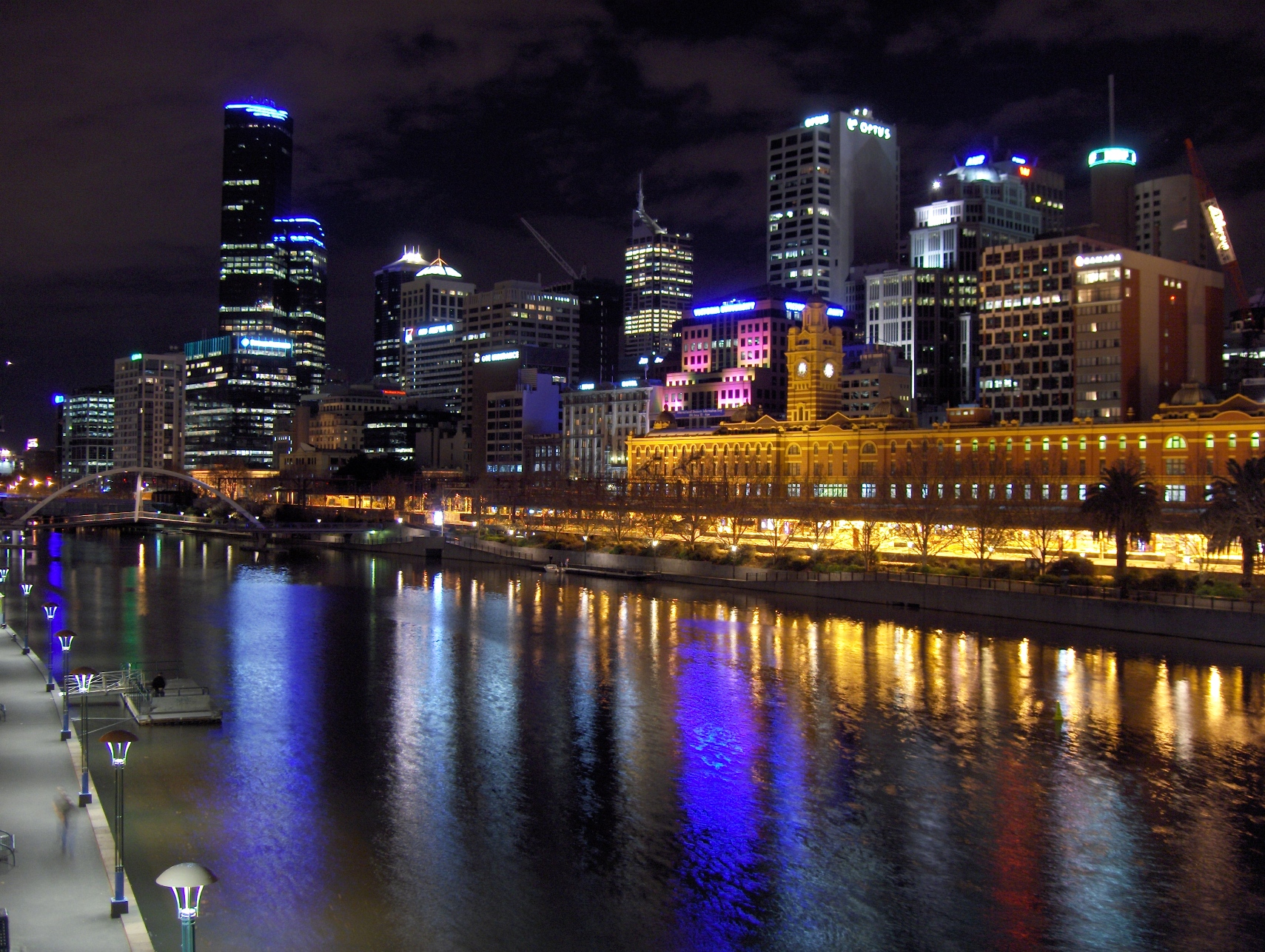
Melbourne’s events calendar is not only festivals and sport. A large part of what fills the city’s venues sits outside both categories, and these are often easier to get tickets for at short notice.
- NGV Winter Masterpieces — a single blockbuster international exhibition runs at the National Gallery of Victoria each year from around June to early October. It is the cultural event of the Melbourne winter and routinely draws crowds that rival any festival. Ticketed separately from the gallery’s free permanent collection. See our NGV guide.
- Melbourne Design Week — ten days in May built around the NGV, with several hundred events across the city, most of them free.
- Long-run musicals and theatre — Melbourne is Australia’s musical theatre capital, and the Princess, Regent, Her Majesty’s and Comedy theatres run major productions year-round rather than seasonally. Our theatres guide covers the venues.
- Opera and orchestral seasons — the Arts Centre and Hamer Hall programme continuously, and tickets are frequently available a day or two out.
- One-off international fixtures — Melbourne increasingly lands events that have never been held in Australia before, most recently an NFL regular-season game at the MCG. These are announced a year or more ahead and sell fast.
The practical advantage of this layer is flexibility. If your dates do not line up with a festival, there will still be something substantial on — and unlike the Grand Final or Cup Day, you can usually book it a week before you fly.
FAQs: Melbourne events and festivals
What’s the biggest event in Melbourne?
By attendance, the Australian Open is Melbourne’s largest single event, drawing 800,000+ visitors across three weeks. By cultural stature, the AFL Grand Final and Melbourne Cup are the city’s most emblematic single days.
When is the Melbourne Cup 2026?
Tuesday 3 November 2026, with the broader Spring Racing Carnival running from late October through to 7 November. Melbourne Cup Day is a public holiday in metropolitan Melbourne.
When should I book accommodation for major events?
Book accommodation 4-6 months ahead for the Australian Open finals week, AFL Grand Final weekend, and Melbourne Cup week. For other events 2-3 months is usually sufficient.
Are any Melbourne events free?
Yes — Moomba in March is Australia’s largest free community festival. NYE fireworks are free. St Kilda Festival is free. Open House Melbourne is free. Many Rising installations are free. Portions of MICF (like free outdoor shows) are free.
What month has the most Melbourne events?
March is the single busiest month, with the F1 Grand Prix, Melbourne Food and Wine Festival, and Moomba overlapping. Expect peak hotel pricing but a phenomenal atmosphere.
Is the Melbourne Cup worth attending as a tourist?
Yes — it’s a distinctively Australian experience and the atmosphere at Flemington is electric. Book Grand Admission tickets early and pre-arrange a dress-code-appropriate outfit. Derby Day (Saturday before Cup Day) is often a richer racing experience with slightly smaller crowds.
How do I get AFL Grand Final tickets as a tourist?
The AFL Grand Final is notoriously difficult. Club members get priority; general-public tickets are limited. The secondary market (StubHub) is viable but expensive. The Grand Final Parade (Friday before) is free and gives a real sense of the occasion.
Can I go to the F1 Grand Prix without a car?
Yes — Albert Park is a 20-minute walk from the CBD or a short tram ride (route 96 or 12). Trams run more frequently on GP days. No-car-needed.
When do Australian Open tickets go on sale, and how much is a Ground Pass?
Tickets for the following January’s Open typically go on public sale the previous August, with Mastercard and AO Extras pre-sales in the days before, and an accessibility pre-sale earlier still. A Ground Pass — which gets you into Melbourne Park and every outside court, but not Rod Laver Arena — starts from $49, a price that has been held for several years. Early-bird pricing usually runs until late November. Note that daily Ground Pass allocations are now capped, so turning up on the day without a ticket is no longer a reliable plan.
Is Melbourne Cup Day a public holiday?
Yes, in metropolitan Melbourne. The first Tuesday in November is a public holiday across the greater Melbourne area, which means banks, offices and some shops close, and the city has a distinctly festive, half-shut feel. It is not a public holiday across all of Victoria — some regional councils substitute a different day for a local event — and it is not a public holiday anywhere else in Australia. For visitors, the practical effect is that public transport runs to a Sunday timetable and restaurants may apply a public holiday surcharge.
How far in advance should I book accommodation for a major event?
For the Grand Prix, Australian Open finals weekend and Melbourne Cup week, book three to six months out. The price effect is not subtle: analysis of the Grand Prix period found average daily hotel rates hitting around $410, roughly double the rate the week before. If you are travelling on a fixed budget and your dates are flexible, moving your trip by a single week either side of a marquee event is the single biggest saving available to you. Our accommodation guide covers which areas hold their value best.
How do I get to the MCG on a big event day?
Take the train to Jolimont, Richmond or East Richmond, or trams 48, 70 or 75 along Wellington Parade. Do not drive — the roads immediately around the ground close and parking is minimal. On AFL Grand Final day the Free Tram Zone extends out to the MCG along those three tram routes, so the trip from the CBD costs nothing. Extra trains and trams are scheduled for every major fixture. Walking from Flinders Street Station through Birrarung Marr takes about 20 minutes and is often the fastest way out after a match.
Are there Melbourne festivals in winter, or is it all summer?
Melbourne deliberately programmes through winter, which is unusual for an Australian city. June to August brings the Melbourne International Jazz Festival, RISING, the NGV’s Winter Masterpieces blockbuster exhibition, the Melbourne International Film Festival in August, and the Winter Night Market at Queen Victoria Market. Winter is also the cheapest time to visit and the least crowded. If you don’t mind the cold and the rain, it is arguably the best value window of the year — see our guide to Melbourne in winter.
Which Melbourne events are wheelchair accessible?
All the major venues — the MCG, Melbourne Park, Flemington, Marvel Stadium and the Arts Centre — have accessible seating, but the volume is limited and it sells out first. The Australian Open runs a dedicated accessibility pre-sale ahead of general on-sale, which is the most reliable route. Festivals including Melbourne Fringe and the Comedy Festival schedule Auslan-interpreted and relaxed performances, though usually only one session per show. The City of Melbourne’s official events listings let you filter by specific access features, which is worth using rather than relying on a general “accessible” label.
Planning your Melbourne events and festivals visit
Melbourne events and festivals are spread densely enough that virtually any trip will overlap with at least one notable happening. If you’re actively planning around a specific event, build in an extra day on either side to absorb ticket pickup, queuing, and the post-event city buzz. Book accommodation early, choose a central location, and follow the official event websites for the latest on dates and ticket drops.
Combine your event day with one of our other pillar guides: best restaurants in Melbourne, where to stay in Melbourne, and best day trips from Melbourne for the full itinerary.