Best Time to Visit Melbourne: Month-by-Month Weather & Events Guide (2026)
- Words
- Melbourne Tourism Guide
- Updated
- August 20, 2026
- Read
- 23 min
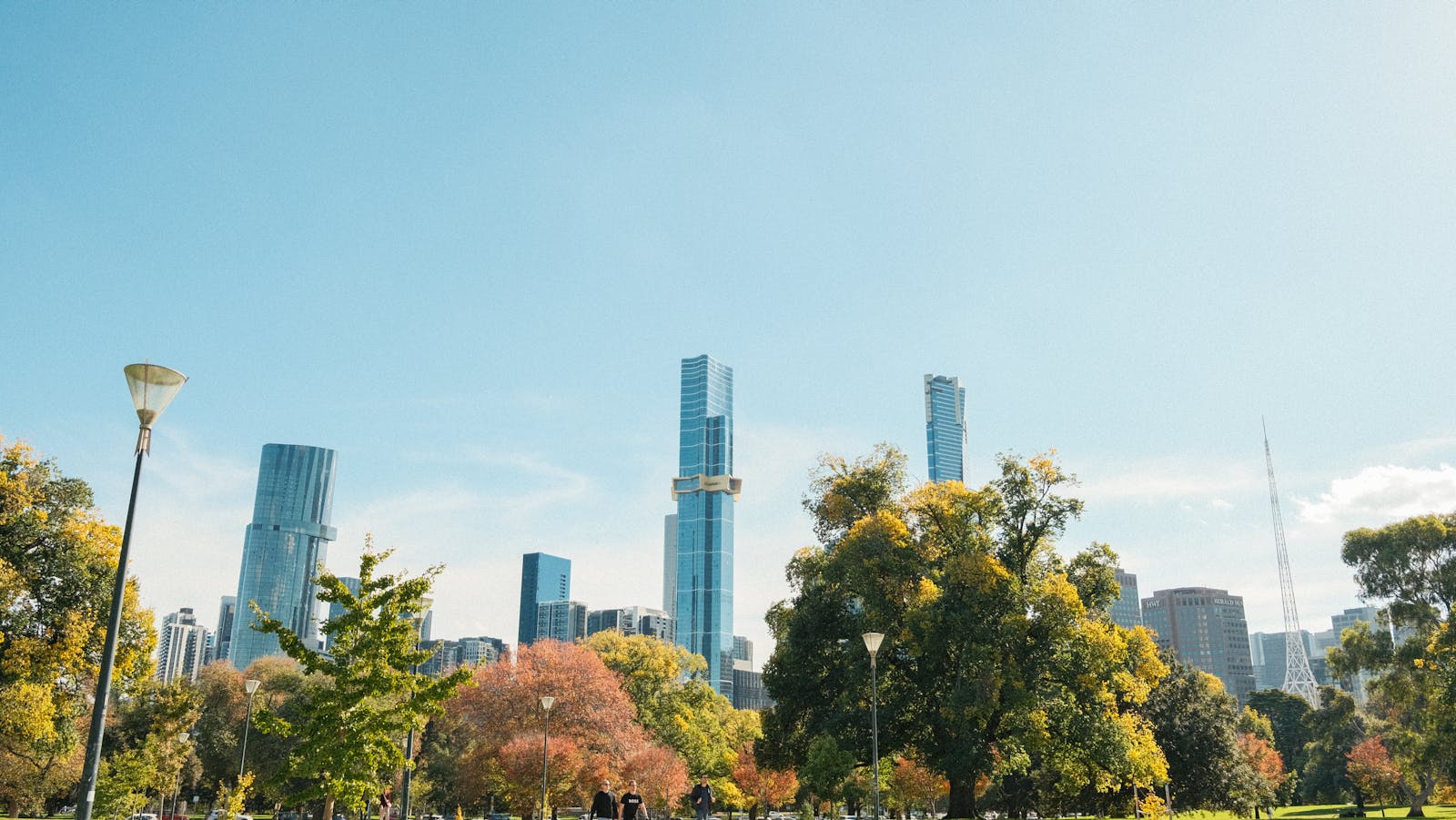
The best time to visit Melbourne is March–May (mild autumn, festivals, fewer crowds) or September–November (spring blossoms, Melbourne Cup). This month-by-month 2026 guide covers weather, events, school holidays, packing tips, and the dates to avoid.
This article contains advertising. Our booking links are routed through a partner that adds commission tracking automatically, so if you book through one we earn a commission from the provider, at no extra cost to you. It never affects what we recommend. Affiliate disclosure
The best time to visit Melbourne is generally March to May (autumn) and September to November (spring), when daytime temperatures hover between 18°C and 25°C, the festival calendar runs flat out, and crowds are lighter than the December–February peak. Summer (December to February) delivers the warmest beach weather but also the highest prices and biggest school-holiday crowds; winter (June to August) is the cheapest time to visit Melbourne by a wide margin, with hotel rates dropping 30–50% and a surprisingly strong line-up of indoor culture, food and sport.
There is no single wrong month — Melbourne is a four-season city where locals repeat the line “four seasons in one day” as both a joke and a weather forecast. But if you are trying to match a trip to a specific goal — beaches, tennis, skiing-adjacent mountain escapes, low-season deals, roses in the Botanic Gardens — the month you pick matters a lot more than the season.
This 2026 guide breaks the year down month-by-month with official Bureau of Meteorology averages, a hand-built event calendar, school-holiday and public-holiday dates that drive prices, packing lists per season, and a verdict on the best time to visit Melbourne for every kind of traveller — first-timer, family, budget backpacker, foodie, sports fan and long-weekend couple.
Table of Contents
- Quick Verdict: Best Time to Visit Melbourne at a Glance
- Melbourne Climate & Seasons Overview
- Melbourne Weather by Month (Full Table)
- Month-by-Month Visitor Guide
- Summer (December–February): Peak Season Explained
- Autumn (March–May): The Locals’ Favourite
- Winter (June–August): The Cheapest Time to Visit
- Spring (September–November): Racing Carnival & Blossoms
- Annual Events Calendar
- Crowds, Prices & School Holidays
- Best Time to Visit Melbourne for Your Type of Trip
- What to Pack (By Season)
- Dates to Avoid When Choosing the Best Time to Visit Melbourne (and Why)
- Frequently Asked Questions
- Final Recommendation: The Best Time to Visit Melbourne
Quick Verdict: Best Time to Visit Melbourne at a Glance
Short on time? Here is the tl;dr on when to book a Melbourne trip.
- Best overall: Late February to early April, or October. Warm but not hot days, a big event line-up (F1, Comedy Festival, Food & Wine Festival, Spring Racing) and a softer hotel market than peak summer.
- Best for beaches: Mid-December to late February. Water temperatures peak at 19–20°C, the sun sets after 8:30 p.m., and the St Kilda and Brighton foreshore are in full swing.
- Best for sport: Late January (Australian Open — a reason the best time to visit Melbourne for tennis fans is late January) or mid-March (Formula 1 Grand Prix); AFL Grand Final is the last Saturday in September.
- Cheapest time to visit Melbourne: May, June and August — hotel rates fall 30–50% from January peaks.
- Best for families: Late March or late September (Victorian school holidays), when kid-friendly programming ramps up.
- Worst for value: 26 December – 5 January (Christmas / NYE), mid-January (Aus Open), and the Tuesday of Melbourne Cup Week (first week of November).
Melbourne Climate & Seasons Overview
Melbourne sits at latitude 37.8°S, roughly the southern-hemisphere equivalent of Athens or San Francisco. The city has a temperate oceanic climate shaped by three air masses colliding over Port Phillip Bay: hot, dry interior winds from the north; cold Antarctic fronts sweeping up from the Southern Ocean; and moist, moderating sea air from the west. The result is famously unstable day-to-day weather and the tag line every local repeats — “four seasons in one day.”
Annual rainfall is a modest 515 mm spread over 135 rainy days — roughly one rainy day in three, distributed evenly across the year. There is no “wet season” or “dry season” as in tropical Australia, which is why the best time to visit Melbourne is decided less by rainfall than by temperature, daylight and the event calendar.
Melbourne’s seasons follow the Australian calendar:
- Summer: 1 December – 28 February
- Autumn: 1 March – 31 May
- Winter: 1 June – 31 August
- Spring: 1 September – 30 November

Melbourne Weather by Month (Full Table)
The table below uses 30-year averages from the Australian Bureau of Meteorology. High/low figures are daily mean maxima/minima; rainfall is total monthly precipitation; “sun hours” is average daily bright sunshine.
| Month | High (°C) | Low (°C) | Rain (mm) | Rainy days | Sun (hrs/day) |
|---|---|---|---|---|---|
| January | 27 | 14 | 39 | 8 | 8.8 |
| February | 27 | 14 | 41 | 8 | 8.3 |
| March | 24 | 13 | 38 | 8 | 7.3 |
| April | 21 | 10 | 42 | 10 | 6.1 |
| May | 17 | 8 | 34 | 12 | 4.6 |
| June | 14 | 6 | 42 | 13 | 4.0 |
| July | 13 | 6 | 33 | 14 | 4.4 |
| August | 15 | 6 | 39 | 15 | 5.4 |
| September | 17 | 7 | 46 | 14 | 6.2 |
| October | 20 | 9 | 49 | 13 | 7.3 |
| November | 23 | 11 | 60 | 11 | 7.5 |
| December | 25 | 12 | 53 | 10 | 8.5 |
A few take-aways the table makes obvious. Rainfall is almost identical across months (32–60 mm), so “dry season” planning doesn’t work here. Sunshine hours halve between December (8.5/day) and June (4.0/day), which is the real reason winter feels so much shorter. And the hottest month (January/February, 27°C average highs) is only 14°C warmer than the coldest (July, 13°C) — a gentler annual swing than most Northern Hemisphere cities.
Month-by-Month Visitor Guide
The next twelve sections unpack each month: weather, marquee events, what’s open and what’s closed, typical prices, and who Melbourne suits best. If you already know which month you are booking, jump straight to it via the table of contents.
January in Melbourne
Weather: 27°C / 14°C. Australia’s equivalent of July. Expect 2–3 very hot days above 35°C — the long-term average is 8 days over 30°C in January. Ocean temps peak at 19–20°C.
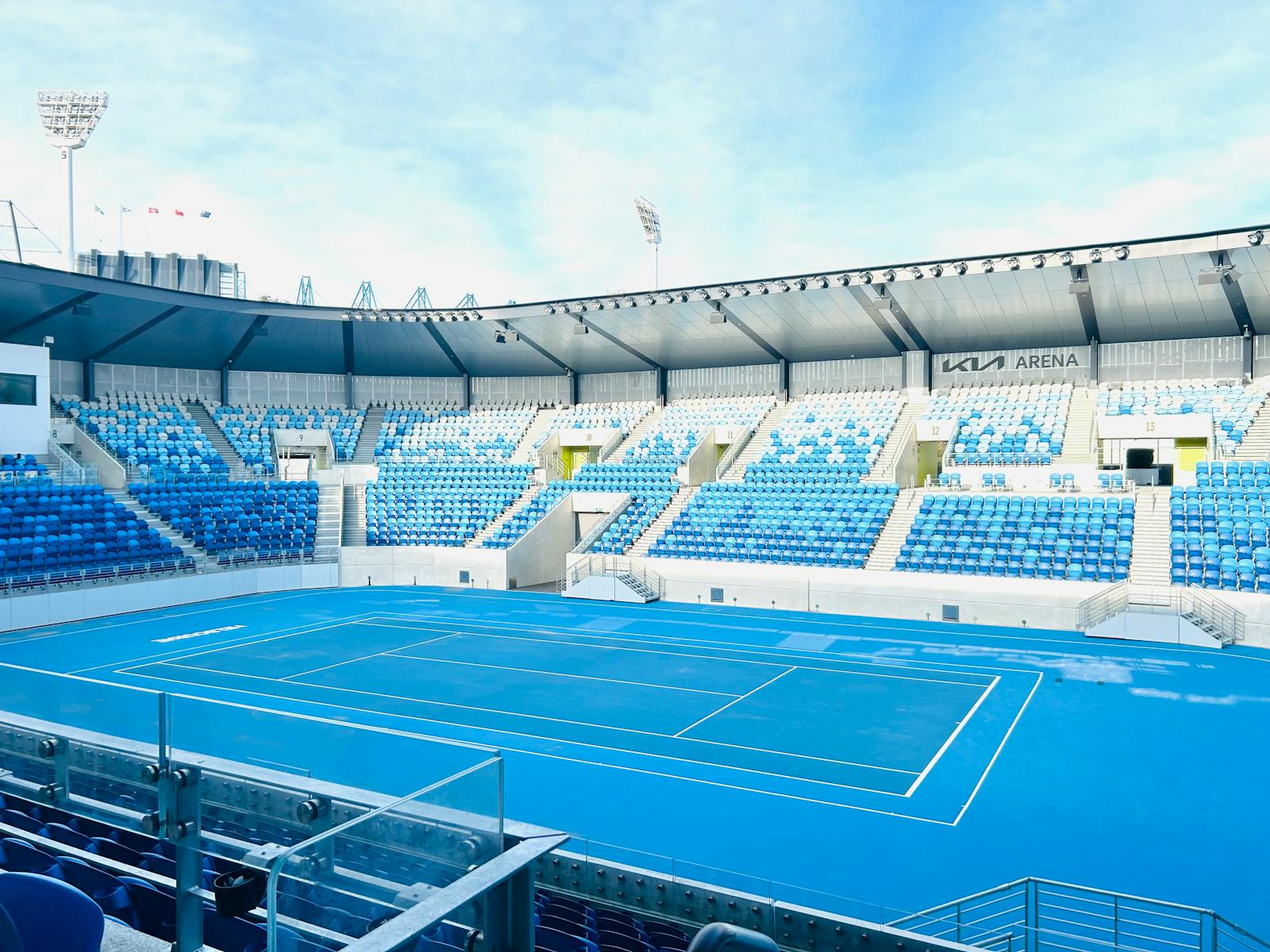
Events: The Australian Open tennis Grand Slam runs for the final two weeks of January at Melbourne Park (ground-pass tickets from AU$49; night sessions sell out a year ahead). The city also hosts Midsumma Festival (the main LGBTQIA+ arts season, mid-January to early February) and the St Kilda Festival (the second Sunday of February, technically — but the build-up dominates late January).
Verdict: Peak-season pricing, peak-season crowds, peak summer heat. If you want tennis or beach weather, January is the answer — just book accommodation 3–6 months ahead. First two weeks of January coincide with Victorian school summer holidays, which keeps beachside suburbs busy. If you are not tennis-obsessed, consider March instead.
February in Melbourne
Weather: 27°C / 14°C. On the numbers, February edges out January as the warmest month — and because school is back, the CBD lunch trade is humming. Ocean temps are at their annual peak (19.5°C average).
Events: St Kilda Festival (second Sunday of February) is Australia’s largest free music festival — 400,000 people fill Acland Street and the foreshore. Midsumma wraps up the first weekend. Chinese New Year celebrations take over Chinatown in late January or early February depending on the lunar calendar.
Verdict: Arguably a better beach month than January because the school-holiday rush has ended (Victorian students return 28 January 2026). Hotel rates soften 10–15% from January peaks. Good pick for first-time visitors who want heat without the Aus Open queues.
March in Melbourne
Weather: 24°C / 13°C. Most locals’ pick for Melbourne’s best weather month. Warm afternoons, cool nights, low humidity, long evenings (sunset ~7:45 p.m. at the start of the month).
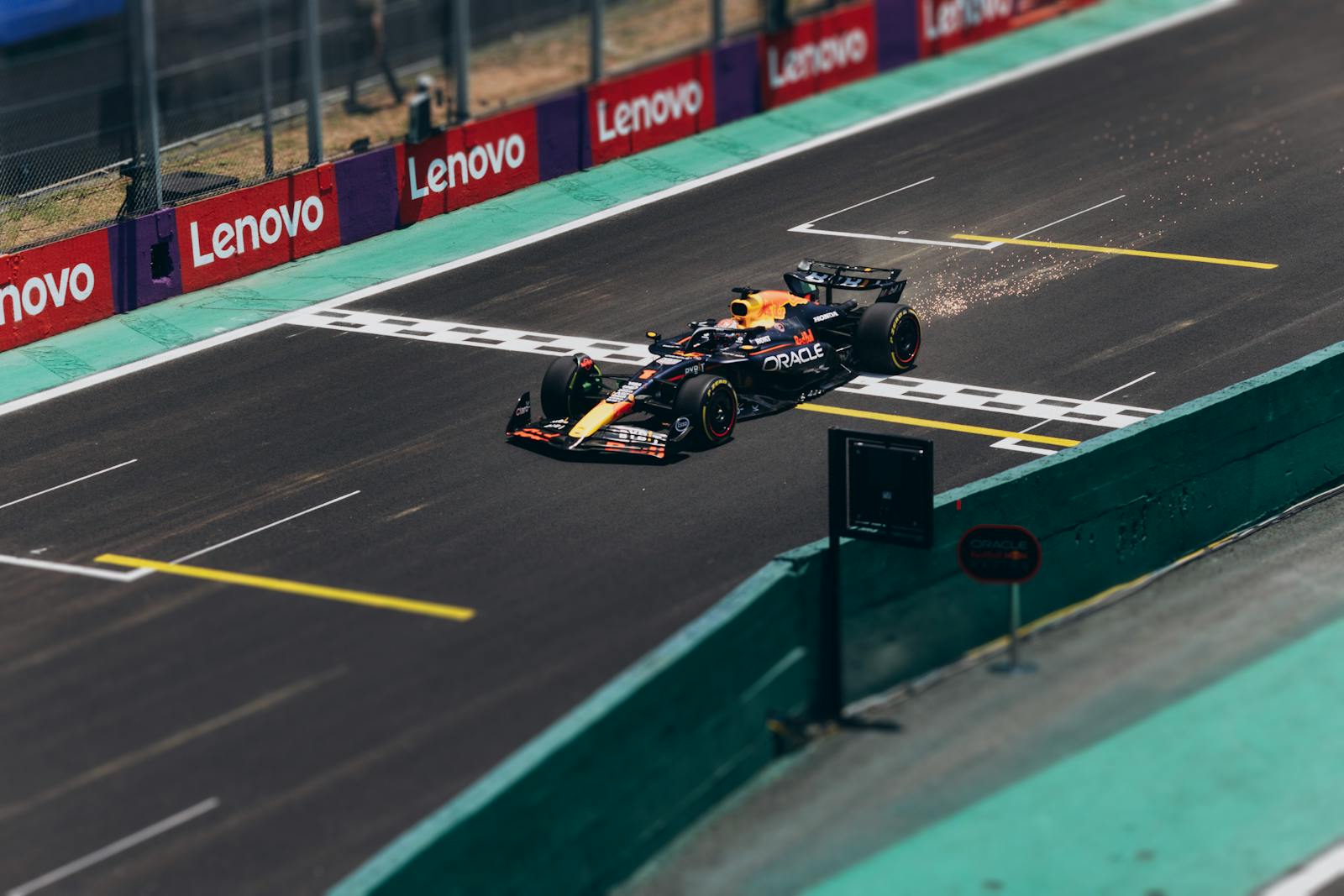
Events: A packed month. The Labour Day long weekend (second Monday) kicks off with the four-day Moomba Festival (fireworks, waterski comp on the Yarra, carnival rides, free). The Australian Grand Prix Formula 1 race takes over Albert Park mid-month. The Melbourne Food & Wine Festival runs all month across 200+ venues. The Melbourne International Comedy Festival — the world’s third-largest — opens in late March and runs into April.
Verdict: If someone asked us to name a single best time to visit Melbourne, it would be mid-to-late March. Great weather, four marquee festivals, school is back, hotel rates have dropped ~20% from summer peaks. The only downsides: Grand Prix weekend lifts prices in the Albert Park / St Kilda Road corridor, and the long weekend causes a spike of domestic tourism.
April in Melbourne
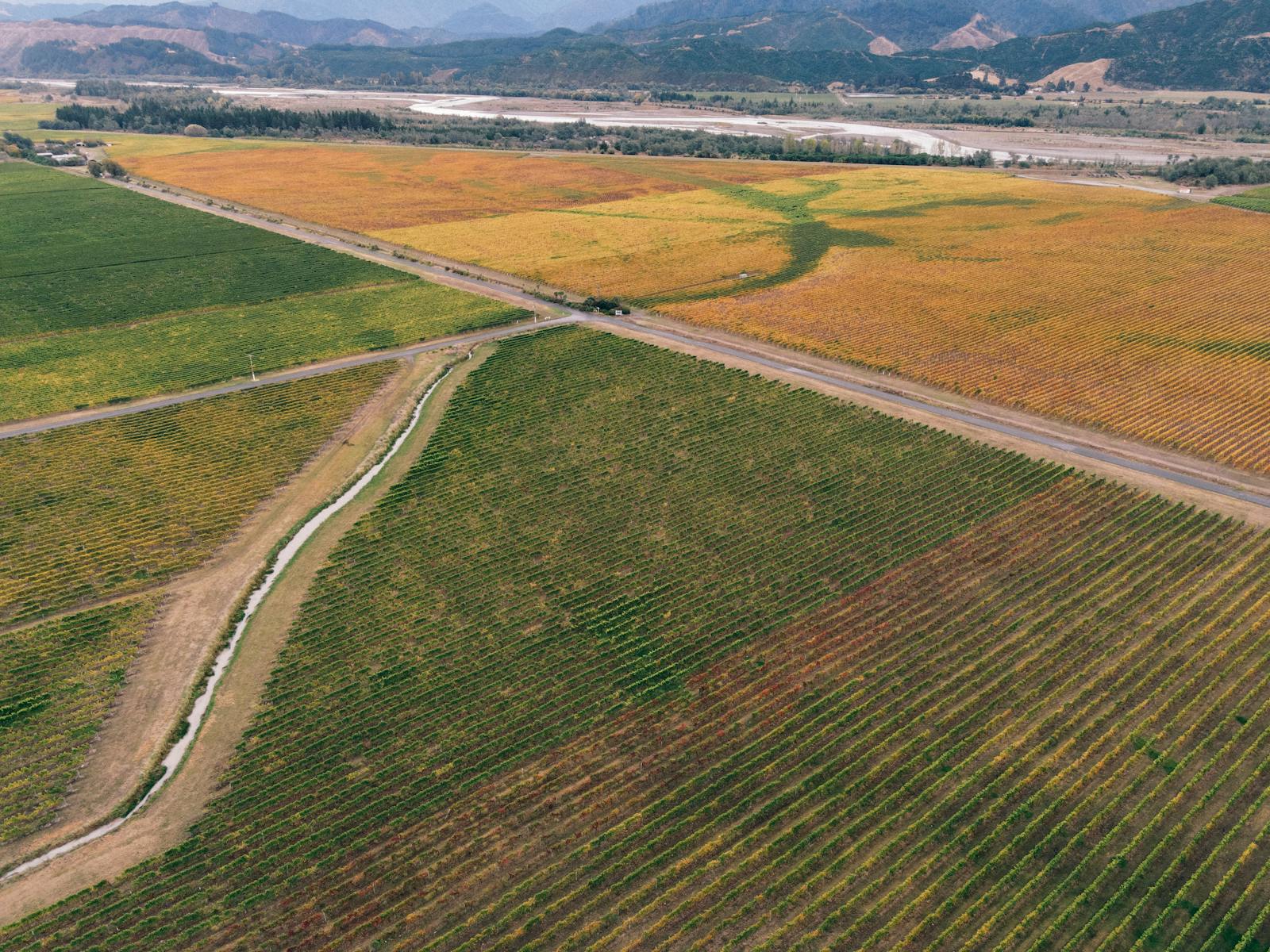
Weather: 21°C / 10°C. Crisp, clear mornings; Queen Victoria Gardens and Fitzroy Gardens blaze with autumn colour from mid-month. Expect one layer of rain a week.
Events: The Comedy Festival peaks the first two weeks. Easter falls 3–6 April 2026 (with Victorian school holidays running 3–19 April). The Royal Melbourne Show-adjacent Easter Sunday Melbourne Food Truck Park at Birrarung Marr is free. Anzac Day (25 April) brings the dawn service at the Shrine of Remembrance and the traditional Carlton vs Collingwood blockbuster AFL match at the MCG (sold out every year).
Verdict: A shoulder-season gem. The Easter period lifts prices for four days, but the rest of the month is excellent value. Yarra Valley vineyards are mid-harvest. If you want Melbourne’s “golden week” — warm enough for shirt-sleeves at lunch, cold enough for red wine at dinner — aim for 10–24 April.
May in Melbourne
Weather: 17°C / 8°C. Cold mornings, pleasant sunny afternoons, longer nights. The first real cold fronts arrive mid-month. Bring a jumper and a packable waterproof.
Events: The RISING Festival (late May into early June) is Melbourne’s flagship contemporary arts event — major commissions at ACMI, the Sidney Myer Music Bowl, and site-specific installations around Federation Square. The AFL regular season is in full swing (14 home-and-away matches per weekend at the MCG and Marvel Stadium).
Verdict: Officially the cheapest month to fly international long-haul into Melbourne — demand falls off a cliff after Easter. Hotel rates drop 40%+ from January, and quality restaurants are genuinely bookable at short notice. If your trip is built around food, football or indoor culture, May is an underrated pick.
June in Melbourne
Weather: 14°C / 6°C. Mid-winter. Expect grey skies 60% of days, sunrise ~7:35 a.m., sunset 5:10 p.m. Ski resorts at Mount Buller (3 hrs drive) open for the Queen’s Birthday long weekend.
Events: RISING Festival continues the first week. The Queen’s Birthday long weekend (Monday 8 June 2026) brings a massive AFL clash (Collingwood vs Melbourne) at the MCG — traditionally the second-most-attended game of the season. Melbourne International Jazz Festival runs the first week. The State Library Dome becomes a prime rainy-day destination.
Verdict: The cheapest time to visit Melbourne for a city-only trip. Deals on five-star CBD hotels routinely drop under AU$250/night. If you love museums, galleries, bookshops, hidden bars and long lunches, there is arguably no better month. The cold is manageable (Northern-Hemisphere visitors call it “a mild London winter”), and Melbourne’s winter food scene — braises, degustations, hot-pot — is a genuine draw.
July in Melbourne
Weather: 13°C / 6°C. The coldest month on the books, though the 20-year trend is toward milder winters. Rare but memorable: a dusting of snow on Mount Dandenong, clearly visible from the CBD, maybe once every two to three years.
Events: Open House Melbourne (last weekend of July) opens 200+ buildings not normally accessible to the public — free and hugely popular. School winter holidays run 27 June – 12 July 2026, driving family-friendly programming at the Melbourne Museum, Scienceworks and the Melbourne Zoo. The NAIDOC Week cultural programme (first week of July) celebrates Aboriginal and Torres Strait Islander heritage.
Verdict: The second-cheapest month after June. Good for architecture nerds (Open House), families (school holidays, indoor attractions), and skiers who want to base in the city and day-trip to the mountains.
August in Melbourne
Weather: 15°C / 6°C. Technically still winter, but the days lengthen noticeably. Early wattle (mimosa) blossoms appear in parks from mid-month.
Events: The Melbourne International Film Festival (MIFF) runs early to mid-August across 12 cinemas. Writers’ events tied to Melbourne’s UNESCO City of Literature status cluster in this month. The AFL finals series begins the last week of August — every Melbourne-based team has home games.
Verdict: Still low-season pricing. Better weather than July (noticeably sunnier afternoons). Cinephiles and football fans should look hard at August. The last week in particular — AFL finals kickoff, MIFF closing, sunshine returning — is a high-value sweet spot.
September in Melbourne
Weather: 17°C / 7°C. The month when weather turns on a dime. Can deliver a 25°C spring stunner one day and a 10°C hail burst the next.
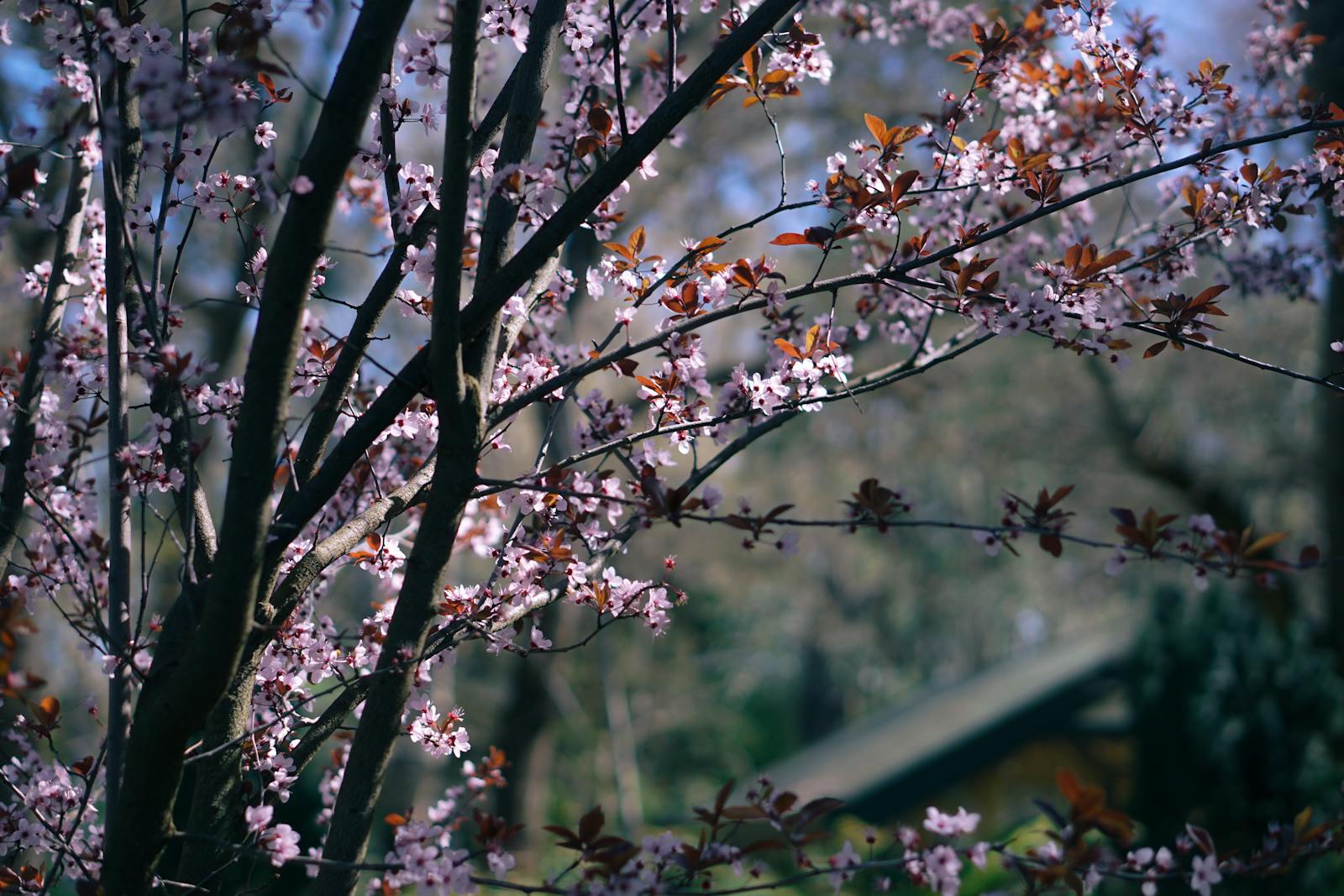
Events: The AFL Grand Final on the last Saturday of September at the MCG is Australia’s biggest annual sporting event (100,000 capacity). The Friday before is a Victorian public holiday. The Melbourne Fringe Festival runs 17 September – 5 October 2026. Spring blossoms start in Fitzroy Gardens (cherry), Royal Botanic Gardens (wisteria) and along St Kilda Road.
Verdict: Book only if you can tolerate weather variability. Grand Final weekend causes a city-wide hotel spike — avoid or embrace. The last fortnight, tied to school holidays (19 September – 4 October 2026) and Fringe, is great for first-time family visits.
October in Melbourne
Weather: 20°C / 9°C. The first unambiguously pleasant month of spring. Sunny afternoons with long evenings. Pack layers — mornings still crisp, gum leaves rustling.
Events: Royal Melbourne Show (last week of September into early October — major family draw at the Melbourne Showgrounds). The Spring Racing Carnival warm-up meets at Caulfield and Moonee Valley fill mid to late October — Caulfield Cup Day is an excellent social-calendar spectacle at lower prices than the Melbourne Cup. Melbourne Marathon (Sunday 11 October 2026) finishes inside the MCG.
Verdict: The strongest spring month and a credible answer to “the best time to visit Melbourne” for anyone who wants mild weather, visible gardens, marquee events and still-soft hotel rates (up ~15% from winter lows, but 30% below January). October is our pick for second-choice month after March.
November in Melbourne
Weather: 23°C / 11°C. Proper warm days return; watch for the occasional 35°C pre-summer blast. Highest rainfall of the year (60 mm average) arrives in tropical-style thunderstorms.
Events: The Melbourne Cup Carnival — a standout reason the best time to visit Melbourne for many travellers is November at Flemington (Derby Day Saturday, Melbourne Cup Tuesday, Oaks Day Thursday, Stakes Day Saturday) is the city’s biggest social event — Melbourne Cup Day (first Tuesday of November, so 3 November 2026) is a Victorian public holiday. Expect hats, strict dress codes and champagne-soaked city streets. Melbourne Music Week, the Melbourne International Arts Festival and Christmas lights (late November) round out the calendar.
Verdict: Excellent for big social events and warming weather. Melbourne Cup week pricing is wild — book well ahead or avoid. Outside Cup Week, November is underrated.

December in Melbourne
Weather: 25°C / 12°C. Summer proper begins. Sunset at 8:40 p.m. in late December. Beaches warm up; expect 30°C+ on average twice in the month.
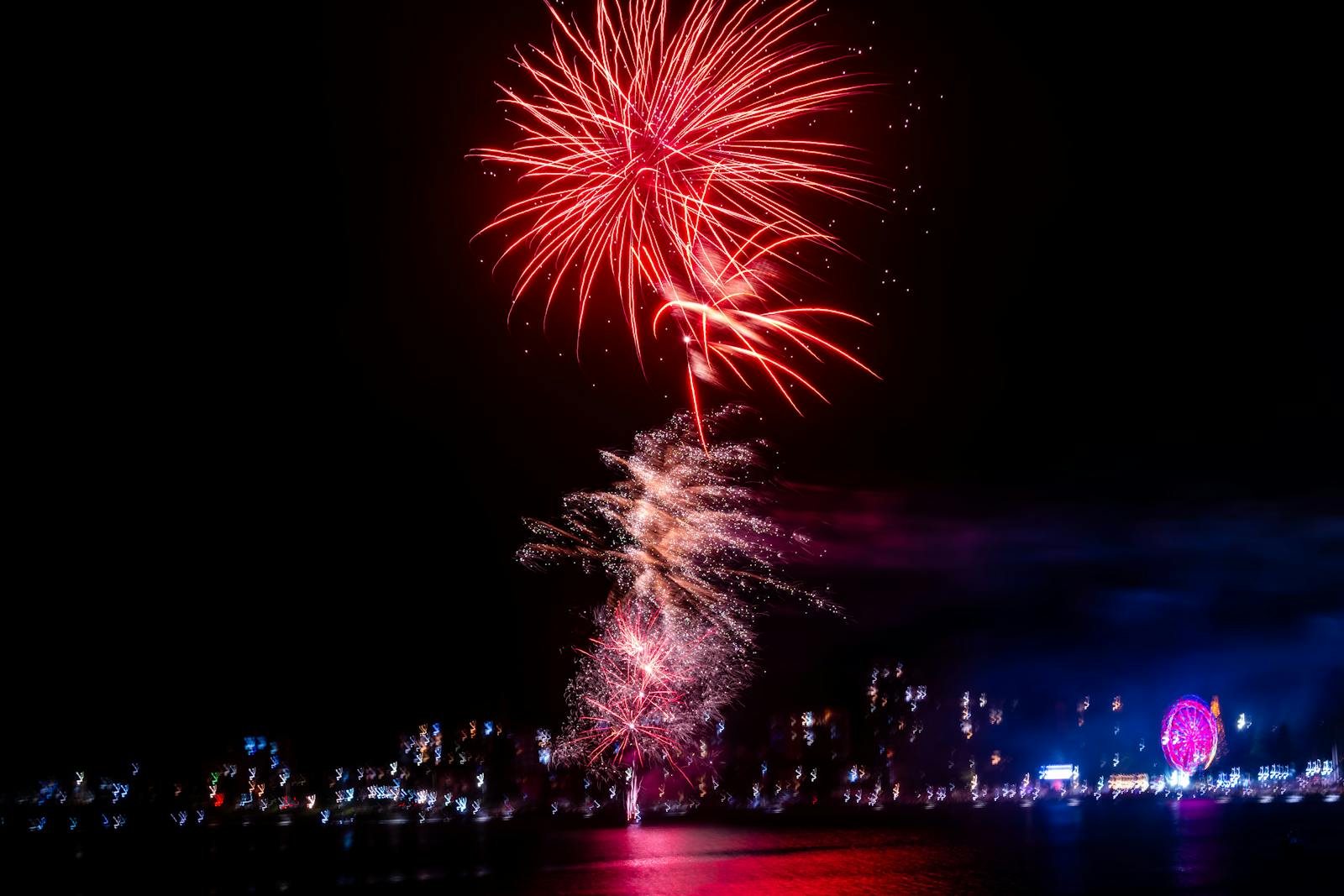
Events: The Christmas lights at Myer and the City of Melbourne Christmas Projections run all month. The Boxing Day Test cricket match at the MCG (traditionally 26 December, Australia vs a touring side) is a bucket-list Australian experience with 90,000+ attending each day. New Year’s Eve brings two big fireworks displays over the Yarra (9:30 p.m. family show, midnight main event).
Verdict: The first three weeks of December are good value (school still in). From 20 December, prices spike hard for Christmas / NYE / Boxing Day Test. If you want cricket — book in June.
Summer (December–February): Peak Season Explained
Melbourne summer is fully packed, fully priced, and fully committed to late sunsets and beach days. It is also genuinely hot — not tropically hot, but dry-radiant-northerly hot. On days when the “northerly” blows in from the Mallee, a 40°C afternoon is possible. The city has excellent cool-down infrastructure (tram-network air-con, shaded laneways, the entire NGV) and a beach suburb belt that is no more than a 25-minute tram ride from the CBD.
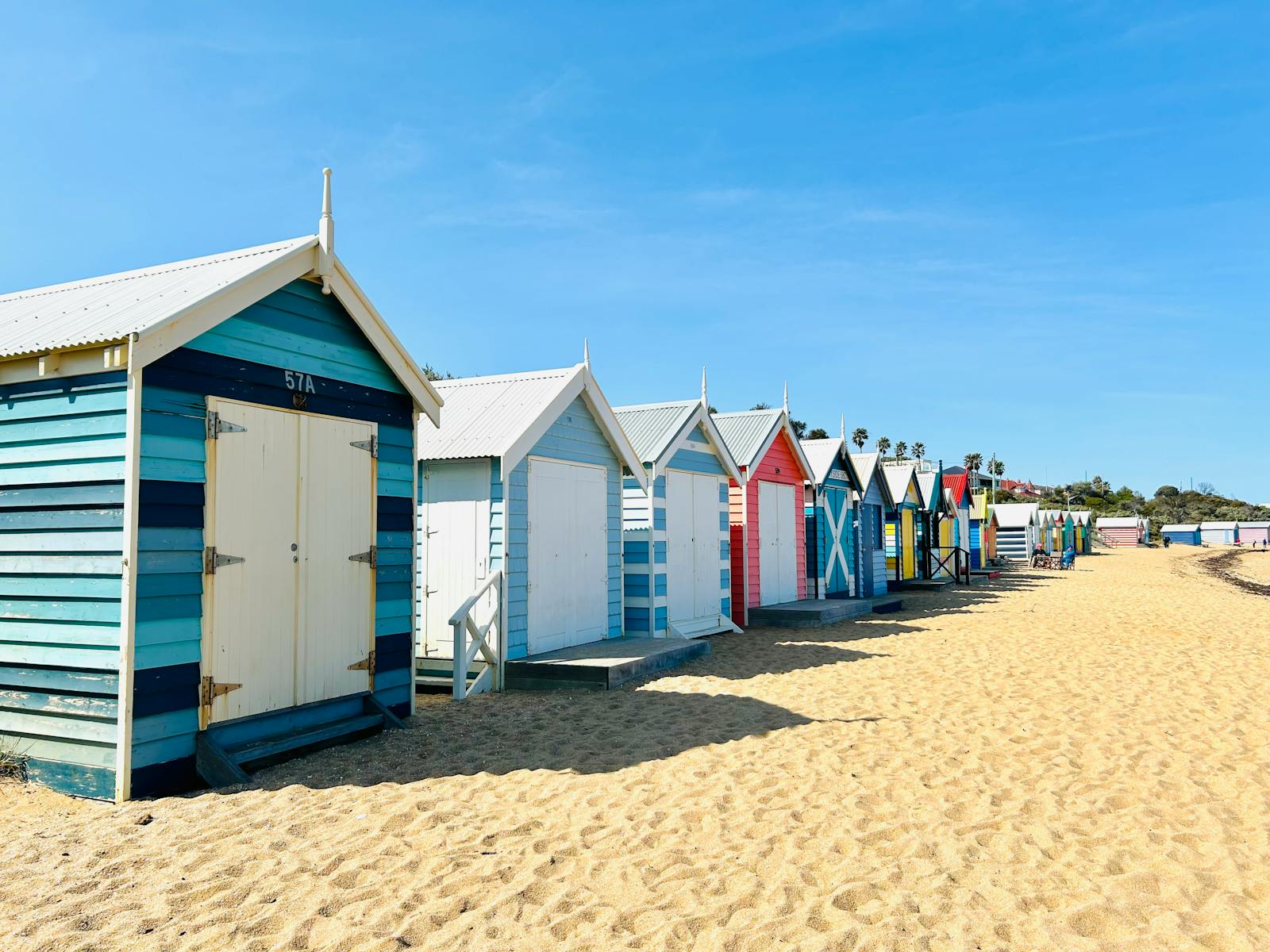
What’s at its best: beaches, rooftop bars, outdoor concerts (Sidney Myer Music Bowl, Rod Laver Arena), cricket, tennis, twilight markets (Queen Vic Market Wednesday Twilight), and the 9 p.m. sunset.
Downsides: pricing (accommodation ~40% higher than winter), the 26 December – 6 January holiday spike, bushfire smoke on worst-case days (check the EPA air quality index), and a CBD that feels genuinely empty during the Christmas week as locals decamp to the coast.
Autumn (March–May): The Locals’ Favourite
If you ask ten Melburnians when the best time to visit Melbourne is, seven will say March. The answer isn’t about the weather alone — it is about the intersection of warm days, cool nights, empty beaches, four marquee festivals in one month, and accommodation rates that have started to soften after the January–February spike.
What’s at its best: Weather (low 20s by day, jumper-weather at night); sport (Melbourne Cricket Ground hosts the season-opening AFL round in mid-March; Rugby sevens world series at AAMI Park in April); food and wine (Yarra Valley harvest is March–May); comedy and F1 in March; Easter mini-break in April.
Downsides: Grand Prix weekend and the Easter/Anzac Day long weekends cause 3–5-day price spikes. Rain is a real possibility (38 mm in March, 42 mm in April). Daylight is already starting to shorten (6:30 p.m. sunset by late May).
Winter (June–August): The Cheapest Time to Visit
Winter is the low season in Melbourne in every meaningful sense: cheapest flights, cheapest hotels, shortest queues, most restaurant availability, lightest crowds at the big museums. Melbourne is genuinely good at winter. The city’s café scene is wired for cold weather (heaters on every rooftop, blankets on every bench), the arts calendar runs deep, and the food — Vietnamese pho on Victoria Street, Afghan mantu in Dandenong, Italian braises in Carlton — is at its best in the cold.
Temperature reality check: Melbourne winter is cold-ish, not Canadian-cold. July days average 13°C with nights at 6°C — roughly the same as Rome or Atlanta in January, or London in March. Snow in the city centre is extremely rare (the last notable dusting was 2005). But the combination of wind and humidity can make the air feel colder than the thermometer suggests, especially on the Yarra walks.
What’s at its best: Hotel value, indoor attractions (NGV International, Melbourne Museum, Immigration Museum, ACMI), degustation restaurants (book Attica or Vue de Monde for a 3-month-ahead winter slot instead of an 8-month-ahead summer slot), hidden bars, AFL matches, ski-mountain day trips.
Downsides: Daylight hours halved versus summer (sunset 5:10 p.m. in late June). Grey skies on a majority of days. Beach suburbs and the Great Ocean Road viewpoints are wind-scoured.
Spring (September–November): Racing Carnival & Blossoms
Spring in Melbourne is a “four-month rollercoaster,” as one local paper put it — snow at Mount Buller one weekend, 33°C at St Kilda the next. The season is dominated by the AFL Grand Final (late September), school holidays (mid-September to early October), the entire Spring Racing Carnival (mid-October to early November), and the Melbourne Cup public holiday (first Tuesday of November).
What’s at its best: Gardens (Royal Botanic Gardens’ rose collection peaks late October), sport (AFL finals, Caulfield Cup, Cox Plate, Melbourne Cup), theatre and opera seasons at Arts Centre Melbourne, and golf-trip weather at Mornington Peninsula’s sand-belt courses.
Downsides: Weather volatility is at its highest (September can swing 20°C in 24 hours). Melbourne Cup week specifically triggers the year’s tightest hotel market outside New Year.
Annual Events Calendar
Below is a month-by-month summary of Melbourne’s biggest annual events. Dates given are 2026 where confirmed; recurring events without 2026 dates follow their typical patterns.
| Month | Event | Dates / pattern |
|---|---|---|
| January | Australian Open tennis | Last two weeks of January |
| January–February | Midsumma Festival | Mid-Jan to early-Feb |
| February | St Kilda Festival | Second Sunday of Feb |
| February | Chinese New Year | Late Jan / early Feb |
| March | Moomba Festival | Labour Day long weekend |
| March | F1 Australian Grand Prix | Mid-March |
| March | Melbourne Food & Wine Festival | All month |
| March–April | Comedy Festival | Late March to mid-April |
| April | Easter long weekend | 3–6 April 2026 |
| April | Anzac Day & AFL blockbuster | 25 April (Carlton v Collingwood at MCG) |
| May–June | RISING Festival | Late May – early June |
| June | Melbourne Jazz Festival | First week |
| June | Queen’s Birthday AFL blockbuster | Monday 8 June 2026 |
| July | Open House Melbourne | Last weekend |
| August | Melbourne International Film Festival | Early to mid-Aug |
| Sep | AFL Grand Final | Last Saturday of September |
| Sep–Oct | Melbourne Fringe Festival | 17 Sep – 5 Oct 2026 |
| October | Royal Melbourne Show | Late Sep – early Oct |
| October | Melbourne Marathon | Sunday 11 October 2026 |
| Oct–Nov | Spring Racing Carnival | Caulfield Cup, Cox Plate, Melbourne Cup |
| November | Melbourne Cup | Tuesday 3 November 2026 |
| December | Christmas lights projections | All month |
| December | Boxing Day Test cricket | 26 December – 30 December |
| December | New Year’s Eve fireworks | 31 December |
Crowds, Prices & School Holidays
Knowing when Melbourne is expensive or crowded matters as much as knowing when it’s pleasant. Three calendars drive pricing: Victorian school holidays, Victorian public holidays, and the city’s anchor events (Australian Open, F1, AFL Grand Final, Melbourne Cup, Christmas/NYE).
Victorian school holidays 2026
- Term 1 holidays (Autumn): Friday 3 April – Sunday 19 April 2026
- Term 2 holidays (Winter): Saturday 27 June – Sunday 12 July 2026
- Term 3 holidays (Spring): Saturday 19 September – Sunday 4 October 2026
- Term 4 / summer holidays: Saturday 19 December 2026 – late January 2027
Hotels in beachside suburbs (St Kilda, Brighton, Elwood) and family-friendly holiday parks on the Mornington Peninsula and Phillip Island spike 30–60% during these windows. The CBD sees less of an effect — inbound family tourism tends to head to the coast.
Victorian public holidays 2026
- New Year’s Day — Thursday 1 January
- Australia Day — Monday 26 January
- Labour Day — Monday 9 March
- Good Friday — Friday 3 April; Saturday 4 April; Easter Sunday 5 April; Easter Monday 6 April
- Anzac Day — Saturday 25 April
- King’s Birthday — Monday 8 June
- AFL Grand Final Friday — Friday 25 September (if scheduled as usual)
- Melbourne Cup — Tuesday 3 November
- Christmas Day — Friday 25 December
- Boxing Day — Saturday 26 December
Accommodation price index (rough guide)
Rates below are rough relative indices for a mid-range CBD four-star, using January (peak) as 100.
- January: 100 (peak)
- February: 90
- March: 80 (Grand Prix weekend spikes to 120)
- April: 75 (Easter weekend spikes to 110)
- May: 60 (cheapest)
- June: 60
- July: 65 (school holiday mid-month lifts a touch)
- August: 70 (AFL finals)
- September: 85 (Grand Final weekend 130+)
- October: 80
- November: 95 (Cup week 150+)
- December: 90 (NYE/Boxing Day 160+)
Best Time to Visit Melbourne for Your Type of Trip
The single “best time to visit Melbourne” depends on what you want to do with your days. Here is a matrix that maps traveller profile to ideal month.
- First-time visitor, weather-flexible: Mid-March. Warm days, cool nights, F1, Comedy Festival, Food & Wine month, Moomba.
- Beach & outdoor traveller: Mid-February. School back, prices softer than January, ocean at peak temperature.
- Sports fan: Late January (Australian Open) or mid-March (F1); AFL tragics pick Round 1 (mid-March) or the Grand Final (Saturday 26 September 2026).
- Foodie: March (Food & Wine Festival) or June (winter degustation season, restaurant bookings easier).
- Budget traveller: May or June. Hotel rates at annual low, international airfares softest.
- Families with school-age kids: Late September to early October (VIC school holidays, Fringe kids programming, Royal Melbourne Show).
- Foliage / gardens lover: Mid-April (autumn colour in Fitzroy Gardens) or late October (roses + wisteria at the Royal Botanic Gardens).
- Arts & culture: May–June (RISING Festival), August (MIFF), October–November (Melbourne International Arts Festival).
- Wine & vineyard day trips: Late April–early May (Yarra Valley harvest). See our Yarra Valley guide.
- Penguin Parade on Phillip Island: Year-round but best December–January (peak numbers, latest sunset). See our Phillip Island guide.
- Great Ocean Road road trip: February–April (longest daylight, stablest weather, fewest bus tours). See our Great Ocean Road itinerary.
- Retreating from a Northern-Hemisphere summer: June–August. You get a second winter in a city that does cold weather well.
What to Pack (By Season)
Summer (Dec–Feb) packing list
- Lightweight cotton/linen layers — afternoons can hit 35°C, evenings drop to 15°C.
- Broad-brim hat and SPF 50+ sunscreen (UV index regularly 11 / “extreme”).
- Swimwear and a quick-dry towel for beach suburbs.
- A light jacket or long-sleeve for late-evening cool fronts.
- Compact umbrella — thunderstorms, even in the heat.
- Refillable water bottle (free fountains everywhere in the CBD).
Autumn (Mar–May) packing list
- Layering pieces: t-shirt, long-sleeve, jumper, light puffer.
- Weather-resistant walking shoes (cobblestones + occasional drizzle).
- Compact umbrella (essential April-May).
- Scarf and light gloves for May nights.
- A smart-casual outfit for degustation restaurants and Spring Racing events (if visiting late autumn).
Winter (Jun–Aug) packing list
- Warm winter coat (down or wool) — not “snow” cold, but windchill matters.
- Beanie, gloves, scarf for evenings and morning walks along the Yarra.
- Waterproof shoes — rainy days + cobblestones.
- Layering base (merino t-shirts, long sleeves).
- Small umbrella (a classic travel one — don’t bring the big one).
- A smart outfit for indoor dinners — Melburnians still dress up in winter.
Spring (Sep–Nov) packing list
- Every layer you own. Spring in Melbourne genuinely requires 5°C–30°C coverage.
- A proper waterproof jacket (November rainfall is the annual peak).
- Walking shoes for gardens in bloom.
- Sunglasses and hat for Cup Week carnival days.
- A formal outfit with a hat if you plan to attend the Melbourne Cup (dress code enforced in premium enclosures).
Dates to Avoid (and Why)
If your goal is to see Melbourne calmly and cheaply, avoid these six windows. Each sees either premium hotel pricing, standing-room crowds, reduced opening hours, or some combination of all three.
- 24 December – 3 January. Christmas + NYE + Boxing Day Test cricket. Hotel rates up 50–80%, most non-tourist businesses closed for the first three weekdays of January.
- Mid-to-late January (Australian Open). Tennis pricing premium on accommodation within 3 km of Melbourne Park. If not attending, easy enough to avoid.
- F1 Grand Prix weekend (mid-March). St Kilda / Albert Park / South Melbourne pricing spikes, traffic around the circuit ugly, some tram routes detoured.
- Easter long weekend (3–6 April 2026). Domestic tourism spike, Good Friday a public holiday (many restaurants closed).
- AFL Grand Final weekend (Friday 25 – Sunday 27 September 2026). Hotels in the MCG precinct fully booked 6+ months ahead.
- Melbourne Cup week (2–8 November 2026). The year’s hottest corporate-hospitality market. Cup Day itself a public holiday with closures.
None of these windows are “bad” visits — they are some of the most fun weeks of the year. But you pay for the privilege, so decide with your eyes open.
Frequently Asked Questions
What is the absolute best time to visit Melbourne?
For a first-time visitor balancing weather, events and price, we recommend mid-to-late March. The weather is warm without being hot, four major festivals (Moomba, Food & Wine, Comedy, F1) overlap, and prices are a notable step down from January–February.
Is Melbourne worth visiting in winter?
Yes. Melbourne winter (June–August) is cold-ish but not punishing (think London in March, not Toronto in January). You get 30–50% cheaper hotels, near-empty museums and galleries, restaurant tables that are actually bookable, AFL football every weekend at the MCG, and a deep arts calendar (RISING, MIFF, Jazz Festival). If you love cities for their food, culture, and bars, winter is an underrated pick.
What is the cheapest time to visit Melbourne?
Late May through early July is the cheapest time to visit Melbourne for international long-haul flights and hotel rooms. May and June hotel rates are roughly 40% below the January peak. Avoid the King’s Birthday long weekend (8 June 2026) and Victorian school winter holidays (27 June – 12 July) for the absolute lows.
Which month has the best weather in Melbourne?
Statistically, March has the best combination of warmth, sunshine and low rainfall (24°C / 13°C, 38 mm rain, 7.3 sunshine hours). February is slightly warmer but more humid; October is comparable but with more weather volatility.
When should I visit Melbourne for the Great Ocean Road?
February to April offers the longest daylight, most stable weather, and fewest tour-bus crowds at the Twelve Apostles viewpoints. December and January work but can be hotter and busier with school holidays. Winter works if you don’t mind wind and rain at the coast; the cliffs look dramatic in a storm.
When can I see the Phillip Island penguins?
The Penguin Parade runs 365 nights a year, but penguin numbers peak in summer (December–February) because breeding adults feed chicks daily. December 30 – January 15 sees the highest per-night counts. Winter parades (June–August) are the quietest in crowd terms, which some prefer.
Are attractions open on public holidays?
Most major tourist sites (NGV, Melbourne Museum, Queen Vic Market, Botanic Gardens) remain open on public holidays except Christmas Day (25 December) and Good Friday (3 April 2026), when most venues close. Anzac Day (25 April) sees morning closures until noon. Restaurants routinely add a 10–15% public-holiday surcharge.
How far ahead should I book flights and hotels?
For Christmas / NYE / Australian Open / Melbourne Cup / AFL Grand Final: 6–9 months ahead. For F1 weekend and Easter: 3–4 months ahead. For shoulder-season months (April outside Easter, May, September outside GF, October): 6–8 weeks ahead is fine. Winter months: 3–4 weeks ahead for good deals.
Can I really experience four seasons in one day?
Yes — especially in September, October and November. A 25°C morning can become a 12°C hail-lashed afternoon and a 16°C rain-scrubbed evening. The phrase is literal, not rhetorical. Layers are the answer.
Final Recommendation
If you want the one-line answer: the best time to visit Melbourne is mid-to-late March for a first-time visit balancing weather, events, and hotel value. The second-best month is October. The cheapest are May and June. The most expensive week of the year is 27 December – 3 January. And whatever month you pick, pack a light jumper — because this is Melbourne, and the weather will have one more surprise for you before you leave.
Planning a broader trip? Our complete Melbourne visitor guide covers the city’s top 100+ attractions, and our 3-day and 7-day itineraries lay out day-by-day routes. For official event confirmations, check the city’s What’s On Melbourne calendar and Victoria’s tourism hub Visit Victoria.
Month-by-Month and Seasonal Melbourne Guides
- Melbourne in January (2026): Weather, Australian Open and Events
- Melbourne in Summer (December-February 2026): Complete Visitor Guide
- Visiting Melbourne in December: Christmas, NYE & Summer Fun
- Melbourne in Winter (June-August 2026): Is It Worth Visiting?
- Melbourne Weather by Month (2026): Temperature, Rainfall and Packing Guide
- Visiting Melbourne in March: F1, Comedy Festival & Weather
- Melbourne in Spring (September-November): The Best Season?
- Melbourne in Autumn (March-May): Weather, Events & What to Do
- Visiting Melbourne in June: Winter Tourism, Festivals & Savings
- Cheapest Time to Visit Melbourne: Flight, Hotel & Crowd Analysis