Things to Do in Melbourne: The Complete Visitor Guide (2026)
- Words
- Melbourne Tourism Guide
- Updated
- August 20, 2026
- Read
- 25 min
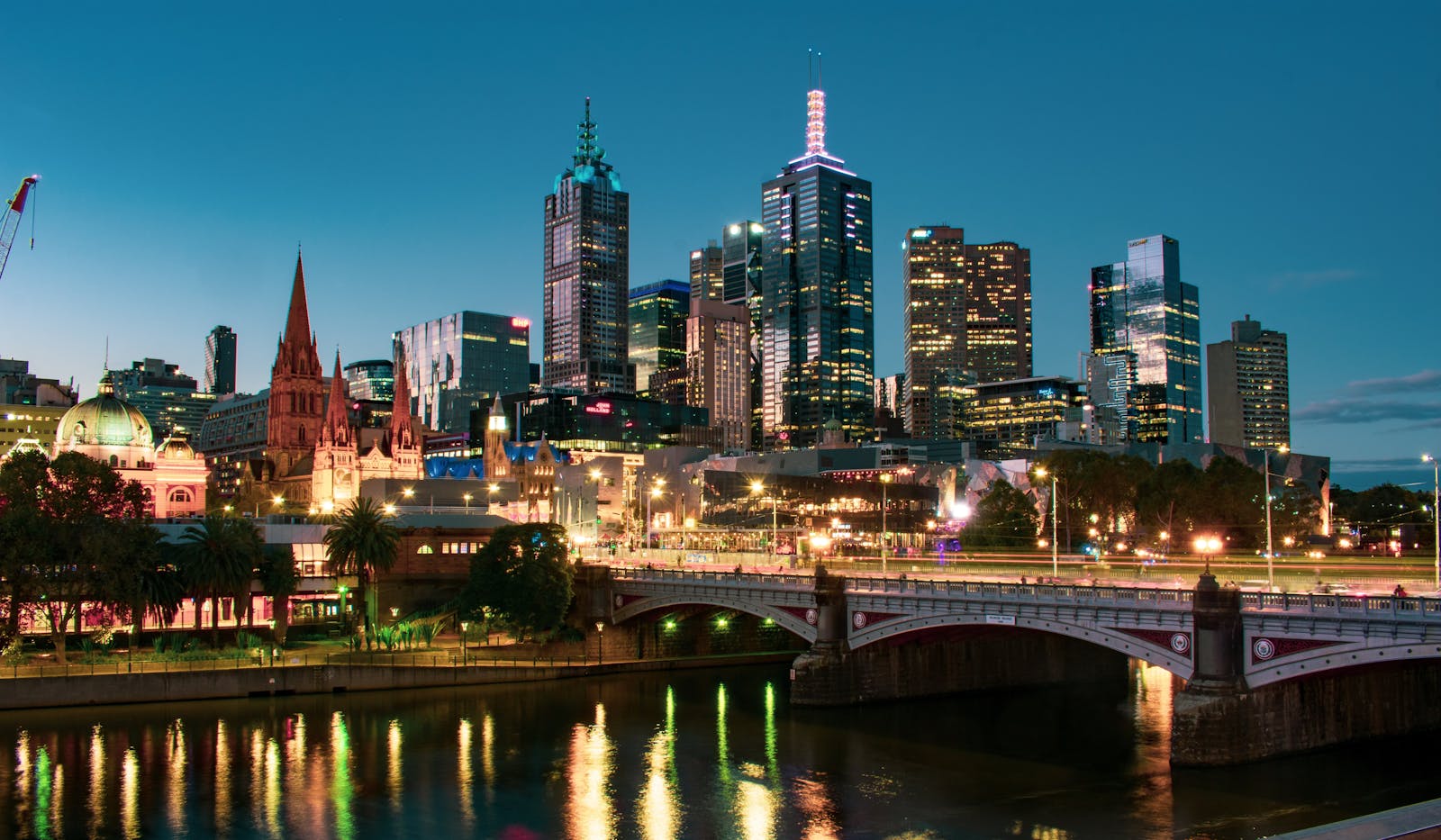
The definitive guide to things to do in Melbourne for 2026 — 12 categorised sections covering must-see landmarks, laneways and street art, food and coffee, parks, beaches, arts, sport, families, shopping, nightlife, and day trips, plus ready-made one-, three-, and weekend-day itineraries.
This article contains advertising. Our booking links are routed through a partner that adds commission tracking automatically, so if you book through one we earn a commission from the provider, at no extra cost to you. It never affects what we recommend. Affiliate disclosure
The best things to do in Melbourne span world-class art galleries, laneway street art, rooftop bars, a three-hatted restaurant scene, Australian-rules football at the MCG, nightly penguin parades on Phillip Island, and 240 kilometres of surf-lashed coastline along the Great Ocean Road — all reachable from the compact, tram-laced CBD.
Melbourne is Australia’s cultural capital, a city that packs world-class art, sport, food, wildlife and wild coastlines into one of the most walkable metropolises in the Southern Hemisphere. With a compact grid laced by laneways, a river promenade dotted with galleries, a tram network that reaches every neighbourhood, and day-trip access to penguins, apostles, and wine country, the hardest part of any Melbourne trip is choosing what not to do.
This definitive 2026 guide to things to do in Melbourne breaks the city down into twelve clear categories — prices, opening hours and insider tips included — so you can build an itinerary that suits your interests, budget, weather, and travel dates, whether you’re here for 48 hours or a fortnight.
Table of Contents
- Quick Answers for First-Time Visitors
- 1. The Must-See Landmarks
- 2. Laneways, Arcades & Street Art
- 3. Food, Coffee & Dining
- 4. Parks, Gardens & Outdoor Activities
- 5. Beaches & Bayside
- 6. Arts, Culture & Museums
- 7. Sport & Major Events
- 8. Families & Kids
- 9. Shopping
- 10. Day Trips from Melbourne
- 11. Free & Budget-Friendly Things to Do
- 12. Nightlife & After Dark
- Suggested Itineraries
- Getting Around Melbourne
- Melbourne Neighbourhoods at a Glance
- When It Rains: Indoor Options
- Romantic Melbourne for Couples
- Unique Experiences & Hidden Gems
- Most Photogenic Spots
- When to Visit
- Frequently Asked Questions
- Final Planning Tips
Quick Answers for First-Time Visitors
How many days do you need in Melbourne? When planning things to do in Melbourne, three full days is the sweet spot to see the CBD’s major sights, one beachside suburb (St Kilda or Brighton), and one day trip. Four to five days lets you add a laneway food tour, the Great Ocean Road, and a night in the Yarra Valley.
What is Melbourne best known for? Coffee culture, laneway street art, Australian-rules football at the MCG, the Royal Botanic Gardens, the Twelve Apostles drive, the Melbourne Cup and Australian Open, and a restaurant scene that routinely ranks in global top-50 lists.
Is Melbourne expensive? It’s cheaper than Sydney and comparable to mid-range US and UK cities. A reasonable daily budget is AU$180–250 per person including mid-range accommodation, public transport, one sit-down meal, and one paid attraction. Many of Melbourne’s best experiences — laneways, street art, the Shrine of Remembrance, the Royal Botanic Gardens, the City Circle Tram, and the Queen Victoria Market — are free.
How do I get around? Buy a myki card (AU$6) from any 7-Eleven or train station, load it with credit, and tap on every tram, train, and bus. Trams within the CBD’s Free Tram Zone are completely free — just board without tapping. See Public Transport Victoria for routes and real-time timetables.
1. The Must-See Landmarks (Melbourne’s Top 10)
If you only have a day or two, anchor your itinerary around these ten icons — they are the essential things to do in Melbourne. They’re all within the CBD or a short tram ride, and most can be visited in combinations of two or three in a morning or afternoon.
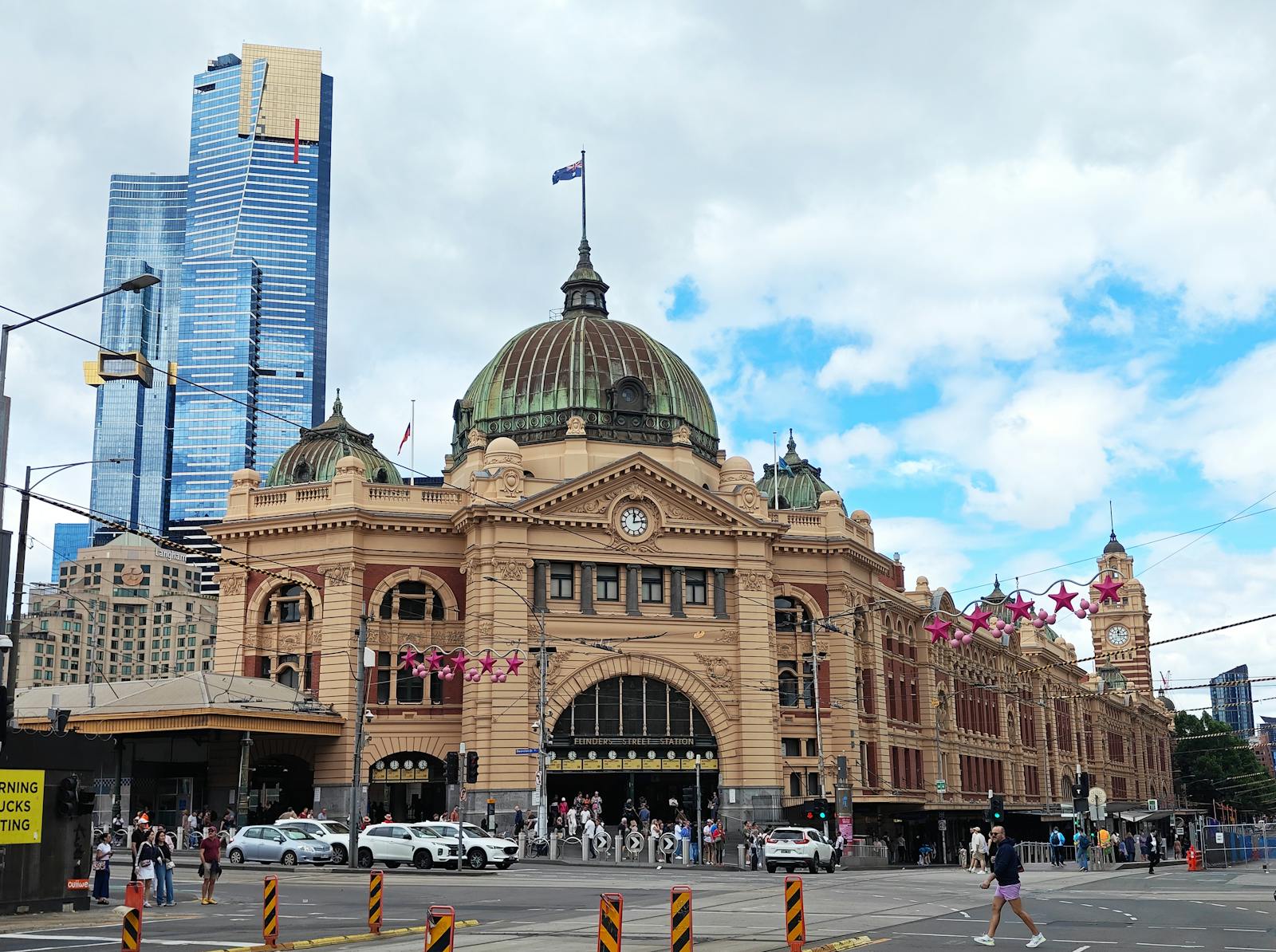
Flinders Street Station & Federation Square
Melbourne’s beating heart. The Edwardian-baroque Flinders Street Station (opened 1909) handles more than 100,000 commuters a day and sits directly across from Federation Square — the modern civic plaza that hosts the Ian Potter Centre: NGV Australia, the Australian Centre for the Moving Image (ACMI), free outdoor screenings, and most major public celebrations. Start here for orientation. Entry to the square and ACMI’s permanent collection is free; temporary exhibitions typically run AU$15–25.
Royal Botanic Gardens Victoria
Thirty-eight hectares of lawns, lakes, rare specimens, and shady lunch spots a twenty-minute walk south of the CBD. Free to enter, open 7:30 a.m. to sunset every day. Don’t miss the Guilfoyle’s Volcano reservoir, the tropical glasshouse, and the Aboriginal Heritage Walk (AU$42, runs Thursday–Sunday at 11 a.m., bookable through the gardens’ website). The adjacent Shrine of Remembrance offers a free sunset city panorama from its balcony terrace.
Melbourne Skydeck (Eureka Tower)
The Southern Hemisphere’s highest public observation deck. Floor 88 of the Eureka Tower gives 360-degree views of the bay, the Dandenong Ranges, and the grid of the CBD. Standard entry AU$28, the glass-cantilevered “Edge” is an extra AU$16, open 12 p.m. to 10 p.m. Arrive twenty minutes before sunset for the best photos.
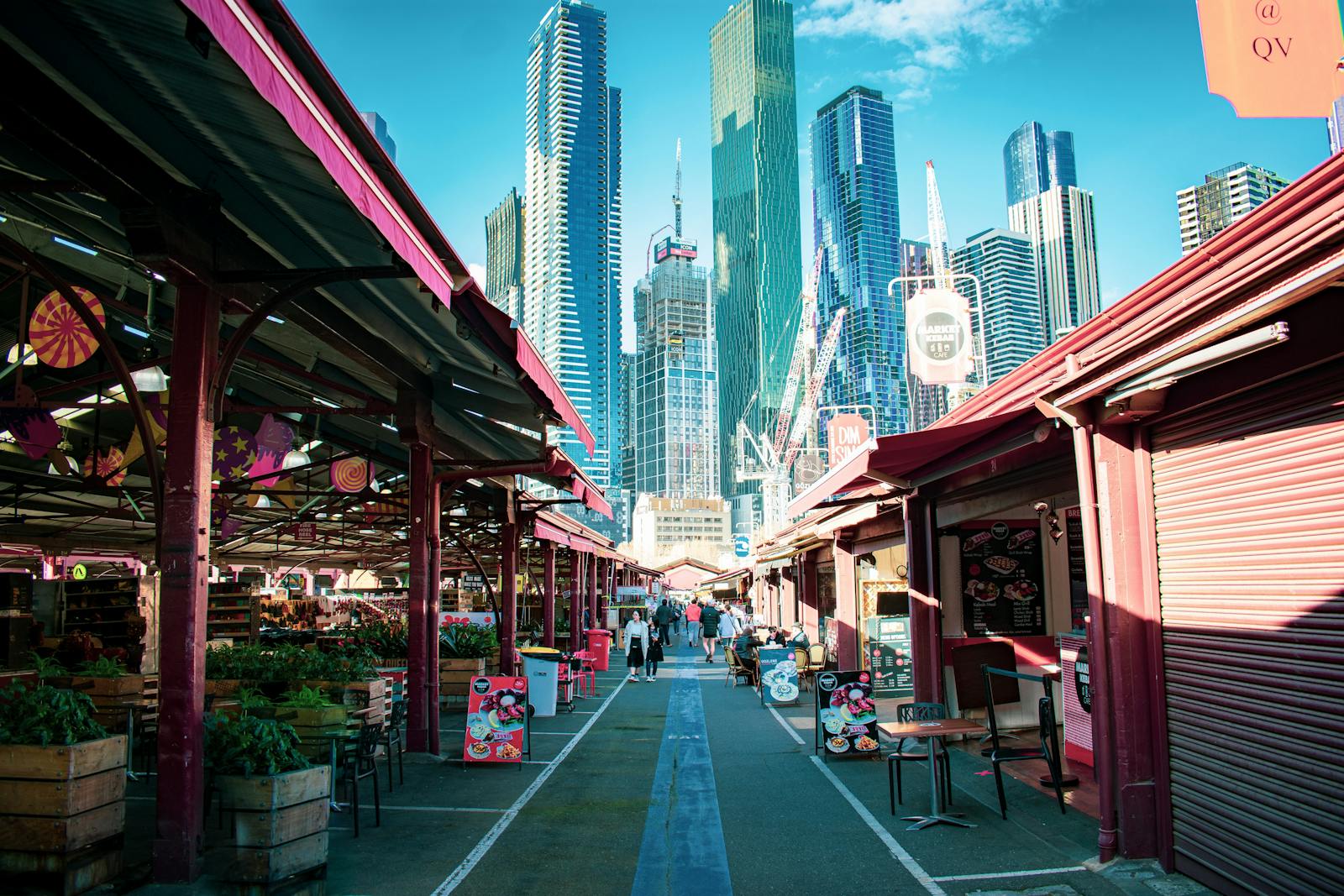
Queen Victoria Market
Open-air trading since 1878. Six hectares of produce, deli, meat, fish, coffee, and souvenir stalls just north of the CBD. Free entry, open Tuesday, Thursday, Friday, Saturday and Sunday — closed Monday and Wednesday. Friday evenings from November through March host the Summer Night Market (5 p.m.–10 p.m.) with global street food, bars, and live music. A dedicated Queen Victoria Market guide is coming soon with a food-hunt itinerary, current prices, and insider tips from long-time traders.
National Gallery of Victoria (NGV International)
Australia’s oldest and most visited art gallery. The St Kilda Road “International” building houses European masters, Asian art, contemporary photography, and the beloved Leonard French stained-glass ceiling in the Great Hall — lie on the floor and look up, everyone does. Entry is free for the permanent collection; ticketed exhibitions AU$25–35.
Melbourne Cricket Ground (MCG)
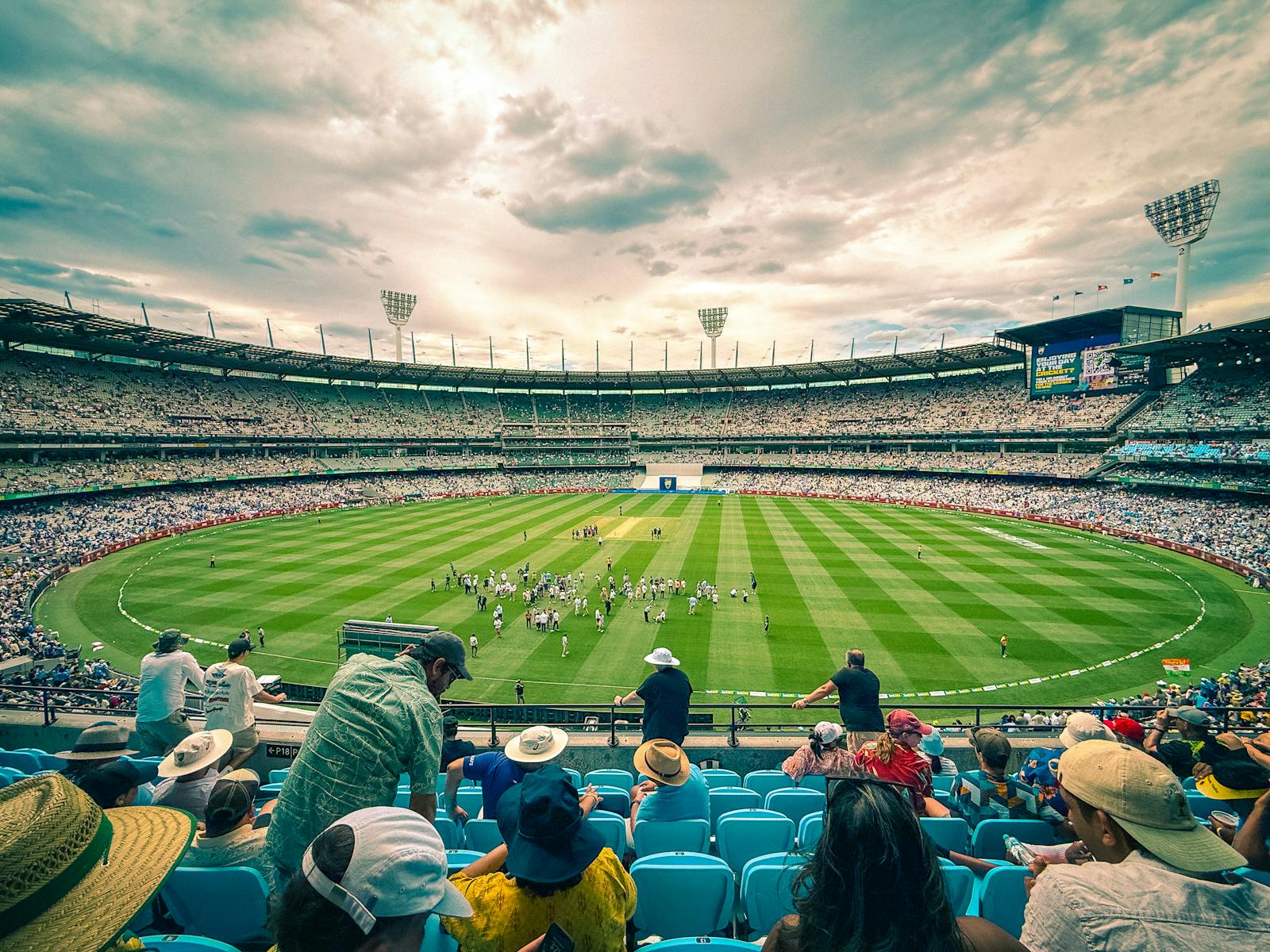
The largest stadium in the Southern Hemisphere (capacity 100,024) and the spiritual home of cricket and Australian-rules football. Even if you don’t attend a match, the behind-the-scenes tour (AU$30, runs daily 10 a.m.–3 p.m., no match days) is excellent. Combine with the Australian Sports Museum (AU$33 combined ticket) to see Bradman’s bat, Cathy Freeman’s 2000 Olympic uniform, and every Brownlow Medal ever awarded.
State Library Victoria
Opened in 1856 and crowned by the spectacular octagonal La Trobe Reading Room — a domed space that looks like a cathedral of knowledge. Free to enter, free exhibitions change quarterly, and the Dome Galleries hold Ned Kelly’s actual armour. Open daily except public holidays, 10 a.m.–6 p.m. (till 9 p.m. Monday–Thursday). One of the city’s best rainy-day attractions.
Old Melbourne Gaol
Operating 1845–1929, this bluestone prison is where bushranger Ned Kelly was hanged in 1880. Self-guided day entry AU$35; the evening ghost tours (AU$42) and A Night in the Watch House immersive experience (AU$50) sell out during school holidays — book two weeks ahead.
Shrine of Remembrance
Melbourne’s sober and beautiful memorial to Victorians who served in conflict. Free entry, open daily 10 a.m.–5 p.m. Time your visit for 11 a.m. to witness the Ray of Light ceremony, when a beam through the Sanctuary oculus strikes the Stone of Remembrance on the word “Love.”
St Paul’s Cathedral & the City Circle Tram
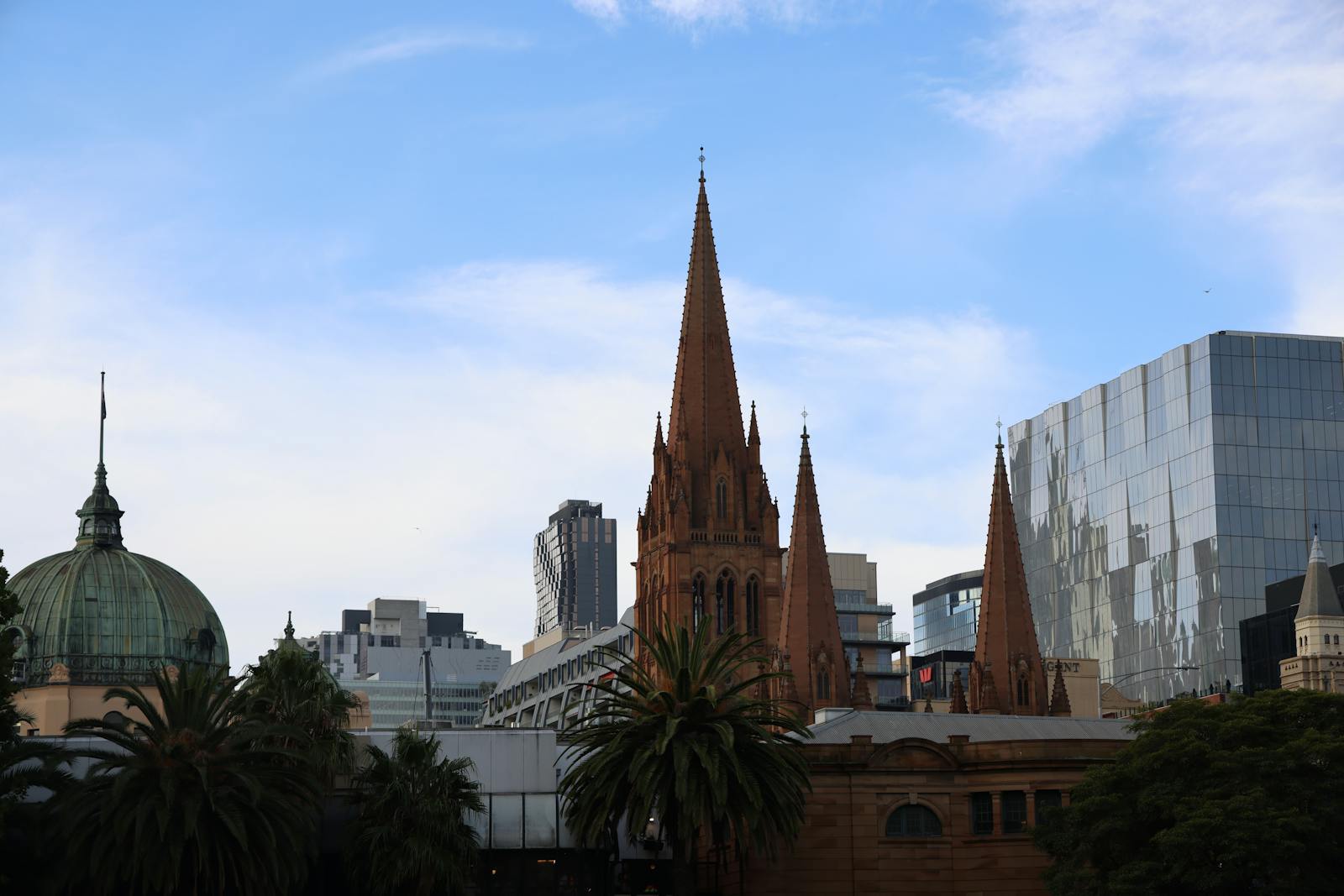
Directly opposite Flinders Street Station, St Paul’s Anglican Cathedral (consecrated 1891) is one of the finest examples of ecclesiastical Gothic Revival in the world. Free entry. Step outside and hop on the City Circle Tram (route 35) — a free, burgundy-and-gold heritage tram that loops the CBD with an automated audio guide covering the major landmarks. The perfect twenty-minute orientation on arrival day.
2. Laneways, Arcades & Street Art
Exploring the laneways is one of the most distinctive things to do in Melbourne. The CBD is built on a rigid nineteenth-century grid, but cut between every main street is a lattice of laneways that locals and the council have transformed into the city’s most distinctive experience. Some are dripping with street art; others are all-day espresso alleys; several are Parisian-style 1890s glass-roofed shopping arcades. You can spend an entire day exploring them, camera in hand, coffee in the other.
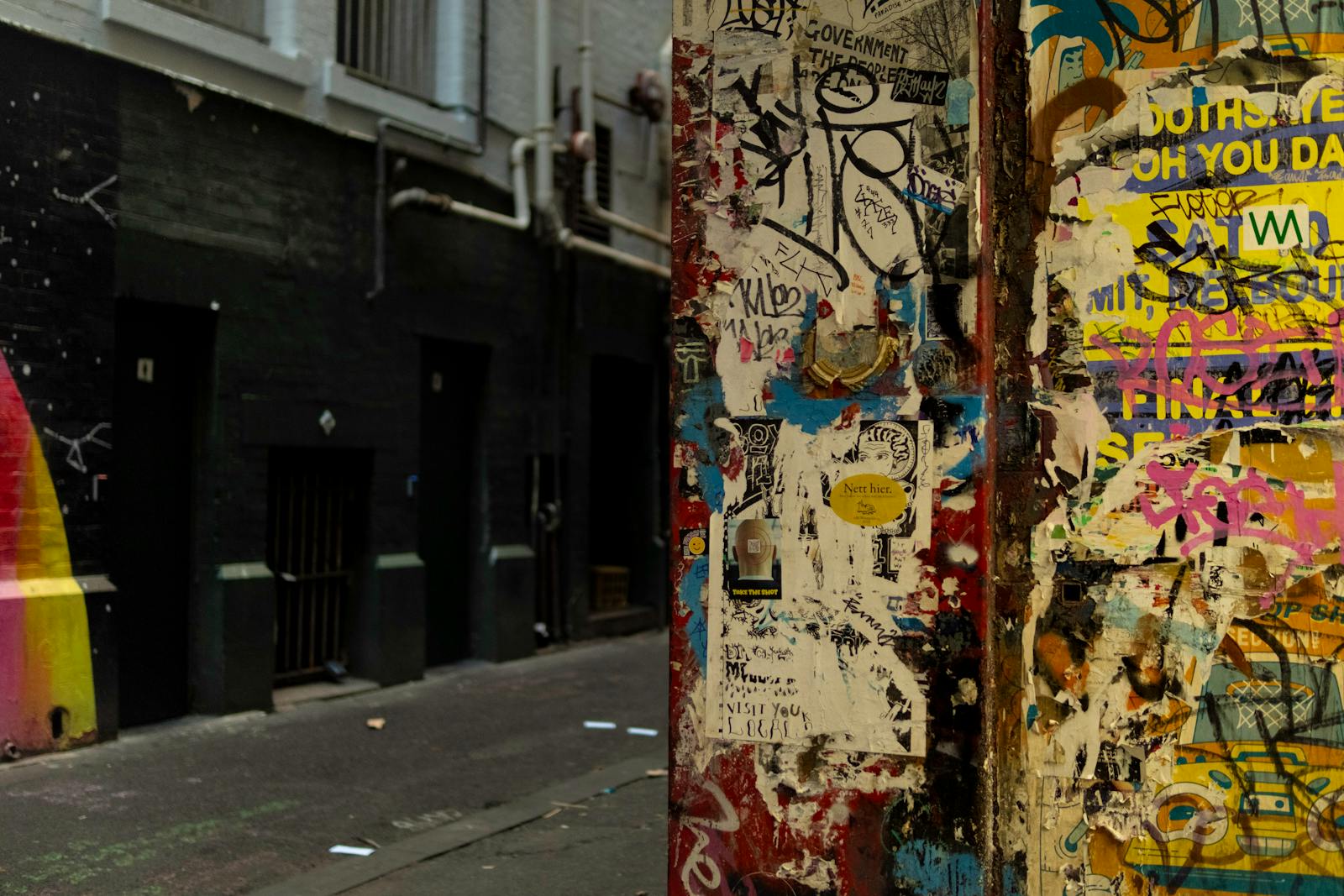
- Hosier Lane — the most famous street-art laneway, directly opposite Federation Square. Murals are repainted weekly so no two visits look the same.
- AC/DC Lane — renamed in 2004 in honour of the Australian rock band. Rock-themed murals and a few intimate live venues.
- Centre Place — Melbourne’s most cinematic café lane, featured in every tourism ad ever made about the city.
- Degraves Street — al-fresco espresso bars on both sides; open from sunrise.
- Union Lane — a long, graffiti-coated corridor off Bourke Street that rewards slow wandering.
- Guildford Lane — part of the council’s “Green Your Laneway” program; hanging plants, Krimper café, and a boutique hotel.
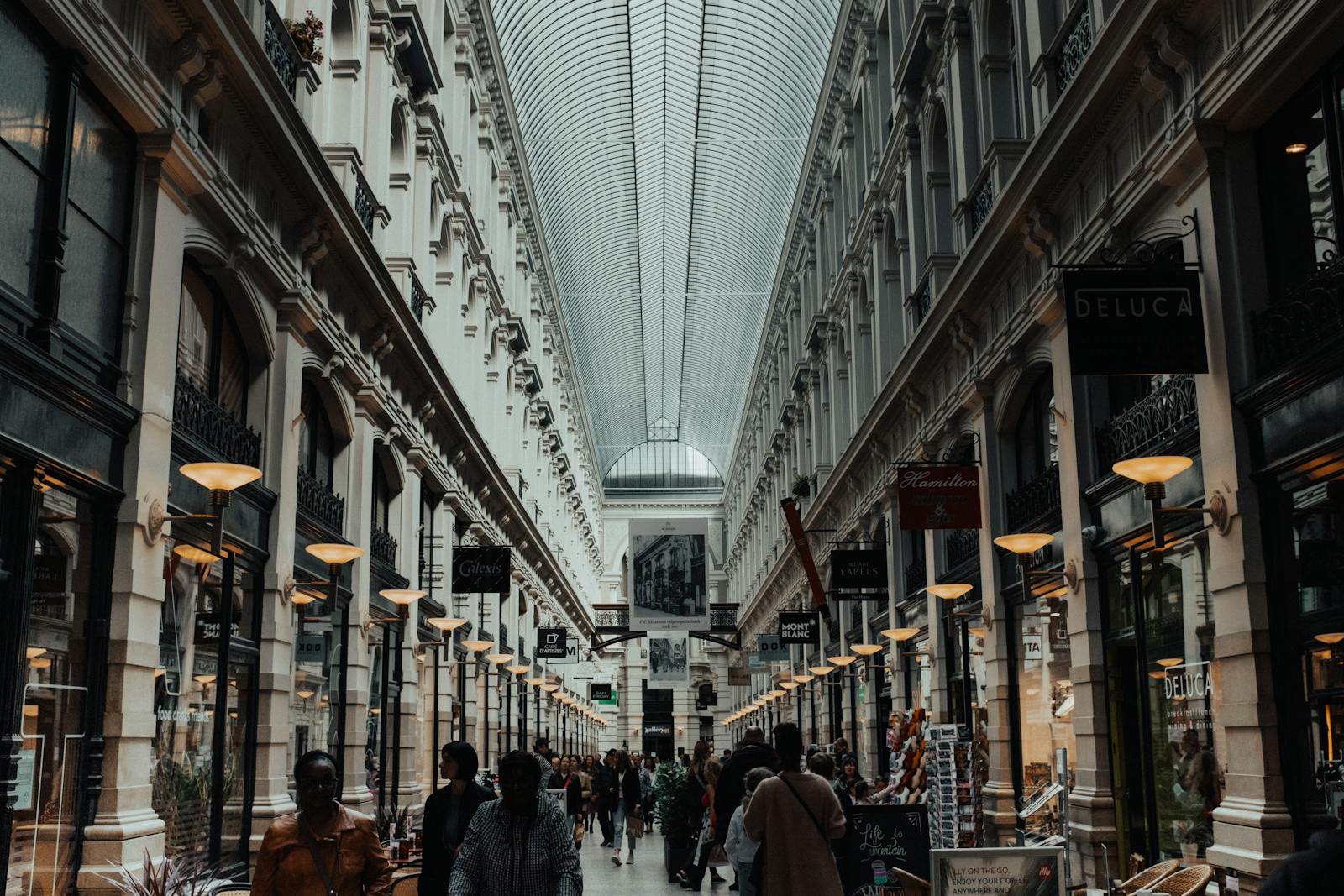
- Block Arcade (1892) — French Renaissance architecture, mosaic floor, and Haigh’s Chocolates. Doing the Block has been Melbourne slang for window-shopping for 130 years.
- Royal Arcade (1870) — Australia’s oldest shopping arcade; watch the giants Gog and Magog strike the hour.
- Cathedral Arcade — inside the Nicholas Building; vintage clothing, rare books, and the art-deco Majorca lift.
We’ve built two dedicated deep-dives on this topic: a guide to the best Melbourne laneways with a printable walking map, and a self-guided Melbourne street art tour covering the full Hosier → AC/DC → Union → Blender route. Both are optimised for two- to three-hour strolls with coffee stops built in.
3. Food, Coffee & Dining
Eating out is one of the signature things to do in Melbourne — the city is quietly one of the best eating cities in the world. Successive waves of Italian, Greek, Vietnamese, Lebanese, Ethiopian, Malaysian, Sri Lankan, and Sudanese migration layered over the most competitive specialty-coffee industry on the planet, giving you a food scene where AU$12 banh mi stands sit next to three-hatted tasting restaurants. Build at least one meal around each of the categories below.
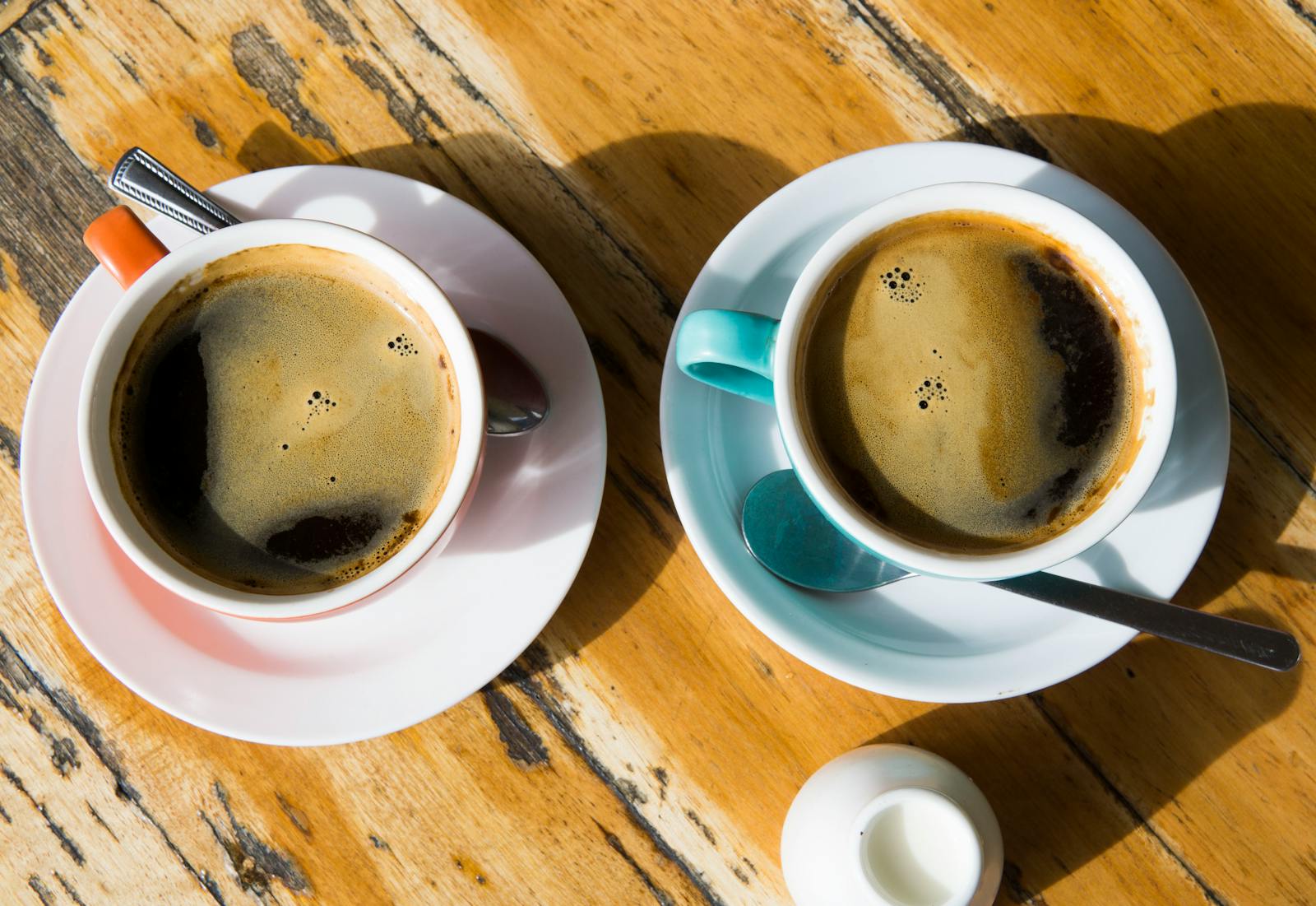
Specialty Coffee
Locals drink flat whites, magics (a stronger, shorter version), and cortados at roasters so consistent that bad coffee is genuinely hard to find. Start with Proud Mary (Collingwood), Patricia (CBD), Market Lane (Queen Victoria Market and six other locations), Seven Seeds (Carlton), and Axil (Hawthorn). Our best coffee in Melbourne guide ranks the full specialty roster with opening hours and brewing strengths.
Cafés & Brunch
Brunch is practically a civic religion. Expect smashed avocado (yes, really, it’s much better than the stereotype), corn fritters, shakshuka, pork-belly Benedicts, and Persian breakfasts. Top Paddock (Richmond), Hardware Société (CBD), Lune Croissanterie (Fitzroy — buy the two-hour-queue-worthy twice-baked cruffin), Kettle Black (South Melbourne), and Higher Ground (CBD) are institutions. Full rankings in our best cafés in Melbourne and best brunch in Melbourne pieces.
Fine Dining & Degustation
Attica (Ripponlea) is regularly named in the World’s 50 Best Restaurants; expect AU$320 per head plus paired wines and book three months ahead. Vue de Monde (Rialto, level 55) is an exceptional special-occasion choice. More approachable but hatted picks include Cutler & Co, Ides, Aru, and Minamishima (the city’s best sushi bar). See our fine dining restaurants in Melbourne comparison.
Multicultural Neighbourhood Eats
- Little Italy / Lygon Street — hand-rolled pasta, traditional gelato, and the city’s first espresso machine (Pellegrini’s, 1954).
- Chinatown (Little Bourke Street) — one of the oldest continuously-operating Chinatowns outside Asia. Yum cha at Shark Fin House, late-night hot pot, dumplings at HuTong.
- Victoria Street, Richmond — the heart of Vietnamese Melbourne. Pho at Pho Dzung or Minh Tan, banh mi at Nhu Lan.
- Sydney Road, Brunswick — Lebanese, Turkish, and Afghan communities. Don’t leave without a mixed plate at A1 Bakery.
- Smith Street, Collingwood — craft breweries, natural-wine bars, and Ethiopian injera at Saba’s.
Rooftop Bars & Hidden Bars
The city’s obsession with hidden laneway bars spawned a template the rest of the world copied. For sunset views: Siglo (cigar bar overlooking Parliament), Naked in the Sky (Fitzroy), Bomba (CBD). For speakeasy theatre: Eau-de-Vie, Romeo Lane, Black Pearl, and Above Board.
4. Parks, Gardens & Outdoor Activities
Green-space things to do in Melbourne are surprisingly abundant: roughly one-fifth of the central city is parkland — an unusually high ratio for a capital. The “Green Ring” of gardens that surrounds the CBD is a legacy of the 1880s land boom when planners set aside huge public reserves. Today those same gardens are Melbourne’s living room.
- Royal Botanic Gardens — covered above; come at dawn for the Melbourne skyline reflected in Ornamental Lake.
- Fitzroy Gardens — Captain Cook’s Cottage (shipped brick-by-brick from Yorkshire), the Fairy Tree, and a miniature Tudor village. Free entry.
- Carlton Gardens — UNESCO World Heritage Site; the 1880 Royal Exhibition Building hosts events and the Melbourne Museum sits beside it.
- Treasury & Parliament Gardens — quiet lunchtime lawns used by city workers.
- Flagstaff Gardens — the city’s oldest park, great westward sunset views.
- Albert Park — 5-kilometre lake loop, the Melbourne Sports & Aquatic Centre, and the annual Formula 1 Grand Prix circuit.
- Yarra River Capital City Trail — a 30-kilometre shared walking / cycling loop.
Rent a bike through Lime or walk the Yarra promenade from Federation Square east to the Boathouse (flat 4 km, 45 min) for one of the city’s prettiest strolls. Kayak rentals from Kayak Melbourne (AU$49 for 2 hr) turn the same river into an iconic Melbourne-skyline-from-the-water photograph.
5. Beaches & Bayside
Hitting the beach is one of the warm-weather things to do in Melbourne. Port Phillip Bay curves around the city’s south and west, creating a string of sandy beaches, each with its own personality and a tram or train direct from the CBD.
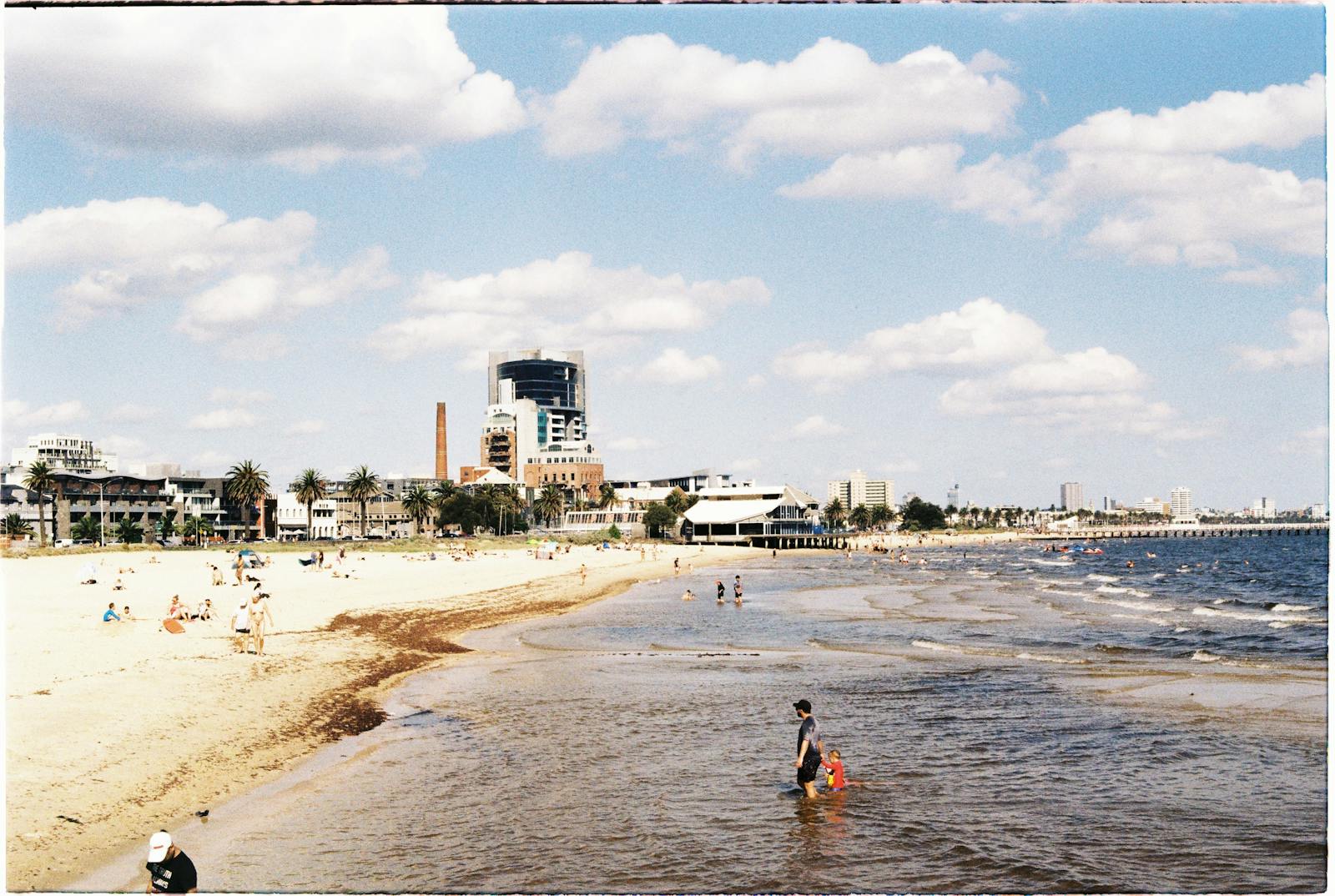
- St Kilda Beach — the classic: palm-lined Esplanade, the 110-year-old Luna Park funfair (entry free, rides AU$15–20), the pink-cake windows of Acland Street, and the famous St Kilda Pier penguin colony (100+ little penguins return to roost in the breakwater every evening, one of the city’s best free wildlife encounters).
- Brighton Beach — home to the much-photographed Brighton Bathing Boxes: 82 individually-painted Victorian-era huts in a rainbow line along the sand. 15-minute train from Flinders Street.
- Elwood Beach — quieter than St Kilda, with a beachfront canal-side walking path.
- Williamstown — historic naval suburb on the city’s western shore, reachable by a scenic hourly ferry from Southgate (AU$22 return) as well as train.
- Mornington Peninsula (for a day trip) — the calm-side beaches of Mount Martha and Mornington, the wild-side surf beaches of Gunnamatta and Portsea, and the geothermal Peninsula Hot Springs (AU$45 weekday day entry).
6. Arts, Culture & Museums
For culture lovers, the best things to do in Melbourne are clustered in the Southbank Arts Precinct — this is unambiguously Australia’s arts capital. The Southbank Arts Precinct alone contains five major institutions within a five-minute walk.
- NGV International & NGV Australia — covered above. Time a visit with one of the annual Melbourne Winter Masterpieces blockbusters (June–October).
- Arts Centre Melbourne — the spire-topped performing-arts complex with Hamer Hall, the State Theatre, and a free Sunday Market on the forecourt.
- ACMI — the Australian Centre for the Moving Image, on Federation Square. Free permanent exhibition on Australian screen history is one of the best museums of its kind in the world.
- Melbourne Museum & IMAX — covered below (under Families). The Bunjilaka Aboriginal Cultural Centre inside is essential.
- Immigration Museum — excellent examination of the migrant waves that shaped modern Australia. AU$15.
- Jewish Museum of Australia (St Kilda), Chinese Museum (Chinatown), Hellenic Museum (CBD) — each a focused, beautifully curated smaller institution.
- The Capitol Theatre — Walter Burley Griffin’s 1924 prismatic-ceiling cinema, restored and screening independent film.
- Rising Festival (June) and Melbourne International Arts Festival (October) dominate the annual cultural calendar.
7. Sport & Major Events
Watching live sport is one of the most quintessential things to do in Melbourne. It is the only city in the world to host four of the globe’s biggest annual sporting events: the Australian Open, the Formula 1 Grand Prix, the Melbourne Cup, and the AFL Grand Final. Time your trip around one of them if you can.
- Australian Open — late January, Melbourne Park. Ground-pass tickets from AU$49 let you wander 25 courts and watch top-100 players at arm’s length. Our full Aus-Open planning guide is coming.
- Formula 1 Australian Grand Prix — March, Albert Park. General-admission Thursday tickets from AU$60.
- AFL (Australian Football League) — the season runs March to September. Buy a ticket to any match at the MCG or Marvel Stadium for AU$30–60 and experience the most passionate crowd in Australian sport.
- Melbourne Cup — first Tuesday of November, a public holiday in Victoria. The race that stops a nation, at Flemington Racecourse.
- Rugby, Cricket, A-League Soccer — Boxing Day Test at the MCG (December 26) is a bucket-list experience for cricket fans.
- Comedy Festival (April), Moomba (March), White Night / Rising (June), Food & Wine Festival (March).
8. Families & Kids
The best family things to do in Melbourne make it one of the most child-friendly cities in the Asia-Pacific, with excellent public transport, a very high density of parks and playgrounds, and world-class kids’ institutions.
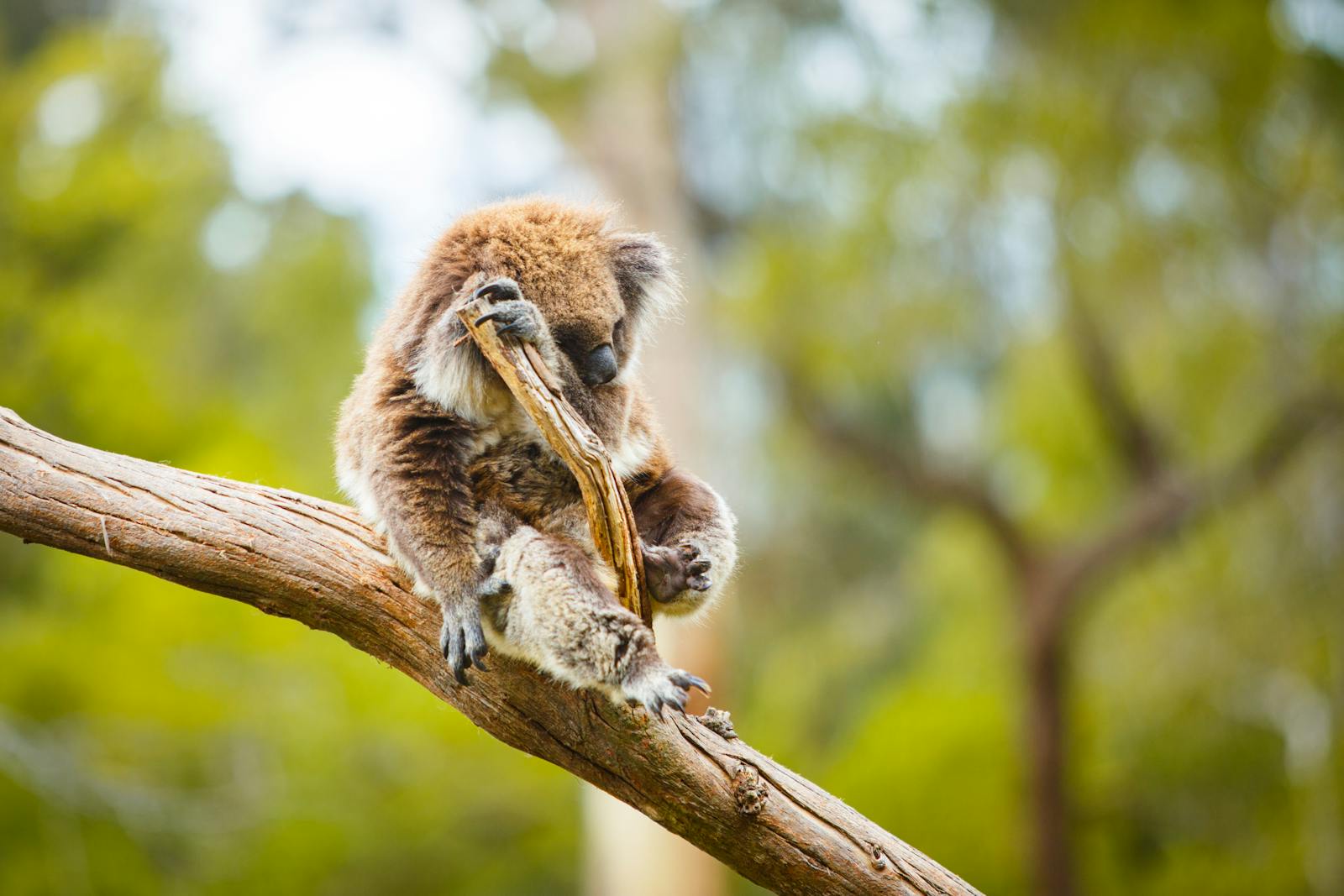
- Melbourne Zoo (Parkville, 20 min from CBD) — Asian elephants, a superb walk-through gorilla forest, and kids under 16 are free on weekends, public holidays, and all school holidays.
- SEA LIFE Melbourne Aquarium — on the Yarra; king penguins, crocodiles, sharks. AU$50 adult, AU$38 child; book online for 20% off.
- Scienceworks (Spotswood) — hands-on science museum with a lightning room and a planetarium. AU$15 adult, kids free.
- Melbourne Museum (Carlton) — features the Children’s Gallery, the Bunjilaka Aboriginal Cultural Centre, and Phar Lap (the legendary racehorse). AU$15 adult, kids free.
- Luna Park (St Kilda) — enter through the giant smiling face; the 1912 scenic railway is the world’s oldest continuously-operating rollercoaster.
- Puffing Billy (Belgrave, 1 hr from CBD) — ride a working century-old steam train through the Dandenong Ranges with your feet dangling out the windows. AU$60 adult return, kids half.
- IMAX Melbourne — one of the world’s largest IMAX screens; perfect rainy-day option.
- ArtPlay (Birrarung Marr) — free creative workshops for children run by the City of Melbourne.
For a full itinerary including hour-by-hour suggestions, rainy-day backups, and stroller-friendly routes, see our dedicated guide to things to do in Melbourne with kids.
9. Shopping
Shopping is underrated among things to do in Melbourne — retail here is more interesting than its glossier peers because the strongest scenes are hyperlocal boutiques clustered by neighbourhood rather than mega-malls. That said, the mega-malls are also excellent.
- Bourke Street Mall — pedestrianised heart of CBD retail; David Jones and Myer flagship department stores.
- Emporium Melbourne, Myer Centre, QV — three inter-connected CBD centres covering everything from Uniqlo to Tiffany.
- Block & Royal Arcades — heritage Victorian arcades (covered above); the best place for old-Melbourne gifts and Haigh’s chocolates.
- Brunswick Street, Fitzroy — vintage, independent fashion, bookshops, record stores.
- Gertrude Street, Fitzroy — Australian designers and concept stores.
- Chapel Street, South Yarra — mid-to-upper-range fashion and the Jam Factory.
- High Street, Armadale — antiques, interiors, and designer womenswear.
- Chadstone “The Fashion Capital” — the largest shopping centre in the Southern Hemisphere, 20 min by bus. Louis Vuitton, Gucci, Apple flagship.
- DFO South Wharf — outlet shopping 10 minutes from the CBD for discounted Australian brands.
10. Day Trips from Melbourne
Some of the very best things to do in Melbourne aren’t in the city at all — Victoria’s best experiences sit within a two-hour drive of the CBD. If you have four days or more, devote at least one to each of the following.
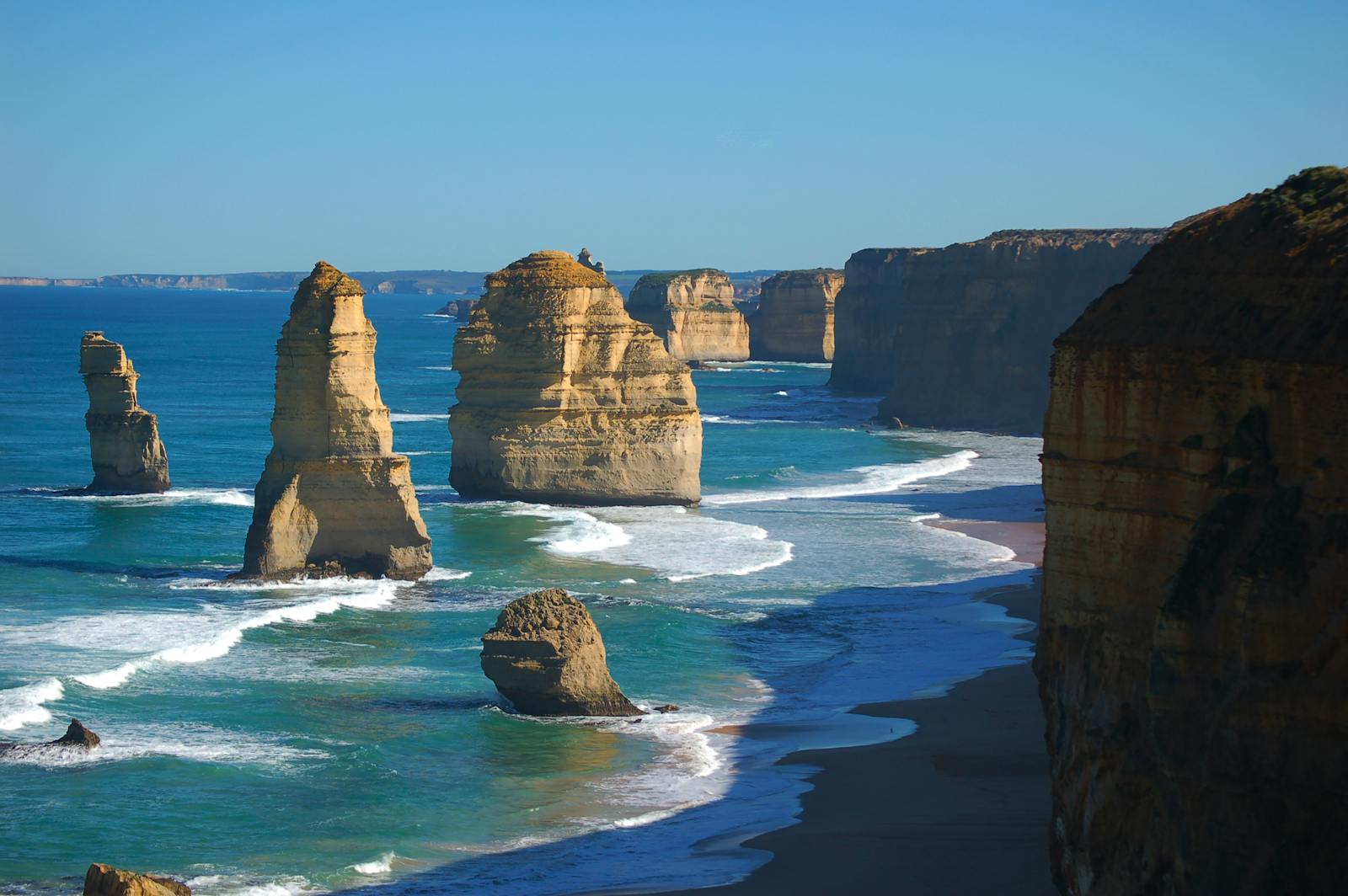
The Great Ocean Road & the Twelve Apostles
A 240-km coastal drive that most travellers describe as the highlight of their Australian trip. Highlights include Bells Beach (surfing), the Great Otway National Park rainforest, koalas in the wild at Kennett River, and the limestone stacks of the Twelve Apostles at Port Campbell. Achievable as a (long) self-drive day trip, but much better with one overnight in Apollo Bay or Port Campbell. Bus tours from the CBD run from AU$120.
Phillip Island & the Penguin Parade
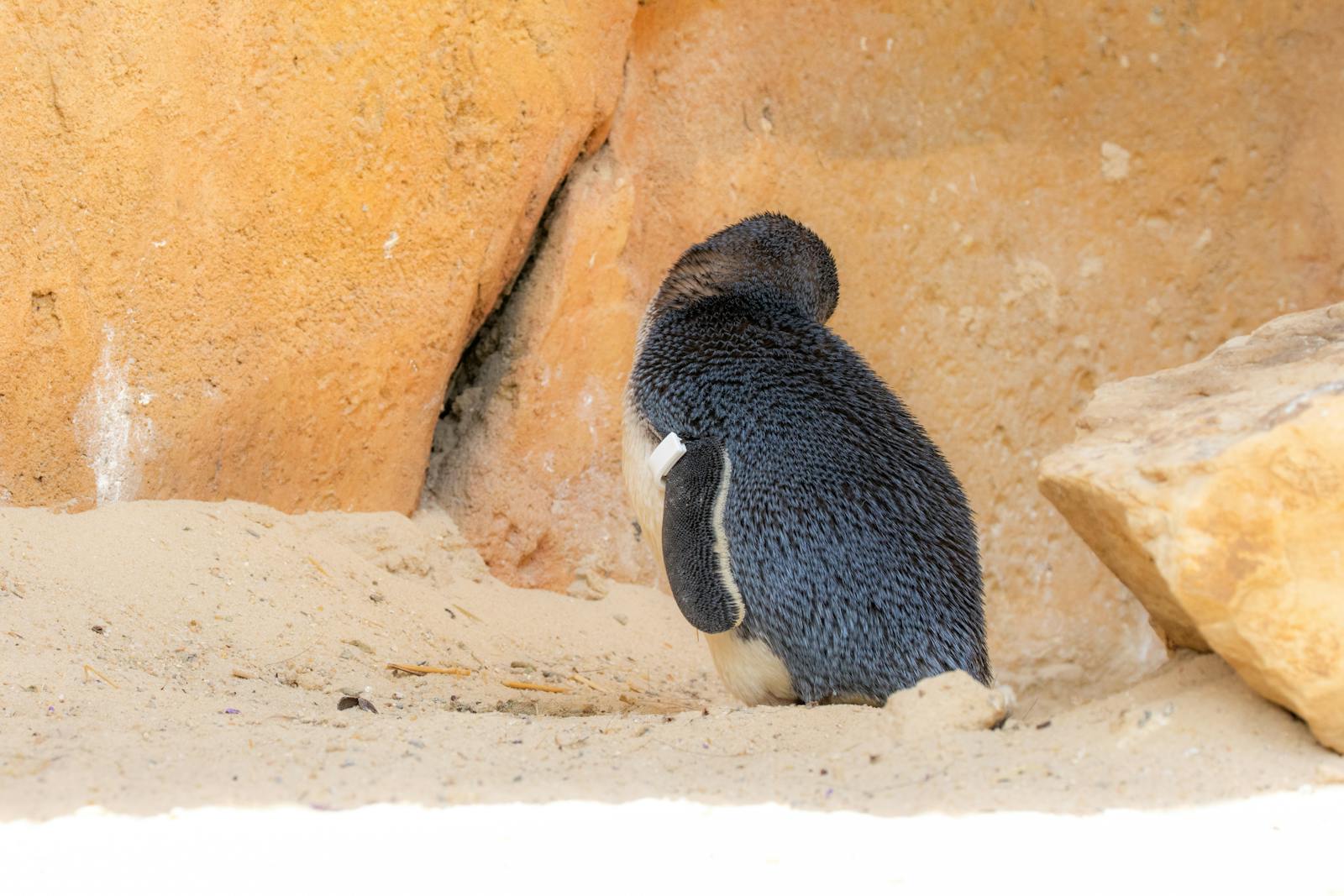
Every evening at dusk, hundreds of little penguins (Eudyptula minor) waddle up the beach at Summerland to their burrows — the world’s most famous penguin parade. General-viewing tickets AU$33 adult / AU$17 child; the Underground Viewing experience (eye-level with the birds) is AU$85 and worth it. Combine with the Koala Conservation Reserve and the Nobbies Boardwalk. 1.5 hr drive or AU$165 bus tour.
Yarra Valley Wine Country
Australia’s oldest cool-climate wine region, 1 hour northeast. Award-winning Pinot Noir and sparkling at Domaine Chandon, Yering Station, Oakridge, De Bortoli. Tack on the Healesville Sanctuary for a superb encounter with Australian wildlife. Minivan tours from AU$140.
Dandenong Ranges & Puffing Billy
Fern-gullies, mountain-ash forests, and pretty hamlets like Olinda and Sassafras, 1 hour east. Ride Puffing Billy steam train through the forest. In autumn, the Dandenong Ranges Botanic Garden is spectacular.
Mornington Peninsula
Beaches, boutique wineries (Montalto, Ten Minutes by Tractor, Pt. Leo Estate), the Peninsula Hot Springs, and Arthur’s Seat with its scenic chairlift. 1 hr 15 min drive.
Werribee Open Range Zoo
A safari-style zoo 35 minutes west of Melbourne. The AU$49 general ticket includes a free guided savannah bus tour past rhinos, giraffes, zebras, and lions.
11. Free & Budget-Friendly Things to Do
Plenty of the best things to do in Melbourne are completely free — this is one of the few world-class cities where you can spend a week as a tourist and barely pay for a single attraction. A few highlights:
- The Royal Botanic Gardens, Fitzroy Gardens, and Carlton Gardens — all free.
- NGV permanent collections — free.
- Shrine of Remembrance — free (Ray of Light at 11 a.m.).
- ACMI permanent exhibition — free.
- State Library Victoria, La Trobe Reading Room, and Ned Kelly’s armour — free.
- St Kilda Pier little penguins — free.
- Hosier Lane, AC/DC Lane, Union Lane street art — free.
- City Circle Tram (route 35) — free.
- Free Tram Zone throughout the CBD — free.
- Docklands Art Trail — free, a 2-km waterfront sculpture walk.
- Queen Victoria Market (browse) — free.
Read our fully-indexed 50+ free things to do in Melbourne piece for the complete list with locations and best times to go.
12. Nightlife & After Dark
Late-night things to do in Melbourne earn the city its reputation as Australia’s best after-dark scene. Unlike Sydney, the CBD has no lock-out laws, so bars run until 3 a.m. and clubs to 7 a.m.
- Laneway speakeasies — see the food section above.
- Live music — Melbourne has more live music venues per capita than any other city on earth. The Corner Hotel (Richmond), The Tote (Collingwood), The Forum (CBD), Cherry Bar (now at ACMI), and Max Watts cover everything from rock to hip-hop.
- Comedy — the Melbourne International Comedy Festival (April) is the third-largest in the world. Year-round, try The Comics Lounge and the Comedy Republic.
- Jazz — Paris Cat and Bird’s Basement in the CBD.
- Queer nightlife — Poof Doof at the Prince, Sircuit, and the Gertrude Street end of Fitzroy.
- After-dark dining — Chinatown kitchens and Victoria Street Richmond are open till 2 a.m.
For planning an evening itinerary, our things to do in Melbourne at night page maps a three-stop crawl (food → show → late bar) by neighbourhood.
Suggested Itineraries
The Perfect One Day in Melbourne
9:00 a.m. — Coffee at Patricia or Market Lane, breakfast at Hardware Société.
10:30 a.m. — Walk the Hosier Lane / Centre Place / Degraves loop.
12:00 p.m. — Free hop on the City Circle Tram for a CBD loop.
1:00 p.m. — Lunch at Queen Victoria Market.
3:00 p.m. — NGV International free collection.
5:00 p.m. — Sunset from the Eureka Skydeck.
7:30 p.m. — Dinner in Chinatown or Lygon Street.
10:00 p.m. — Hidden bar on Meyers Place or Hardware Lane.
The Perfect Three Days in Melbourne
Day 1 — Central Melbourne icons: Federation Square, laneways, Queen Vic Market, NGV, Skydeck sunset (itinerary above).
Day 2 — St Kilda & the Bay: Tram to St Kilda, Acland Street cakes, Luna Park, Brighton Bathing Boxes afternoon, St Kilda Pier penguin sunset.
Day 3 — Day trip: Great Ocean Road (long) or Phillip Island Penguin Parade.
Weekend in Melbourne (Friday PM – Sunday)
Friday: Queen Vic Summer Night Market or a Hosier Lane bar-crawl. Saturday: AFL or cricket at the MCG, dinner in Fitzroy, live music at the Corner. Sunday: brunch at Lune Croissanterie, Royal Botanic Gardens and Shrine of Remembrance. Our things to do this weekend page updates every Friday with current one-off events.
Getting Around Melbourne
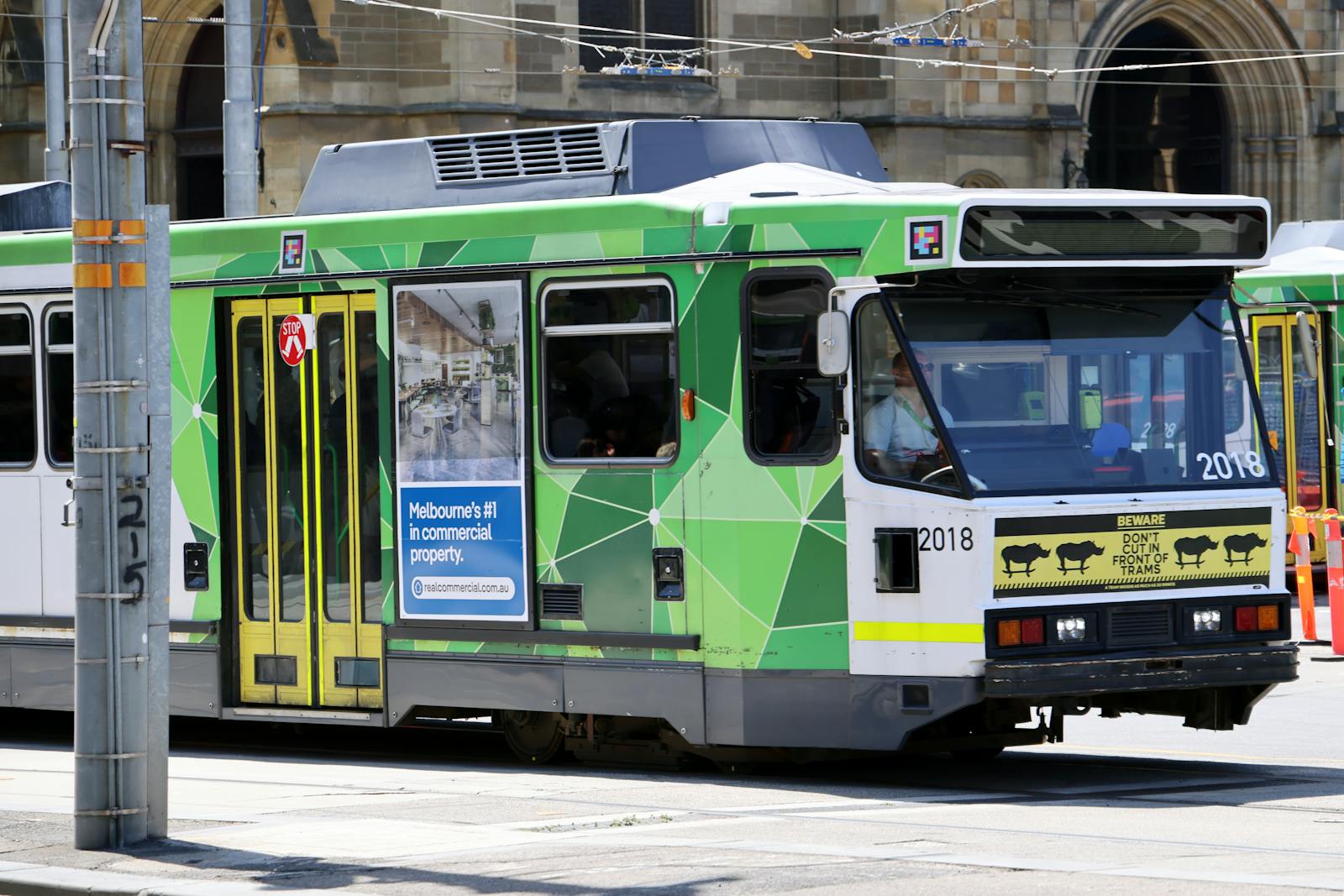
Melbourne has the largest tram network in the world (250 km of track), a metro rail network that radiates to the suburbs, and a good bus network filling the gaps. Key things to know:
- myki card — AU$6 for the plastic card from any 7-Eleven or station; top it up with credit. Daily cap: AU$10.60 (Zone 1+2). Tap on and off at stations, but only on trams and buses.
- Free Tram Zone — any tram trip within the CBD grid (including Docklands and Queen Vic Market) is completely free. No myki needed. Just board.
- From Melbourne Airport (MEL) — SkyBus to Southern Cross Station AU$24 one way, runs every 10 min, 24 hours. Trams do not go to the airport; the Melbourne Airport Rail Link is targeted for completion 2029.
- Uber / taxis — ubiquitous. CBD to the airport is around AU$65–80 in the day.
- Cycling — Lime and other e-bike schemes cover the CBD; dedicated bike lanes run along most major roads; helmets are legally required.
- Walking — the CBD is only 2 km by 1 km. You can walk between almost any two major sights in under 25 minutes.
For full timetables and real-time updates, Victoria’s official transport authority site is ptv.vic.gov.au.
Melbourne Neighbourhoods at a Glance
The best things to do in Melbourne vary wildly by suburb — each neighbourhood has a distinct personality, and choosing which ones to explore is half the fun. The quick orientation below helps you match neighbourhoods to your interests — a deeper dive lives in our Melbourne neighbourhoods guide.
- Fitzroy & Collingwood — Brunswick Street and Smith Street are ground-zero for bohemian Melbourne. Independent fashion, vinyl stores, natural-wine bars, craft breweries, and some of the best street art outside the CBD.
- Carlton — Melbourne’s “Little Italy” along Lygon Street; Carlton Gardens, Melbourne Museum, and the University of Melbourne just beyond.
- Richmond — Vietnamese food row on Victoria Street, the MCG at one end, and Bridge Road designer-outlet shopping.
- South Yarra & Prahran — Chapel Street designer boutiques, late-night bars, the Jam Factory, and the Prahran Market.
- St Kilda & Elwood — the seaside strip: beach, Luna Park, cake-shop Acland Street, and the Esplanade pier penguins.
- Brunswick — a more affordable, multicultural Fitzroy; Sydney Road is a rolling food parade.
- Southbank & Docklands — the Yarra’s south bank hosts the Arts Precinct, Crown, the Eureka Tower, and the waterfront promenade; Docklands adds Marvel Stadium, the Melbourne Star observation wheel, and rooftop bars.
- Williamstown — a slower, nautical pocket on Port Phillip Bay with heritage hotels and a ferry back into the city.
When It Rains: Indoor Options
Wet-weather things to do in Melbourne matter because the city’s weather is gloriously unpredictable, so every trip needs a rainy-day Plan B. Fortunately, the city excels at indoor attractions: the State Library’s Dome Galleries, ACMI’s free permanent exhibition, the NGV’s Great Hall, Melbourne Museum, the Immigration Museum, and the heritage arcades are all perfect when the skies open. A dedicated list — with hour-by-hour wet-weather itineraries — lives in our 40 indoor things to do on a rainy day guide.
Romantic Melbourne for Couples
The most romantic things to do in Melbourne? Dinner at one of the hatted CBD degustation rooms, a sunrise hot-air-balloon flight over the Yarra Valley, sunset cocktails from a Docklands rooftop, and a riverside stroll along Southbank make Melbourne a surprisingly strong date-weekend city. Couples planning a trip should also look at our 30 romantic things to do in Melbourne round-up.
Unique Experiences & Hidden Gems
Once you’ve ticked the icons, the best things to do in Melbourne reward curiosity. A few favourites: the Buxton Contemporary private art museum (Southbank, free), the Fairfield Boathouse wooden-rowboat hire on the Yarra, Pellegrini’s Espresso Bar on Bourke Street (unchanged since 1954, Melbourne’s first espresso machine), the Night Cat in Fitzroy for Saturday-night salsa, and the ghost tour through the Williamstown Morgue. Our 40 unique things to do in Melbourne list curates more.
Most Photogenic Spots
Every traveller has a short list of photo-worthy things to do in Melbourne. The classics: Flinders Street Station from the Princes Bridge, the Hosier Lane mural wall, the Block Arcade mosaic floor, the skyline from St Kilda Pier at blue hour, the Brighton Bathing Boxes at sunrise, and the NGV’s water wall. A curated walking route with lighting notes is our 40 most Instagrammable places in Melbourne guide.
When to Visit
Timing affects which things to do in Melbourne are at their best — Melbourne is famously described as having “four seasons in one day.” December–February brings hot, long summer days (25–32°C) and the biggest sport and festival calendar. March is arguably the best month of the year: the Comedy Festival, F1 Grand Prix, perfect 20–26°C weather, and fewer crowds. June–August is cooler (6–14°C) and perfect for gallery-hopping, indoor food tours, and shoulder-season hotel prices. Our companion best time to visit Melbourne guide has full month-by-month tables.
Frequently Asked Questions
Is Melbourne safe for tourists?
Yes. Melbourne consistently ranks among the top ten safest large cities in the world. Standard urban caution applies late at night in some nightlife strips, but violent crime is rare.
Do you tip in Melbourne?
Tipping is not expected. Australian staff are paid a livable hourly wage. It’s common (but not required) to round up a taxi fare or leave 10% for exceptional table service.
What should I wear in Melbourne?
Layers, always. Even in summer, afternoon temperatures can drop 10°C when a sea-breeze hits. Melburnians are a stylish but smart-casual crowd — you’ll fit in in dark jeans, a shirt, and clean trainers.
Can I see kangaroos near Melbourne?
Yes, wild eastern grey kangaroos are easy to spot at dawn or dusk at Serendip Sanctuary (Lara, 1 hr west) or You Yangs Regional Park, both free. Koalas are typically seen at Kennett River on the Great Ocean Road, or at Healesville Sanctuary in the Yarra Valley.
Do I need a car to visit Melbourne?
Not for city-based sightseeing — the tram and train network is excellent. Rent a car only if you plan to do self-drive day trips to the Great Ocean Road, Mornington Peninsula, or Yarra Valley. All three are also accessible by organised tour or public transport with extra effort.
Are most Melbourne attractions open on public holidays?
Yes, with the exceptions of Christmas Day (almost everything closed), Good Friday (many closed), and ANZAC Day morning (closed until 1 p.m.). Most state-government-run institutions (NGV, Melbourne Museum, State Library) operate normal hours on other public holidays.
Final Planning Tips
For up-to-the-minute things to do in Melbourne, bookmark the official city-run What’s On Melbourne events calendar and Victoria’s state tourism hub Visit Victoria alongside this guide. Book the high-demand experiences — Attica, the Penguin Parade Underground Viewing, MCG tours during the finals — at least two weeks in advance. Pack an umbrella and a light jacket even in January. And embrace the laneway-led rhythm of the city: Melbourne rewards wandering far more than it rewards a tight schedule.
This is the pillar guide to things to do in Melbourne. We update prices and seasonal information quarterly. Have a tip or correction? Let us know.
The Complete Things to Do in Melbourne Series
- Free Things to Do in Melbourne (2026): 50+ No-Cost Attractions and Activities
- Things to Do in Melbourne with Kids (2026): 70+ Family-Friendly Activities
- Things to Do in Melbourne at Night (2026): After-Dark Adventures
- Best Melbourne Laneways (2026): Guide to the City’s Hidden Streets
- Unique Things to Do in Melbourne (2026): 40 Hidden Gems Locals Love
- Things to Do in Melbourne This Weekend
- Melbourne Street Art Tour: Self-Guided Route + Best Murals
- 30 Romantic Things to Do in Melbourne for Couples
- Things to Do in Melbourne on a Rainy Day: 40 Indoor Ideas
- 40 Most Instagrammable Places in Melbourne (2026 Edition)