Melbourne Neighbourhoods Guide: Best Suburbs for Tourists to Explore (2026)
- Words
- Melbourne Tourism Guide
- Updated
- August 20, 2026
- Read
- 27 min
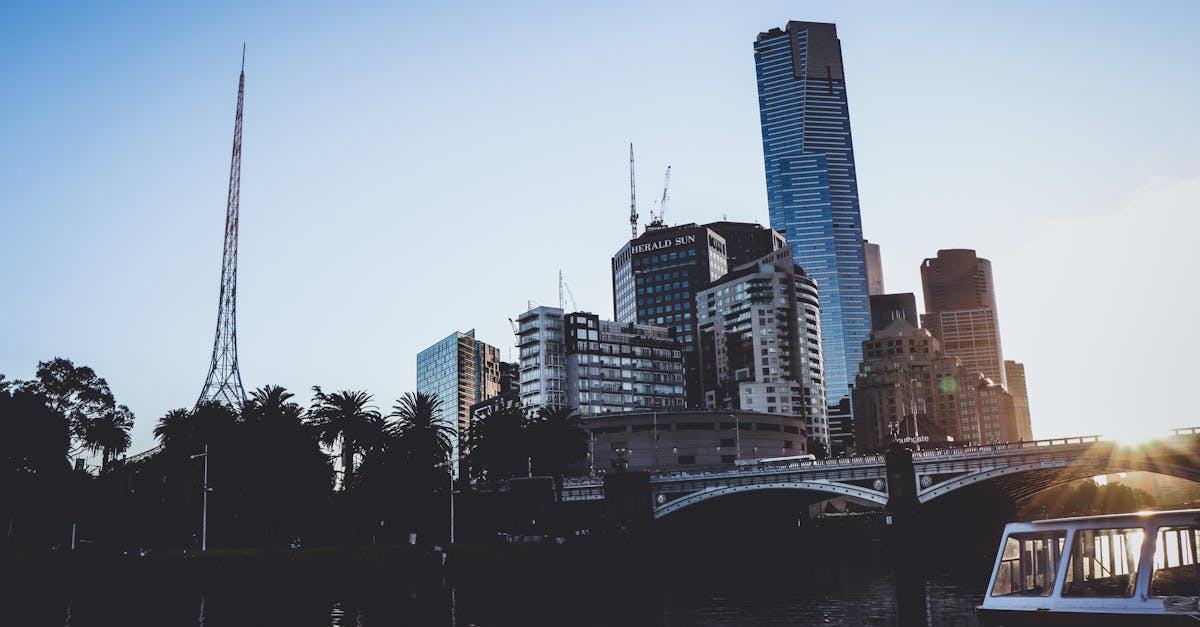
The complete Melbourne neighbourhoods guide — CBD laneways, Fitzroy bohemia, St Kilda beaches, Chapel Street shopping and 8 more inner suburbs. Signature streets, transport, food and how long you need in each.
This article contains advertising. Our booking links are routed through a partner that adds commission tracking automatically, so if you book through one we earn a commission from the provider, at no extra cost to you. It never affects what we recommend. Affiliate disclosure
This Melbourne neighbourhoods guide breaks the city down into the 12 inner suburbs that matter most to visitors — where to go, why each one is different, and how to link them into a smart walking or tram route. Melbourne is geographically sprawling but the tourist-friendly core is surprisingly compact: almost every neighbourhood worth visiting sits within a 6 km radius of the CBD and connects to the Free Tram Zone or a major train line.
What makes Melbourne unusual among global cities is how distinct each suburb feels in just a few blocks. Cross from Carlton to Fitzroy over the university grounds and the dress code changes. Take a tram six stops south of the CBD and the laneway cafés give way to palm trees and beach cabanas. Unlike cities where “neighbourhoods” blur together, Melbourne’s tribes are sharply defined — and that’s exactly what makes a well-planned multi-suburb day so rewarding.
This 2026 guide is organised geographically: we start in the CBD, work north to the indie-leaning inner north (Fitzroy, Collingwood, Carlton, Brunswick), then south to the upscale and food-heavy inner south (South Yarra, Richmond), then down to the bay (St Kilda, Williamstown) and finally to the modern waterfront (Southbank, Docklands). Each section covers what the suburb is known for, signature streets, standout experiences, where to eat, how to get there, and how long you need.
Table of Contents
- Melbourne at a glance — the city’s geography
- Neighbourhood comparison table
- Melbourne CBD — the central hub
- Fitzroy — bohemian inner north
- Collingwood — craft beer and street art
- Carlton — little Italy and the university
- Brunswick — multicultural and creative
- Richmond — Vietnamese food and the MCG
- South Yarra and Prahran — Chapel Street shopping
- St Kilda — bayside, beach and Luna Park
- Williamstown — historic seaside escape
- Southbank — arts precinct and riverfront
- Docklands — modern harbourside
- Best neighbourhood for each type of visitor
- Three suggested multi-neighbourhood walking routes
- Moving between neighbourhoods
- Where to stay in each area
- Frequently asked questions
Melbourne at a glance — the city’s geography
Before diving into specific suburbs, it helps to picture Melbourne as a pinwheel. At the centre is the CBD — the grid of laneways, Victorian-era arcades and high-rises bounded by Flinders Street, Spencer Street, La Trobe Street and Spring Street. Running west-to-east through the CBD is the Yarra River, which splits the centre from Southbank and the arts precinct on its south bank. Every other neighbourhood radiates outward from here on the tram and train network.
North of the CBD lies the “inner north” — a belt of Victorian-era terrace-house suburbs that house Melbourne’s art scene, live music venues, independent fashion and most of its best bars. Names to know: Carlton, Fitzroy, Collingwood, Brunswick, Northcote and Thornbury. Five minutes on a tram from the CBD, yet aesthetically a different city.
South and south-east of the CBD is the “inner south” — slightly more upscale and polished. Richmond to the east is famous for Vietnamese food and the MCG (Melbourne Cricket Ground). South Yarra and Prahran are fashion and dining strips centred on Chapel Street. Continue south and you reach Port Phillip Bay, where beachside suburbs St Kilda, Elwood and Brighton mark the city’s summer playground.
West of the CBD you find Docklands (a modern harbourside precinct), Yarraville and Seddon (hipster pockets that rival Fitzroy), and further along, Williamstown — a historic seaside suburb that feels like Sydney’s balmain or Portsmouth. East lies Richmond’s working-class overflow into suburbs like Abbotsford (Convent art complex) and Kew (leafy mansions). For most tourists, the bulk of your time will be spent within a triangle formed by the CBD, Fitzroy and St Kilda.
Neighbourhood comparison table
The fastest way to orient yourself with any Melbourne neighbourhoods guide is a side-by-side comparison. The table below summarises character, signature experience, how to get there from the CBD and how long you should budget.
| Neighbourhood | Character | Signature experience | From CBD | Time needed |
|---|---|---|---|---|
| CBD | Dense, urban, laneway cafés | Hidden laneway crawl + rooftop bar | You’re already there | 1–2 days |
| Fitzroy | Bohemian, indie, creative | Brunswick Street browsing + rooftop drinks | Tram 11 / 5 min | Half day |
| Collingwood | Gritty-cool, breweries, bars | Smith Street bar hop + Stomping Ground brewery | Tram 86 / 10 min | Evening |
| Carlton | University / Italian heritage | Lygon Street pasta + Royal Exhibition Building | Tram 1/6 / 10 min | Half day |
| Brunswick | Multicultural, creative | Sydney Road food crawl | Tram 19 / 15 min | Half day |
| Richmond | Sports, Vietnamese, pubs | Victoria Street pho + MCG tour | Tram 48/109 / 10 min | Half day |
| South Yarra / Prahran | Fashion, upscale dining | Chapel Street shopping + Prahran Market | Train / 6 min | Half day |
| St Kilda | Bayside, beach, nostalgia | Beach, Luna Park, Acland Street cakes | Tram 96 / 20 min | Full day in summer |
| Williamstown | Historic, seaside village | Pier walk + Nelson Place strip | Ferry or train / 30 min | Half day |
| Southbank | Arts, riverfront, polished | NGV + Arts Centre + Yarra promenade | Walk across bridge | Half day |
| Docklands | Modern harbourside | Star observation wheel + waterfront dining | Tram 70 / 10 min | 2–3 hours |
Melbourne CBD — the central hub
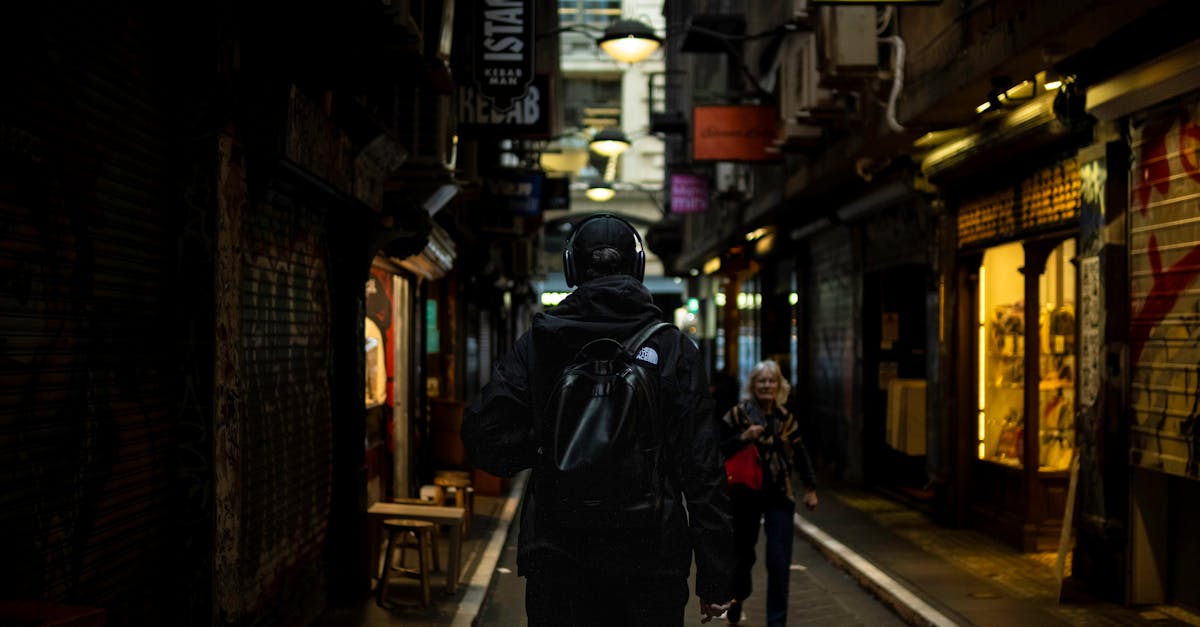
Melbourne’s CBD (Central Business District, also called “the city”) is the first stop on any Melbourne neighbourhoods guide because it’s both the geographical centre and the entry point for nearly every tourist. The grid was laid out by Robert Hoddle in 1837 and measures roughly 1.6 km east-to-west and 1 km north-to-south — small enough to walk end-to-end in 20 minutes.
What makes the CBD special: the laneway network. In between the main streets (Collins, Bourke, Little Collins, Little Bourke, Flinders, Lonsdale), dozens of narrow service lanes have been converted into pedestrianised café-and-bar corridors. Degraves Street, Centre Place, Hosier Lane (the street art lane), Block Arcade, Royal Arcade, AC/DC Lane, Caledonian Lane, Hardware Lane — each has its own character. A laneway walk is mandatory for any first-time visit.
Must-do in the CBD: Flinders Street Station (the 1909 landmark), Federation Square (civic plaza + NGV Australia), Hosier Lane for street art, Queen Victoria Market on the northern edge, Carlton Gardens slightly further north, State Library of Victoria (don’t miss the Dome Reading Room), and a Melbourne Skydeck sunset at the Eureka Tower across the river.
Where to eat in the CBD: Supernormal (Flinders Lane, modern Asian), Cumulus Inc. (brunch institution), Lune Croissanterie in Fitzroy branch or the CBD flagship, Longrain, Gimlet at Cavendish House. For coffee, Market Lane (multiple locations), Patricia, Brother Baba Budan.
Getting around: the CBD sits entirely inside Melbourne’s Free Tram Zone — you don’t pay for trams within the grid plus Docklands and some of Southbank. This alone makes staying central excellent value.
Time needed: serious visitors spend at least 1.5 days in the CBD — one to hit the landmarks and one to explore laneways and bars.
Fitzroy — bohemian inner north
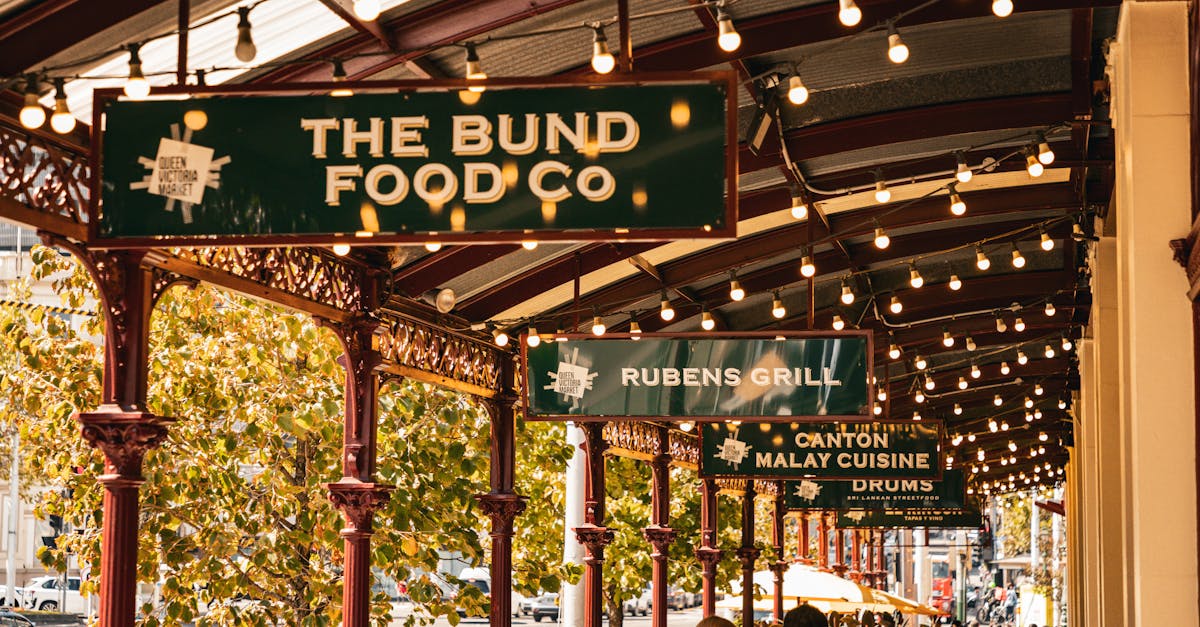
Fitzroy is the essential inner-north stop on this Melbourne neighbourhoods guide. It was Melbourne’s first suburb (gazetted 1839), its poverty during the 20th century left the Victorian terraces untouched, and when gentrification hit in the 1990s the result was one of the best-preserved and most atmospheric inner suburbs in Australia. Today it’s the archetypal Melbourne neighbourhood for independent fashion, vintage shopping, tattoo parlours, live music, and strong flat whites.
Signature street: Brunswick Street, which runs about 2 km north-south through the heart of the suburb. The best stretch is between Johnston Street and Alexandra Parade. Don’t miss Gertrude Street — a shorter strip that crosses Brunswick at the southern end and contains the highest concentration of Fitzroy’s newer, design-forward bars and shops.
What to do: browse indie boutiques like Fool’s Paradise and Obus; flick through records at Polyester Records; eat a paprika-glazed cauliflower at Cutler & Co. (one of Melbourne’s best restaurants); drink at Naked for Satan (rooftop with bay views), The Standard (classic beer garden), or Black Pearl (one of the world’s top 50 bars by industry rankings).
How to get to Fitzroy from the CBD: the Tram 11 from Collins Street runs along Brunswick Street. Alternatively, Tram 86 or 96 runs along Smith Street, which is the Fitzroy-Collingwood border. Uber takes 7–10 minutes from the CBD.
Time needed: a half day minimum. Many visitors combine a Fitzroy afternoon with dinner and drinks in Collingwood next door.
Collingwood — craft beer and street art

Collingwood sits directly east of Fitzroy, separated only by Smith Street (which functionally belongs to both suburbs). If Fitzroy is where 1990s bohemia went to settle down, Collingwood is where 2020s Melbourne creativity went looking for warehouse space. The suburb has the city’s densest cluster of craft breweries, its grittiest street art, and an abundance of converted-factory bars.
Signature streets: Smith Street (retail and bars), Johnston Street (for breweries), and Easey Street (of legendary graffiti-train rooftop fame — the Easey’s pizza place famously sits atop four disused train carriages).
Breweries to visit: Stomping Ground Brewing Co. (a full brew pub with a retractable roof), Moon Dog Craft Brewery, The Mountain Goat Brewery, and Stockade Brew Co. A self-guided Collingwood brewery walk is one of the best ways to spend a Saturday afternoon.
What else to do: the Abbotsford Convent (just east) is a former convent turned arts complex with galleries, a farmers market on Saturdays and the brilliant Lentil As Anything restaurant (pay-as-you-feel). Johnston Street on Friday nights is peak Melbourne bar culture.
Getting there: Tram 86 down Smith Street from the CBD (15 minutes). The Collingwood train station (Hurstbridge / Mernda lines) also serves the suburb’s eastern edge.
Carlton — little Italy and the university
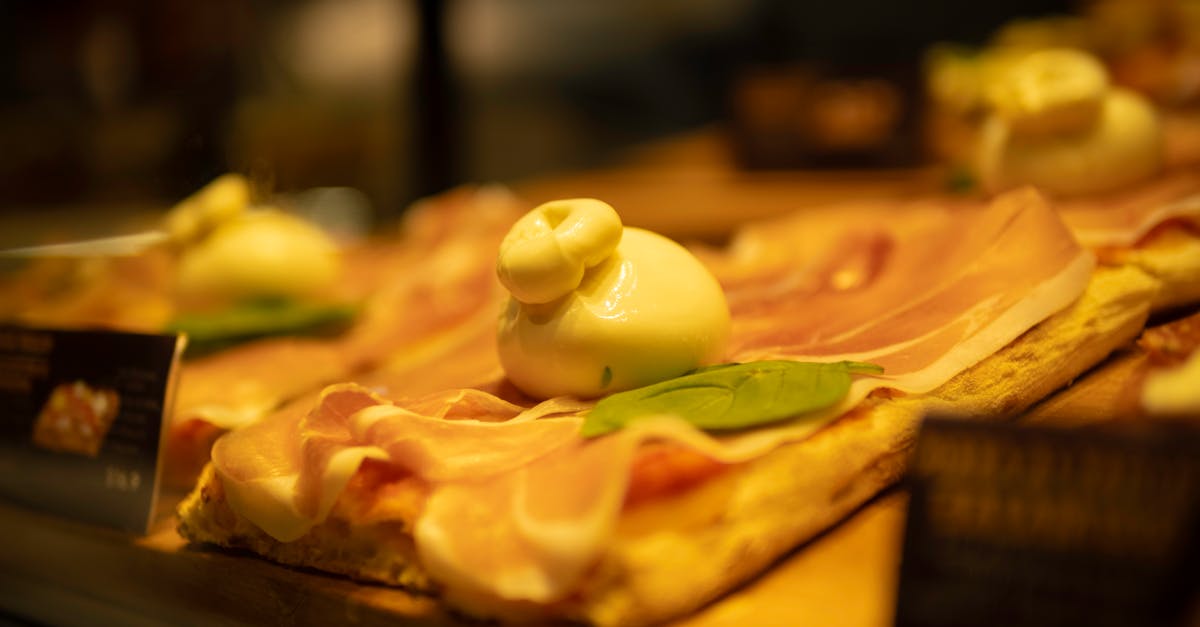
Immediately north of the CBD, Carlton is anchored by the University of Melbourne and by Lygon Street, Australia’s unofficial “Little Italy”. Italian migration to Carlton peaked in the 1950s–60s, and while the demographic has since diversified, the Italian restaurants, gelato shops and espresso bars have survived on tourist and student demand.
What to do: walk Lygon Street from Queensberry Street up to Elgin Street — this is the densest Italian dining strip, with historic places like Brunetti (classic espresso bar), Totò (traditional) and newer favourites like D.O.C. Pizzeria and Tiamo. Visit the Royal Exhibition Building (UNESCO World Heritage Site, one of the last great 19th-century exhibition pavilions) and the Melbourne Museum (the largest in the southern hemisphere). Wander the Carlton Gardens surrounding both.
A local tip: skip the Lygon Street restaurants with the hosts trying to pull you in from the footpath — they’re fine but generic. The real Carlton Italian scene is on Faraday Street and the side-streets. King & Godfree is a century-old Italian grocer with a restaurant and wine bar upstairs that genuinely captures the neighbourhood’s character.
Getting there: Tram 1 or 6 along Swanston Street. The walk from Melbourne Central station takes 8–10 minutes.
Brunswick — multicultural and creative
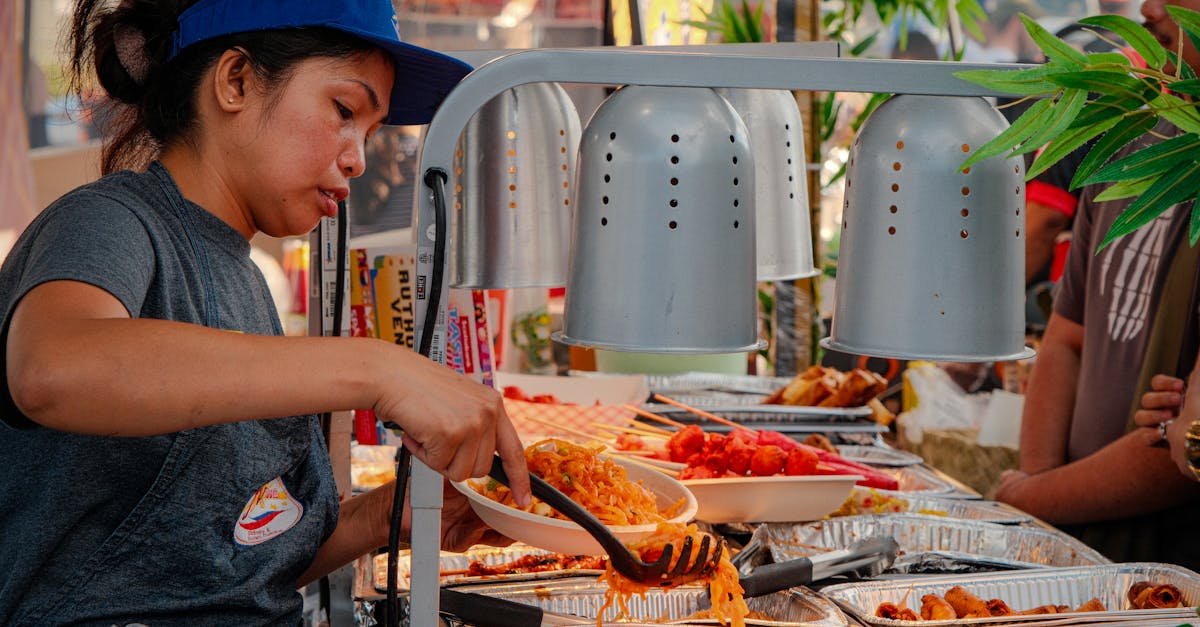
Brunswick sits directly north of Carlton and is where post-war migration waves stamped the city most clearly. Italian, Greek, Lebanese, Turkish and Vietnamese communities layered one on top of another along Sydney Road — a 4 km-long commercial strip that is still one of Melbourne’s great food walks. In the 2010s, hipster gentrification brought craft breweries and specialty coffee to Lygon Street’s northern extension, but unlike Fitzroy, Brunswick never lost its working-class multicultural character.
Signature street: Sydney Road. Start at the tram 19 stop near Brunswick train station and walk north. In the first kilometre you’ll pass Lebanese pizza shops (Zaatar), Turkish pide houses, Italian delis, Indian sweets shops, and some of Melbourne’s best new cafés (Padre Coffee, Pope Joan). Lygon Street in Brunswick is quieter but has standouts like A1 Bakery, Brunswick Mess Hall and CIBI.
What to do: beyond eating, Brunswick is a vintage-shopping paradise (the Sydney Road end of Lygon Street in particular has several excellent op-shops), and live music venues like Howler host the best of Melbourne’s indie scene.
Getting there: Tram 19 along Royal Parade / Sydney Road. Train to Brunswick or Jewell on the Upfield line.
Richmond — Vietnamese food and the MCG
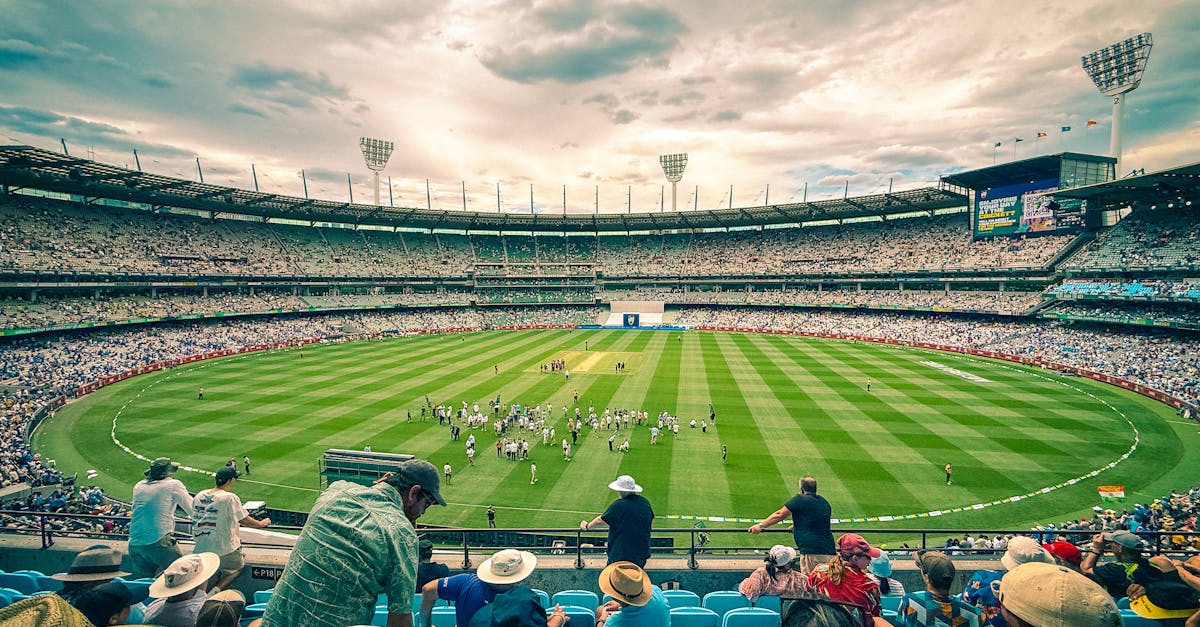
Richmond spans the area east of the CBD between the Yarra River and Punt Road. It’s a neighbourhood of three distinct identities stacked on top of one another: a Vietnamese food precinct along Victoria Street (unofficially “Little Saigon”), a working-class pub culture along Swan Street and Bridge Road, and one of Melbourne’s most intense sporting quarters built around the MCG, AAMI Park and Punt Road Oval.
Victoria Street is where Vietnamese refugees settled from the late 1970s. Today the strip between Hoddle Street and Church Street has 40+ Vietnamese restaurants, groceries and bakeries — some of the best pho in Australia. Reliable picks: Pho Bo Ga Mekong, Thanh Phong, Quan 88. A banh mi at Nhu Lan Bakery is $7 and arguably the best in the city.
The MCG hosts AFL (Australian Rules Football) from March to September and cricket from November to March — including Boxing Day Test every year. Whether or not you follow the sport, an AFL match at the MCG with a crowd of 90,000 is one of Melbourne’s great spectacles (for timing, see our Best Time to Visit Melbourne guide). The stadium also runs daily 75-minute tours.
Bridge Road was once Melbourne’s discount-fashion outlet strip but has quieted since COVID-19. Swan Street to the south is livelier and has Corner Hotel — a legendary live music venue with a famous rooftop. For upscale dining, Minamishima is one of the world’s great sushi restaurants and lives on a quiet Richmond side street.
Getting there: Tram 48 or 109 for Victoria Street; the Lilydale / Belgrave / Alamein train line stops at Richmond, East Richmond, West Richmond and Burnley.
South Yarra and Prahran — Chapel Street shopping
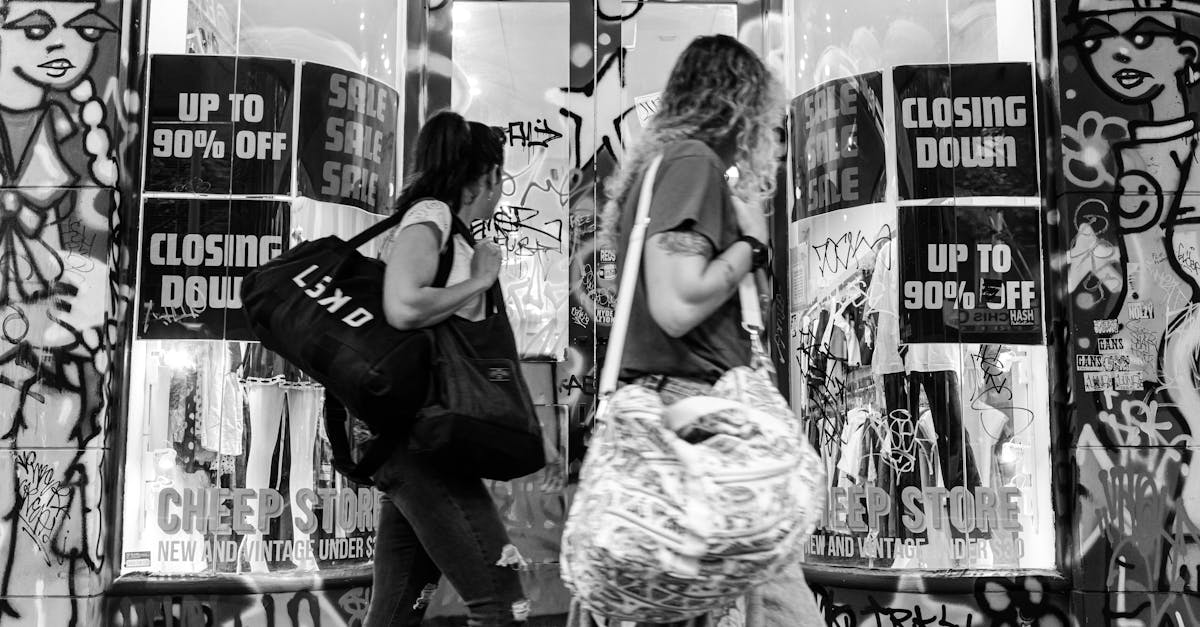
Chapel Street is the spine connecting South Yarra, Prahran and Windsor — effectively one long retail strip 4 km south of the CBD. The northern end (South Yarra) is upscale luxury and flagship fashion. The middle section (Prahran) mixes independent boutiques with Prahran Market, one of Melbourne’s great fresh-food markets. The southern end (Windsor) is where the hipsters took over from the fashion crowd and is more cocktail-bar territory.
What to do in South Yarra: shop Chapel Street between Toorak Road and Commercial Road (this is where you’ll find most of the fashion houses); visit Como House (a colonial mansion open for tours); eat at France-Soir (a Melbourne institution for French bistro food since 1986).
Prahran Market is open Tuesdays, Thursdays, Fridays, Saturdays and Sundays — smaller and more curated than the sprawling Queen Victoria Market but with arguably better produce. Next door is Prahran Square, redeveloped in 2019 with excellent food vendors and events.
Windsor centres on the southern end of Chapel and Greville Street. The Gasometer Hotel and The Railway Club are anchor pubs. Bad Frankie is a great whisky bar; Hawker Hall is the always-busy Southeast-Asian hawker-style restaurant.
Getting there: train to South Yarra station on the Sandringham, Frankston, Pakenham or Cranbourne lines (6 minutes from Flinders Street). Trams 58 and 78 run along High Street and Chapel Street.
St Kilda — bayside, beach and Luna Park
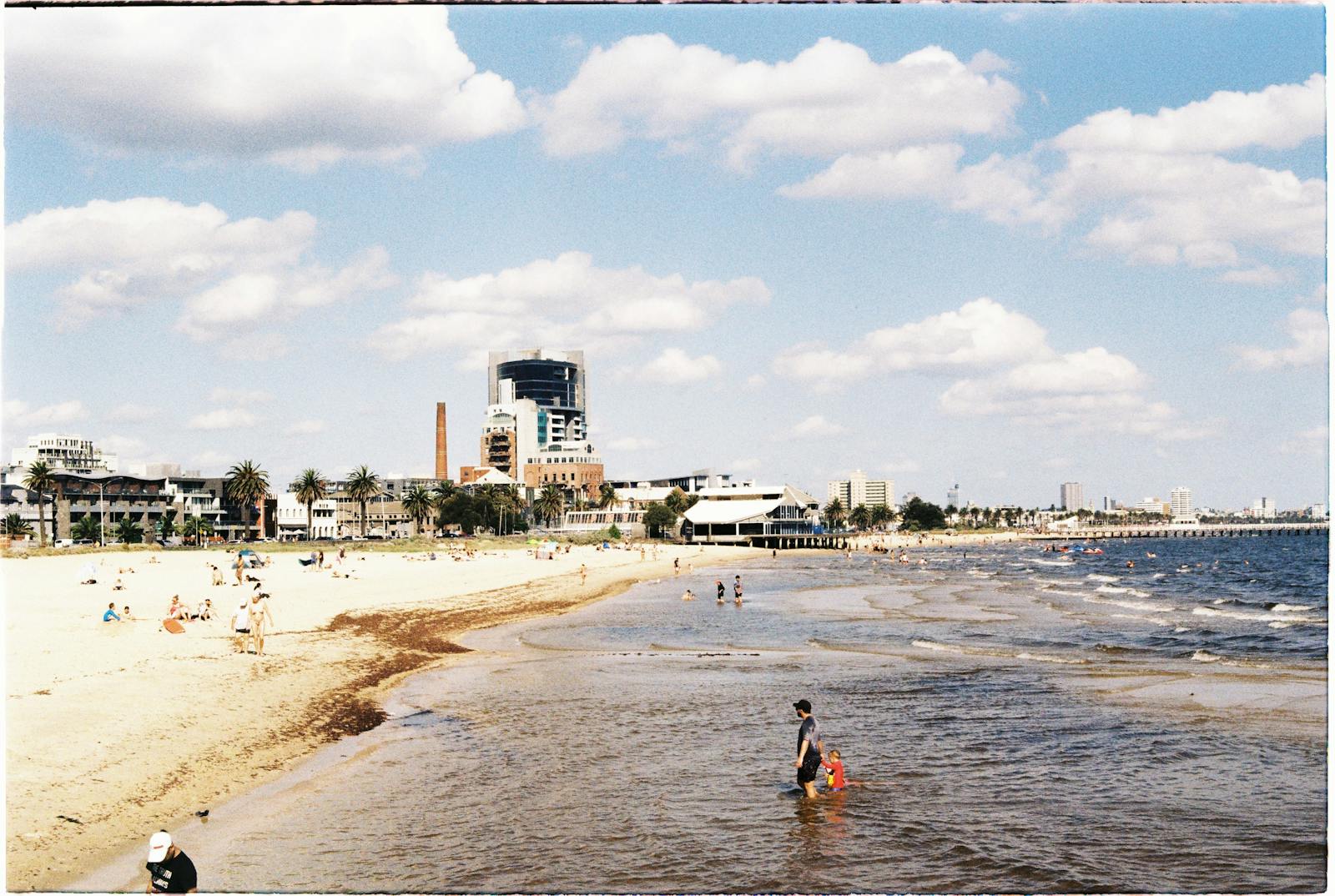
St Kilda is where Melbourne goes to the beach. It’s 6 km south of the CBD along Port Phillip Bay and has been a pleasure suburb since the 1850s — when the wealthy built summer villas; then the 1920s — when the Palais Theatre and Luna Park amusement park opened; then the 1980s — when it was Melbourne’s grittier, more hedonistic equivalent of Sydney’s Kings Cross. Today it’s a tourist-friendly bayside neighbourhood with a polished esplanade, a working Acland Street cake strip, and still enough character to feel different from every other Melbourne suburb.
What to do: swim at St Kilda Beach (clean, calm, lifeguards in summer); walk St Kilda Pier at sunset to see the penguin colony that lives in the breakwater rocks (free — they emerge at dusk year-round, peak numbers Dec–Feb); ride Luna Park’s 1912 wooden rollercoaster; walk Acland Street for the Eastern European cake shops (Monarch Cakes, Europa, Acland Cake Shop); browse the Sunday Esplanade Market.
Where to eat: Stokehouse (fine dining on the beach), The Galleon Café (backpacker institution since 1988 for huge breakfasts), Claypots (seafood Spanish), Il Fornaio (breakfast/pastries), Lau’s Family Kitchen (Cantonese with bay views).
Getting there: Tram 96 from Bourke Street in the CBD runs straight to Acland Street (20–25 minutes). Light rail at peak times. Uber/taxi is $20–25 from CBD.
Time needed: half day in winter, full day November–March.
Williamstown — historic seaside escape
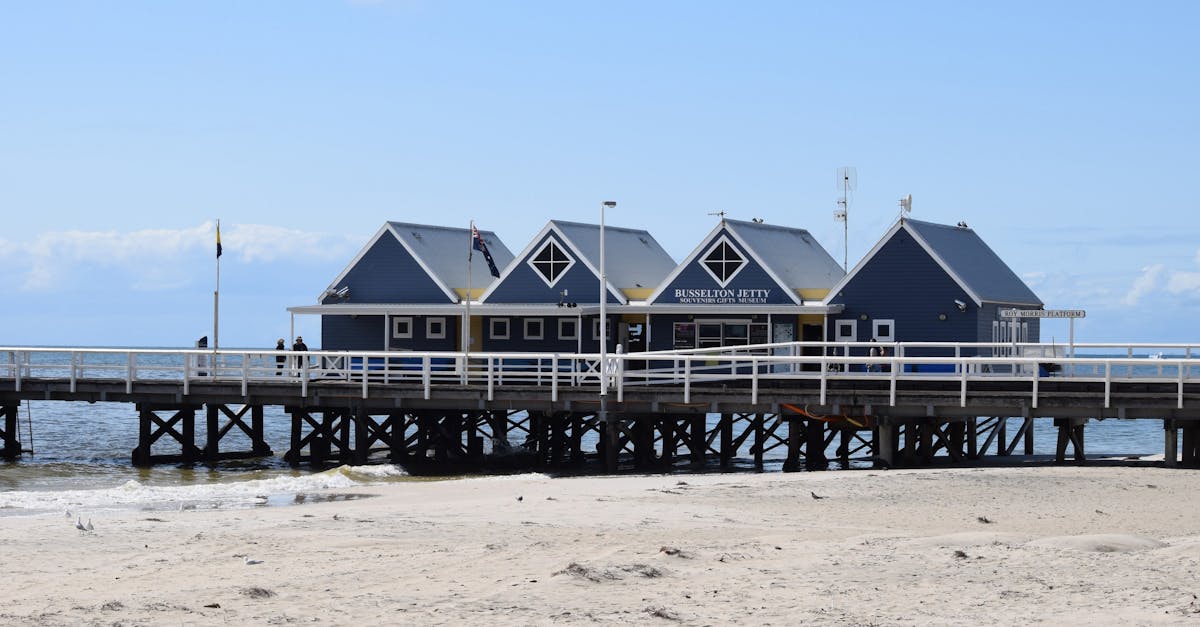
Williamstown is 10 km south-west of the CBD and is often overlooked in the standard Melbourne neighbourhoods guide — which is exactly why it makes a memorable half-day trip. Established as a port settlement in 1835 (predating Melbourne itself), Williamstown has a 19th-century streetscape, working yacht harbour, and sweeping views back across Port Phillip Bay to the CBD skyline.
What to do: walk Nelson Place (the waterfront strip lined with pubs and restaurants in heritage bluestone buildings); climb the Williamstown Time Ball Tower (Australia’s oldest); wander the Williamstown Botanic Gardens; visit the Seaworks Maritime Precinct and HMAS Castlemaine (a preserved WWII corvette); stop for fish and chips at the iconic Joe’s Fish Shack or Nautilus Fish n’ Chips on the pier.
How to get there — the scenic way: take the Westgate Punt / Williamstown ferry from Southbank (seasonal, 45 minutes, doubles as a sightseeing cruise with skyline views). Alternatively, the Williamstown train line from Flinders Street via North Melbourne (25 minutes).
Southbank — arts precinct and riverfront
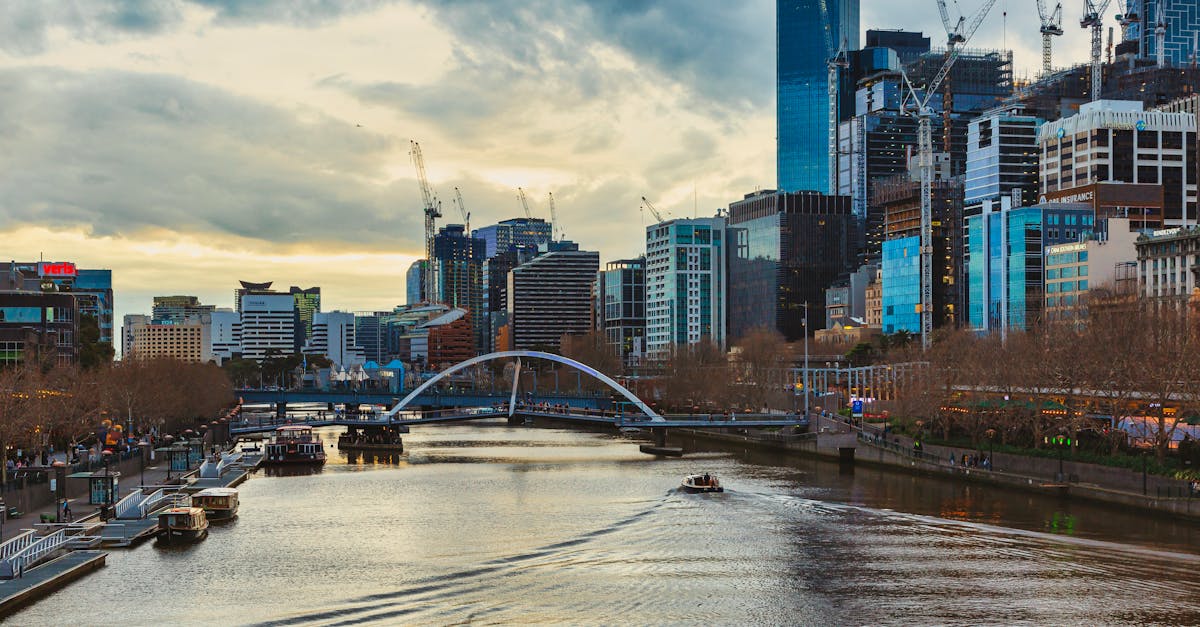
Southbank is the CBD’s southern extension across the Yarra — a modern riverfront precinct built up since the 1990s. It houses Melbourne’s two most important arts institutions (NGV International and Arts Centre Melbourne), the Eureka Tower and its observation deck (Melbourne Skydeck), the Crown Entertainment Complex (casino, hotels, restaurants) and a riverside promenade lined with restaurants.
What to do: the NGV International is Australia’s oldest and most-visited gallery (free entry to the permanent collection, typically $30 for touring exhibitions). The Arts Centre Melbourne hosts opera, ballet, musicals and classical concerts. Melbourne Skydeck offers the highest observation deck in the southern hemisphere. Walk the Yarra Promenade at sunset; Polly Woodside (a preserved 1885 tall ship) is moored nearby.
Where to eat: Hana by Shannon Bennett (Japanese at Crown), Rockpool Bar & Grill, Nobu, Tonka on the Yarra side. For a more casual meal, the Southgate complex has 30+ restaurants on three levels.
Getting there: walk across Princes Bridge or Queens Bridge from the CBD (5 minutes). Trams 1, 3, 5, 6, 16, 64, 67, 72 all cross from St Kilda Road.
Docklands — modern harbourside
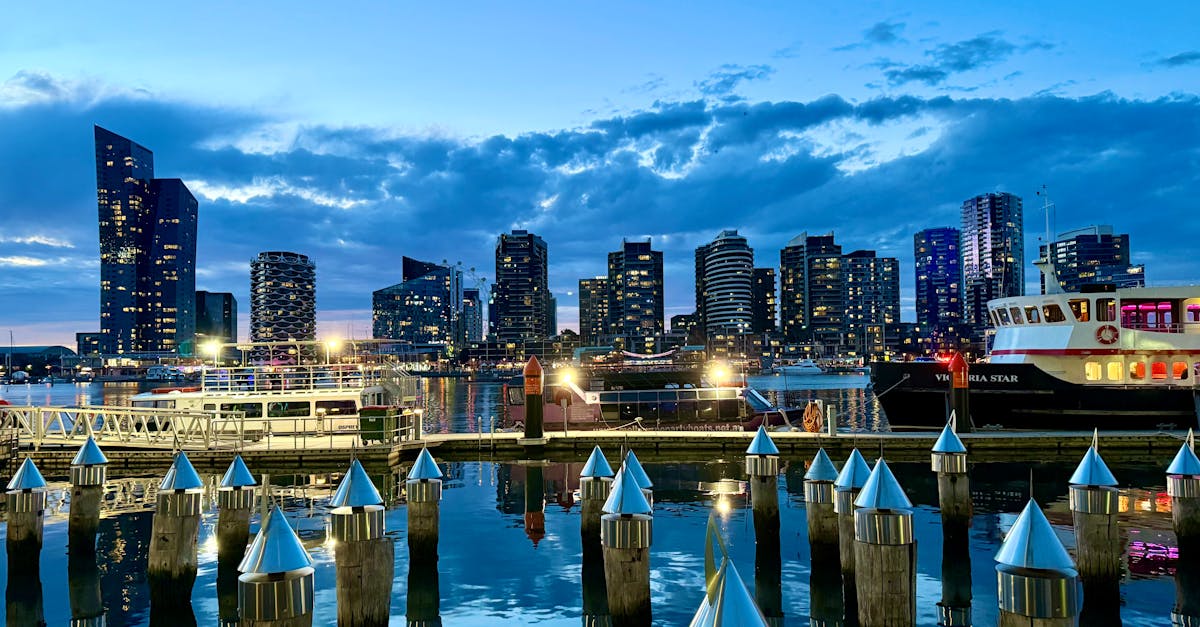
Docklands is Melbourne’s newest suburb — an entirely redeveloped former industrial harbour turned residential-and-waterfront district, rebuilt from 2000 onwards. Opinions are split: critics call it cold and overly corporate; fans love the wide waterfront promenades, Marvel Stadium (home of AFL’s western teams), the Melbourne Star observation wheel and a calmer, less-crowded alternative to Southbank.
What to do: ride the Melbourne Star for 360° views; walk Victoria Harbour and NewQuay; visit Marvel Stadium during an AFL match (winter season); browse The District Docklands outlet centre (DFO).
Where to eat: Woolshed Pub, Atlantic Group’s restaurants along the waterfront, and for a cheaper/quicker option the food-court level inside The District is reliable.
Getting there: Tram 70 or 86 from the CBD — both are inside the Free Tram Zone. Walking from Southern Cross Station takes 10 minutes.
Best neighbourhood for each type of visitor
A Melbourne neighbourhoods guide wouldn’t be complete without matching suburbs to traveller archetypes. Here’s the shortest version:
- First-time visitor (2–3 days): base yourself in the CBD; take day trips to Fitzroy and St Kilda.
- Foodie: Fitzroy, Carlton, Richmond and Brunswick. Queen Victoria Market in the CBD plus South Yarra’s Prahran Market.
- Nightlife: CBD laneways after dark, Collingwood on Smith Street, Fitzroy on Gertrude Street.
- Family with kids: St Kilda (beach + Luna Park), Docklands (observation wheel + waterfront), CBD (Eureka Skydeck + laneway scavenger hunt).
- Beach/summer: St Kilda, Elwood (next suburb south), Williamstown, Brighton Bathing Boxes.
- Sports: Richmond (MCG), Docklands (Marvel Stadium).
- Arts/culture: Southbank (NGV + Arts Centre), CBD (NGV Australia at Federation Square), Fitzroy for independent galleries.
- Shopping: CBD for luxury and major retail; South Yarra/Chapel Street for fashion; Fitzroy for indie/vintage; Brunswick for op shops.
- Budget traveller: Fitzroy, Brunswick, Collingwood for cheap eats; Carlton for student bars.
- LGBTQ+ traveller: Fitzroy’s Gertrude Street, Collingwood’s Smith Street and Prahran’s Commercial Road are all strong scenes.
Three suggested multi-neighbourhood walking routes
Route 1: Inner-north day (Fitzroy → Collingwood → Abbotsford)
Start at Gertrude Street (Fitzroy end) with coffee at Industry Beans. Walk north up Brunswick Street to Johnston Street — about 1.5 km of browsing. Turn right onto Johnston, cross Smith Street into Collingwood. Continue to Collingwood Yards (arts complex) and Stomping Ground Brewery. Finish at Abbotsford Convent (20 minutes further) for a late lunch and gallery stroll. Tram 86 back to the CBD.
Route 2: Bayside half-day (St Kilda → Elwood → Brighton)
Tram 96 to Acland Street. Breakfast at Il Fornaio. Walk the Esplanade past the Sea Baths and St Kilda Pier. Continue along the beach path south to Elwood Beach (3 km) for quieter swimming. Continue to Elwood Village for lunch. Tram back or Uber to Brighton Bathing Boxes (5 km further) for a late-afternoon photo stop.
Route 3: Central arts and architecture (CBD → Southbank → Docklands)
Start at Flinders Street Station. Walk across Princes Bridge to Federation Square; head to Southbank across the footbridge; visit NGV International; promenade along the Yarra to Crown. Continue west along the river to Docklands (20 minutes on foot). Ride the Melbourne Star; dinner at Victoria Harbour; Tram 70 back to the CBD.
Moving between neighbourhoods
Melbourne’s public transport network is excellent for moving between inner suburbs. The tram network in particular is the densest in the world and connects every suburb covered in this guide. The Free Tram Zone covers the CBD, Docklands and Queen Victoria Market area — useful for hops within the centre.
For any trip outside the Free Tram Zone, you’ll need a Myki card. These cost $6 from 7-Eleven stores, Metro stations and visitor centres; top up at least $20 for a multi-day visit. Tram, train and bus fares are zone-based — Zone 1 covers almost all inner neighbourhoods in this guide and caps at $11 per day. See our Melbourne public transport guide for details.
Rough tram times from Flinders Street:
- Fitzroy (Brunswick Street): 8 minutes on tram 11
- Collingwood (Smith Street): 10 minutes on tram 86
- Carlton (Lygon Street): 10 minutes on tram 1/6
- Brunswick (Sydney Road): 15 minutes on tram 19
- Richmond (Victoria Street): 10 minutes on tram 109
- South Yarra (Chapel Street): 15 minutes on tram 78
- St Kilda (Acland Street): 22 minutes on tram 96
- Southbank (Arts Centre): 4 minutes on tram 1/3/5/6/16
- Docklands (Harbour Esplanade): 10 minutes on tram 70/86
- Williamstown: 30 minutes by train
Where to stay in each neighbourhood
A quick at-a-glance summary — for a detailed breakdown see our dedicated where to stay in Melbourne guide.
- CBD: best for first-time visitors wanting walkability and transport access. Expect $180–$400 for mid-range.
- Southbank: waterfront hotels with skyline views, 10-minute walk to CBD. Crown Towers and Langham are here.
- St Kilda: best if your trip is beach-focused or summer. Hotels along the Esplanade have bay views.
- Fitzroy: boutique hotels and Airbnbs in Victorian terraces. Good for repeat visitors wanting character over convenience.
- South Yarra: upscale stays near Chapel Street. The Como Melbourne is a landmark.
- Carlton: mid-range hotels near the university. Good value, slightly out of the tourist core.
- Docklands: modern hotels with waterfront views — often cheaper than CBD for comparable quality.
Which neighbourhood to visit on which day
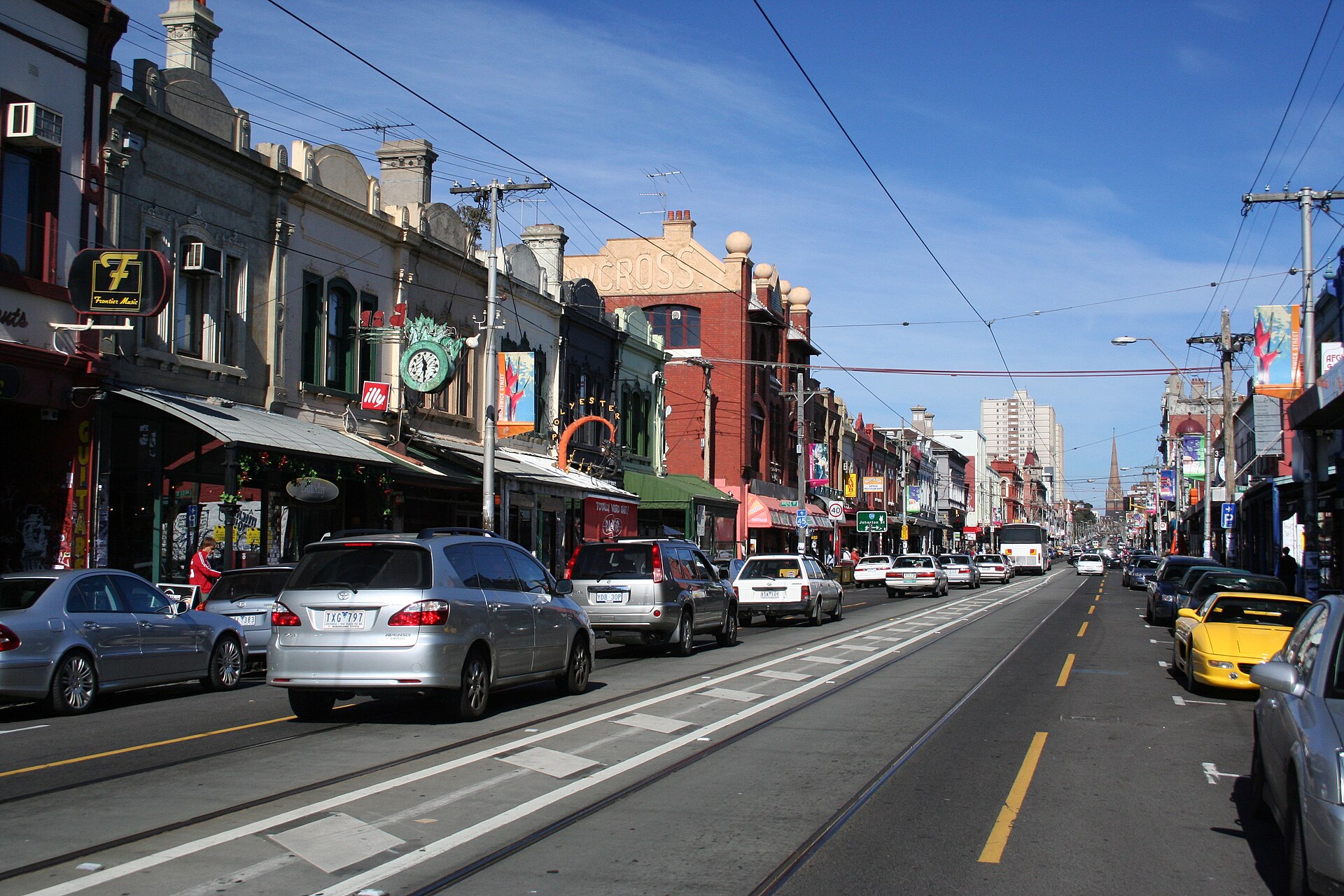
This is the detail that quietly ruins Melbourne itineraries. Several of the city’s neighbourhoods are built around markets, and those markets are closed on the days visitors most often turn up. Plan your week around this table and you will see each area at its best.
| Day | Go here | Why |
|---|---|---|
| Monday | CBD, Southbank, Docklands | The weakest market day — Queen Victoria Market and Prahran Market are both closed. Galleries and laneways are unaffected |
| Tuesday | CBD and Carlton | Queen Victoria Market and Prahran Market reopen; museums are quiet |
| Wednesday | South Melbourne, Fitzroy | South Melbourne Market trades; Queen Victoria and Prahran are closed again. In the warmer months the Wednesday night market runs at Queen Victoria Market |
| Thursday | CBD, South Yarra | Late-night shopping — city stores and the malls trade until 9pm |
| Friday | CBD, Southbank | Late trading again, plus NGV Friday Nights and the start of the all-night transport network |
| Saturday | Fitzroy, Brunswick, St Kilda | Rose Street Artists’ Market runs 10am–4pm, every market in the city is open, and the inner north is at its busiest |
| Sunday | St Kilda, Camberwell, Williamstown | The Esplanade market at St Kilda, and Camberwell’s second-hand market from 7am — but it stops at 12.30pm sharp |
The short version: Monday and Wednesday are poor market days, Thursday and Friday are the nights the city stays open late, and Saturday is the day the inner north comes alive. Three public holidays override all of this — Good Friday, Christmas Day and ANZAC Day before 1pm — when most retail closes entirely and only cafés, restaurants, pharmacies and petrol stations trade.
Neighbourhood mistakes visitors make
After the day-of-the-week trap, these are the errors that cost people the most time.
- Treating Lygon Street as the Italian dining destination. Carlton is worth visiting for the gardens, the museum and the university precinct, but the serious Italian cooking dispersed across the city years ago. The tourist-facing end of Lygon Street is not where Melburnians eat.
- Doing St Kilda in winter, midweek. St Kilda is a summer, weekend suburb. On a grey Tuesday in July it is genuinely flat. Save it for a warm afternoon and stay for sunset over the water.
- Skipping the west. Footscray is ten minutes from Southern Cross and has some of the best-value eating in Melbourne — Vietnamese, Ethiopian and East African within a few streets. It appears in almost no visitor itineraries.
- Trying to do the inner north and the bay in one day. Fitzroy and St Kilda are on opposite sides of the city. Route 96 links them but takes the better part of an hour end to end. Pick one per day.
- Assuming Docklands is a destination. It has the stadium, the harbour and some good walking, but it is quiet in the evenings and thin on the atmosphere people come to Melbourne for. Visit it, don’t base a day around it.
- Only walking the famous laneways. Hosier Lane is one street. The arcades and laneways worth your time run right across the CBD grid, and the quieter ones are better.
One reassurance worth stating plainly: Melbourne’s inner suburbs are safe by international standards, and the areas visitors sometimes hear described as rough are, in practice, ordinary residential neighbourhoods. Normal city awareness late at night is all that is required — see is Melbourne safe for tourists.
How accessible is each neighbourhood?
Melbourne’s accessibility varies more by neighbourhood than most guides acknowledge, largely because the inner suburbs are Victorian-era and the CBD is not.
- Best: the CBD, Southbank and Docklands. Flat, gridded, wide footpaths, and the most raised-platform tram stops. The CBD is also inside the Free Tram Zone, so short hops cost nothing.
- Good: St Kilda and Williamstown. Flat and served by route 96 and the train respectively, with foreshore paths that are sealed and level.
- Mixed: Fitzroy, Collingwood, Brunswick and Carlton. Flat terrain, but narrow nineteenth-century footpaths, frequent kerbside tram stops without raised platforms, and many venues with a step at the door.
- Hardest: South Yarra and Prahran. Chapel Street is long and has genuine gradients, and the older shopfronts are frequently stepped.
The detail that matters most: a low-floor accessible tram still needs a raised platform stop to give level boarding. Low-floor trams are the norm on routes 11, 19, 96 and 109 and appear regularly on 5, 6, 16, 48, 58, 72 and 86 — but plan the specific stop, not just the route. Companion Card holders’ carers travel free across the network.
What it costs to neighbourhood-hop right now
Moving between Melbourne’s neighbourhoods is currently about as cheap as it has ever been. Victorian public transport is half price until 1 January 2027, which caps a full day of unlimited travel at $5.70, or $4.00 at weekends. Under-18s travel free with a Youth myki.
That means an entire day hopping between four or five suburbs costs less than a cup of coffee, and it removes the main argument for basing yourself in the CBD. Staying two or three tram stops out in Fitzroy, Carlton or St Kilda can save $50–$80 a night on a room while adding almost nothing to your transport spend — see where to stay in Melbourne. If any part of your journey stays inside the Free Tram Zone, which covers the CBD grid bounded by La Trobe, Spring, Flinders and Spencer Streets plus Docklands and Queen Victoria Market, it costs nothing at all and you should not touch on. From January 2027, double those fares.
Frequently asked questions
What is the coolest neighbourhood in Melbourne?
For bohemian/indie culture, Fitzroy and Collingwood share the title. For polished cool with great food, Carlton North and Northcote. For beachside cool, St Kilda. Most visitors mean Fitzroy when they ask.
What is the best suburb for first-time visitors to Melbourne?
Stay in the CBD your first visit. Everything is a tram ride away, transport is free within the grid, and you’ll never feel lost. Revisit and stay in Fitzroy or St Kilda on a second trip.
Is Melbourne safe at night in these neighbourhoods?
Yes — all 12 neighbourhoods covered here are safe for tourists at night. Take the usual urban precautions around late-night drinkers on Smith/Brunswick/Chapel Streets and keep valuables close on late-night trams. Melbourne does not have dangerous tourist areas.
Which Melbourne neighbourhood has the best food?
Fitzroy has the highest concentration of acclaimed restaurants per square kilometre. Richmond’s Victoria Street has the best Vietnamese food. Sydney Road Brunswick is the best multicultural food walk. Lygon Street Carlton is the Italian heartland. Chapel Street South Yarra is upscale and fashionable.
How many days do I need to see Melbourne’s main neighbourhoods?
A minimum of 4 days: one for the CBD, one for the inner north (Fitzroy + Collingwood + Carlton), one for the bayside (St Kilda + either Brighton or Williamstown), and one for the inner south (South Yarra + Richmond). Five or six days lets you add Brunswick, Docklands and a second CBD day for laneway exploration.
Should I rent a car to get between Melbourne suburbs?
No. Parking is expensive, traffic is slow and the tram network covers everywhere you want to go. Rent a car only if you’re combining Melbourne with day trips like the Great Ocean Road, Yarra Valley or Phillip Island.
Which Melbourne neighbourhood is best for nightlife?
The CBD’s laneways (Meyers Place, Eau de Vie, Heartbreaker, The Everleigh) have Melbourne’s best cocktail bars. Fitzroy’s Gertrude Street and Collingwood’s Smith Street are best for a bar crawl. St Kilda has a more touristy pub scene. Chapel Street in Prahran/Windsor is the party strip for mid-20s crowd.
Are the Melbourne neighbourhoods walkable?
Within each suburb, absolutely — every neighbourhood in this guide is designed for walking a main strip (Brunswick Street, Sydney Road, Acland Street, etc.). Between neighbourhoods, use trams.
Which Melbourne neighbourhood should I visit on which day?
Avoid market-led suburbs on Mondays and Wednesdays — Queen Victoria Market and Prahran Market are both closed those days. South Melbourne Market trades Wednesday, Friday, Saturday and Sunday. Save Fitzroy and Brunswick for Saturday, when the Rose Street Artists’ Market runs 10am to 4pm and the inner north is at its liveliest. Sunday suits St Kilda and Williamstown, plus the Camberwell second-hand market, which starts at 7am and stops at 12.30pm sharp. Thursday and Friday are the CBD’s late-trading nights, with stores open until 9pm.
How much does it cost to travel between Melbourne’s neighbourhoods?
Almost nothing at the moment. Victorian public transport is half price until 1 January 2027, so a full day of unlimited travel across the whole metropolitan network is capped at $5.70, or $4.00 on weekends and public holidays. Under-18s travel free with a Youth myki. Journeys entirely within the Free Tram Zone — the CBD grid bounded by La Trobe, Spring, Flinders and Spencer Streets, plus Docklands and Queen Victoria Market — are free and require no ticket at all. From January 2027 those fares double.
Can I combine Fitzroy and St Kilda in one day?
You can, but it is not a good use of a day. They sit on opposite sides of the city and although route 96 connects the corridor directly, it takes the better part of an hour end to end across 38 stops. The two suburbs also suit different times — St Kilda is a warm-afternoon and sunset proposition, while Fitzroy is best in the late afternoon and evening. Give each its own day if you can, and pair Fitzroy with Collingwood and Brunswick instead, which are all walkable from one another.
Which Melbourne neighbourhoods are easiest for wheelchair users?
The CBD, Southbank and Docklands are the most accessible — flat, gridded, with wide footpaths and the highest concentration of raised-platform tram stops. St Kilda and Williamstown are also flat with sealed foreshore paths. The inner north — Fitzroy, Collingwood, Brunswick, Carlton — is level underfoot but has narrow Victorian footpaths, many kerbside tram stops without raised platforms, and stepped shopfronts. South Yarra and Prahran are the hardest, with real gradients along Chapel Street. Remember that a low-floor tram still needs a raised platform stop for level boarding, so plan the stop rather than just the route.
Which Melbourne neighbourhood is overrated?
Lygon Street in Carlton, if you are going purely for the Italian food. Carlton itself is well worth visiting for the gardens, Melbourne Museum and the university precinct, but the strip’s reputation as the city’s Italian dining destination is decades out of date and the serious cooking has moved elsewhere. Docklands is the other one — pleasant for a harbourside walk, but quiet in the evenings and short on the character people come to Melbourne for. Footscray, ten minutes west of the city, is the suburb most unfairly left off itineraries.
Final recommendation: the ideal Melbourne neighbourhoods itinerary
If you have just three days, this Melbourne neighbourhoods guide suggests: Day 1 in the CBD for the landmarks and laneways; Day 2 in Fitzroy and Collingwood for the best of inner-north culture; Day 3 in St Kilda plus either South Yarra (shopping) or Richmond (Vietnamese food and MCG). Add a fourth day for Brunswick and Carlton; a fifth for Williamstown; a sixth for Docklands and the Great Ocean Road. If you come in summer, prioritise St Kilda; in winter, lean harder into the CBD laneway scene and the inner-north bars. Above all, don’t try to do everything — Melbourne rewards visitors who pick two or three neighbourhoods and explore them slowly over everyone who tries to tick all 12 off in a weekend.
Ready to plan the rest of your trip? Start with our complete things to do in Melbourne guide or check the best time to visit Melbourne.
Melbourne Neighbourhood Guides
- St Kilda Melbourne (2026): Beach, Luna Park, Cakes and Everything You Need
- Fitzroy Melbourne (2026): Best Things to Do, Eat and See in Fitzroy
- Melbourne CBD Guide (2026): What to Do, See and Eat in the City Centre
- Brunswick Melbourne Guide: Sydney Road, Food & Bars (2026)
- Carlton Melbourne Guide: Lygon Street Italian, Museum & Uni (2026)
- Richmond Melbourne Guide: Bridge Road, Vietnamese Food & MCG (2026)
- Southbank Melbourne Guide: Yarra Views, Arts Precinct & Dining (2026)
- Collingwood Melbourne Guide (2026): Smith Street, Breweries & Street Art
- South Yarra Guide: Chapel Street, Dining & Luxury Shopping (2026)
- Williamstown Melbourne (2026): Day Trip Guide
- Docklands Melbourne Guide: Waterfront, Marvel Stadium & Dining (2026)