Outdoor Activities Melbourne (2026): Complete Guide to Hiking, Biking, Beaches and More
- Words
- Melbourne Tourism Guide
- Updated
- October 25, 2026
- Read
- 24 min
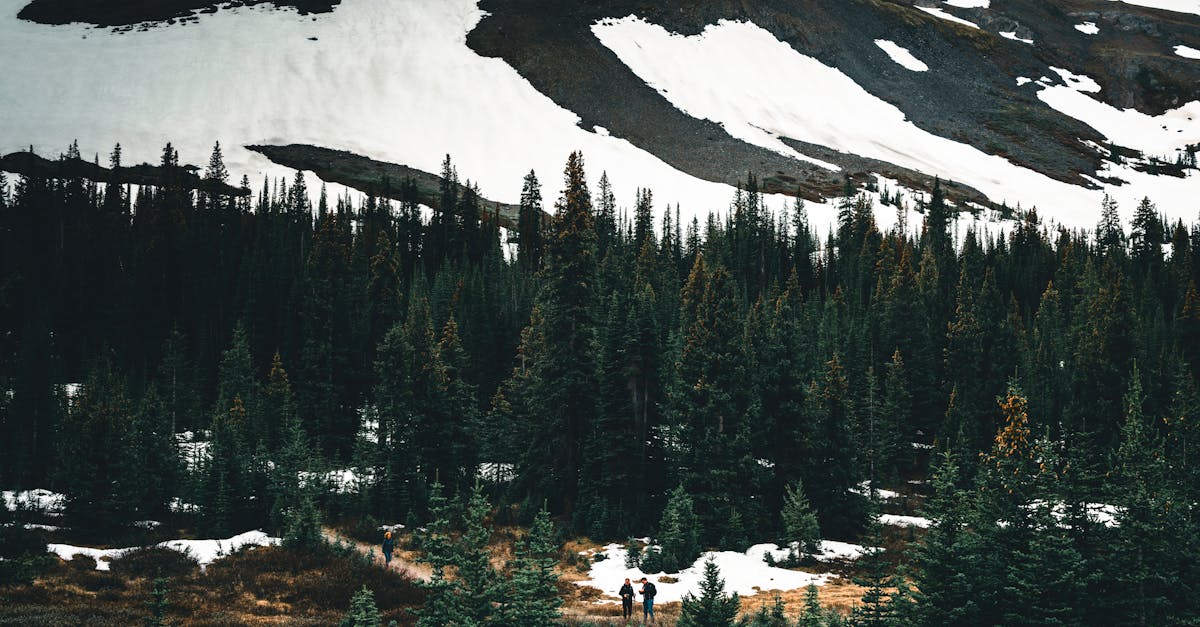
Outdoor activities Melbourne — full guide to hiking the Dandenongs and You Yangs, Wilsons Prom, surfing Torquay and Bells, cycling the Capital City Trail, kayaking the Yarra, Sandbelt golf, and free parks and gardens.
This article contains advertising. Our booking links are routed through a partner that adds commission tracking automatically, so if you book through one we earn a commission from the provider, at no extra cost to you. It never affects what we recommend. Affiliate disclosure
Last updated: August 2026. Melbourne’s relationship with the outdoors is one of the city’s understated strengths. Within a 90-minute drive you can hike coastal clifftops, surf a world-class wave, mountain-bike granite outcrops, kayak a Yarra Valley tributary, or walk a temperate rainforest. Inside the city, 480 kilometres of dedicated bike paths, 480+ parks, and free public tennis courts, basketball courts, and swimming pools turn fitness and recreation into an affordable everyday activity. This guide to outdoor activities Melbourne covers every option — from 30-minute CBD walks to overnight wilderness adventures — with seasonal advice, difficulty ratings, and public-transport access for each.
The climate plays in your favour most of the year: cool enough in summer (average 26°C / 79°F) that hiking doesn’t bake you, mild enough in winter (average 13°C / 55°F) that you can still run and cycle comfortably. Spring (Sept–Nov) is the best all-round outdoor season; autumn (Mar–May) is a close second.
Outdoor activities Melbourne at a glance
| Activity | Where | Difficulty | Time needed | Cost |
|---|---|---|---|---|
| Tan Track run | Royal Botanic Gardens | Easy | 30–45 min | Free |
| Capital City Trail cycle | CBD loop | Easy | Half day | Bike hire $25+ |
| Yarra River kayaking | Fed Square | Easy | 2 hours | $60–80 |
| Dandenong Ranges hike | Sherbrooke Forest, Olinda | Easy–Moderate | Half day | Free |
| You Yangs hike/climb | Little River | Moderate | Half day | Free |
| Surf at Bells Beach | Torquay | Depends on wave | Full day | Lesson $80+ |
| Wilsons Prom overnight | Tidal River | Moderate | 2–3 days | $15 camp / $150 hut |
| Golf Sandbelt | Black Rock, Kingston | All levels | 4–5 hours | $80–350 green fee |
Hiking trails near Melbourne
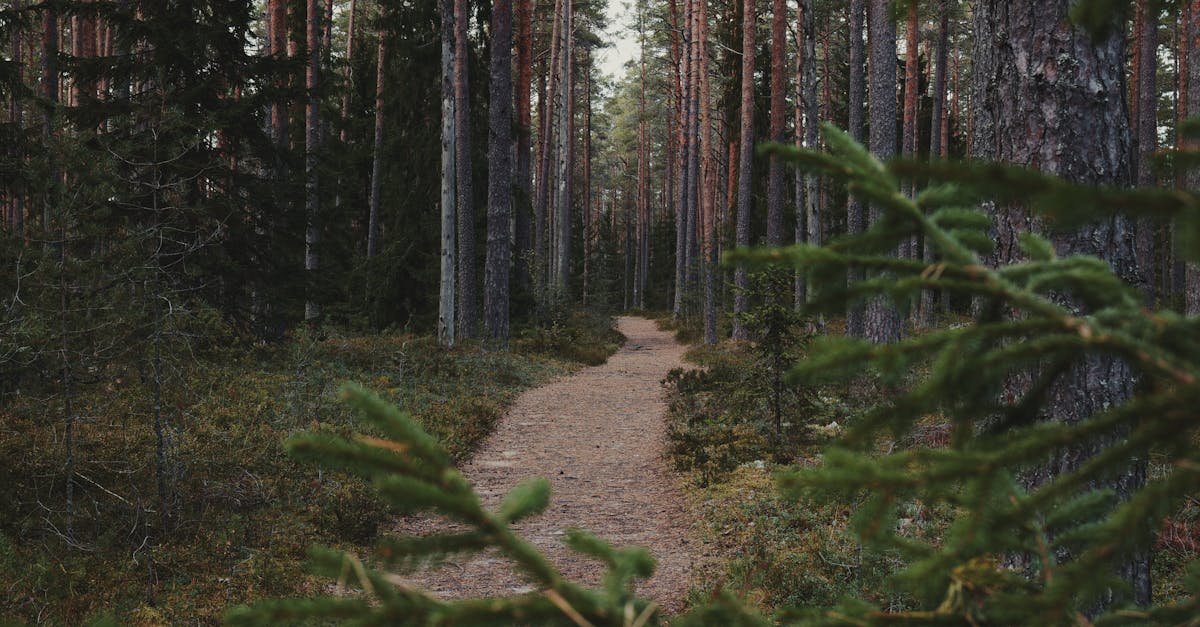
- 1000 Steps Kokoda Memorial Walk (Mt Dandenong) — 45 min east of CBD. 3 km return, 770 vertical steps up fern-filled forest. Easy–moderate, 1.5 hours. Free. Wildly popular weekends — start at 7am.
- Sherbrooke Forest Tall Trees Walk — Dandenong Ranges. Gentle 2 km loop through mountain ash forest. Great for families. Free.
- Mt Donna Buang (Warburton) — 90 min east. Drive to summit with lookout tower; 300 m walk. Easy, snow in winter.
- Cape Schanck Lighthouse + Bushrangers Bay Walk (Mornington Peninsula) — 4 km coastal return, moderate. Spectacular basalt cliffs and blowhole. 90 min drive.
- You Yangs Big Rock Loop — 50 min west. 3.2 km moderate climb to granite dome with 360° views. Free.
- Werribee Gorge Circuit — 1 hr west. 10 km moderate–hard track through rugged gorge with rope-assisted river crossing. Half-day hike, popular with serious walkers.
- Hanging Rock — 1 hr north. 2 km loop around volcanic rock formation. Easy. $12 per car entry.
- Point Nepean Fort Walk — Mornington Peninsula. 5 km gentle coastal walk to WWII forts. Free (park entry).
- Cathedral Range Wall Hike (Marysville) — 2 hr drive. Advanced 8 km, ridge-scrambling, one of Victoria’s tougher day walks.
- Warburton Redwood Forest — 90 min drive. 30 min gentle walk through towering Californian redwoods. Easy, photogenic, free.
Dandenong Ranges — rainforest walks
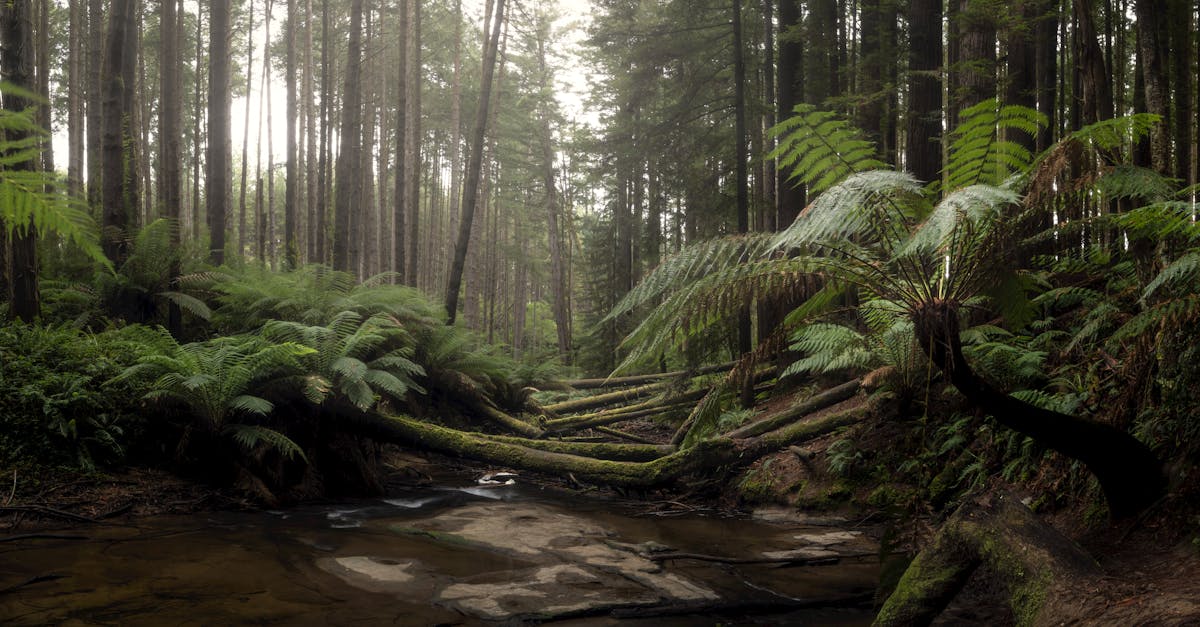
The Dandenong Ranges are Melbourne’s go-to nature escape — a 1-hour drive east, 40 min by train to Upper Ferntree Gully then short bus/taxi. Cool-climate rainforest, mountain ash forests, ferns, and tea gardens make it feel like a different state. Combine a 1000 Steps hike with lunch at Miss Marple’s in Sassafras or Pie in the Sky in Olinda, then drive to Mount Dandenong Observatory for the cityscape view. Year-round — but spring (wildflowers) and autumn (deciduous colour) are standouts.
Beaches and surfing
- St Kilda Beach (10 min tram from CBD) — sheltered, calm, best for swimming, paddle-boarding, kite-surfing. Backpacker-friendly.
- Brighton Beach (15 min train) — sheltered, bathing boxes backdrop.
- Elwood Beach — quieter than St Kilda, good for families.
- Half Moon Bay + Black Rock — 30 min south, snorkelling spots near the wrecks.
- Sandringham and Mentone — bayside beaches, sheltered.
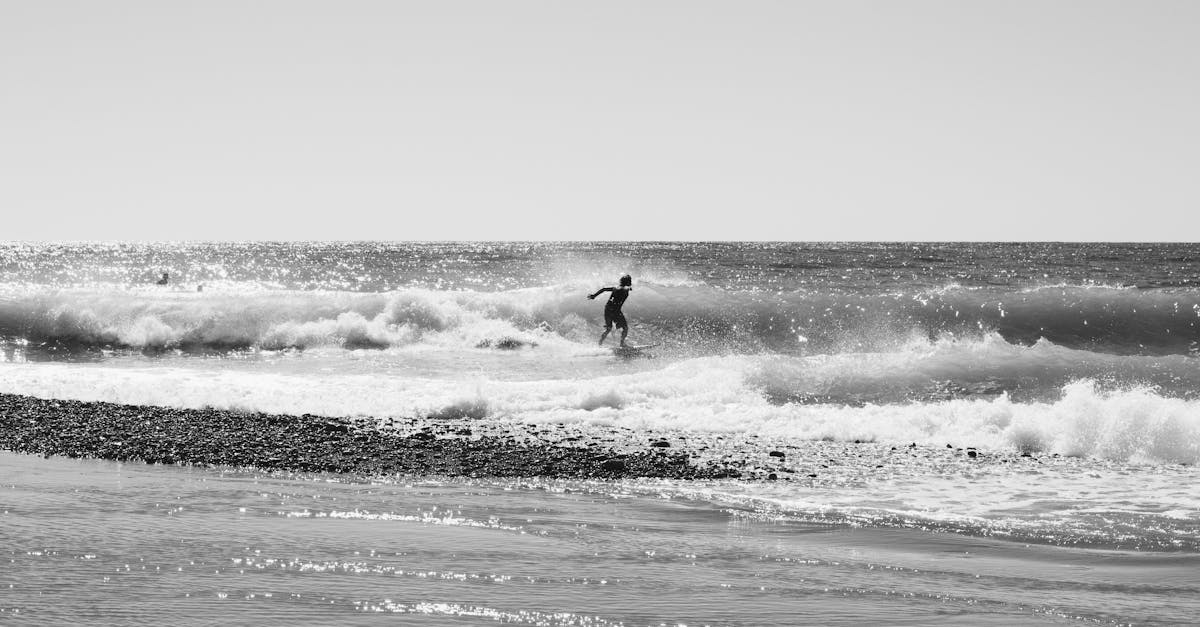
- Torquay (Bells Beach) — 90 min southwest. Australia’s spiritual surf home. Rip Curl and Quiksilver founded here. World-class right-hand point break at Bells in the right swell. Surf lessons $80–100 from Torquay Surf Academy for all levels. Not a good beginner beach — try Jan Juc next door instead.
- Point Leo (Mornington Peninsula) — 1 hr south. Forgiving beginner waves.
- Phillip Island (Woolamai) — 90 min southeast. Strong beach break; advanced.
- 13th Beach (Barwon Heads) — 90 min west. Classic longboard point; intermediate+.
Peak summer (Dec–Feb) is warm enough (21–24°C water) to swim without a wetsuit. Shoulder seasons and winter require 3/2mm to 4/3mm wetsuit — all surf schools supply. Check swellnet.com for conditions; Melbourne’s closest reliable winter surf breaks are on the Mornington Peninsula back beaches.
Cycling in Melbourne
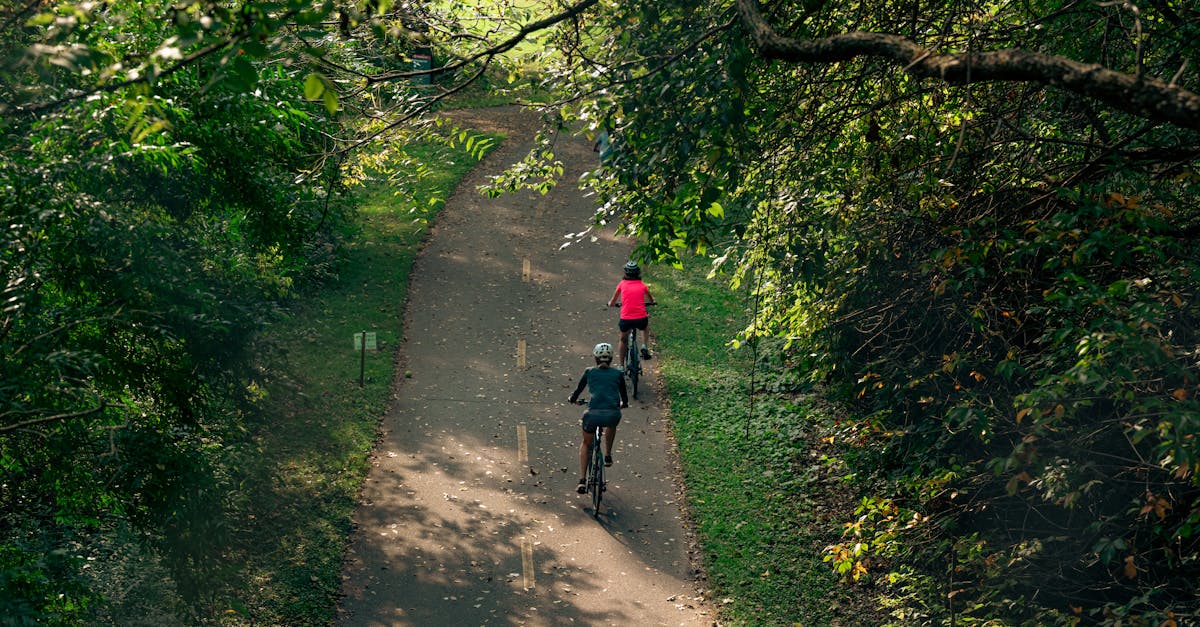
- Capital City Trail — 30 km loop around the CBD, along the Yarra, through Royal Park, past the zoo, and back. The single best all-round bike ride in Melbourne. 2–3 hours casual pace.
- Bay Trail — 24 km from Port Melbourne to Brighton along the water. Flat, family-friendly.
- Main Yarra Trail — 34 km Yarra-side path from the CBD to Warrandyte. Excellent long day ride.
- Merri Creek Trail — 13 km, Fitzroy North through Northcote to Coburg. Connects to many other trails.
- Lysterfield Lake Park — MTB purpose-built trails, 45 min east.
- Red Hill Bike Loop — 35 km road ride through Mornington Peninsula rolling hills. Serious riders only (climbs).
- Warburton Rail Trail — 38 km converted railway line; gentle gradient, great for families. 1 hr east.
Bike hire: Melbourne Bike Share (free docking stations across CBD, casual rentals via app ~$20/day); Rentabike at Fed Square ($20–40/day); Trek Bicycle Store for road/MTB rentals from $60/day. Helmets are legally required and included with rentals.
Kayaking and watersports on the Yarra
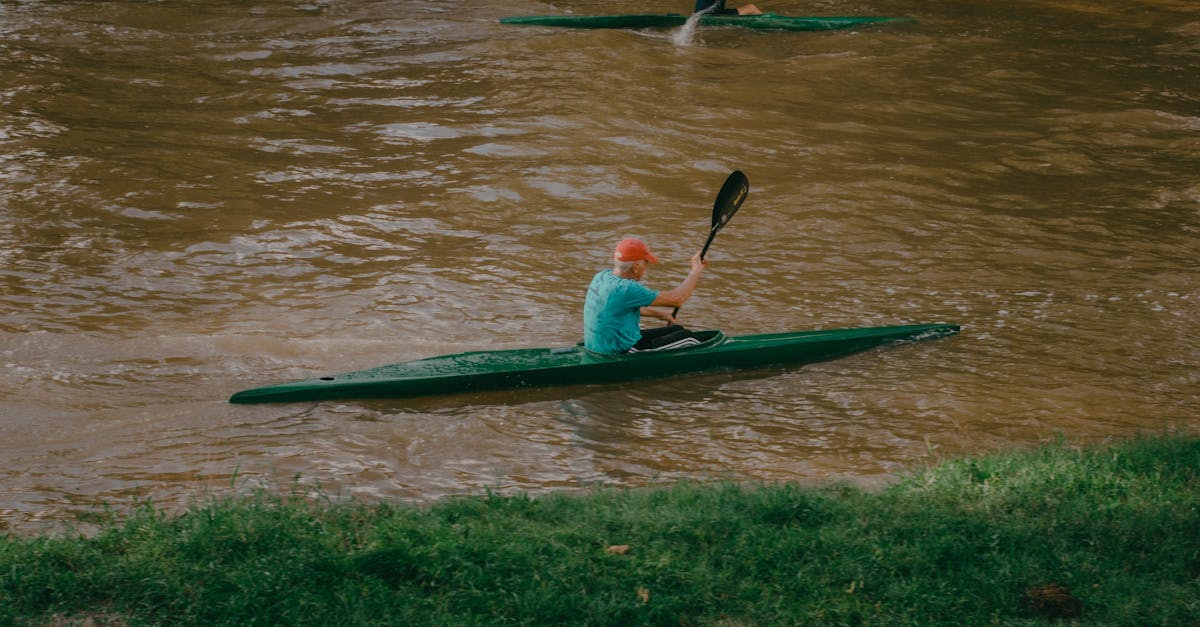
- Kayak Melbourne — City Sights Kayak Tour (2.5 hr, $89), Moonlight Kayak Tour ($115) including fish & chips dinner. Launches just below Fed Square.
- GoBoat — self-drive electric boats at Docklands, no licence needed, $119 for 1 hour / 8 people. Bring picnic.
- Stand-up paddleboarding (SUP) — hire from St Kilda Beach ($35/hour, calmer water than the Yarra).
- Sailing charters — Port Phillip Bay full-day charters from $250 through the Royal Yacht Club.
- Fishing — free charter licence required (online, $12 for 3 days). Jetties at Frankston, Altona, St Kilda; flathead, pinkies, and whiting in season.
Free running and walking routes
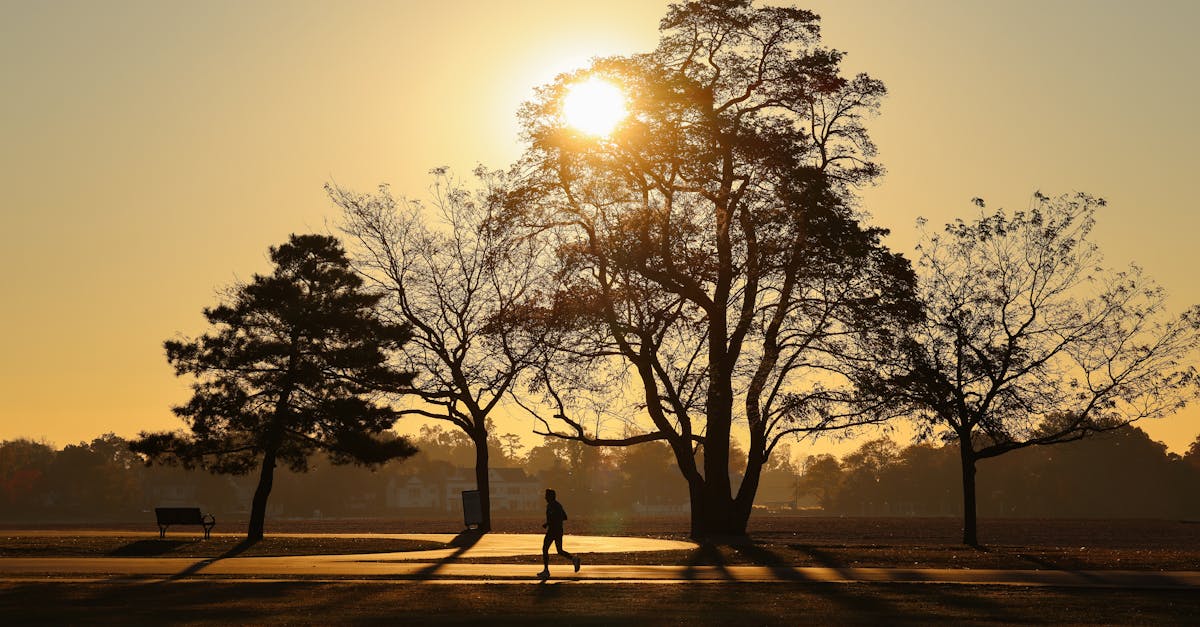
- The Tan Track — 3.8 km around the Royal Botanic Gardens. Melbourne’s most popular running loop, with distance markers and water fountains. Runs from dawn.
- Princes Park — 3.2 km loop, flat, soft surface.
- Albert Park Lake — 5 km loop, flat, great for longer runs.
- Melbourne parkruns — free timed 5 km runs Saturday at 8am across multiple locations (Princes Park, Albert Park, Brighton Beach, Westgate, and 30+ more). Register once at parkrun.com.au and you can join any worldwide.
- Yarra River trail — run either way along the Yarra for up to 34 km; the Federation Square to Herring Island 6 km stretch is a Melbourne classic.
- St Kilda to Elwood to Brighton bay path — 8 km flat oceanfront path.
Royal Botanic Gardens and city parks
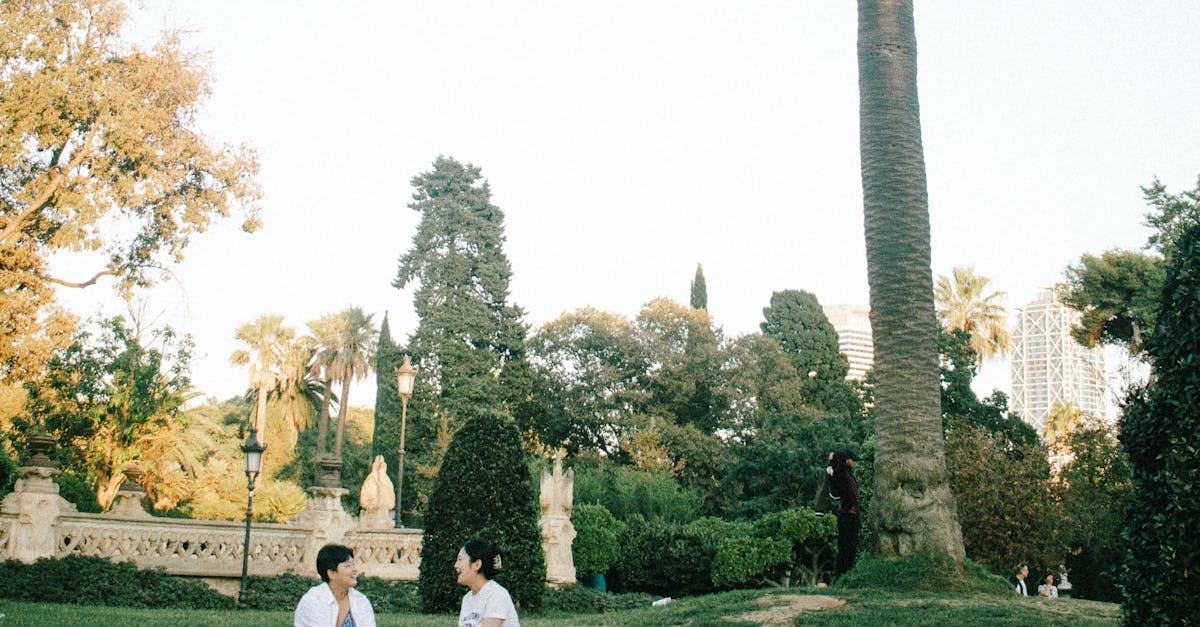
The Royal Botanic Gardens Melbourne at South Yarra are among the world’s finest, with 38 hectares, 8,500+ plant species, lakes with black swans and turtles, the Ian Potter Children’s Garden, and the Shrine of Remembrance next door. Free entry; free guided tours Tuesday 11am and Saturday 10:30am. Picnic all you want. Popular for yoga, tai chi, and weekend strolls.
Other standout outdoor city spaces: Princes Park (Carlton; 50 hectares), Yarra Park (around the MCG), Fitzroy Gardens (East Melbourne; Cooks’ Cottage), Alexandra Gardens (Yarra-side, barbecues), Treasury Gardens (pristine Victorian planting), Flagstaff Gardens (one of central Melbourne’s historic gardens, public since 1862), and Birrarung Marr (modern park with outdoor art and kid water play).
You Yangs — rock climbing and MTB
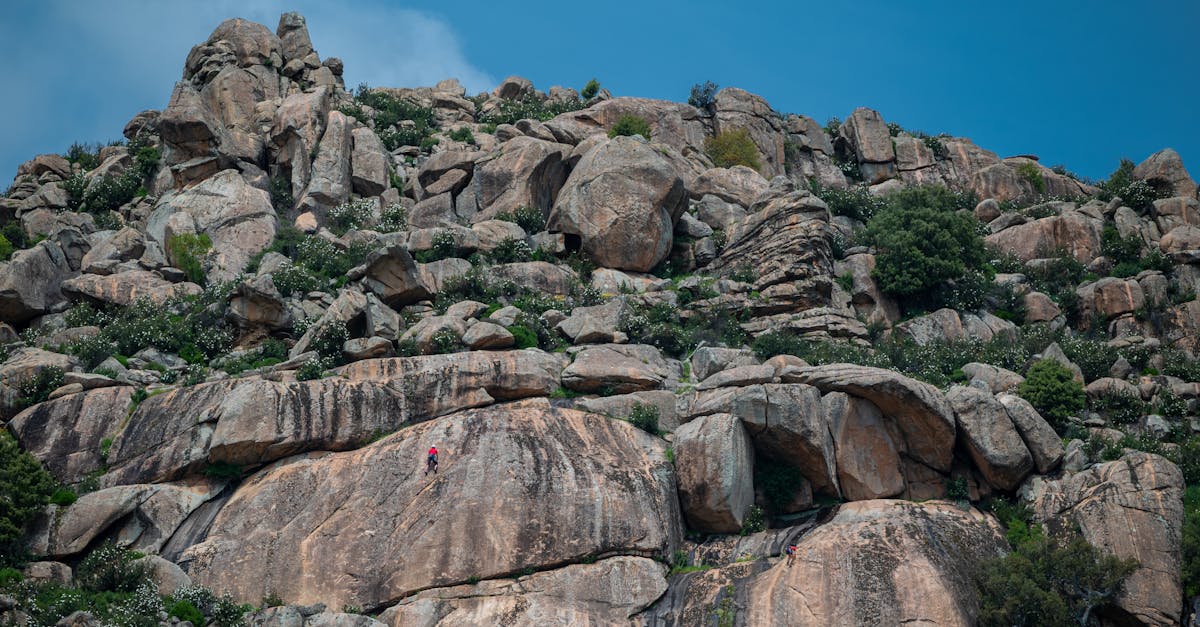
The You Yangs are a granite range 50 km southwest of Melbourne, offering the closest legitimate rock-scrambling, mountain biking, and quick summit hikes. Big Rock Loop (3.2 km) and Flinders Peak (3 km return) are the standout hikes. MTB trails include a world-class purpose-built system — the Kurrajong, Brisbane Ranges, and Little River networks cater from beginner to expert. Park entry is free; bring water (no taps on trails).
Wilsons Promontory — wilderness weekend
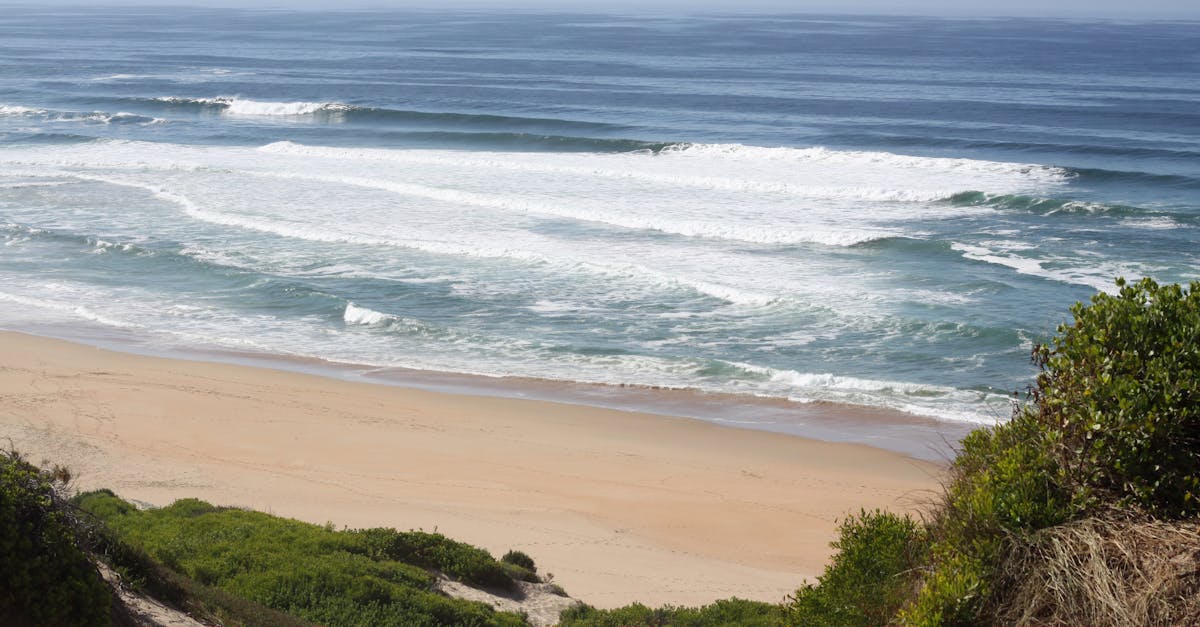
“The Prom” is the crown jewel of Victorian outdoors — 3 hours southeast of Melbourne, Australia’s southernmost mainland point. White-sand beaches, granite peaks, and walking tracks through wallaby country. Overnight hiking to Sealers Cove (14 km return), Tidal River to Little Oberon Bay (8 km return), or the classic multi-day Southern Circuit (60+ km over 3 days). Tidal River campsites ($15–25/night) need booking months ahead for summer weekends; off-season weekends are easier. Glamping and lodges available at Tidal River Huts ($150–250/night) for non-campers.
Golf in Melbourne
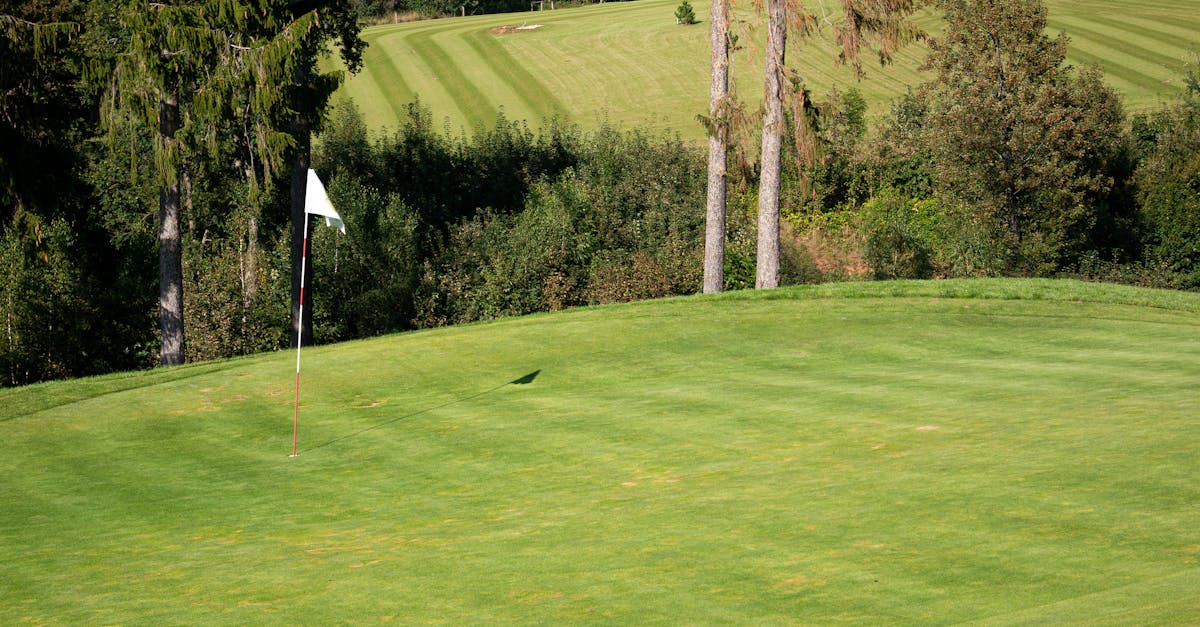
The Melbourne Sandbelt (a geological strip running through Black Rock, Cheltenham, and Sandringham) is one of the world’s elite golf regions, with six courses ranked globally. The blue-chip members-only courses (Royal Melbourne, Kingston Heath, Victoria) host occasional public play rounds; public-access Sandbelt options:
- Huntingdale Golf Club — members’ but accepts visitor green-fee rounds with booking; $350.
- Metropolitan Golf Club — world top-100, members-only, some reciprocal rights.
- Sandhurst Club North Course — public course nearby, $120 green fee.
- Peninsula Kingswood South — public rounds available, $200–250.
- Cheltenham Golf Club — public-access Sandbelt course, $80–90.
- Albert Park Public Golf Course — in the city, 9 holes, $30.
- National Golf Club (Mornington Peninsula) — three championship courses, $280 visitor.
- Moonah Links (Peninsula) — public championship course, $90–160.
Melbourne is a popular golf destination for overseas visitors: Tourism Australia bundled golf packages can bag multi-course Sandbelt access that would otherwise require member introductions.
Tennis, basketball and outdoor courts
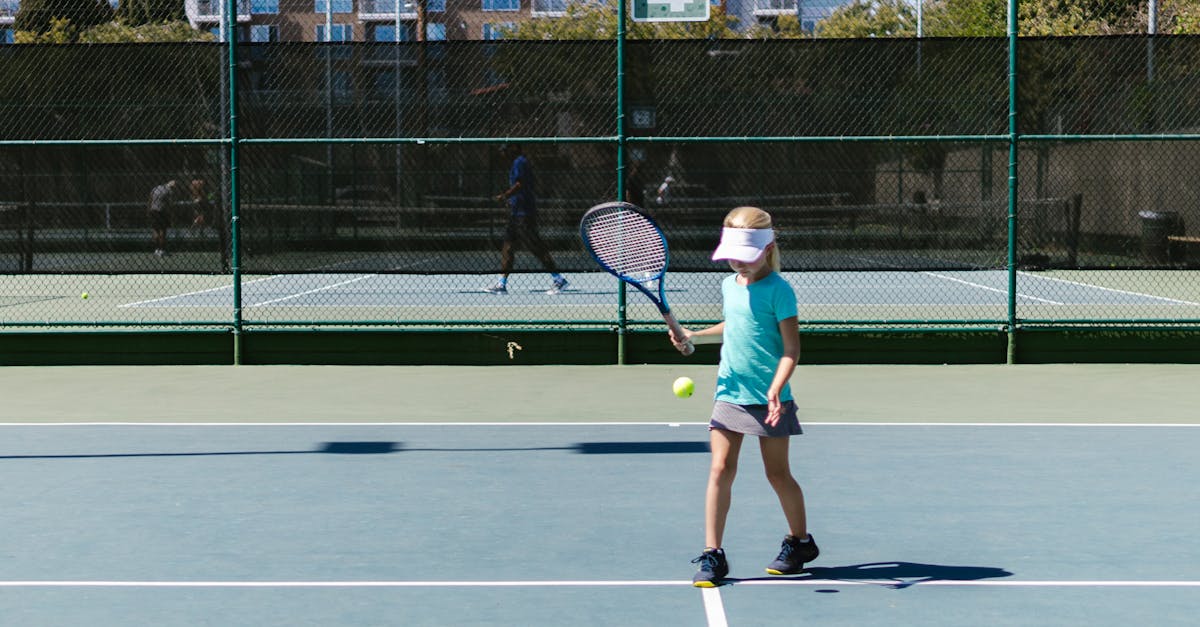
- Public tennis courts — most councils run free or cheap ($10/hour) hard courts. Princes Park, Fawkner Park, Albert Park, and Fitzroy Gardens all have walk-up courts. Book through playforce.com or local council apps.
- Melbourne Park — Rod Laver Arena and Margaret Court Arena courts are open to public hire when no pro tournaments are running ($100+/hour; play where the Australian Open is played).
- Public basketball courts — outdoor courts at Flagstaff Gardens, North Melbourne Recreation Centre, and Collingwood Children’s Farm.
- Outdoor swimming pools — Melbourne has great heated outdoor pools. Fitzroy Swimming Pool, Harold Holt in Malvern East, and the Prahran Aquatic Centre all $8–10 entry.
- Beach volleyball — free nets at St Kilda Beach.
- Skate parks — Docklands Skate Park, Prahran Skate Park, Footscray Park.
Seasonal outdoor picks
- Summer (Dec–Feb) — beach days at St Kilda/Brighton, Mornington Peninsula Hot Springs, surfing at Torquay, outdoor cinema (Moonlight Cinema at Royal Botanic Gardens).
- Autumn (Mar–May) — hiking in the Dandenongs for autumn colour, Yarra Valley vineyard walks, long cycling rides.
- Winter (Jun–Aug) — skiing at Mt Buller (3 hr drive); Mt Donna Buang snowfall day-trip; bushwalking in drier conditions (less snake risk); rugged Wilsons Prom empty weekends.
- Spring (Sep–Nov) — wildflowers at Grampians and You Yangs, the best all-purpose outdoor season.
What to pack and safety
- UV is extreme Nov–Mar. Always pack sunscreen (SPF 50+), hat, sunglasses.
- Layers — Melbourne’s “four seasons in a day” is real. Pack a rain shell and a warmer layer even in summer.
- Water — two litres per person for any hike over 2 hours.
- Snakes active Oct–Apr in bushland. Stick to marked trails; wear enclosed shoes; treat any snake sighting with caution (step back, go around).
- Phone signal is patchy in the Dandenongs and Wilsons Prom — download offline maps.
- Parks Victoria app — free, shows every trail, campsite, and track alert.
- Emergency number — 000; use 112 from mobile if reception poor.
Outdoor activities you can reach without a car
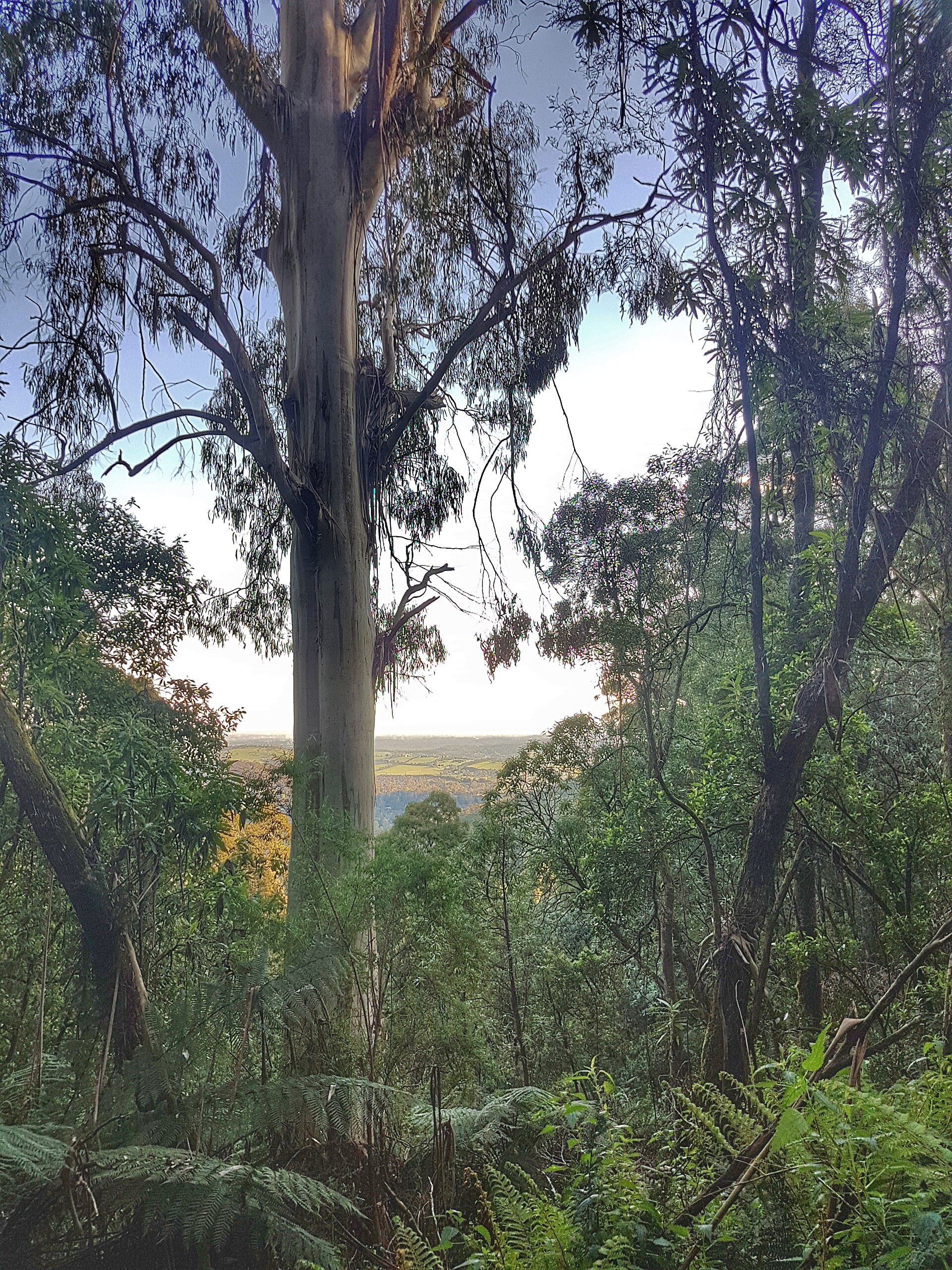
Most guides to Melbourne’s outdoors quietly assume you have a car. Plenty of visitors don’t, and the difference between a trail that a train reaches and one that doesn’t is the difference between a spontaneous morning out and a write-off. Here is the honest split.
| Destination | Public transport access | What you get |
|---|---|---|
| Albert Park Lake | Tram from the CBD, 3 km out | 4.7 km flat loop; Melbourne’s biggest parkrun, 8am Saturdays, free |
| 1000 Steps, Dandenong Ranges | Train to Upper Ferntree Gully, then a 1.2 km walk | The Kokoda Track Memorial Walk — a steep stepped climb through forest |
| Lysterfield Park | Train to Belgrave or Ferntree Gully, then bus | 5.5 km Lake Circuit Trail and 50 km of mountain bike trails |
| Point Nepean National Park | Train to Frankston, then the 788 bus to Portsea | 4.5 km walk from the Quarantine Station to Fort Nepean; a shuttle runs 10.30am–4pm |
| Brighton and Bayside beaches | Train to Brighton Beach or Sandringham | Sheltered bay swimming and the bathing boxes |
| Yarra River trails | Walk from the CBD | Riverside walking and running paths running kilometres upstream |
| Werribee Gorge State Park | None — car only | The best gorge walking near Melbourne, and completely inaccessible without a vehicle |
| You Yangs, Cathedral Range, Wilsons Prom | None — car only | Worth hiring a car or joining a tour for |
One practical note on the 1000 Steps: the Ferntree Gully car park is typically full by 10am on weekend mornings, so arriving by train is often genuinely faster than driving. Park gates open at 6am and close at 9pm, and dogs are not permitted anywhere in the national park.
Where to see wildlife near Melbourne
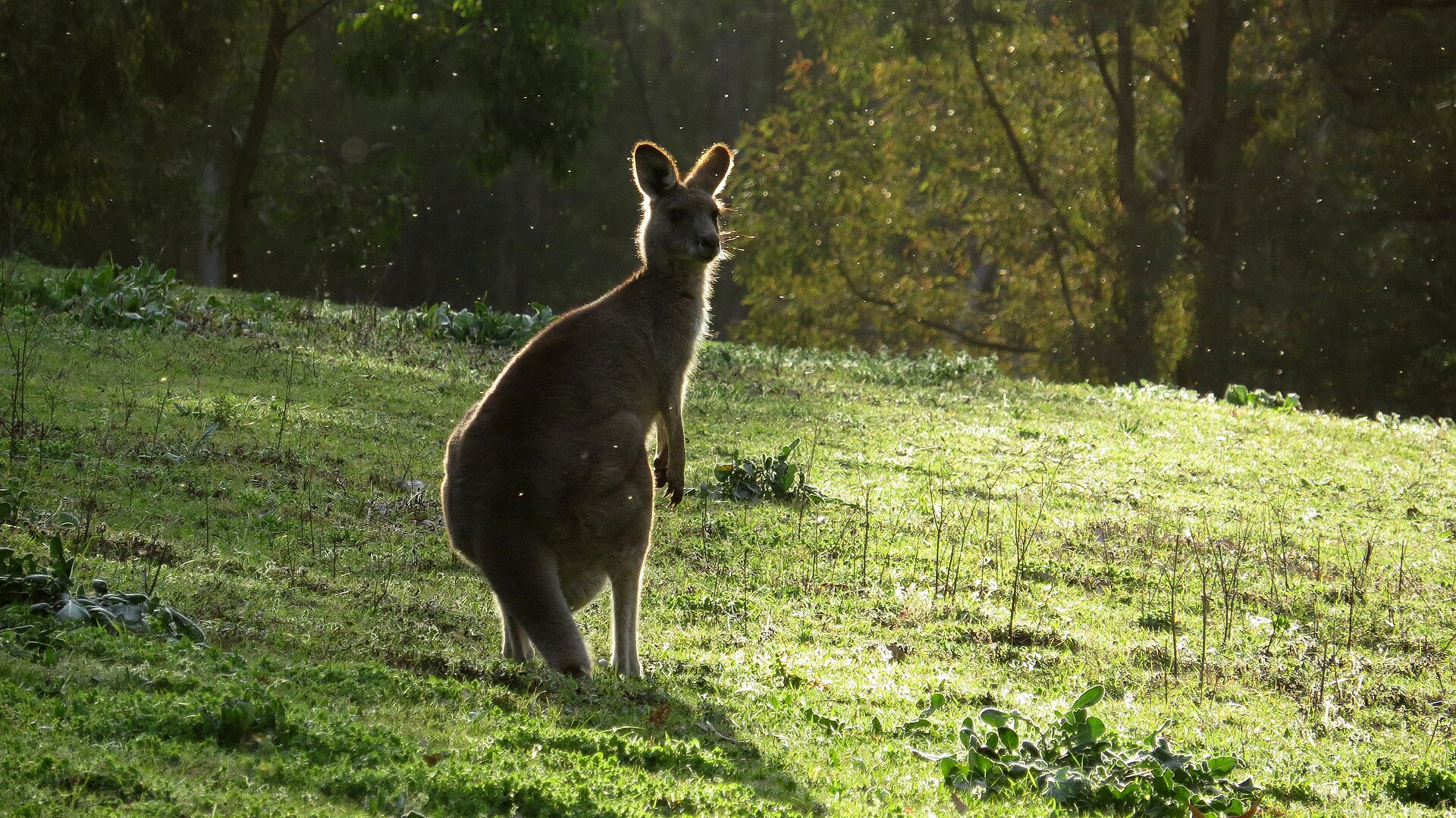
Seeing Australian animals in the wild rather than in an enclosure is one of the things visitors most want from Melbourne, and it is more achievable than people expect — including inside the city itself.
- Little penguins at St Kilda breakwater — a genuine wild colony fifteen minutes from the CBD on tram 96. The penguins come ashore roughly 30 minutes after sunset. Access is now managed through two one-hour viewing sessions each night and bookings are required, so check before you go rather than turning up.
- Phillip Island Penguin Parade — the famous one, about two hours from Melbourne. General viewing runs $34 adult, $17 child, $85 family, $23.80 pensioner, with premium options from $93 to $108. Bookings are essential and the site is cashless. See our Phillip Island guide.
- Kangaroos, emus and wallabies at Serendip Sanctuary — 60 km from Melbourne near Lara, open daily 8am to 4pm, free, with electric barbecues and accessible facilities. The best no-cost kangaroo-spotting near the city.
- Prom Wildlife Walk at Wilsons Promontory — a 2.3 km, 45-minute easy loop specifically laid out for spotting kangaroos, wallabies, emus and wombats. Dawn and dusk are far better than the middle of the day.
- Koalas — genuinely hard to find wild around Melbourne. Healesville Sanctuary and the Great Ocean Road are your realistic options; do not plan a day around spotting one in a suburban park.
A word on wildlife etiquette: do not feed native animals, keep well back from kangaroos in particular — large males are strong and unpredictable — and never handle a wombat or possum, however placid it looks.
Swimming spots, sea baths and outdoor pools
Melbourne swims in Port Phillip Bay rather than the open ocean, which makes the water calmer, shallower and — crucially — warmer than the surf coast. It also makes it noticeably colder than most international visitors expect.
| Season | Approximate bay water temperature | Verdict |
|---|---|---|
| Summer (Dec–Feb) | Around 19–21°C | Comfortable swimming; peaks in February, not January |
| Autumn (Mar–May) | Around 17.6°C | Still swimmable in March; bracing by May |
| Winter (Jun–Aug) | Around 12.5°C | Wetsuit territory |
| Spring (Sep–Nov) | Around 14.4°C | Cold; warms up quickly through November |
Where to swim: Brighton, Sandringham, Half Moon Bay and Williamstown for calm, shallow bay swimming reachable by train; St Kilda for the most convenient city beach; Mornington Peninsula’s back beaches for actual surf. Melbourne also has a strong outdoor pool culture — the Fitzroy and Harold Holt pools open through the warmer months and are cheap, and the city’s sea baths at Brighton and Port Melbourne are an old Melbourne institution.
The safety point that matters most: bay beaches are gentle, ocean beaches on the peninsula are not. Bushrangers Bay and much of the Mornington Peninsula National Park coastline is unpatrolled with strong rips and large waves — beautiful to walk to, dangerous to swim at. Only swim between the red and yellow flags on patrolled beaches, and if there are no flags, treat the water as off limits.
Camping and overnight trips near Melbourne
Turning a day walk into an overnight trip is the cheapest way to see substantially more of Victoria, and there is good camping within two hours of the city. The critical thing to understand is that Victorian national park camping is a booking system, not a turn-up-and-pitch arrangement.
- Wilsons Promontory (Tidal River) — the best-known and the hardest to get. Sites must be booked in advance, and peak summer periods run a ballot. Overnight hiking on the Southern Circuit or Northern Wilderness requires a separate permit. Free gas barbecues are provided throughout the Tidal River campground.
- Cathedral Range State Park — around two hours north-east, with several campgrounds and the region’s most serious walking. The Ridge Track is graded 5, the hardest grade Parks Victoria uses.
- The Grampians — three hours out, so a proper weekend rather than an overnight, but the best hiking in the state. See our Grampians guide.
- Mornington Peninsula — coastal camping close enough for a single night, with the peninsula’s beaches and wineries in reach.
Book through Parks Victoria rather than a third party, and check the fee schedule at the time of booking — camping charges are reviewed annually and were being updated at the time of writing, so any figure quoted in a travel article is worth verifying yourself.
Snow and alpine day trips
Visitors are often surprised that you can be in snow within a few hours of Melbourne. The Victorian alpine season runs roughly from the Queen’s Birthday long weekend in June through to early October, depending on snowfall.
- Mount Buller — around three hours from Melbourne, the largest and best-connected resort, with about 80 km of runs. The most realistic option for a day trip or a single overnight.
- Lake Mountain and Mount Baw Baw — closer and smaller, better for cross-country skiing, tobogganing and a first look at snow than for downhill.
- Falls Creek and Mount Hotham — the serious skiing, but too far for a day trip at four to five hours each way.
Costs and requirements. Resort entry in 2026 is $69 per day per vehicle. A season vehicle permit is $635 for a single resort or $959 covering all six. That is before lift passes, hire and lessons, which are all substantial on top. Wheel chains are legally required throughout the winter season at Mount Buller — you must carry them from Mirimbah even if there is no snow on the road, and hire outlets at the base can fit them. If you are not confident driving in snow, coach services from Melbourne are the safer choice.
Outdoor activities with kids
Melbourne’s outdoors works well with children, provided you pick walks graded for it rather than assuming a “short” trail is an easy one.
- Easy graded walks. The Prom Wildlife Walk at Wilsons Promontory is 2.3 km and grade 2, with a genuine chance of seeing kangaroos and emus. Squeaky Beach and Whisky Bay are 300–400 m from their car parks. Friends Nature Trail at Cathedral Range is a 2 km grade 2 circuit.
- Albert Park Lake — flat, stable surface, 4.7 km loop, pram-friendly, and close to the city.
- Free barbecues are standard in Victorian parks — Serendip Sanctuary and Tidal River both have them, which turns a walk into a cheap day out.
- Junior Ranger programmes run in Victorian parks during school holidays, usually free, and are genuinely good.
- Beaches — bay beaches are shallow and calm; stick to Brighton, Sandringham or Williamstown rather than the peninsula’s ocean side.
- Surf lessons for kids — 90-minute group lessons at Torquay run around $74.
Skip the 1000 Steps with small children — it is a steep, relentless stair climb and it is busy. Our guide to Melbourne with kids has more family options.
Accessible and all-abilities outdoor options
Parks Victoria runs a better all-abilities programme than most visitors realise, and almost none of it appears in mainstream travel guides.
- TrailRider all-terrain wheelchairs are available free at a number of Victorian parks. These are single-wheeled chairs pushed and guided by companions, and they open up trails that would otherwise be impossible.
- Beach wheelchairs are available free at several bay and coastal locations, letting users get onto sand and into shallow water.
- All-terrain wheelchairs at Wilsons Promontory can be collected free from the Tidal River Visitor Centre.
- A free electric hoist operates at the Patterson River boat ramps for transfers into boats.
- Point Nepean’s shuttle is wheelchair accessible, within stated size limits, which makes the Fort Nepean end of the park reachable without the 4.5 km walk.
- Albert Park Lake and the Royal Botanic Gardens have sealed, stable, largely flat paths and are the easiest city options.
Equipment is limited in number and usually needs to be arranged ahead, so contact the specific park before travelling rather than assuming availability on the day.
What outdoor activities cost
The good news is that Victoria does not charge general entry fees for the national and state parks around Melbourne. The walking, the beaches and the wildlife watching at Serendip are all free. Costs come in when you want equipment, instruction or altitude.
| Activity | Typical 2026 cost |
|---|---|
| National and state park entry | Free |
| Serendip Sanctuary (kangaroos, emus) | Free |
| Parkrun, Albert Park Lake | Free, 8am Saturdays |
| Surf lesson, Torquay — 2-hour group intro | $84 adult, $74 for a 90-minute kids’ lesson |
| Surf lesson three-pack | $205 |
| Guided kayak tour on the Yarra | $82 |
| Phillip Island Penguin Parade, general viewing | $34 adult, $17 child, $85 family |
| Alpine resort vehicle entry | $69 per day |
| Hot air ballooning over Melbourne | From around $450–$520 per person |
Bike hire is worth a specific warning: Melbourne’s share-bike schemes have been unstable, with at least one council cancelling its e-bike operator during 2026. Check what is actually operating when you arrive rather than relying on a guide, or use a conventional hire shop — see our bike hire guide.
Rock climbing outdoors near Melbourne
Melbourne has a strong climbing culture and a good supply of indoor gyms across the inner north, but the outdoor options within day-trip range are more limited than the scene’s size suggests.
- Falcons Lookout, Werribee Gorge — the only area within the state park where climbing is permitted. It is reached via the Ironbark Gorge track, a 3 km, two-hour return walk, and it is car access only.
- The You Yangs — granite bouldering and short routes, 55 km south-west of the city and combinable with the walking and mountain biking there.
- Mount Arapiles — one of the world’s best-known climbing areas, but it is a four-hour drive west and access arrangements have changed in recent years. Check current access before planning a trip around it.
- The Grampians — world-class, three hours away, and likewise subject to access restrictions that protect cultural heritage sites. Confirm which areas are open before you go.
If you are climbing outdoors without your own gear and local knowledge, go with a guiding operator. Werribee Gorge in particular has unstable cliff edges and slippery rock, and Parks Victoria lists falling limbs and snakes among the standing hazards.
Free barbecues, picnic spots and sunset views
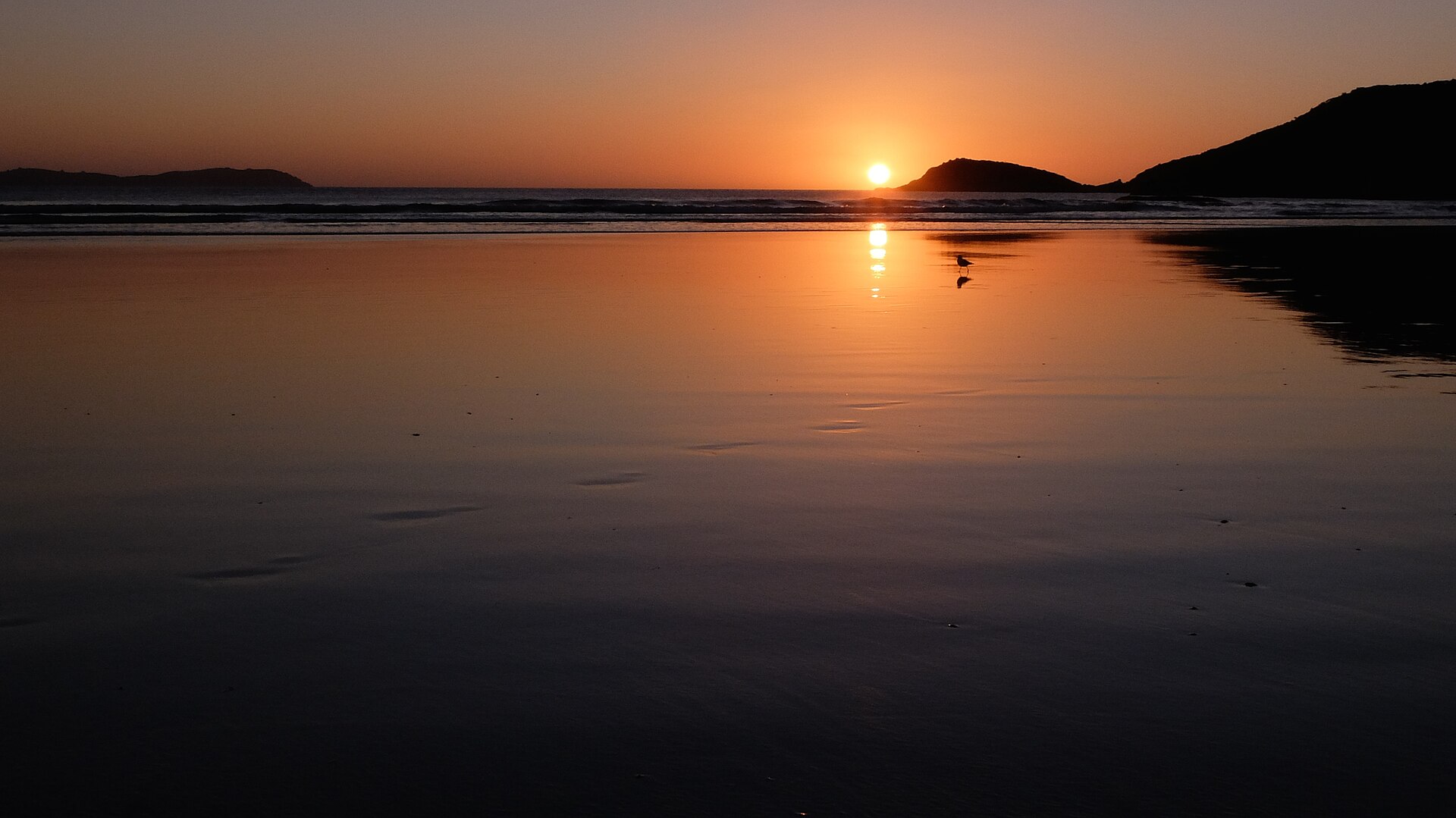
One thing that consistently surprises visitors is that Australian public parks come with free electric barbecues. They are clean, they work, and using them is a completely normal Melbourne weekend activity. Combined with a supermarket shop, it is the cheapest good meal in the city.
- Where to find them: most large metropolitan parks, the foreshore reserves along the bay, Serendip Sanctuary, and throughout the Tidal River campground at Wilsons Promontory. Push the button and wait for the plate to heat.
- Etiquette: clean the plate after use with the scraper provided, don’t monopolise one at peak times, and check for Total Fire Ban restrictions in summer, which can prohibit their use.
- Best picnic spots: the Royal Botanic Gardens for the setting, Carlton Gardens for the shade and the museum next door, Albert Park Lake for the water, and the bayside reserves at Elwood and Williamstown for a sea breeze.
Sunset and sunrise. Melbourne faces the wrong way for a classic ocean sunset over most of the city, but there are good options. The bay beaches from Port Melbourne round to Williamstown look west across the water and get the best of it. The Botanic Gardens’ Terrace and the north bank of the Yarra give you the skyline lit up. For sunrise, the eastern beaches and the top of the 1000 Steps both work, and both are far quieter at dawn than at any other time of day.
FAQ: outdoor activities Melbourne
What are the best outdoor activities in Melbourne?
The best outdoor activities Melbourne offers include hiking the Dandenong Ranges 1000 Steps, cycling the Capital City Trail, surfing at Torquay/Bells Beach, kayaking the Yarra River, running the Tan Track around the Royal Botanic Gardens, and overnight hiking at Wilsons Promontory. All are accessible within 2 hours of the CBD.
Can you do outdoor activities in Melbourne in winter?
Yes. Winter (June–August) averages 13°C and is mild enough for hiking, cycling, and running. Surfing requires a 4/3mm wetsuit. Snow falls at Mt Buller (3 hr drive; ski season mid-June to early Sept) and occasionally at Mt Donna Buang. Indoor climbing gyms stay open year-round in the CBD and Collingwood.
How do you get to outdoor activities without a car?
Many accessible: train to the Dandenong Ranges (Upper Ferntree Gully station + short bus), Brighton or St Kilda Beaches (tram 96/55), Werribee Gorge (train to Bacchus Marsh + taxi), Point Nepean (bus from Frankston), and the Capital City Trail (ride straight from CBD). For Wilsons Prom, Torquay, and Great Ocean Road you’ll need a car or tour.
Is it safe to hike alone near Melbourne?
Generally yes, on popular trails (Dandenongs, You Yangs, Mornington Peninsula). Always leave your plan with someone, carry water and phone, and avoid more remote tracks (Cathedral Range, Grampians multi-day) solo without experience. The Parks Victoria app has a check-in feature for longer hikes.
Where do locals go for weekend outdoor activities?
Weekend locals head to the Dandenong Ranges (hiking and brunch), Mornington Peninsula (beaches and hot springs), Yarra Valley (wineries with walking trails), Wilsons Promontory (overnight camping), or the Surf Coast (beach day at Torquay/Anglesea). All two-hour drives or less.
Do I need permits for hiking near Melbourne?
Day hiking in Victorian parks is always free. Overnight camping in national parks (like Wilsons Prom) requires advance booking via parks.vic.gov.au. Fishing requires a $12 recreational fishing licence (3-day online purchase).
What outdoor activities can you do near Melbourne without a car?
More than you would expect. Albert Park Lake’s 4.7 km loop is three kilometres from the CBD by tram. The 1000 Steps in the Dandenong Ranges is a 1.2 km walk from Upper Ferntree Gully station. Lysterfield Park’s lake circuit and mountain bike trails are reachable by train and bus. Point Nepean National Park is a train to Frankston plus the 788 bus, with a shuttle inside the park. Brighton and Sandringham beaches are on the train line. The genuine car-only destinations are Werribee Gorge, the You Yangs, Cathedral Range and Wilsons Promontory — for those you need a hire car or a tour.
Do you have to pay to enter national parks near Melbourne?
No. Victoria does not charge general entry fees for the national and state parks around Melbourne — Wilsons Promontory, the Dandenong Ranges, Werribee Gorge, Point Nepean, the You Yangs and Mornington Peninsula National Park are all free to walk into. You pay for camping, for some guided programmes, and for alpine resort vehicle entry in winter, which is $69 per day. Camping fees are reviewed annually, so check the current schedule when you book rather than relying on a figure in a guide.
Do you need to book Wilsons Promontory in advance?
For day walks, no — just drive down and go. For anything overnight, yes and well in advance. All camping and accommodation at Tidal River must be booked ahead, peak summer periods run a ballot, and overnight hiking on the Southern Circuit or Northern Wilderness requires a separate permit. It is around a three-hour drive from Melbourne, with a further 30 minutes from the park entrance to Tidal River, so a day trip is a long day. The Mount Oberon summit walk is 6.8 km return, roughly two hours, and graded 4.
How cold is the water in Port Phillip Bay?
Colder than most visitors expect. Summer averages around 19–21°C, peaking in February rather than January, which is comfortable for swimming but not tropical. Autumn sits near 17.6°C, spring around 14.4°C, and winter drops to roughly 12.5°C — wetsuit territory. The bay is consistently warmer and calmer than the ocean beaches on the Mornington Peninsula, which is why Brighton, Sandringham and Williamstown are the sensible choices for a casual swim.
What happens to parks and trails on days of extreme fire danger?
They close, and this catches visitors out every summer. Dandenong Ranges National Park closes entirely on days rated Extreme Fire Danger or above; Werribee Gorge closes on Catastrophic. Total Fire Ban days prohibit all fires including gas barbecues in some circumstances. Check the VicEmergency app or call the Victorian Bushfire Information Line on 1800 226 226 the morning of any summer walk, and have an alternative plan. Never enter a closed park — the closures exist because these are fire-prone landscapes with limited escape routes.
Where can you see penguins, kangaroos and koalas near Melbourne?
Penguins: the wild little penguin colony on the St Kilda breakwater is fifteen minutes from the city and free to view, though access is now through booked one-hour sessions starting around 30 minutes after sunset. The larger Phillip Island Penguin Parade is two hours away and costs from $34 for general viewing. Kangaroos: Serendip Sanctuary near Lara, 60 km out, is free and open daily 8am to 4pm, and the Prom Wildlife Walk at Wilsons Promontory is a 2.3 km easy loop with kangaroos, wallabies and emus. Koalas: genuinely difficult in the wild near Melbourne — Healesville Sanctuary or a Great Ocean Road trip are the realistic options.
Final thoughts on outdoor activities Melbourne
Melbourne’s outdoor activities are underrated by visitors who spend their entire trip in the CBD. One free day on the Tan Track followed by a weekend in the Dandenongs or at Wilsons Prom reframes the whole city — the grimy laneway-bar scene and the rainforest hike are both 90 minutes apart. Bring proper shoes, a rain layer, and be ready for the weather to do whatever it wants. Then explore: this is one of the world’s most outdoor-accessible capital cities, and you barely need to leave the transport system to take advantage of it.
Melbourne Outdoors: Parks, Trails and Beaches
- Royal Botanic Gardens Melbourne (2026): Complete Guide & Map
- Best Beaches Melbourne (2026): Bay, Surf & Family Picks
- Albert Park Melbourne Guide: Lake, Sports & F1 Track (2026)
- Best Hikes Near Melbourne: 15 Day-Trip Trails (2026)
- Dandenong Ranges Walks: Best Trails & Difficulty Guide (2026)
- Best Parks in Melbourne: 15 Green Spaces to Explore (2026)
- Best Walking Trails in Melbourne (City & Suburbs) 2026
- Melbourne Bike Trails: 12 Best Paths (With Bike Hire Info) 2026
- Best Yarra River Walks: Routes, Lengths & What You’ll See (2026)
- Outdoor Classes & Fitness in Melbourne: Yoga, SUP & Bootcamps (2026)
The closest proper surf to the city is on the Surf Coast, a little over an hour away. Surf schools in Torquay and Jan Juc run beginner lessons on patrolled beach breaks, and experienced surfers head for Bells and Winkipop. Our Torquay and Bells Beach guide explains where to learn, where not to swim, and how to combine a lesson with the Surf Coast Walk.