Melbourne Weather by Month (2026): Temperature, Rainfall and Packing Guide
- Words
- Melbourne Tourism Guide
- Updated
- September 2, 2026
- Read
- 12 min
Melbourne weather by month — temperatures, rainfall, sunshine, and sea temperature for every month. Best month to visit, what to pack, and surviving 'four seasons in one day'.
This article contains advertising. Our booking links are routed through a partner that adds commission tracking automatically, so if you book through one we earn a commission from the provider, at no extra cost to you. It never affects what we recommend. Affiliate disclosure
Melbourne weather by month is famously unpredictable — the city’s reputation for “four seasons in one day” is earned. Located on Port Phillip Bay at 37° South, Melbourne has a temperate oceanic climate with four distinct seasons (reversed from the Northern Hemisphere), high day-to-day weather variability, and the famous tendency for a 38°C morning to flip to an 18°C evening with a southerly change. This 2026 visitor guide breaks down Melbourne weather month by month: average temperatures, rainfall, sunshine hours, sea temperature, what to pack, and the best month for different travel styles.
Melbourne weather by month at a glance
| Month | Avg max (°C) | Avg min (°C) | Rain (mm) | Sunshine (hrs/day) | Sea (°C) |
|---|---|---|---|---|---|
| January | 26 | 14 | 47 | 9 | 20 |
| February | 26 | 15 | 50 | 9 | 20 |
| March | 24 | 13 | 50 | 7 | 19 |
| April | 20 | 11 | 57 | 6 | 17 |
| May | 17 | 9 | 56 | 5 | 15 |
| June | 14 | 7 | 49 | 4 | 14 |
| July | 13 | 6 | 48 | 4 | 13 |
| August | 15 | 7 | 50 | 5 | 13 |
| September | 17 | 8 | 58 | 6 | 14 |
| October | 19 | 9 | 66 | 7 | 15 |
| November | 22 | 11 | 60 | 8 | 17 |
| December | 24 | 13 | 59 | 9 | 19 |
Summer in Melbourne (December–February)
December
- Average max: 24°C, average min 13°C.
- Rainfall: 59 mm spread across 8–10 days.
- Sunshine: 9 hours per day.
- Sea temperature: 19°C.
- Vibe: Christmas decorations across CBD, festive shopping, NYE preparations.
- Highlights: Carols by Candlelight (Dec 24), Boxing Day Test cricket (Dec 26), NYE fireworks (Dec 31).
January
- Average max: 26°C, average min 14°C. Hottest month.
- Heatwaves: 38–42°C for 2–4 days typical.
- Rainfall: 47 mm.
- Sea temperature: 20°C.
- Highlights: Australian Open tennis, Australia Day, Lunar New Year, Midsumma Festival.
February
- Average max: 26°C, average min 15°C.
- Rainfall: 50 mm.
- Sea temperature: 20°C.
- Highlights: Australian Open finals, White Night Melbourne, Sustainable Living Festival.
- Better than January — slightly less heatwave-prone, slightly cheaper hotels.
Autumn in Melbourne (March–May)
March
- Average max: 24°C, average min 13°C.
- Rainfall: 50 mm.
- Sea temperature: 19°C.
- Highlights: Moomba Festival, Melbourne F1 Grand Prix, Melbourne International Comedy Festival begins.
- Often considered the best month — settled weather, mild temperatures, festival energy.
April
- Average max: 20°C, average min 11°C.
- Rainfall: 57 mm.
- Sea temperature: 17°C.
- Highlights: Melbourne International Comedy Festival, Melbourne International Flower & Garden Show, Easter, Anzac Day (April 25).
- Vineyards turn golden in the Yarra Valley.
May
- Average max: 17°C, average min 9°C.
- Rainfall: 56 mm.
- Sea temperature: 15°C.
- Highlights: Melbourne Writers Festival, RISING Festival begins, Melbourne International Jazz Festival.
- Cool but mostly dry — autumn at its peak photogenic.
Winter in Melbourne (June–August)
June
- Average max: 14°C, average min 7°C. Coldest month begins.
- Rainfall: 49 mm.
- Sea temperature: 14°C.
- Highlights: RISING Festival, AFL season peak, ski season opens at Mt Buller and Mt Hotham.
- Quietest tourist month — cheapest hotels.
July
- Average max: 13°C, average min 6°C. Coldest month.
- Rainfall: 48 mm.
- Sea temperature: 13°C. Too cold for swimming.
- Highlights: Open House Melbourne, AFL playoff lead-up.
- Indoor culture is best — NGV, museums, theatres, cosy pubs.
August
- Average max: 15°C, average min 7°C.
- Rainfall: 50 mm.
- Sea temperature: 13°C.
- Highlights: Melbourne International Film Festival (MIFF), AFL finals begin (late month).
- Days lengthen toward end of month.
Spring in Melbourne (September–November)
September
- Average max: 17°C, average min 8°C.
- Rainfall: 58 mm.
- Sea temperature: 14°C.
- Highlights: AFL Grand Final (last Saturday in September — major public holiday Friday before), Royal Melbourne Show, Melbourne Fringe Festival begins.
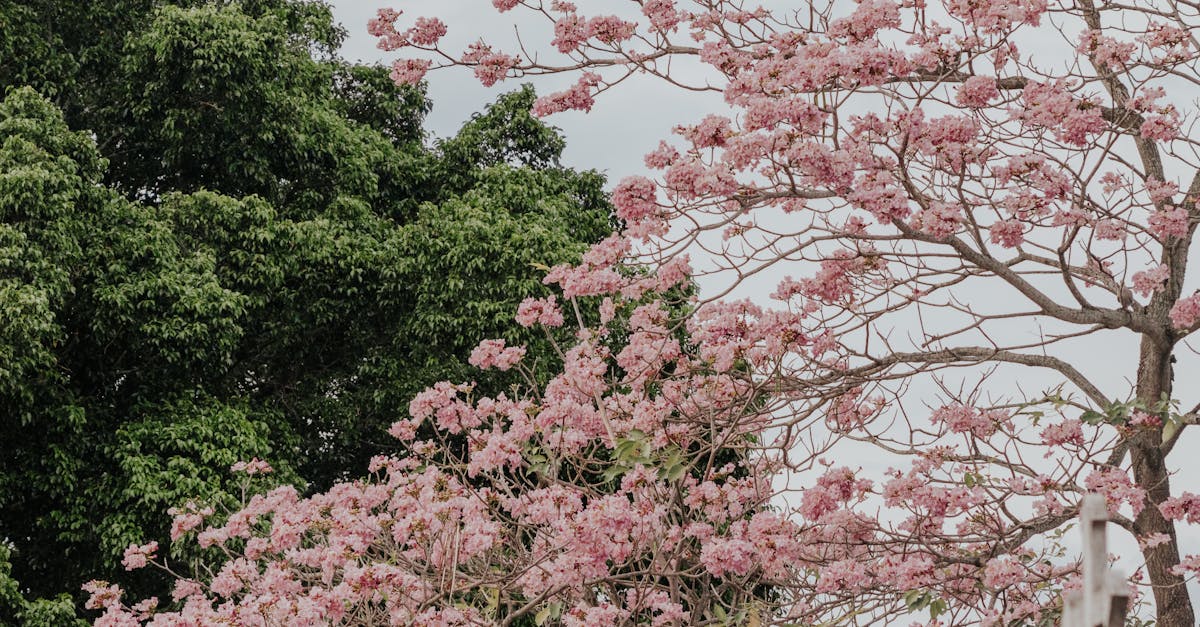
- Spring blooms begin in parks and gardens.
October
- Average max: 19°C, average min 9°C.
- Rainfall: 66 mm. Wettest month of spring.
- Sea temperature: 15°C.
- Highlights: Melbourne International Arts Festival (RISING successor), Spring Racing Carnival begins, Phillip Island MotoGP, Diwali at Federation Square.
November
- Average max: 22°C, average min 11°C.
- Rainfall: 60 mm.
- Sea temperature: 17°C.
- Highlights: Melbourne Cup (first Tuesday — public holiday). Spring Racing Carnival peak.
- Beach swimming begins from Melbourne Cup onwards.
Best month to visit Melbourne by traveller type
- First-time visitors — March or April. Settled weather, festival energy, less crowded than peak summer.
- Beach lovers — December to February.
- Tennis fans — January (Australian Open).
- F1 fans — March (Melbourne Grand Prix).
- AFL fans — March to September.
- Comedy fans — April (Melbourne International Comedy Festival).
- Wine lovers — autumn (March–May) or spring (Sep–Nov).
- Whale watchers — June to October.
- Budget travellers — June, July, August. Cheapest hotels.
- Food and culture — March, April, October, November.
- Avoiding crowds — June or August.
Melbourne rainfall and “four seasons in one day”
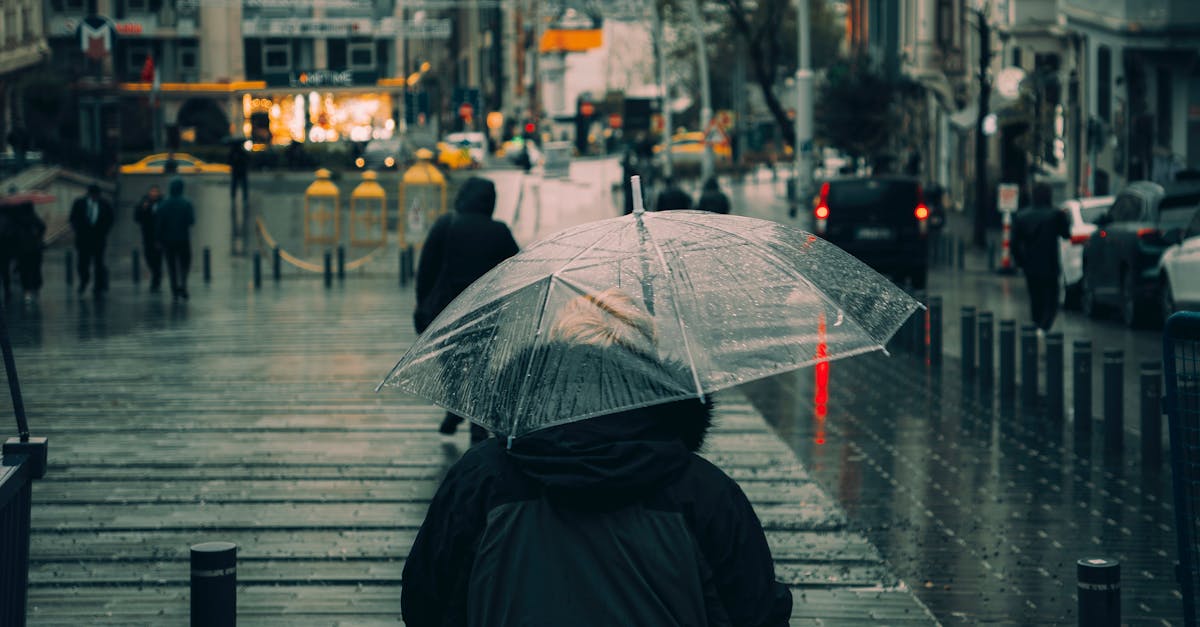
Melbourne’s “four seasons in one day” reputation comes from the city’s location at the boundary between two weather systems. Cool fronts from the Southern Ocean meet warm air from inland Australia, creating rapid temperature swings — particularly when a southerly change comes through (often called a “cool change”). Examples:
- A 38°C morning followed by a 4 pm cool change can drop temperatures to 18°C within an hour.
- A sunny morning can flip to thunderstorms by afternoon, particularly in summer.
- October has the highest rainfall per month (66 mm); spring has the highest day-to-day variability.
- Layers and a small umbrella are universal Melbourne packing advice — every season.
What to pack for Melbourne by season
Summer (Dec–Feb)
- Light cotton t-shirts, shirts, dresses.
- Shorts and summer skirts.
- Swimsuit and beach towel.
- Sunscreen SPF 50+ (extreme UV).
- Sunhat and sunglasses.
- Light cardigan for cool evenings (some drop to 14°C).
- Light waterproof jacket for thunderstorm afternoons.
- Closed-toe walking shoes plus sandals.
Autumn (Mar–May)
- Jeans, long-sleeve shirts.
- Light sweater or cardigan.
- Waterproof jacket.
- Comfortable walking shoes.
- Layers — temperature swings are common.
Winter (Jun–Aug)
- Warm coat (wool or down).
- Scarf and beanie.
- Waterproof jacket.
- Thermal base layers for evenings.
- Waterproof shoes or boots.
- Long pants and warm socks.
Spring (Sep–Nov)
- Mix of autumn and summer.
- Layers — expect any weather in one day.
- Waterproof jacket essential (October is wettest spring month).
- Comfortable walking shoes.
Sea temperature and beach swimming season
- Best swimming months: December, January, February (sea 19–20°C).
- Acceptable for hardy swimmers: March, April, November (sea 15–17°C).
- Too cold for most: May to October (sea 13–15°C).
- Patrolled beaches: Christmas Day to Easter, weekends.
- Bay vs ocean: St Kilda Beach water can be 1–2°C warmer than ocean beaches due to bay shallowness.
UV exposure and sun protection
- UV index in summer: 11+ (“extreme”) between 10 am and 4 pm. Skin can burn in under 15 minutes unprotected.
- UV remains high in October and November — comparable to December.
- Winter UV is moderate; sun protection still recommended at midday.
- SPF 50+ sunscreen, hat, and sunglasses are standard Melbourne summer packing.
- Free sunscreen dispensers at St Kilda Beach and major beaches.
Melbourne weather and bushfires
- Bushfire risk highest December–March on extreme heat days (40°C+).
- Direct bushfires in metro Melbourne are rare but smoke from regional fires can affect the city.
- Check air quality on the EPA Victoria website during bushfire season.
- Outdoor events may cancel on extreme heat days.
- Bushwalking advice — avoid Otway Ranges, Yarra Valley, and Dandenong Ranges on Total Fire Ban days.
Melbourne weather forecasting and apps
- BOM Weather (Bureau of Meteorology) — official Australian government weather app. Free.
- Weatherzone — Australian commercial weather app with detailed local forecasts.
- Melbourne Weather Twitter (@VicEmergency) — official Victorian emergency weather updates.
- Apple Weather and Google Weather — both reliable for Melbourne.
- Smartphone notifications for cool changes — useful in summer.
Cheapest months to visit Melbourne
- June, July, August — winter, cheapest hotels.
- February (after Australian Open) — discount mid-month.
- Late May — pre-winter shoulder.
- Avoid December, January (Australian Open), Melbourne Cup week (early November), AFL Grand Final week (late September).
Melbourne weather and AFL season
The AFL season runs March to September, peaking with the Grand Final on the last Saturday in September. Cold, often wet weather is part of the AFL experience — Melbourne winter and football are inseparable. The MCG’s covered seating helps but the field-side experience is exposed. Pack thermal layers and waterproof gear for AFL games April through September.
Melbourne weather statistics by month (detailed)
January (peak summer)
- Average max: 26°C (79°F).
- Average min: 14°C (57°F).
- Record high: 46.4°C (Jan 7, 2009 — Black Saturday week).
- Record low: 5.5°C.
- Average rainfall: 47 mm spread across 8 days.
- Sunshine: 9 hours per day.
- Sea temperature: 20°C.
- UV index: 11+ (extreme).
- Heatwave days (38°C+): 2–4 typical.
- Daylight: 5:53 am – 8:43 pm.
February
- Average max: 26°C.
- Average min: 15°C.
- Average rainfall: 50 mm across 9 days.
- Sunshine: 9 hours per day.
- Sea temperature: 20°C.
- Daylight: 6:23 am – 8:14 pm.
March (early autumn)
- Average max: 24°C.
- Average min: 13°C.
- Average rainfall: 50 mm across 9 days.
- Sunshine: 7 hours per day.
- Sea temperature: 19°C.
- Daylight: 6:51 am – 7:34 pm.
April
- Average max: 20°C.
- Average min: 11°C.
- Average rainfall: 57 mm across 11 days.
- Sunshine: 6 hours per day.
- Sea temperature: 17°C.
- Daylight: 7:18 am – 6:51 pm (DST ends mid-April).
May
- Average max: 17°C.
- Average min: 9°C.
- Average rainfall: 56 mm across 13 days.
- Sunshine: 5 hours per day.
- Sea temperature: 15°C.
- Daylight: 7:11 am – 5:18 pm.
June (early winter)
- Average max: 14°C.
- Average min: 7°C.
- Record low: -2.8°C.
- Average rainfall: 49 mm across 14 days.
- Sunshine: 4 hours per day.
- Sea temperature: 14°C.
- Daylight: 7:34 am – 5:08 pm.
July (coldest)
- Average max: 13°C.
- Average min: 6°C.
- Average rainfall: 48 mm across 15 days.
- Sunshine: 4 hours per day.
- Sea temperature: 13°C.
- Daylight: 7:36 am – 5:25 pm.
August
- Average max: 15°C.
- Average min: 7°C.
- Average rainfall: 50 mm across 15 days.
- Sunshine: 5 hours per day.
- Sea temperature: 13°C.
- Daylight: 6:59 am – 5:54 pm.
September
- Average max: 17°C.
- Average min: 8°C.
- Average rainfall: 58 mm across 14 days.
- Sunshine: 6 hours per day.
- Sea temperature: 14°C.
- Daylight: 6:11 am – 6:24 pm.
October (wettest spring)
- Average max: 19°C.
- Average min: 9°C.
- Average rainfall: 66 mm across 14 days.
- Sunshine: 7 hours per day.
- Sea temperature: 15°C.
- Daylight: 6:21 am – 7:55 pm (DST starts).
November
- Average max: 22°C.
- Average min: 11°C.
- Average rainfall: 60 mm across 12 days.
- Sunshine: 8 hours per day.
- Sea temperature: 17°C.
- Daylight: 5:56 am – 8:20 pm.
Daylight Saving Time in Melbourne
- DST runs first Sunday in October to first Sunday in April.
- Clocks spring forward 1 hour in October, fall back 1 hour in April.
- Sydney, Melbourne, Adelaide observe DST; Brisbane and Perth do not.
- October DST start adds an extra hour of evening daylight — popular for spring outdoor events.
- April DST end shortens evenings — autumn evenings become dark by 5:30 pm.
- International visitors should adjust calendars/phones automatically.
Best month to visit Melbourne by traveller priority
Beach focus
December–February. Sea temperatures 19–20°C. Patrolled summer beaches.
Sport focus
January (Australian Open), March (F1 Grand Prix), September (AFL Grand Final), November (Melbourne Cup).
Wine and food focus
Autumn (March–May). Vineyards golden, comfortable for long lunches. April Comedy Festival.
Cultural focus
December (Triennial year), April (Comedy Festival), August (MIFF), October (RISING Festival).
Budget focus
June, July, August. Cheapest hotels and least-crowded attractions.
Shoulder season (best balance)
March (early autumn) or November (late spring). Mild weather, festival energy, manageable crowds.
Melbourne weather quirks
- Cool changes — sudden temperature drops of 15°C+ when southerlies blow through. Common in summer afternoons.
- Hot northerlies — northern winds bring inland heat. Days when Melbourne is hotter than Sydney.
- Sea fog — occasional summer mornings, particularly affecting the Mornington Peninsula and Great Ocean Road.
- Bushfire smoke — affects city air quality in extreme heat conditions.
- Hailstorms — rare but dramatic; spring is most common.
- Westerly winds — common winter cold-fronts.
- Indian summer — late March/early April warm spells.
- Wettest day on record — 132 mm in a single day (Feb 2010).
Climate change and Melbourne weather
- Average temperatures rising about 1°C since 1900.
- Heatwave days (38°C+) increasing in frequency.
- Average annual rainfall declining slightly.
- Bushfire season extending into spring and earlier autumn.
- Sea temperature rising slightly; affecting marine life.
- Storm intensity increasing.
- Climate-conscious travellers should expect more variability over time.
Melbourne weather forecast tools
- BOM Weather (Bureau of Meteorology) — official Australian government weather app. Free.
- Weatherzone — Australian commercial weather app with detailed local forecasts.
- Melbourne Weather Twitter (@VicEmergency) — official Victorian emergency weather updates.
- Apple Weather and Google Weather — both reliable for Melbourne.
- Cool change notifications — sign up via BOM Weather or Weatherzone for real-time alerts.
- UV alerts — BOM Weather shows UV index per hour.
- Air quality — EPA Victoria website for bushfire smoke and air pollution.
Melbourne weather and outdoor planning
- Beach days — December–February for swim-ready water; check UV before going.
- Bushwalking — March–May for stable autumn weather; avoid summer (heat) and winter (rain).
- Festival outdoor events — most postpone or cancel on extreme heat days (40°C+).
- Cycling — autumn and spring are best.
- Long lunches at vineyards — autumn is best.
- Picnic culture — December–March for warm picnics; Royal Botanic Gardens year-round option.
- Outdoor cinema — summer-only at most venues.
Melbourne weather and wildfires
- Bushfire risk peaks December to March on extreme heat days.
- Direct bushfires in metro Melbourne are rare but smoke from regional fires can affect the city.
- Total Fire Ban days — declared by the CFA on extreme heat days. Outdoor BBQ and welding restrictions.
- Catastrophic Fire Danger — outdoor activities should be cancelled. Stay indoors.
- Bushwalking on Code Red days — many parks close.
- Yarra Valley, Otway Ranges, Dandenong Ranges all have high bushfire risk.
- Black Saturday (February 7, 2009) — Victoria’s worst bushfire disaster, destroyed entire Yarra Valley townships.
Climate-aware accommodation choices
- Hotels with pools — Crown Towers, Park Hyatt, the Langham (heatwave shelter).
- Apartment-style with kitchen — for self-catering during outdoor-event closures.
- Air-conditioned standard expectation — all major hotels.
- Heating in winter — all major hotels.
- Rooms with balconies — for cool change ventilation.
- Yarra Valley accommodation — cooler in summer; warmer in winter than CBD.
Frequently asked questions about Melbourne weather by month
What’s the best month to visit Melbourne?
March or April for the best weather and festival energy. November is also excellent. December–February for beaches and the Australian Open.
What’s the rainiest month in Melbourne?
October — 66 mm average, the wettest month of the year. Spring is generally rainier than other seasons.
What’s Melbourne’s coldest month?
July — average max 13°C, average min 6°C. Cold and grey but rarely below 0°C in the city itself.
Does it snow in Melbourne?
Almost never in the city itself. Mt Dandenong (633 m elevation) gets occasional snow in winter (rare). Real snow is at Mt Buller, Mt Hotham, and Falls Creek (3+ hours northeast).
What’s “four seasons in one day” in Melbourne?
Melbourne is famous for rapid weather changes — a 38°C morning can become an 18°C evening with a southerly cool change. The city sits at the boundary of warm inland air and cool Southern Ocean fronts. Pack layers and a small umbrella always.
Is Melbourne hot in summer?
Average max 26°C, but heatwaves push temperatures to 38–42°C for 4–8 days per summer. Otherwise comfortable warm weather.
Can I swim at Melbourne beaches in winter?
Sea temperatures drop to 13°C in winter — too cold for most swimmers. Hardy swimmers and surfers (with wetsuits) continue year-round. Most Melburnians swim only December to March.
Should I bring an umbrella to Melbourne?
Yes — every season. A small foldable umbrella is universal Melbourne packing advice given the city’s reputation for sudden showers.
Final word: pack layers and watch the cool change
Melbourne weather rewards travellers who pack layers and bring a small umbrella every season. The city’s “four seasons in one day” reputation is genuine but doesn’t mean trips are bad — it means trips are flexible. Time your visit for the events you care about (Australian Open in January, Comedy Festival in April, AFL Grand Final in September), pack appropriately, and enjoy the city’s variability. For broader trip planning, see our best time to visit Melbourne pillar.