Blog

  • AFL Grand Final Melbourne: Tickets, Free Events & Guide

    AFL Grand Final Melbourne: Tickets, Free Events & Guide

    By the Melbourne Tourism Editorial Team · Last updated 30 May 2026

    If you want to understand Melbourne, you have to understand the last Saturday in September. The AFL Grand Final isn’t just a football match — it’s the city’s biggest day of the year, a public holiday weekend, and a near-religious experience for a sports town that genuinely loves nothing more. I’ve spent Grand Final Days inside a roaring MCG and others crammed into a packed pub with strangers who became friends by the final siren, and both are wonderful in their own way. Here’s the honest guide every visitor needs: how the day works, why tickets are so hard to get, and — crucially — all the ways you can be part of it even without a seat. It’s the crown jewel of our Melbourne events and festivals calendar.

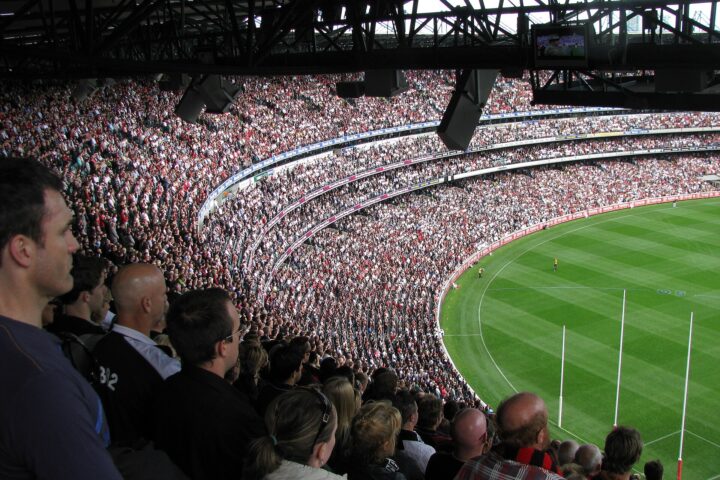
    The Melbourne Cricket Ground packed with a huge crowd for an AFL match
    The MCG on Grand Final Day — around 100,000 fans and the biggest day in Australian sport.

    What is the AFL Grand Final?

    The AFL Grand Final decides the premiers of the Australian Football League — Australian Rules football, the fast, high-flying, uniquely Australian code that Melbourne effectively invented. It’s the culmination of a season that grips Victoria from March to September, and it fills the mighty Melbourne Cricket Ground with around 100,000 people. To put its scale in perspective, it’s one of the highest-attended club championship deciders of any sport in the world, and on Grand Final Day the entire city all but stops to watch. Even if you’ve never seen a game of footy, being in Melbourne for it is an experience worth planning around. The whole state effectively shuts down to watch; offices empty early, the streets fill with team colours, and for one afternoon a city of five million feels like a single, very loud crowd.

    When and where is it?

    The Grand Final is traditionally held on the last Saturday of September (occasionally the first in October), with a 2:30pm bounce at the MCG. In 2026 it falls on Saturday 26 September. The match is preceded by a full week of build-up across the city, and Victoria even has a dedicated public holiday — Grand Final Eve, the Friday before (25 September 2026) — when the city throws itself into football mode. The MCG sits in the parkland sporting precinct just east of the CBD, a short walk or tram ride from the centre of town.

    The truth about tickets

    Let’s be straight with you, because a lot of guides aren’t: Grand Final tickets are genuinely hard to get, and most go to people connected to the two competing clubs. The overwhelming majority are allocated to members of the two finalist clubs, AFL members and MCC (Melbourne Cricket Club) members. Only a small number reach the general public, usually through a public ballot run in the lead-up to the game. Face-value tickets, when you can get them, typically range from around AU$185 to $425 depending on the seat. On the resale market, prices balloon — often $500 to well over $2,000 — and you should be very wary of unofficial sellers and scams.

    So what are your realistic options as a visitor? Enter the public ballot if it’s open (register early). Consider an official hospitality or travel package, which bundles a guaranteed seat with food and drink at a premium price. Or — and this is what most visitors end up doing, very happily — experience the day through the free events and the city’s pubs, which we’ll get to below. Don’t pin your whole trip on landing a seat in the stadium.

    The free Grand Final Parade

    Here’s the best-kept secret for visitors: you don’t need a match ticket to be part of the spectacle. The Grand Final Parade is completely free and brings the two competing teams through the heart of the city, usually on the Friday (Grand Final Eve), drawing huge, good-natured crowds. Players ride through the streets and there’s a festival atmosphere along the route and at the celebrations that follow, often around the Yarra and Treasury Gardens. Stake out a spot early, soak up the colour and noise, and you’ll feel the city’s footy fever first-hand without spending a cent.

    Live sites and fan zones

    In the days around the Grand Final, the AFL and the city set up free live sites and fan zones — typically in Yarra Park near the MCG and around Federation Square — with big screens, interactive games, player appearances, food and drink, and live entertainment. On Grand Final Day itself, watching the match on a giant screen surrounded by thousands of fans is a genuinely brilliant, free alternative to being inside the ground. Check the City of Melbourne’s listings closer to the date for exact locations and times.

    Crowd of football fans watching a game on screens in a busy Melbourne pub
    No ticket? Watching at a packed Melbourne pub is a brilliant Grand Final experience.

    Where to watch if you don’t have a ticket

    Honestly, watching the Grand Final in a good Melbourne pub is one of my favourite ways to spend the day. The atmosphere is electric, the city is buzzing, and you’re surrounded by locals living and dying with every kick. Most pubs show the game on big screens, many put on food-and-drink deals, and some book out — so arrive early or reserve a spot. The classic footy pubs around Richmond (near the MCG), the CBD and the inner north are your best bet. Our Melbourne nightlife guide can point you to great venues, and there are more after-dark ideas in our things to do at night roundup for the celebrations that follow.

    Grand Final Week

    The Grand Final isn’t a single day so much as a week-long civic celebration. In the lead-up you’ll find footy-themed events across the city, the build-up dominating every screen and conversation, and a palpable sense of anticipation. The Friday public holiday means many locals are off work and the city is in full swing. Even the preliminary finals the weekend before are huge events at the MCG and Marvel Stadium. If you’re visiting in late September, you simply can’t avoid the footy — so lean into it.

    The pre-match spectacle

    If you do make it inside, the Grand Final is famous for its pre-match entertainment — major musical acts performing on the ground before the bounce, the traditional motorcade of legends, the premiership cup on display, and a stadium-wide sense of occasion that builds for hours. The atmosphere as 100,000 people sing along and the teams run out is genuinely spine-tingling, whichever colours you’re (temporarily) wearing. Get to your seat early; the build-up is part of the show.

    Getting to the MCG

    Grand Final Day is one of the busiest travel days of the year in Melbourne, so use public transport. The MCG is served by two nearby train stations — Jolimont (also signposted as the MCG station) and Richmond — and it’s an easy, signposted walk from the CBD through the parklands, about 15–20 minutes from Flinders Street Station. Trams run close by too. Driving and parking near the ground on the day is a headache best avoided. Our Melbourne public transport guide covers trains, trams and the Myki card.

    Where to stay

    For walking distance to the MCG and the parade, base yourself in the CBD, East Melbourne or Richmond. Richmond in particular puts you close to the ground and surrounded by footy pubs and great food. Late September is a popular, event-heavy time in Melbourne, so book accommodation well ahead. Our guide to where to stay in Melbourne breaks down the best neighbourhoods by budget.

    Tips for Grand Final Day

    Don’t bank on a ticket — plan a pub or live-site experience and treat a seat as a bonus. Pick a team for the day; it makes the whole thing more fun, and locals love helping a visitor adopt a side. Book your pub or restaurant early if you’re watching out, as the good ones fill up. Embrace the public holiday energy of Grand Final Eve. Use public transport and allow extra time. And learn a few basics of the game beforehand — even a rough grasp of the rules turns the spectacle into genuine drama.

    Make a spring trip of it

    Late September is a wonderful time to visit Melbourne: spring is warming up, the gardens are in bloom, and the Grand Final shares the calendar with the start of the Spring Racing Carnival. Pair the footy with the city’s restaurants, laneways and markets for a brilliant few days — our guide to things to do in Melbourne and our best time to visit guide will help you plan. For official information, see the AFL website and the MCG.

    Aussie Rules in five minutes (for first-timers)

    If you’ve never watched Australian Rules football, a few basics will transform the Grand Final from baffling to thrilling. Eighteen players per side play on a large oval field with an oval ball. You can kick or handball (punch) the ball, but not throw it, and you have to bounce it while running. Kicking it cleanly between the two tall central posts scores a goal (six points); between a tall post and a shorter outer post scores a behind (one point). It’s fast, high-scoring, and famous for its spectacular “speccies” — players launching off opponents’ backs to take soaring overhead marks. You don’t need to know every rule to feel the drama; just watch for the big marks, the long goals and the roar of the crowd. Ask a nearby local to explain a free kick and you’ll have made a friend for the afternoon. Picking up the rhythm of the game is half the fun of being here in footy season.

    History and traditions

    Australian Rules football was codified in Melbourne in the 1850s, making it one of the world’s oldest football codes, and the Grand Final has been the season’s showpiece for well over a century. The day comes wrapped in ritual: the premiership cup and the Norm Smith Medal for the best player on the ground, the singing of team songs, the sea of club colours, and the time-honoured tradition of the winning players climbing the stairs to lift the cup. For Melburnians, allegiances are inherited and fierce — ask someone which team they follow and you’ll get a story. That deep, generational passion is exactly what makes the atmosphere so special for a visitor.

    Other big footy days worth catching

    If your trip doesn’t line up with the Grand Final, Melbourne’s football calendar offers plenty of other huge occasions at the MCG. The Anzac Day clash between Collingwood and Essendon in late April is one of the most emotional and best-attended matches of the year. The Dreamtime at the ‘G game celebrates Indigenous culture, and the blockbuster regular-season rivalries pack the stadium throughout winter. The finals series in September — the qualifying, semi and preliminary finals — builds week by week to the Grand Final and delivers stadium-filling drama of its own. Catching any AFL match at the MCG is a quintessential Melbourne experience, and tickets to regular-season games are far easier (and cheaper) to come by than the Grand Final.

    Food, footy and the great Australian tradition

    Grand Final Day comes with its own culinary rituals. Many locals host or attend a backyard barbecue or a “Grand Final lunch”, and the classic stadium feed is a meat pie with sauce — practically compulsory if you’re at the ground. Around the MCG and in the pubs you’ll find plenty of food and drink, but the day is really about the shared experience: the sweepstakes, the team songs, the agonising close finishes and the collective groan or roar of a city watching the same thing at the same moment. Even if you arrived in Melbourne with no interest in football, there’s something infectious about being swept up in it.

    Weather and what to wear

    Late September is early spring in Melbourne, which means changeable weather — it could be a mild, sunny 20°C or a cool, blustery day with a shower or two. Dress in layers and bring a light jacket, especially if you’ll be outdoors at the parade or a live site. The MCG is an open stadium, so come prepared for whatever the famously unpredictable Melbourne sky decides to do. Comfortable shoes are a good idea given the walking and the crowds, and if you’ve adopted a team for the day, wearing their colours will earn you plenty of friendly banter.

    Frequently asked questions

    When is the 2026 AFL Grand Final?

    The 2026 AFL Grand Final is on Saturday 26 September at the Melbourne Cricket Ground, with a 2:30pm start. The Friday before, Grand Final Eve (25 September), is a public holiday in Victoria.

    How can I get AFL Grand Final tickets?

    Most tickets go to members of the two competing clubs, AFL members and MCC members. A small number reach the public via a ballot, and official hospitality packages offer guaranteed seats at a premium. Be cautious of pricey, risky resale tickets.

    Can you experience the Grand Final without a ticket?

    Absolutely. The Grand Final Parade is free, the city sets up free live sites with big screens near the MCG and at Federation Square, and watching at a packed Melbourne pub is a fantastic experience in its own right.

    How do you get to the MCG on Grand Final Day?

    Take the train to Jolimont or Richmond station, or walk about 15–20 minutes from Flinders Street Station through the parklands. Public transport is strongly recommended over driving on the day.

    The bottom line

    The AFL Grand Final is Melbourne at its most passionate, and you don’t need a golden ticket to be part of it. Catch the free parade, find a live site or a buzzing pub, pick a team, and let the city’s footy fever sweep you up. It’s free, it’s contagious, and it’s the most Melbourne thing you can possibly do. Plan it as the centrepiece of a spring visit and you’ll see a side of Melbourne that few events anywhere can match.

  • Australian Open Melbourne: Tickets, Dates & Visitor Guide

    Australian Open Melbourne: Tickets, Dates & Visitor Guide

    By the Melbourne Tourism Editorial Team · Last updated 30 May 2026

    There’s a fortnight every January when Melbourne stops pretending to be anything other than a sports-mad city in love with a party, and that fortnight belongs to the Australian Open. I’ve been going for years — sometimes with a prized Rod Laver Arena ticket, more often with a humble ground pass and a plan to chase upsets on the outside courts — and I still get the same buzz walking into Melbourne Park on a warm evening with the lights coming on. “The happy slam”, the players call it, and they’re right. This guide covers everything a visitor needs: when it’s on, how the tickets actually work, where to sit, what to do between matches, and how to turn a day at the tennis into a great Melbourne trip. It’s one of the headline acts on our Melbourne events and festivals calendar.

    Tennis match under lights at a packed arena during the Australian Open in Melbourne
    Night sessions under the lights at Melbourne Park — the Australian Open at its best.

    What is the Australian Open?

    The Australian Open is the first of tennis’s four Grand Slams each year — the curtain-raiser to the global season — and it’s held right here in Melbourne. It draws the biggest names in the sport and around 900,000 fans across the tournament, making it the most-attended Grand Slam in the world. But what sets it apart, and why it earns that “happy slam” nickname, is the atmosphere: warm summer nights, a festival-like precinct of food, music and bars, and a crowd that’s as happy watching a five-set thriller on an outside court as it is in the main arena. For a first-time visitor, it’s one of the most accessible and exciting major sporting events on earth.

    When is the Australian Open?

    The tournament takes over the second half of January each year. In 2027 it runs from 11–31 January, beginning with the multi-day “Opening Week” — a relatively recent addition that spreads qualifying, practice and early entertainment across extra days — and building to the women’s final on Saturday 30 January and the men’s final on Sunday 31 January. As a rule of thumb, if you’re planning a trip around it, aim for mid-to-late January and check the official dates as they’re confirmed. January is peak summer in Melbourne, which feeds the holiday mood but also brings real heat — more on that below. If you’re still deciding when to come, our guide to the best time to visit Melbourne breaks down the season month by month.

    The venue: Melbourne Park

    The Open is played at Melbourne Park, a purpose-built precinct just east of the CBD on the edge of the Yarra and the sporting district that includes the MCG. The three main show courts are Rod Laver Arena (the centrepiece, with a retractable roof), Margaret Court Arena and John Cain Arena, surrounded by 35 outdoor courts where qualifying and early-round matches play out. The whole site is wonderfully walkable — you can drift from court to court following the action — and it’s an easy stroll from the city centre across the river, or a couple of minutes on the tram. The compactness is part of the charm: in a single afternoon on a ground pass you can watch a dozen different matches.

    How tickets work (and how to get the best value)

    This is the part that confuses first-timers, so let’s make it simple. There are two broad ways in.

    Ground passes are the budget-friendly option, typically around AU$60–90 for a full day. A ground pass gets you into the precinct and all the outdoor courts (courts 3 and up), plus the atmosphere, food and entertainment — but not the three main arenas. In the first week, when even top seeds are scheduled on smaller courts, a ground pass can get you remarkably close to big-name players for a fraction of the price. It’s my favourite way to do the Open.

    Reserved show-court tickets get you a seat in Rod Laver, Margaret Court or John Cain Arena for a specific day or night session. Prices climb the deeper into the tournament you go — roughly from AU$100 early on to well over AU$1,000 for the men’s final. Each arena sells day and night (twilight) sessions separately, so you’re buying a session, not the whole day.

    Tickets are sold through the official AO ticketing partner (Ticketmaster) and usually go on sale in the latter part of the preceding year, so for the 2027 Open expect an on-sale in late 2026. Popular night sessions sell out fast; sign up for presale alerts on the official site if there’s a specific match-up you’re chasing.

    Which days should you go?

    It depends on what you want. First week, ground pass: the best-value, most relaxed experience, with packed outdoor courts and the chance to see stars up close and discover future ones. First week, show court: cheaper arena tickets and a high chance of seeing a marquee name. Second week: the business end — quarter-finals onwards — with bigger names guaranteed on the main courts but higher prices and bigger crowds. Night sessions have a special electricity (and cooler temperatures), while day sessions on a ground pass give you the most tennis for your money. My advice for a first visit: a first-week ground pass, arriving early, with a loose plan to follow the buzz.

    Fans enjoying the festival atmosphere in the grounds at Melbourne Park tennis precinct
    Beyond the courts: the AO precinct is a summer festival of food, music and bars.

    Beyond the tennis

    Here’s what surprises people: you don’t even need to be a tennis fanatic to have a brilliant day at the Australian Open. The precinct turns into a summer festival, with live music stages, bars, a huge range of food vendors, big screens showing the marquee matches, and activities for kids. Many locals come for the evening atmosphere as much as the sport — grab a drink, find a screen or a giant beanbag, and soak it up. It’s genuinely one of the best free-flowing party atmospheres in the city all year, and it pairs naturally with the rest of Melbourne’s summer. Plenty of people buy a ground pass purely for the after-work evening sessions, treating it as a night out rather than a day at the tennis — and honestly, that’s a perfectly good way to do it. See our guide to things to do in Melbourne for more ways to fill a summer trip.

    Getting there

    Leave the car at home. Melbourne Park is a short, signposted walk from the CBD — about 15 minutes from Flinders Street Station across the river — and free trams run along the route during the event from the city. By train, Richmond and Jolimont stations are both close, and there’s a dedicated walking path from the city through Birrarung Marr. On big match days the area is busy, so public transport is by far the easiest option. Our Melbourne public transport guide explains the trams, trains and the Myki card you’ll need.

    Where to stay

    For walking-distance convenience, base yourself in the CBD, Southbank or East Melbourne — all within easy reach of Melbourne Park on foot or a quick tram. Richmond is another smart choice, close to the precinct and full of great restaurants and bars. Book early: January is peak season and the Open pushes demand (and prices) up, so the best-value rooms go months ahead. Our guide to where to stay in Melbourne breaks down the best areas by budget and style.

    Weather and what to bring

    January in Melbourne is hot, and the Open has seen everything from pleasant high-20s days to scorching 40°C heat. The tournament has an Extreme Heat Policy and the main arenas have roofs, but on a ground pass you’ll be outdoors, so come prepared: a hat, sunglasses, high-SPF sunscreen, and a refillable water bottle (there are free water stations). Bring a light layer for the evening, when it can cool down quickly, and comfortable shoes for all that court-hopping. A small backpack is fine, but check the venue’s bag-size rules before you go.

    Insider tips for the best day

    A few things I’ve learned the hard way. Arrive early to beat the queues at the gates and grab the best spots on the outside courts. Check the order of play the night before — it’s published online — and build a loose plan around the matches you most want to see. Be flexible: the joy of a ground pass is wandering into an unexpected five-set epic on Court 6. Eat smart by exploring the food precinct rather than the first stand you see. Stay hydrated and reapply sunscreen — the summer sun here is fierce. And don’t rush off after the day matches; the evening atmosphere in the gardens is half the fun.

    Make a Melbourne trip of it

    The Open is the perfect anchor for a January visit. The same warm weather that fuels the tennis makes it ideal for beach days at St Kilda and Brighton, rooftop bars, and long balmy evenings, while the city’s restaurants, laneways and galleries are all going strong. Tie a few days at the tennis together with our broader things to do in Melbourne guide and the after-dark ideas in our things to do at night roundup, and you’ve got a brilliant summer week. For the official program and tickets, the Australian Open website is the place to go.

    A bit of history

    The Australian Open has been crowning champions since 1905, but it’s the modern era that built its reputation. It moved to its purpose-built home at Melbourne Park (originally Flinders Park) in 1988, and the addition of retractable roofs on the main arenas turned it into the most weather-proof Grand Slam in the world — play continues through heat and rain alike. Over the decades it’s delivered some of tennis’s most iconic matches, and its reputation as the friendliest, most fan-focused of the four Slams has only grown. When you walk the grounds today, you’re part of a tradition more than a century deep, even as the event keeps reinventing itself with new courts, new entertainment and the expanded Opening Week format.

    Food, drink and the festival vibe

    Eating your way around the Open is half the fun. The precinct hosts a rotating line-up of food trucks and pop-up stalls from some of Melbourne’s favourite operators, alongside permanent bars and cafés. You’ll find everything from gourmet burgers and dumplings to gelato and barista coffee, plus dedicated bar areas pouring wine, beer and the tournament’s signature cocktails. There are licensed zones with big screens where you can sit back with a drink and watch the marquee matches, and in the evenings the live-music stages and DJ sets give the whole place a summer-festival feel. If you’d rather dine properly before or after, Richmond and the CBD are minutes away — our guide to the best restaurants in Melbourne has plenty of options.

    Going with kids or accessibility needs

    The Open is genuinely family-friendly. Ground passes are free for young children (check the current age cut-off), and the grounds include kids’ activity zones, open lawns to run around on and plenty of casual seating. Strollers are welcome in the outdoor areas. The precinct is largely flat and well laid out for wheelchair access, with accessible seating bookable in the show courts and dedicated facilities throughout — contact the official ticketing service in advance to arrange specific requirements. For more on exploring the city with little ones, see our guide to things to do in Melbourne with kids.

    Doing the Open on a budget

    You can experience the Australian Open without spending a fortune. A first-week ground pass is the key — it’s the cheapest ticket and arguably the most fun, giving you a full day of high-quality tennis on the outside courts plus all the precinct atmosphere. Bring your own refillable water bottle, eat strategically, and travel in on public transport rather than paying for parking. Some sessions and entertainment areas are free to enjoy once you’re inside, and simply soaking up the evening buzz in the gardens costs nothing beyond your entry. It slots neatly alongside the no-cost ideas in our guide to free things to do in Melbourne.

    Frequently asked questions

    When is the Australian Open 2027?

    The 2027 Australian Open runs from 11–31 January at Melbourne Park, starting with Opening Week and finishing with the women’s final on 30 January and the men’s final on 31 January. The tournament is held over the second half of January each year.

    How much are Australian Open tickets?

    Ground passes are the cheapest, typically around AU$60–90 for a full day of outside-court tennis. Reserved show-court seats range from about AU$100 in the first week to over AU$1,000 for the men’s final, with day and night sessions sold separately.

    What is a ground pass at the Australian Open?

    A ground pass gives you entry to the Melbourne Park precinct and all the outdoor courts, plus the food, bars and entertainment — but not the three main show courts. In the first week it’s a fantastic, affordable way to see big-name players up close.

    How do you get to Melbourne Park for the tennis?

    It’s a 15-minute walk from Flinders Street Station across the river, with free event trams from the city and nearby Richmond and Jolimont train stations. Public transport is far easier than driving on busy match days.

    The bottom line

    The Australian Open is more than a tennis tournament — it’s Melbourne’s great summer party, and you don’t need to be a die-hard fan to fall for it. Grab a first-week ground pass, arrive early, follow the action from court to court, and stay for the evening buzz. Add a few warm January days exploring the city around it, and you’ll understand exactly why they call it the happy slam. Few cities fold a Grand Slam so seamlessly into a summer holiday, and that combination is what keeps people coming back year after year.

  • 40 Most Instagrammable Places in Melbourne (2026 Edition)

    40 Most Instagrammable Places in Melbourne (2026 Edition)

    By the Melbourne Tourism Editorial Team · Last updated 30 May 2026

    Melbourne is one of those cities that photographs even better than it looks in person — and it looks pretty great in person. The light does something special here, bouncing off bluestone laneways and Victorian facades, and around every corner there’s another frame waiting: a row of candy-coloured beach boxes, a cathedral of stained glass, a laneway dripping with street art. After years of pointing visitors (and my own camera) at the best spots, I’ve pulled together this guide to the 40 most Instagrammable places in Melbourne for 2026 — organised by area so you can plan an efficient shoot, with the timing and insider tips that make the difference between a snapshot and a stunner. Consider it the photogenic companion to our wider guide to things to do in Melbourne.

    Colourful Brighton bathing boxes on the beach near Melbourne at sunset
    The Brighton Bathing Boxes — Melbourne’s most photographed stretch of sand.

    Iconic city shots

    Start in the CBD, where many of Melbourne’s most recognisable frames sit within walking distance of one another.

    1. Flinders Street Station. The grand yellow facade and clocks are the city’s signature shot — frame it from the Federation Square corner. 2. Hosier Lane. The ever-changing street-art alley; arrive before 9am for an empty frame. 3. Federation Square. Bold, angular architecture that’s pure modern Melbourne. 4. The Block Arcade. Mosaic-tiled floors and ornate glass ceilings — one of the prettiest interiors in Australia. 5. The Royal Arcade. Heritage elegance and the Gog and Magog statues. 6. Degraves Street & Centre Place. The quintessential laneway café shot, all hanging signs and umbrellas. 7. The State Library Victoria. Both the lawn-and-steps out front and the breathtaking domed La Trobe Reading Room inside. 8. Coop’s Shot Tower under the glass cone at Melbourne Central — a heritage tower wrapped in a modern shopping centre. 9. Manchester Unity Building, a gothic art-deco beauty. 10. The ANZ “Gothic Bank” on Collins Street, all gilt and grandeur.

    Street art and laneways

    Melbourne’s lanes are an Instagram dream, and there are more than just the famous one. 11. Hosier Lane and 12. Rutledge Lane for the dense, layered classics; 13. AC/DC Lane for rock’n’roll murals; 14. Duckboard Place for towering large-format works; 15. Union Lane for a riot of colour. The art changes constantly, so you’ll always get something unique. For a full walking route, see our guide to the Melbourne street art tour and our deeper dive into Melbourne’s best laneways.

    Historic Melbourne architecture with ornate Victorian buildings and city streets
    Melbourne’s mix of Victorian grandeur and modern design makes the city endlessly photogenic.

    Beaches and the bay

    A short trip from the centre, the coastline offers some of the city’s most colourful frames.

    16. Brighton Bathing Boxes. The 82 hand-painted boxes on Dendy Street Beach are Melbourne’s most photographed sand — shoot at sunrise or the golden hour before sunset for glowing colour and the city skyline behind. 17. St Kilda Pier and breakwater at sunset, with a chance of spotting the resident little penguins. 18. St Kilda Beach with Luna Park’s grinning entrance nearby. 19. Half Moon Bay and the Black Rock cliffs for a quieter coastal scene. 20. Williamstown for skyline-across-the-water shots.

    Gardens and green spaces

    21. Royal Botanic Gardens. Lakes, lawns and exotic plantings — beautiful in any season. 22. Fitzroy Gardens and the storybook Conservatory and Cooks’ Cottage. 23. Carlton Gardens, framing the World Heritage-listed Royal Exhibition Building. 24. The Shrine of Remembrance, grand and symmetrical, with city views from the steps. 25. Princes Pier in Port Melbourne — the weathered pylons at sunset are a photographer’s favourite. 26. Alexandra Gardens and the Yarra for skyline reflections.

    Rooftops and high views

    27. Eureka Skydeck, the 88th-floor platform with the definitive city panorama — best at sunset. 28. Rooftop bars across the CBD, which pair a drink with a skyline. 29. The Shrine and Kings Domain rise for a classic St Kilda Road-to-skyline composition. 30. Southbank promenade for the postcard riverfront-and-skyline shot, especially after dark when the city lights hit the water.

    Colourful and quirky spots

    31. The NGV water wall — run your hand through it for a playful shot. 32. Ponyfish Island, the bar built under a bridge in the middle of the Yarra. 33. The pastel shopfronts and street art of Fitzroy, especially around Rose Street. 34. Hardware Lane’s bunting and alfresco tables. 35. The painted “Keith Haring” mural in Collingwood, a heritage-listed piece of pop-art history. 36. Chinatown’s red lanterns and archways. For more offbeat corners, browse our unique things to do in Melbourne.

    Day-trip-worthy frames

    Some of the most jaw-dropping shots are a drive out of town. 37. The Twelve Apostles on the Great Ocean Road — limestone stacks rising from the Southern Ocean, unmissable at sunset. 38. The Dandenong Ranges, all towering ferns and the vintage Puffing Billy steam train crossing its famous trestle bridge. 39. The Yarra Valley vineyards, especially in autumn or from a dawn hot-air balloon. 40. The Pink Lakes and other natural wonders within reach. Our guide to the best day trips from Melbourne maps them all.

    The best times of day to shoot

    Timing is everything for a great photo. For the laneways and street art, early morning (before 9am) gives you empty frames and soft light. The golden hour just after sunrise and before sunset flatters everything — it’s the only time to shoot the Brighton boxes if you want that glow. Blue hour, the half-hour after sunset, is magic for the skyline and Southbank, when the sky goes deep blue and the city lights switch on. And don’t write off overcast days — Melbourne’s famously flat light is actually ideal for street art and architecture, killing harsh shadows and saturating colour. For help planning around the weather and seasons, our best time to visit Melbourne guide is a useful read.

    How to get the shot without the crowds

    The most photogenic spots are popular for a reason, which means crowds. A few habits help. Go early or late — sunrise is your friend at Brighton, Hosier Lane and Flinders Street. Shoot mid-week if you can; weekends are busiest. Use the crowds creatively — a little blur of people can add life and scale. Look for higher or lower angles to crop out the masses. And be patient and courteous: wait your turn for the prime spot, and don’t block doorways, cafés or other photographers. Many of these places are free, so they slot neatly into our list of free things to do in Melbourne — a whole day of photography that costs nothing but tram fare.

    A note on gear and etiquette

    You don’t need professional equipment — modern phones capture all of these beautifully. What matters more is respect for the places and people you’re photographing: ask before shooting people up close, follow any signage at heritage sites and galleries, keep off fragile dunes and gardens, and never trespass or put yourself in danger for a photo. The Brighton boxes are privately owned, so admire and shoot them from the beach rather than climbing on them. A great photo is never worth damaging a place — or your safety — for.

    Three signature shots, and how to nail them

    A handful of Melbourne frames are worth planning your day around. Here’s how to get each one right.

    The Brighton Bathing Boxes. These 82 brightly painted boxes on Dendy Street Beach are the city’s most famous photo, and the timing makes or breaks the shot. Come at sunrise for soft, even light and an empty beach, or in the golden hour before sunset to catch the boxes glowing with the Melbourne skyline faintly behind them. The most-photographed box is the one with the Australian flag design. Shoot low, angling along the row so they recede into the distance, and avoid harsh midday sun, which flattens the colour and brings the crowds. Take the train to Brighton Beach station — it’s about a ten-minute walk from there.

    Hosier Lane. Right opposite Federation Square, this is the definitive street-art frame, but it’s also one of the busiest spots in the city. The trick is simple: go early. Before 9am you can capture the classic shot of an empty, colour-saturated alley; by mid-morning it’s packed with tour groups. Overcast days are ideal here — flat light makes the colours sing and removes distracting shadows. Shoot in portrait orientation to capture the height of the walls, and remember the art changes constantly, so your shot will be genuinely one of a kind.

    The State Library Victoria. Two completely different shots live here. Outside, the lawn and sweeping front steps make a relaxed, people-filled frame with the grand facade behind. Inside, the domed La Trobe Reading Room is the showstopper — head up to the sixth-floor viewing balcony to shoot straight down over the radiating desks and the great dome above. It’s free, but be quiet and respectful; people are studying.

    Three photo walks to plan around

    Rather than darting between scattered spots, string them into a walk. The CBD walk: Flinders Street Station, Hosier Lane, Federation Square, the NGV water wall, then up through Degraves Street and the arcades to the State Library — a couple of hours of back-to-back frames, all within the Free Tram Zone. The Fitzroy walk: Brunswick and Gertrude streets for street art, pastel shopfronts and café culture, finishing at the Rose Street market on a weekend. The bayside walk: St Kilda pier and Luna Park, then down to the Brighton boxes for sunset. Our neighbourhoods guide can help you build these out further.

    Seasonal photography in Melbourne

    Each season hands you a different palette. Autumn (March–May) is arguably the most photogenic, when the European trees in the Fitzroy, Carlton and Treasury gardens turn fiery red and gold. Winter brings dramatic skies, moody light and the chance of mist over the Dandenongs and the bay — perfect for atmospheric shots. Spring fills the gardens with blossom and the city with racing-season colour, while summer delivers long golden evenings ideal for beach and skyline work. Whenever you visit, there’s a distinctly Melbourne look waiting — you just have to read the light.

    More hidden photo gems

    Once you’ve ticked off the icons, these lesser-known spots reward the curious. The interior of the Forum Theatre, with its faux-starry ceiling and Moorish detailing, is extraordinary if you can catch a show or tour. Como House and other heritage mansions offer manicured gardens and grand verandahs. The Royal Exhibition Building, a UNESCO World Heritage site, is stunning inside and out. The Tan track around the Botanic Gardens frames the city through the trees, and the GPO building and old Manchester Unity arcade reward a look upward. Down on the river, Ponyfish Island tucked beneath a footbridge is one of the most unexpected frames in the city. None of these draw the crowds of Hosier Lane, which is exactly why they’re worth seeking out.

    Photographing Melbourne at night

    The city transforms after dark, and it’s a gift for photographers. The Southbank promenade delivers the classic shot — the skyline mirrored in the Yarra, with the Crown complex’s flame towers and the bridges lit up. The Bolte Bridge and the Docklands waterfront make for striking long exposures, and Hosier Lane takes on a moodier, neon-washed character once the sun goes down. Blue hour, the half-hour after sunset, is the sweet spot, when there’s still colour in the sky to balance the artificial lights. Bring something to steady your phone or camera for those low-light frames, and if you’re out shooting the nightlife, our guide to things to do in Melbourne at night will help you make an evening of it. For couples, many of these night-time frames double as wonderfully romantic spots too.

    Building a one-day photo itinerary

    If you’ve only got a day, here’s how I’d sequence it to chase the best light. Start at sunrise at the Brighton Bathing Boxes while they’re empty and glowing, then train back into the city for Hosier Lane and Flinders Street before the crowds build mid-morning. Spend the middle of the day, when light is harshest, on indoor frames — the Block Arcade, the State Library reading room, the NGV water wall — where lighting is controlled. In the late afternoon, head to the gardens or the Shrine for golden-hour greenery, then finish at Southbank for blue hour as the skyline lights reflect off the Yarra. It’s a full but very doable day, and because it all sits close to tram and train lines, you won’t waste time in transit — our public transport guide shows how to link it together cheaply.

    Frequently asked questions

    What is the most Instagrammable place in Melbourne?

    The Brighton Bathing Boxes and Hosier Lane are the two most photographed spots in Melbourne, followed by Flinders Street Station, the Block Arcade and the State Library’s reading room. Each offers a completely different, instantly recognisable frame.

    Where can I take the best photos of the Melbourne skyline?

    Eureka Skydeck for the aerial view, the Southbank promenade and Alexandra Gardens for skyline-and-river reflections, and Williamstown or Princes Pier for the skyline across the water. Blue hour, just after sunset, is the best time.

    When is the best time to photograph the Brighton Bathing Boxes?

    Sunrise or the golden hour before sunset, when low light makes the colours glow and you can include the city skyline behind. Midday light is harsh and the beach is busiest then.

    Are Melbourne’s best photo spots free?

    Most are — the laneways, beaches, gardens, arcades and street architecture cost nothing. Only a few, like the Eureka Skydeck, charge entry, so you can build a full day of photography for little more than tram fare.

    The bottom line

    Melbourne rewards the camera like few cities do, and the best part is how much variety sits within a short tram ride: colourful beaches, grand old architecture, living street art and lush gardens, all in one compact, walkable city. Plan your shoot around the light, go early to beat the crowds, and leave room to wander — because in Melbourne, the best frame is often the one you weren’t looking for. Happy shooting.

  • Things to Do in Melbourne on a Rainy Day: 40 Indoor Ideas

    Things to Do in Melbourne on a Rainy Day: 40 Indoor Ideas

    By the Melbourne Tourism Editorial Team · Last updated 30 May 2026

    Here’s a secret locals know: Melbourne is at its best in the rain. While other cities grind to a halt the moment the clouds roll in, Melbourne just shrugs, ducks indoors, and gets cosier. This is, after all, the city of “four seasons in one day” — we’ve had a lot of practice. So when the forecast turns grey, don’t reach for the panic button. Reach for this list instead. These are 40 of the best things to do in Melbourne on a rainy day, from world-class museums to hidden bars, undercover markets and gloriously silly indoor games — proof that a wet day here is no obstacle at all to a great one. It’s a key chapter in the wider story of things to do in Melbourne.

    A Melbourne city street and tram in the rain with people holding umbrellas
    Rain in Melbourne isn’t a problem — it’s an invitation to slow down and head indoors.

    World-class museums and galleries

    If it’s raining, this is where I head first. Melbourne’s cultural institutions are world class, mostly clustered in or near the CBD, and several are free.

    1. NGV International. The National Gallery of Victoria’s St Kilda Road home opens its enormous permanent collection for free. Stand beneath the famous stained-glass ceiling, then lose hours among the art. 2. The Ian Potter Centre: NGV Australia at Federation Square focuses on Australian and Indigenous art — also free. 3. Melbourne Museum. The ultimate rainy-day fortress: dinosaurs (including the remarkable triceratops fossil, Horridus), a living rainforest, Aboriginal cultural galleries and First Peoples stories under one roof. 4. ACMI. The Australian Centre for the Moving Image at Fed Square has a brilliant, free permanent exhibition on screen culture, plus changing blockbuster shows. 5. Scienceworks. Hands-on science and a planetarium in Spotswood — a winner with curious minds of any age. 6. The Immigration Museum and 7. the Old Melbourne Gaol round out a strong line-up of indoor history. 8. Catch an IMAX film at the Melbourne Museum precinct — one of the biggest screens in the world. For the full cultural picture, see our Melbourne arts and culture guide.

    Markets, arcades and undercover wandering

    Melbourne’s historic arcades and covered markets let you wander for hours without getting wet.

    9. Queen Victoria Market’s deli and food halls are undercover — perfect for grazing on a wet morning. 10. The Block Arcade, with its mosaic floors and the heritage Hopetoun Tea Rooms (trading since 1892), is the most beautiful place in the city to shelter over tea and cake. 11. The Royal Arcade, Australia’s oldest, is all old-world charm. 12. The Emporium, Melbourne Central and the QV centres connect via covered walkways, so you can shop a huge stretch of the CBD without an umbrella. 13. Window-shop the laneways, many of which are narrow enough to offer cover. Our shopping guide maps the best of it.

    Visitors viewing artworks inside a gallery in Melbourne on a rainy day
    The NGV’s free permanent collection is my number-one rainy-day move.

    Eat and drink your way through the downpour

    Honestly, a rainy day is the perfect excuse to do what Melbourne does best: eat and drink, slowly, indoors.

    14. Cafe-hop the laneways — Degraves Street and Centre Place are made for watching the rain over a flat white. 15. Hunt down a hidden bar. Wet afternoons are ideal for the city’s tucked-away cocktail rooms and wine bars; the lower the light, the better. 16. Book a high tea at a grand hotel or the Block Arcade. 17. Do a long yum cha in Chinatown. 18. Take a distillery or brewery tour — Melbourne has a thriving scene, and most offer indoor tastings. 19. Tour a chocolate factory or join a chocolate-tasting walk. 20. Settle in for a degustation. If the rain’s set in for the day, why not? Our guide to the best restaurants in Melbourne has picks for every budget.

    Indoor fun and games

    For energy that needs burning — or kids who need entertaining — Melbourne has gone big on indoor entertainment.

    21. Holey Moley is pop-culture-themed mini golf with a cocktail bar. 22. Escape rooms are scattered across the city for a brainy, social afternoon. 23. Archie Brothers Cirque Electriq brings arcade games, bowling and bumper cars under one roof. 24. Ten-pin bowling never fails. 25. Ice skating at O’Brien Icehouse in Docklands. 26. Indoor rock climbing gyms cater to all levels. 27. SEA LIFE Melbourne Aquarium on the river is a classic wet-weather standby, with sharks, rays and penguins. 28. Virtual reality and gaming lounges are dotted around the CBD. 29. Trampoline parks for the kids to bounce off the walls (literally).

    Quiet culture and beautiful spaces

    For a calmer rainy day, Melbourne has some gorgeous spaces to simply be.

    30. The State Library Victoria. Step into the domed La Trobe Reading Room — one of the most beautiful rooms in the country — and browse the free exhibitions. 31. A heritage cinema. The art-deco picture palaces and boutique cinemas of the inner suburbs make a rainy matinee feel like an event. 32. A day spa or bathhouse. Turn the weather to your advantage with a sauna, steam and massage. 33. A cooking or pottery class. Learn something with your hands while the rain falls. 34. The Royal Botanic Gardens’ Observatory or Visitor Centre for indoor botanical interest. 35. A library or bookshop crawl through the city’s many independent stores.

    Rainy days with kids

    Wet weather and restless children is a classic travel challenge, but Melbourne handles it beautifully. 36. Melbourne Museum and Scienceworks top the list for hands-on fun. 37. SEA LIFE Aquarium and 38. indoor play centres reliably save the day. For a full rundown of family-friendly options rain or shine, see our guide to things to do in Melbourne with kids.

    Rainy days for couples

    A grey day is secretly romantic. 39. A gallery wander followed by a hidden wine bar, or 40. high tea and an afternoon film, make for a cosy, intimate day out. There are plenty more ideas in our guide to romantic things to do in Melbourne.

    Rainy days on a budget

    Plenty of the best wet-weather options cost nothing. The NGV, the Ian Potter Centre, ACMI’s permanent exhibition and the State Library are all free, and you can happily spend hours in the arcades and covered markets without spending a cent. Stack a few together and you’ve got a full, dry day out for the price of a coffee. Our list of free things to do in Melbourne has more.

    Understanding Melbourne’s weather

    A bit of context helps you plan. Melbourne’s weather is famously changeable — the saying “four seasons in one day” exists for a reason — and rain can arrive at any time of year, though winter (June to August) sees the most consistently grey, drizzly days. The upside is that showers often pass quickly, so a wet morning can give way to a bright afternoon. The locals’ approach is simply to always have a plan B and to never let the forecast dictate the mood. Pack a light layer and a small umbrella, dress for the indoors you’re heading to, and you’ll find the rain barely registers. For a month-by-month breakdown of what to expect, our guide to the best time to visit Melbourne is worth a look before you book.

    Practical tips for a rainy day

    Pack a compact umbrella and a waterproof layer — even in summer. Use the Free Tram Zone to hop between indoor attractions across the CBD while staying mostly dry; our public transport guide explains how it works. Wear shoes with grip — the city’s bluestone laneways and footpaths get slick. Book popular attractions ahead on rainy weekends, when everyone else has the same idea. And embrace it — a moody, rain-streaked Melbourne, seen from a warm café window, is a memory in itself.

    The big three, in detail

    If you’re choosing just one or two indoor anchors for the day, these are the ones I’d prioritise — each easily worth half a day.

    NGV International. Australia’s most-visited gallery is free to enter and genuinely vast, spanning ancient artefacts to contemporary design. Even if you’re not an art person, the building itself is an experience: the water wall at the entrance, which you can run your hands through, and the Great Hall with its kaleidoscopic stained-glass ceiling, where people lie on the floor and gaze upwards. There’s a lovely café and gallery shop too, so you can easily make a leisurely, dry afternoon of it.

    Melbourne Museum. Over in Carlton, this is the rainy-day powerhouse for families and the curious. The dinosaur and fossil galleries — including the extraordinarily complete triceratops, Horridus — are the headline, but there’s also a living rainforest atrium full of birds and butterflies, deep First Peoples cultural galleries at Bunjilaka, and a dedicated children’s gallery. You could spend the whole day here and not see it all.

    ACMI. At Federation Square, the Australian Centre for the Moving Image celebrates film, TV and digital culture. Its permanent exhibition, “The Story of the Moving Image”, is free, interactive and surprisingly absorbing for all ages. Time it well and you can pair it with a blockbuster ticketed exhibition or a screening — and you’re right next to Hosier Lane and the NGV Australia if the rain eases.

    A perfect rainy-day itinerary

    Here’s how I’d string a wet day together to stay almost entirely dry. Morning: Start with a slow breakfast in a covered laneway café, then walk the connected arcades — the Block, the Royal, the Emporium — towards Federation Square. Late morning: Dive into ACMI’s free exhibition, then cross to the NGV Australia next door. Lunch: Duck into Queen Victoria Market’s undercover food hall or a Chinatown yum cha. Afternoon: Tram (within the Free Tram Zone) to the State Library to see the reading room, or to the NGV International on St Kilda Road for the big collection. Evening: A high tea or an early hidden-bar drink, then dinner somewhere warm. You’ll have packed in art, history, food and architecture without spending much time at all out in the weather.

    Staying dry as you move around

    The single best trick for a rainy day in Melbourne is to base your plans around the Free Tram Zone and the covered city core. Within that central loop, you can move between the arcades, Federation Square, the major galleries, the markets and Chinatown with minimal exposure to the elements — trams are frequent and free, and many attractions are linked by covered walkways. If you’re staying centrally, you’ll barely need to plan around the rain at all; our guide to where to stay in Melbourne covers the most convenient areas. And because the city is so walkable and well connected, you can change plans on the fly the moment the sun reappears — chasing the blue sky is half the fun of a Melbourne day.

    Undercover ideas beyond the city centre

    If you’re staying out of the CBD or simply fancy a change of scene, the suburbs have their own wet-weather draws. Chadstone — “the Fashion Capital” — is one of the largest shopping centres in the Southern Hemisphere and an easy way to spend a wet afternoon entirely indoors. The Abbotsford Convent across the river mixes galleries, studios and a much-loved bakery in atmospheric heritage buildings. Out west, Scienceworks in Spotswood is a quick train ride and a sure-fire hit with kids. And the inner-north neighbourhoods of Fitzroy and Collingwood are dense with indoor pleasures — record shops, bookstores, breweries and snug little bars — perfect for a slow, dry mooch.

    Rainy-day experiences worth pre-booking

    A little planning turns a wet write-off into a highlight. Some of the best indoor experiences sell out, particularly on weekends and during school holidays, so it pays to book ahead. High teas at the grand hotels, day-spa and bathhouse sessions, cooking and cocktail classes, distillery tours and blockbuster gallery exhibitions all reward forward planning. If rain is forecast for a specific day of your trip, lock these in a day or two in advance — you’ll skip the queues that form the moment the clouds gather, and you’ll have a guaranteed anchor for the day around which everything else can flow.

    Frequently asked questions

    What is there to do in Melbourne when it rains?

    Plenty — Melbourne is built for it. Visit the NGV, Melbourne Museum or ACMI, shelter in the historic arcades and Queen Victoria Market’s covered halls, café-hop the laneways, find a hidden bar, or burn energy at indoor mini golf, the aquarium or an ice rink.

    Are there free indoor things to do in Melbourne on a rainy day?

    Yes. The NGV International, the Ian Potter Centre, ACMI’s permanent exhibition and the State Library Victoria are all free, and you can wander the arcades and covered markets for hours without spending anything.

    What can you do in Melbourne with kids when it’s raining?

    Melbourne Museum, Scienceworks, SEA LIFE Melbourne Aquarium and indoor play centres are all excellent wet-weather options for families, along with ten-pin bowling and trampoline parks.

    Does it rain a lot in Melbourne?

    Melbourne’s weather is changeable rather than relentlessly wet. Showers can occur any time of year and are most frequent in winter, but they often pass quickly — so a grey morning can easily turn into a bright afternoon.

    The bottom line

    Don’t let a rainy forecast rewrite your Melbourne plans — just reshuffle them. The galleries, arcades, hidden bars and cosy cafés that make this city special are arguably even better in the wet, and there’s a particular pleasure in watching the rain come down while you’re warm and dry with a good coffee in hand and nowhere you urgently need to be. Pick a few ideas from this list, keep a backup or two in your pocket, and you’ll come to see what locals already know: in Melbourne, a rainy day is just a different kind of good one. Some of my most memorable days in this city have been the grey ones — and yours might be too.

  • 30 Romantic Things to Do in Melbourne for Couples

    30 Romantic Things to Do in Melbourne for Couples

    By the Melbourne Tourism Editorial Team · Last updated 30 May 2026

    Melbourne is a quietly romantic city. It doesn’t shout about it the way Paris or Venice do — the romance here hides down candlelit laneways, on rooftops above the rush, and in gardens you’d never guess were there. After planning more anniversary nights and surprise weekends than I can count, I’ve come to think that’s exactly what makes it special: you get to discover the romance yourself. Here are 30 of the most romantic things to do in Melbourne, grouped so you can build the perfect date whether you’ve got a single evening or a whole loved-up weekend. It’s one of my favourite slices of the wider list of things to do in Melbourne.

    Melbourne city skyline and Yarra River lit up at night, a romantic view for couples
    The Yarra and the city lights — Melbourne turns romantic after dark.

    Romantic dining, from rooftops to hidden bars

    If there’s one thing Melbourne does better than almost anywhere, it’s eating and drinking — and that’s fertile ground for romance.

    1. Dinner at a rooftop bar. Watch the sun drop behind the skyline with a cocktail in hand. Naked for Satan in Fitzroy pairs panoramic views with a buzzy crowd, while sleek city rooftops offer a more polished mood. 2. Find a hidden laneway bar. Half the fun is the hunt — an unmarked door, a flight of stairs, and suddenly you’re in an intimate little room that feels like a secret you share. 3. Book a degustation. Melbourne’s fine-dining scene is world class; a multi-course tasting menu with matched wines is a celebration in itself. 4. Share a long Italian dinner on Lygon Street. Old-school, candle-on-the-table romance in Carlton’s Little Italy. 5. Do a progressive date. Cocktails in one bar, mains in another, dessert in a third — let the city be your dining room. Our guide to the best restaurants in Melbourne has bookable picks for every budget and mood.

    Sweeping views for two

    Nothing sparks a moment quite like a view, and Melbourne has them from above and along the water.

    6. Eureka Skydeck at sunset. Ride to the 88th floor of one of the Southern Hemisphere’s tallest viewing platforms and watch the city light up beneath you. 7. A Yarra River dinner cruise. Glide past Southbank and the sparkling skyline over a multi-course meal — unabashedly romantic and a perennial favourite for proposals. 8. Sunset on the Southbank promenade. Free, and lovely: stroll the riverside as the lights come on and the buskers play. 9. A hot-air balloon over the city. Melbourne is one of the few cities in the world where you can drift over the CBD at dawn; watching the sun rise over the MCG and the Yarra is unforgettable. 10. Drinks with a skyline view in Southbank. The bars along the river put the whole postcard in front of you.

    Couple enjoying a picnic on green lawns at the Royal Botanic Gardens Melbourne
    The Royal Botanic Gardens — Melbourne’s most romantic picnic spot.

    Gardens, gondolas and the great outdoors

    When the weather’s kind, Melbourne’s green spaces and waterways are made for slow, hand-in-hand afternoons.

    11. Picnic at the Royal Botanic Gardens. Pack a hamper, find a spot by the ornamental lake, and let the afternoon drift. It’s spacious, gorgeous and free. 12. Punting on the lake. In the warmer months you can glide across the gardens’ lake in a traditional punt — pure old-world charm. 13. Rose-garden wander in the Carlton Gardens. Grand fountains, heritage architecture and blooms in spring. 14. Cycle the Capital City Trail. Hire bikes and follow the Yarra out past parklands and cafés. 15. Sunset at the beach. Catch the famous Route 96 tram to St Kilda or drive to Brighton for the painted bathing boxes; both deliver glowing, golden-hour romance by the bay.

    Arts, culture and cosy nights in the city

    16. Catch a show. Melbourne’s theatre district around the Princess and Regent theatres dresses the city up for a special night; pre-show dinner, post-show nightcap. 17. Wander a gallery together. The NGV is free and endlessly conversation-sparking — and on cold days, blissfully warm. 18. See live jazz or a small gig. An intimate music room with a glass of red is romance distilled. 19. A rainy-day movie at a heritage cinema. The art-deco picture palaces of the inner suburbs make even a film feel like an occasion. 20. Late-night dessert and a laneway stroll. Melbourne after dark is its own date — see our guide to things to do in Melbourne at night for more after-hours ideas.

    Romantic getaways within reach

    Some of the most romantic experiences are a short drive out of town — perfect for a weekend escape.

    21. Wine tasting in the Yarra Valley. Cellar doors, long lunches and rolling vineyards barely an hour from the city; many couples make a day of it with a tour so nobody has to be the designated driver. 22. Soak at the Peninsula Hot Springs. Thermal pools under the stars on the Mornington Peninsula — book a private bath for two. 23. A misty walk in the Dandenong Ranges. Towering ferns, the Puffing Billy steam train and cosy tea rooms. 24. Drive the Great Ocean Road. Clifftop lookouts, hidden coves and the Twelve Apostles at sunset. 25. A countryside B&B overnight. Trade the city lights for a fireplace and quiet. Our guide to the best day trips from Melbourne maps all of these and more.

    Unique date ideas you won’t find everywhere

    26. A cooking or cocktail class. Learn to make pasta or mix negronis together — equal parts fun and flirtation. 27. Ride the free City Circle tram. A wonderfully low-key, no-cost “date” — loop the city, watch it go by, talk. 28. Luna Park by night. The vintage seaside fun park in St Kilda is pure nostalgic joy — ride the Scenic Railway and share fairy floss. 29. A self-guided laneway bar crawl. Pick three hidden bars and find them together. 30. Stargazing road trip. Drive an hour out of the light pollution for a blanket, a thermos and a sky full of stars. For more off-beat inspiration, browse our unique things to do in Melbourne.

    Romantic dates on a budget

    Romance doesn’t have to cost a fortune — some of the loveliest dates here are free. A picnic in the gardens, a sunset stroll along the Yarra or the St Kilda foreshore, a wander through the free galleries, a loop on the City Circle tram, window-shopping the arcades: stack a few of these together and you’ve got a gorgeous day out without spending much at all. Our list of free things to do in Melbourne is full of date-worthy ideas.

    Romance by season

    Melbourne dates change character through the year, so lean into the season you’re visiting in. Summer is for beach sunsets, rooftop bars and outdoor cinema under the stars. Autumn brings golden leaves in the gardens and crisp, clear evenings perfect for a long dinner. Winter is secretly the most romantic — think fireside wine bars, steaming hot springs and cosy galleries, with the city at its most atmospheric. Spring means blossom-filled gardens and the social buzz of racing season. If timing matters for your trip, our guide to the best time to visit Melbourne breaks down the weather month by month.

    Where to stay for a romantic weekend

    Where you base yourselves sets the tone. For city romance with views and rooftop bars on your doorstep, the CBD and Southbank are ideal; for a more intimate, neighbourhood feel, the leafy streets of Fitzroy, Carlton or St Kilda put you near the best small bars and cafés. Many hotels offer couples and anniversary packages worth asking about. Our guide to where to stay in Melbourne breaks down the best areas and hotels by style and budget. And if your romantic weekend includes a few nights out, our Melbourne nightlife guide covers the best bars and live music.

    Three signature experiences, in detail

    If you only have time for one big romantic gesture, make it count. Here are three that consistently deliver, with a bit more detail to help you plan.

    The Yarra River dinner cruise. There’s a reason this turns up on every romantic list — and a reason so many people choose it for proposals. You board near Southbank as the light is fading, and over a few unhurried courses the boat slips past the glittering city, under the bridges and along the riverside promenade where the buskers play. It’s slow, it’s a little theatrical, and the city has never looked better. Book a window table and an earlier sitting to catch the sunset transition into the lights.

    A day in the Yarra Valley. Barely an hour from the CBD, the valley is a patchwork of vineyards, long-lunch restaurants and cellar doors framed by rolling hills. The romance is in the pace: a tasting here, a cheese board there, a walk between the vines. Go with a small-group tour or a private driver so both of you can actually enjoy the wine, and time your visit for autumn when the vines turn russet and gold. Many couples pair it with a dawn hot-air balloon flight over the valley followed by a champagne breakfast — genuinely once-in-a-lifetime stuff.

    Peninsula Hot Springs after dark. On the Mornington Peninsula, a network of geothermal pools is terraced into the hillside, and soaking in warm mineral water under a cold, star-filled winter sky is about as relaxing as a date gets. Book a private bathing experience for just the two of you, add a couples massage, and you’ve turned an afternoon into a small escape from the world.

    For proposals, anniversaries and special occasions

    Some moments call for more than a nice dinner. For a proposal, the classics earn their reputation: the top of Eureka Skydeck at sunset, a private moment in the Royal Botanic Gardens, or the deck of a Yarra cruise as the city lights come on. For an anniversary, consider booking a degustation at one of the city’s celebrated fine-diners, or an overnight escape to a Yarra Valley or Dandenongs retreat. Many restaurants and hotels are well practised at helping you mark an occasion — a quiet word when you book about flowers, a special dessert or a particular table can turn a lovely night into one you’ll both remember for years.

    First date or fiftieth?

    The beauty of Melbourne is that it scales to the relationship. For an easy, low-pressure first date, keep it light and walkable: coffee in a laneway, a wander through a free gallery, a drink at a hidden bar where the room does the talking. For a milestone celebration, go big — the cruise, the degustation, the weekend away. And for the comfortable, been-together-forever couple, sometimes the best date is the simplest: a picnic, a sunset, a slow loop of the city on the tram with nowhere in particular to be. Match the ambition of the day to the moment you’re in, and you can’t go wrong.

    Melbourne’s most romantic neighbourhoods

    Where you choose to spend your date shapes the whole mood. Fitzroy is all bohemian charm — wine bars, candlelit restaurants and street art, perfect for a relaxed, characterful evening. St Kilda trades on seaside nostalgia: a beach sunset, the Esplanade, Luna Park’s lights and Acland Street’s cake shops. Southbank and the CBD deliver the glamorous, skyline-and-rooftop version of romance, with the river and the theatres on your doorstep. Carlton leans old-world, with Lygon Street’s Italian restaurants and the grand Carlton Gardens. And for something leafy and low-key, the gardens and tree-lined streets around South Yarra and the Botanic Gardens make for a gentle, pretty afternoon. Pick the neighbourhood that matches the night you’re imagining and let it set the tone.

    Tips for a smooth date night

    A few small things make a big difference. Book ahead — the best small restaurants and rooftop bars fill up, especially on weekends, and there’s nothing romantic about queuing in the cold. Have a weather backup. Melbourne’s “four seasons in one day” reputation is real, so pair every outdoor plan with an indoor alternative and you’ll never be caught out. Leave the car. Trams and the Free Tram Zone make the city easy to get around without parking stress, so you can both enjoy a glass of wine — our public transport guide has the details. And dress in layers: evenings cool off quickly, even in summer, and a rooftop bar is far more enjoyable with a jacket to hand.

    Frequently asked questions

    What are the most romantic things to do in Melbourne?

    A Yarra River dinner cruise, sunset from Eureka Skydeck, a picnic in the Royal Botanic Gardens, a hidden laneway bar crawl and a day of wine tasting in the Yarra Valley are among the most romantic experiences in and around the city.

    What’s a good romantic date idea in Melbourne on a budget?

    Pack a picnic for the Botanic Gardens, watch the sunset along the Yarra or at St Kilda beach, wander the free NGV, and loop the city on the free City Circle tram. Beautiful dates that cost almost nothing.

    Where can couples go for a romantic getaway near Melbourne?

    The Yarra Valley (wineries), the Mornington Peninsula (hot springs and beaches), the Dandenong Ranges (forests and tea rooms) and the Great Ocean Road are all within easy reach for a romantic day trip or overnight escape.

    Is Melbourne good for a couples weekend?

    Very. Between world-class dining, rooftop bars, gardens, galleries, beaches and nearby wine country, Melbourne packs a huge range of romance into a small, walkable city — ideal for a weekend for two.

    The bottom line

    The most romantic thing about Melbourne is that it lets you write your own story — a hidden bar you stumble into, a sunset you didn’t plan, a long dinner that turns into a longer walk home. Pick a few ideas from this list, leave room for the unplanned, and let the city do the rest. It’s very good at this. Whether you’re visiting for a weekend or you’ve lived here for years, there’s always one more hidden bar, one more sunset spot, one more reason to fall for the place all over again.

  • Melbourne Street Art Tour: Self-Guided Route + Best Murals

    Melbourne Street Art Tour: Self-Guided Route + Best Murals

    By the Melbourne Tourism Editorial Team · Last updated 30 May 2026

    The first time I walked into Hosier Lane I stopped dead in the entrance, because there was simply too much to look at. Floor-to-roofline colour, layers of stencils and paste-ups, a tour group craning their necks, an artist halfway up a ladder rolling over yesterday’s work. That’s the thing nobody quite prepares you for: Melbourne’s street art isn’t a museum piece behind glass, it’s alive and changing by the day. This self-guided street art tour is the route I walk visiting friends through — a loop of the city’s best laneways you can do in about two hours, plus the artists to know and the practical tips that make the difference. It’s one of the most rewarding (and free) things to do in Melbourne.

    Colourful street art and murals covering the walls of Hosier Lane in Melbourne
    Hosier Lane — the beating heart of Melbourne’s street art scene and the start of our route.

    Why Melbourne is a street art capital

    Melbourne is regularly named one of the best cities on earth for street art, and it didn’t happen by accident. The stencil scene exploded here in the early 2000s — this was Banksy’s stomping ground when he visited — and the city’s tangle of bluestone laneways gave artists endless canvases. Over time, the City of Melbourne carved out areas where this work is permitted and even celebrated, so what you’re looking at is a constantly self-renewing open-air gallery. More than a million people a year visit Hosier Lane alone.

    A quick note on language, because locals are sharp about it: “street art” (commissioned or permitted murals, stencils and paste-ups) is distinct from illegal tagging, and the laneways below are legal, ever-evolving art walls. Half the fun is that the wall you photograph today may be gone next month. If you want the wider context of how these alleys shaped the city’s character, our guide to Melbourne’s best laneways is the perfect companion read.

    The self-guided street art walking route

    This loop is roughly 3km, takes about two hours at a browsing pace, and stays almost entirely within the Free Tram Zone, so getting to the start costs nothing. Begin at Federation Square, directly opposite the entrance to Hosier Lane.

    1. Hosier Lane

    The icon. Start here. Hosier is an ever-shifting wall of murals, stencils and paste-ups, with new pieces layered over old ones daily. Look up — high above the lane you’ll often spot large-scale portrait work, including pieces by Adnate, whose towering Indigenous portraits have become a Melbourne signature. Take your time; this is the most photographed laneway in Australia for good reason.

    2. Rutledge Lane

    Hosier bends into Rutledge Lane, a horseshoe that loops back around. It’s less famous but just as densely painted, and usually a little quieter for photos. The two together form one continuous gallery.

    3. AC/DC Lane

    A five-minute walk away, off Flinders Lane, AC/DC Lane is a love letter to rock’n’roll, named for the legendary Australian band. Look for tributes to music royalty splashed across the walls and a sculpture bursting out of the brickwork. The live-music venue Cherry Bar made this lane a pilgrimage site for decades.

    4. Duckboard Place

    Connected to AC/DC Lane, Duckboard Place curls around with some of the city’s most ambitious large-format murals — keep an eye out for striking figurative works that tower over the lane. It’s one of my favourites precisely because most tour groups breeze past it.

    Rock and roll themed street art murals in AC/DC Lane Melbourne
    AC/DC Lane — Melbourne’s rock’n’roll shrine, just off Flinders Lane.

    5. Centre Place & Degraves Street

    Cut back towards the river and into Centre Place, arguably Melbourne’s most recognisable laneway — a narrow corridor of cafés, hanging signage and graffiti that has appeared on a thousand postcards. It spills into Degraves Street, the perfect spot to refuel with a coffee mid-walk.

    6. Union Lane

    Off the Bourke Street Mall, Union Lane is a long, fully-painted run that was created as a legal youth art project. It’s loud, chaotic and brilliant — a complete contrast to the curated feel of Hosier.

    7. Croft Alley & Caledonian Lane

    Tucked into Chinatown, Croft Alley rewards anyone willing to wander off the main drag with graffiti-style murals in an atmospheric setting. Nearby Caledonian Lane and the surrounding alleys hide more if you keep your eyes open.

    8. Presgrave Place

    End the CBD loop at Presgrave Place, a quirky little lane known for its framed miniature artworks mounted on the walls like a tongue-in-cheek outdoor gallery. It’s the kind of detail that makes Melbourne’s scene feel so playful.

    Beyond the CBD: Fitzroy, Collingwood & Brunswick

    If the city loop leaves you wanting more — and it will — the inner-north suburbs are where the scene gets bigger and bolder. A short tram ride up Smith or Brunswick Street drops you into a different world.

    Fitzroy: The walls along Johnston Street, Rose Street and the surrounding lanes are thick with murals, and the Rose Street Artists’ Market on weekends pairs perfectly with a wander. Collingwood: Easey Street and the area around the old industrial blocks host some of the largest, most photographed murals in the city. Brunswick: Sydney Road and its side streets carry a grittier, more political edge. These neighbourhoods are covered in depth in our Melbourne neighbourhoods guide if you want to build a half-day around them.

    The artists to know

    Putting names to the work makes the walk richer. Adnate is famous for photo-realistic portraits, often of Indigenous Australians, painted at enormous scale. Rone is known worldwide for haunting, beautiful portraits of women, frequently weathered and fading into the wall. Makatron blends nature and machinery; Sofles brings explosive colour and lettering; and a deep bench of stencil artists keeps the Banksy-era tradition alive. You won’t catch every name, but spotting a piece and recognising the hand behind it is a genuine thrill. To go deeper into the city’s creative side, our Melbourne arts and culture guide covers the galleries and institutions that complement the street scene.

    Practical tips for the best experience

    Go early for photos. Hosier Lane fills up fast. Arrive before 9am and you can get that iconic shot of an empty, colour-drenched alley; by midday it’s shoulder-to-shoulder. Overcast is your friend. Flat, cloudy light — which Melbourne supplies generously — actually makes the colours pop and kills harsh shadows. Look up and down. The best pieces are often above eye line or squeezed into doorways and downpipes. Respect working artists. If someone’s painting, give them room; many are happy to chat, but don’t crowd the ladder. Wear comfortable shoes and bring a charged phone or camera. For getting between the CBD and the northern suburbs, our public transport guide explains the trams and the Free Tram Zone.

    Self-guided vs guided tours

    You can absolutely do this solo with the route above, and most people do — it’s free and flexible. But if you want the back-stories, a few operators run excellent walking tours led by practising artists, and some even include a stencil workshop where you make your own piece to take home. The City of Melbourne also publishes an official street art walk, and Visit Victoria keeps a guide to the best spots. If you’re chasing more offbeat corners of the city beyond the art, our list of unique things to do in Melbourne has plenty more.

    When to go and what it costs

    The walk is free and possible any day, in any weather (the lanes offer some shelter, and the art looks great in the rain). Early morning is best for photography and a calmer atmosphere; late afternoon has good light too. Pair it with a laneway lunch and you’ve got a complete, low-cost half-day. It also makes a brilliant rainy-day backup and slots neatly into a list of free things to do in Melbourne.

    A brief history of Melbourne’s street art

    To really appreciate what you’re looking at, it helps to know how it started. In the late 1990s and early 2000s, Melbourne became the epicentre of Australia’s stencil art movement — a wave of artists who used hand-cut stencils to spray quick, layered, often political images. The scene drew international attention, and when Banksy passed through in the early 2000s he left work here too (sadly, most of it has since been painted over or lost — a fate that says everything about how ephemeral this art form is).

    What set Melbourne apart was the response from the city. Rather than waging an all-out war on the walls, the City of Melbourne eventually designated certain laneways as legal, permitted art spaces. That pragmatic decision turned a subculture into a globally recognised attraction. Today the lanes are managed as living galleries, and the constant repainting — once seen as vandalism — is now understood as the whole point. The wall is never finished.

    Standout works to seek out

    Because the lanes change constantly, I won’t promise any single piece will still be there when you visit — that’s part of the deal. But certain artists and styles recur, and knowing what to look for sharpens your eye. Watch for Adnate’s monumental portraits gazing down from above Hosier Lane; Rone’s ghostly, fading faces of women that seem to dissolve into the brick; nature-meets-machine pieces by Makatron; and the explosive lettering of writers like Sofles. In the inner north, large-format commissioned murals on the sides of warehouses in Collingwood and Fitzroy are often the work of internationally touring artists. Treat the whole walk as a treasure hunt rather than a checklist and you’ll enjoy it far more.

    Etiquette and the ongoing debate

    Melbourne’s street art lives with a healthy internal tension, and it’s worth understanding before you go. Purists argue the lanes should be left to artists and evolve organically; others worry that “Instagram tourism” has turned Hosier Lane into a backdrop rather than a canvas. A widely reported 2020 incident, in which several people coated much of Hosier Lane with fire extinguishers full of paint, reignited the debate about who the lanes belong to. The takeaway for visitors is simple: come with respect. Photograph freely, but don’t touch wet work, don’t add your own tags, give working artists space, and remember you’re a guest in a living, contested, constantly changing gallery.

    Make a day of it

    The beauty of this walk is how easily it folds into a bigger day out. Because it starts at Federation Square and weaves through the heart of the CBD, you’re never more than a few minutes from a great coffee, a laneway lunch or another headline sight. Combine the morning street art loop with Queen Victoria Market, an afternoon at the NGV, or a wander through the arcades, and you’ve built a full day around the most characterful corners of the city — at almost no cost. If you’d rather keep exploring after dark, the same laneways take on a completely different mood at night; our guide to things to do in Melbourne at night picks up where this walk leaves off.

    A quick photography guide

    You don’t need a fancy camera — a phone does a brilliant job in the lanes — but a few habits will lift your shots. Shoot in the soft, even light of an overcast morning or late afternoon to avoid blown-out highlights and deep shadows. For that classic “empty colourful alley” frame, stand at one end and shoot straight down the lane; arrive before 9am to actually get it empty. Get in close for texture — the layered, peeling paste-ups reward macro shots — and then step back for the full-wall scale. Portrait orientation suits the tall, narrow geometry of the laneways. And don’t forget to turn around: some of the best compositions are behind you, framing the lane’s entrance against the street beyond. Above all, put the phone down now and then and just look; the art deserves more than a quick scroll-stopper.

    More lanes and northern suburbs to explore

    If the headline route leaves you hungry for more, keep wandering. Back in the CBD, Tattersalls Lane and the alleys threading through Chinatown hide rough, energetic work, while Guildford and Hardware lanes mix art with some of the city’s best coffee. In the inner north, set aside a half-day: Fitzroy’s backstreets around Rose and Kerr streets, the giant warehouse murals of Collingwood near Easey Street, and the politically charged walls off Sydney Road in Brunswick each have a distinct personality. A short tram ride links them all, and the cafés, record shops and vintage stores in between make the suburbs an easy, atmospheric extension of the city walk. It’s the kind of self-directed wander that turns a sightseeing trip into something that feels genuinely local.

    Doing the walk with kids

    Street art makes a surprisingly good family outing. The lanes are short, the colours hold children’s attention, and turning it into a “spot the hidden character” game keeps younger ones engaged. Keep an eye on little ones near working artists and the occasional service vehicle, and plan a doughnut or hot-chocolate stop into the route. For more ideas on exploring the city with little ones in tow, see our guide to things to do in Melbourne with kids.

    Frequently asked questions

    Where is the best street art in Melbourne?

    Hosier Lane is the most famous and the best starting point, with AC/DC Lane, Duckboard Place, Union Lane and Centre Place close behind in the CBD. For larger murals, head to Fitzroy and Collingwood in the inner north.

    Is the Melbourne street art tour free?

    The self-guided walking route is completely free and stays mostly within the Free Tram Zone. Paid guided tours led by artists are available if you want the stories and a stencil workshop.

    How long does the street art walk take?

    The CBD loop is about 3km and takes roughly two hours at a relaxed, photo-taking pace. Add a couple more hours if you tram up to Fitzroy and Collingwood.

    Is it OK to take photos of the street art?

    Yes — photography is welcomed and these are legal, ever-changing art walls. Just be considerate of any artists actively working and of cafés operating in the lanes.

    The bottom line

    Melbourne’s street art is the city distilled: creative, a little rebellious, and never the same twice. Walk the loop, learn a couple of artist names, go early for your photos, and let yourself get lost down a side alley or two — that’s where the best surprises hide. Whatever’s on the walls the week you visit, it’ll be worth the walk.

  • Things to Do in Melbourne This Weekend

    Things to Do in Melbourne This Weekend

    By the Melbourne Tourism Editorial Team · Last updated 30 May 2026 · We refresh this guide every Friday.

    Ask me what to do in Melbourne this weekend and my honest answer is always the same: you have too many good options, not too few. After years of weekends spent wandering this city — chasing a coffee in a laneway one Saturday, shivering happily through a winter night market the next — I’ve learned that a great Melbourne weekend isn’t about finding the one perfect event. It’s about stitching together a couple of reliable pleasures and leaving room for the city to surprise you. This guide is the one I wish I’d had: a living, regularly updated plan for the best things to do in Melbourne, whatever weekend you happen to be reading it.

    I’ve split it into the stuff that’s reliably brilliant every single weekend, a season-by-season steer so you know what’s actually happening right now, a ready-to-steal two-day itinerary, and then ideas sorted by what you’re in the mood for. Skip around — that’s what it’s for.

    Melbourne city skyline and Federation Square busy with people on a weekend
    Federation Square and the Melbourne skyline — the natural starting point for a weekend in the city.

    What’s on in Melbourne every single weekend

    Before we get to seasonal events, let’s bank the certainties. These are the experiences that don’t need a festival or a special occasion — they’re simply on, week in and week out, and any one of them can anchor a morning or an afternoon.

    Queen Victoria Market

    If you do one thing on a Saturday or Sunday morning, make it the Queen Victoria Market. It’s been trading for more than 140 years, and the deli hall alone — all hanging salami, wheels of cheese and shouting stallholders — is worth the trip. Go hungry, grab a famous hot jam doughnut from the van by the car park, and let the morning unspool. The market runs Tuesday, Thursday, Friday, Saturday and Sunday, so weekends are a lock.

    The laneways and arcades

    Melbourne’s reputation was built in its alleys, and they cost nothing to explore. Lose an hour in Degraves Street, the Block Arcade and Royal Arcade, then duck into Hosier Lane for the street art. I’ve written a full walking route in our guide to Melbourne’s best laneways if you want to do it properly — it’s the most “Melbourne” two hours you can spend.

    World-class art, free of charge

    The NGV International on St Kilda Road opens its permanent collection to everyone for free, and standing under the famous Leonard French stained-glass ceiling in the Great Hall is a quietly perfect weekend moment. It’s also my number-one move when the forecast turns — more on rainy weekends below.

    A walk along the Yarra and into the gardens

    Southbank’s riverside promenade, the free City Circle tram, and the Royal Botanic Gardens form a green ribbon through the middle of town. A Sunday stroll from Flinders Street Station to the gardens, coffee in hand, is the kind of low-effort, high-reward outing that makes locals love living here.

    Fresh produce and busy stalls inside Queen Victoria Market in Melbourne
    Queen Victoria Market trades every weekend — start here, and go hungry.

    Live music, comedy and sport — the weekend wildcards

    Melbourne calls itself the live-music capital of Australia and on any given weekend it earns the title. From the sticky-carpet rooms of the Tote and the Corner Hotel to the grand Forum and Hamer Hall, there’s almost always a gig worth catching — check the listings before you arrive and build a night around one. The comedy scene is just as deep; the Comic’s Lounge in North Melbourne runs shows most weekends, and during the Comedy Festival in autumn the whole city becomes one big punchline.

    Then there’s sport, which in Melbourne is less a pastime than a religion. From March to September, the roar from the MCG means the AFL is on, and watching a match with 80,000 locals is an experience in itself even if you don’t follow a team. In summer it’s the cricket; in January, the tennis. If your weekend lands on a game day, grab a ticket — it’s the fastest way to feel the city’s pulse.

    Eating your way through the weekend

    You could plan an entire Melbourne weekend around food and never run out of ideas. Breakfast is sacred here — this is the city that exported smashed avocado and the flat white to the world, so start your mornings slowly in a café and order the brunch. For lunch, follow the cuisines into their neighbourhoods: Vietnamese on Victoria Street in Richmond, Greek on Lonsdale Street, Italian on Lygon, and hand-pulled noodles and dumplings throughout Chinatown. Come evening, Melbourne’s small-bar culture takes over — tucked-away wine bars and basement cocktail rooms you’d walk straight past if you didn’t know the door. Save room for dessert in St Kilda, where the Acland Street cake shops have been tempting weekenders for generations.

    A season-by-season guide to your weekend

    Because “this weekend” means something different in January than it does in July, here’s what to lean into depending on when you’re visiting. For the full picture, our guide to the best time to visit Melbourne breaks down the weather and crowds month by month.

    Summer weekends (December–February)

    This is beach-and-rooftop season. Catch the iconic Route 96 tram down to St Kilda for a swim and a sunset at the foreshore, or pack a picnic for the Botanic Gardens’ Moonlight Cinema. Summer weekends also bring free outdoor festivals and the long, warm evenings that make Melbourne’s rooftop bars and nightlife sing.

    Autumn weekends (March–May)

    Arguably the city’s prettiest stretch. The plane trees in the Fitzroy and Carlton gardens turn gold, the light goes soft, and the festival calendar is packed — comedy, food and wine, fashion. Autumn weekends are made for long lunches and gallery-hopping.

    Winter weekends (June–August)

    Don’t let the cold put you off — winter is when Melbourne shows off indoors. The Winter Night Market lights up Queen Victoria Market on Wednesday evenings, the RISING festival takes over the city in late May and early June with art and light installations, and there’s nothing better than ducking from a gallery into a wine bar as the rain sets in. This is peak “cosy city” season.

    Spring weekends (September–November)

    Spring means racing-carnival glamour, the AFL Grand Final, blossoming gardens and the return of outdoor dining. Weekends fill up fast, so book restaurants ahead. Our Melbourne events and festivals calendar maps out exactly what’s on across the year.

    The perfect Melbourne weekend itinerary

    If you’d rather just be told what to do, here’s a two-day plan I’d happily hand a friend flying in for the weekend. Adjust to taste.

    Saturday

    Morning: Coffee and breakfast in a laneway café — Degraves Street or Hardware Lane — then walk it off through the arcades. Late morning: Queen Victoria Market for snacks and people-watching. Afternoon: Tram (free, within the City Circle zone) to the NGV and a wander through the gardens. Evening: Dinner in Fitzroy or Carlton, then a nightcap at a rooftop or basement bar. If you’d rather a show, this is the night to catch live music or comedy.

    Sunday

    Morning: Brunch in Fitzroy and a poke around the Rose Street Artists’ Market. Midday: Tram to St Kilda for the foreshore, the Acland Street cake shops and Luna Park. Afternoon: Back to the city for a final coffee, or stretch the weekend with a short day trip from Melbourne to the Dandenongs or Mornington Peninsula if you’ve got wheels.

    People drinking coffee at outdoor tables in a Melbourne laneway
    Degraves Street on a weekend morning — coffee first, plans second.

    Weekend ideas sorted by what you’re into

    For food lovers

    Melbourne’s dining scene rewards the curious. Spend a weekend grazing — yum cha in Chinatown, pasta on Carlton’s Lygon Street, a long brunch in Fitzroy. Our guide to the best restaurants in Melbourne has bookable picks by neighbourhood and budget.

    For families

    Weekends are prime time for kids in this city, from the Melbourne Museum’s dinosaurs to the penguins at the aquarium and the rides at Luna Park. I’ve rounded up the best of it in our guide to things to do in Melbourne with kids.

    On a budget

    You genuinely don’t need to spend much. Between free galleries, the Free Tram Zone, riverside walks and market sampling, a weekend here can cost very little — see our list of free things to do in Melbourne for 50-plus ideas.

    For a rainy weekend

    The forecast turning grey is no reason to stay in your hotel. Galleries, museums, the State Library, indoor markets and laneway cafés are all built for it — and a rainy Melbourne weekend has its own moody charm.

    After dark

    Melbourne genuinely improves after sunset. Hidden bars, late-night noodles, comedy rooms and live music are everywhere if you know where to look — our guide to things to do in Melbourne at night is the place to start.

    For culture and the arts

    A weekend is the perfect window for Melbourne’s cultural heavyweights. Beyond the NGV, the Melbourne Museum and the moving-image galleries at ACMI in Federation Square will happily eat an afternoon, and the State Library Victoria’s domed La Trobe Reading Room is one of the most beautiful free spaces in the country. If there’s a blockbuster exhibition on while you’re in town, book a timed ticket in advance — weekend slots sell out.

    For shopping

    Weekends are made for browsing here. The CBD’s arcades hide independent boutiques and old-world tailors; Fitzroy’s Brunswick Street and Gertrude Street are the spiritual home of Melbourne vintage; and Chapel Street in South Yarra and Windsor mixes labels with cafés. Add the weekend markets and you’ve got a full day without setting foot in a chain store. Our wider guide to shopping in Melbourne maps the best strips and malls.

    For the off-beat

    If you’ve done the headline sights and want something stranger and more local, browse our collection of unique things to do in Melbourne — the hidden gems even some locals miss.

    If you’ve only got 24 hours

    Short on time? Here’s the ruthless version. Start with coffee and a pastry in a laneway, walk the arcades to Queen Victoria Market, then tram down to the NGV and the Royal Botanic Gardens for the afternoon. As the light drops, head to Southbank for the riverside views, then finish with dinner in Chinatown or a rooftop bar in the CBD. You’ll have touched the coffee, the markets, the art, the gardens and the skyline — the five things that make this city tick — in a single, very satisfying day.

    Weekend plans by neighbourhood

    One of my favourite ways to “do” a weekend is to pick a single suburb and go deep rather than racing across the city.

    Fitzroy & Collingwood: Brunswick Street and Gertrude Street for vintage shopping, street art, brunch and bars — the most quintessentially cool corner of Melbourne. St Kilda: Beach, cake shops, Luna Park and Sunday’s Esplanade Market. CBD: Arcades, laneways, rooftop bars and the riverside — the densest concentration of things to do. Carlton: Lygon Street’s Italian heritage, the Melbourne Museum and the Royal Exhibition Building. South Melbourne & Albert Park: A beloved market, leafy streets and easy beach access.

    Weekend highlights worth timing a trip around

    Some weekends are simply bigger than others. If you have flexibility, these are the dates locals build their calendars around — and they transform what a Melbourne weekend feels like.

    January: The Australian Open turns Melbourne Park into a fortnight-long party, with free entertainment in the precinct even without a ticket. March: The Melbourne Food and Wine Festival, the Formula 1 Grand Prix and the Comedy Festival overlap to make autumn weekends electric. May–June: RISING fills the cold nights with light, music and large-scale art installations across the city. September–November: The AFL Grand Final, the Spring Racing Carnival and warming weather pack the social calendar. For exact dates each year, keep our events and festivals calendar handy — it’s the fastest way to see whether your weekend coincides with something special.

    Even on a “quiet” weekend, though, you’re never short of options. That’s the thing about this city: the baseline is high. A regular Saturday here beats a special occasion in plenty of other places.

    Melbourne’s best weekend markets

    Markets are the beating heart of a Melbourne weekend, and there’s a different one for every mood. Beyond Queen Victoria Market, here are the ones I send people to depending on what they’re after.

    South Melbourne Market (Saturday and Sunday) is the locals’ favourite — equal parts fresh produce and prepared food, and home to the famous dim sims people queue for. Prahran Market is a foodie’s paradise, one of the oldest continuously operating markets in the country, brilliant for deli goods and a long, lazy breakfast. The Rose Street Artists’ Market in Fitzroy (weekends) is the place for handmade jewellery, prints and ceramics straight from the makers. St Kilda Esplanade Market runs every Sunday along the waterfront with arts, crafts and sea views. And for vintage hunters, the Camberwell Sunday Market is a treasure trove of pre-loved clothing, records and curios. Time your weekend so you catch at least one — they’re where the city feels most itself.

    Practical tips for a smooth weekend

    Getting around: The City Circle and the Free Tram Zone mean you can move around the CBD without paying a cent; beyond that you’ll want a Myki card. It’s all explained in our Melbourne public transport guide. Where to base yourself: Staying in or near the CBD, Southbank or Fitzroy puts you within walking distance of most weekend plans — see where to stay in Melbourne. Booking: Brunch spots and popular restaurants take bookings and fill up on weekends, so reserve ahead where you can.

    How to find out exactly what’s on this weekend

    This guide gives you the framework, but for the precise line-up on your specific dates, here’s where I look. The City of Melbourne’s What’s On site is the official, comprehensive calendar and lists everything from major festivals to free community events. Visit Victoria is great for the bigger picture across the whole state if you’re tempted to venture further afield. Weekly “things to do this weekend” round-ups from the local press are good for the buzzy, of-the-moment stuff, and Ticketmaster and Ticketek cover tickets to most major shows, sport and gigs.

    One last piece of advice: check the forecast on the Friday and have both a sunny-day and a rainy-day plan ready. Melbourne is famous for “four seasons in one day”, and the weekenders who enjoy themselves most are the ones who roll with it rather than fight it. A sudden downpour isn’t a ruined day here — it’s just a nudge towards a gallery, a long lunch or a cosy bar, which were probably going to be highlights anyway.

    Frequently asked questions

    What is there to do in Melbourne this weekend if it rains?

    Plenty. Head for the NGV, Melbourne Museum or ACMI, browse Queen Victoria Market’s covered halls, settle into a laneway café, or visit the State Library. Melbourne is arguably a better city in the rain than the sun.

    Are there free things to do in Melbourne on weekends?

    Yes — the NGV’s permanent collection, the Royal Botanic Gardens, the Free Tram Zone, riverside walks and most of the laneways and street-art lanes are all free. You can easily fill a weekend without spending much at all.

    What’s the best weekend market in Melbourne?

    Queen Victoria Market is the big one and trades both Saturday and Sunday. For something more boutique, the Rose Street Artists’ Market in Fitzroy and the St Kilda Esplanade Market on Sundays are both excellent.

    How many days do you need for a weekend in Melbourne?

    Two full days lets you cover the laneways, a market, a gallery, the gardens and a couple of great meals without rushing. Add a third day and you can fit in a day trip to the coast or wine country.

    The bottom line

    Whatever weekend you’ve landed here looking for, Melbourne will meet you halfway. Bank a couple of the always-on pleasures — a market, a laneway, a gallery — keep an eye on the seasonal events, and leave space to follow your nose. That’s the whole secret. Bookmark this page; we update it every Friday so it’s always pointing you at the good stuff. See you out there.

  • Melbourne in Summer (December-February 2026): Complete Visitor Guide

    Melbourne in Summer (December-February 2026): Complete Visitor Guide

    Melbourne in summer (December to February) is the city at peak energy — the season of beach culture, festivals, outdoor dining, late-night markets, and warm-evening rooftop bars. It’s also Melbourne’s warmest, busiest, and most expensive period for tourists, with periodic heatwaves that push temperatures to 38°C+ and crowds that fill every laneway cafe, beach, and ferry. This 2026 visitor guide covers everything you need to plan a Melbourne summer trip: month-by-month weather, the headline events (Australian Open, NYE, Moomba, Lunar New Year), beach options, festivals, surviving heatwaves, and the best things to do across December, January, and February.

    Melbourne in summer hero — peak season vibe
    Summer in Melbourne runs December to February.

    Melbourne summer at a glance

    • Months: December, January, February.
    • Average max: 26°C (79°F).
    • Average min: 14°C (57°F).
    • Heatwave days: 38°C+ for 4–8 days per summer typically.
    • Rainfall: ~50 mm per month (drier than winter, often as afternoon thunderstorms).
    • Sunshine: 9–10 hours per day average.
    • UV: extreme — readings hit 11+ at midday.
    • Sea temperature: 18–20°C at St Kilda Beach.
    • Best for: beaches, festivals, outdoor dining, peak Australian sport.
    • Worst for: crowds, heatwaves, peak hotel prices.

    Melbourne summer month by month

    December: pre-Christmas to NYE

    • Average max 24°C; warmer late month.
    • Christmas decorations across the CBD — giant Christmas tree at Federation Square; Christmas Square at Melbourne Town Hall.
    • Carols by Candlelight (Christmas Eve) — Melbourne’s biggest Christmas event, free at the Sidney Myer Music Bowl.
    • Boxing Day Test cricket at the MCG — major sport event; tickets A$50–A$200.
    • NGV Triennial opens (every 3 years; next December 2026) — free contemporary art mega-exhibition.
    • NYE fireworks (Dec 31) — Yarra River public displays at Birrarung Marr, Federation Square, Princes Bridge.
    • Pre-Christmas shopping peak — late-night Thursday and Friday shopping until 9 pm.

    January: Australian Open and beach peak

    • Hottest month. Average max 26°C; heatwaves push to 38–42°C.
    • Australian Open tennis (mid-late January) — one of four annual tennis grand slams. Tickets A$45–A$300+.
    • Australia Day (Jan 26) — public holiday with riverside parades, free concerts, fireworks.
    • Lunar New Year — Chinatown celebrations on Russell Street.
    • Midsumma Festival (mid-Jan to mid-Feb) — LGBTIQ+ arts and culture; Pride March in Fitzroy Street.
    • Beach culture peak — St Kilda, Brighton, Mornington Peninsula.
    • Free outdoor cinema at Birrarung Marr and Federation Square.
    • Phillip Island Penguin Parade peak — penguins with chicks, 800+ on busy nights.

    February: warm but quieter

    • Average max 26°C, warm but generally less heatwave-prone than January.
    • Australian Open finals weekend (early February) — biggest tickets of the year sell out months ahead.
    • Midsumma Festival continues.
    • Yarra Valley harvest begins — sparkling-wine grapes picked first.
    • White Night Melbourne (when scheduled) — overnight light arts festival.
    • Sustainable Living Festival — Melbourne’s biggest environmental event.
    • Late summer thunderstorms — afternoon storms common.
    • Hotel rates start to drop mid-month after Australian Open ends.

    Top things to do in Melbourne in summer

    St Kilda Beach in summer
    Beach culture peaks in Melbourne summer.
    • Beach days at St Kilda, Brighton, or the Mornington Peninsula.
    • Australian Open ground-pass days — outer-court tennis from A$45.
    • Free outdoor cinema at Birrarung Marr or Federation Square.
    • Rooftop bar evenings — peak season for Naked for Satan, Madame Brussels, Bomba.
    • Yarra Valley wineries with long lunches.
    • Phillip Island Penguin Parade (book Underground Viewing).
    • Great Ocean Road day trip — start early to beat the heat.
    • Royal Botanic Gardens twilight picnic.
    • Queen Victoria Night Market (Wednesdays, Nov–Mar) — hawker food and live music.
    • Mornington Peninsula hot springs and beach combination.
    • St Kilda fairy penguin viewing at dusk.
    • Lunar Drive-In Cinema in Coburg.
    • NGV Triennial (December 2026 onwards) — free contemporary art mega-show.
    • Royal Melbourne Show (late September into early October — technically not summer but adjacent).

    Melbourne summer festivals and events calendar

    Summer festivals in Melbourne
    Summer is peak festival season.
    • Carols by Candlelight — December 24 at Sidney Myer Music Bowl.
    • NYE fireworks — December 31 across the Yarra.
    • Boxing Day Test cricket — December 26 at the MCG.
    • NGV Triennial (Dec 2026 to Apr 2027) — every 3 years, free.
    • Australian Open — mid to late January, Melbourne Park.
    • Midsumma Festival — mid-January to mid-February, LGBTIQ+ arts.
    • Pride March (Midsumma) — late January, Fitzroy Street.
    • Australia Day — January 26 public holiday.
    • Lunar New Year (date varies) — late January or February, Chinatown.
    • St Kilda Festival — early February, Acland Street and foreshore. Free, family-friendly.
    • Queen Vic Night Market — Wednesdays, November through March.
    • White Night Melbourne — when scheduled, overnight arts festival.
    • Sustainable Living Festival — February at Federation Square.
    • Outdoor cinema — Rooftop Cinema at Curtin House (paid), Birrarung Marr free outdoor cinema.

    Melbourne summer beaches

    • St Kilda Beach — busiest. Tram 96 from Bourke Street, 20 minutes.
    • Brighton Beach — calm bay swimming and the iconic painted bathing boxes.
    • Williamstown — quieter alternative with skyline views across the bay.
    • Half Moon Bay (Black Rock) — small free beach with a partially exposed shipwreck.
    • Sandringham, Hampton, Aspendale — quieter southeastern bay beaches.
    • Mornington Peninsula bay beaches — Sorrento, Portsea, Mt Martha, Dromana.
    • Mornington Peninsula back beaches — Sorrento Back, Bushrangers Bay, Cape Schanck — surf, dramatic.
    • Bells Beach (Great Ocean Road) — surf-only.

    Sea temperatures range 18–20°C at most bay beaches in summer. Comfortable swimming for most visitors after a few minutes’ adjustment.

    Surviving Melbourne summer heatwaves

    Surviving Melbourne summer heatwaves
    Some summer days reach 38°C+ during heatwaves.

    Melbourne’s summer heatwaves push temperatures to 38–42°C with low humidity (drier than Sydney). 4–8 days per summer typically. On those days:

    • Stay indoors 11 am–5 pm in air-conditioned attractions: NGV International, NGV Australia, ACMI, Melbourne Museum, State Library.
    • Drink water constantly — Melbourne tap water is excellent and free.
    • Wear loose, light-coloured clothing.
    • Sunscreen SPF 50+ even on cloudy days.
    • Beware bushfire smoke on extreme heat days; check air quality on the EPA Victoria website.
    • Public transport runs reduced services on extreme heat days; check PTV.
    • Outdoor events may postpone or cancel on 40°C+ days.
    • Cool spaces — Crown Casino atrium, Melbourne Central, Emporium, NGV are all air-conditioned.
    • Yarra Valley vineyard cellar doors are air-conditioned and a great heatwave escape.
    • Drive a rental car on heatwave days — climate-controlled flexibility.
    • Hotel pools — Crown Towers, the Langham, and most premium hotels have rooftop or indoor pools.
    • Bay swimming — go early (before 10 am) or late (after 4 pm) to avoid extreme UV.

    What to pack for Melbourne in summer

    • Light cotton t-shirts, shirts, dresses.
    • Shorts and summer skirts.
    • Swimsuit and beach towel.
    • Sunscreen SPF 50+.
    • Sunhat and sunglasses.
    • Light cardigan or jumper for evenings (some can drop to 14°C).
    • Light waterproof jacket for thunderstorm afternoons.
    • Closed-toe walking shoes plus sandals.
    • Reusable water bottle.
    • Insect repellent for bushwalks and outdoor evenings.
    • Adapter for Australian three-prong plugs (Type I).

    Best Melbourne summer outdoor dining

    • Hardware Lane — outdoor laneway dining seating in summer.
    • Degraves Street — laneway cafes spill onto outdoor tables.
    • Federation Square — multiple cafes with outdoor seating.
    • Stokehouse (St Kilda) — beachfront fine dining.
    • Captain Baxter (St Kilda) — relaxed beachfront.
    • Cyclone (Espy rooftop) — rooftop bay views.
    • Mornington Peninsula winery long lunches — Pt. Leo Estate, Montalto, Ten Minutes by Tractor.
    • Yarra Valley winery restaurants — Oakridge, Yering Station, De Bortoli.
    • Crown Riverwalk — Yarra-side dining at Crown.
    • South Wharf Promenade — Yarra-side restaurants.

    Melbourne summer rooftop bars

    Summer rooftop bars in Melbourne
    Rooftop bar season runs all summer.
    • Naked for Satan (Fitzroy) — pinchos and panoramic views.
    • Madame Brussels (CBD) — astroturf and pink furniture rooftop.
    • Bomba (Lonsdale Street) — Spanish-flavoured rooftop, Sunday parties.
    • Goldilocks (Swanston Street) — secret rooftop accessed via barbershop.
    • Loop Roof (Meyers Place) — laid-back vibe, best happy hour.
    • Jardín Tan (Royal Botanic Gardens) — beautiful summer-only garden rooftop.
    • Rooftop at QT Melbourne — high-end hotel rooftop.
    • Curtin House Rooftop Cinema — outdoor cinema and bar combination.
    • Siglo (Spring Street) — old-school cigar lounge with rooftop terrace.
    • Lui Bar (Rialto) — top-floor cocktail bar with floor-to-ceiling skyline views.

    Melbourne summer parks and gardens

    Royal Botanic Gardens summer picnic
    Botanic Gardens are popular for summer picnics.
    • Royal Botanic Gardens — 38 hectares, free, perfect for summer picnics.
    • Carlton Gardens — UNESCO-listed park outside Melbourne Museum.
    • Albert Park Lake — 5-km running and cycling loop.
    • Birrarung Marr — Yarra-side park with playground.
    • Catani Gardens (St Kilda) — bay-side park near the foreshore.
    • Royal Park — large inner-Melbourne park with native bushland.
    • Yarra Bend Park — flying-fox colony and Yarra walks.
    • Westgate Park — secret pink lake (seasonal phenomenon in summer).
    • You Yangs Regional Park — 30 minutes west, free granite hike.

    Melbourne summer for families with kids

    • Beach days at St Kilda or Brighton.
    • Royal Botanic Gardens Children’s Garden — water play.
    • Sea Life Aquarium — air-conditioned escape.
    • Melbourne Museum — free for under-16s, air-conditioned.
    • Australian Open ground pass — kids enjoy outer-court tennis and the fan precinct.
    • Free outdoor cinema with picnic blanket.
    • NYE 9:30 pm family fireworks.
    • Phillip Island Penguin Parade with kids (book Underground Viewing).
    • Yarra Valley Chocolaterie — multi-attraction with chocolate tastings.
    • Healesville Sanctuary — Australian native wildlife, kids free on weekends/holidays.

    Melbourne summer cost considerations

    • Hotels — 20–40% premium over off-season, especially around Australian Open and NYE.
    • Australian Open finals weekend — top tickets sell out at A$300+ months ahead.
    • NYE accommodation — Yarra-view rooms book 3+ months ahead.
    • Restaurants — many have summer set menus; book ahead for dinner.
    • Beach equipment hire (umbrellas, lounges) — A$30–A$50/day at St Kilda.
    • Day-trip tour prices — Great Ocean Road, Phillip Island, Yarra Valley premium in peak season.
    • Public transport — Free Tram Zone year-round; Myki cap A$11 weekday/A$8 weekend.
    • Beach trips — free; bring sunscreen and water.
    • Yarra Valley overnight — book 6+ weeks ahead in summer.

    Melbourne summer 5-day itinerary

    • Day 1 — arrive Melbourne CBD; brunch at Hardware Société; afternoon at NGV Australia; dinner at MoVida (Hosier Lane); rooftop drinks at Madame Brussels.
    • Day 2 — Australian Open ground pass day; outer-court tennis; cool off at Federation Square fountain; rooftop bar evening at Bomba.
    • Day 3 — Great Ocean Road day trip (start early to beat the heat). Twelve Apostles, Loch Ard Gorge, koalas at Kennett River.
    • Day 4 — St Kilda Beach in the morning; Luna Park; tram back to CBD; Royal Botanic Gardens evening picnic; outdoor cinema at Birrarung Marr.
    • Day 5 — Yarra Valley winery day with long lunch at Oakridge; Healesville Sanctuary as add-on for native wildlife.

    Best places to stay in Melbourne for summer

    • CBD or Southbank — best for Australian Open access, dining, rooftop bars.
    • St Kilda — beachside summer vibe; 20-min tram to CBD.
    • Fitzroy / Collingwood — neighbourhood character; rooftop bars walking distance.
    • Mornington Peninsula overnight — for hot springs and beach trips.
    • Yarra Valley overnight — for vineyard-focused stays.

    Melbourne in summer for solo travellers

    • Backpacker scene at St Kilda is friendly and active.
    • Free walking tours daily (Greeter Service, I’m Free Walking Tours).
    • Australian Open ground pass is great for solo travellers.
    • Free outdoor cinema is welcoming for solo viewers.
    • Plenty of communal seating at Queen Vic Night Market and Federation Square.
    • Live music at the Espy welcomes solo guests.
    • Day tours from Melbourne (Great Ocean Road, Phillip Island, Yarra Valley) are easy as a solo traveller.

    Melbourne summer events calendar in detail

    December events

    • Christmas Square at Melbourne Town Hall — early to mid-December, free.
    • Carols by Candlelight (Dec 24) — Sidney Myer Music Bowl, Australia’s biggest Christmas carol event.
    • Boxing Day Test cricket (Dec 26) — MCG, A$50–A$200.
    • NGV Triennial opens (every 3 years) — December 2026 to April 2027.
    • NYE fireworks (Dec 31) — Yarra River public displays.
    • Pre-Christmas late-night shopping — Thursday/Friday until 9 pm.

    January events

    • Australia Day (Jan 26) — public holiday with riverside parades, free concerts, fireworks.
    • Australian Open tennis (mid-late January) — Melbourne Park.
    • Lunar New Year — Russell Street Chinatown celebrations.
    • Midsumma Festival (mid-Jan to mid-Feb) — LGBTIQ+ arts.
    • Pride March (Midsumma) — Fitzroy Street.
    • Free outdoor cinema — Birrarung Marr, Federation Square.

    February events

    • Australian Open finals weekend — early February.
    • St Kilda Festival (early February) — free, family-friendly.
    • White Night Melbourne (when scheduled) — overnight light arts festival.
    • Sustainable Living Festival — Federation Square, late February.
    • Yarra Valley harvest begins — sparkling wine grapes.
    • Late summer thunderstorms — common.

    Melbourne summer beaches in detail

    Bay beaches (calm)

    • St Kilda Beach — busiest. Tram 96 from Bourke Street, 20 min. Sea 18–20°C summer.
    • Brighton Beach — calm bay swimming and the iconic painted bathing boxes.
    • Williamstown — quieter alternative with skyline views across the bay.
    • Half Moon Bay (Black Rock) — small free beach with a partially exposed shipwreck.
    • Sandringham, Hampton, Aspendale — quieter southeastern bay beaches.
    • Mornington Peninsula bay beaches — Sorrento, Portsea, Mt Martha, Dromana. 1 hour from CBD.

    Surf and dramatic coast

    • Mornington Peninsula back beaches — Sorrento Back, Bushrangers Bay, Cape Schanck. 1 hour south.
    • Bells Beach (Great Ocean Road) — surf-only.
    • Anglesea Beach — patrolled in summer, family-friendly with surf option.
    • Lorne main beach — calm bay water, patrolled in summer.
    • Apollo Bay main beach — long curving bay, family-friendly.

    Heatwave shelter in Melbourne CBD

    • NGV International — air-conditioned, free, large.
    • NGV Australia at Federation Square — air-conditioned, free.
    • ACMI — air-conditioned, free permanent gallery.
    • Melbourne Museum — air-conditioned, free for under 16s.
    • State Library of Victoria — air-conditioned, free.
    • Melbourne Central — large air-conditioned shopping centre.
    • Emporium Melbourne — large air-conditioned mall.
    • Crown Casino atrium — air-conditioned, free walk-through.
    • Hotel pools — Crown Towers, the Langham, Park Hyatt.
    • Federation Square indoor venues — Koorie Heritage Trust, Visitor Centre.

    Melbourne summer free outdoor cinema

    • Federation Square — free outdoor cinema several nights a week.
    • Birrarung Marr — occasional free outdoor cinema.
    • Royal Botanic Gardens Moonlight Cinema — paid (A$25), but the venue is special.
    • Rooftop Cinema at Curtin House — paid (A$25), iconic Melbourne summer venue.
    • Lunar Drive-In Cinema (Coburg) — heritage drive-in, paid.
    • Astor Theatre — heritage 1936 cinema with summer programming.

    Melbourne summer rooftop bars in detail

    • Naked for Satan (Fitzroy) — Brunswick Street rooftop, panoramic views.
    • Madame Brussels (CBD) — astroturf and pink furniture rooftop.
    • Bomba (Lonsdale Street) — Spanish-flavoured, Sunday parties.
    • Goldilocks (Swanston Street) — secret rooftop accessed via barbershop.
    • Loop Roof (Meyers Place) — laid-back vibe, best happy hour.
    • Jardín Tan (Royal Botanic Gardens) — beautiful summer-only garden rooftop.
    • Rooftop at QT Melbourne — high-end hotel rooftop.
    • Curtin House Rooftop Cinema — outdoor cinema and bar.
    • Siglo (Spring Street) — old-school cigar lounge with rooftop.
    • Lui Bar (Rialto) — top-floor cocktail bar with floor-to-ceiling skyline views.
    • Aviary at QT Melbourne — boutique rooftop.
    • The Rooftop at Crown — premium hotel rooftop.

    Yarra Valley summer experiences

    • Long lunches at hatted vineyard restaurants — Pt. Leo Estate (Mornington), Oakridge (Yarra Valley), Yering Station.
    • Hot air balloon at sunrise — A$430+, breakfast at a winery.
    • Yarra Valley Chocolaterie — chocolate tastings.
    • Healesville Sanctuary — Australian native wildlife.
    • Day on the Green at Rochford Wines — outdoor concert series in summer.
    • Rochford Wines summer terraces — al fresco vineyard dining.
    • Cellar door tastings at Stonier, Domaine Chandon, De Bortoli.

    Mornington Peninsula summer experiences

    • Peninsula Hot Springs Bath House (open year-round but summer is peak).
    • Mt Martha bathing boxes for photos.
    • Sorrento ferry to Queenscliff.
    • Cape Schanck back-beach walks.
    • Cellar door tastings at Pt. Leo Estate, Montalto.
    • Hot air balloon over the Peninsula at sunrise.
    • Mornington town beach swimming.
    • Sorrento and Portsea harbour swims.

    Phillip Island summer wildlife

    • Penguin Parade — peak season; up to 800 penguins on a busy night. Late evening (8–9 pm) parade time.
    • Koala Conservation Reserve — koalas in eucalyptus boardwalks.
    • The Nobbies — clifftop seal viewing.
    • Cape Woolamai surf — surf breaks for experienced surfers.
    • Sea Life Phillip Island — small aquarium.
    • Wildlife Wonders Sanctuary — guaranteed koala and kangaroo sightings.
    • Bushwalking — Cape Woolamai coastal walk.

    Melbourne summer evening Yarra River walks

    • Princes Bridge to Southbank Promenade — sunset walk, free.
    • Birrarung Marr to MCG — riverside park walk.
    • Crown Riverwalk fire fountain show — every hour after dark.
    • Williamstown ferry — short ride from Southbank.
    • Yarra Valley cruise — paid sunset cruise from Federation Square.
    • Spirit of Melbourne dinner cruise — A$130 per person.

    Melbourne summer for solo travellers

    • Free walking tours daily (I’m Free Walking Tours, Greeter Service).
    • Australian Open ground pass — solo-traveller-friendly.
    • Rooftop bar visits — most are walk-in friendly.
    • Free outdoor cinema with picnic blanket.
    • Live music at the Espy nightly.
    • Day tours from Melbourne (Great Ocean Road, Phillip Island, Yarra Valley).
    • Patricia Coffee Brewers standing-room espresso.
    • The Espy public bar.
    • Lentil As Anything pay-what-you-can.
    • Free public events at Federation Square.

    Melbourne summer 7-day deluxe itinerary

    • Day 1 — arrive Melbourne CBD; check in to Crown Towers or Park Hyatt; brunch at Cumulus Inc.; afternoon at NGV International (free); evening rooftop at Madame Brussels.
    • Day 2 — Australian Open ground pass day; outer-court tennis; Federation Square fan precinct; dinner at Cecconi’s.
    • Day 3 — Great Ocean Road day trip with helicopter flight at Twelve Apostles.
    • Day 4 — St Kilda Beach in morning; Mt Martha bathing boxes; Peninsula Hot Springs Bath House.
    • Day 5 — Yarra Valley wine tour with hot air balloon at sunrise; long lunch at Pt. Leo Estate.
    • Day 6 — Phillip Island Penguin Parade Underground Viewing.
    • Day 7 — Queen Victoria Market; brunch in Fitzroy; ACMI; flight home.

    Melbourne summer essentials

    • Sunscreen SPF 50+ (extreme UV).
    • Reusable water bottle.
    • Layered clothing for cool changes.
    • Light waterproof jacket.
    • Walking shoes.
    • Beach gear (swimsuit, towel, hat).
    • Camera or phone with full battery.
    • Adapter for Australian three-prong plugs.
    • Australian Open or NYE tickets if visiting those events.
    • BOM Weather app for forecast.
    • VicEmergency app for bushfire alerts.

    Frequently asked questions about Melbourne in summer

    Is Melbourne hot in summer?

    Average summer max is 26°C (79°F). Heatwaves push temperatures to 38–42°C for 4–8 days per summer. Otherwise comfortable warm weather.

    Is summer a good time to visit Melbourne?

    Yes — peak season for beaches, festivals, Australian Open tennis, NYE fireworks, and outdoor dining. Trade-off: highest accommodation prices and biggest crowds.

    What’s the average temperature in Melbourne summer?

    Average max 26°C, average min 14°C. Sea temperature 18–20°C.

    Can you swim in Melbourne in summer?

    Yes — St Kilda, Brighton, and Mornington Peninsula bay beaches are calm and family-friendly. Sea temperatures 18–20°C, comfortable for most.

    Does Melbourne get bushfires in summer?

    The greater Melbourne metro area rarely has direct bushfires, but smoke from regional fires (Yarra Valley, Dandenongs, Otways) can affect the city on extreme heat days. Check air quality on the EPA Victoria website.

    What’s the best month to visit Melbourne in summer?

    February — generally warm, less heatwave-prone than January, slightly cheaper hotels after Australian Open ends. December is festive but pre-NYE crowds. January is hottest but features the Australian Open.

    What summer events are there in Melbourne?

    NYE fireworks (Dec 31), Boxing Day Test cricket, Australian Open tennis (mid-late January), Australia Day (Jan 26), Lunar New Year (date varies), Midsumma Festival (mid-Jan to mid-Feb), St Kilda Festival (early February), and the Queen Vic Night Market every Wednesday.

    Should I avoid Melbourne in summer?

    No, but plan around peak crowds and heatwaves. Book hotels 6–8 weeks ahead. Visit major attractions early or late in the day. Build in air-conditioned attraction days.

    Final word: Melbourne summer is the city at peak energy

    Melbourne in summer is the city at full volume — beach culture, festivals, late-night markets, rooftop bars, and the Australian Open headlining the calendar. Plan around the heat, book hotels and Australian Open tickets early, and lean into the outdoor culture. For broader context on when to visit, see our best time to visit Melbourne pillar.

  • St Kilda Melbourne (2026): Beach, Luna Park, Cakes and Everything You Need

    St Kilda Melbourne (2026): Beach, Luna Park, Cakes and Everything You Need

    St Kilda is Melbourne’s iconic bayside neighbourhood — a 6-km tram ride from the CBD, with a long sandy beach, a heritage 1912 amusement park, Australia’s most beloved cake-shop strip, a colony of fairy penguins on the pier, and a free outdoor live-music heritage hotel that’s been in continuous operation since 1878. St Kilda is where Melbourne goes to lose itself — bohemian, slightly seedy, deeply photogenic, and entirely unlike anywhere else in Australia. This 2026 visitor guide covers everything you need to plan a St Kilda day or stay: the beach, Luna Park, Acland Street cakes, the Esplanade Hotel live music, the Astor Theatre, the fairy penguin colony, hotels and accommodation, food, transport, and how to combine with the rest of your Melbourne trip.

    St Kilda Melbourne hero — bayside vibe
    St Kilda is Melbourne’s iconic bayside neighbourhood.

    St Kilda quick facts

    • Location: 6 km south of Melbourne CBD on Port Phillip Bay.
    • Population: ~20,000 (2026).
    • Founded as a Melbourne suburb: 1842.
    • Best for: beach culture, live music, fairy penguins, cake shops, backpacker scene.
    • Free Tram Zone: No — outside the zone. Pay full Myki fare.
    • Tram from CBD: Route 96 (Bourke Street tram) — 20 minutes to St Kilda.
    • Drive from CBD: 25 minutes via St Kilda Road.
    • Walking from CBD: 60–75 minutes via Yarra River and Albert Park.
    • Best for tourists: half-day visit; 1–2 night stays for backpacker accommodation.

    St Kilda Beach

    St Kilda Beach — calm bay swimming
    St Kilda Beach is Melbourne’s main bayside beach.

    St Kilda Beach is Melbourne’s main bayside beach — a 700-metre stretch of golden sand on calm Port Phillip Bay water. Unlike Sydney’s surf beaches, St Kilda is sheltered, shallow at the entry, and family-friendly. The water is cool (18–20°C in January) and the sand is darker than Sydney’s.

    • Free admission — public beach, free entry.
    • Patrolled summer — lifeguards Christmas to Easter, weekends.
    • Swim safety — calm bay water, but watch for stingers (occasional jellyfish) in late summer.
    • Beach equipment hire — umbrellas A$25/day, lounges A$30/day from beach kiosks in summer.
    • Toilets and showers — at the foreshore.
    • Restaurants on the foreshore — multiple beachfront restaurants and bars.
    • Best for sunset — west-facing, beautiful sunsets year-round.
    • Sand quality — golden, fine, slightly darker than ocean sand.
    • Crowd: peak in summer December–February; quieter rest of year.

    St Kilda Pier and the fairy penguin colony

    St Kilda Pier and breakwater
    The pier hosts a fairy penguin colony at sunset.

    The St Kilda Pier extends 700 metres into Port Phillip Bay, with the rebuilt 1904 Pier Pavilion at the end. Walk the pier at sunset for the iconic west-facing skyline view of Melbourne CBD across the bay. At the breakwater (the rocky structure at the end), a colony of around 1,400 little penguins (the world’s smallest penguin species) nests in the rocks. They return from fishing at dusk every evening — completely free, no booking, no admission, no flash photography. This is one of Melbourne’s most magical free experiences.

    • Best time to view penguins — sunset to 30 minutes after dusk. Times vary seasonally; check sunset time online.
    • December–February — penguins arrive 8:30–9:00 pm.
    • April–May — penguins arrive 6:00–7:00 pm.
    • June–August — penguins arrive 5:30 pm.
    • October–November — penguins arrive 7:30 pm.
    • Etiquette — no flash photography, no shouting, no torches. Standard volunteer rangers patrol.
    • Free and accessible to all.

    Luna Park St Kilda

    Luna Park St Kilda — heritage amusement park
    Luna Park’s Mr Moon entrance is a Melbourne icon.

    Luna Park is a real 1912 heritage amusement park, accessed through Mr Moon’s giant smiling mouth — the most photographed entrance in Melbourne. The Scenic Railway is the world’s oldest continuously operating wooden roller coaster (and a National Heritage-listed icon). Other rides include the carousel (1913), the Ferris Wheel, and the Pharaoh’s Curse swinging boat.

    • Park entry — free.
    • Ride passes — A$60 unlimited adult, A$50 child.
    • Single rides — A$10–A$15 each.
    • Open weekends, public holidays, daily during school holidays.
    • Best for ages 6+ — younger kids enjoy the carousel and the Ferris Wheel.
    • Allow 2 to 3 hours for a thorough visit.
    • Photography from outside — completely free; the Mr Moon entrance is the prime photo spot.

    Acland Street and the cake shops

    Acland Street cakes — St Kilda's iconic strip
    Acland Street is famous for its 1930s cake shops.

    Acland Street has been St Kilda’s main shopping and dining strip for 100+ years. Famous since the 1930s for its concentration of cake shops — many founded by Eastern European Jewish refugees who arrived between the wars. Today the cake shops sit alongside vintage stores, bars, restaurants, and bookshops.

    • Acland Cake Shop — heritage 1934 cake shop.
    • Le Bon Continental Cake Shop — long-running European cakes.
    • Big Vee’s Bakery — bagels and Eastern European baked goods.
    • Babka Bakery (also in Carlton) — Eastern European traditions.
    • The Galleon Cafe — 30-year St Kilda institution.
    • Pellegrini’s tradition — though the original is in Bourke Street, Acland has similar Italian-inspired cafes.

    The Esplanade Hotel (the Espy)

    The Esplanade Hotel — live music institution
    The Espy is St Kilda’s heritage music venue.

    The Esplanade Hotel — universally called “the Espy” — has been operating continuously since 1878. The heritage seaside pub is one of Australia’s most iconic live-music venues, with multiple stages spread across the building. Free live music plays nightly across rock, indie, jazz, and acoustic. The rooftop terrace has the best bay views in St Kilda. The Espy was extensively renovated in 2018–2019 (after a long closed period) and now hosts a fine dining restaurant alongside the bars and music rooms.

    • Free live music — most nights, multiple rooms.
    • Rooftop terrace — the best bay views in St Kilda.
    • Dining — Cyclone (rooftop), Mya Tiger (Asian), and the public bar.
    • Heritage architecture — Victorian seaside pub style.
    • Open daily from morning until late.

    The Astor Theatre

    The Astor Theatre on Chapel Street (just outside St Kilda proper, but spiritually St Kilda) is a 1936 art deco single-screen cinema, one of the most beautiful cinemas in Australia. Programming runs to classic films, cult classics, and special-event screenings. Pay one ticket, see two films (double features). A national-heritage-listed treasure.

    Top things to do in St Kilda

    • Walk the pier at sunset — free, west-facing skyline view.
    • Watch the fairy penguin colony at the breakwater — free, around dusk.
    • Spend a morning on St Kilda Beach — calm bay swimming.
    • Photograph Mr Moon at Luna Park entrance — free, iconic.
    • Walk Acland Street — cakes, vintage shops, restaurants.
    • Catch live music at the Espy — free, nightly.
    • Watch a double feature at the Astor Theatre — heritage cinema.
    • Sunday morning at the St Kilda Esplanade Market — outdoor art and craft.
    • Cycle along the foreshore — Capital City Trail and Bay Trail both pass St Kilda.
    • Drink at Tolarno Hotel rooftop — heritage hotel with bay views.

    St Kilda dining

    • Cyclone (rooftop, the Espy) — modern Australian with bay views.
    • Donovans — long-running upscale restaurant on the foreshore.
    • Stokehouse — beachfront fine dining.
    • Captain Baxter (the Esplanade) — relaxed beachside dining.
    • Lentil As Anything (St Kilda) — pay-what-you-can vegetarian.
    • Cafe Di Stasio — celebrated Italian.
    • The Galleon Cafe — long-running cafe on Acland Street.
    • Big Esso by Mabu Mabu — Indigenous Australian food.
    • Mart 130 (Middle Park, 5 min away) — heritage tram station brunch.
    • Combi (Elwood, 10 min away) — California-style plant-based.

    St Kilda accommodation

    • The Prince Hotel — boutique hotel with rooftop pool.
    • Cosmopolitan Hotel — upscale beachfront.
    • Mercure St Kilda — mid-range chain hotel.
    • Quest Bayside — apartment-style mid-range.
    • Base Backpackers, Habitat HQ, Coffee Palace — popular backpacker hostels.
    • Tolarno Hotel — heritage hotel with character.
    • Self-contained holiday rentals (Stayz, Airbnb) — extensive options including beachfront apartments.

    How to get to St Kilda from the CBD

    • Tram 96 — Bourke Street to St Kilda. 20 minutes. Pay full Myki fare (A$5.30 or daily cap).
    • Tram 16 — Swanston Street to St Kilda. 20 minutes.
    • Tram 12 — Collins Street to St Kilda West.
    • Drive — 25 minutes via St Kilda Road. Paid street parking and meter parking on weekends.
    • Bike — 25 minutes from CBD via Capital City Trail and Bay Trail.
    • Walk — 60–75 minutes via Yarra River and Albert Park.

    St Kilda by season

    • Summer (Dec–Feb) — busiest. Beach, outdoor events, peak crowds.
    • Autumn (Mar–May) — comfortable, less crowded, golden light at sunset.
    • Winter (Jun–Aug) — quietest, atmospheric mist, indoor pubs and live music shine.
    • Spring (Sep–Nov) — wildflowers, baby penguins, mild weather.

    St Kilda for families with kids

    • St Kilda Beach — shallow bay water, family-friendly.
    • Luna Park — heritage amusement park with kid-appropriate rides.
    • Skinners Adventure Playground — large free play space.
    • St Kilda Pier — free walk and fairy penguin colony.
    • Acland Street — cake shops, kid-pleasing.
    • Catani Gardens — picnic-friendly green space.
    • The Astor Theatre family screenings (school holidays).

    Is St Kilda safe?

    Generally yes for tourists, particularly during the day. St Kilda’s late-night drinking culture has a mixed reputation, especially around Fitzroy Street; standard urban precautions apply. Avoid Fitzroy Street late at night. The beachfront and foreshore are well-lit and busy through the evening. Esplanade Hotel and Acland Street are fine.

    St Kilda neighbourhoods

    • St Kilda West — quieter residential area, beachfront apartments.
    • St Kilda East — more residential, Chapel Street access.
    • St Kilda South / Elwood — quieter, family-focused.
    • Balaclava (just north) — Carlisle Street has Monk Bodhi Dharma vegetarian.
    • Middle Park (north) — quieter bayside suburb with Mart 130.
    • Albert Park (further north) — F1 Grand Prix circuit and Albert Park Lake.

    Suggested St Kilda half-day itinerary

    • 11:00 am — tram from CBD on route 96.
    • 11:45 am — coffee at the Galleon Cafe on Acland Street.
    • 12:30 pm — lunch at Cyclone or Stokehouse.
    • 2:00 pm — beach time at St Kilda Beach.
    • 4:00 pm — Luna Park rides.
    • 6:00 pm — pier walk to the breakwater.
    • 7:30 pm — fairy penguin viewing (timing varies seasonally).
    • 8:30 pm — dinner at Captain Baxter or the Espy.
    • 10:00 pm — live music at the Espy or Astor double feature.

    St Kilda’s history

    St Kilda was Melbourne’s first beachside resort, settled by Europeans in 1842. The Esplanade Hotel opened in 1878 — making it Australia’s oldest continuously operating live-music hotel. Through the 1880s the suburb attracted wealthy Victorians escaping summer heat in the city. The 1912 opening of Luna Park established St Kilda as a working-class entertainment destination. Through the 1950s and ’60s St Kilda became Melbourne’s bohemian heart — backpackers, artists, post-war migrants, and a strong Jewish community. Acland Street’s cake shops emerged from this era as Eastern European Jewish refugees opened bakeries. The 1970s and ’80s saw St Kilda grunge into a more derelict reputation. Gentrification through the 1990s and 2000s restored the suburb’s heritage character while keeping its bohemian edge.

    St Kilda by season

    • Summer — busiest. Beach culture peak. St Kilda Festival (early February) is free and family-friendly.
    • Autumn (March–May) — comfortable, less crowded, golden light at sunset.
    • Winter (June–August) — quiet, atmospheric. Indoor pubs and live music shine. Sea cold.
    • Spring (Sep–Nov) — wildflowers, baby penguins, mild weather. Beach swimming begins from Cup Day.

    St Kilda accommodation in detail

    • The Prince Hotel — boutique 4-star with rooftop pool. A$280–400/night.
    • Cosmopolitan Hotel — upscale beachfront. A$250–350/night.
    • Mercure St Kilda — mid-range chain hotel. A$180–260/night.
    • Quest Bayside — apartment-style mid-range. A$220–300/night.
    • Tolarno Hotel — heritage hotel with character. A$180–260/night.
    • Base Backpackers — popular hostel. A$45–60/night.
    • Habitat HQ — backpacker hostel. A$45–60/night.
    • Coffee Palace — long-running budget. A$50–70/night.
    • Self-contained Airbnb — Victorian terraces and beachfront apartments. A$200–500/night.

    St Kilda dining in detail

    • Stokehouse — beachfront fine dining, two restaurants (upstairs/downstairs). Long lunch territory.
    • Donovans — long-running upscale seafood-focused restaurant.
    • Cyclone (the Espy rooftop) — modern Australian with bay views.
    • Captain Baxter — relaxed beachside dining.
    • Lentil As Anything — pay-what-you-can vegetarian.
    • Cafe Di Stasio — celebrated Italian.
    • The Galleon Cafe — long-running cafe on Acland Street.
    • Big Esso by Mabu Mabu — Indigenous Australian food.
    • Hotel Sorrento — pub-style with bay views.
    • Acland Street cake shops — Acland Cake Shop, Le Bon Continental, Big Vee’s.
    • The Espy public bar — affordable pub food.
    • Mart 130 (Middle Park, 5 min away) — heritage tram station brunch.
    • Combi (Elwood, 10 min away) — California-style plant-based.
    • Monk Bodhi Dharma (Balaclava, 5 min away) — vegetarian-led plant-forward.

    St Kilda Festival (early February)

    The St Kilda Festival is one of Melbourne’s largest free outdoor events, held on the first Sunday in February. Around 200,000 people attend. Live music across multiple stages, food trucks, family activities, beach activities, and the Pride March. Free entry. The Espy and surrounding pubs are at peak crowd. Plan accommodation 6+ months ahead if visiting on St Kilda Festival weekend.

    St Kilda for date nights and couples

    • Sunset walk on St Kilda Pier (free).
    • Fairy penguin viewing at the breakwater (free, after sunset).
    • Dinner at Stokehouse (beachfront fine dining).
    • Cocktails at the Espy rooftop terrace.
    • Astor Theatre double feature (heritage cinema in St Kilda East).
    • Donovans for a special-occasion dinner.
    • Acland Street cake shop for dessert.
    • Sunday morning brunch at Mart 130 (5 min away).
    • Winter mulled wine at the Espy.
    • Beachside picnic at Catani Gardens (St Kilda West).

    St Kilda for backpackers and budget travellers

    • Base Backpackers, Habitat HQ, Coffee Palace — A$45–60/night.
    • The Espy free live music nightly.
    • St Kilda Beach swimming (free).
    • Free fairy penguin viewing at the pier.
    • Cheap pub food at the Espy public bar.
    • Lentil As Anything pay-what-you-can vegetarian.
    • Acland Street cakes for sweet treats.
    • Beach barbecues at Catani Gardens (free public BBQs).
    • Sunday Esplanade Market (free entry).

    St Kilda for kids and families

    • St Kilda Beach — shallow bay water, family-friendly.
    • Luna Park — heritage amusement park with kid-appropriate rides.
    • Skinners Adventure Playground — large free play space.
    • St Kilda Pier — free walk and fairy penguin colony.
    • Acland Street — cake shops, kid-pleasing.
    • Catani Gardens — picnic-friendly green space.
    • The Astor Theatre family screenings (school holidays).
    • Sea Life Aquarium (10 min by tram from St Kilda).
    • Brighton Beach Boxes (10 min south by tram).
    • Half Moon Bay shipwreck (15 min south by car).

    St Kilda small bars and live music venues

    • The Esplanade Hotel (Espy) — multi-stage live music nightly.
    • The Local (Acland Street) — small bar.
    • The Vineyard (Acland Street) — wine bar with food.
    • Hotel Sorrento — pub with bay views.
    • The Robin Hood Hotel — old-school pub.
    • Rooftop at Cyclone (Espy) — bay-view rooftop bar.
    • Captain Baxter — beachside bar and restaurant.

    St Kilda walks and outdoor activities

    • St Kilda Pier walk — 700m one way. Free. Best at sunset.
    • St Kilda Beach foreshore walk — 2 km from Catani Gardens to Mt Alexandra Park.
    • Capital City Trail — passes St Kilda. 30 km loop around inner Melbourne.
    • Bay Trail — coastal walk/cycle from Brighton to Sandringham (10 km).
    • Albert Park Lake — 10 minutes north, 5 km lake loop.
    • Kerferd Road Lookout — Albert Park views.
    • Free outdoor BBQs at Catani Gardens.
    • Sunday morning St Kilda Esplanade Market — outdoor art and craft.

    St Kilda safety

    • Generally safe for tourists during the day.
    • Fitzroy Street has a mixed late-night drinking reputation; avoid alone after midnight.
    • The Esplanade and Acland Street are well-lit and busy through the evening.
    • St Kilda Beach is safe at all times.
    • St Kilda Police Station is on Acland Street if needed.
    • Trams 96 and 16 run frequently (every 6 minutes daytime).
    • Night Network trams run 24/7 on Friday and Saturday.
    • Uber and taxis are widely available.

    Combining St Kilda with other Melbourne attractions

    • St Kilda + Luna Park + Acland Street + Pier + Espy — full St Kilda day in 6–7 hours.
    • Half-day St Kilda + half-day CBD — tram 96 connects directly.
    • St Kilda + Brighton Beach Boxes + Half Moon Bay — full bayside day by car.
    • Sunday morning St Kilda + Esplanade Market + Acland cakes + lunch at Cyclone — relaxed Sunday.
    • Astor Theatre night + dinner at Donovans — date night.
    • Mart 130 brunch + Albert Park Lake walk + St Kilda Beach afternoon — combined bayside day.

    St Kilda parking and transport

    • Tram 96 from CBD to St Kilda — 20 min, full Myki fare.
    • Tram 16 from CBD to St Kilda — 20 min.
    • Tram 12 from CBD to St Kilda West — 20 min.
    • Drive — 25 min via St Kilda Road. Paid street parking; meters on weekends.
    • Free street parking in residential streets after 6 pm.
    • Bike — 25 min from CBD via Capital City Trail.
    • Walk — 60–75 min from CBD via Yarra River and Albert Park (pleasant on a clear day).
    • Rideshare — A$15–A$25 from CBD.

    St Kilda cake shops in detail

    • Acland Cake Shop (Acland Street, est. 1934) — heritage Eastern European bakery. Famous chocolate eclair.
    • Le Bon Continental Cake Shop — long-running European cakes.
    • Big Vee’s Bakery — bagels and Eastern European baked goods.
    • Babka Bakery (also Carlton) — Eastern European traditions.
    • Gelato Messina (Acland Street) — Sydney-import gelato.
    • Pidapipo Lab gelato (5 min north in Carlisle Street).
    • The Galleon Cafe pastries — long-running cafe with cake selection.

    Best photographic spots in St Kilda

    • St Kilda Pier at sunset — west-facing skyline view.
    • Mr Moon Luna Park entrance — iconic.
    • Brighton Beach Boxes (10 min south).
    • Acland Street cake shop windows.
    • The Esplanade Hotel exterior.
    • St Kilda Beach at golden hour.
    • Catani Gardens flower beds.
    • Astor Theatre neon entrance at night.
    • Fairy penguins at the breakwater (no flash).

    Frequently asked questions about St Kilda Melbourne

    Is St Kilda worth visiting?

    Yes — for the combination of beach, Luna Park, free fairy penguin colony, live music at the Espy, and Acland Street cakes, it’s a top Melbourne neighbourhood for visitors.

    Are the fairy penguins at St Kilda free?

    Yes — completely free, accessed via the St Kilda Pier breakwater. View around dusk. No flash photography.

    How long should I spend in St Kilda?

    Half a day for a basic visit (3–4 hours). Full day for beach + Luna Park + sunset. Two days for slow exploration including the Astor Theatre and Acland Street.

    Is St Kilda safe at night?

    Generally yes. Fitzroy Street has a mixed late-night drinking reputation; the foreshore and Acland Street are fine. Standard urban common sense applies.

    How do I get from Melbourne CBD to St Kilda?

    Tram 96 from Bourke Street, 20 minutes, Myki fare. Or tram 16 from Swanston Street. Outside the Free Tram Zone — pay full fare.

    Can you swim at St Kilda Beach?

    Yes — calm bay swimming, family-friendly. Patrolled by lifeguards Christmas to Easter. Water temperatures around 18–20°C summer, 13–15°C winter.

    What’s the best month to visit St Kilda?

    March or April for the best weather. December to February for peak beach culture. June to August for atmospheric quiet and indoor live music.

    Is Luna Park free?

    Park entry is free. Rides are paid. Mr Moon entrance photography is free.

    Final word: St Kilda is a different Melbourne

    St Kilda offers a distinctly different experience from CBD Melbourne — bayside, slightly bohemian, with heritage architecture and an atmosphere that’s all its own. For visitors with at least three Melbourne days, allowing a half-day or evening for St Kilda is essential. The free penguin viewing, the heritage Luna Park, and the Acland Street cakes are experiences you won’t find anywhere else in Australia. For broader Melbourne neighbourhood context, see our Melbourne neighbourhoods guide pillar.

  • ACMI Melbourne (2026): Visitor Guide to the Moving Image Museum

    ACMI Melbourne (2026): Visitor Guide to the Moving Image Museum

    ACMI Melbourne — the Australian Centre for the Moving Image — is Australia’s national museum of film, television, video games, and digital culture, sitting inside Federation Square in Melbourne’s CBD. ACMI is one of those Melbourne attractions that punches above its weight: the permanent Story of the Moving Image exhibition is free, interactive, and globally significant; the temporary blockbusters (Disney, Studio Ghibli, Wes Anderson, Marvel) regularly sell out weeks in advance; and ACMI Cinemas screen curated programmes that no other Australian venue does. This 2026 visitor guide covers everything you need to plan an ACMI visit: tickets, what’s on, the free permanent gallery, blockbusters, ACMI Cinemas, the Mel Lab makerspace, and how to combine with nearby attractions.

    ACMI Melbourne hero — moving image museum
    ACMI is Australia’s national museum of film and digital culture.

    ACMI Melbourne quick facts

    • Address: Federation Square, Flinders Street, Melbourne VIC 3000.
    • Hours: Daily 10 am to 5 pm.
    • Closed: Christmas Day, Good Friday.
    • Permanent admission: Free (Story of the Moving Image, Mel Lab, lower-level workshops).
    • Ticketed exhibitions: A$25–A$30 typically.
    • ACMI Cinemas tickets: A$12–A$22 per session.
    • Founded: 1946 (originally the State Film Centre); rebadged as ACMI in 2002 and relocated to Federation Square.
    • Wheelchair accessible: entire facility.

    The Story of the Moving Image (free permanent exhibition)

    ACMI Story of the Moving Image — interactive gallery
    The Story of the Moving Image is ACMI’s free permanent exhibit.

    The Story of the Moving Image is ACMI’s flagship permanent exhibition — a 2,000-square-metre interactive journey through 200 years of moving-image history, from the earliest magic lanterns through television, cinema, video games, internet, and immersive digital culture. It’s free, hands-on, and one of the most ambitious museum exhibits in Australia.

    • Hands-on stations — try out historical optical illusions, animation tools, sound effects.
    • Cinema collection — historic film equipment, original costumes, props, and posters.
    • Video game gallery — playable historic games from Pong to recent Australian indie titles.
    • VR and immersive experiences — rotating immersive media installations.
    • Australian moving image history — Mad Max props, Picnic at Hanging Rock costumes, 1980s television sets.
    • The Lens — personalised digital companion that tracks what you’ve engaged with.
    • Allow 2 to 3 hours for a thorough visit.

    ACMI ticketed blockbuster exhibitions

    ACMI hosts major ticketed temporary blockbuster exhibitions throughout the year. Past blockbusters have included:

    • Disney: The Magic of Animation — 200+ original Disney sketches, costumes, and animations.
    • Studio Ghibli — Hayao Miyazaki’s animation studio retrospective, including My Neighbor Totoro and Spirited Away.
    • Wes Anderson: The Archives — costumes and props from The Grand Budapest Hotel and other Anderson films.
    • Marvel: Earth’s Mightiest Exhibition — original costumes and props from the Marvel Cinematic Universe.
    • Game Worlds — major touring video game exhibition.
    • Tim Burton — sketches, models, and original artwork.
    • The Goblin Mode of Cinema — internet-culture and meme-themed exhibition.

    Tickets for blockbusters are typically A$25–A$30 adult, with concession and family discounts. Major shows sell out 2+ weeks in advance — book online via the ACMI website. Members get advance access.

    ACMI Cinemas

    ACMI Cinemas — curated film programming
    ACMI Cinemas screen festival films and director retrospectives.

    ACMI Cinemas (two boutique theatres inside the museum) screen curated film programmes you won’t find at a multiplex:

    • Director retrospectives — entire-career screenings of Stanley Kubrick, Hayao Miyazaki, Wes Anderson, Agnès Varda.
    • Restored classics — 4K restorations of historic films.
    • International film festivals — French Film Festival, Italian Film Festival, Israeli Film Festival, etc.
    • Australian premieres — Sundance, Cannes, Venice festival films before wider release.
    • Late-night programming — cult classics, midnight movies.
    • School holiday family films — themed screenings for kids.
    • Tickets — A$12–A$22 per session.
    • Members — A$10–A$16 per session.

    Mel Lab makerspace

    Mel Lab — ACMI free maker space
    Mel Lab offers free drop-in digital creation.

    Mel Lab on the lower level is ACMI’s free drop-in digital creation space. Visitors of all ages can use the studio’s animation tools, green-screen booths, audio recording, and digital media equipment to create short films, podcasts, or animations. Free Saturday and Sunday drop-in sessions; weekday workshops (some paid). Best for kids 8+ and digital-curious adults.

    ACMI for families with kids

    • Free entry for kids and the permanent exhibition.
    • Hands-on stations in the Story of the Moving Image are well-suited to ages 6+.
    • Playable retro video games — Pong, Space Invaders, Super Mario.
    • Mel Lab for digital making (best for ages 8+).
    • School holiday programming — extra workshops, kids’ film screenings, free face painting.
    • Family blockbuster shows — Disney, Studio Ghibli, and Marvel exhibitions are blockbuster-priced but family-popular.
    • Strollers welcome; lifts and accessible bathrooms throughout.
    • ACMI shop has excellent kids’ merchandise and toys.

    How to get to ACMI Melbourne

    ACMI at Federation Square
    ACMI sits inside Federation Square.
    • Train — Flinders Street Station is across the road.
    • Tram — every CBD tram passes through Federation Square (Stop 13). Inside the Free Tram Zone — free.
    • Walk — 5 minutes from any central CBD location.
    • Drive — paid parking at Federation Square; nearby Russell Street and Flinders Street car parks.
    • Bike — bike racks at Federation Square.

    What to combine with an ACMI visit

    • NGV Australia — directly next door at Federation Square. Free permanent admission.
    • Koorie Heritage Trust — also at Federation Square, free Indigenous gallery.
    • Hosier Lane — across Flinders Street, 1-minute walk.
    • Princes Bridge and Yarra River walk — 2 minutes south.
    • State Library of Victoria — 7-minute walk north up Swanston Street.
    • Lunch on Flinders Lane — Cumulus Inc., MoVida, or Tipo 00.
    • Coffee on Degraves Street — 5-minute walk.
    • NGV International — 5-minute walk across Princes Bridge.

    ACMI gaming and digital culture

    ACMI gaming exhibits
    ACMI hosts major touring gaming exhibitions.

    ACMI is unusual among national art and culture museums in taking video games and digital culture seriously. The Story of the Moving Image has a substantial video game gallery — visitors can play games from across 50 years of gaming history. Major ticketed exhibitions like Game Worlds bring playable installations of contemporary AAA games. ACMI is also a key venue for the Australian Game Developers Association’s annual conferences and indie game showcases.

    ACMI shop

    • Best film-and-design bookstore in Melbourne.
    • Director-themed merchandise (Studio Ghibli, Wes Anderson, etc.) during major exhibitions.
    • Australian-design film posters and prints.
    • Kids’ toys, retro arcade keyrings, and stationery.
    • Open during museum hours; some online ordering available.

    ACMI dining

    • ACMI Cafe — coffee, light meals, and pastries inside the museum.
    • Federation Square restaurants — multiple options at Fed Square within 2 minutes’ walk.
    • Flinders Lane (5 minutes’ walk) — laneway dining including Cumulus Inc., MoVida, and Tipo 00.
    • Degraves Street and Centre Place — laneway cafes 5 minutes’ walk.

    ACMI tickets and memberships

    • Permanent gallery — free, no ticket required, walk in any time.
    • Blockbuster exhibitions — A$25–A$30 adult, A$15–A$20 child, family pass available.
    • ACMI Cinemas tickets — A$12–A$22 per session.
    • Membership — A$120 per year; includes free entry to all blockbuster exhibitions, member previews, and 10% off shop and cafe.
    • Family membership — A$185 per year for two adults and dependent children.
    • Online booking — recommended for blockbusters; walk-up tickets sometimes available.

    ACMI accessibility

    • Wheelchair accessible throughout, including all galleries and cinemas.
    • Free wheelchair loans at the entrance.
    • Auslan tours bookable in advance.
    • Audio described tours for vision-impaired visitors.
    • Sensory-friendly mornings on selected weekends.
    • Companion card pricing for ticketed exhibitions.
    • Service animals welcome.
    • Audio loop for cinema sessions.

    Best time to visit ACMI

    • Weekday mornings — quietest. Tuesday or Wednesday 10–11 am.
    • Weekday afternoons — moderate crowds.
    • Weekends — busy, especially family-targeted blockbusters.
    • School holidays — extra family programming, but busier.
    • Friday and Saturday evenings — ACMI Cinemas have late screenings; the museum is otherwise quiet.
    • NGV Triennial period (when running) — Federation Square area is unusually busy.

    The Story of the Moving Image: gallery-by-gallery walk-through

    • Origins of the moving image — magic lanterns, zoetropes, early animation. Hands-on stations let visitors try optical illusions.
    • Birth of cinema — Lumière brothers, Edison’s kinetoscope, early Australian filmmakers.
    • Hollywood and the studio era — original costumes from Casablanca and other classics.
    • Australian moving image history — Mad Max props, Picnic at Hanging Rock costumes, 1980s Australian TV sets.
    • Television history — interactive recreations of classic Australian TV programmes.
    • Computer animation and visual effects — Pixar, Dreamworks, Australian VFX studios.
    • Video games — playable historic and contemporary games. Pong to Cuphead.
    • VR and immersive media — rotating immersive installations.
    • Internet and digital culture — meme history, viral videos, TikTok.
    • The Lens — personalised digital companion for the visit.
    • Future of moving images — AI-generated content, deepfakes, ethical questions.

    Past blockbuster ACMI exhibitions

    • Disney: The Magic of Animation — original Disney sketches, costumes, animations.
    • Studio Ghibli: The Art of — Hayao Miyazaki retrospective.
    • Wes Anderson: The Archives — costumes and props from The Grand Budapest Hotel.
    • Marvel: Earth’s Mightiest Exhibition — Marvel Cinematic Universe.
    • Game Worlds — major touring video game exhibition.
    • Tim Burton — sketches, models, original artwork.
    • The Goblin Mode of Cinema — internet-culture and meme exhibition.
    • Heath Ledger: A Life in Pictures — celebration of the late Australian actor.
    • Pulp Fiction: A Cinematic Journey — Tarantino retrospective.
    • Buster Keaton: Silent Cinema Pioneer — silent-film master.

    ACMI Cinemas programming

    • Director retrospectives — Stanley Kubrick, Hayao Miyazaki, Wes Anderson, Agnès Varda, Akira Kurosawa.
    • Restored classics — 4K restorations of historic films.
    • International film festivals — French Film Festival, Italian Film Festival, Israeli Film Festival, Greek Film Festival.
    • Australian premieres — Sundance, Cannes, Venice festival films before wider release.
    • Late-night programming — cult classics, midnight movies.
    • School holiday family films — themed screenings for kids.
    • Special-event screenings — original-format silent films with live piano accompaniment.
    • Tickets — A$12–A$22 per session. Members A$10–A$16.
    • Multi-pass — bulk-discount cinema passes available.
    • Recurring weekly series — ACMI Cinema Club for film nerds.

    Mel Lab makerspace deep dive

    • Free drop-in sessions Saturday and Sunday. Use animation tools, green-screen booths, audio recording, digital media equipment.
    • Weekday workshops — some paid, some free. Topics include stop-motion animation, podcast recording, music video production.
    • Best for ages 8+ — younger kids may need parental help.
    • Equipment includes — DSLR cameras, motion-capture rigs, audio interfaces, video editing stations.
    • Drop-in sessions typically 2 hours. Bring an idea or just experiment.
    • Mentors on hand — ACMI staff guide visitors through the equipment.
    • Project showcases — best Mel Lab projects featured on the ACMI YouTube channel.
    • Free Wi-Fi and power outlets.

    ACMI gaming exhibits

    • Permanent gaming gallery in The Story of the Moving Image — 20+ playable historic games.
    • Major touring shows — Game Worlds, Magic of Animation Disney, etc.
    • Australian indie games — Australian developers showcased prominently.
    • Retro gaming nights — periodic special events with classic console gameplay.
    • VR experiences — rotating, often included in ticketed exhibitions.
    • eSports events — ACMI hosts occasional tournaments.
    • Gaming for special needs — accessible gaming sessions.

    ACMI for school groups and educators

    • Free education programs aligned with Victorian curriculum.
    • Curated Story of the Moving Image educator-led tours.
    • School holiday programming with hands-on workshops.
    • Mel Lab classes for school groups.
    • Virtual tours and online learning resources for remote education.
    • Teacher resources free via ACMI website.

    ACMI photography and filming

    • Personal photography allowed in Story of the Moving Image (no flash).
    • Special ticketed exhibitions vary; check signage.
    • Tripods and selfie sticks not permitted in galleries.
    • Commercial photography requires a permit.
    • Filming requires advance application.
    • Wedding and engagement shoots are allowed but require booking.

    ACMI Membership benefits

    • Single adult — A$120/year. Free entry to all blockbuster exhibitions, members previews.
    • Family — A$185/year, two adults and dependent children.
    • Concession — A$80/year.
    • Pays for itself after 2–3 blockbuster visits.
    • Cinema discounts — A$10–A$16 ACMI Cinemas tickets vs A$12–A$22 standard.
    • 10% off shop and cafe.
    • Reciprocal benefits at NGV and Melbourne Museum.
    • Member-only events — preview nights, curator talks.

    ACMI for international visitors

    • Story of the Moving Image is fully bilingual signage (English/Mandarin).
    • Audio guides in multiple languages (English, Mandarin, Japanese, French, Spanish).
    • Most blockbuster exhibitions have English signage with translation cards available.
    • ACMI shop sells globally export-friendly merchandise.
    • Cinema films include subtitled foreign-language options.
    • Wheelchair accessible throughout.

    ACMI Wednesday late nights and special events

    • ACMI runs occasional late-night opening (until 9 pm) on Wednesdays.
    • Wine and beer bar available during late nights.
    • Curator talks during late nights.
    • Live music in the foyer some nights.
    • Member-only late nights more frequent than public.
    • Date-night atmosphere during these events.

    Combining ACMI with other Federation Square attractions

    • Half-day Federation Square — NGV Australia (90 min) + ACMI (90 min) + Koorie Heritage Trust (30 min). All free.
    • Full cultural day — start at NGV International (10 min walk), cross to NGV Australia, finish at ACMI.
    • Lunch — Persimmon at NGV Australia or Hardware Lane (5 min walk).
    • Sunset — Princes Bridge over the Yarra (2 min from ACMI).
    • Dinner — MoVida (Hosier Lane, 1 min walk) or Cumulus Inc. (Flinders Lane, 5 min).
    • Evening — ACMI Cinemas late screening or rooftop bar at Curtin House.

    ACMI by traveller type

    • First-time visitors — 2-hour walk through Story of the Moving Image. Free.
    • Film fans — combine permanent gallery with an ACMI Cinema session and a blockbuster.
    • Families with kids — Story of the Moving Image hands-on stations, Mel Lab Saturday session, family screening at ACMI Cinemas.
    • Solo travellers — late Wednesday night with wine bar.
    • Couples — date night via late screening at ACMI Cinemas.
    • Educators — book a curator-led tour for groups.
    • Gamers — gaming gallery + any current Game Worlds-style blockbuster.
    • International visitors — audio guide + ACMI shop for export-friendly souvenirs.

    ACMI cafe and dining

    • ACMI Cafe — coffee, light meals, pastries inside the museum.
    • Federation Square restaurants — multiple options within 2 minutes’ walk.
    • Flinders Lane (5 minutes’ walk) — laneway dining including Cumulus Inc., MoVida, and Tipo 00.
    • Degraves Street and Centre Place — laneway cafes 5 minutes’ walk.
    • Persimmon at NGV Australia — modern Australian cafe (next door).

    ACMI accessibility

    • Wheelchair accessible throughout, including all galleries and cinemas.
    • Free wheelchair loans at the entrance.
    • Auslan tours bookable in advance.
    • Audio described tours for vision-impaired visitors.
    • Sensory-friendly mornings on selected weekends.
    • Companion card pricing for ticketed exhibitions.
    • Service animals welcome.
    • Audio loop for cinema sessions.
    • Calm room available for visitors with sensory needs.
    • Subtitles on most cinema films when available.

    Frequently asked questions about ACMI Melbourne

    Is ACMI free?

    The permanent Story of the Moving Image exhibition is completely free. Mel Lab is free. Only ticketed temporary blockbuster exhibitions cost money (typically A$25–A$30).

    What does ACMI stand for?

    Australian Centre for the Moving Image. It is Australia’s national museum of film, television, video games, and digital culture.

    How long should I spend at ACMI?

    2 to 3 hours for the permanent exhibition. Add 1–2 hours for a blockbuster. Add a film at ACMI Cinemas for a 4–6 hour visit total.

    Where is ACMI located?

    Inside Federation Square, opposite Flinders Street Station. Inside the Free Tram Zone — every CBD tram passes Federation Square.

    Is ACMI good for kids?

    Yes — the permanent exhibition is interactive and hands-on. Best for ages 6+. School holiday programming adds family-targeted workshops.

    What’s on at ACMI right now?

    Check the ACMI website for current and upcoming blockbuster exhibitions. The Story of the Moving Image is permanent and free; ticketed shows rotate every few months.

    Do you need to book ACMI tickets?

    Free entry to the permanent gallery doesn’t require booking. Blockbuster exhibitions sell out 2+ weeks in advance during major shows; book online via the ACMI website.

    What’s the difference between ACMI and the NGV?

    ACMI is film, television, video games, and digital culture. NGV is fine art (paintings, sculpture, design, photography). Both are at Federation Square — directly adjacent — and both are free for general admission.

    Final word: ACMI is unique in Australia

    ACMI is one of those Melbourne attractions that punches above its weight — Australia’s only national museum dedicated to moving images, with a free permanent exhibition that holds up to international comparison. Time a Melbourne trip around an ACMI blockbuster and the city’s cultural scene gets a serious headline event. For broader cultural context, see our Melbourne arts and culture pillar.