Last updated: April 2026. A well-planned trip to Melbourne falls apart without a grip on how to get around. This Melbourne public transport guide walks first-time visitors through every option — trams, trains, buses, Myki, SkyBus, ride-share, bikes, parking — in plain language, with 2026 fares and exactly how to use each system from the moment you land.
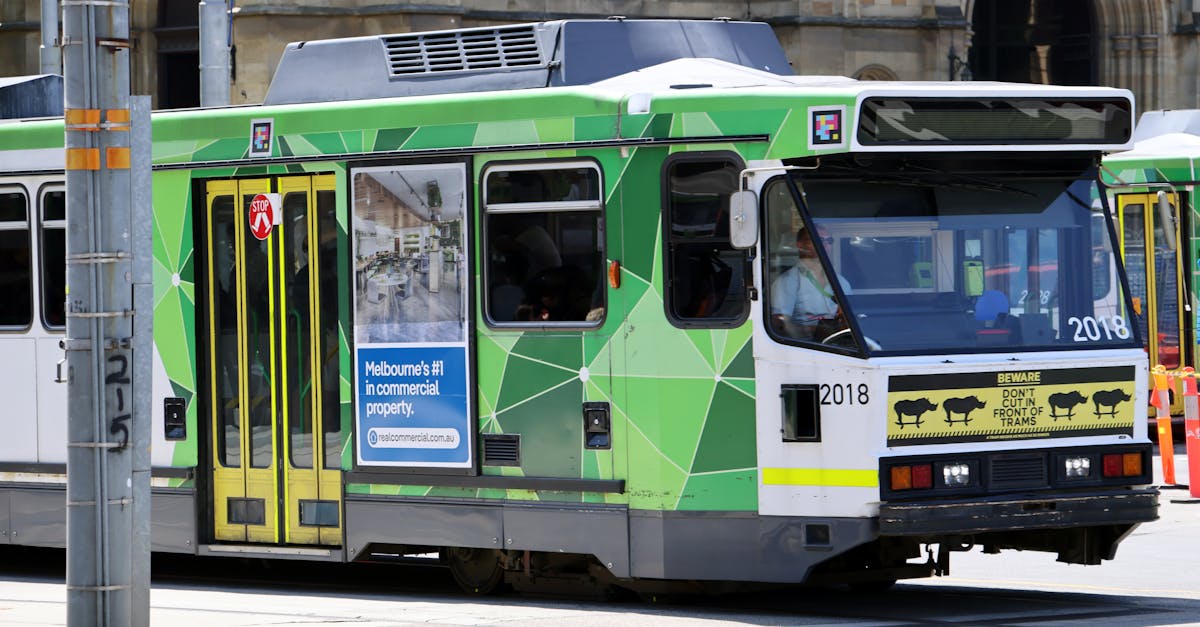
This Melbourne public transport guide exists because the system is powerful but the rules are quirky. Melbourne is an unusually easy city to navigate once you’ve got the basics. The network is run by Public Transport Victoria (PTV) and covers trams, trains and buses under a single fare system using the Myki smart card. The CBD has a Free Tram Zone that lets you ride trams through the central grid at zero cost. Outside the centre, a two-hour touch-on gives you unlimited travel across all modes for around $5.50.
If you only read one section of this Melbourne public transport guide, make it the Myki section below. It is the single most important practical tip for a Melbourne visitor. Let’s start with the quick-answer rundown and drill in from there.
Melbourne public transport guide at a glance
- Operator: Public Transport Victoria (PTV), trading as Metro Trains, Yarra Trams, and various bus operators.
- Payment: Myki smart card (reloadable). No single-use paper tickets exist.
- Standard zone 1+2 daily cap: $11.00 (full fare, 2026). Weekend daily cap $7.20.
- Free Tram Zone: CBD grid and Docklands — no touch-on needed.
- Tram network size: 250+ km route length, over 475 trams — the largest tram network in the world.
- Train network: 16 lines, 218 stations, all radiate from the CBD Loop.
- Airport transfer: SkyBus ($25), Uber ($55–$80), taxi ($65–$95). Rail link under construction.
Myki: the card you absolutely need
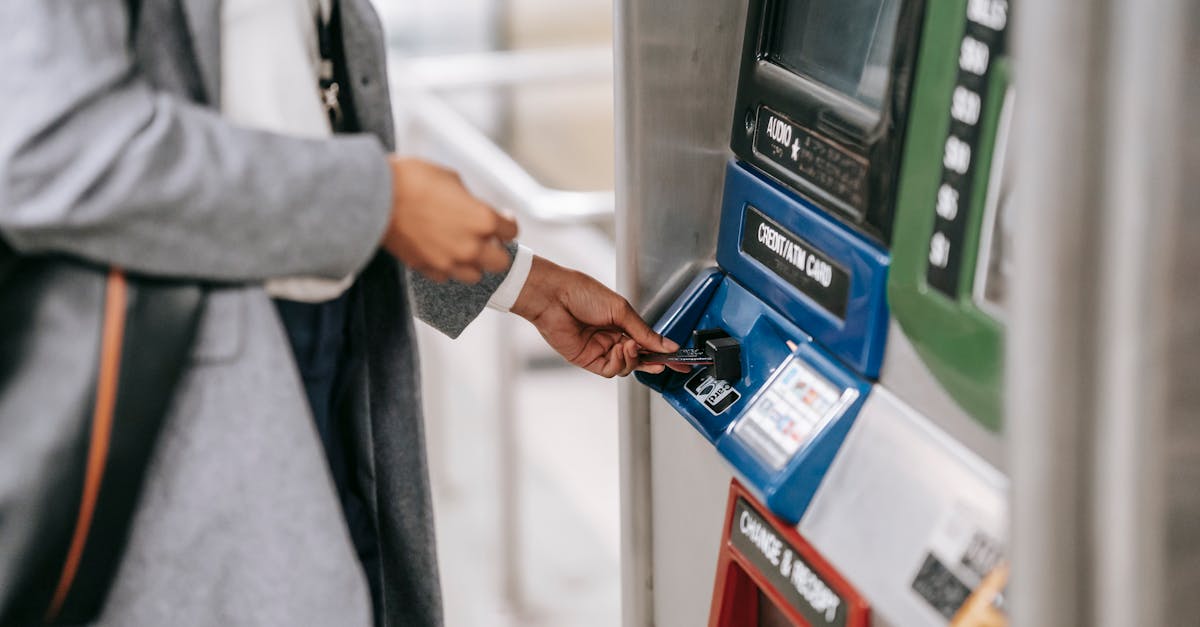
Myki is a plastic smart card you tap on and off. Outside the Free Tram Zone, you must have one — paper tickets don’t exist, and fines for travelling without a valid Myki run around $280. The card itself costs $6 for an adult (the “Myki card fee”) and is non-refundable. You then load it with credit (“Myki money”), which is deducted per touch-on based on your journey.
Where to buy a Myki card
- 7-Eleven convenience stores across the city.
- Myki machines at every train station.
- The PTV Hub at Southern Cross Station (staffed, ideal for tourists with questions).
- The PTV Hub at Melbourne Airport (Tullamarine) Terminal 2.
- Yarra Trams kiosks at major stops (e.g. Federation Square).
In 2026, contactless payments with a credit or debit card are being rolled out on metropolitan trams and trains alongside Myki. At the time of writing, Myki is still the most reliable option for visitors — your overseas card may or may not work on every gate. Buy a Myki for certainty.
How to use Myki, step by step
- Step 1: Buy the card. Load $20–$30 for a 2-3 day stay.
- Step 2: Tap the card on a Myki reader as you board a tram or bus, or as you enter a train station’s gates. Wait for the green tick.
- Step 3: When exiting a train, tap off at the gates or readers. On a tram or bus outside the CBD, you should also tap off for accurate fare calculation.
- Step 4: Daily cap means after two touch-ons in one calendar day, your travel is effectively free — the system won’t charge you past the cap.
Any positive balance is fine. You cannot go negative: if your balance runs out, you cannot touch on. Top up at any 7-Eleven, train station, or via the PTV app.
Myki fare zones and costs (2026)
| Journey type | Full fare (AUD) | Concession |
|---|---|---|
| Zone 1+2 2-hour | $5.50 | $2.75 |
| Zone 1+2 daily cap | $11.00 | $5.50 |
| Zone 2 only 2-hour | $3.70 | $1.85 |
| Zone 2 only daily cap | $7.40 | $3.70 |
| Weekend daily cap (all zones) | $7.20 | $3.60 |
Zone 1 covers central Melbourne and most of the inner and middle suburbs including all the tourist neighbourhoods (CBD, Fitzroy, South Yarra, St Kilda, Brunswick, Richmond, Carlton, Collingwood, Docklands, Southbank, and South Melbourne). You will rarely leave Zone 1 as a tourist.
Melbourne trams: the city’s signature ride
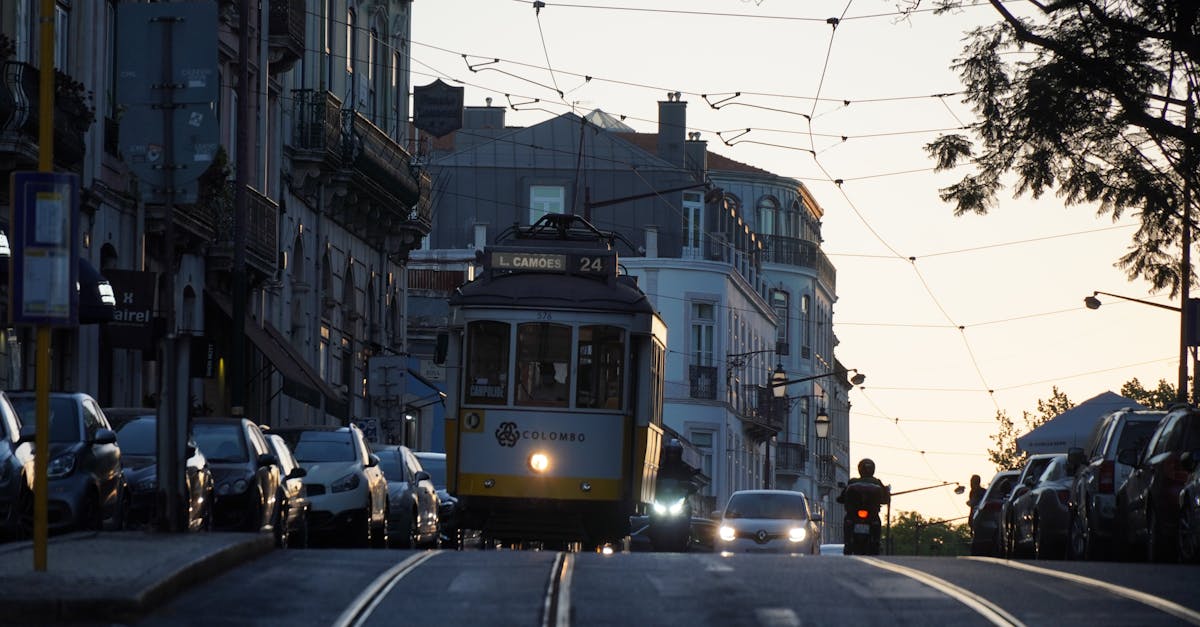
Melbourne has the largest operating tram network on the planet. No Melbourne public transport guide is complete without understanding trams, because they run everywhere you need. Yarra Trams runs 24 routes covering 250+ route-kilometres. Trams are the single most useful mode of transport for tourists because they connect the CBD to every inner neighbourhood you’ll want to visit.
Key tram routes for tourists
- Route 96 (East Brunswick → St Kilda Beach) — the tourist super-route. Hits Queen Victoria Market, Bourke Street Mall, Southern Cross Station, Crown, and St Kilda Beach.
- Route 86 (Bundoora → Waterfront City Docklands) — runs up Smith Street through Collingwood and Fitzroy.
- Route 11 (West Preston → Victoria Harbour Docklands) — Brunswick Street, Fitzroy and Docklands.
- Route 35 — the City Circle Tram — the free heritage tram that loops the CBD, stopping at major attractions. Runs roughly 10 am–6 pm daily.
- Route 109 (Box Hill → Port Melbourne) — useful for Collins Street and Port Melbourne beach.
- Route 72 (Melbourne University → Camberwell) — heads through South Yarra and Chapel Street.
- Route 19 (North Coburg → Flinders Street) — one of the key north-south axis trams serving Brunswick.
Trams run every 6–10 minutes during the day on main routes and every 10–20 minutes after 8 pm. The last tram on most routes is around midnight. On weekends Night Network trams run on routes 19, 67, 75, 86, 96 and 109 all night. You can live-track any tram via the PTV app or tramTRACKER.
Boarding a tram
Low-floor trams (the newer ones, about 60% of the fleet) have level boarding from raised “superstops”. Older W-class and Z-class trams have steps. Press the green button at any door or yellow strip inside to request a stop. Most trams announce upcoming stops both visually and audibly.
The Free Tram Zone
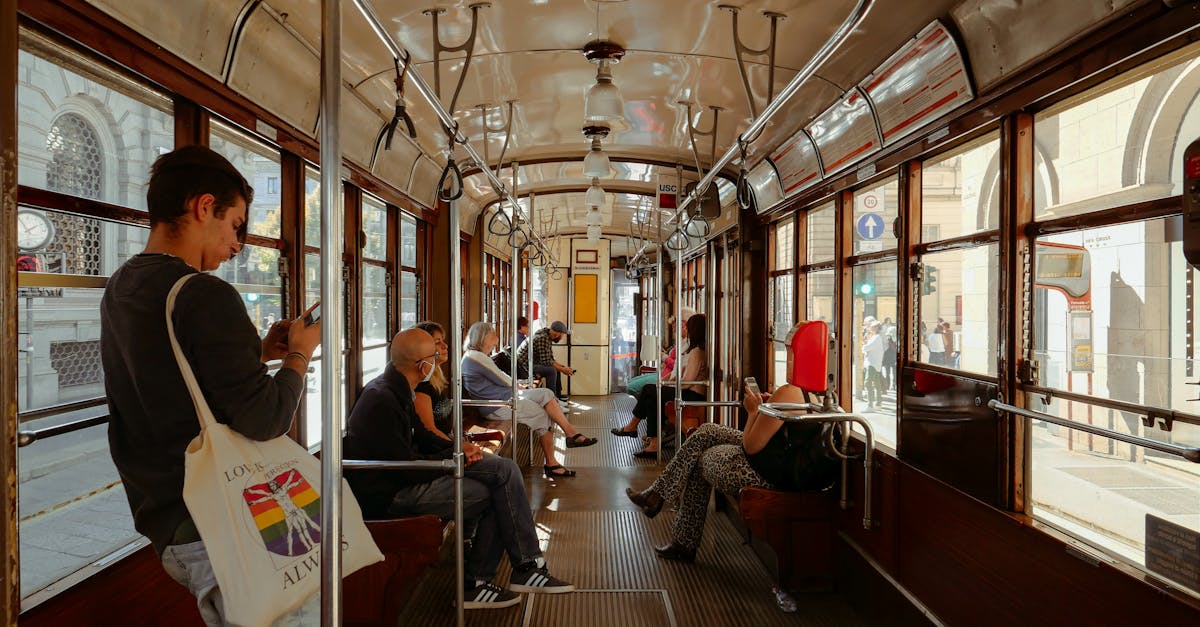
The Melbourne Free Tram Zone covers the CBD grid — bounded roughly by Spring Street, La Trobe Street, Spencer Street and Flinders Street — plus Docklands and the Queen Victoria Market. Any tram ride that begins and ends within this zone is free. No touch-on is required. Handy examples:
- Federation Square ↔ Queen Victoria Market (route 19, 57, 59)
- Flinders Street Station ↔ Docklands (route 11, 48, 86)
- Spring Street ↔ Southern Cross Station (route 86, 96, 35 City Circle)
Warning: if your tram crosses outside the zone, you must have tapped on with Myki before boarding or you’re liable for a fine. The tram will announce “you are now leaving the Free Tram Zone — please ensure you have touched on.” Hop off if you haven’t, or touch on immediately.
Melbourne trains (Metro Trains)
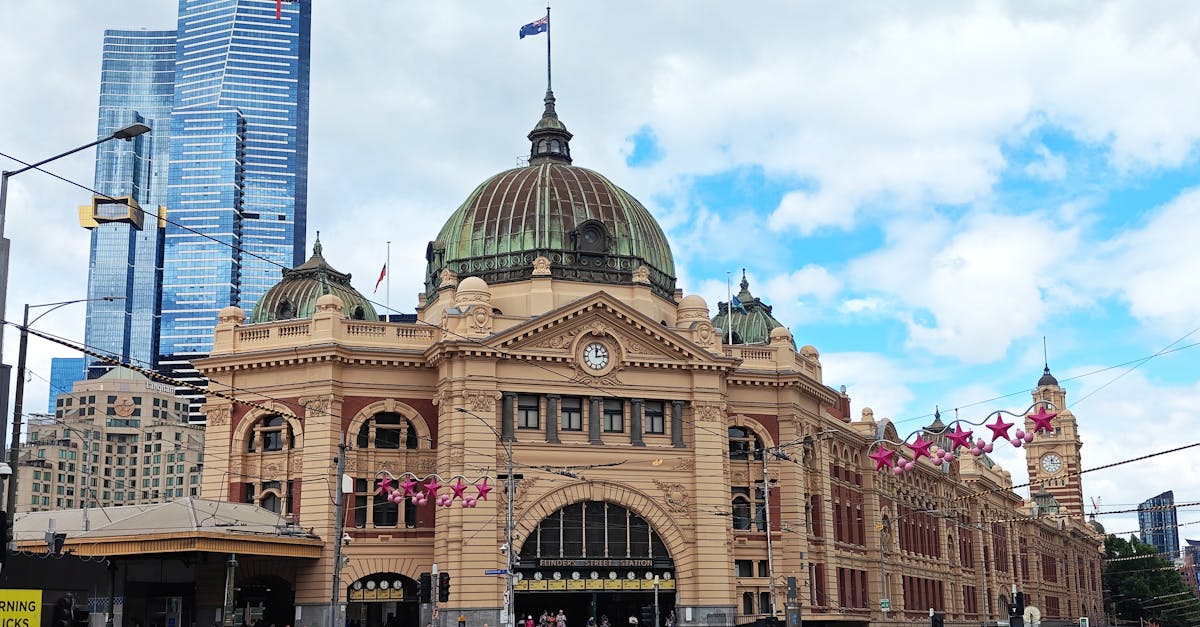
Metro Trains runs 16 suburban lines with 218 stations. All lines radiate from the City Loop under the CBD. The five City Loop stations — Flinders Street, Southern Cross, Parliament, Melbourne Central and Flagstaff — are all within the Free Tram Zone, so you can hop on any train without leaving the zone. Perfect for reaching Richmond, St Kilda (via Sandringham line + tram), South Yarra, Footscray, or day-trip destinations like Werribee and Williamstown.
Most useful train lines for tourists
- Sandringham line — for Middle Park, Elsternwick, Brighton’s beach boxes, Sandringham.
- Frankston line — for Mornington Peninsula day trips (change at Frankston).
- Belgrave line — for Puffing Billy and the Dandenong Ranges (alight at Belgrave or Upper Ferntree Gully).
- Craigieburn line — for Royal Park, Craigieburn (and the SkyBus stops on the way to the airport).
- Werribee line — for Williamstown day trip (via North Melbourne).
- Pakenham line — for Dandenong and eastern suburbs.
- Mernda line — for Heidelberg, university campus visits.
Peak-hour trains run every 3–5 minutes; off-peak every 10–15 minutes. The last train from Flinders Street is generally around midnight weeknights; Night Network trains run all night Friday and Saturday.
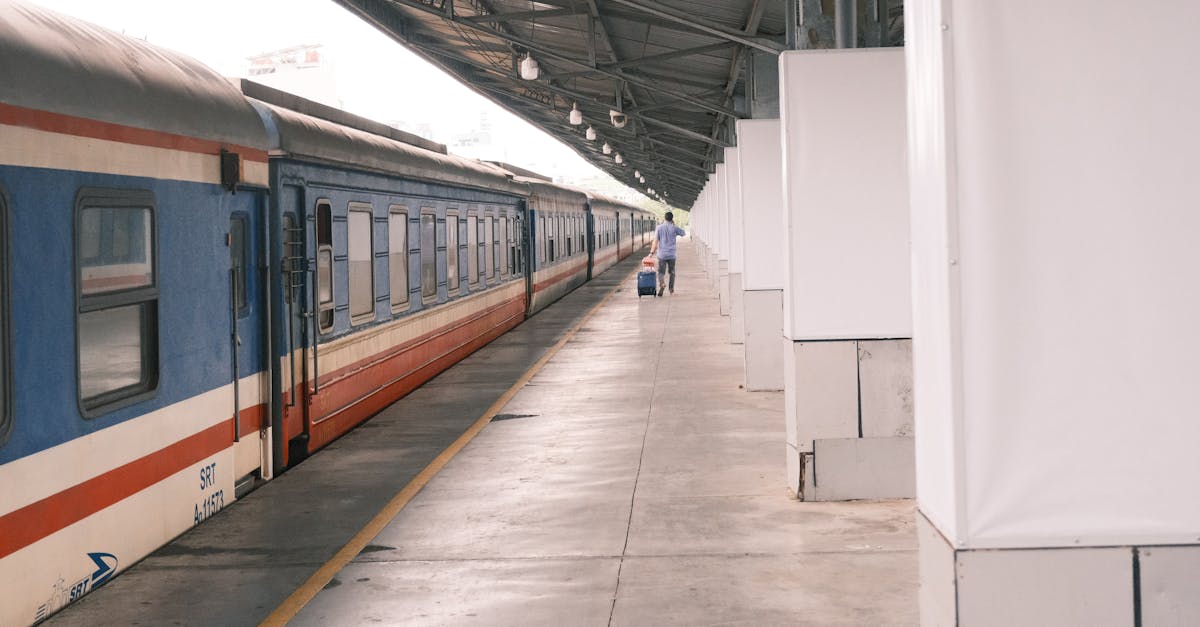
Southern Cross Station — regional and interstate trains
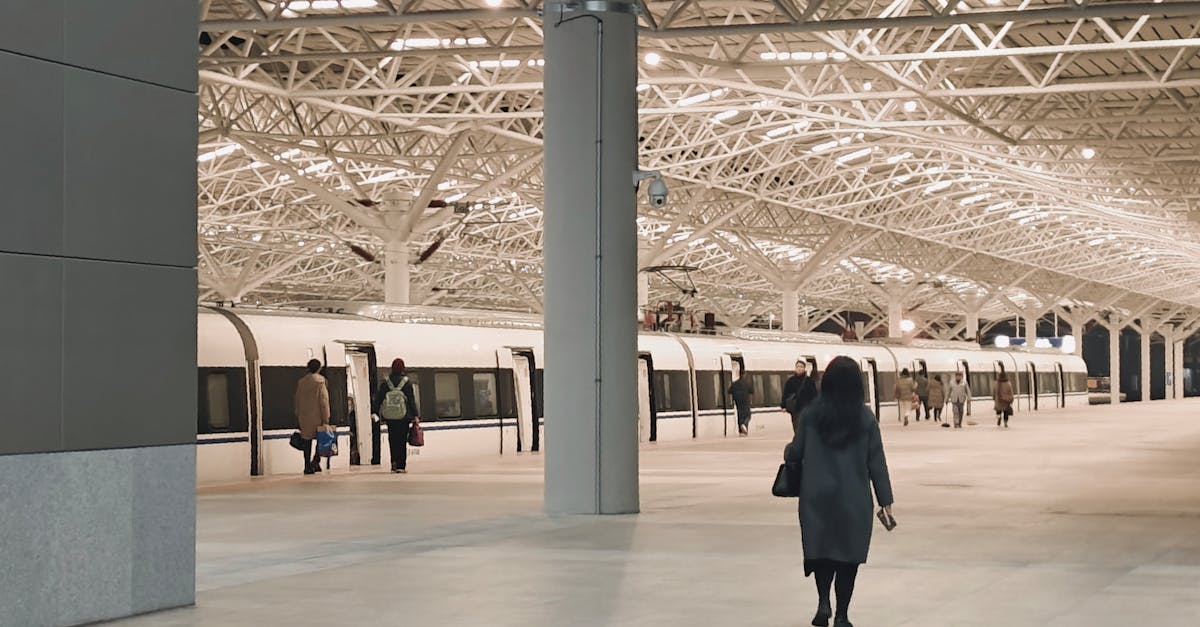
Southern Cross Station on Spencer Street is the hub for V/Line regional trains (Ballarat, Bendigo, Geelong, Warrnambool), the SkyBus airport shuttle, and interstate services to Sydney and Adelaide. If you’re taking a day trip to the Great Ocean Road, Yarra Valley, Ballarat or Bendigo, Southern Cross is your starting point.
V/Line trains use Myki within certain zones but move to paper-style reserved tickets for longer-distance services. Book V/Line tickets at the station booking office or online at vline.com.au.
Buses in Melbourne
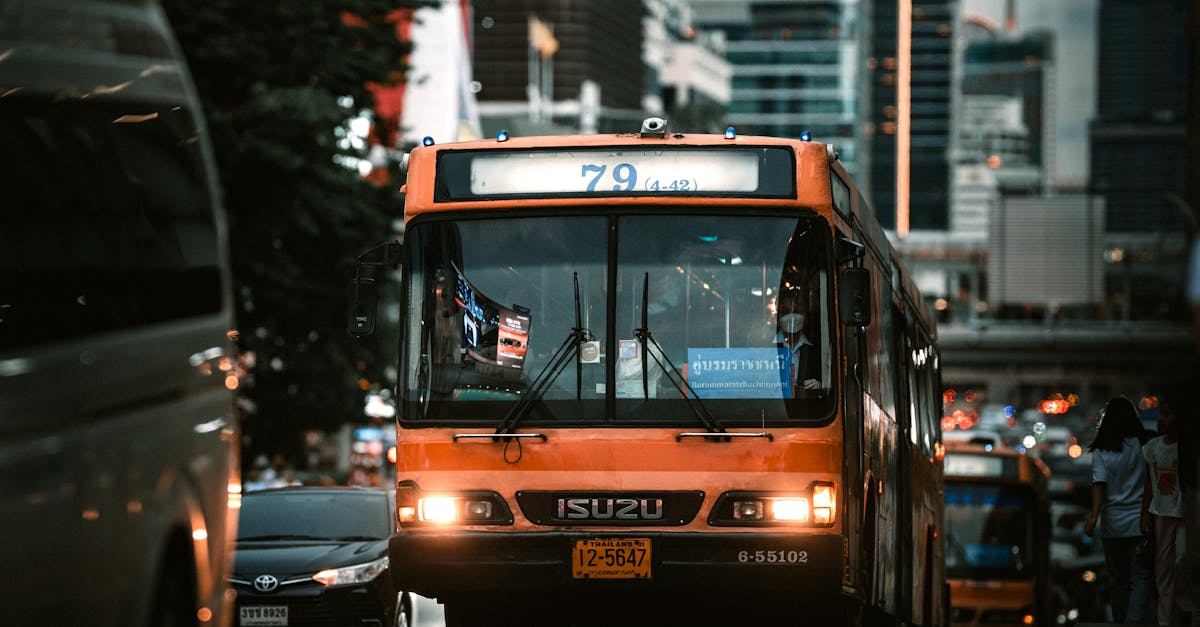
Buses are the least tourist-friendly mode simply because tourists rarely need them — trams and trains cover the places you’re going. Buses become useful only if you’re heading to specific outer destinations like Phillip Island (V/Line coach), the northern beaches, or certain museums and campuses not on a rail line.
Two bus services that are worth knowing:
- SmartBus — orange-liveried high-frequency buses running longer cross-suburban routes (e.g. 901, 902, 903).
- Night Bus Network — after midnight on Friday and Saturday, buses replace some late-night services.
Myki works across all buses. Touch on when boarding; touch off when alighting for accurate zone-based charging.
Melbourne Airport (Tullamarine) to the city
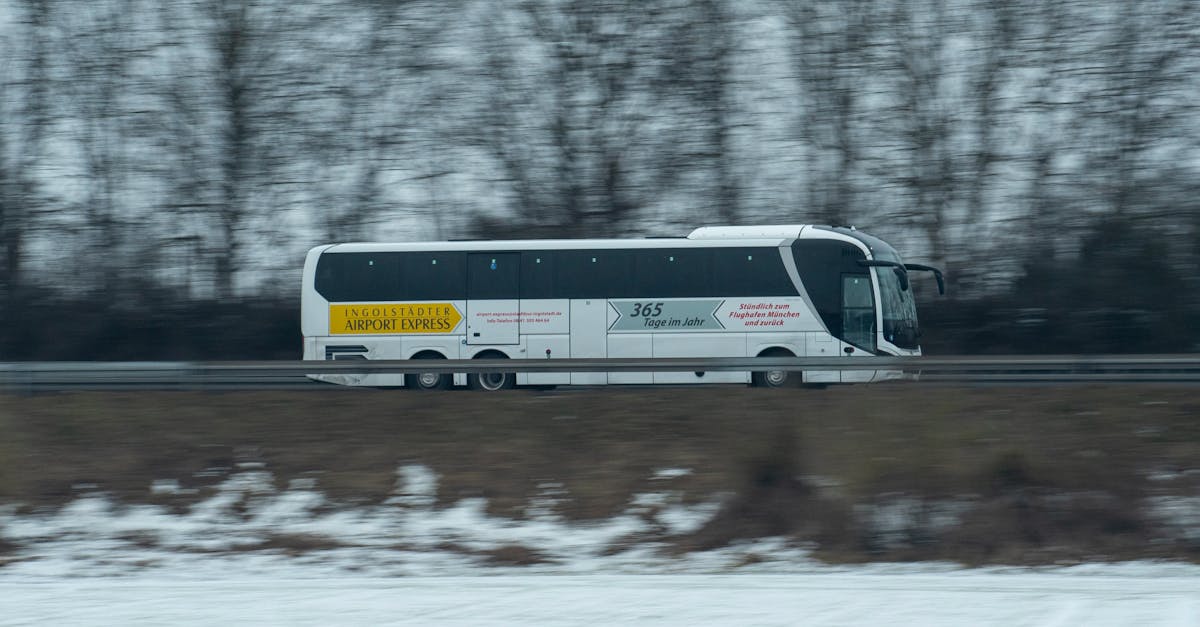
The most-searched question in any Melbourne public transport guide is how to get from the airport to the city. Tullamarine Airport is 23 km north-west of the CBD. No direct rail link yet (one is under construction, with opening originally slated for this decade). Your 2026 options:
| Option | Cost (one way, AUD) | Duration | Notes |
|---|---|---|---|
| SkyBus | $25 | 25–45 min | 24/7, every 10 min peak. Southern Cross terminus. |
| Uber / Ola / DiDi | $55–$80 | 25–40 min | Variable surge. Best for 2+ passengers with bags. |
| Taxi (Silver Top, 13CABS) | $65–$95 | 25–40 min | Fixed airport surcharge applies. |
| Public bus + train (901/Craigieburn) | $5.50 | 75–90 min | Cheapest. Not recommended with lots of luggage. |
| Pre-booked private transfer | $80–$120 | 30 min | Fixed price, door-to-door. |
SkyBus is what most travellers use. It leaves from directly outside each terminal, drops you at Southern Cross Station, and includes free hotel shuttles from Southern Cross to many CBD hotels on request. Buy tickets at the booths, on the bus, or online at skybus.com.au.
Avalon Airport, 55 km south-west, is served by Jetstar for some domestic flights. Avalon to the CBD is about 50 minutes by SkyBus Avalon at $26.
Taxis, Uber and rideshare
Uber, Ola and DiDi all operate across Melbourne. Pricing is competitive — try all three apps before confirming a ride. Typical CBD-to-Fitzroy: $12–$20. CBD-to-St Kilda: $18–$30.
Traditional taxis are still common. Hail one on the street, find a rank, or book via 13CABS, Silver Top or the 13CABS app. Taxis cost marginally more than rideshare on average and use regulated meter fares.
Rideshare and taxi surcharges to be aware of:
- Airport drop-off/pick-up fees: $3–$6.
- Late night surcharges (taxi only): 20% after 10 pm.
- Multiple-passenger fee (taxi): $1.70 extra if 4+ passengers.
- Tolled roads to airport: CityLink toll built into fares.
Driving and car rental in Melbourne
Don’t rent a car for the city itself — parking is expensive, traffic can be heavy, and trams pose unique navigation challenges (see hook turns below). Rent a car only for day trips (Great Ocean Road, Yarra Valley, Mornington Peninsula) or extended road trips.
Hook turns — Melbourne’s driving oddity
At about 30 intersections in the CBD, you must turn right from the left-hand lane — the infamous “hook turn”. Wait in the left lane at the intersection with your right indicator on. When the light facing the street you want to enter turns green, complete your turn. This keeps tram tracks clear. Miss the signage and you’ll get honked at (or worse).
Tolled roads
CityLink and EastLink are tolled motorways. If you drive a rental on these, you’ll either pay via Linkt (a few days after) or via the rental company’s toll handling system (usually a small admin fee). Don’t stress — it’s automatic, but do register with Linkt or check with your rental if you’ll be on these roads.
CBD parking
CBD parking is among Australia’s most expensive — expect $28–$50 for 2-4 hours. Wilson Parking and Care Park dominate. The cheapest commercial garages are around QV, Melbourne Central, and Crown. Early-bird deals book online (around $15-$25 if you arrive before 9 am and leave after 3:30 pm). Street parking is metered, enforced aggressively, and rarely exceeds two hours in the CBD.
Cycling in Melbourne
Melbourne has 135+ kilometres of dedicated bike paths. The Capital City Trail, Yarra Trail and Bay Trail are scenic car-free routes that cover most of the inner city’s highlights. Cycling is one of the best ways to see the Royal Botanic Gardens, Docklands, Albert Park Lake, and the beaches from St Kilda to Brighton.
Where to hire a bike
- Rentabike at Federation Square — widest range of road, hybrid and e-bikes. From $15/hour or $40/day.
- Melbourne Bike Hire (St Kilda) — good for beachside rentals. Cruisers and hybrids.
- Lime and Neuron e-scooters — the shared e-scooter scheme has been paused in parts of Melbourne periodically. Check current status in the respective apps.
Australia requires helmets by law. All reputable hire operators include a helmet in the rental price. Ride on the left. Bike lanes are marked in green paint and often protected by barriers in the CBD.
PTV app and other transport apps
Download these before your trip:
- PTV (official) — journey planner, live departure times, service alerts, Myki top-up.
- tramTRACKER — real-time tram arrival predictions, route maps. More responsive than the PTV app for tram-only queries.
- Google Maps — integrates PTV data for door-to-door routing; excellent in Melbourne.
- Uber / Ola / DiDi — rideshare.
- Linkt — tolls if you’re driving.
- SkyBus — for airport pickup and drop-off booking.
Accessibility
Melbourne is one of the better-adapted Australian cities. About 60% of the tram fleet is low-floor and accessible via superstops (raised platforms level with tram doors). All newer train stations are fully accessible with lifts, tactile paving and audible announcements. Older stations (particularly some inner-suburban ones) still have stairs only — check the PTV website for station accessibility before planning.
Travel Companion Cards are accepted — a carer can travel with a person holding a Companion Card at no extra fare. Mobility scooters and manual wheelchairs are welcome on trams, trains and buses.
Safety and etiquette
- Give up priority seats for elderly, disabled, or pregnant passengers. Priority seats are marked near doors.
- No eating, drinking or smoking on PTV services.
- Melbourne trams and trains are generally safe at any hour, but use standard big-city awareness late at night, especially on outer suburban lines.
- Plain-clothes Authorised Officers check Myki regularly. Fines are steep — don’t risk it.
- On escalators, stand on the left, walk on the right.
- On trains, let passengers off before boarding.
How to plan a typical tourist day using public transport
An example 1-day Melbourne visit using only public transport, staying in the CBD:
- Morning: Walk (free) to Federation Square, then free City Circle Tram (route 35) to Docklands. No Myki tap needed.
- Late morning: Tram route 96 from Bourke Street Mall to Queen Victoria Market (Free Tram Zone — free).
- Afternoon: Tap on Myki on a tram route 96 southbound to St Kilda Beach. Single 2-hour fare ($5.50) covers return if within two hours.
- Dinner: Tram back to the CBD. Daily cap applies — no further charge beyond your $11.
Total out-of-pocket: $11 Myki + $6 card fee (first day only) = $17. Compare that to $60-$90 in Ubers. This is why getting a Myki card on arrival is the single best thing you can do.
FAQs: Melbourne public transport guide
Do tourists need a Myki card in Melbourne?
Yes, unless you only ride trams inside the Free Tram Zone. The moment you leave the CBD or take a train or bus, a Myki is mandatory. Contactless card payments are being rolled out as a secondary option in 2026 but Myki remains the most reliable payment for visitors.
Is Melbourne public transport free?
Only within the Free Tram Zone — a defined rectangle covering the CBD, Docklands and Queen Victoria Market. All other trams, all trains and all buses require a Myki card with positive balance. The zone is a genuinely useful tourist benefit, but it doesn’t extend to trains or buses.
How much does Melbourne public transport cost for tourists?
A typical tourist day on Melbourne public transport runs $0–$11 depending on where you go. Within the Free Tram Zone it’s free. Anywhere else, one touch gives you two hours of unlimited travel ($5.50), and two touches cap you at $11.00 for the whole day (Zone 1+2).
How do I get from Melbourne Airport to the city?
SkyBus is the fastest and cheapest dedicated airport option at $25, running 24/7 to Southern Cross Station. Uber ranges from $55 to $80. A taxi is typically $65–$95. A new airport rail link is under construction. Public bus 901 plus train costs just $5.50 but takes 75–90 minutes.
What’s the difference between Flinders Street and Southern Cross Station?
Flinders Street handles metro trains only and is the eastern CBD rail hub. Southern Cross handles metro trains, regional V/Line trains, SkyBus, and interstate services. Both are in the Free Tram Zone, about 10 minutes’ walk apart.
Can I use Apple Pay or Google Pay on Melbourne public transport?
Contactless bank-card payments are being rolled out across 2026. Acceptance is partial and expanding. For certainty in 2026, stick with Myki — it works everywhere the network runs.
What’s the Free Tram Zone?
A designated area covering the Melbourne CBD, Docklands, and the Queen Victoria Market. Any tram journey that begins and ends entirely within the zone is free and requires no Myki touch-on. Leaving the zone triggers a fare.
Is Uber cheaper than taxis in Melbourne?
Usually yes — by about 10–20% for most inner-city routes. During surge pricing (weekend nights, event days), Uber can actually be more expensive. Check both before committing if you have time.
Do Melbourne trains run all night?
On Friday and Saturday nights, yes — the Night Network runs trains on all lines, roughly hourly. Monday-to-Thursday the last trains are around midnight and then service resumes around 5 am.
Can I take luggage on Melbourne trams and trains?
Yes — free of charge. Large suitcases are fine. Keep them clear of doorways and priority seats. The SkyBus has dedicated under-bus luggage storage for airport transfers.
The final word on Melbourne public transport
A Myki card + the PTV app + an understanding of the Free Tram Zone is all you really need to navigate Melbourne. Use trams for inner-city movement, trains for longer distances and day trips, and rideshare only for late nights or heavy-luggage trips. This Melbourne public transport guide covers everything a first-time visitor will face — but bookmark the PTV website (ptv.vic.gov.au) for the latest timetables and service alerts, and download the PTV app before you land.
Next, see our Melbourne neighbourhoods guide to plan where to stay, where to stay in Melbourne for hotel recommendations, and best time to visit Melbourne to nail your travel dates.
Leave a Reply