Where to Stay in Melbourne: Best Neighbourhoods & Hotels (2026)
- Words
- Melbourne Tourism Guide
- Updated
- August 20, 2026
- Read
- 26 min
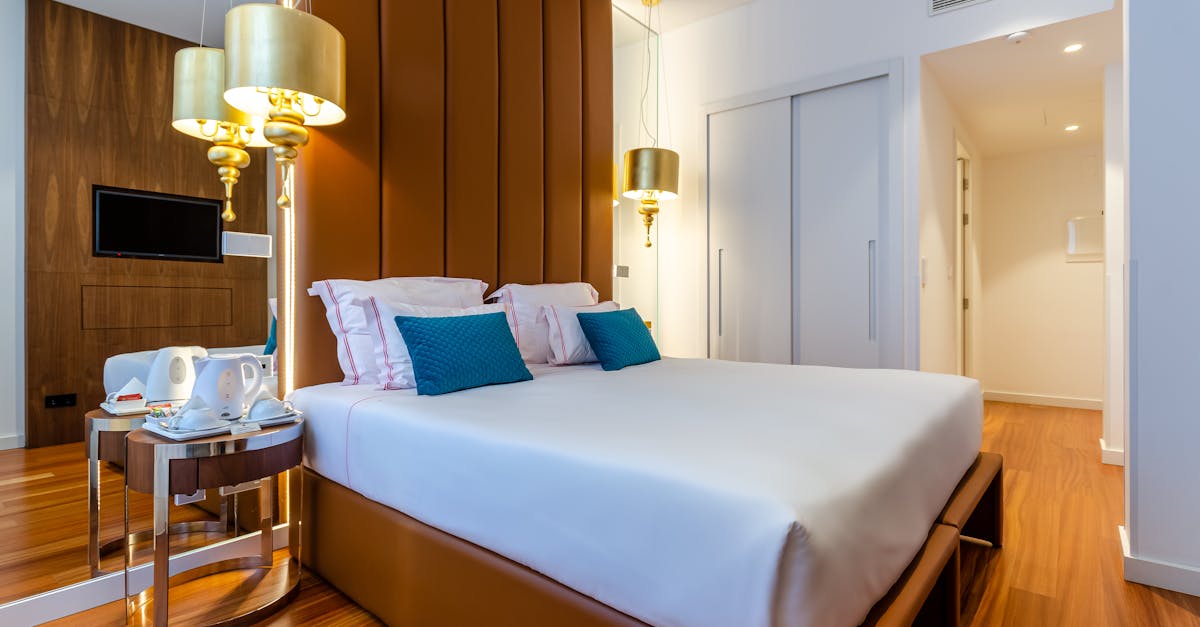
The ultimate guide to where to stay in Melbourne — best neighbourhoods (CBD, Southbank, St Kilda, Fitzroy), hotel picks for every budget, and insider booking tips.
This article contains advertising. Our booking links are routed through a partner that adds commission tracking automatically, so if you book through one we earn a commission from the provider, at no extra cost to you. It never affects what we recommend. Affiliate disclosure
Last updated: August 2026. Deciding where to stay in Melbourne is the single biggest choice that will shape your trip. Get it right and you’ll walk out your front door into laneway cafés, trams, and the city’s best restaurants. Get it wrong and you’ll spend an hour commuting each way to everything you came for.
Melbourne is a sprawling city of about 5.2 million, but travellers only really need to consider a handful of inner-ring neighbourhoods. The CBD and Southbank put you within walking distance of most attractions. St Kilda gives you the beach. Fitzroy, Collingwood, and Carlton trade the skyline for a more local feel, great coffee, and lower prices. Families do best in South Yarra or Docklands. Backpackers get the cheapest beds in St Kilda and the CBD fringe.
This guide covers where to stay in Melbourne for every kind of traveller — including the exact neighbourhoods worth booking, how much you should expect to pay, and which hotels consistently rank at the top across TripAdvisor, Booking.com, and Expedia in 2026. Use the table of contents to jump to your section.
Quick answer: where to stay in Melbourne
The short answer to where to stay in Melbourne depends entirely on what you’re here to do. Skim this list and jump to the full section below.
- First-time visitors: Melbourne CBD (around Flinders Street or Collins Street) — walk everywhere, catch the free City Circle Tram.
- Couples and honeymooners: Southbank — skyline views, fine dining, and rooftop bars.
- Families: South Yarra or Docklands — apartments with kitchens, parks, and easy tram access.
- Beach lovers: St Kilda — sand, sunsets over Port Phillip Bay, Acland Street cake shops.
- Foodies and creatives: Fitzroy or Collingwood — Melbourne’s best coffee, wine bars, and live music.
- Backpackers: St Kilda or Elizabeth Street (CBD) — most of the city’s hostels cluster here.
- Business travellers: Collins Street East — the financial district with premium hotels above boardrooms.
- Airport stopovers: Tullamarine or Essendon — short-stay hotels near the runways for early flights.
Understanding Melbourne’s layout before you book
Before drilling into specific hotels, understand Melbourne’s geography. The central city sits in a grid bordered by the Yarra River to the south. Immediately south across the river is Southbank, then leafy South Yarra and Prahran. North of the CBD are the inner-north creative neighbourhoods: Carlton, Fitzroy, Collingwood, Brunswick. East is Richmond. West is the modern waterfront precinct of Docklands. St Kilda sits six kilometres south on the bay.
Trams connect all of these. Free tram travel is available inside the CBD “Free Tram Zone” — but the moment you cross into inner suburbs you’ll need a Myki card (tap on, tap off). This matters when deciding where to stay in Melbourne: staying in the Free Tram Zone means zero transport cost for most of your day.
Melbourne accommodation price guide (2026)
Before committing to where to stay in Melbourne, it helps to know what you’ll realistically pay. Prices below are median weeknight rates for a double room in shoulder season (autumn/spring). Peak summer (December–February) and major event weeks — Australian Open, Melbourne Cup, Formula 1, AFL Grand Final — add 40–100%.
| Category | Typical price (AUD/night) | Best neighbourhoods |
|---|---|---|
| 5-star luxury | $450–$900+ | CBD (Collins St), Southbank |
| 4-star upscale | $260–$450 | CBD, Southbank, South Yarra |
| Boutique / design | $220–$400 | Fitzroy, Collingwood, CBD laneways |
| 3-star mid-range | $160–$260 | CBD fringe, Carlton, St Kilda |
| Budget hotel | $110–$160 | Spencer St, Carlton, St Kilda |
| Hostel dorm bed | $38–$65 | CBD, St Kilda |
| Airbnb 1BR apartment | $150–$280 | Docklands, South Yarra, Richmond |
| Serviced apartment (2BR) | $280–$480 | Southbank, South Yarra, Docklands |
Best neighbourhoods: where to stay in Melbourne in 2026
1. Melbourne CBD — the default choice
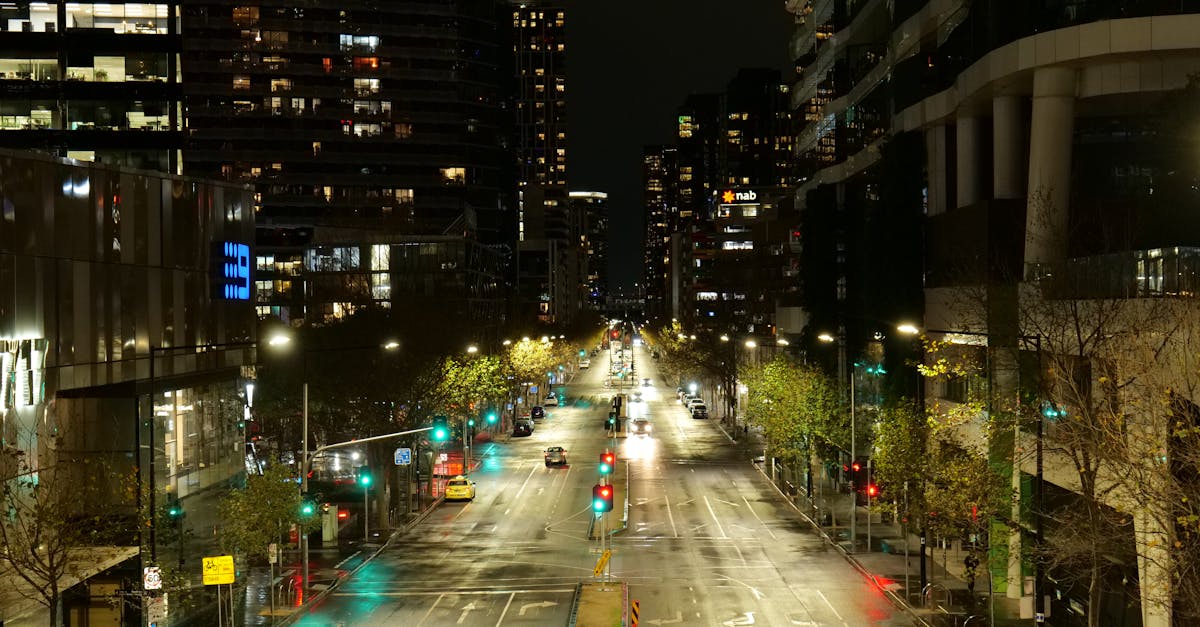
The CBD is where about 60% of first-time visitors stay, and for good reason. You’re within 10 minutes’ walk of Federation Square, Flinders Street Station, the laneway coffee scene, the Queen Victoria Market, and every major department store. The grid is compact (about 2km × 1km) and trams are free inside the Free Tram Zone.
Within the CBD, the eastern end (Spring Street, Exhibition Street, around Parliament Gardens) feels slightly quieter and classier, with heritage hotels like the Sofitel Melbourne on Collins and the Park Hyatt facing the cathedral. The western end (around Spencer Street and Southern Cross Station) is cheaper and more transit-focused. The middle (around Swanston, Elizabeth, and Bourke) is the most energetic — shopping, theatres, and laneway bars at your doorstep.
Best for: First-timers, short stays, travellers without a car.
Watch out for: Some budget hotels on the western CBD fringe near Southern Cross can feel soulless. Book a room above the 10th floor if noise bothers you — trams run past most properties until midnight.
Recommended CBD hotels:
- Luxury: Park Hyatt Melbourne, Grand Hyatt Melbourne, Sofitel Melbourne on Collins, The Westin Melbourne.
- Upscale design: QT Melbourne (Russell Street), Next Hotel (Little Collins), The Hotel Windsor (heritage, opposite Parliament).
- Mid-range: Vibe Hotel Melbourne, Novotel Melbourne on Collins, Adina Apartment Hotel Flinders Street.
- Budget: Ibis Melbourne Central, Travelodge Docklands (borderline CBD), Jasper Hotel.
2. Southbank — skyline views and polished dining
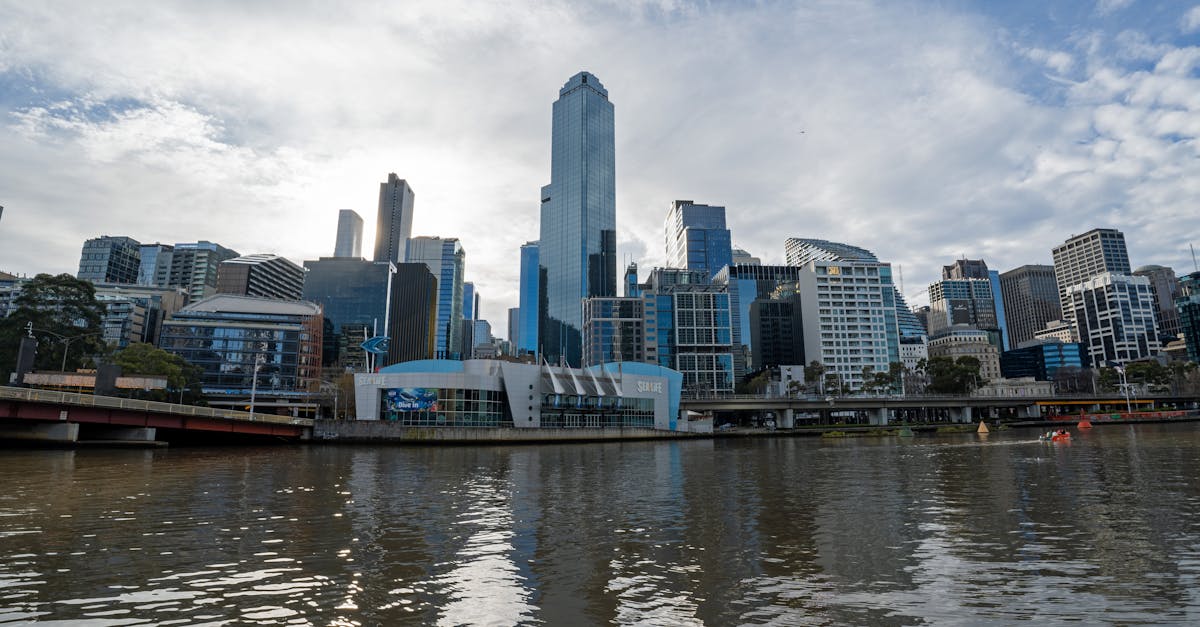
Walk across Princes Bridge from Flinders Street and you’re in Southbank. This is where the city’s tallest residential towers, Crown Casino complex, and most of the Yarra-facing fine dining live. It’s slightly quieter than the CBD at night, and rooms tend to face either the river or the skyline — both great.
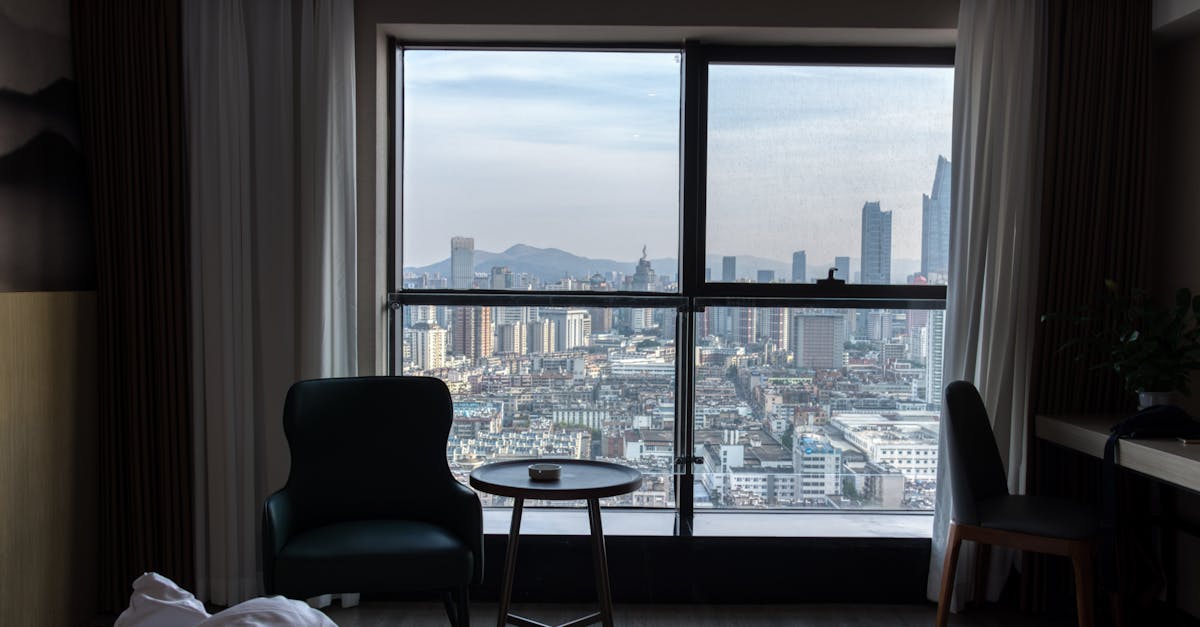
Southbank is the most popular area for couples and honeymooners when figuring out where to stay in Melbourne. Many of the city’s Michelin-tier dining rooms, such as Vue de Monde, are in Southbank towers. You’re a 10-minute walk to Federation Square and a 15-minute walk to the Royal Botanic Gardens.
Best for: Couples, special occasions, fine dining enthusiasts, anyone who wants a skyline view.
Watch out for: The immediate Crown precinct can feel like a shopping-mall casino zone. Book the river-facing side of buildings, not the Crown-facing side.
Recommended Southbank hotels: Crown Towers Melbourne, Crown Metropol, The Langham Melbourne (river views, old-school luxury), Pan Pacific Melbourne, Quay West Suites Melbourne, Oaks on Southbank (apartment-style, good for longer stays).
3. Fitzroy and Collingwood — coolest side of Melbourne
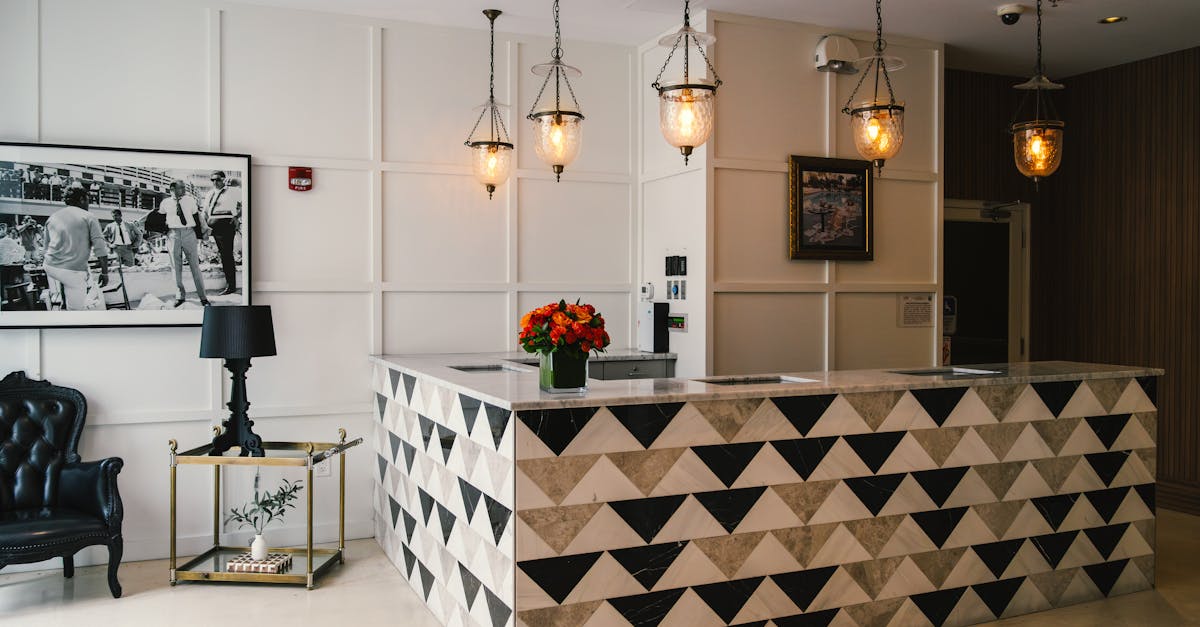
If you’ve done Melbourne before or your definition of a holiday involves artisanal coffee, indie bookshops, and an actual neighbourhood feel, stay in Fitzroy or Collingwood. These two adjoining suburbs — a 15-minute tram ride from Flinders Street — are the creative heart of the city. Brunswick Street (Fitzroy) and Smith Street (Collingwood) are packed with wine bars, vintage clothing, dumpling houses, and live music venues.
Accommodation skews toward boutique guesthouses, design-led apartments on Airbnb, and a growing crop of converted warehouse hotels. The Collingwood Arts Precinct opened in the early 2020s and the area has only gotten more polished since.
Best for: Repeat visitors, couples on a second Melbourne trip, foodies, creative types.
Watch out for: Choice is thinner than the CBD. Book early, especially during festival season. Brunswick Street can get loud on Friday and Saturday nights.
Recommended Fitzroy/Collingwood stays: The Fitzroy Townhouse, Brady Hotels Jones Lane (technically CBD fringe but walkable to Fitzroy), The Eve Hotel, The Stamford Plaza Melbourne (Little Collins, short walk), plus numerous well-reviewed Airbnbs in converted warehouses along Gertrude and Smith Streets.
4. St Kilda — beach, bars, and backpackers
St Kilda is Melbourne’s famous beachside suburb, 6km south of the CBD and reached by the 96 tram in about 25 minutes. It’s got a crescent beach, Luna Park (heritage amusement park), Acland Street cake shops, and a lively backpacker scene. Sunsets over Port Phillip Bay are the city’s best.
Accommodation ranges from large beachfront hotels (Novotel St Kilda, Rydges St Kilda) to hostels (Base St Kilda, Habitat HQ) to boutique guesthouses on the quieter side streets. Airbnb is strong here too.
Best for: Backpackers, summer visitors, budget travellers who want atmosphere, anyone spending 5+ days in Melbourne.
Watch out for: Fitzroy Street has a rougher late-night crowd than the rest of Melbourne. Avoid the very cheapest hotels there. The commute into the CBD adds 25 minutes each way.
5. Docklands — modern, waterfront, family-friendly
Docklands sits immediately west of the CBD along the harbour. It’s newer than the rest of the city — most buildings post-2000 — and the harbour promenade, Marvel Stadium, and the Melbourne Star observation wheel are the main draws. It’s quiet after dark but spotless, safe, and great for families.
Apartment-style hotels dominate Docklands: Peppers Docklands, Quest, Adina, Travelodge. Many have pools, kitchens, and two-bedroom options — the best format for family travel.
Best for: Families, longer stays, travellers who want a modern apartment over a hotel room.
Watch out for: Docklands can feel corporate and empty on Sundays. Restaurants close early mid-week.
6. South Yarra and Prahran — chic, leafy, upscale
Three kilometres southeast of the CBD, South Yarra and Prahran form Melbourne’s fashion-and-dining strip along Chapel Street. It’s leafy, safe, and lined with great restaurants, designer shops, and excellent cafés. The Como Centre and Jam Factory are both here. Trams and trains connect you to the CBD in 10–15 minutes.
Accommodation is split between chain hotels on St Kilda Road (The Como, Art Series Olsen, Hyatt Place Melbourne Essendon Fields — actually further afield), serviced apartments, and premium Airbnbs in period terraces. The Royal Botanic Gardens and Fawkner Park give you green space right on your doorstep.
Best for: Couples, shoppers, travellers who want a leafy residential feel with city access.
Watch out for: More expensive than CBD fringe. Limited true hotel options compared to the CBD.
7. Carlton — Italian heritage and student energy
Carlton sits immediately north of the CBD and is most famous for Lygon Street — Melbourne’s Little Italy. Stay here and you’re walking distance to the Melbourne Museum, Royal Exhibition Building, Carlton Gardens, and the University of Melbourne. It’s cheaper than the CBD, walkable, and full of old-school Italian restaurants plus a newer wave of wine bars.
Best for: Mid-budget travellers who want a residential feel a short walk from the CBD.
Watch out for: Student-heavy during semester. Some mid-budget hotels here are older and tired — check recent reviews.
8. Richmond — sports, Victoria Street, and value
Richmond is east of the CBD and best known for the MCG (Melbourne Cricket Ground), AAMI Park stadium, and Victoria Street’s Vietnamese food strip. It’s about 10 minutes to Flinders Street by train. Hotels here tend to be mid-range, with good value for the location. Great pick if you’re in town for a match or a concert at Rod Laver Arena.
9. Near Melbourne Airport (Tullamarine)
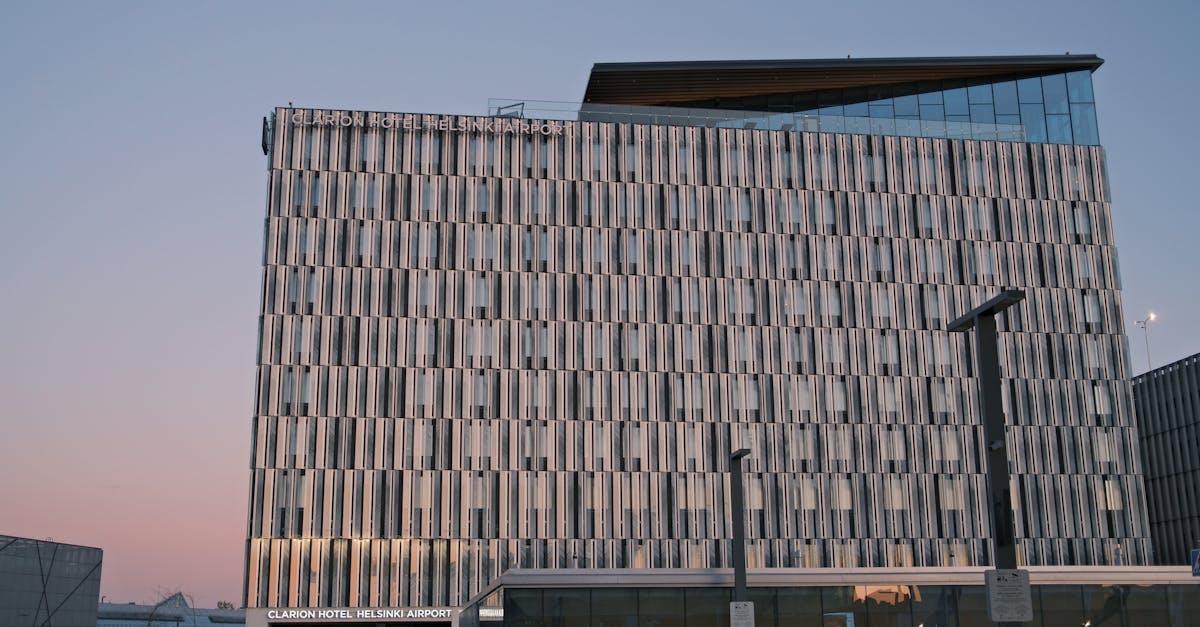
If you’ve got a 5am flight or a layover, don’t commute to the CBD — stay near Tullamarine Airport, 23km north-west of the city. PARKROYAL Melbourne Airport is connected to the terminal by covered walkway. Holiday Inn Melbourne Airport and Ibis Budget Melbourne Airport are also solid. Allow 30–40 minutes from the CBD by SkyBus or taxi.
Hotels by category: where to stay in Melbourne by type
Luxury hotels in Melbourne (5-star)
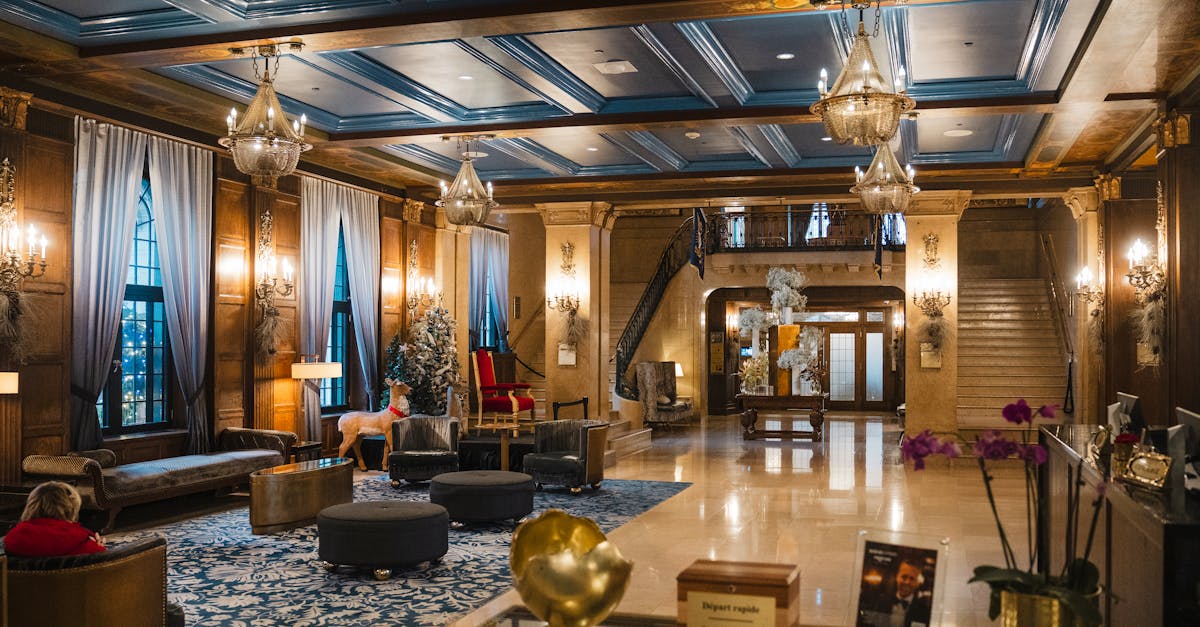
Melbourne’s luxury hotel scene is genuinely world-class, and when choosing where to stay in Melbourne at the top end you have roughly a dozen elite properties to pick from, all in the CBD or Southbank.
- Park Hyatt Melbourne — classical, cathedral-facing, garden-side rooms, indoor pool. Quietest of the 5-stars.
- Grand Hyatt Melbourne — high floors on Collins Street, sharpest city-view rooms in the CBD.
- The Langham Melbourne — old-world luxury on the Southbank promenade. Afternoon tea is a Melbourne institution.
- Crown Towers Melbourne — biggest-scale luxury, with pools, spa, and direct access to Crown’s restaurants.
- Sofitel Melbourne on Collins — classic French hospitality, rooms start on the 36th floor, the views are incredible.
- W Melbourne — design-forward on Flinders Lane, for a more playful luxury feel.
- The Westin Melbourne — opposite the State Library, contemporary, great pool.
- QT Melbourne — design-heavy boutique, brilliant rooftop bar.
Mid-range hotels in Melbourne
The $180–$320 band is the sweet spot for most travellers. You get a clean, modern room in a well-located hotel without paying for marble bathrooms.
- Vibe Hotel Melbourne — Flinders Lane, pool, well-priced.
- Novotel Melbourne on Collins — reliable chain, central.
- Jasper Hotel — opposite Queen Victoria Market, good breakfast.
- Ovolo Laneways — boutique, design-led, great location.
- Brady Hotels Central Melbourne — strong value, near Bourke Street Mall.
- Zagame’s House (Carlton) — boutique stay in Carlton’s Italian quarter.
- Adina Apartment Hotel Flinders Street — studio apartments, kitchenettes, great for 3+ nights.
Boutique and design hotels
Melbourne punches above its weight on boutique stays. Think: small hotels with a strong design identity, a curated bar downstairs, and 40–90 rooms. These are our picks for design-conscious travellers:
- United Places Botanic Gardens — South Yarra, opposite the Royal Botanic Gardens, suites only, among the best-reviewed in Australia.
- The Prince St Kilda — beach-side design hotel, moody rooms.
- Lyf Collingwood — co-living / boutique hybrid, Smith Street energy.
- Veriu Queen Victoria Market — modern, minimalist, great for solo travellers.
- Hotel Lindrum — heritage Flinders Street building, Victorian bones, contemporary interiors.
Budget hotels in Melbourne
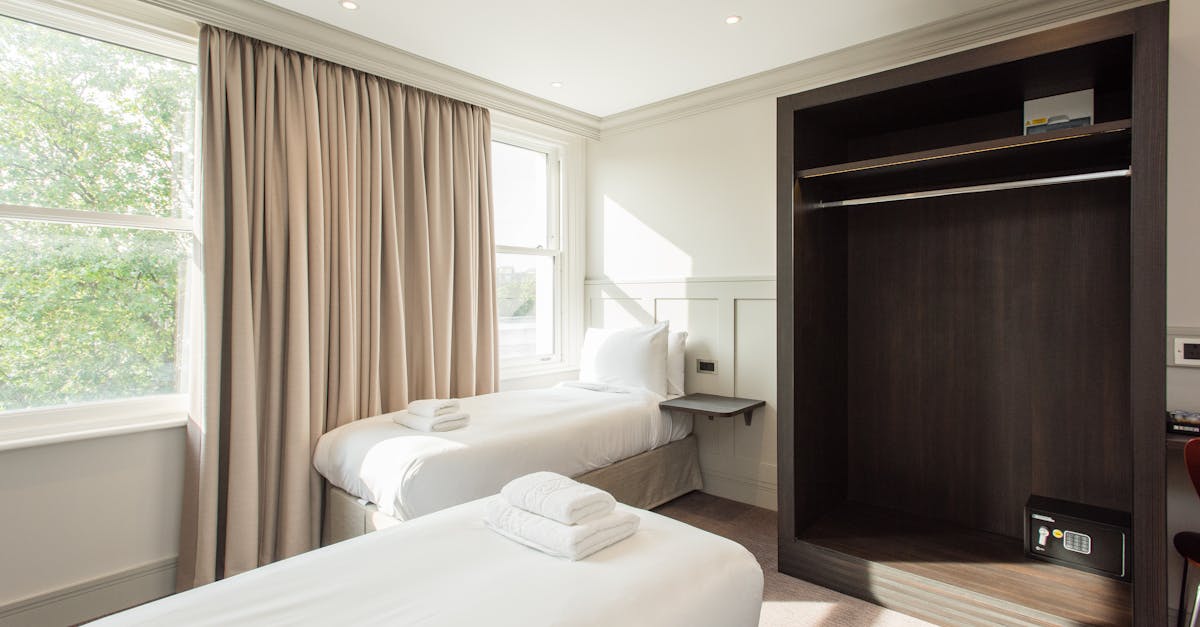
Budget doesn’t have to mean grim. Under $160/night, stick to these well-reviewed properties:
- Ibis Budget Melbourne CBD — Elizabeth Street, tiny rooms, unbeatable location.
- Travelodge Melbourne Southbank — great location, basic rooms, reliable.
- Rendezvous Hotel Melbourne — heritage building, Flinders Street, often discounted.
- ibis Styles East Melbourne — good value on the CBD fringe.
- EasyStay Studios (St Kilda Road) — compact studios with kitchenettes.
Best hostels in Melbourne
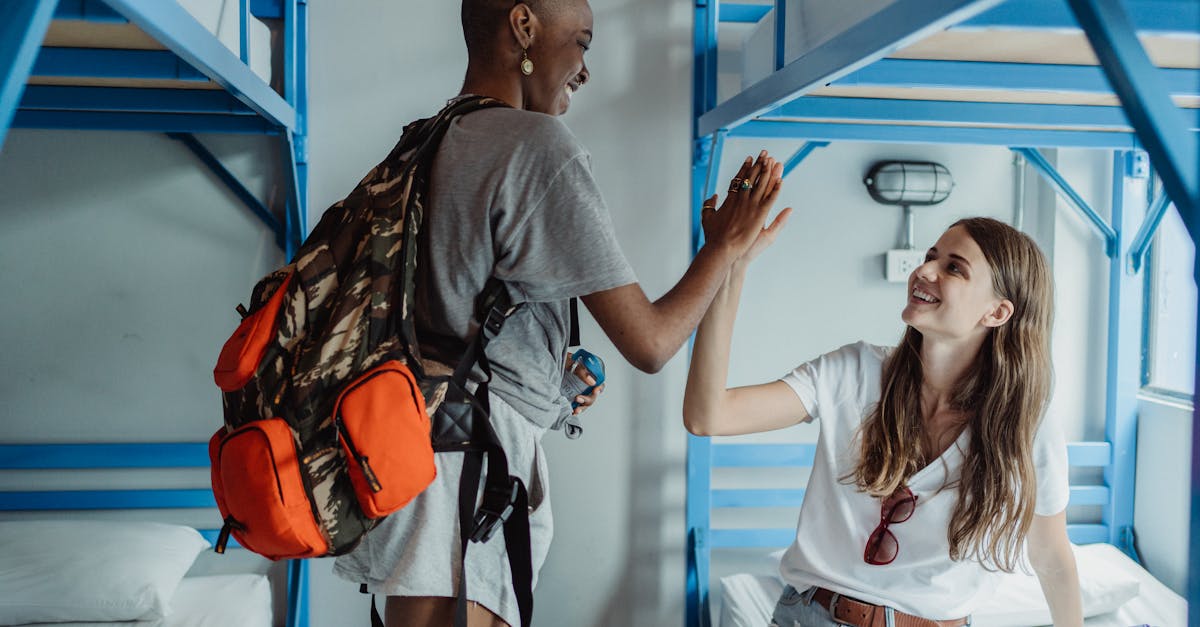
Melbourne has over 30 hostels — most in the CBD or St Kilda. Beds run $38–$65 in a mixed dorm, with private doubles from $95.
- Space Hotel — CBD, more hotel than hostel, rooftop, gym.
- United Backpackers — opposite Flinders Street Station, unbeatable location.
- Melbourne Central YHA — clean, quiet-ish, central.
- Base St Kilda — bar, rooftop, beach five minutes away.
- The Village Melbourne — Flinders Street, high review scores, dorms 4–6 beds.
- Habitat HQ — St Kilda, known for a chill vibe and female-only dorms.
Family accommodation in Melbourne
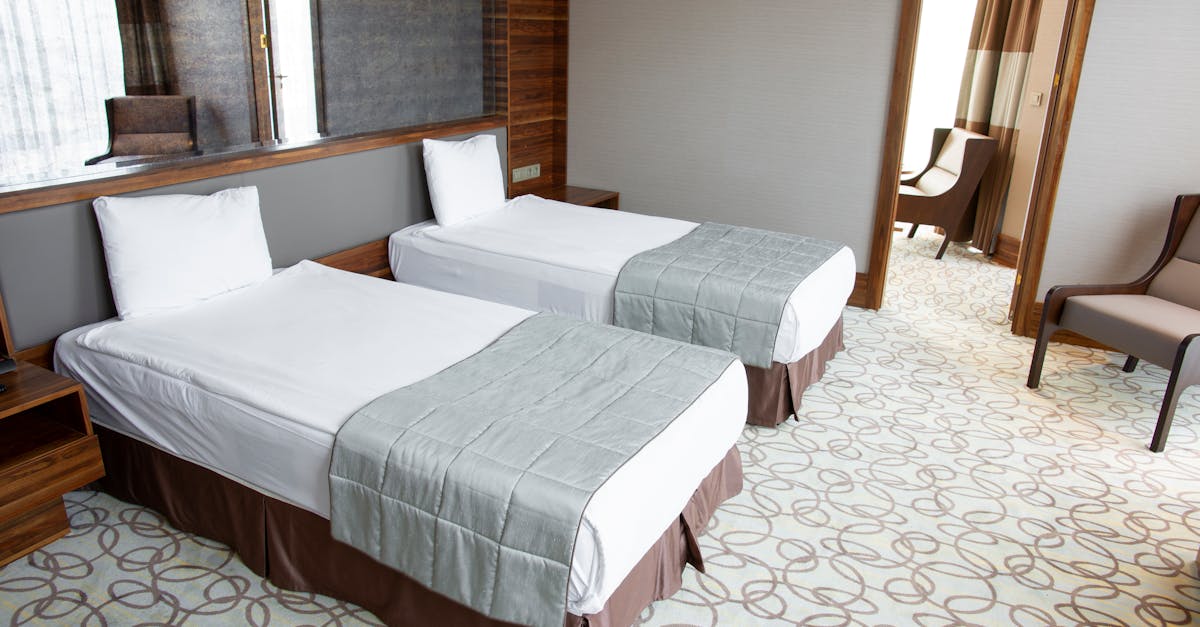
For families, serviced apartments beat hotel rooms every time. Kitchens, laundries, and two bedrooms transform a trip with kids.
- Quest Docklands — two-bedroom apartments, on-site pool, harbour walks.
- Peppers Docklands — upscale apartments, pool, close to the Melbourne Star.
- Oaks on Southbank — walk to Eureka Skydeck and the Aquarium.
- Meriton Suites Melbourne on Flinders — CBD location, pool, family rooms.
- Mantra Southbank — good-value apartments by the Yarra.
- Adina Apartment Hotel Flinders Street — central, kitchenettes.
Airbnb and apartment rentals
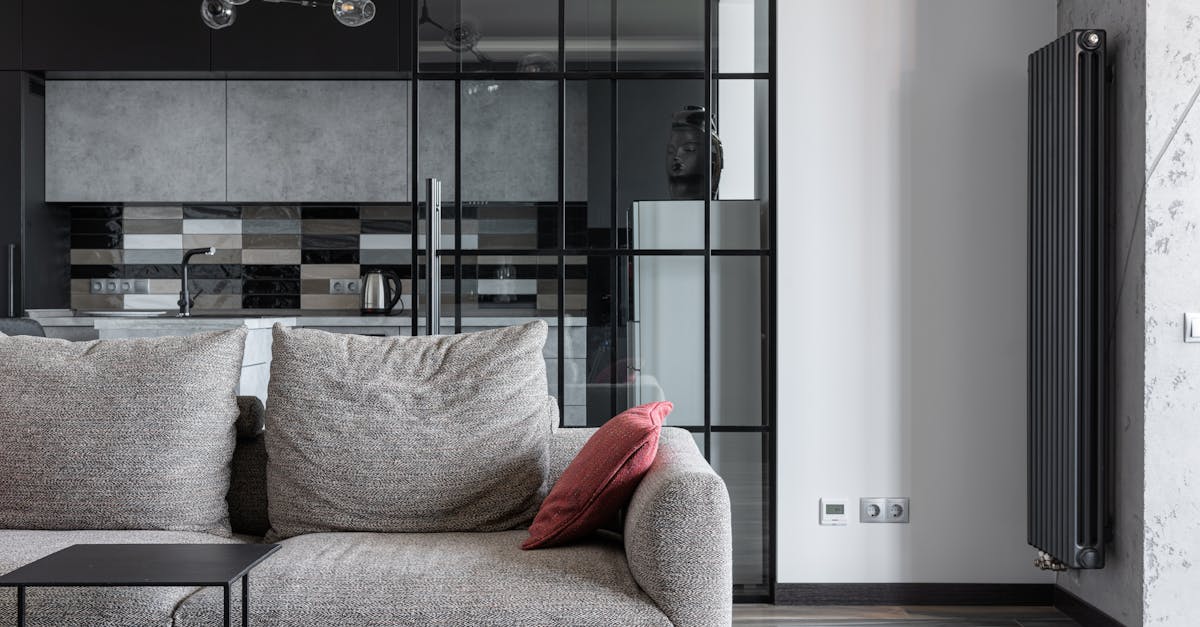
Melbourne is a strong Airbnb city, especially for stays of 4 nights or longer. Best neighbourhoods for Airbnb value: South Yarra, Richmond, Collingwood, Docklands. CBD listings are mostly in large towers (often ex-hotel rooms) — fine, but you miss out on neighbourhood feel.
Tips: Check for a Short-Stay permit number in the listing. Apartment buildings often prohibit short-stays — read recent reviews for “building hostility” flags. Victoria has a 7.5% short-stay levy in place for 2026, so expect that on the final total.
Pet-friendly hotels
Pet-friendly accommodation in Melbourne’s inner city is improving quickly. Try: QT Melbourne, Ovolo Laneways, The Langham Melbourne (with fees), and many Quest apartment-hotel properties (on request). Always confirm in advance — policies change and some require small pets only.
Hotels with pools
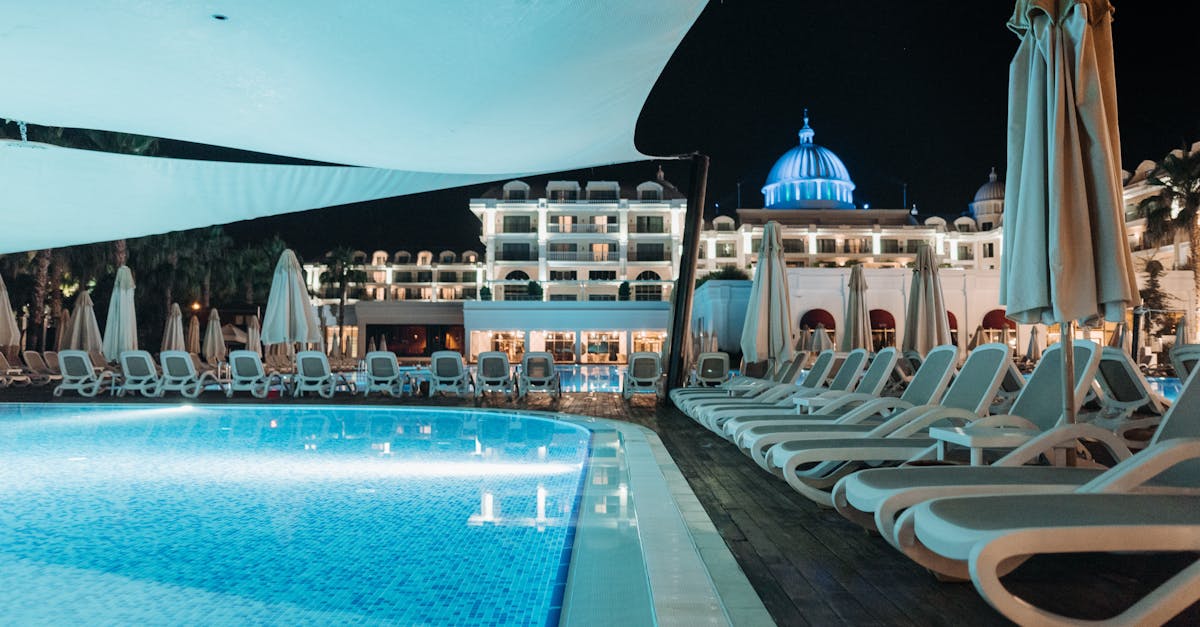
Melbourne’s climate is mild, so most pools are indoor or heated. Best hotel pools: Crown Towers Melbourne (huge), Park Hyatt (indoor, luxurious), The Westin Melbourne (lap pool), Meriton Suites Flinders (high-floor heated pool), Pan Pacific Melbourne (indoor), and The Langham (indoor, serene).
How long should you stay in Melbourne?
- 2 nights: CBD or Southbank — focus on Federation Square, laneway coffee, one big museum, one rooftop bar.
- 3 nights: CBD plus St Kilda day trip, maybe one Great Ocean Road day tour.
- 4–5 nights: CBD or Fitzroy for most of the trip, plus a night in the Yarra Valley wine region or on the Mornington Peninsula.
- Week or more: Split — 3 nights CBD, then 2 nights St Kilda, then an out-of-town overnight (Yarra Valley, Phillip Island, or Great Ocean Road).
Best time to book for best rates
Booking 6–10 weeks ahead tends to produce the best rates on 4-star and 5-star Melbourne hotels. Inside 3 weeks, prices start climbing on the major OTAs. During event weeks (Australian Open, Formula 1, AFL Grand Final, Melbourne Cup), book 3+ months ahead — rates can triple. Our detailed breakdown of seasonal pricing appears in our best time to visit Melbourne guide.
Use Booking.com and Expedia to shortlist — then check the hotel’s direct website. Direct rates on Melbourne hotels are often 8–12% cheaper once you join the hotel’s free loyalty program. Park Hyatt, Hyatt, Accor, Marriott and IHG all run this pattern.
Neighbourhood comparison at a glance
| Neighbourhood | Vibe | Walk to CBD | Best for | Avg 4-star price |
|---|---|---|---|---|
| CBD | Buzzy, central | — | First-timers | $290 |
| Southbank | Polished, skyline | 10 min | Couples | $340 |
| Fitzroy | Creative, hip | 20 min | Repeat visitors | $240 |
| St Kilda | Beachy, lively | Tram 25 min | Backpackers, summer | $210 |
| Docklands | Modern, quiet | 15 min | Families | $240 |
| South Yarra | Leafy, upscale | Tram 10 min | Shoppers, couples | $280 |
| Carlton | Italian, student | 15 min | Mid-budget | $200 |
| Richmond | Sporty, Vietnamese | Tram 15 min | Event visitors | $220 |
Melbourne areas to avoid for accommodation
Most of inner Melbourne is safe and welcoming. A few honest notes when considering where to stay in Melbourne:
- Budget hotels in the far western CBD (around Spencer Street / Southern Cross) can be tired and noisy. The location is fine but screen reviews carefully.
- The Elizabeth Street strip near the Queen Victoria Market can feel rough at night — specifically the block between Therry Street and Victoria Street.
- Some Fitzroy Street (St Kilda) budget properties have lingering issues with late-night antisocial behaviour. Stick to hotels one or two blocks off the strip.
- Footscray and Sunshine, while increasingly gentrified, are further from the main tourist circuit than most visitors realise. Fine if you know what you’re booking for.
Money-saving tips
- Avoid Australian Open (mid-to-late January), Formula 1 weekend (late March), AFL Grand Final (late September), and Melbourne Cup week (first week of November) — these alone can double rates.
- Sunday nights are the cheapest night of the week at most city hotels. Monday mornings are the cheapest check-out day.
- Consider staying on the CBD fringe (Carlton, East Melbourne, Richmond) and walking in — same access for 25% less.
- Apartment-hotels with free laundry save real money on trips over 4 nights.
- Book restaurants before booking tours — Melbourne’s best dining rooms fill up further ahead than its activities.
The 7.5% short stay levy nobody tells you about
If you are comparing an Airbnb against a hotel in Melbourne, there is a tax that changes the maths and that almost no travel guide mentions. Since 1 January 2025, Victoria has charged a short stay levy of 7.5 per cent on short-stay accommodation bookings — and hotels are exempt from it.
- The rate is 7.5 per cent of the total booking fee, not of the nightly rate alone.
- A “short stay” means fewer than 28 consecutive days. Book 28 nights or more in one booking and the levy does not apply at all.
- What it is calculated on: the nightly rate, cleaning fees, GST, guest service fees and late-checkout fees. What it excludes: credit card and payment-method surcharges, and damage charges.
- Hotels, motels and hostels are exempt. So are a person’s principal place of residence, registered rooming houses, retirement villages, residential care, university-provided student accommodation and caravan parks.
- Serviced apartments are assessed case by case — some qualify as commercial residential premises and some do not, so do not assume either way.
- You do not pay it directly. Booking platforms collect and remit it, and it is typically itemised on your invoice as a levy line.
The practical consequence: an apartment listing at $200 a night is really $215 once the levy lands, while a hotel at $210 stays at $210. On a five-night stay that is enough to reverse the comparison entirely. Always compare the final checkout total rather than the headline nightly rate.
To be clear about what does not exist: Melbourne has no city tourist tax, no bed tax and no resort levy on hotel stays. The City of Melbourne’s own short-stay policy work has been paused pending the state scheme. The 7.5 per cent levy is the only accommodation tax in play.
Hidden costs beyond the nightly rate
The levy is the biggest surprise but not the only one. These are the charges that turn a well-planned accommodation budget into an overspend.
- Credit card pre-authorisation. Most Melbourne hotels place a hold on your card at check-in — commonly $100–$200 per stay — against incidentals. It is released after checkout but can take several business days to clear, which matters if you are travelling on a tight card limit.
- Parking. CBD hotel parking commonly runs $40–$60 a night and is very rarely included. If you have a hire car, this is often the single largest add-on. Staying somewhere with free parking outside the centre can be cheaper overall even after transport.
- Cleaning fees on apartments. A flat fee regardless of stay length, so it hits short stays hardest — and it is inside the levy base, so you pay 7.5 per cent on it too.
- Breakfast. Usually not included, and hotel breakfast at $30–$40 a head is poor value in a city with Melbourne’s café scene. Decline it and walk out the door.
- GST is already included. Australian advertised prices must include GST, so unlike the United States the number you see is the number you pay, aside from the items above.
Hotel, serviced apartment or hostel: which do you actually want?
“Serviced apartment” is a category that barely exists in some countries and dominates the Australian market, so it is worth explaining properly.
| Hotel | Serviced apartment | Hostel | |
|---|---|---|---|
| Short stay levy | Exempt | Case by case | Exempt |
| Kitchen | No, or a kettle | Full kitchen | Shared kitchen |
| Laundry | Paid service | In-unit washer/dryer | Coin laundry |
| Housekeeping | Daily | Weekly or on request | Common areas only |
| Space | One room | Separate living and sleeping areas | Bunk or small private |
| Best for | Short stays, couples, business | Families, stays over 4 nights | Solo and budget travellers |
The rule of thumb: under four nights, take a hotel; four nights or more with a family, take a serviced apartment. The in-unit laundry alone justifies it on a longer trip, and being able to make breakfast saves $30–$40 a head every morning. Solo travellers should look at Melbourne’s hostels, which are well above the international average and cluster near Southern Cross and in St Kilda.
Where to stay for a specific event

Melbourne’s event calendar moves accommodation prices more than its seasons do, and the effect is sharp rather than gradual. Nationally, event weeks push average daily rates up around 40 per cent; in Melbourne the peaks are steeper still.
| Event | Stay near | Book by | What happens to prices |
|---|---|---|---|
| Australian Open (January) | CBD east end, East Melbourne, Richmond | 4–6 months | Occupancy hit 93.2% and average rates $380.74 on the peak Saturday in 2026 |
| Grand Prix (March/April) | Albert Park, South Melbourne, St Kilda Road | 4–6 months | CBD demand reached 92% across the four days; short-term rental rates nearly doubled, up to $410 a night |
| Melbourne Cup Carnival (Nov) | CBD, or the Flemington line | 3–4 months | Sharp spike across Cup week |
| AFL Grand Final (late Sept) | East Melbourne, Richmond, CBD | 2–3 months | One weekend, very tight supply |
| Boxing Day Test (December) | East Melbourne, Richmond | 3 months | Compounded by summer holiday pricing |
For context on the baseline: Melbourne’s average daily hotel rate in January 2026 was $261.74 with 75.1 per cent occupancy — a record January, driven almost entirely by the tennis. The lesson for a flexible traveller is blunt. Shifting your dates by one week either side of a marquee event is the largest single saving available on a Melbourne trip, larger than any choice of suburb or hotel category.
What Melbourne hotel rooms are actually like
Small details that are standard in one country and absent in another cause a lot of unnecessary disappointment. Here is what to expect.
- Check-in is typically 2pm or 3pm, and check-out is 10am. That 10am checkout is noticeably earlier than most of the world and catches international visitors out constantly. Almost every hotel will store luggage after you check out.
- Air conditioning is universal in Melbourne hotels and apartments, and you will want it — the city gets genuinely hot summer days.
- Rooms are modest in size by North American standards and comparable to European city hotels. Older CBD conversions can be tight.
- Kitchenettes are common in apartment-style hotels but rare in conventional hotels, where you should expect a kettle and a small fridge at most.
- In-room laundry is a serviced apartment feature, not a hotel one. Hotels charge per item and it is expensive.
- Tea and coffee facilities are standard, as is free wifi — Australian hotels charging for wifi are now rare.
Where to stay by traveller type
- First-time visitors — the CBD, and specifically the eastern half near Flinders Street. You are inside the Free Tram Zone, walking distance from the laneways and Federation Square, and connected to everything. See CBD hotels.
- Couples — Fitzroy, Carlton or South Yarra for neighbourhood character, or Southbank for river views. All are 10–20 minutes from the centre.
- Families — a serviced apartment in the CBD or Docklands, or Southbank for space. Kitchen and laundry matter more than location. Our family hotels guide has specifics.
- Solo and budget travellers — hostels near Southern Cross for transport, or St Kilda for the beach and the social scene. Tram 96 links St Kilda to the CBD end to end in under half an hour.
- Business travellers — the CBD’s western end near Southern Cross, close to the convention centre and Docklands.
- Accessible needs — this is worth planning rather than assuming. Newer CBD hotels have the best-designed accessible rooms; heritage conversions and boutique properties in converted terraces are often the worst. Ask specifically about roll-in showers, bed height, door widths and whether the accessible room is near a lift. Confirm by phone with the property, not through a booking platform’s checkbox, and check that the nearest tram stop is a raised platform stop rather than a kerbside one.
One general point in Melbourne’s favour: because public transport is currently half price until 1 January 2027, with a $5.70 daily cap, staying two or three tram stops outside the CBD costs almost nothing in transport and can save $50–$80 a night on the room. Just note that SkyBus is excluded from the half-price scheme, so airport transfers are not part of that saving.
FAQs: where to stay in Melbourne
What’s the best area to stay in Melbourne for first-time visitors?
The Melbourne CBD is the single best choice for first-timers. Ninety percent of the city’s headline attractions are within a 15-minute walk of Flinders Street Station, and free trams cover the central grid. You can always day-trip out to St Kilda or Fitzroy from there.
Is Southbank or the CBD better?
Southbank wins on views and dining; the CBD wins on walkability and variety. Southbank rooms are usually slightly more expensive at equivalent star ratings, but also newer on average. Both are well-positioned.
Is Melbourne CBD safe at night?
Yes, the Melbourne CBD is generally safe at night. It’s well-lit, has plenty of foot traffic until midnight on weekends, and the laneway dining scene means main thoroughfares stay busy. Normal big-city awareness applies.
Should I stay in the CBD or St Kilda?
Stay in the CBD if it’s your first Melbourne visit or you’re only here 2–3 nights. Stay in St Kilda if it’s summer, you’re on a budget, or you want the beachside atmosphere. Many travellers split: a few nights in each.
Where should backpackers stay in Melbourne?
Two clear zones: the CBD (Flinders/Elizabeth Streets) for location and the nightlife scene, or St Kilda for the beach and a summer hostel vibe. Space Hotel, United Backpackers, Base St Kilda and The Village Melbourne consistently rank highest.
Which neighbourhood is best for a family with young kids?
Docklands and South Yarra are both strong family picks. Docklands has modern two-bedroom apartment-hotels with pools, the waterfront, and the Melbourne Star. South Yarra has leafy parks, Chapel Street, and easy tram access into the CBD.
How much does a typical hotel cost in Melbourne?
A mid-range 4-star hotel in the CBD averages around $260–$320 AUD per night in shoulder season. Budget hotels from $110, hostels from $38. Expect 40–100% premium during major events.
Is Airbnb cheaper than hotels in Melbourne?
Not always. For 1–2 nights, hotels usually win on price and location. For stays of 4+ nights, Airbnb becomes cheaper per night — and much cheaper per person once you add a kitchen and laundry. Expect a 7.5% Victorian short-stay levy on top of the listing price.
How far is Melbourne Airport from the CBD?
Melbourne Airport (Tullamarine) is 23km north-west of the CBD, about 30–40 minutes by SkyBus or taxi depending on traffic. The new Melbourne Airport Rail Link is under construction with an expected opening later this decade.
Is there a tourist tax on accommodation in Melbourne?
Not on hotels. Victoria charges a short stay levy of 7.5 per cent, introduced on 1 January 2025, but it applies to short-stay accommodation such as Airbnb and Stayz listings — hotels, motels and hostels are exempt. There is no Melbourne city tourist tax, no bed tax and no resort fee. Advertised Australian prices already include GST, so aside from the levy on eligible bookings, the price you see is the price you pay.
Is an Airbnb cheaper than a hotel in Melbourne once the levy is included?
Often not, and this is the calculation most visitors get wrong. The 7.5 per cent levy applies to the total booking fee including cleaning fees and service fees, not just the nightly rate, and hotels pay none of it. An apartment advertised at $200 a night with a $120 cleaning fee ends up meaningfully above a $210 hotel room once the levy and the fee are counted. Compare final checkout totals, not headline rates. Apartments still win on longer stays where the kitchen and laundry earn their keep.
How do I avoid the short stay levy?
Two legitimate ways. Book a hotel, motel or hostel, all of which are exempt as commercial residential premises. Or book a single stay of 28 consecutive days or more, since the levy only applies to stays of fewer than 28 days — relevant if you are in Melbourne for a month or longer. Serviced apartments sit in between and are assessed case by case, so check the invoice breakdown rather than assuming.
What time is check-in and check-out at Melbourne hotels?
Check-in is usually 2pm or 3pm and check-out is typically 10am. That checkout time is earlier than in most other countries and regularly surprises international visitors — do not plan a leisurely final morning in the room. Nearly every hotel will store your bags free after checkout, so you can keep exploring. If you land early in the morning, ask about early check-in when you book rather than on arrival; it is often possible but rarely guaranteed.
Do Melbourne hotel rooms have air conditioning, a kitchenette and laundry?
Air conditioning, yes — it is universal and you will want it in summer. Kitchenettes and in-room laundry, generally no: those are features of serviced apartments rather than conventional hotels, where you should expect a kettle and a small fridge. Free wifi and tea and coffee facilities are standard. If a kitchen and washing machine matter to you, search specifically for a serviced apartment rather than hoping a hotel provides them.
How far ahead should I book for the Australian Open or the Grand Prix?
Four to six months for either. These are not gentle price rises — during the 2026 Australian Open, Melbourne occupancy hit 93.2 per cent with average rates of $380.74 on the peak Saturday, and during the Grand Prix CBD demand reached 92 per cent across the four-day festival with short-term rental rates nearly doubling to as much as $410 a night. Melbourne Cup week and AFL Grand Final weekend need three months. If your dates are flexible, moving your trip a single week either side of an event will save you more than any other decision.
Is it worth staying outside the CBD to save money?
Usually yes, and unusually so at the moment. Public transport is half price across Victoria until 1 January 2027, with a daily cap of $5.70, so the transport cost of staying in Fitzroy, Carlton, South Yarra or St Kilda is close to negligible against room savings that can run $50–$80 a night. Tram 96 covers St Kilda to the CBD and on to Brunswick, and routes 19, 86 and 109 serve the other main inner suburbs. The trade-off is 10–25 minutes of travel each way and a little less spontaneity.
Where should I stay if I have an early morning flight?
Melbourne Airport at Tullamarine has hotels on site and within a few minutes’ drive, which are worth it for departures before about 7am — see our airport hotels guide. Otherwise stay near Southern Cross Station, where SkyBus departs frequently for the 30-minute run to the airport. Note that SkyBus is excluded from the current half-price fare scheme and costs $25.90 one way. If you are flying from Avalon rather than Tullamarine, check which airport your ticket says before booking anything — they are on opposite sides of the city.
The final recommendation
If we had to pick just one neighbourhood answer to “where to stay in Melbourne” — for a first-time visitor on a 3–4 night trip — it would be the Melbourne CBD, near Flinders Street Station or along Collins Street. Pick a 4-star hotel above the 15th floor, ideally one with a pool. You’ll walk to everything, catch free trams, and get the density of laneway cafés and rooftop bars that makes Melbourne, Melbourne.
Next up, plan what to actually do once you’ve checked in: see our full Melbourne neighbourhoods guide, the best restaurants in Melbourne, and the best time to visit Melbourne so you book the right hotel at the right rate.
Where to Stay in Melbourne: Every Accommodation Guide
- Best Area to Stay in Melbourne for Tourists (2026): 7 Areas Compared
- Hotels Near Melbourne Airport (2026): Best Tullamarine Stays Compared
- Best Luxury Hotels Melbourne (2026): 12 Five-Star Stays Compared
- Best Budget Hotels in Melbourne Under $200/Night (2026)
- Best Hotels Near Melbourne CBD: Walkable Central Stays (2026)
- Best Family Hotels in Melbourne: Kid-Friendly Stays (2026)
- Best Hostels in Melbourne: Backpacker’s Complete Guide (2026)
- Best Airbnbs in Melbourne: Neighbourhoods, Tips & Rules (2026)
- Best Boutique Hotels in Melbourne: Design-Led Stays (2026)
- Best Melbourne Hotels with a View (Skyline, River, Bay) 2026