Melbourne Public Transport Guide: Trams, Trains, Myki & More (2026)
- Words
- Melbourne Tourism Guide
- Updated
- October 25, 2026
- Read
- 27 min
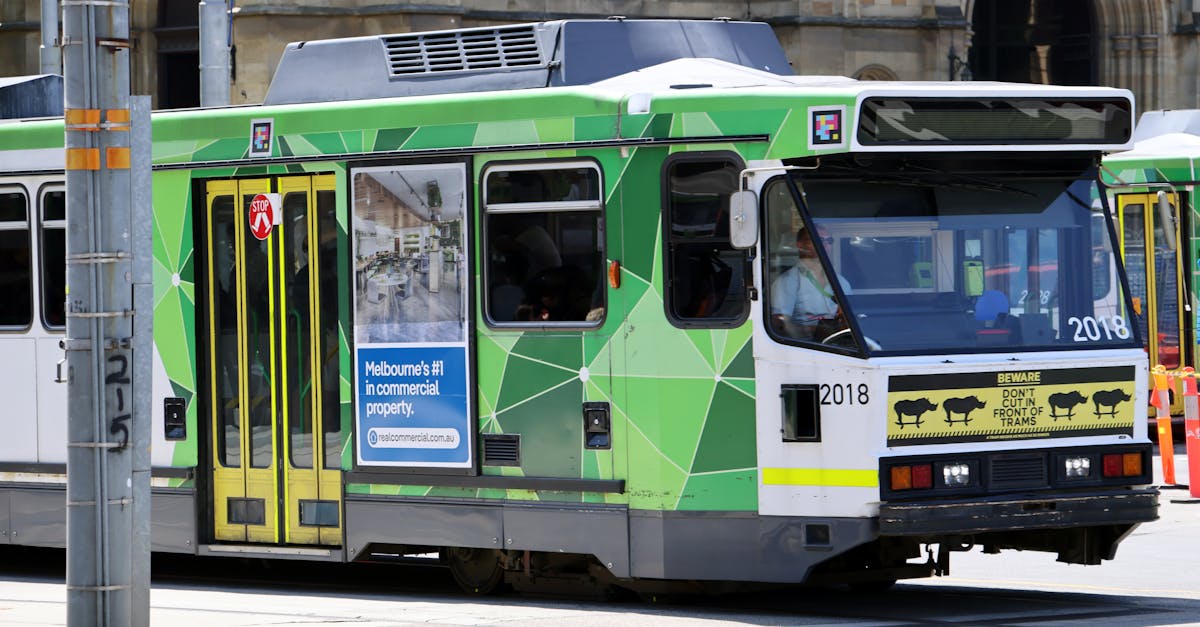
The complete Melbourne public transport guide — trams, trains, Myki cards, Free Tram Zone, SkyBus, rideshare, cycling, parking and accessibility for 2026.
This article contains advertising. Our booking links are routed through a partner that adds commission tracking automatically, so if you book through one we earn a commission from the provider, at no extra cost to you. It never affects what we recommend. Affiliate disclosure
Last updated: August 2026. A well-planned trip to Melbourne falls apart without a grip on how to get around. This Melbourne public transport guide walks first-time visitors through every option — trams, trains, buses, Myki, SkyBus, ride-share, bikes, parking — in plain language, with 2026 fares and exactly how to use each system from the moment you land.
This Melbourne public transport guide exists because the system is powerful but the rules are quirky. Melbourne is an unusually easy city to navigate once you’ve got the basics. The network is run by Public Transport Victoria (PTV) and covers trams, trains and buses under a single fare system using the Myki smart card. The CBD has a Free Tram Zone that lets you ride trams through the central grid at zero cost. Outside the centre, a two-hour Zone 1+2 fare of $2.85 gives you unlimited travel across all modes, and it covers a connecting or return trip you start before it runs out.
If you only read one section of this Melbourne public transport guide, make it the Myki section below. It is the single most important practical tip for a Melbourne visitor. Let’s start with the quick-answer rundown and drill in from there.
Melbourne public transport guide at a glance
- Operator: Public Transport Victoria (PTV), trading as Metro Trains, Yarra Trams, and various bus operators.
- Payment: Myki smart card (reloadable), or a contactless bank card on trains and trams.
- Standard zone 1+2 daily cap: $5.70 full fare, $2.85 concession. Weekend and public holiday daily cap $4.00.
- Free Tram Zone: CBD grid and Docklands — no touch-on needed.
- Tram network size: 250+ km route length, over 475 trams — the largest tram network in the world.
- Train network: suburban lines radiate from the CBD; Cranbourne, Pakenham and Sunbury trains run through the Metro Tunnel rather than the City Loop.
- Airport transfer: SkyBus, Uber ($55–$80), taxi ($65–$95). Rail link under construction.
Myki: the card you absolutely need
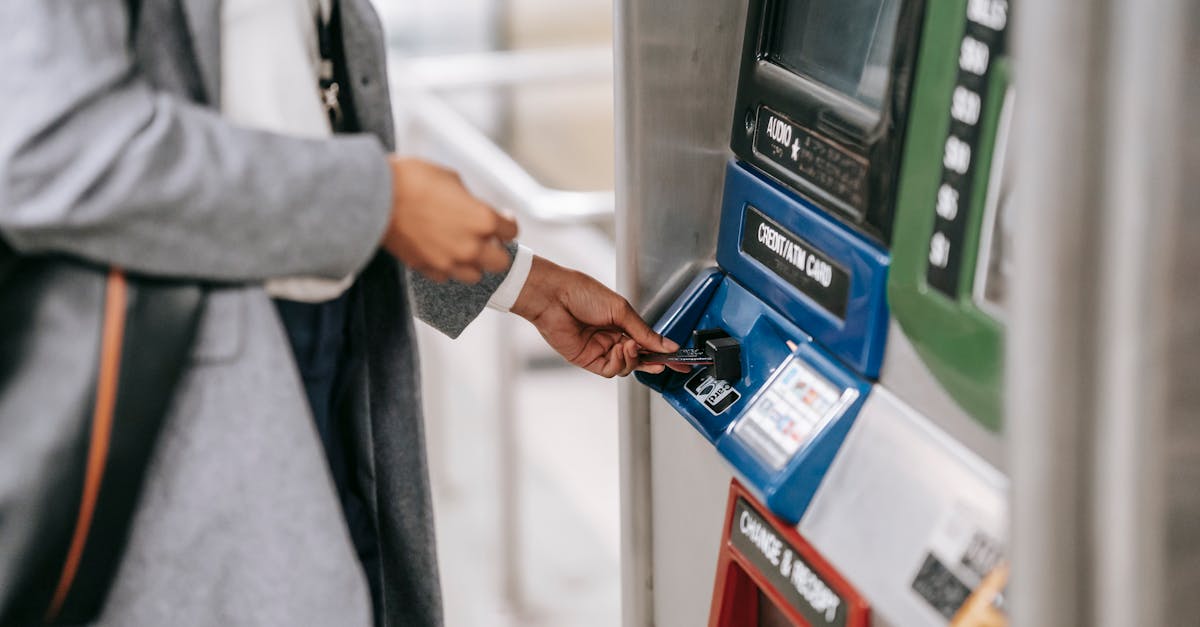
Myki is a plastic smart card you tap on and off. Outside the Free Tram Zone you need valid ticketing: a Myki, or a contactless bank card on trains and trams (V/Line also sells paper tickets for regional trips). The fine for an adult who can’t produce a valid ticket is $314. The card itself costs $6 for an adult (the “Myki card fee”). You then load it with credit (“Myki money”), which is deducted per touch-on based on your journey.
Where to buy a Myki card
- 7-Eleven convenience stores across the city.
- Myki machines at every train station.
- The PTV Hub at Southern Cross Station (staffed, ideal for tourists with questions).
- Yarra Trams kiosks at major stops (e.g. Federation Square).
In 2026, contactless payments with a credit or debit card are being rolled out on metropolitan trams and trains alongside Myki. At the time of writing, Myki is still the most reliable option for visitors — your overseas card may or may not work on every gate. Buy a Myki for certainty.
How to use Myki, step by step
- Step 1: Buy the card. Load $20–$30 for a 2-3 day stay.
- Step 2: Tap the card on a Myki reader as you board a tram or bus, or as you enter a train station’s gates. Wait for the green tick.
- Step 3: When exiting a train, tap off at the gates or readers. On a tram or bus outside the CBD, you should also tap off for accurate fare calculation.
- Step 4: Once your fares for the day reach the daily cap, Myki stops charging and the rest of the day’s travel is effectively free. Several touch-ons inside one two-hour fare won’t necessarily get you there.
Any positive balance is fine. You cannot go negative: if your balance runs out, you cannot touch on. Top up at participating retailers showing the myki sign, at station top-up machines or ticket offices, or in the PTV app.
Myki fare zones and costs (2026)
| Journey type | Full fare (AUD) | Concession |
|---|---|---|
| Zone 1+2 2-hour | $2.85 | $1.42 |
| Zone 1+2 daily cap | $5.70 | $2.85 |
| Zone 2 only 2-hour | $1.80 | $0.90 |
| Zone 2 only daily cap | $3.60 | $1.80 |
| Weekend and public holiday daily cap (Zone 1+2) | $4.00 | $2.00 |
Zone 1 covers central Melbourne and the inner suburbs. The PTV zone map shows exactly where the boundary falls, so check it before a trip beyond inner neighbourhoods like Fitzroy and St Kilda.
Melbourne trams: the city’s signature ride
Melbourne has the largest operating tram network on the planet. No Melbourne public transport guide is complete without understanding trams, because they run everywhere you need. Yarra Trams runs 24 routes covering 250+ route-kilometres. Trams are the single most useful mode of transport for tourists because they connect the CBD to every inner neighbourhood you’ll want to visit.
Key tram routes for tourists
- Route 96 (East Brunswick → St Kilda Beach) — the tourist super-route. Hits Queen Victoria Market, Bourke Street Mall, Southern Cross Station, Crown, and St Kilda Beach.
- Route 86 (Bundoora → Waterfront City Docklands) — runs up Smith Street through Collingwood and Fitzroy.
- Route 11 (West Preston → Victoria Harbour Docklands) — Brunswick Street, Fitzroy and Docklands.
- Route 35 — the City Circle Tram — the free heritage tram that loops the CBD, stopping at major attractions. Runs roughly 9.30 am–5 pm daily, except Good Friday and Christmas Day.
- Route 109 (Box Hill → Port Melbourne) — useful for Collins Street and Port Melbourne beach.
- Route 72 (Melbourne University → Camberwell) — heads through South Yarra and Chapel Street.
- Route 19 (North Coburg → Flinders Street) — one of the key north-south axis trams serving Brunswick.
Main routes run frequently during the day and less often in the evening. The last tram on most routes is around midnight. On Friday and Saturday nights, Night Network trams keep running all night on routes including 86 and 96. You can live-track any tram via the PTV app or tramTRACKER.
Boarding a tram
Low-floor trams (the newer ones) have level boarding from raised “superstops”; step-free travel needs both. A state audit counted 41% of the fleet as low-floor in March 2025. Older W-class and Z-class trams have steps. Press the green button at any door or yellow strip inside to request a stop. Most trams announce upcoming stops both visually and audibly.
The Free Tram Zone
The Melbourne Free Tram Zone covers the CBD grid — bounded roughly by Spring Street, La Trobe Street, Spencer Street and Flinders Street — plus Docklands and the Queen Victoria Market. Any tram ride that begins and ends within this zone is free. No touch-on is required. Handy examples:
- Federation Square ↔ Queen Victoria Market (walk to the Elizabeth Street terminus for route 19, 57 or 59)
- Flinders Street Station ↔ Docklands (route 70 along Flinders Street)
- Spring Street ↔ Southern Cross Station (route 86, 96, 35 City Circle)
Warning: if your tram crosses outside the zone, you must have tapped on with Myki before boarding or you’re liable for a fine. The tram will announce “you are now leaving the Free Tram Zone — please ensure you have touched on.” Hop off if you haven’t, or touch on immediately.
Melbourne trains (Metro Trains)
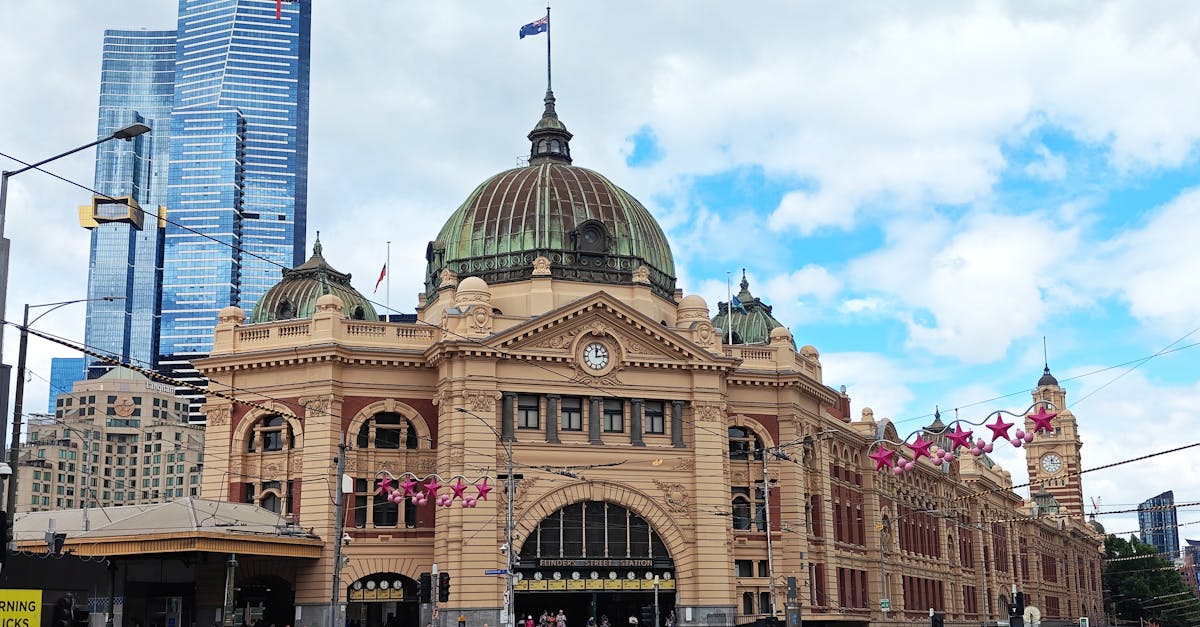
Metro Trains runs Melbourne’s suburban lines, which radiate from the CBD. Many pass through the City Loop under the CBD, while Cranbourne, Pakenham and Sunbury trains use the Metro Tunnel instead. The five City Loop stations — Flinders Street, Southern Cross, Parliament, Melbourne Central and Flagstaff — are all within the Free Tram Zone, so you can hop on any train without leaving the zone. Perfect for reaching Richmond, St Kilda (via Sandringham line + tram), South Yarra, Footscray, or day-trip destinations like Werribee and Williamstown.
Most useful train lines for tourists
- Sandringham line — for Middle Park, Elsternwick, Brighton’s beach boxes, Sandringham.
- Frankston line — for Mornington Peninsula day trips (change at Frankston).
- Belgrave line — for Puffing Billy and the Dandenong Ranges (alight at Belgrave or Upper Ferntree Gully).
- Craigieburn line — for Royal Park, Craigieburn (and the SkyBus stops on the way to the airport).
- Werribee line — for Williamstown day trip (via North Melbourne).
- Pakenham line — for Dandenong and eastern suburbs.
- Mernda line — for Heidelberg, university campus visits.
Trains come more often in peak hour than off-peak, and frequencies vary by line, so check your line’s timetable in the PTV app. The last train from Flinders Street is generally around midnight weeknights; Night Network trains run all night Friday and Saturday.
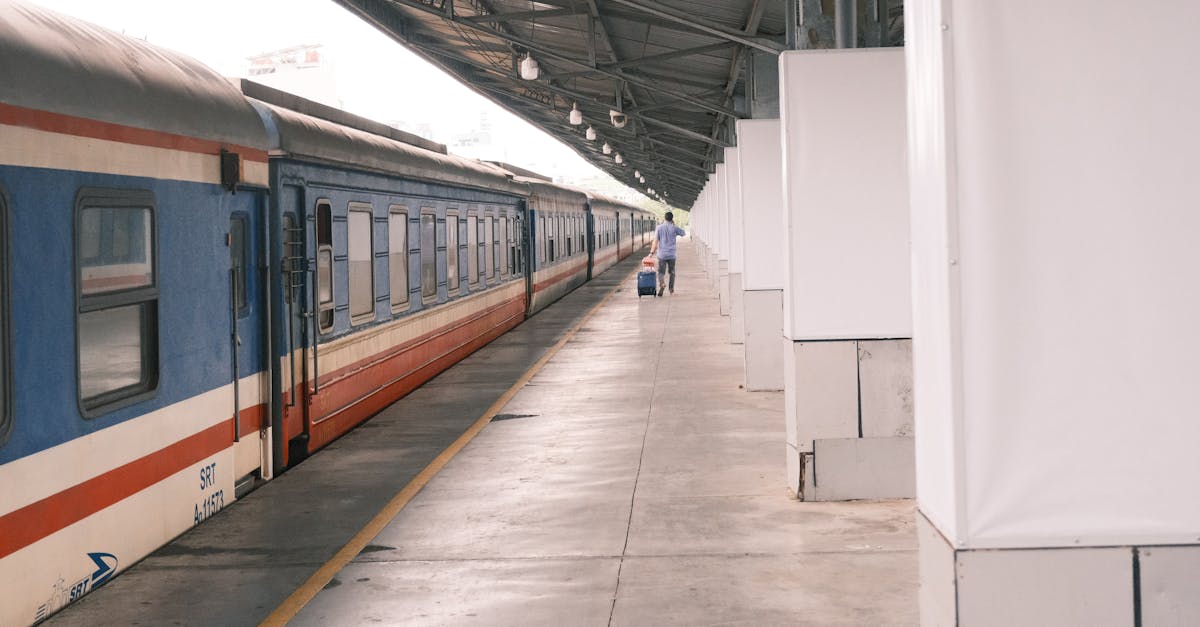
Southern Cross Station — regional and interstate trains
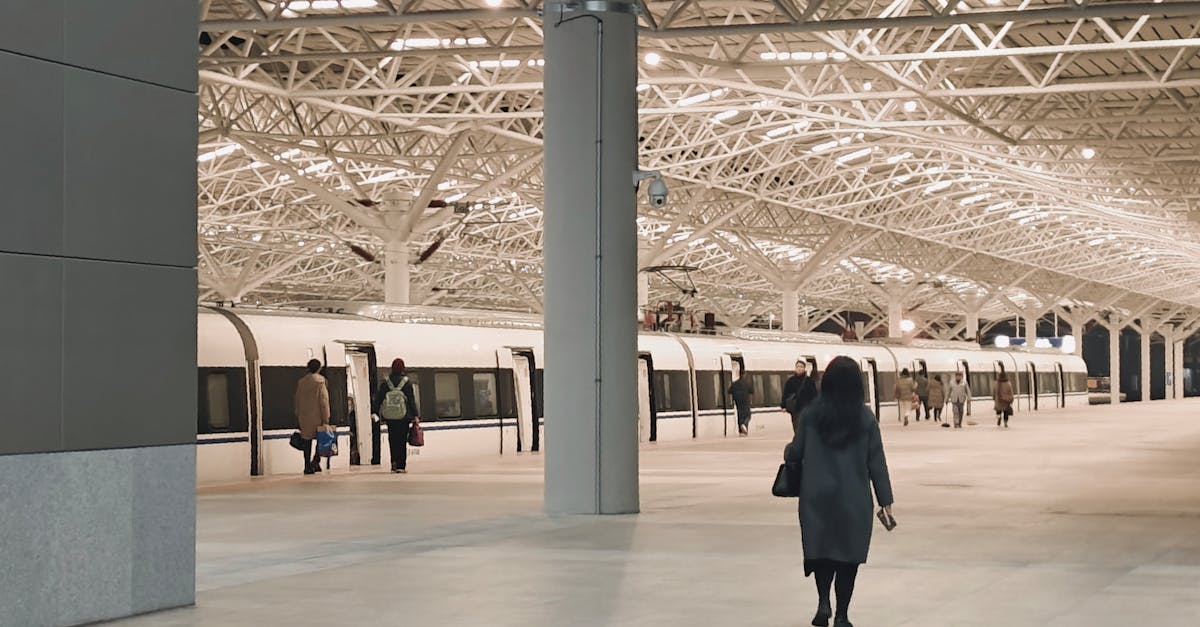
Southern Cross Station on Spencer Street is the hub for V/Line regional trains (Ballarat, Bendigo, Geelong, Warrnambool), the SkyBus airport shuttle, and interstate services to Sydney and Adelaide. If you’re taking a day trip to the Great Ocean Road, Yarra Valley, Ballarat or Bendigo, Southern Cross is your starting point.
V/Line trains use Myki within certain zones but move to paper-style reserved tickets for longer-distance services. Book V/Line tickets at the station booking office or online at vline.com.au.
Buses in Melbourne
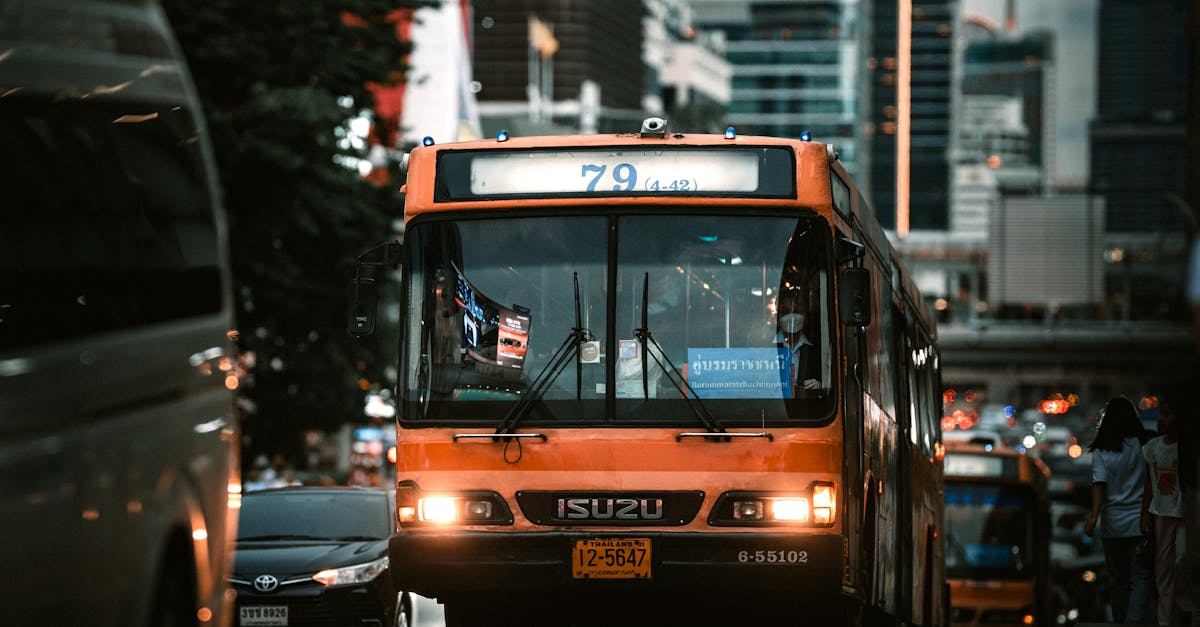
Buses are the least tourist-friendly mode simply because tourists rarely need them — trams and trains cover the places you’re going. Buses become useful only if you’re heading to specific outer destinations like Phillip Island (V/Line coach), the northern beaches, or certain museums and campuses not on a rail line.
Two bus services that are worth knowing:
- SmartBus — orange-liveried high-frequency buses running longer cross-suburban routes (e.g. 901, 902, 903).
- Night Network buses — on Friday and Saturday nights, buses run all night alongside trains, trams and regional coaches.
Myki works across all buses. Touch on when boarding; touch off when alighting for accurate zone-based charging.
Melbourne Airport (Tullamarine) to the city
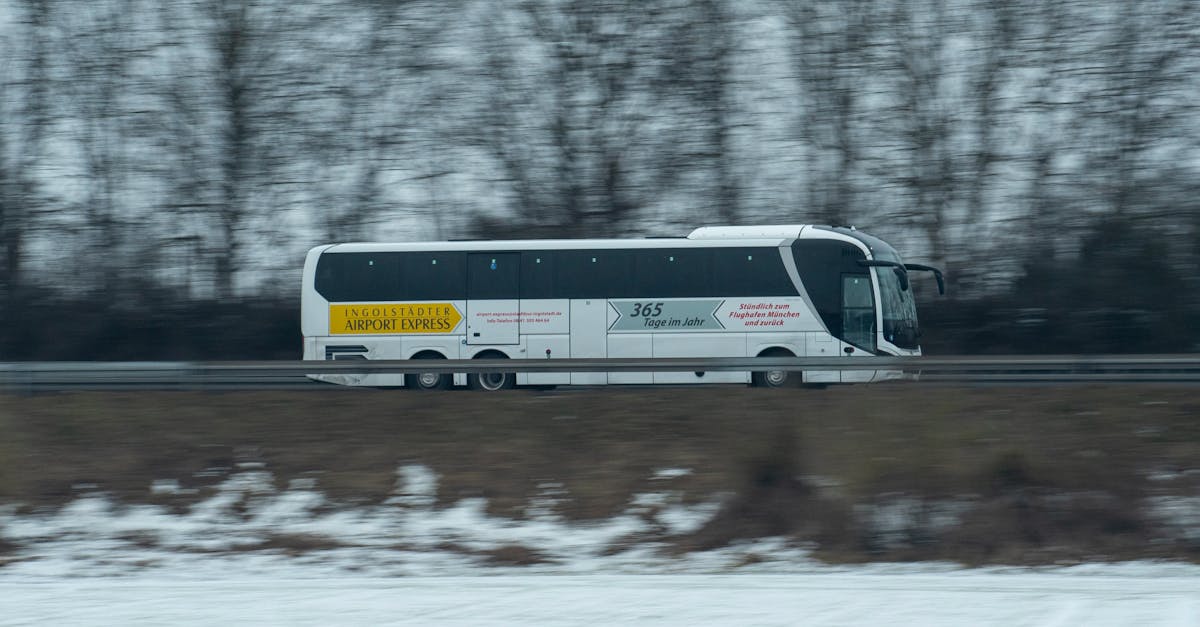
The most-searched question in any Melbourne public transport guide is how to get from the airport to the city. Tullamarine Airport is 23 km north-west of the CBD. No direct rail link yet (one is under construction, with opening originally slated for this decade). Your 2026 options:
| Option | Cost (one way, AUD) | Duration | Notes |
|---|---|---|---|
| SkyBus | Check skybus.com.au | About 30 min on average | 4am–1am daily, every 10 min peak. Southern Cross terminus. |
| Uber / DiDi | $55–$80 | Check the app | Variable surge. Best for 2+ passengers with bags. |
| Taxi (Silver Top, 13CABS) | $65–$95 | 25–40 min | Fixed airport surcharge applies. |
| Public bus + train (901/Craigieburn) | $2.85 | Check the journey planner | Cheapest. Half-price fare until 1 January 2027. Not recommended with lots of luggage. |
| Pre-booked private transfer | $80–$120 | 30 min | Fixed price, door-to-door. |
SkyBus is what most travellers use. It leaves from directly outside each terminal, drops you at Southern Cross Station, and includes free hotel shuttles from Southern Cross to many CBD hotels on request. Buy tickets at the booths, on the bus, or online at skybus.com.au.
Avalon Airport, 55 km south-west, is served by Jetstar for some domestic flights. The SkyBus Avalon City Express into the CBD can take around 90 minutes, depending on traffic.
Taxis, Uber and rideshare
Uber and DiDi both take bookings across Melbourne. Pricing is competitive — try both apps before confirming a ride. Typical CBD-to-Fitzroy: $12–$20. CBD-to-St Kilda: $18–$30.
Traditional taxis are still common. Hail one on the street, find a rank, or book via 13CABS, Silver Top or the 13CABS app. Taxis cost marginally more than rideshare on average and use regulated meter fares.
Rideshare and taxi surcharges to be aware of:
- Airport drop-off/pick-up fees: $3–$6.
- Overnight rates (unbooked taxis): 5 pm to 9 am, with peak rates from 10 pm to 4 am on Friday and Saturday nights and specified holidays.
- High-occupancy fee (unbooked taxis): up to $18.35 for five or more passengers, or for a larger vehicle you ask for (mobility-aid exceptions apply).
- Toll roads to the airport: tolls can be added to the fare, so check your quote.
Driving and car rental in Melbourne
Don’t rent a car for the city itself — parking is expensive, traffic can be heavy, and trams pose unique navigation challenges (see hook turns below). Rent a car only for day trips (Great Ocean Road, Yarra Valley, Mornington Peninsula) or extended road trips.
Hook turns — Melbourne’s driving oddity
At a number of CBD intersections, you must turn right from the left-hand lane — the infamous “hook turn”. Wait in the left lane at the intersection with your right indicator on. When the light facing the street you want to enter turns green, complete your turn. This keeps tram tracks clear. Miss the signage and you’ll get honked at (or worse).
Tolled roads
CityLink and EastLink are tolled motorways. If you drive a rental on these, you’ll either pay via Linkt (a few days after) or via the rental company’s toll handling system (usually a small admin fee). Don’t stress — it’s automatic, but do register with Linkt or check with your rental if you’ll be on these roads.
CBD parking
CBD parking is among Australia’s most expensive — expect $28–$50 for 2-4 hours. Wilson Parking and Care Park dominate. The cheapest commercial garages are around QV, Melbourne Central, and Crown. Early-bird deals book online (around $15-$25 if you arrive before 9 am and leave after 3:30 pm). Street parking is metered, enforced aggressively, and rarely exceeds two hours in the CBD.
Cycling in Melbourne
The Capital City Trail, Yarra Trail and Bay Trail are scenic car-free bike paths that cover most of the inner city’s highlights. Cycling is one of the best ways to see the Royal Botanic Gardens, Docklands, Albert Park Lake, and the beaches from St Kilda to Brighton.
Where to hire a bike
- Rentabike at Federation Square — widest range of road, hybrid and e-bikes. From $15/hour or $40/day.
- Melbourne Bike Hire (St Kilda) — good for beachside rentals. Cruisers and hybrids.
- Lime and Neuron e-scooters — the shared e-scooter scheme has been paused in parts of Melbourne periodically. Check current status in the respective apps.
Australia requires helmets by law. All reputable hire operators include a helmet in the rental price. Ride on the left. Bike lanes are marked in green paint and often protected by barriers in the CBD.
PTV app and other transport apps
Download these before your trip:
- PTV (official) — journey planner, live departure times, service alerts, Myki top-up.
- tramTRACKER — real-time tram arrival predictions, route maps. More responsive than the PTV app for tram-only queries.
- Google Maps — integrates PTV data for door-to-door routing; excellent in Melbourne.
- Uber / DiDi — rideshare.
- Linkt — tolls if you’re driving.
- SkyBus — for airport pickup and drop-off booking.
Accessibility
Melbourne is one of the better-adapted Australian cities. Step-free tram travel needs a low-floor tram and a superstop (a raised platform level with the tram doors), and in March 2025 low-floor trams made up 41% of the fleet. All newer train stations are fully accessible with lifts, tactile paving and audible announcements. Older stations (particularly some inner-suburban ones) still have stairs only — check the PTV website for station accessibility before planning.
Travel Companion Cards are accepted — a carer can travel with a person holding a Companion Card at no extra fare. Mobility scooters and manual wheelchairs are welcome on trams, trains and buses.
Safety and etiquette
- Give up priority seats for elderly, disabled, or pregnant passengers. Priority seats are marked near doors.
- No eating, drinking or smoking on PTV services.
- Melbourne trams and trains are generally safe at any hour, but use standard big-city awareness late at night, especially on outer suburban lines.
- Plain-clothes Authorised Officers check Myki regularly. Fines are steep — don’t risk it.
- On escalators, stand on the left, walk on the right.
- On trains, let passengers off before boarding.
How to plan a typical tourist day using public transport
An example 1-day Melbourne visit using only public transport, staying in the CBD:
- Morning: Walk (free) around Federation Square, then hop on the free City Circle Tram (route 35, running 9.30 am–5 pm) to Docklands. No Myki tap needed.
- Late morning: From the Elizabeth Street terminus, take route 19, 57 or 59 to Queen Victoria Market (Free Tram Zone — free).
- Afternoon: Tap on Myki on a tram route 96 southbound to St Kilda Beach. Single 2-hour fare ($2.85) covers your return if you start it within the two hours.
- Dinner: Tram back to the CBD. Once you reach the daily cap ($5.70 on weekdays, $4.00 at weekends and on public holidays), there is no further charge.
Total out-of-pocket: $5.70 Myki + $6 card fee (first day only) = $11.70. Compare that to $60-$90 in Ubers. This is why getting a Myki card on arrival is the single best thing you can do.
Melbourne transport is half price until 1 January 2027
Fares changed during 2026, so check any figure in an older guide to Melbourne against the official fare table. From 1 June 2026 until 1 January 2027 inclusive, all Victorian public transport runs at half fare for everyone — residents and visitors alike. There is nothing to register for and no special card. You tap on exactly as normal and the discounted fare applies automatically.
| Fare | Now (to 1 Jan 2027) |
|---|---|
| 2-hour fare, Zone 1+2 | $2.85 |
| Daily cap, full fare | $5.70 |
| Daily cap, concession | $2.85 |
| Weekend and public holiday cap | $4.00 |
| 7-Day myki Pass | $28.50 |
| Zone 2 only, 2-hour | $1.80 |
What is covered: all metropolitan trains, trams and buses, plus regional V/Line trains and coaches, intertown services and regional town buses. What is not: SkyBus, ferries and non-subsidised regional buses. Under-18s already travel free with a Youth myki, and seniors already travel free at weekends, so neither group is affected.
The practical effect for a visitor is that an entire day of unlimited travel across metropolitan Melbourne is capped at $5.70, and a weekend day or public holiday at $4.00. If your trip falls after 1 January 2027, check the fares on Transport Victoria’s site before you travel.
myki, tap-and-go or Mobile myki: which should a visitor use?
This is the question that has actually changed in 2026. Melbourne spent a decade as a myki-only city; contactless bank card payment went live during 2026 and it changes the advice for most short-stay visitors.
| Plastic myki | Tap and go (bank card) | Mobile myki | |
|---|---|---|---|
| Upfront cost | $6.00 full fare, $3.00 concession, $5.00 youth | Nothing | Free, but $10 minimum top-up |
| Works on | Trains, trams, buses | Trains, trams and buses in the myki area | Trains, trams, buses |
| Devices | — | Visa or Mastercard, phone or watch | Android only |
| Concession fares | Yes | No — full fare only | Yes |
| Fare charged | Standard | Identical to myki | Standard |
| Best for | Anyone needing concession, or paying cash | Most short-stay visitors | Android users staying longer |
Our recommendation for most international visitors is now tap and go with a contactless bank card: no card to buy, no balance to load and no leftover credit to write off when you fly home. Fares are identical to myki and the daily cap still applies. Two caveats — charges can take up to three days to appear on your statement, and concession fares are not available on contactless, so anyone eligible for a concession should still buy a plastic myki.
If you do want a physical card, buy it at a participating 7-Eleven, a myki machine, a staffed station or the PTV Hub at Southern Cross Station. Ordering online takes around ten business days, so that is not an option once you have landed. You cannot buy or top up a myki on board a tram or a bus — sort it out before you board. See our full myki guide for the detail.
What a week of Melbourne transport actually costs
Visitors routinely overbuy tickets in Melbourne because the daily cap makes almost everything cheaper than it looks. Here is the real maths for a seven-day trip at current half-price fares.
| Traveller | 7 days, worst case | Notes |
|---|---|---|
| Solo adult, travelling daily | $36.70 | Five weekdays at $5.70 plus two weekend days at $4.00 |
| Solo adult, 7-Day myki Pass | $28.50 | Pays off once your capped fares would pass $28.50, which six days of travel can do |
| Couple | $73.40 | Two adults, daily caps |
| Family, two adults + two under-18s | $73.40 | Under-18s travel free with a Youth myki |
| Staying mostly in the CBD | $0–15 | Only tram trips wholly inside the Free Tram Zone (city grid and Docklands) are free; check the boundary map |
A word on the 7-Day Pass. At $28.50 it can pay off even if you skip a day: five weekday caps plus one weekend cap already add up to $32.50. Add up the myki Money fares you expect to pay and compare. For a stay of four days or fewer, or a week spent mostly inside the Free Tram Zone, paying as you go costs less.
Regional day trips by train for the price of a city fare
This is the least-known consequence of the half-price scheme, and it is a genuinely unusual opportunity. Because V/Line regional services are included and because long-distance fares cap out at the same daily maximum, a full-day return trip to a regional city currently costs the same as a day riding trams around the CBD.
| Destination | Line | Current fare |
|---|---|---|
| Geelong | Geelong line from Southern Cross | $5.70 for the day, $2.85 concession ($4.00 and $2.00 at weekends and on public holidays) |
| Ballarat (Wendouree) | Ballarat line | $5.70 for the day |
| Bendigo | Bendigo line | $5.70 for the day |
| Traralgon | Gippsland line | $5.70 for the day (normally $11.40) |
Two practical notes. You still need a valid ticket for the specific service, and some long-distance trains require a seat reservation, so book rather than assuming you can walk on. And the daily cap is a cap on the day, not on the journey — once you have hit $5.70 getting to Ballarat, the tram back from Southern Cross to your hotel is already paid for. Our day trips guide covers what to do at the other end.
Touching off, default fares and how visitors get caught
Melbourne’s fare rules are not complicated, but they are unforgiving, and authorised officers do check. These are the four mistakes that actually cost tourists money.
- Forgetting to touch off. On trains and trams, failing to touch off means you are charged a default fare rather than the fare you actually travelled. Under half-price fares that default is $2.85 — annoying rather than ruinous, but it adds up across a week.
- Touching on inside the Free Tram Zone. You do not need to touch on at all if your whole journey stays inside the zone. If you touch on inside it and then touch off inside it, you can get the fare reimbursed — but only if both taps are inside the zone, and not at all if you hold free weekend travel.
- Crossing the zone boundary without realising. The zone ends at La Trobe Street in the north, Spring Street in the east, Flinders Street in the south and Spencer Street in the west, with a deliberate bulge north to take in Queen Victoria Market and an extension west through Docklands. Ride one stop past a boundary stop without having tapped on and you are travelling without a valid ticket.
- Assuming an overseas concession card works. It does not. Melbourne concession fares require an Australian-issued card, and even interstate seniors need a Seniors Card issued by an Australian state or territory. International student cards, Commonwealth Seniors Health Care Cards and National Seniors cards are all explicitly excluded.
Travelling without a valid ticket can cost an adult a $314 fine — enough that no visitor should risk it to save a few dollars. If you are unsure whether you have tapped correctly, ask a station staff member rather than guessing.
The Metro Tunnel: five new stations and what changed

The Metro Tunnel opened on 30 November 2025, and full through-running services began on 1 February 2026, so any guide written before then describes a network that no longer exists.
The Metro Tunnel added five new underground stations — Arden, Parkville, State Library, Town Hall and Anzac — and rerouted the Cranbourne, Pakenham and Sunbury lines through them rather than through the old City Loop. For visitors, the two that matter most are Town Hall, which puts you at the Swanston Street end of the CBD beside Federation Square, and State Library, at the northern end of the retail core. Parkville serves the university and museum precinct, and Anzac connects to the Shrine and the tram network on St Kilda Road.
A new timetable came into effect from Sunday 23 August 2026, adding more than 400 extra services a week across the network, along with revised bus and regional coach timetables. If you are using a journey planner, make sure it is pulling live data rather than a cached schedule — and note that some older station-name advice, particularly around which City Loop stations to use, no longer applies. Our train network guide has the current picture.
Travelling with kids, prams and luggage
Melbourne is an easy city to move around with children, and considerably cheaper than most visitors expect.
- Under-18s travel free. Not discounted — free, on any Victorian public transport, with a Youth myki. The card itself costs $5.00 and is worth getting on day one. Note it is not available on Mobile myki, so it has to be a physical card.
- Children under five travel free at weekends without any card at all.
- Prams on trams. Low-floor accessible trams make this straightforward, and they are the norm on routes 11, 19, 96 and 109 and appear regularly on 5, 6, 16, 48, 58, 72 and 86. Older high-floor trams have steps and no level boarding — if one arrives and you have a pram, wait for the next.
- Level-access stops matter as much as the tram. A low-floor tram at a kerbside stop still leaves a gap. Check for a raised platform stop when planning with a pram or wheelchair.
- Luggage. There are no luggage restrictions on trains or trams, but peak-hour services are genuinely crowded. Travelling to the airport or Southern Cross outside the morning and evening peaks makes a large difference.
- Companion Card holders’ carers travel free across the network.
Travellers Aid operates free assistance services at Southern Cross and Flinders Street, including buggy transfers across the concourse — useful if you are moving between regional and metropolitan platforms with children and bags.
FAQs: Melbourne public transport guide
Do tourists need a Myki card in Melbourne?
Not necessarily. Inside the Free Tram Zone you need no ticket at all. Once you leave the CBD or take a train or bus, you need valid ticketing: a Myki, or on trains and trams a contactless bank card, which has worked on every tram since 21 June 2026.
Is Melbourne public transport free?
Only within the Free Tram Zone — a defined rectangle covering the CBD, Docklands and Queen Victoria Market. All other trams, all trains and all buses require a Myki card with positive balance. The zone is a genuinely useful tourist benefit, but it doesn’t extend to trains or buses.
How much does Melbourne public transport cost for tourists?
A typical tourist day on Melbourne public transport costs between nothing and $5.70 while half-price fares run, until 1 January 2027. Within the Free Tram Zone it’s free. Anywhere else, a two-hour Zone 1+2 fare of $2.85 gives you unlimited travel for that time, and the full-fare daily cap is $5.70. You reach the cap through the fares you incur, not the number of times you touch on.
How do I get from Melbourne Airport to the city?
SkyBus runs from 4am to 1am daily to Southern Cross Station, and the trip takes about 30 minutes on average. Uber ranges from $55 to $80. A taxi is typically $65–$95. A new airport rail link is under construction. Public bus 901 plus train costs just $2.85 during the half-price period (1 June 2026 to 1 January 2027); check the connections in the PTV journey planner.
What’s the difference between Flinders Street and Southern Cross Station?
Flinders Street handles metro trains only and is the eastern CBD rail hub. Southern Cross handles metro trains, regional V/Line trains, SkyBus, and interstate services. You can walk from one to the other.
Can I use Apple Pay or Google Pay on Melbourne public transport?
Contactless bank-card payments are being rolled out across 2026. Acceptance is partial and expanding. For certainty in 2026, stick with Myki — it works everywhere the network runs.
What’s the Free Tram Zone?
A designated area covering the Melbourne CBD, Docklands, and the Queen Victoria Market. Any tram journey that begins and ends entirely within the zone is free and requires no Myki touch-on. Leaving the zone triggers a fare.
Is Uber cheaper than taxis in Melbourne?
It depends on the trip and the time. During surge pricing (weekend nights, event days), Uber can actually be more expensive. Compare live quotes for the same journey before committing if you have time.
Do Melbourne trains run all night?
On Friday and Saturday nights, yes — the Night Network runs trains on all lines, roughly hourly. Monday-to-Thursday the last trains are around midnight and then service resumes around 5 am.
Can I take luggage on Melbourne trams and trains?
Yes — free of charge. Large suitcases are fine. Keep them clear of doorways and priority seats. The SkyBus has dedicated under-bus luggage storage for airport transfers.
Is Melbourne public transport really half price right now?
Yes. All Victorian public transport is half price for everyone from 1 June 2026 until 1 January 2027 inclusive, visitors included. There is nothing to apply for — the discount applies automatically when you tap on. The full-fare daily cap is $5.70 instead of $11.40, the weekend and public holiday cap is $4.00, and the concession daily cap is $2.85. It covers metropolitan trains, trams and buses plus regional V/Line trains and coaches, but not SkyBus or ferries.
Can I just tap on with my credit card instead of buying a myki?
Yes — contactless payment with a Visa or Mastercard, or a phone or watch linked to one, now works on trains, trams and buses across the myki area. Fares are identical to myki and the daily cap still applies. For most short-stay visitors this is the easiest option: nothing to buy, nothing to top up, no leftover balance. Two things to know: charges can take up to three days to appear on your statement, and contactless is full fare only, so anyone entitled to a concession still needs a physical myki.
Do children need a myki, and do they travel free?
Anyone under 18 travels free on all Victorian public transport with a Youth myki, including visiting children — it is free travel, not a discount. The card costs $5.00 and needs to be a physical one, since Youth myki is not available through Mobile myki. Children under five travel free at weekends with no card at all. For a family of four with two children, this means your entire week of transport costs the same as it would for the two adults alone.
Do I need to tap on if I’m only riding trams in the city centre?
No. Travel entirely within the Free Tram Zone is free and requires no ticket at all — do not touch on. The zone covers the CBD grid bounded by La Trobe Street, Spring Street, Flinders Street and Spencer Street, with a northward detour that puts Queen Victoria Market inside it, plus an extension west through Docklands. The City Circle route 35 heritage tram is included. If any part of your journey goes beyond a boundary stop, you must touch on before boarding.
How much should I budget for a week of transport in Melbourne?
At current half-price fares, about $37 per adult for a full week of daily travel — five weekdays at the $5.70 cap plus two weekend days at $4.00. A couple should budget around $73, and a family with children under 18 pays the same as the two adults, since under-18s are free. If you are staying in the CBD and spending most of your time inside the Free Tram Zone, you may spend almost nothing. Those figures hold through 1 January 2027.
What happens if I forget to touch off?
On trains and trams you are charged a default fare rather than the fare for the distance you actually travelled — currently $2.85 under half-price fares. It is not a fine, and it will not get you in trouble, but it means you have paid for a journey you did not take. Travelling with no valid ticket at all is a different matter and can lead to an infringement fine, so always touch on before boarding unless your entire trip is inside the Free Tram Zone.
Can overseas visitors use concession fares?
No. Victorian concession fares require an Australian-issued concession card, and there is no visitor or tourist concession. International student cards do not qualify. Even Australian interstate visitors need a Seniors Card issued by an Australian state or territory — the Commonwealth Seniors Health Care Card and the National Seniors card are specifically excluded. The one universal exception is age: anyone under 18 travels free with a Youth myki regardless of where they are from.
Is there a train from Melbourne Airport to the city yet?
Not yet. Melbourne Airport Rail is under construction but is years away — the first stage is due for completion in 2030 and the second in 2031. For now your options are SkyBus at $25.90 one way or $43.40 return, which is not included in the half-price scheme; or the considerably cheaper public route, taking a train to Broadmeadows on the Craigieburn line and connecting to the SmartBus 901, which falls within your $5.70 daily cap but is slower, so check the PTV journey planner for the connection. See our airport to city guide.
The final word on Melbourne public transport
A Myki card + the PTV app + an understanding of the Free Tram Zone is all you really need to navigate Melbourne. Use trams for inner-city movement, trains for longer distances and day trips, and rideshare only for late nights or heavy-luggage trips. This Melbourne public transport guide covers everything a first-time visitor will face — but bookmark the PTV website (ptv.vic.gov.au) for the latest timetables and service alerts, and download the PTV app before you land.
Next, see our Melbourne neighbourhoods guide to plan where to stay, where to stay in Melbourne for hotel recommendations, and best time to visit Melbourne to nail your travel dates.
Getting Around Melbourne: Full Transport Series
- Melbourne Airport to City (2026): All 6 Transfer Options Compared
- Melbourne to Sydney (2026): Flight vs Train vs Coach vs Drive Compared
- Melbourne Free Tram Zone (2026): Map, Rules and How to Use It
- How to Use the Myki Card in Melbourne (2026): Tourist Step-by-Step Guide
- Melbourne Parking Guide (2026): Where, How Much and How to Save
- Melbourne Tram Network Guide: Routes, Maps & Tourist Tips
- Melbourne Train Network Guide: Lines, Stations & How-To
- Uber vs Taxis in Melbourne: Costs, Apps & When to Use Each
- Driving in Melbourne: Rental Cars, Parking & Road Rules
- Bike Hire & Cycling in Melbourne: Routes, Rentals & Safety