Best Melbourne Laneways (2026): Guide to the City’s Hidden Streets
- Words
- Melbourne Tourism Guide
- Updated
- September 2, 2026
- Read
- 13 min
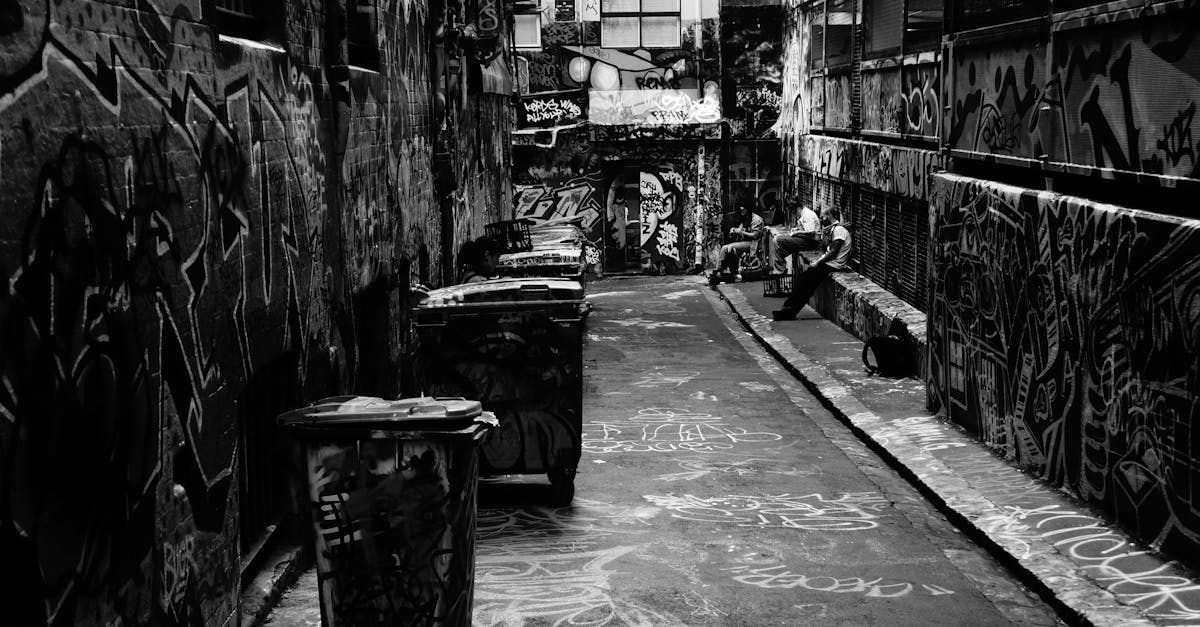
Best Melbourne laneways — the 20 must-walk laneways in the CBD. Street art, hidden bars, laneway cafes, outdoor dining, and shopping. Self-guided route included.
This article contains advertising. Our booking links are routed through a partner that adds commission tracking automatically, so if you book through one we earn a commission from the provider, at no extra cost to you. It never affects what we recommend. Affiliate disclosure
The best Melbourne laneways are the city’s defining secret — narrow 19th-century service alleys repurposed as outdoor galleries, espresso bars, hidden restaurants, and bohemian shopping strips. There are hundreds of laneways in central Melbourne, but a couple of dozen are the canonical ones every visitor should know. This 2026 guide covers the 20 best Melbourne laneways, organised by what you’ll find: street art, coffee, dining, shopping, and bars. Each laneway has a personality. Walking them in sequence is one of the best free things to do in Melbourne, and the depth of the laneway scene is the single biggest reason Melbourne feels different from any other Australian city.
What is a Melbourne laneway?
Melbourne’s CBD was built on the Hoddle Grid in 1837, with wide main streets and a service network of narrow back alleys called “laneways” (from the British term, similar to American “alleys” but typically more developed). Laneways were originally built for night-soil collection (sewage), horse-drawn delivery wagons, and waste management. Through the 20th century they fell into disuse. Starting in the 1980s, Melburnians began converting them into cafes, art studios, and small bars. By the 2000s, the laneway revival was complete — laneways became the heart of Melbourne’s reputation as Australia’s most liveable city.
The 20 best Melbourne laneways
Hosier Lane (street art)
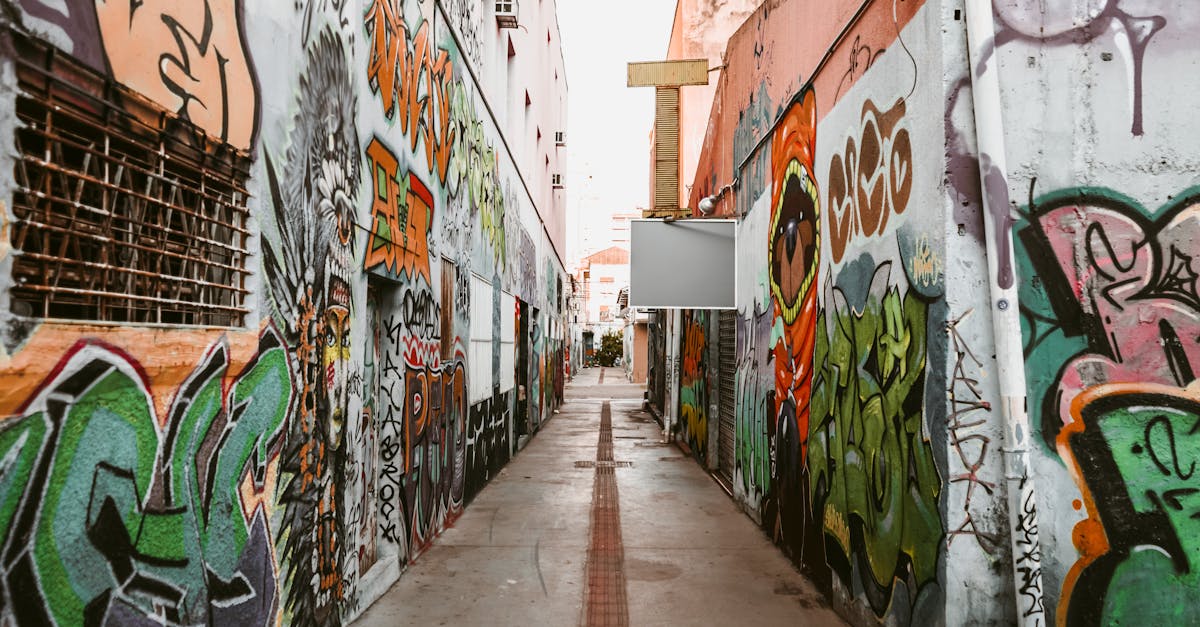
The most famous Melbourne laneway. 100 metres of constantly repainted street art, opposite Federation Square. Free, public, and the city’s most-photographed location. See our dedicated Hosier Lane guide.
Rutledge Lane (street art, edgier)
Branches off Hosier Lane halfway down. Smaller, more raw, more political. The Hosier of locals, where the more interesting work often goes up first.
AC/DC Lane (rock and roll)
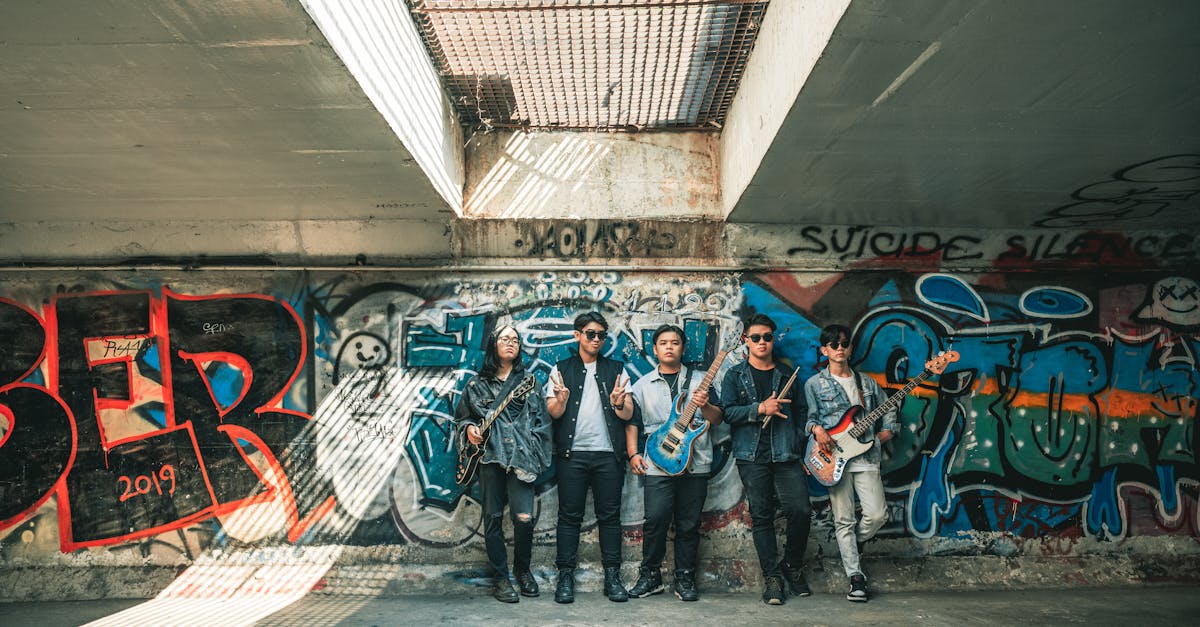
Renamed in 2004 in honour of the Australian rock band. Hides Cherry Bar, a Melbourne rock institution. Smaller and more focused than Hosier; the rock-music-themed graffiti is on point.
Degraves Street (laneway cafes)

Possibly the most photographed laneway after Hosier. A 100-metre coffee-and-brunch strip with cafes spilling onto outdoor tables. Best for the laneway-cafe atmosphere everyone associates with Melbourne. Degraves Espresso Bar is the institution.
Centre Place (cafe culture, narrow)
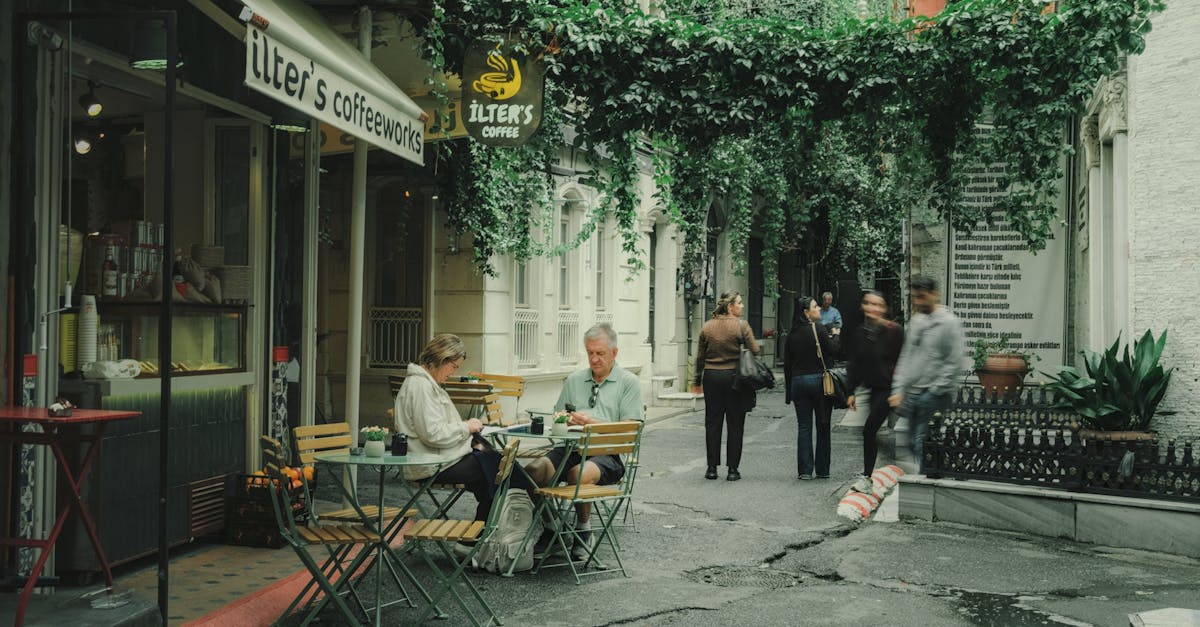
Linking Flinders Lane to Collins Street. One of the narrowest laneways, with cafes, sandwich bars, and a deeply Melbourne atmosphere. Pellegrini’s-style espresso bars and small-plates spots line both sides.
Hardware Lane (outdoor dining)
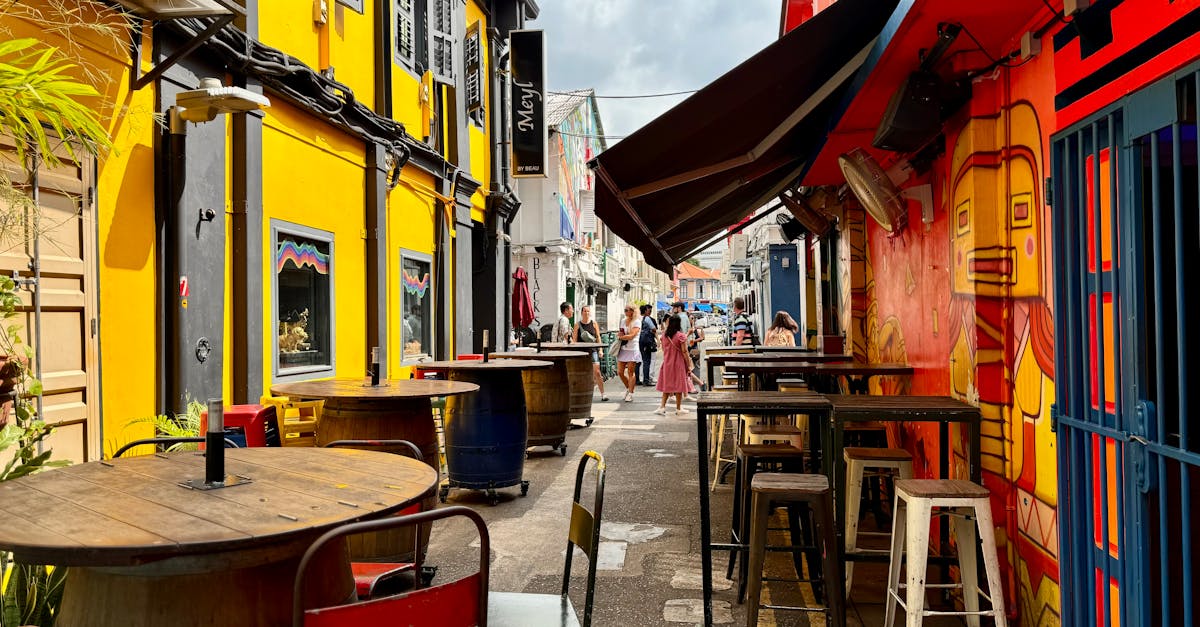
Slightly wider, more polished, with extensive outdoor dining tables. Hardware Société is the brunch institution; Italian and bistro-style restaurants take over for dinner.
Hosier Lane
(Already covered.)
Croft Alley (Chinatown back alley)
Off Little Bourke Street through the heart of Chinatown. Mix of graffiti and steam from Sichuan kitchens. Hides Croft Institute (a former dental clinic turned hidden bar) and several small restaurants.
Tattersalls Lane (outdoor bars)
Home to Section 8, the legendary outdoor shipping-container bar that’s been a Melbourne fixture for over 15 years. Also Ferdydurke (small bar) at Curtin House. Best at dusk in summer.
Union Lane (street art, accessible)
Off Bourke Street Mall, easiest to find while shopping. Free public street art, generally less raw than Hosier or Rutledge.
Block Place
Connects Block Arcade to Little Collins Street. Boutique shops, cafes, and the long-running Manchester Project tailoring institution. Heritage character.
Howey Place
One of Melbourne’s prettiest small laneways, off Collins Street. Heritage shopfronts, jewellers, and Melbourne’s last Victorian-era barber shop.
Drewery Lane
Quieter back-block laneway off Lonsdale Street. Active street art, less touristy, with hidden small bars and apartments.
Caledonian Lane
Hidden between Lonsdale and Little Bourke. Active street art, cafes, and graffiti. Worth seeking out.
Niagara Lane
Home to Manchuria (Asian-fusion small bar) and a few hidden eateries. The brick walls have long-running graffiti.
Meyers Place
One of the most polished laneways. Loop Roof rooftop bar, Bar Margaux, and Mamasita Mexican restaurant all sit on or off Meyers. Great evening atmosphere.
Presgrave Place
Tiny laneway hosting Bar Americano (standing-room cocktail bar) and several small studios. Pretty by day, atmospheric at night.
Bourke Lane and Manchester Lane
Quiet, less famous laneways with active painting and hidden businesses. Worth wandering into when you’re already in the area.
Carson Place
Off Bourke Street near Russell. Heritage character, small bars, jewellers, and tailors. One of the city’s prettiest at twilight.
Blender Lane
Near Queen Victoria Market. Home to Blender Studios (working street artist studio space). More raw, less curated, and offers paid behind-the-scenes tours.
Goldsbrough Lane
In Docklands. A residential-feel laneway with cafes and bars, less heritage but interesting for the contrast with the older CBD lanes.
Best Melbourne laneways by category
Best for street art
- Hosier Lane (the icon).
- Rutledge Lane (edgier).
- AC/DC Lane (rock-themed).
- Croft Alley (Chinatown).
- Drewery Lane and Caledonian Lane (quieter).
- Blender Lane (near Queen Vic).
Best for laneway cafes
- Degraves Street (the icon).
- Centre Place.
- Hardware Lane.
- Block Place.
Best for hidden bars
- Tattersalls Lane (Section 8).
- Meyers Place (Loop Roof, Bar Margaux).
- Presgrave Place (Bar Americano).
- Niagara Lane (Manchuria).
- Croft Alley (Croft Institute).
- AC/DC Lane (Cherry Bar).
Best for shopping
- Block Place (boutiques).
- Howey Place (jewellers).
- Carson Place (tailors).
- Hardware Lane (outdoor markets in summer).
Best for outdoor dining
- Hardware Lane.
- Degraves Street.
- Tattersalls Lane (Section 8 outdoor).
Self-guided Melbourne laneway walking route
A 90-minute self-guided laneway walk hitting the canonical 8:
- Start at Federation Square.
- Cross Flinders Street to Hosier Lane — 30 minutes for street art photos.
- Walk up Flinders Lane to Centre Place — coffee at one of the espresso bars.
- Continue to Degraves Street — brunch or just admire.
- Walk via Flinders Lane and Russell Street to AC/DC Lane.
- Continue to Croft Alley via Little Bourke Street.
- Cross to Hardware Lane for lunch (Hardware Société or similar).
- End at Tattersalls Lane for an afternoon drink at Section 8.
Guided Melbourne laneway tours
- Hidden Secrets Tours — A$110, 4 hours. Combines laneways, arcades, and lesser-known spots.
- Melbourne Street Art Tours — A$69, 3 hours. Focused on street art with a working artist guide.
- I’m Free Walking Tours: Lanes & Arcades — tip-only, twice daily.
- Greeter Service — free volunteer guide; book 1 week ahead.
- Self-guided heritage trail — free brochure at the Melbourne Visitor Centre.
Tips for visiting Melbourne laneways
- Most laneways are in the CBD core, walkable in sequence over a half-day.
- Saturday morning is busy with weekend cafe crowds; weekday mornings are quieter for photography.
- Many laneway bars don’t open until late afternoon — best for evening visits.
- Wear comfortable walking shoes; the streets are uneven cobblestones in places.
- Free Tram Zone covers all CBD laneway access — no need for transit tickets.
- Avoid carrying large bags through narrow laneways at peak times.
- Public toilets at Federation Square, Flinders Street Station, and most large cafes.
- Photography is welcome; for commercial shoots, City of Melbourne permits may apply.
- Don’t bring spray paint as a tourist — only authorised laneways permit painting, and even there, painting over existing work is frowned upon.
Melbourne laneway history in detail
Melbourne’s CBD was laid out in 1837 on Robert Hoddle’s grid — a clean rectangle of wide streets crossing at right angles. But the grid included something the wider streets never showed: a network of narrow service alleys called “lanes” or “laneways,” running mid-block between the major streets. These were originally functional — sewage collection (before sewers), service deliveries, horse-drawn carriages, garbage. Through the 19th and early 20th centuries the laneways were industrial and unremarkable.
The transformation began in the 1980s. As Melbourne’s CBD office workforce grew, small businesses started leasing tiny laneway spaces — espresso bars, sandwich shops, small studios. The 1990s and 2000s saw a deliberate City of Melbourne strategy to revitalise the laneways. The 2004 Graffiti Management Plan tolerated street art in specific laneways. Cafe culture exploded. By 2010, the laneways had become Melbourne’s identity.
Today there are around 250 named laneways and small streets in central Melbourne, plus dozens of unnamed alleys. The City of Melbourne actively promotes the laneway character through pedestrianisation, lighting upgrades, public art, and ongoing planning policies that limit chain takeover.
Melbourne laneways by use case
Best laneways for first-time visitors
- Hosier Lane — the icon. Street art opposite Federation Square.
- Degraves Street — the laneway-cafe icon.
- Centre Place — narrow laneway with strong cafe culture.
- Hardware Lane — outdoor dining, polished feel.
- Walk all four in 90 minutes — connected on a continuous CBD walk.
Best laneways for street art photography
- Hosier Lane (early morning).
- Rutledge Lane (off Hosier).
- AC/DC Lane.
- Croft Alley (Chinatown back-block).
- Drewery Lane (off Lonsdale).
- Caledonian Lane (between Lonsdale and Little Bourke).
- Blender Lane (near Queen Vic Market).
Best laneways for cafes and coffee
- Degraves Street.
- Centre Place.
- Hardware Lane.
- Block Place.
- Howey Place.
- Carson Place.
Best laneways for hidden bars and cocktails
- Tattersalls Lane (Section 8).
- Meyers Place (Loop Roof, Bar Margaux).
- Presgrave Place (Bar Americano).
- Niagara Lane (Manchuria).
- Croft Alley (Croft Institute).
- AC/DC Lane (Cherry Bar).
Best laneways for shopping
- Block Place (boutiques).
- Howey Place (jewellers, leather goods).
- Carson Place (tailors).
- The Block Arcade and Royal Arcade (heritage shopping arcades, technically arcades not laneways).
Best laneways for outdoor dining
- Hardware Lane.
- Degraves Street.
- Tattersalls Lane (Section 8 outdoor).
- Meyers Place outdoor seating.
Detailed laneway-by-laneway profiles
Hosier Lane (most famous)
100 m running between Flinders Street and Flinders Lane, opposite Federation Square. Every wall is painted, repainted, and re-tagged constantly. Best photographed in early morning (8–9 am) or late afternoon (3–5 pm). Wedding parties pose mid-day. MoVida Spanish restaurant anchors the southern end. Cumulus Inc. is one block north. Free, no admission, no opening hours.
Degraves Street (laneway cafe icon)
Connecting Flinders Street to Flinders Lane via Centre Place. Coffee-and-pastry shops spill onto outdoor tables. Degraves Espresso Bar is the long-running institution. Best 8–11 am for coffee culture, evening for wine bars. Pellegrini’s-style espresso bars line both sides.
AC/DC Lane (rock and roll)
Renamed in 2004 to honour the band AC/DC. Connects Flinders Lane to Little Collins Street, off Russell Street. Cherry Bar is the long-running classic-rock institution. Smaller, more focused than Hosier Lane. 30-minute visit covers the lane plus Cherry Bar.
Centre Place (narrow cafe haven)
One of the narrowest CBD laneways. Connects Flinders Lane to Collins Street. Cafe-and-sandwich-bar density is exceptional. Walk through twice to see all the shops. 30-minute visit with one coffee stop.
Tattersalls Lane (outdoor bars)
Home of Section 8, the legendary outdoor shipping-container bar. Curtin House (which contains Cookie, Toff in Town, Rooftop Cinema) sits just off Tattersalls. Best at dusk in summer.
Meyers Place (polished evening)
Home of Loop Roof rooftop bar, Bar Margaux, and Mamasita Mexican upstairs. Polished, evening atmosphere. 90-minute visit for dinner plus rooftop drinks.
Presgrave Place (Bar Americano)
Tiny laneway hosting Bar Americano (standing-room cocktail bar). Pretty by day, atmospheric at night. 30-minute visit for one cocktail.
Croft Alley (Chinatown back-block)
Off Little Bourke Street through Chinatown. Mix of graffiti and steam from Sichuan kitchens. Hides Croft Institute (former dental clinic turned hidden bar).
Howey Place (heritage)
One of Melbourne’s prettiest small laneways, off Collins Street. Heritage shopfronts, jewellers, tailors. Photographically distinctive.
Self-guided multi-laneway routes
The 90-minute classic walk
- Federation Square — coffee at the visitor centre cafe.
- Cross Flinders Street to Hosier Lane (30 min photos).
- Walk west along Flinders Lane to Centre Place (10 min).
- Continue to Degraves Street (15 min, coffee or brunch).
- Walk Flinders Lane east via Russell Street to AC/DC Lane (15 min).
- Continue to Croft Alley via Little Bourke Street (10 min).
- Cross to Hardware Lane for lunch (10–60 min depending on lunch).
The 3-hour foodie walk
Patricia (Little Bourke) → Hardware Société (Hardware Lane) → Manchester Press (Rankins Lane) → Brother Baba Budan (Little Bourke) → Higher Ground (Little Bourke) → Section 8 (Tattersalls Lane) for evening drinks.
The 4-hour street art walk
Hosier Lane → Rutledge Lane → AC/DC Lane → Croft Alley → Drewery Lane → Caledonian Lane → Union Lane → Blender Lane (near Queen Vic Market). Stop for coffee at Patricia and lunch at Manchester Press.
The 6-hour evening laneway crawl
Dinner at MoVida (Hosier Lane) → Cocktails at Bar Americano (Presgrave Place) → Drinks at Loop Roof (Meyers Place) → Late-night at Section 8 (Tattersalls Lane) → Wrap at Cherry Bar (AC/DC Lane).
Best Melbourne laneways for photography
- Hosier Lane — early morning for empty laneway shots; wide-angle lens for full walls.
- Degraves Street — late afternoon golden hour through the laneway gap.
- Howey Place — heritage architecture, atmospheric mid-day.
- Centre Place — narrow laneway tunnel-effect shots.
- AC/DC Lane — colour-saturated graffiti walls.
- Tattersalls Lane — Section 8 string lights at dusk.
- Meyers Place — polished evening atmosphere with Loop Roof neon.
- Block Arcade entrance — heritage architecture with people in motion.
Lesser-known Melbourne laneways
- Drewery Lane — quiet street art back-block.
- Caledonian Lane — between Lonsdale and Little Bourke.
- Niagara Lane — Manchuria small bar.
- Goldsbrough Lane (Docklands) — newer laneway with cafes.
- Bourke Lane — quiet, less famous.
- Manchester Lane — small laneway off Manchester Lane (yes, naming is confusing).
- Carson Place — heritage character, small bars.
- Bligh Place — quiet courtyard-style.
- Blender Lane — near Queen Victoria Market, more raw.
Melbourne laneway etiquette deep dive
- Photograph but don’t paint — bringing spray paint as a tourist is universally frowned upon.
- Don’t tag over existing work — even quick scribbles on a fresh mural are strongly disliked.
- Don’t get in artists’ way — if someone is painting, give them space and ask before photographing them at work.
- Don’t litter — there are limited public bins inside narrow laneways; carry rubbish out.
- Wedding photos are fine — but be aware you’re sharing a public space.
- Be respectful of laneway businesses — bars, cafes, offices use these doors.
- Smoking is permitted in the laneways but not in doorways.
- No drinking in public — Melbourne CBD has strict alcohol laws on streets.
- Don’t bring large bags through narrow laneways at peak times.
- Be mindful of opening hours — many laneway businesses close 3–4 pm.
Laneway accessibility
- Most laneways have flat or near-flat surfaces — generally wheelchair accessible.
- Cobblestones in some laneways — Howey Place and Block Place have heritage cobblestones.
- Narrow widths — Centre Place and Croft Alley are too narrow for wide wheelchairs.
- Companion Card recognised at most laneway businesses.
- Ramps and lifts at most laneway-adjacent buildings.
Melbourne laneway events and festivals
- Melbourne International Comedy Festival (April) — pop-up venues in CBD laneways.
- Melbourne Music Week (November) — laneway pop-up gigs.
- White Night Melbourne (when scheduled) — overnight light installations across CBD laneways.
- NGV Triennial (every 3 years) — CBD-wide light installations including laneways.
- Hosier Lane bi-annual repaint events — when the lane is reset and repainted within hours.
Melbourne laneway tours and guides
- Melbourne Street Art Tours — A$69, 3 hours, working artist guide, includes stencil workshop.
- Hidden Secrets Tours: Lanes & Arcades — A$110, 4 hours.
- I’m Free Walking Tours: Lanes & Arcades — tip-only, twice daily.
- Greeter Service — free volunteer guide, book 1 week ahead.
- Foodie Trails Laneway Tour — A$110, 2.5 hours, multi-cafe tastings.
- Self-guided Heritage Trail — free brochure at Melbourne Visitor Centre.
- App-based audio tours — multiple options including Visit Victoria’s official app.
Melbourne laneways and weather
- Summer — peak laneway crowd; outdoor seating in full use; rooftop bars at peak.
- Autumn (March–May) — best weather. Laneway dining outdoor still comfortable.
- Winter — quieter; indoor laneway cafes and bars are atmospheric.
- Rain — some laneway cafes have outdoor heaters; many have covered seating. The covered Block Arcade is fully sheltered.
- Heatwave days (38°C+) — laneways are partial-shade. Section 8 (Tattersalls Lane) outdoor remains cooler than open streets.
Frequently asked questions about the best Melbourne laneways
What’s the most famous Melbourne laneway?
Hosier Lane — directly opposite Federation Square. The 100-metre street art laneway is the most photographed location in Melbourne.
Are Melbourne laneways safe?
Generally yes during the day. Most are well-trafficked and safe. After 1 am, the quieter back-block laneways are best avoided alone.
How many laneways does Melbourne have?
Hundreds in the CBD alone. The City of Melbourne registers approximately 250 named laneways and small streets in the central city, plus dozens of private and unnamed alleys.
Why are Melbourne laneways so famous?
A combination of 19th-century planning (the Hoddle Grid created hundreds of small back streets), tight CBD planning rules that favour small operators over chains, and the post-1980s revival that turned disused service alleys into cafes, bars, and street-art destinations.
Can I paint Melbourne laneways?
Only in designated tolerated laneways (Hosier, Rutledge, AC/DC, Croft, Union, Centre Place — formal lists may change). Painting elsewhere is illegal under Victorian graffiti laws.
How long does a laneway tour take?
Self-guided 90 minutes to 2 hours for the major 8 laneways. Guided tours are typically 2–3 hours including coffee or lunch stops.
Are laneway cafes expensive?
Most are mid-priced. Coffee A$5–A$5.50, brunch A$22–A$30, lunch A$25–A$35. Hardware Société and Hardware Lane outdoor dining are towards the higher end.
Final word: laneways are the soul of Melbourne
For first-time visitors, walking Melbourne’s laneways is the single best free thing to do in the city — a 2-hour wander reveals more about Melbourne’s character than any landmark or museum. The combination of street art, coffee culture, hidden bars, and 19th-century heritage is unique in the world. For broader things-to-do context, see our things to do in Melbourne pillar.