Is Melbourne Safe for Tourists? Honest 2026 Safety Guide
- Words
- Melbourne Tourism Guide
- Updated
- August 20, 2026
- Read
- 11 min
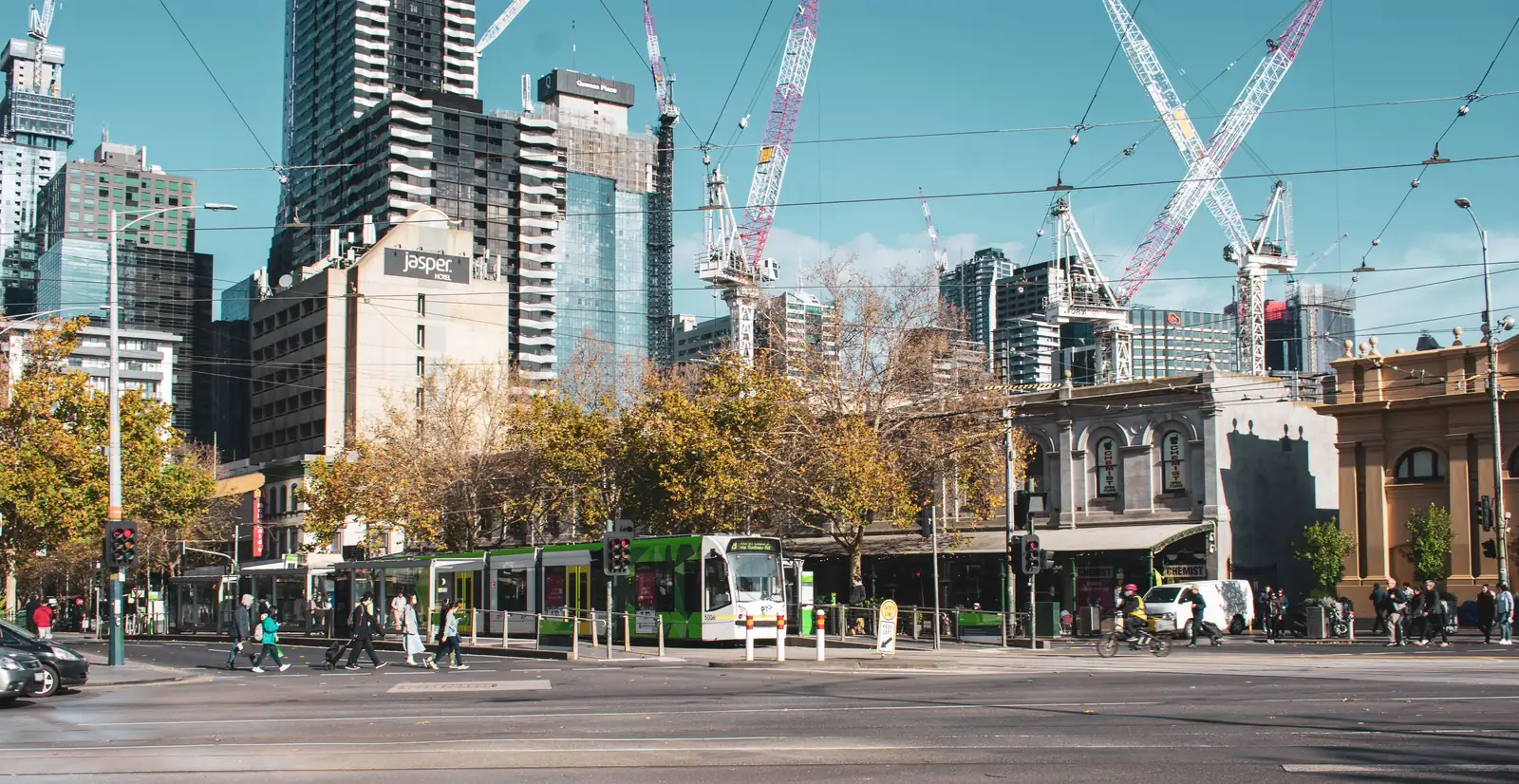
Is Melbourne safe? An honest 2026 safety guide for tourists — crime, scams, solo female travel, nightlife, transport and emergency tips from a local.
This article contains advertising. Our booking links are routed through a partner that adds commission tracking automatically, so if you book through one we earn a commission from the provider, at no extra cost to you. It never affects what we recommend. Affiliate disclosure
Let’s answer the big question first, because it’s the one that brings most people to this page: yes, Melbourne is a safe city to visit. It’s regularly ranked among the world’s most liveable cities, violent crime against tourists is rare, and millions of visitors come and go every year without incident. That said, no city is risk-free, and a little local knowledge goes a long way. As someone who’s lived here for years and shown plenty of nervous first-time visitors around, I want to give you the honest, practical picture — not scare stories, just what to actually be aware of so you can relax and enjoy your trip. Consider this the safety chapter of our broader Melbourne travel guide.
Is Melbourne safe overall?
In a word, yes. Melbourne is a low-risk destination by global standards. Australia as a whole is politically stable, well-policed and prosperous, and Melbourne specifically scores highly on safety and liveability indexes year after year. The most common issues tourists encounter are minor — opportunistic petty theft, the odd scam, or trouble that stems from a big night out — rather than serious crime. Use the same street smarts you would in any major city, and you’ll almost certainly have a completely trouble-free visit. The goal of this guide isn’t to make you anxious; it’s to make you informed enough to stop worrying.
Crime: what to actually watch for
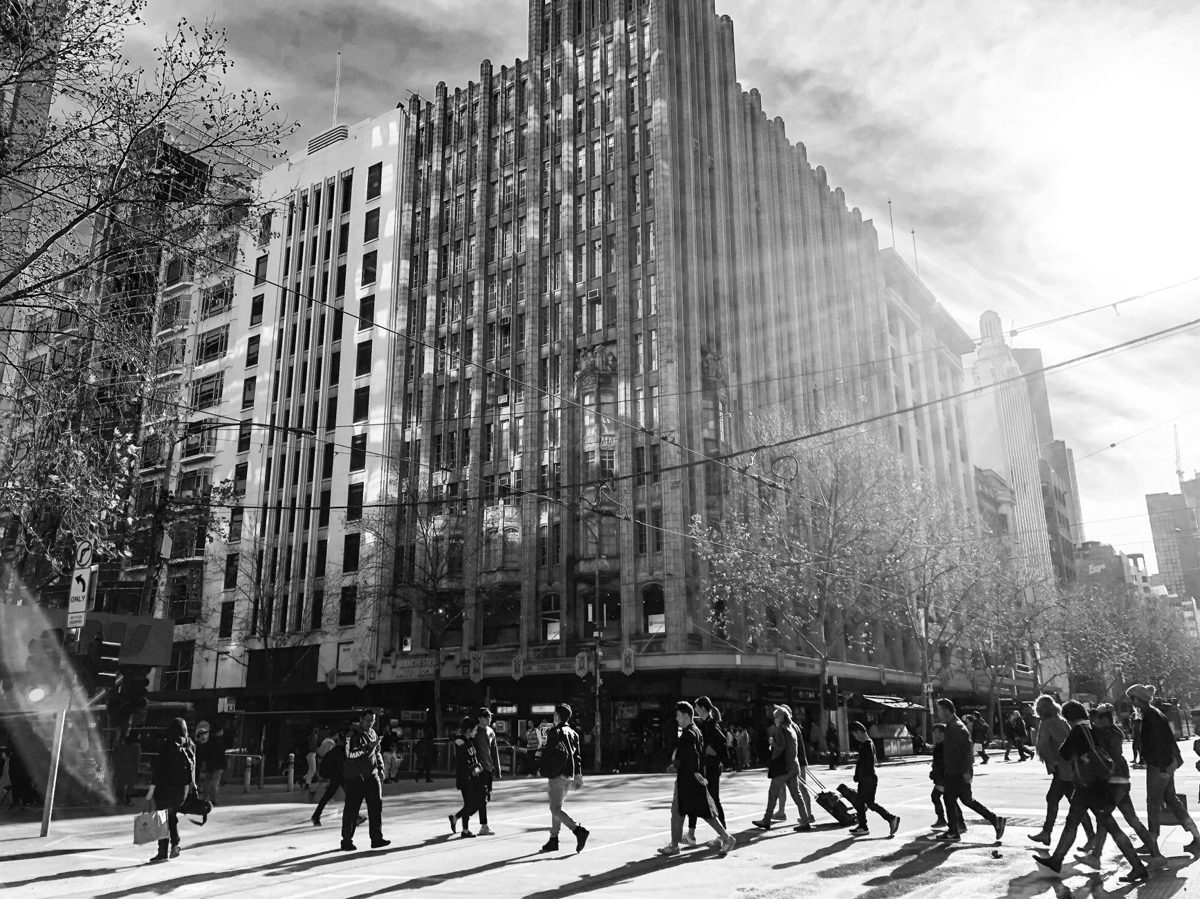
Violent crime affecting visitors is uncommon, and you’re far more likely to deal with petty theft than anything serious. Pickpocketing and bag theft can happen in crowded spots — busy CBD streets, packed trams, Federation Square, Queen Victoria Market, festivals and transport hubs — though it’s nowhere near as prevalent as in many European capitals. Keep your phone, wallet and bag secure and within sight, don’t leave valuables unattended in cafés or on tables, and be a little more alert in crowds. Opportunistic theft from cars (don’t leave anything visible) and from hostel/hotel common areas is the other thing to guard against. Simple precautions defuse almost all of it.
Is the CBD safe? Areas to know
The Melbourne CBD is very safe during the day and into the evening, when it’s busy with workers, diners and tourists. It feels different in the small hours, though: late at night, certain pockets — quiet laneways, poorly lit stretches, the late-night fast-food strips and rowdy nightlife areas like the King Street bar district — can attract intoxicated crowds and the occasional flare-up. None of this should keep you in your hotel; just be a bit more aware after midnight, stick to well-lit, busy streets, and grab a rideshare rather than walking through deserted areas alone. The inner suburbs visitors frequent — Fitzroy, Carlton, St Kilda, Southbank, Richmond — are all generally safe, with the usual common-sense caveats about nightlife strips late at night. For choosing a base, our guide to where to stay in Melbourne covers the most convenient, comfortable areas.
Common scams and how to avoid them
Scams are a moderate risk and tend to cluster around tourist-heavy areas. Watch for payment fraud and card skimming (cover the keypad at ATMs, use machines inside banks where possible, and keep an eye on your card), fake charity collectors pressuring you for donations, and unofficial or overpriced “transport” offers — only use licensed taxis or reputable rideshare apps. Be wary of anyone creating a sense of urgency or asking for payment in unusual ways. As a rule, if something feels off, it probably is; politely decline and walk on. Using tap-to-pay or a travel card rather than carrying lots of cash reduces your exposure further.
Solo female travel safety
Melbourne is considered one of the better large cities for solo female travellers, particularly in central, well-populated areas. The usual sensible precautions apply, especially around nightlife: there have been reports of drink spiking in bars and clubs, so keep an eye on your drink, never leave it unattended, and don’t accept drinks from strangers. At night, opt for a reputable rideshare or taxi rather than walking alone through quiet areas, share your location with someone if you’re out late, and trust your instincts. By day, exploring solo on foot and by public transport is easy and comfortable. Plenty of women travel here alone without issue — a little extra awareness at night is the main thing.
Public transport safety
Melbourne’s trains, trams and buses are safe and heavily used, including at night. The Night Network runs services through the early hours on weekends, and stations and major stops are generally well-lit and monitored. As anywhere, late-night empty platforms and carriages warrant a bit more awareness — sit near the driver or other passengers, and stay alert if you’re travelling alone in the small hours. For getting around confidently, our Melbourne public transport guide explains the system, the Myki card and the Free Tram Zone.
Staying safe on a night out
Most safety incidents that affect visitors stem from nightlife, so this is where a little care pays off most. Watch your drink, pace your alcohol, and keep your valuables secure on the dance floor. The King Street strip in the CBD is known for getting rowdy late at night, so if you want a more relaxed evening, the bars of Fitzroy, Collingwood and the laneways are a mellower scene. Plan your way home before you head out, and use a rideshare or taxi rather than walking long distances alone after midnight. If you ever feel suddenly and unexpectedly unwell after a drink, tell a friend or venue staff immediately and seek help — licensed venues take drink-spiking seriously and would rather you raise the alarm. Our nightlife guide points to great, safe venues across the city, and our things to do at night guide has lower-key evening ideas if a big night out isn’t your scene.
Natural hazards and health
Some of Melbourne’s genuine risks are environmental rather than criminal. The sun is fierce — Australia has high UV levels, so wear SPF30+ sunscreen, a hat and sunglasses, even on cool or cloudy days. Summer heat can be extreme; stay hydrated. At the beach, swim between the red-and-yellow flags where lifesavers patrol, and respect rip currents. If you’re heading out of the city on a hot, windy summer day, be aware of bushfire risk and check warnings. Dangerous wildlife is essentially a non-issue in the city itself. Australia’s tap water is safe to drink, and the standard of healthcare is excellent.
Emergencies and useful numbers
In any emergency — police, fire or ambulance — call 000 (triple zero), Australia’s free emergency number, from any phone. For non-urgent police matters there’s a separate assistance line, and pharmacies (chemists) are widespread for minor health needs, with some open late. Melbourne has world-class hospitals, and travel insurance is strongly recommended to cover any medical costs as a visitor. Save your accommodation’s address and a couple of key numbers in your phone, and you’re well prepared for the unlikely event you need them.
Is Melbourne safe for families and LGBTQ+ travellers?
Yes on both counts. Melbourne is very family-friendly, with safe, walkable attractions and excellent facilities — see our guide to things to do in Melbourne with kids. It’s also one of the most welcoming, progressive and openly LGBTQ+-friendly cities in the world, with a visible, celebrated queer community and a strong record on inclusion. Travellers of all backgrounds are generally treated with warmth and acceptance here, which is a big part of the city’s character.
Quick safety tips
Stay in well-trafficked areas, especially at night. Keep valuables secure and out of sight in crowds. Use official transport — licensed taxis and reputable rideshare apps. Watch your drink on a night out. Slip, slop, slap for the sun. Swim between the flags. Get travel insurance. Save 000 and your hotel address in your phone. Follow these and you’ve stacked the odds heavily in your favour.
How Melbourne compares
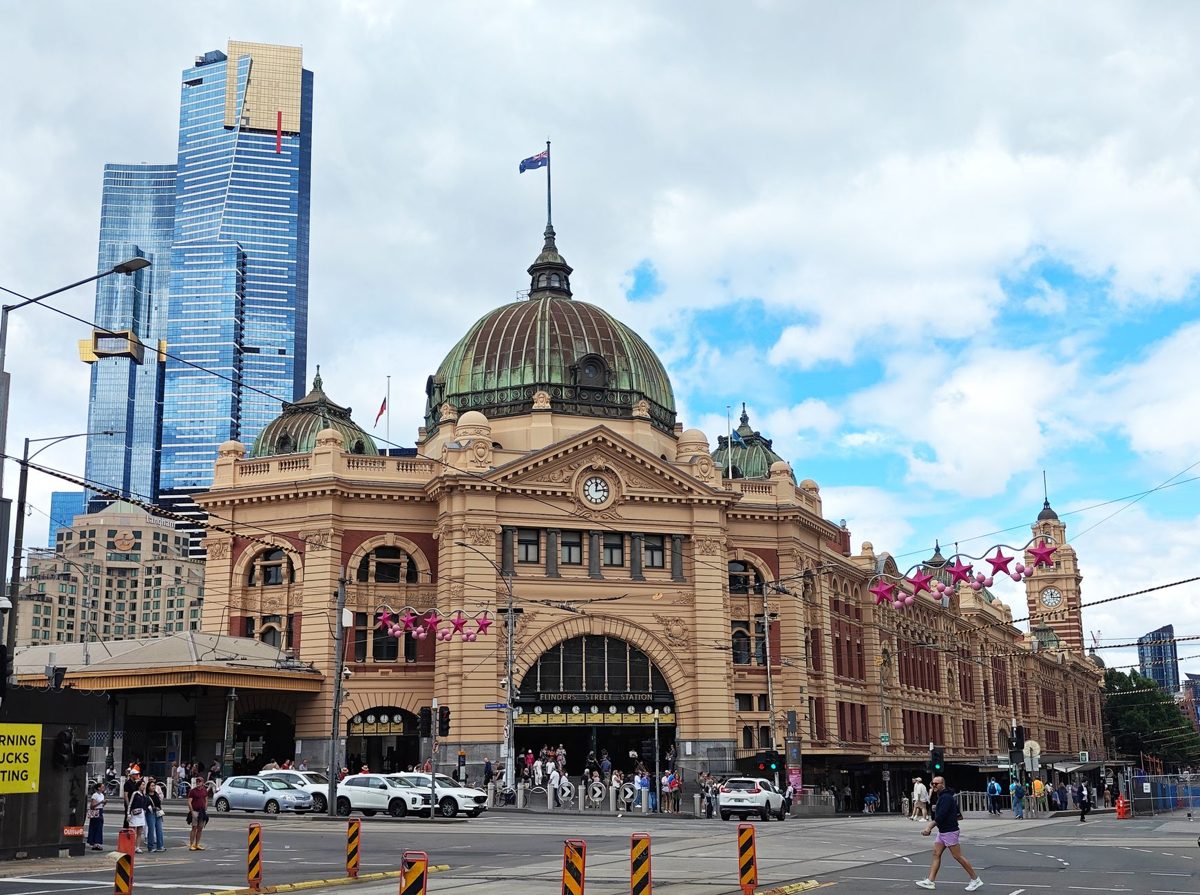
If you’re weighing up destinations, it helps to have context. Melbourne consistently ranks as one of the safest and most liveable major cities in the world, and Australia as a whole sits comfortably in the “low risk” tier of global travel-safety assessments. Compared with many large cities in Europe, the Americas or parts of Asia, you’ll generally find lower rates of the petty theft and street hustling that plague some tourist hotspots. It’s broadly comparable to other major Australian and New Zealand cities, and safer than many destinations travellers visit without a second thought. In short: if you’re comfortable visiting any large Western city, Melbourne will feel reassuringly easy.
Safety by neighbourhood, in brief
Here’s a quick, honest rundown of the areas visitors frequent. The CBD is safe and busy by day; be a little more aware late at night around the nightlife strips. Southbank and the riverside are safe and well-populated. Fitzroy and Collingwood are vibrant and generally safe, with the usual late-night caution on the bar strips. St Kilda is lively and fine, though like any beachside nightlife area it can get rowdy on weekend nights. Carlton, Richmond and South Yarra are comfortable and tourist-friendly. As with any city, the picture is about time of day and common sense rather than whole “no-go zones” — Melbourne doesn’t really have areas a visitor needs to avoid entirely. Our neighbourhoods guide gives the full lay of the land.
Money and valuables
Australia is largely a tap-and-go society, so you rarely need to carry much cash — a real plus for safety. Use contactless cards or your phone for most purchases, keep one card as a backup in your accommodation, and only carry what you need for the day. At ATMs, favour machines inside banks or busy, well-lit spots, cover the keypad, and check for anything unusual attached to the card slot. A cross-body bag worn to the front in crowds, and a back pocket you never use for your phone or wallet, will see off the vast majority of opportunistic theft. If you do carry cash, split it between a couple of places rather than keeping it all in one wallet.
Driving and road safety
If you’re hiring a car — for a Great Ocean Road trip or wine country, say — a few Melbourne-specific quirks are worth knowing for your safety and everyone else’s. Australians drive on the left. Melbourne is famous for the “hook turn”, where in parts of the CBD you turn right from the left lane to let trams pass — look for the signs. Always give way to trams, never pass a stationary tram with open doors (passengers are crossing), and watch for cyclists. Outside the city, roads can be long, fast and fatiguing, and wildlife (especially kangaroos at dawn and dusk) is a genuine hazard on country roads, so avoid driving at those times where you can. Our transport guide covers the alternatives if you’d rather not drive in the city.
Staying connected
Staying contactable adds a useful layer of safety. Pick up a local prepaid SIM or eSIM on arrival (they’re cheap and widely available at the airport and convenience stores) so you have data for maps, rideshare and emergencies. Free public wi-fi is available in parts of the CBD, many cafés and at major attractions, but a SIM is far more reliable when you’re out and about. With a working phone you can summon a rideshare, navigate home, check transport times and call 000 if you ever need to — which makes that small purchase one of the best safety investments you can make.
Seasonal safety notes
A couple of risks shift with the seasons. In summer, extreme heat and high UV are the main concerns — pace yourself on hot days, hydrate, and never underestimate the Australian sun. Hot, windy summer days also raise bushfire risk in regional areas, so if you’re day-tripping, check fire warnings and have a plan. In winter, the risks are milder: slippery footpaths in the rain and shorter daylight hours mean you’ll be out after dark earlier, so factor that into your evening plans. Whatever the season, Melbourne’s “four seasons in one day” reputation means packing a layer and checking the forecast keeps you comfortable and safe; our best time to visit guide has the seasonal detail.
Travel insurance and healthcare
This is the single piece of “safety” advice most travellers underweight: get comprehensive travel insurance before you come. Australia’s healthcare is excellent but can be expensive for visitors without cover, and good insurance protects you against everything from a medical mishap to a cancelled flight or stolen phone. Check whether your country has a reciprocal healthcare agreement with Australia (some do, covering certain essential treatment), but don’t rely on it as a substitute for proper insurance. Keep a digital and paper copy of your policy details and your insurer’s emergency line, and you can travel with genuine peace of mind.
The bottom line
Melbourne is a safe, welcoming and easy city to visit — one of the world’s most liveable, in fact. The risks that exist are mostly minor and easily managed with everyday street smarts: guard your valuables in crowds, take care on big nights out, respect the sun and the surf, and use official transport at night. Do that, and you can put the worrying aside and get on with enjoying one of the friendliest, most relaxed cities on earth. The overwhelming majority of visitors leave with nothing more alarming to report than a sunburn they should have seen coming. Start planning the fun part with our things to do in Melbourne guide.