7-Day Melbourne Itinerary: City, Coast & Wine Country
- Words
- Melbourne Tourism Guide
- Updated
- September 16, 2026
- Read
- 11 min
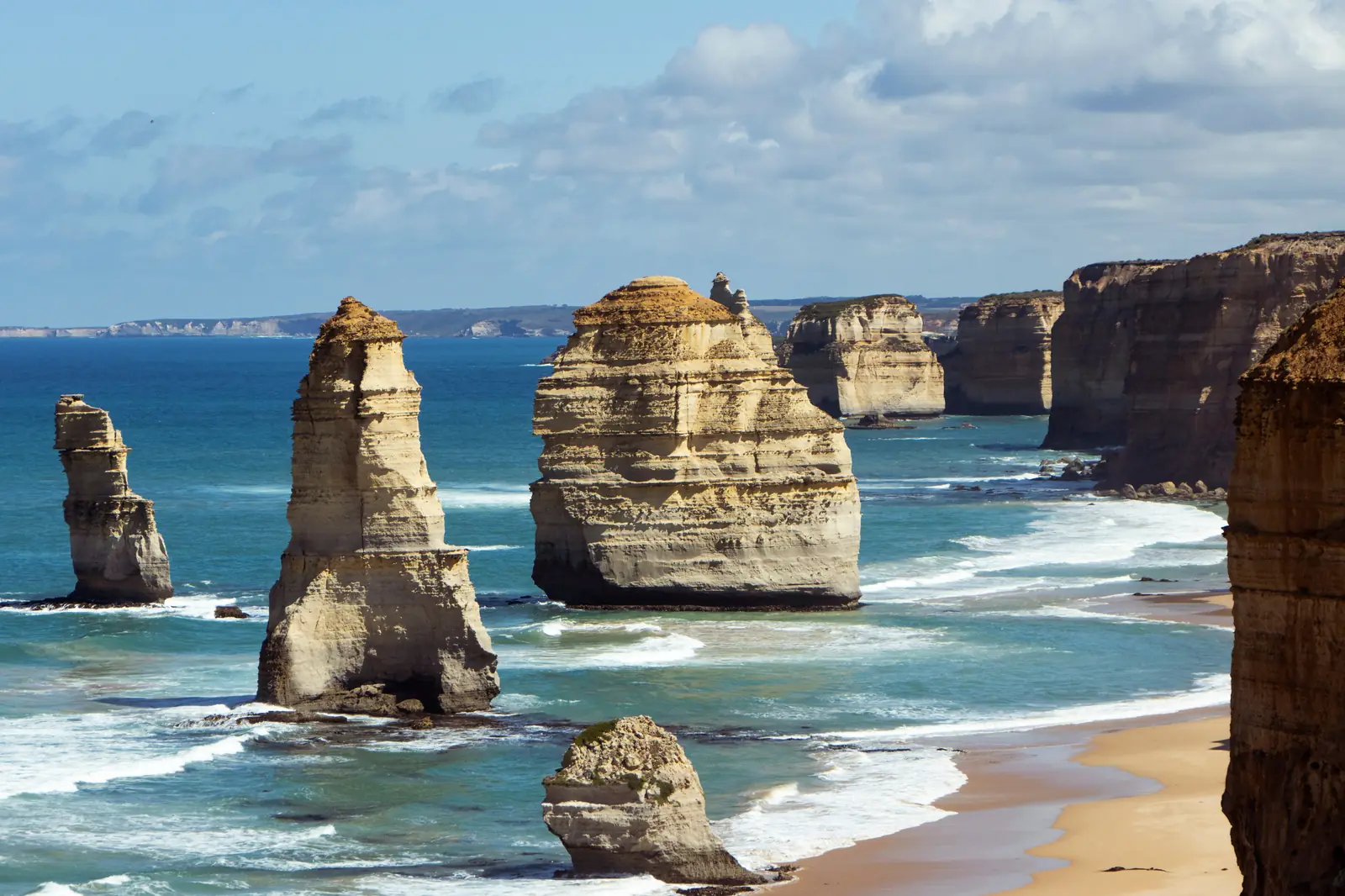
A perfect 7-day Melbourne itinerary — city days, Yarra Valley wine country and a 2-day Great Ocean Road trip, with where to stay and how to get around.
This article contains advertising. Our booking links are routed through a partner that adds commission tracking automatically, so if you book through one we earn a commission from the provider, at no extra cost to you. It never affects what we recommend. Affiliate disclosure
Seven days is the sweet spot for Melbourne. It’s long enough to do the city properly — the laneways, the food, the neighbourhoods — and still escape to the things that make Victoria special: world-class wine country an hour away, and one of the planet’s great coastal drives within reach. I’ve built this week the way I’d plan it for friends who want the full experience without feeling rushed: a few unhurried city days, a wine day, and a proper run down the Great Ocean Road, with breathing room built in. Adjust it to your taste, but follow the shape and you’ll see the best of Melbourne and its surrounds. For a shorter trip, see our 3-day Melbourne itinerary; this is the deluxe version, part of our complete Melbourne travel guide.
The week at a glance
Here’s the structure: three days getting under the skin of the city, a day in the Yarra Valley wine region, two days on the Great Ocean Road (with an overnight), and a final flexible day to relax or chase whatever caught your eye. It balances culture, food, nature and downtime, and it spreads the long driving days out so you’re never exhausted. You’ll want a hire car for at least the Great Ocean Road leg; the rest is easily done on public transport. Let’s walk through it day by day.
Day 1: The heart of the city
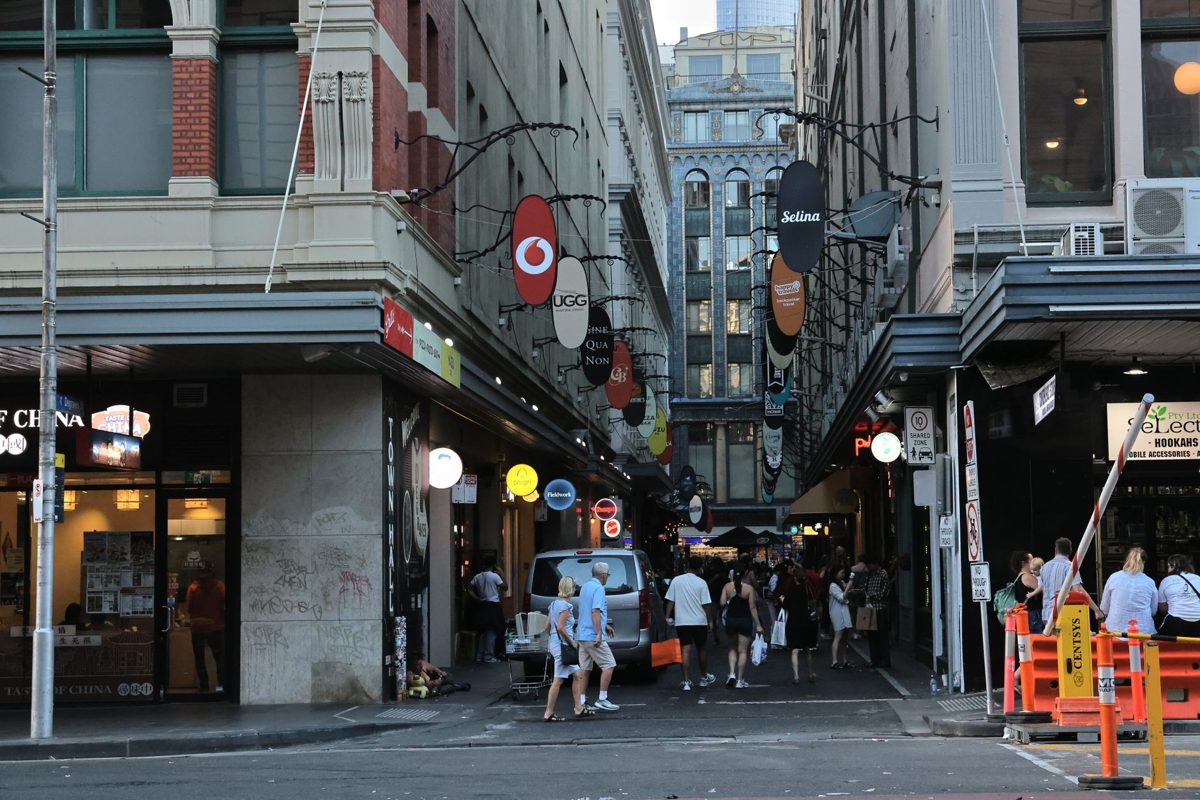
Ease in with the classic CBD. Start with coffee and breakfast in a laneway — Degraves Street or Hardware Lane — then lose yourself in the arcades and the street art of Hosier Lane. Wander up to Queen Victoria Market for a graze, then spend the afternoon at the free NGV International before a riverside stroll along Southbank. Dinner in Chinatown or a laneway bistro, and a nightcap at a rooftop or hidden bar. It’s the perfect orientation day, and our guide to things to do in Melbourne has more if you want to swap things in.
Day 2: Neighbourhoods and the bay
Today you go local. Spend the morning in Fitzroy — brunch on Brunswick Street, vintage shopping, and the street art and bars of Gertrude Street. After lunch, jump on the iconic Route 96 tram down to St Kilda for the foreshore, the Acland Street cake shops and Luna Park, timing it for a bayside sunset. It’s a day that shows you the city’s character beyond the CBD; our neighbourhoods guide can help you tailor it to your interests.
Day 3: Yarra Valley wine country
Time for your first day trip. The Yarra Valley, about an hour from the city, is one of Australia’s premier cool-climate wine regions — rolling hills dotted with cellar doors known for chardonnay and pinot noir, long-lunch restaurants, and producers of cheese, chocolate and cider. Join an organised tour so nobody has to be the designated driver, or hire a car and go at your own pace. Our guide to the Yarra Valley covers the best cellar doors and how to visit, and the wider day trips from Melbourne guide has alternatives if wine isn’t your thing.

Day 4: Arts, culture and a slower pace
After the wine, take a gentler city day. Dive into Melbourne’s culture — the Melbourne Museum, ACMI’s screen galleries, the Ian Potter Centre, or a self-guided street-art walk. Browse the Royal Botanic Gardens, catch a matinee, or simply café-hop and people-watch. This is your buffer day, deliberately unstructured so the week doesn’t feel like a checklist. If the weather turns, it’s the perfect day for our rainy-day ideas; our arts and culture guide has more inspiration.
Days 5–6: The Great Ocean Road
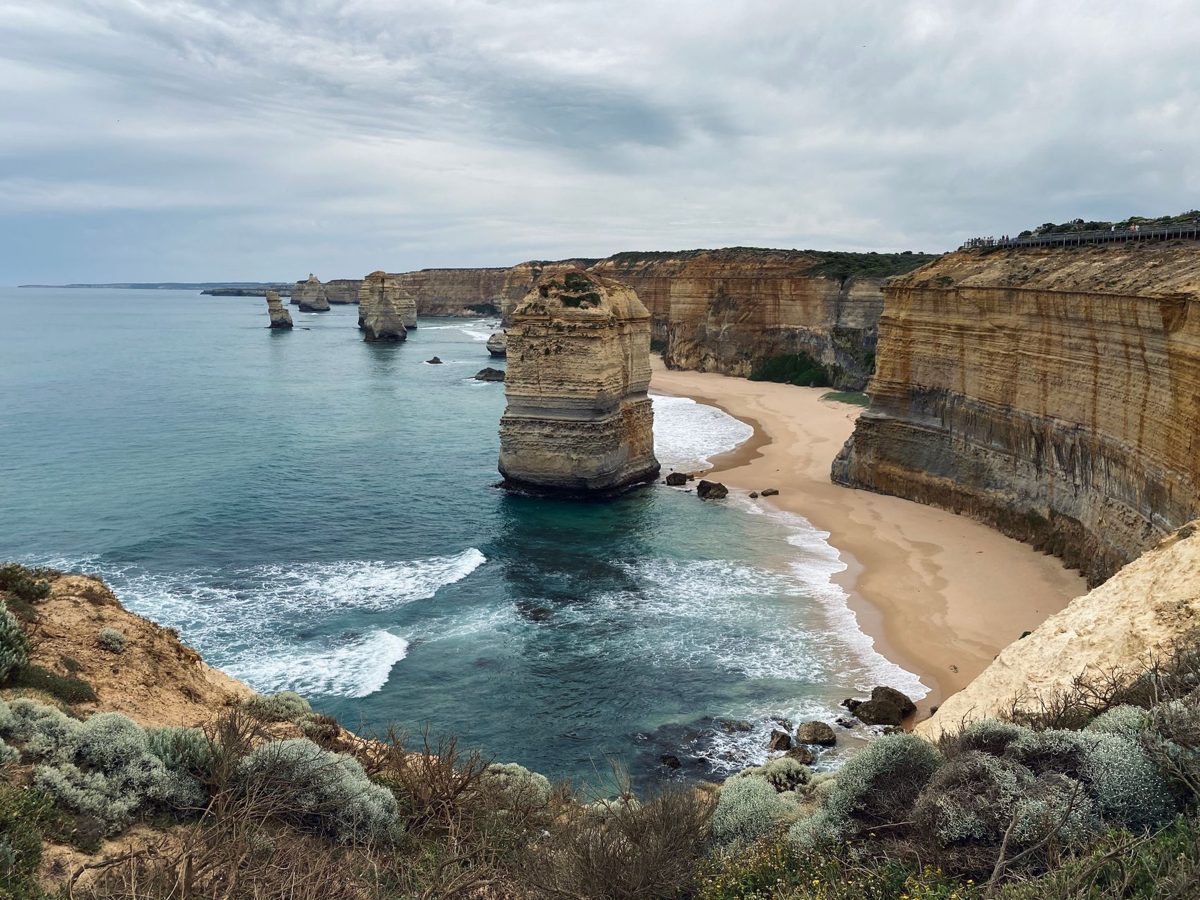
The big one. The Great Ocean Road is one of the world’s most spectacular coastal drives, and it deserves two days rather than a rushed single day. Pick up a hire car and head southwest: Day 5 takes in the surf coast — Torquay, the seaside town of Lorne, and the lush Otway rainforest — with plenty of lookouts and beach stops, staying overnight in a coastal town like Apollo Bay. Day 6 delivers the showstopper: the Twelve Apostles, the limestone stacks rising from the Southern Ocean, best at sunset, plus Loch Ard Gorge and the dramatic Shipwreck Coast before you loop back. If you’d rather not drive it, a long day tour is possible — our Great Ocean Road guide covers both options, though two days is far more rewarding.
Day 7: Your flexible finale
Round out the week however suits you. Options: a relaxed final city day to revisit favourites and shop for souvenirs; a day trip to the Mornington Peninsula for hot springs and beaches; the penguins at Phillip Island; or the fern gullies and Puffing Billy steam train of the Dandenong Ranges. It’s your week, so end it on the note you want — whether that’s one more long lunch in the city or a final adventure. Our day trips guide lays out all the options.
Where to stay
For a week-long trip, base yourself centrally — the CBD, Southbank or a lively inner suburb like Fitzroy — so the city days and day-trip departures are easy. You’ll only need to relocate for the Great Ocean Road overnight (book a coastal town like Apollo Bay or Port Campbell in advance). Our guide to where to stay in Melbourne breaks down the best neighbourhoods by budget and style.
Getting around
In the city, you won’t need a car — trams, trains and the Free Tram Zone cover everything, as explained in our public transport guide. Hire a car for the Great Ocean Road leg (and the Yarra Valley if you’re not taking a tour), picking it up when you need it rather than paying for city parking all week. Many visitors hire the car for days 5–6 only and return it after the coast.
Great Ocean Road: what to know before you go
Since the coast is the centrepiece of the week, a little planning makes it shine. The drive is long and winding, so build in plenty of time and don’t try to cram it into daylight if you can avoid it — the two-day pace exists for a reason. Fuel up before you leave the bigger towns, as petrol stations thin out along the coast. Bring layers and a rain jacket: the weather on the Shipwreck Coast can be wild even when Melbourne is calm. Aim to reach the Twelve Apostles for the golden hour around sunset, when the light turns the stacks amber and the crowds thin — but arrive with time to spare, as the viewing platforms get busy. Watch for wildlife on the roads, especially around dawn and dusk, and take the marked walking tracks to the lookouts at Loch Ard Gorge and the Apostles. Driving the loop back inland via the highway is faster than retracing the coast, which is worth knowing for day six.
Budgeting for the week
A seven-day trip can flex enormously depending on your style. Your biggest costs will be accommodation (book the Great Ocean Road overnight early, as coastal towns have limited rooms), car hire for the coast leg, and dining. To keep things affordable, lean on the city’s free attractions and markets, use public transport in town rather than a week-long car rental, and balance splurge dinners with market grazing and laneway lunches. The wine day and Great Ocean Road are where most of the discretionary spend goes, so prioritise accordingly. For ways to trim costs, our guide to free things to do in Melbourne is full of no-cost ideas, and the cheap eats guide keeps the food budget in check.
How to adapt this itinerary
This week is a template, not a rulebook. Short on time? Drop the buffer day and one day trip to make a tighter five-day version, or strip it right back to our 3-day itinerary for a long weekend. Got longer? Add a second night on the Great Ocean Road, a Phillip Island overnight for the penguins, or a few days exploring further into regional Victoria. Travelling with kids? Swap a wine day for the zoo, the aquarium or Phillip Island, and lean on our family guide. The structure — city, wine, coast, flex — holds up however you stretch or shrink it.
Best time of year for the week
This itinerary works year-round, but the shoulder seasons are the sweet spot. Autumn (March–May) brings warm, settled days, golden foliage in the city gardens and harvest time in the Yarra Valley. Spring (September–November) offers blossoming gardens, mild weather and a buzzing events calendar. Summer is warm and ideal for the beaches and the coast, but it’s peak season, so book early and expect crowds at the Apostles. Winter is quieter and cheaper, with a cosy, cultural city mood — just pack for cold, wild coastal weather. Whatever the season, the famous “four seasons in one day” means layering is essential; our best time to visit guide has the month-by-month detail.
Making the most of your city days
With three days in town, you can go beyond the headline sights. Dedicate time to the things Melbourne does best: a serious coffee crawl, a long weekend market, a hidden-bar evening, a gallery you’d never make time for on a shorter trip. Pick one neighbourhood to really get to know — wander its side streets, eat where the locals eat, and let yourself get a little lost. The city rewards slow exploration, and a week gives you the luxury of it. Our guides to the best restaurants and best coffee will keep you eating and drinking well all week.
Pre-trip planning checklist
A week-long trip with day trips rewards a little forward planning. Before you arrive: book your central accommodation and the Great Ocean Road overnight (coastal rooms are limited); reserve any hire car for the coast leg; lock in a Yarra Valley tour if you’re taking one; and book any must-do restaurants, which fill up fast. On arrival, grab a Myki card or set up Mobile Myki, pick up a local SIM for maps and rideshare, and download the PTV transport app. Check the weather forecast the night before each day so you can flip the city days and the coast day around if a storm is rolling in — flexibility is the key to a smooth week in a city this changeable.
Packing for city and coast
Because this week spans a cosmopolitan city and a wild coastline, pack for both. Layers are non-negotiable in Melbourne, where the weather can swing through “four seasons in one day”, so bring a mix you can add and shed, plus a compact umbrella and a wind- and water-resistant jacket for the Great Ocean Road. Comfortable walking shoes will carry you through the laneways and the clifftop lookouts alike, and sun protection — hat, sunglasses, SPF30+ — is essential year-round under the strong Australian sun. Smart-casual clothes cover the city’s restaurants and cellar doors. Pack light but versatile, and you’ll be ready for whatever the week throws at you.
Why a full week is worth it
Plenty of visitors give Melbourne just two or three days as a stopover, and they leave having seen a great city — but not Victoria. The thing a full week unlocks is the region: the cool-climate vineyards, the towering coastline, the wildlife and the small towns that surround the city are a huge part of what makes this corner of Australia special, and they’re all within easy reach. A week also lets the city itself breathe — time to linger over coffee, return to a neighbourhood you loved, and stumble onto the unplanned moments that become the best memories. If you possibly can, give Melbourne the seven days; it repays them generously.
Frequently asked questions
Is 7 days enough for Melbourne?
Seven days is ideal — enough to explore the city in depth and take in the Yarra Valley wine region and a two-day Great Ocean Road trip without rushing, with a flexible day to spare. It’s the sweet spot for a first visit that includes the surrounding region.
Should I do the Great Ocean Road in one day or two?
Two days is far better. A single day means a lot of driving and a rushed visit to the Twelve Apostles. With an overnight in a coastal town like Apollo Bay, you can enjoy the surf coast, the rainforest and the Shipwreck Coast at a comfortable pace.
Do I need a car for a 7-day Melbourne trip?
Not for the city — public transport covers it. You’ll want a hire car for the Great Ocean Road (and optionally the Yarra Valley). Many visitors rent a car just for those days and use trams and trains in town.
What’s the best time of year for this itinerary?
Autumn (March–May) and spring (September–November) offer the most pleasant weather for both the city and the coast. Summer is warm and great for the beaches but busier; see our best time to visit guide for the full breakdown.
The bottom line
A week in Melbourne lets you have it all: the coffee, laneways and food of one of the world’s great cities, the cellar doors of its wine country, and the raw beauty of the Great Ocean Road. Spread the driving days out, leave room to wander, and you’ll come home having seen Melbourne and Victoria at their very best. Shorten it with our 3-day itinerary if you’re tighter on time.
The coastal days in this plan follow the three-day version of our Great Ocean Road itinerary, which has the hour-by-hour detail, the sunset timing at Port Campbell, and what to change if you’re travelling in winter or without a car.