Best Restaurants in Melbourne: The Ultimate 2026 Dining Guide
- Words
- Melbourne Tourism Guide
- Updated
- August 20, 2026
- Read
- 25 min
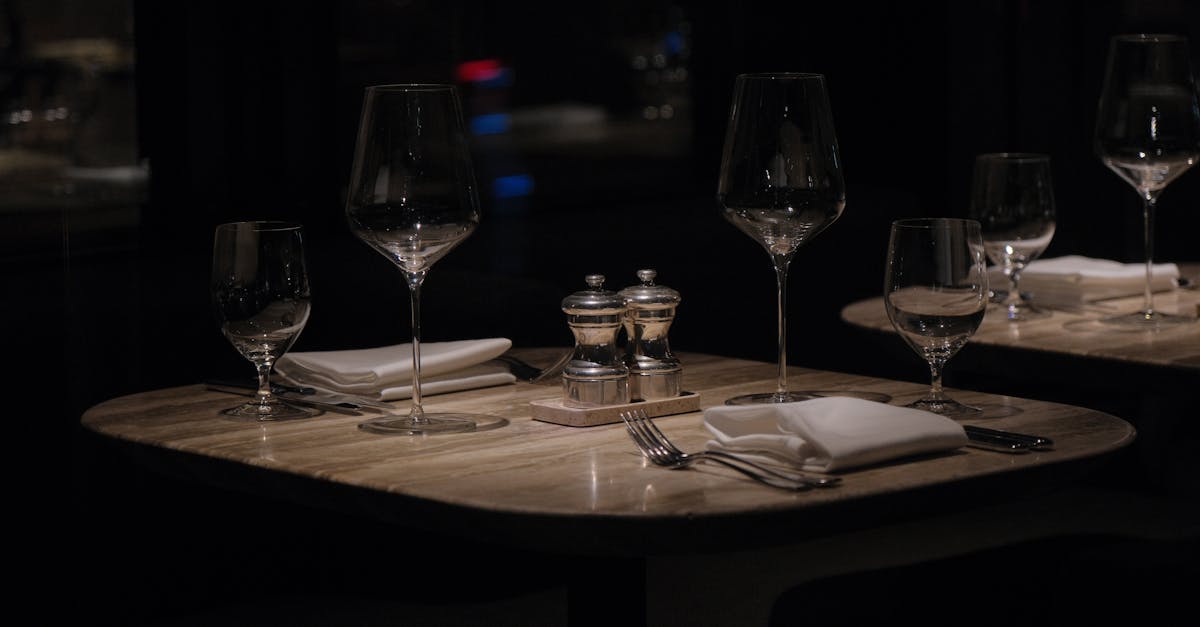
The ultimate guide to the best restaurants in Melbourne — 150+ picks across fine dining, mid-range, cheap eats, Italian, Asian, modern Australian, cafés, markets and rooftop bars.
This article contains advertising. Our booking links are routed through a partner that adds commission tracking automatically, so if you book through one we earn a commission from the provider, at no extra cost to you. It never affects what we recommend. Affiliate disclosure
Choosing the best restaurants in Melbourne means navigating what Good Food and The Age have, for 30+ years, ranked as Australia’s most serious dining city. Melbourne has more restaurants per capita than any comparable city in Asia-Pacific, an unmatched depth of migrant cuisines — Italian, Vietnamese, Greek, Lebanese, Chinese, Japanese, Ethiopian, Sri Lankan — and a distinctive local sensibility that favours produce-driven cooking, natural wine and small-plates informality over white-tablecloth formality. This 2026 guide breaks down where, what and how to eat across 150+ standout restaurants, cafés, bars and markets.
Unlike competitor lists (Broadsheet, Good Food, Time Out) that rank restaurants in a single long list, we’ve organised this guide by three lenses: price tier, cuisine, and neighbourhood. That way you can find the answer to “best restaurants in Melbourne under $50” as easily as “best Japanese restaurant in Fitzroy.” We’ve also included booking tips, dress code, and reasons not to bother with certain overhyped spots.
A note on methodology: every restaurant mentioned has been independently reviewed, awarded in the Good Food Guide hat system, or is a landmark in Melbourne’s living food culture. Tourist traps and reputation-only legacy venues are deliberately excluded. Prices reflect 2026 norms — Melbourne’s dining has moved firmly upmarket post-COVID, with mid-range mains now $38–$55 in most quality venues.
Table of Contents
- Melbourne’s food scene at a glance
- The 10 most important restaurants in Melbourne right now
- Best fine dining restaurants in Melbourne
- Best mid-range restaurants
- Best cheap eats and casual picks
- Best Italian restaurants
- Best Asian restaurants (Japanese, Chinese, Thai, Vietnamese, Korean)
- Best modern Australian restaurants
- Best Middle Eastern and Greek restaurants
- Best vegan and vegetarian restaurants
- Best cafés and brunch spots
- Best coffee in Melbourne
- Best food markets in Melbourne
- Best restaurants by Melbourne neighbourhood
- Best bars, wine bars and rooftop bars
- Booking tips and dress code
- Restaurants and strips to skip
- Frequently asked questions
Melbourne’s food scene at a glance
Melbourne’s food identity is built on four pillars: coffee, migrant cuisines, native produce, and wine-bar culture. Specialty coffee started with Italian migrants in the 1950s, was formalised by pioneers like Mark Dundon (Seven Seeds) and Matt Perger (St Ali) from the mid-2000s, and is now central to almost every café. Migrant restaurants fill in the middle tier — from 60-year-old Italian trattorias to family-run Vietnamese pho shops. At the top end, Modern Australian cuisine pulls from native ingredients (saltbush, finger lime, wattleseed, kangaroo) and executes with European technique. And everywhere, small, loud, informal wine bars with 10-seat kitchens have reshaped how people eat out.
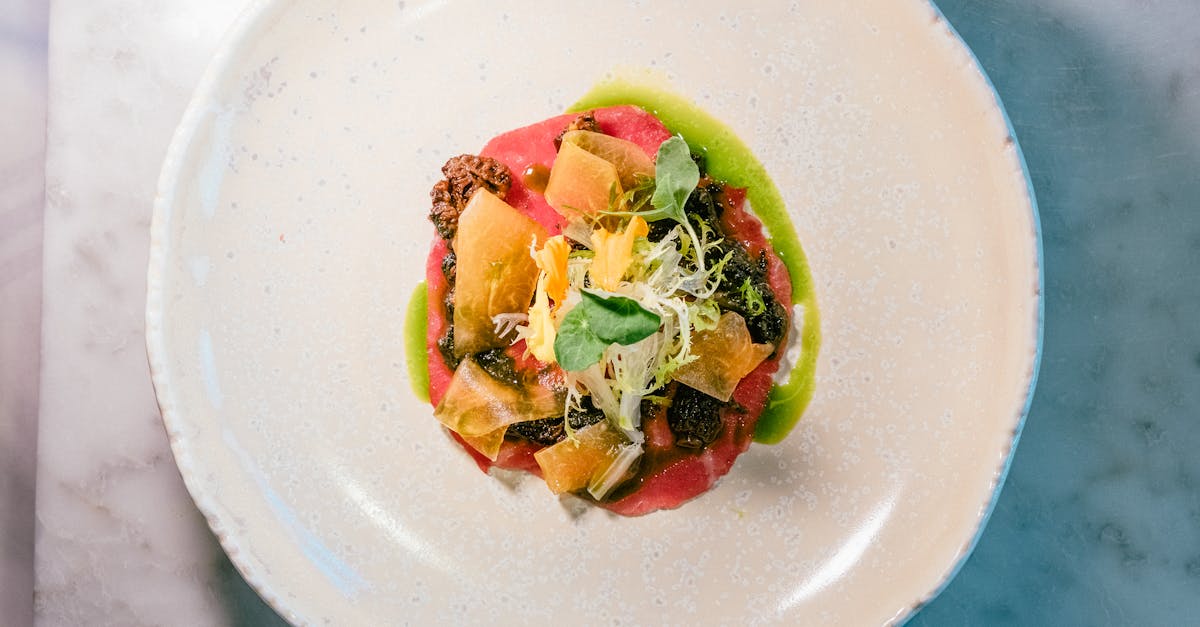
The Good Food Guide awards “hats” — one, two or three — as Australia’s equivalent of Michelin stars. Three-hatted restaurants are the country’s absolute top tier; Melbourne consistently has 6–8 three-hatted venues, more than Sydney. Two-hatted restaurants (roughly 20–25 in Melbourne in any given year) are the sweet spot for most special-occasion visitors — world-class cooking without the three-hour degustation commitment.
The 10 most important restaurants in Melbourne right now
If you only ate at ten places during your visit, these would make the shortlist. Between them they cover the best restaurants in Melbourne across fine dining, mid-range, and informal wine-bar cooking:
- Attica (Ripponlea) — Three hats. Ben Shewry’s flagship restaurant has been on the World’s 50 Best list for over a decade. Native Australian ingredients executed at the highest level. 10-course tasting $345pp, book 2–3 months ahead.
- Cutler & Co. (Fitzroy) — Andrew McConnell’s landmark Gertrude Street restaurant. Modern Australian, three hats in the past. Sunday lunch is legendary.
- Minamishima (Richmond) — Japanese omakase. 14-seat sushi counter, $280pp. Considered the best sushi in Australia.
- Flower Drum (CBD) — Cantonese. Open since 1975 and still one of the best Chinese restaurants outside Asia. Famous Peking duck.
- Supernormal (CBD) — Also McConnell. Modern Asian. Flinders Lane. No bookings after 6pm — line up or go early.
- Gimlet at Cavendish House (CBD) — Andrew McConnell’s bistro. Open kitchen, French-ish, excellent for solo diners at the bar.
- Cumulus Inc. (CBD) — Also McConnell (he dominates this list for a reason). Brunch institution. Lunch is better than breakfast for most diners.
- Chin Chin (CBD) — Modern Thai. No bookings, always a line, always worth it. Great share plates for groups.
- Embla (CBD) — Natural-wine-focused small plates on Russell Street. Among the best restaurants in Melbourne for solo dining.
- Maha (CBD) — Shane Delia’s Middle Eastern flagship. Feast menus are the move for groups.
Best fine dining restaurants in Melbourne
Melbourne’s fine dining scene clusters in two zones: the CBD high-rises (Vue de Monde atop the Rialto, Lui Bar, 28) and the inner suburbs’ destination restaurants (Attica, Brae a regional drive but associated with Melbourne). Expect $200–$400 per person for degustation + wine matches. Bookings essential; most three-hats are booked 4–8 weeks out.
- Attica (Ripponlea) — covered above. The flagship.
- Vue de Monde (Rialto, CBD, level 55) — French technique + Australian produce + 360° views. $295pp degustation. Best dress code: smart.
- Cutler & Co. (Fitzroy) — Modern Australian bistro-grand format.
- Society (CBD, Manchester Unity Building) — Chef Martin Benn (ex-Sepia Sydney). Mediterranean-leaning fine dining in a glamorous Art Deco setting.
- Lûmé (South Melbourne) — Modernist tasting menu with theatrical flourishes.
- Amaru (Armadale) — Two-hatted small restaurant, $250pp degustation. Chef Clinton McIver is a rising name.
- Brae (Birregurra, 90 min west) — Dan Hunter’s farm-to-table destination. Stay overnight. Probably Australia’s best “country” restaurant.
- Brunetti Classico’s sister, Sunda (CBD) — Modern South-East Asian, two hats. Less formal but intensely creative.
Best mid-range restaurants ($60–$100 per person)
The sweet spot for most visitors looking for the best restaurants in Melbourne without committing to a degustation. A two-course-plus-wine dinner in this bracket should run $70–$110 depending on choices.
- Tipo 00 (CBD) — Modern Italian pasta bar on Little Bourke. Pasta $28–$34, expect a 30-minute wait.
- MoVida (CBD) — Frank Camorra’s Spanish tapas. Original on Hosier Lane is still the best.
- Sunda (CBD) — Modern South-East Asian.
- France-Soir (South Yarra) — Classic French bistro. Open since 1986. Steak frites, frogs legs, the full experience.
- Longrain (CBD) — Modern Thai. Famous share plates.
- Pastuso (CBD) — Peruvian in AC/DC Lane. Pisco sours and ceviche.
- Mamasita (CBD) — Upscale Mexican. Corn queso fundido is an institution.
- Entrecôte (South Yarra) — Single-dish French steak frites. $44. Wait on weekends.
- Hawker Hall (Windsor) — Andrew McConnell’s casual Southeast Asian.
- Embla (CBD) — Natural wine bar with serious food.
- Lee Ho Fook (CBD) — Modern Chinese. Crispy eggplant is a must-order.
- Scopri (North Fitzroy) — Family Italian, Sardinian accent. Locals-heavy.
Best cheap eats and casual picks ($10–$30)
Melbourne has never lost its migrant-built cheap-eat culture. The best places for a $15 lunch still come from Vietnamese, Italian, Middle Eastern, Chinese and Thai communities. These are among the best restaurants in Melbourne for budget travellers and locals in the know.
- Nhu Lan Bakery (Richmond) — $8 banh mi. The GOAT of Melbourne banh mi.
- Mamak (CBD) — Malaysian roti. Line up on Lonsdale Street.
- HuTong Dumpling Bar (CBD) — Xiao long bao soup dumplings in Chinatown. $14 for 10.
- Gami Chicken & Beer (CBD) — Korean fried chicken, multiple locations.
- Pho Bo Ga Mekong (Richmond, Victoria St) — $16 pho. Open since 1999.
- Easey’s (Collingwood) — Burgers served from inside decommissioned train carriages on a rooftop.
- Stalactites (CBD) — Souvlaki institution, open 24 hours in the CBD.
- Lentil As Anything (Abbotsford, Footscray) — Pay as you feel vegetarian buffet at the Abbotsford Convent.
- Bao 101 (Kensington / CBD) — Best Taiwanese bao in the city.
- Old Town Hong Kong Cuisine (Chinatown) — Cantonese BBQ, char siu pork.
- A1 Bakery (Brunswick, Sydney Road) — Lebanese pizzas and pide.
- Falafel Kingdom (Coburg / North Melbourne) — Best falafel in the city, $12 wrap.
Best Italian restaurants
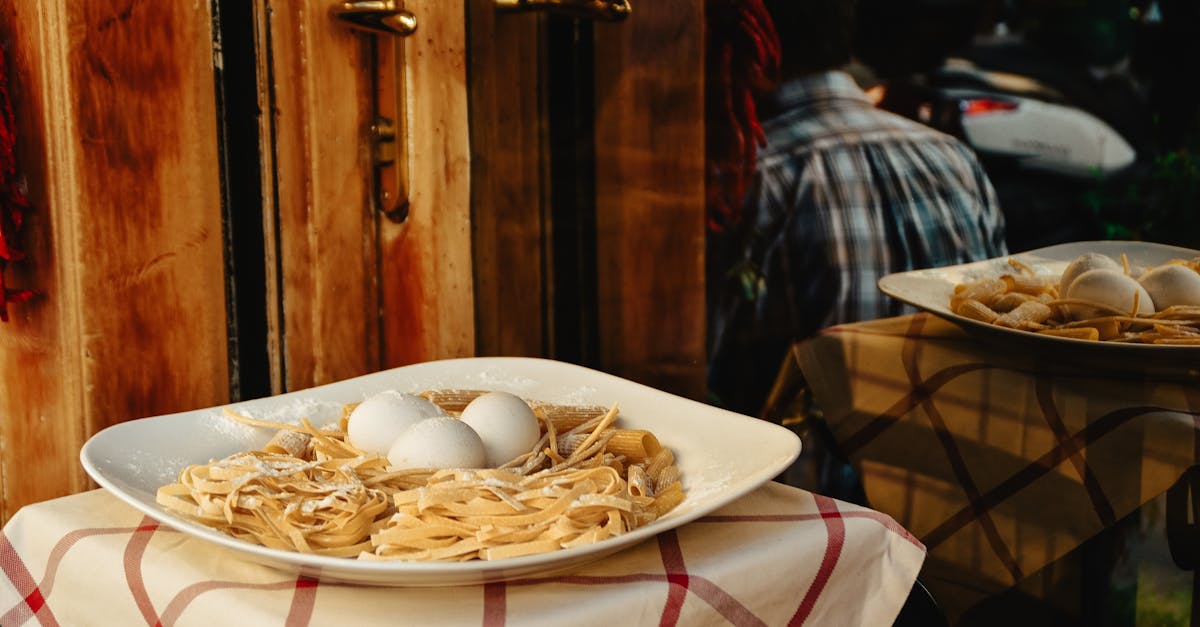
Italian is Melbourne’s deepest-rooted migrant cuisine — arrivals began in the 1890s and peaked in the 1950s. Lygon Street is the famous strip but the best Italian has long since diversified. Today’s key spots:
- Tipo 00 (CBD) — Modern pasta bar. Tagliatelle ragù is a house classic.
- Scopri (North Fitzroy) — Sardinian family restaurant. Outstanding wine list.
- Grossi Florentino (CBD) — 1928 institution. Formal dining room upstairs, casual grill downstairs.
- Osteria Ilaria (CBD) — Sister to Tipo 00, slightly more polished.
- D.O.C. Pizzeria (Carlton) — Neapolitan pizza certified by the AVPN.
- King & Godfree (Carlton) — Italian grocer downstairs, Agostino restaurant upstairs.
- Osteria Bimbo (St Kilda) — Southern Italian, beach-adjacent.
- Bar di Stasio (St Kilda) — Italian bar with espresso and negronis, one of Melbourne’s most elegant rooms.
- Lâneway (CBD) — Modern Italian trattoria on Little Bourke.
- 48h Pizza (multiple) — 48-hour fermented dough Neapolitan pizza.
Best Asian restaurants
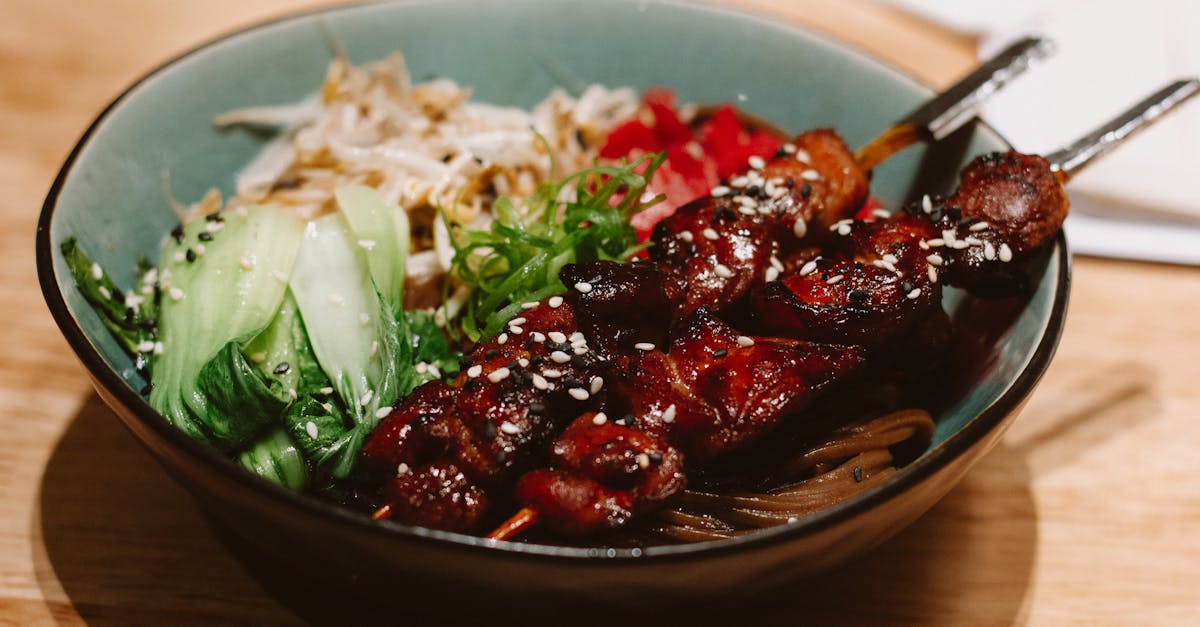
Japanese
- Minamishima (Richmond) — World-class omakase.
- Kisumé (CBD) — Lucas Group’s glamorous three-level Japanese.
- Komeyui (multiple) — Modern Japanese sharing plates.
- Kazuki’s (Carlton) — Intimate Japanese-Australian fusion, two hats.
- Toshi (Fitzroy) — Casual izakaya on Johnston Street.
Chinese
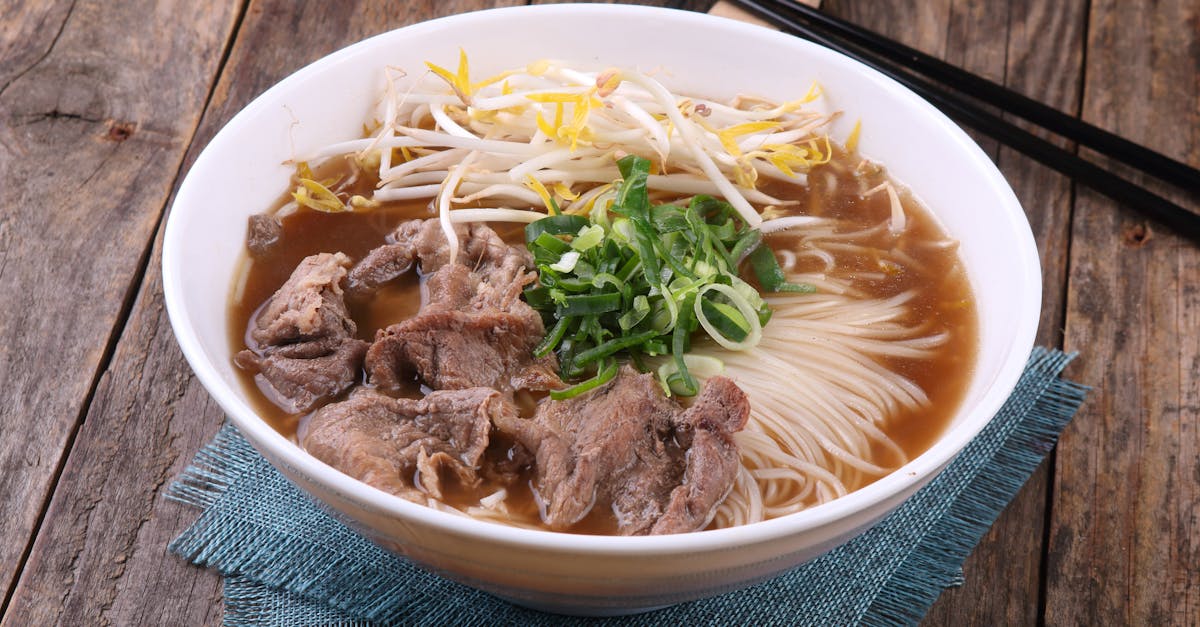
- Flower Drum (CBD, Chinatown) — Classical Cantonese.
- HuTong (CBD) — Xiao long bao.
- Lee Ho Fook (CBD) — Modern Chinese.
- Old Town Hong Kong Cuisine (Chinatown) — Char siu and roast duck.
- Shandong MaMa (Chinatown) — Dumplings, always a queue.
Vietnamese
- Pho Bo Ga Mekong (Richmond) — Classic pho.
- Thanh Phong (Richmond) — Grilled pork vermicelli.
- Annam (CBD) — Upscale modern Vietnamese.
- Uncle (St Kilda) — Vietnamese hawker-style.
- Misschu (multiple) — Fast-casual Vietnamese chain that actually delivers.
Thai
- Chin Chin (CBD) — Modern Thai share plates.
- Longrain (CBD) — Modern Thai.
- Soi 38 (CBD) — Thai street food in a car park (literally).
- Cookie (CBD) — Loud rooftop Thai in Curtin House.
Korean
- Gami Chicken & Beer (multiple) — KFC-style.
- Hanok (CBD) — Modern Korean small plates.
- Gogi Korean BBQ (CBD) — Tabletop grilling.
Best modern Australian restaurants
Modern Australian cuisine (sometimes “Mod Oz”) is where Melbourne’s top chefs express a distinctly local voice — native ingredients, seasonality, French/European technique.
- Attica — Three hats.
- Cutler & Co. — Two hats.
- Gimlet at Cavendish House — CBD bistro.
- Marion (Fitzroy) — McConnell’s Gertrude Street wine bar.
- Cumulus Inc. — CBD brasserie.
- Gazi (CBD) — George Calombaris-style modern Greek-Australian.
- Embla — Wine bar format.
- Entrée (CBD) — New on the scene, modern produce-driven.
Best Middle Eastern and Greek restaurants
- Maha (CBD) — Shane Delia’s Middle Eastern flagship. Two hats.
- Biggie Smalls (Fitzroy) — Mediterranean small plates.
- Stalactites (CBD) — 24-hour Greek souvlaki.
- Eastern Beach Cafe (Northcote) — Greek-Cypriot.
- Gazi (CBD) — Modern Greek.
- Hellenic Republic (Kew, Brunswick) — George Calombaris Greek taverna.
- Shane Delia’s George Street (CBD) — Middle Eastern wine bar.
- Babylon Cafe (Brunswick) — Lebanese mixed grills.
Best vegan and vegetarian restaurants
- Smith & Daughters (Fitzroy) — Vegan Latin-Spanish, internationally acclaimed.
- Smith & Deli (Fitzroy) — Sister sandwich shop.
- Lentil As Anything (Abbotsford Convent, Footscray) — Pay-as-you-feel vegetarian.
- Serotonin Eatery (Burnley) — All-day brunch, plant-based.
- Moroccan Soup Bar (Fitzroy North) — Legendary vegetarian. Cash only, no menu.
- Transformer (Fitzroy) — Modern vegetarian on Rose Street.
- Shakahari (Carlton) — Since 1972. Melbourne’s original vegetarian restaurant.
- Attica’s lunch — Not strictly vegan but has the best veg-focused tasting menu option.
Best cafés and brunch spots
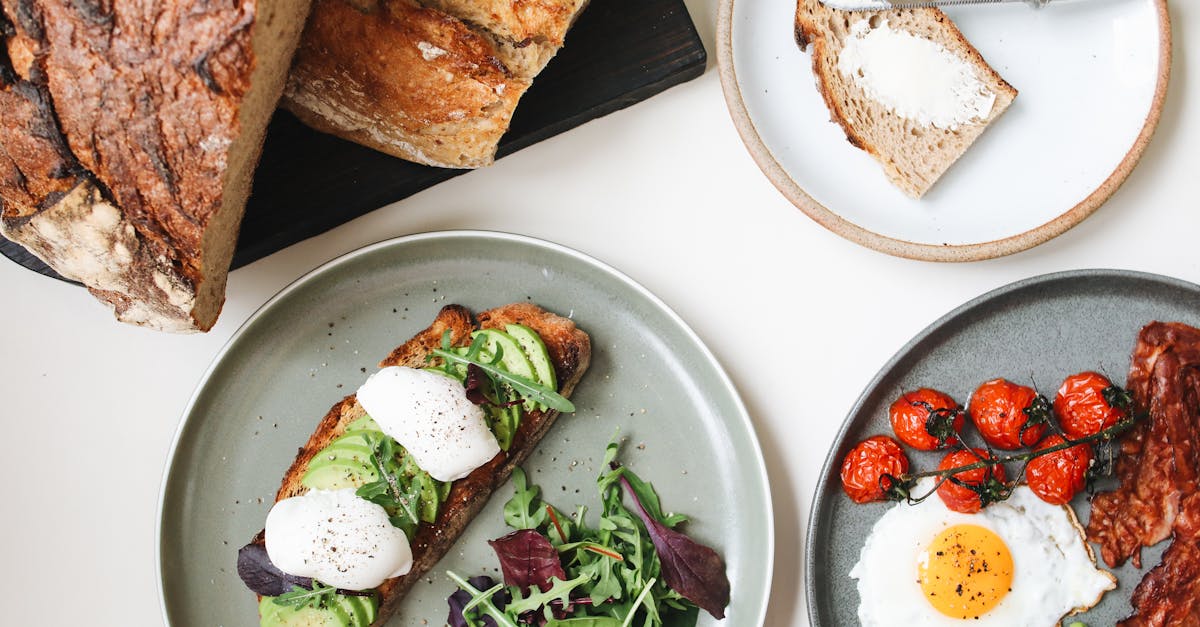
Melbourne’s café scene is arguably its most distinctive food export. These are the standouts across brunch, all-day dining and specialty coffee:
- Auction Rooms (North Melbourne) — Melbourne brunch classic since 2007.
- Top Paddock (Richmond) — Famous ricotta hotcakes.
- Higher Ground (CBD) — Cathedral-ceilinged former power station, $28 brunch dishes.
- Kettle Black (South Melbourne) — Instagram brunch institution.
- Proud Mary (Collingwood) — Specialty coffee roaster café.
- Industry Beans (Fitzroy) — Coffee-focused brunch spot.
- Hardware Societé (CBD) — French-style breakfasts, no bookings.
- Cumulus Inc. (CBD) — Multi-room brasserie brunch.
- Addict Food & Coffee (Fitzroy) — Brunch with brunch portions.
- Brother Baba Budan (CBD) — Tiny coffee bar on Little Bourke.
- Market Lane Coffee (multiple, inc. Queen Vic Market) — Specialty roaster.
- Sir Charles (Seddon / Yarraville) — Western-suburbs brunch favourite.
Best coffee in Melbourne
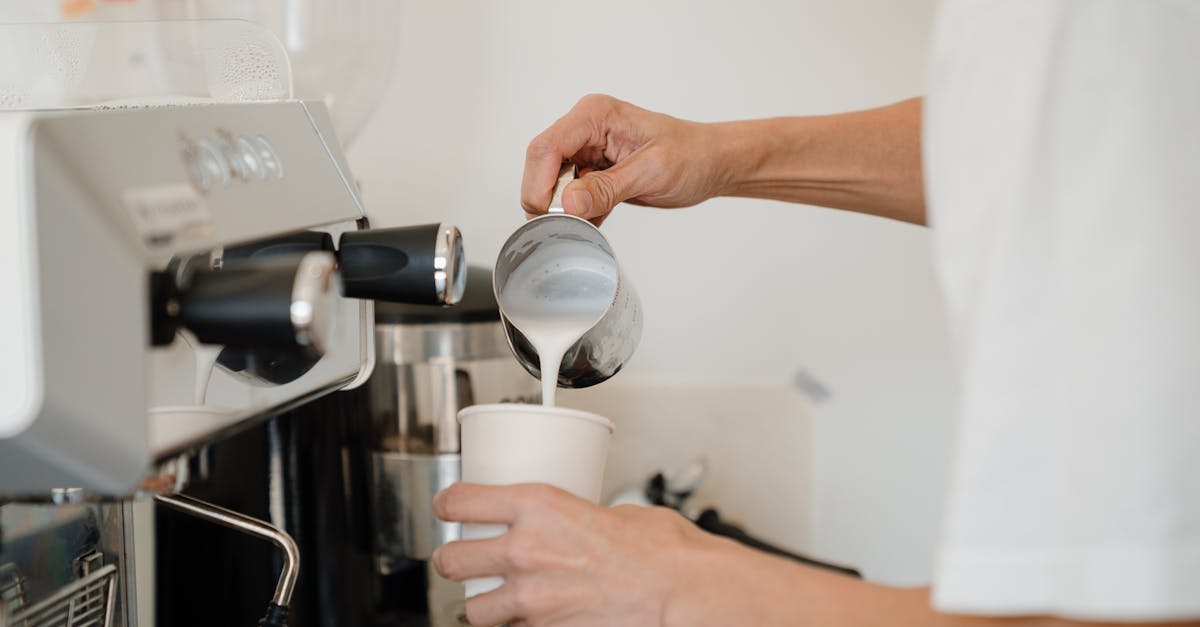
Top specialty roasters: Seven Seeds (Carlton), Market Lane (several locations), Proud Mary (Collingwood), St Ali (South Melbourne), Patricia (CBD), Brother Baba Budan (CBD), Small Batch, and Padre Coffee (Brunswick). For a local’s pour-over crawl, start at Market Lane Prahran, walk to Patricia in the CBD, and finish at Brother Baba Budan.
Best food markets in Melbourne
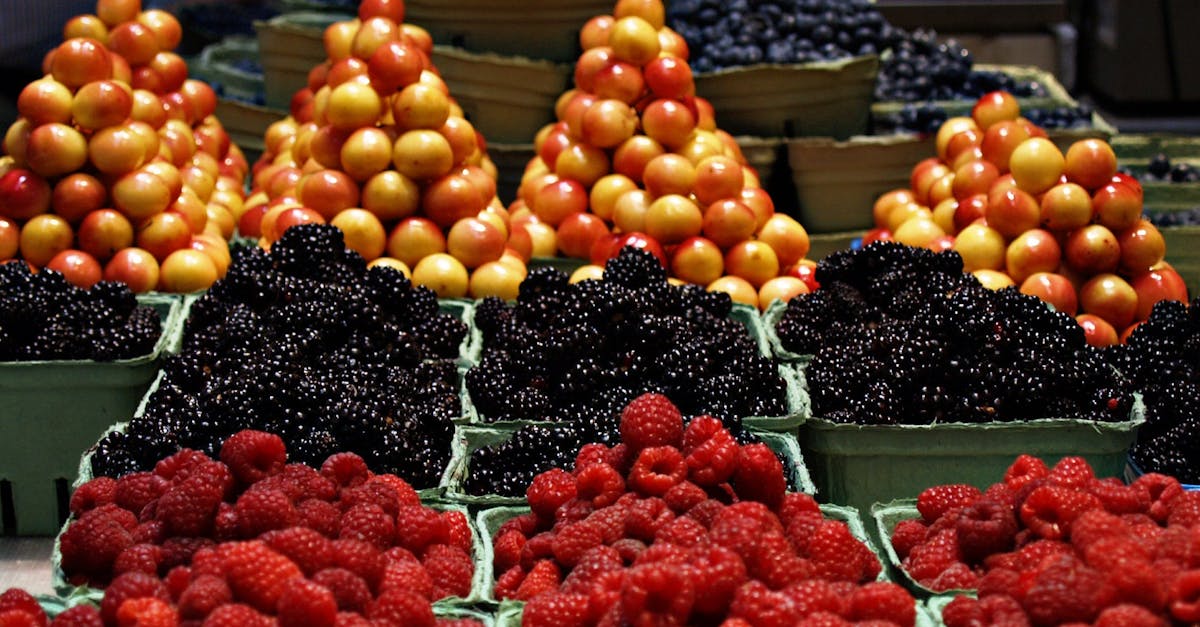
- Queen Victoria Market (CBD) — Since 1878. Deli hall, meat hall, fresh produce. Open Tue, Thu, Fri, Sat, Sun.
- Prahran Market (South Yarra) — Smaller, more curated. Tue, Thu, Fri, Sat, Sun.
- South Melbourne Market (South Melbourne) — Since 1867. Famous for dim sims and specialty food traders. Wed, Fri, Sat, Sun.
- Footscray Market (Footscray) — Multicultural wet market, amazing Asian and African produce.
- Abbotsford Convent Farmers Market (Abbotsford) — Saturdays.
- Caulfield Farmers Market — Sunday mornings.
Best restaurants by Melbourne neighbourhood
A quick at-a-glance summary of where to eat in each suburb (for the full breakdown of each area see our Melbourne neighbourhoods guide):
- CBD: Supernormal, Chin Chin, Gimlet, Tipo 00, Flower Drum, Cumulus Inc.
- Fitzroy: Cutler & Co, Marion, Smith & Daughters, Scopri, Industry Beans, Black Pearl bar.
- Collingwood: Easey’s, Proud Mary, Stomping Ground Brewery.
- Carlton: D.O.C. Pizzeria, King & Godfree, Shakahari, Brunetti.
- Brunswick: A1 Bakery, CIBI, Padre Coffee, Pope Joan.
- Richmond: Minamishima, Pho Bo Ga Mekong, Top Paddock, Nhu Lan Bakery.
- South Yarra / Prahran: France-Soir, Entrecôte, Kong BBQ, Prahran Market food hall.
- St Kilda: Bar di Stasio, Stokehouse, Uncle, Claypots.
- Southbank: Hana, Rockpool Bar & Grill, Tonka.
- South Melbourne: St Ali, South Melbourne Market food stalls, Lûmé.
Best bars, wine bars and rooftop bars
Cocktail bars
- The Everleigh (Fitzroy) — Classic cocktail lounge, perennially on World’s 50 Best Bars.
- Eau de Vie (CBD) — Hidden speakeasy on Malthouse Lane.
- Black Pearl (Fitzroy) — Fitzroy institution for 20+ years.
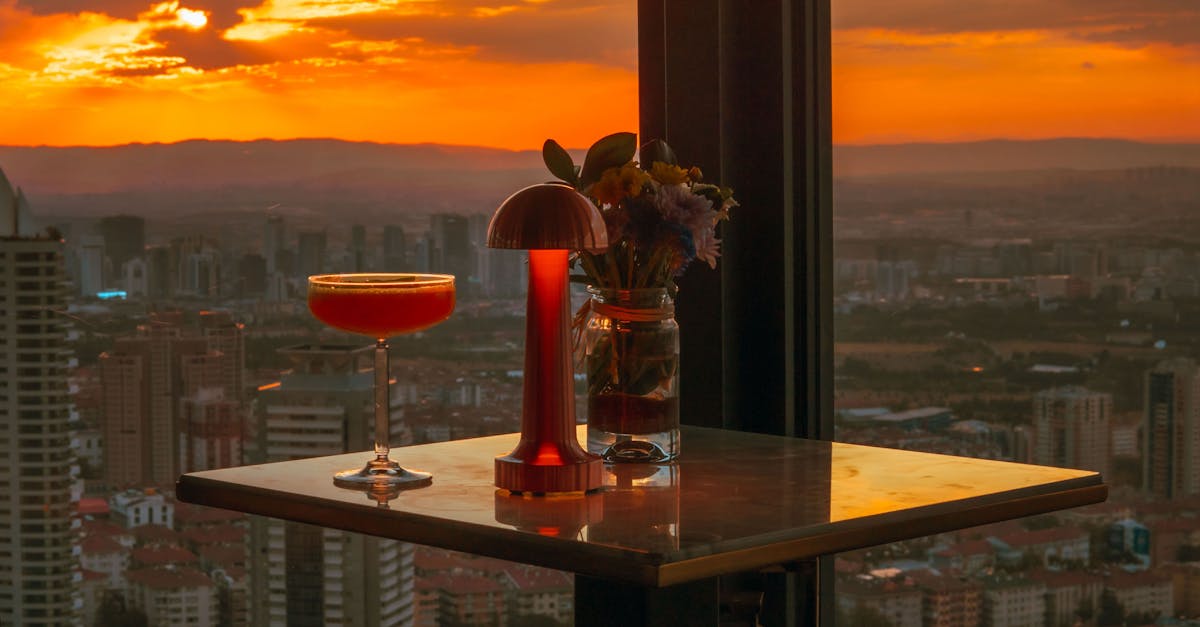
- Lui Bar (Rialto, CBD) — Level 55, impeccable cocktails with views.
- Romeo Lane (CBD) — Tiny and perfect.
Wine bars
- Embla (CBD) — The natural wine gold standard.
- Bar Liberty (Fitzroy) — Natural wine + snacks.
- Marion (Fitzroy) — McConnell wine bar.
- Bar di Stasio (St Kilda) — Elegant Italian-leaning.
- Gerald’s Bar (North Carlton) — Neighbourhood classic.
Rooftop bars
- Naked for Satan (Fitzroy) — Brunswick Street rooftop with bay views.
- Siglo (CBD) — Spring Street rooftop overlooking Parliament.
- Madame Brussels (CBD) — Astroturfed rooftop on Bourke Street.
- Rooftop at QT (CBD) — Hotel rooftop with skyline views.
- Lui Bar (CBD) — Level 55 at the Rialto.
Booking tips and dress code
- Most fine-dining venues: book online 4–8 weeks out (Attica 2–3 months). Walk-ins rarely work.
- Chin Chin, Supernormal, Cumulus Inc., HuTong: no bookings after 6pm. Either go early (5:30pm) or queue.
- Tipo 00, MoVida, Tipo’s overflow Osteria Ilaria: bookings possible; walk-ins work off-peak.
- Dress code: Melbourne is relaxed by global standards. “Smart casual” covers almost every top restaurant. Jackets not required. Clean trainers are fine except at Vue de Monde, where smart dress is requested.
- Tipping: not expected. Australian hospitality wages are legally high. 5–10% for excellent service is appreciated but not obligatory.
- Corkage: rare at top restaurants (most are BYO-free). At mid-range Italian restaurants on Lygon and Carlton, BYO is often still allowed for $8–$15 corkage.
Restaurants and strips to skip
Where not to eat matters as much as where to eat. A few honest notes:
- Lygon Street’s main tourist strip — the restaurants with hosts pulling tourists in from the footpath are generic and overpriced. Walk one block further or eat on Faraday/Elgin Streets instead.
- Crown complex food court — overpriced and generic. Crown’s signature restaurants (Nobu, Rockpool, Bistro Guillaume) are excellent; avoid the rest.
- Harbourside/Docklands waterfront restaurants — mostly chain-owned and underwhelming. Great view, mediocre food.
- Southbank’s Southgate food court — tourist-priced. Cross to the CBD for better value.
- Chapel Street’s Thai/Chinese budget restaurants — nothing terrible but better Thai exists in the CBD.
What eating out in Melbourne actually costs in 2026
Restaurant guides are strangely reluctant to print prices. That is unhelpful, because affordability is now the single biggest factor in how people choose where to eat — and Melbourne’s price spread is wide enough that you can eat superbly for $25 or $425 on the same night.
| Item | Typical 2026 price |
|---|---|
| Flat white | $4.97 average; $4.50–$5.50 at most cafés, $5–$6 specialty |
| Café breakfast or brunch | $20–$28 |
| Vietnamese or Asian casual main | Around $20 |
| Mid-range main at a quality restaurant | $38–$55 |
| French bistro main | Around $45 |
| Eye fillet steak | Around $65 |
| Degustation at a top-tier restaurant | $280–$425 per person |
| Corkage (BYO) | $3–$7 casual, $10–$15 mid-range, $20+ rare |
Two things get added to your bill that visitors often query. Public holiday surcharges are legal in Australia and typically run 10–15 per cent; venues must disclose them on the menu as prominently as the prices themselves, so look for the line before you sit down. Weekend surcharges are less common but exist. Neither is a tip.
Tipping is not expected. Australian hospitality staff are paid award wages, and there is no 15–20 per cent convention. Rounding up or leaving around 10 per cent for genuinely excellent table service is appreciated and entirely optional. Digital tip prompts on card terminals are becoming more common; declining them is normal and nobody will think twice.
Michelin, hats and what Melbourne’s awards actually mean
International visitors often arrive looking for Melbourne’s Michelin-starred restaurants. There aren’t any — and the reason is more interesting than it sounds.
Michelin is coming to Australia, but not to Melbourne first. The guide’s Australian debut is in South Australia, with the inaugural selection revealed in October 2026 and inspectors already at work. Melbourne and Sydney are not part of that first guide. So as things stand, no Melbourne restaurant holds a Michelin star, and any guide claiming otherwise is wrong.
What Melbourne has instead is the hat system, awarded by the Good Food Guide. One hat is very good, two is exceptional, three is the top of the country — and three-hat restaurants are rare, with just a handful in Victoria. In the 2026 Victorian guide, announced in late 2025, three hats were retained by Brae, Amaru, Minamishima and Vue de Monde. Restaurant of the Year went to Flower Drum, the Chinatown institution, in its fiftieth year. Chef of the Year was Thi Le of Anchovy, New Restaurant of the Year was Zareh in Collingwood, and regional honours went to Tedesca Osteria at Red Hill.
A word of caution when reading Melbourne restaurant coverage: there are two separate award schemes using the word “hat”, run by different publishers with different lists. If a claim about a restaurant’s hats matters to your booking, check which guide is being cited and from which year — the Victorian guide is announced each October, so the list turns over annually.
How to get a table at Melbourne’s hardest restaurants
The top tier books out, but the mechanics are predictable once you know them, and most visitors fail simply by trying too late.
- Know the release window. The hardest restaurants release tables on a fixed schedule rather than taking bookings indefinitely. Attica, for example, opens its books at 9am Melbourne time exactly 90 days ahead. Thirty to ninety days is the normal range across the top tier — work out your dining date, count back, and set an alarm.
- Expect a deposit. Degustation restaurants routinely take a per-person deposit at the time of booking, and cancellation terms are strict. Attica’s is $150 per person against a tasting menu that rose to $425 per person in September 2026.
- Book midweek. Tuesday and Wednesday are dramatically easier than Friday and Saturday at every level of the market, and the food is identical.
- Check the platform. Melbourne venues use SevenRooms, OpenTable, ResDiary, Quandoo and Now Book It. There is no single system, so a “fully booked” result on one platform tells you nothing about a restaurant that uses another. Go to the restaurant’s own website.
- Join the waitlist and turn up early. Cancellations are common and released automatically. Many of Melbourne’s best mid-tier restaurants also hold bar seats for walk-ins — arriving at 5.30pm alone or as a pair will get you in more often than not.
And the broader point: Melbourne’s depth means missing one restaurant costs you very little. The city’s second and third choices are better than most cities’ first.
Dining with dietary requirements
Melbourne is one of the easiest cities in the world to eat in with dietary restrictions, and roughly seven in ten venues now actively cater for them — a figure that has risen sharply in the last year.
- Coeliac and gluten-free. Melbourne has more Coeliac Australia–accredited venues than any other Australian capital. The distinction that matters is between a venue with “GF options” and one that is accredited — accreditation means audited kitchen procedures rather than a marked menu item. If you are coeliac rather than gluten-avoiding, search the accreditation list rather than a general restaurant guide.
- Halal. Two strong precincts: Sydney Road through Brunswick and Coburg, with a deep Lebanese and Turkish presence, and Lonsdale Street in Dandenong, where Afghan, Turkish and Lebanese restaurants sit side by side. Both are far better than hunting for halal options in the CBD.
- Kosher. Concentrated in Caulfield and Balaclava — Carlisle Street, Glen Huntly Road and Hawthorn Road — where Melbourne’s Jewish community has been established for generations. Certification is handled locally, so ask about supervision if it matters to you.
- Vegan and vegetarian. Covered in its own section above, but worth noting that Melbourne’s vegan scene is mainstream rather than niche — most standard restaurants have a genuine vegan option rather than a token one.
- Allergies. Australian venues take allergy disclosure seriously and staff are generally trained to escalate to the kitchen. Tell them when you book, not when you order.
Melbourne’s migrant food map, suburb by suburb
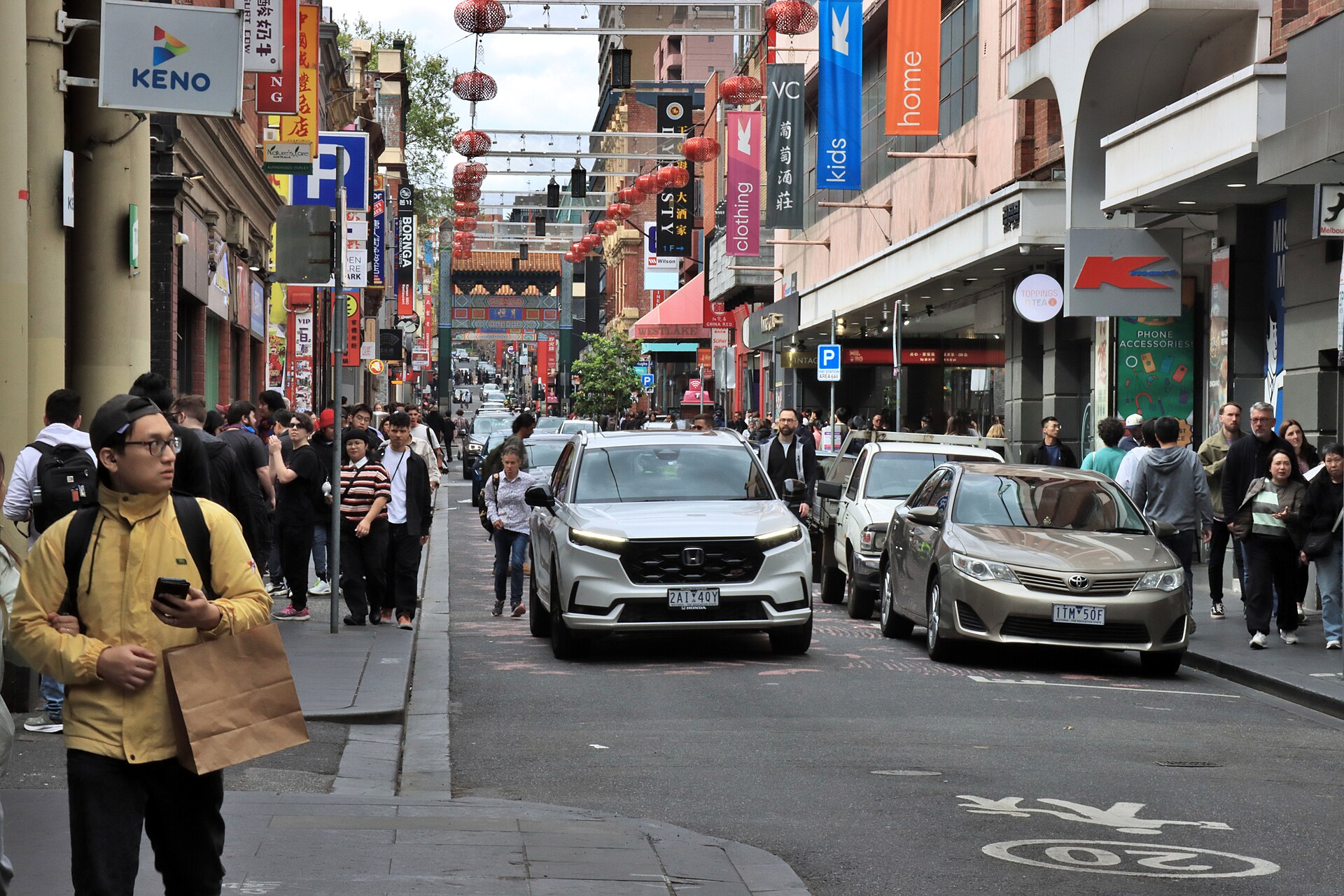
Melbourne’s best eating is not concentrated in a restaurant district — it is distributed across suburbs where particular communities settled. Travelling twenty minutes on a tram or train will get you food that no CBD restaurant can match, usually at half the price.
| Cuisine | Where to go | Getting there |
|---|---|---|
| Vietnamese | Victoria Street, Richmond; Footscray | Tram 109 or train to North Richmond; train to Footscray |
| Ethiopian and Horn of Africa | Footscray, and Dandenong | Train to Footscray, 10 minutes from the city |
| Greek | Eaton Mall, Oakleigh | Train to Oakleigh, then a two-minute walk |
| Afghan, Sri Lankan, Indian, Turkish, Lebanese | Lonsdale Street, Dandenong | Train to Dandenong, around 45 minutes |
| Lebanese and Turkish | Sydney Road, Brunswick and Coburg | Tram 19 |
| Chinese, regional | Chinatown in the CBD, plus the eastern suburbs | Walk, or train east |
| Italian | Lygon Street, Carlton — though the serious trade has dispersed | Tram 1 or 6 |
Two of these deserve a note. Footscray is ten minutes from Southern Cross and is arguably the best-value eating in Melbourne — Vietnamese, Ethiopian and East African within a few streets, almost none of it aimed at tourists. And Lygon Street is the one to be sceptical about: it retains the reputation but much of the genuinely good Italian cooking has moved to other suburbs, and the strip’s tourist-facing end is not where locals eat.
Eating alone, and eating late
Solo dining is unusually comfortable in Melbourne, largely because of the city’s counter culture. A very high proportion of good restaurants have a bar or kitchen counter with proper place settings, and many hold those seats back for walk-ins rather than taking bookings for them. That means a solo diner can often get into a restaurant that has been booked out for weeks by simply turning up at opening. Wine bars are even easier — most expect single diners and the staff will talk to you.
Eating late is a different matter. Melbourne kitchens generally close earlier than European ones — most restaurants stop taking food orders between 9pm and 10pm, and outside the inner suburbs earlier still. The reliable late option is Chinatown, on and around Little Bourke Street, where several long-standing restaurants serve well past midnight and at least one operates around the clock. Beyond that, the CBD’s late-licence bars generally do some form of food, and the inner north has a scattering of late kitchens. If you are arriving on an evening flight and want a proper meal, Chinatown is the answer.
Melbourne or Sydney: what’s actually different about eating here
The rivalry is real and the difference is genuine, though not in the way it is usually framed.
- Melbourne’s strength is the middle. Sydney matches Melbourne at the very top and beats it for harbourside spectacle. Where Melbourne pulls clearly ahead is the $30–$60 range and below — the density of excellent neighbourhood restaurants, wine bars and migrant kitchens is not close.
- Coffee is not a contest. Melbourne’s specialty coffee culture is older, deeper and more consistent, and it shows in the average cup rather than the best one.
- Melbourne dines inward, Sydney dines outward. Sydney’s best restaurants tend to have a view; Melbourne’s tend to be in a laneway, a basement or a converted terrace, with the room turned in on itself. That is a matter of taste rather than quality.
- Melbourne’s migrant food map is more distributed. Sydney’s ethnic food is superb but more suburban and harder to reach; Melbourne’s is spread along tram and train lines you are already using.
- Prices are broadly comparable at the top, with Melbourne cheaper in the mid-range.
Our full Melbourne versus Sydney comparison covers the rest of the trip, not just the eating.
Frequently asked questions
What is the most famous restaurant in Melbourne?
Attica in Ripponlea is internationally the most famous — on the World’s 50 Best Restaurants list for over a decade. Flower Drum in Chinatown is the most famous classical institution (since 1975).
What food is Melbourne known for?
Coffee (specialty roasters), brunch culture (smashed avo originated here), Vietnamese pho (from the refugee community), Italian pasta (century-old roots), and “Mod Oz” — Modern Australian cooking using native ingredients.
Where do locals eat in Melbourne?
Locals eat in Fitzroy (Cutler & Co, Smith & Daughters, Scopri, Bar Liberty), North Melbourne (Auction Rooms, Minh Tan), Richmond (Minamishima, Thanh Phong) and Carlton (D.O.C. Pizzeria, Shakahari). They rarely eat at the tourist strips on Lygon or Chapel unless it’s a specific favourite.
How much does dinner cost in Melbourne?
Cheap eats $15–$25 per person (Vietnamese, Thai, banh mi). Mid-range $70–$110 (two courses + wine). Fine dining $200–$400 per person (degustation + matched wines).
Do Melbourne restaurants close on Sundays or Mondays?
Many top restaurants close Sunday-Monday or Monday-Tuesday. Always check opening hours before planning. Supernormal, Chin Chin and most market brunch spots are open 7 days.
Is Melbourne more expensive than Sydney for dining?
Roughly equivalent at the high end, slightly cheaper at the mid-range. Melbourne has more variety of cheap-eats and ethnic cuisines than Sydney.
Are Melbourne restaurants BYO?
Some mid-range Italian and Asian restaurants still allow BYO with a corkage fee of $8–$15 per bottle. Fine dining and wine-focused places typically do not.
Where should I eat near the MCG before a game?
Swan Street in Richmond has the best pre-game pubs (Corner Hotel, The Mountain View). For sit-down dinners, walk into the CBD and eat on Flinders Lane.
What are the best restaurants in Melbourne for a first date?
Embla (wine bar energy, small plates, great for conversation), France-Soir (romantic French), Bar di Stasio (elegant Italian in St Kilda), Marion (Fitzroy wine bar), or Tonka (Indian-inspired with skyline views).
Does Melbourne have any Michelin-starred restaurants?
No. The Michelin Guide’s Australian debut is in South Australia, with the inaugural selection revealed in October 2026 — Melbourne and Sydney are not included in that first guide, so no Melbourne restaurant currently holds a star. Melbourne’s equivalent benchmark is the hat system awarded by the Good Food Guide, where three hats is the national top tier. In the 2026 Victorian guide, Brae, Amaru, Minamishima and Vue de Monde all retained three hats.
How much should I budget for dinner in Melbourne?
Around $25–$35 per person for a casual meal in a Vietnamese, Middle Eastern or Asian restaurant; $60–$100 for a proper dinner at a good mid-range restaurant with a drink; and $280–$425 per person for a degustation at the top tier. Mains at quality restaurants run $38–$55. Add 10–15 per cent if you are dining on a public holiday. Melbourne’s real strength is the middle of that range, where the value is genuinely excellent.
Do you tip in Melbourne restaurants?
No, tipping is optional and not expected. Hospitality staff in Australia are paid award wages rather than relying on tips, so there is no equivalent of the American 15–20 per cent convention. If the service was genuinely excellent, rounding up the bill or leaving around 10 per cent is a nice gesture and will be appreciated. Card terminals increasingly prompt for a tip; declining is completely normal and carries no stigma.
Why is there a surcharge on my bill?
Almost certainly a public holiday surcharge, typically 10–15 per cent, occasionally a weekend one. These are legal in Australia — venues pay penalty rates on those days — but they must be disclosed on the menu as prominently as the prices, usually as a line reading “a surcharge of X% applies on public holidays”. It is not a tip and not optional. If it was not disclosed anywhere, you are entitled to query it. Note that Melbourne Cup Day is a public holiday in metropolitan Melbourne, which surprises visitors.
How far in advance do I need to book?
For the very top tier, 30 to 90 days — and books open on a fixed schedule rather than continuously, so you need to know the release date. Attica, for instance, releases tables at 9am Melbourne time exactly 90 days ahead, with a deposit taken at booking. For good mid-range restaurants, a week is usually plenty midweek and two weeks for a Friday or Saturday. Melbourne venues use several different booking platforms, so check the restaurant’s own website rather than assuming one platform shows everything.
What does BYO mean, and what will corkage cost?
BYO means you may bring your own wine, and it is a genuine Melbourne institution — particularly at Vietnamese, Indian and other family-run restaurants. Corkage is the per-person fee for opening it: roughly $3–$7 at casual venues, $10–$15 at mid-range restaurants, and above $20 only rarely. Most BYO venues are wine-only, not beer or spirits, and many licensed restaurants do not permit BYO at all. Check before you turn up with a bottle.
Is Melbourne good for gluten-free, halal or kosher diners?
Very. Melbourne has more Coeliac Australia–accredited venues than any other Australian capital, and accreditation means audited kitchen procedures rather than just a marked menu. For halal, head to Sydney Road in Brunswick and Coburg, or Lonsdale Street in Dandenong. For kosher, Caulfield and Balaclava — Carlisle Street, Glen Huntly Road and Hawthorn Road — have been the centre of Melbourne’s Jewish community for generations. Around 70 per cent of Melbourne venues now actively cater to dietary needs, so even outside those precincts you will rarely be stuck.
Where can I eat late at night in Melbourne?
Chinatown, on and around Little Bourke Street in the CBD. Melbourne kitchens generally stop taking orders between 9pm and 10pm, which catches out visitors used to later European or Asian dining hours, but several long-established Chinatown restaurants serve well past midnight and at least one trades around the clock. Beyond Chinatown, late-licence bars in the CBD do bar food, and the inner north has a handful of late kitchens. If you land on an evening flight and want a real meal, head to Little Bourke Street.
Final picks: 5 restaurants to prioritise in 2026
If you’re deciding among the best restaurants in Melbourne and only have five bookings to make, our 2026 recommendation: (1) Attica for a once-in-a-lifetime three-hat dinner if you can get a table; (2) Cutler & Co. for the best restaurants in Melbourne experience at a (slightly) more accessible level; (3) Embla for the small-plates wine-bar format that defines modern Melbourne; (4) Pho Bo Ga Mekong for a $16 pho that will stay with you; and (5) Auction Rooms or Cumulus Inc. for the brunch culture that made Melbourne famous. Between them you’ll have experienced the full range of what makes the best restaurants in Melbourne worth the trip.
Plan the rest of your trip with our things to do in Melbourne guide, pick the right month in our best time to visit Melbourne guide, and figure out where to base yourself with our where to stay in Melbourne guide.
More Melbourne Eating and Drinking Guides
- Best Cafes in Melbourne (2026): 50 Cafes Locals Actually Love
- Best Coffee in Melbourne (2026): Why This City Rules Coffee Culture
- Queen Victoria Market (2026): Complete Guide to Hours, Food and Tips
- Best Brunch in Melbourne (2026): 35 Must-Try Brunch Spots
- Best Vegan Restaurants Melbourne (2026): 30 Plant-Based Spots
- Cheap Eats in Melbourne (2026): 60 Great Meals Under $20
- Best Italian Restaurants Melbourne (2026): 30 Top Italian Spots
- Fine Dining Restaurants in Melbourne: The Complete Guide
- Melbourne Food Tours: The Best Tastings & Walks
- Best Asian Restaurants Melbourne (2026): Complete Guide
- Best Food Markets in Melbourne: A Local’s Guide