Melbourne on a Budget (2026): Daily Cost Breakdown & Free Things to Do
- Words
- Melbourne Tourism Guide
- Updated
- October 25, 2026
- Read
- 25 min
Melbourne on a budget — full daily cost worksheet, best hostels and cheap hotels, free attractions, cheapest eats, free walking tours, and how to use the Free Tram Zone and Myki cap.
This article contains advertising. Our booking links are routed through a partner that adds commission tracking automatically, so if you book through one we earn a commission from the provider, at no extra cost to you. It never affects what we recommend. Affiliate disclosure
Last updated: August 2026. Melbourne isn’t cheap by global backpacker standards — but it’s entirely affordable if you know which corners to cut and which to keep. This guide to Melbourne on a budget gives you realistic daily cost worksheets, the best dorm beds and budget hotels, the specific restaurants and markets where meals stay under A$15, and the long list of free things to do that make up 30–40% of most budget itineraries. All prices are in Australian dollars and current as of April 2026.
Expect to spend A$90–120 per day on a tight backpacker budget, A$150–220 per day on a mid-range budget, and A$300+ per day for comfort hotels and restaurant meals. Below are the exact line items that make up those numbers — and how to trim each one.
Melbourne on a budget: daily cost worksheet
| Category | Shoestring | Budget | Mid-range |
|---|---|---|---|
| Dorm / room | $35 (8-bed dorm) | $55 (4-bed dorm) | $150 (private room) |
| Breakfast | $5 (hostel kitchen) | $10 (bakery) | $20 (café) |
| Lunch | $8 (supermarket) | $15 (QVM / food hall) | $25 (sit-down) |
| Dinner | $12 (Asian noodles) | $20 (casual bistro) | $40 (mid-range) |
| Public transport | $5.70 (weekday cap; $4.00 weekends) | $5.70 | $5.70 |
| Attractions | $0 (free only) | $15 (one paid) | $35 (skydeck+) |
| Coffee + extras | $5 | $10 | $20 |
| Total | $70.20 | $130.20 | $295.20 |
A shoestring budget traveller can see Melbourne for under A$100 a day if they stick to free attractions and self-cater. Add one evening of live music or a drink out and the total creeps to A$120. The real budget killer is alcohol — a round of three drinks at a bar approaches $40, or a full day’s food budget.
Budget accommodation

- United Backpackers (Elizabeth Street, CBD) — $35–50 dorm bed, opposite Flinders Street Station. Central and social.
- Melbourne Central YHA (562 Flinders Street) — $45–65 dorm, private rooms from $140. Clean, quiet, YHA-member discount.
- Space Hotel (Russell Street) — capsule-style pods from $55, great for light sleepers. Central CBD.
- Discovery Melbourne (Elizabeth Street) — $40–55 dorm, free pasta Sundays, rowdy social vibe.
- Habitat HQ (St Kilda) — $45–55 dorm, near beach. Better for longer stays.
- The Nunnery (Fitzroy) — $50 dorm in a converted 1888 convent. Beautiful building, quieter scene, close to Brunswick Street.
- Nomads Industry (Fitzroy) — $40 dorm, pool table, live music Wednesdays.
For private-room budget travellers, look at easyHotel Melbourne (Flinders Street; shoebox singles from $95), Atlantis Hotel (300 Spencer Street; $130–170), or Airbnb rooms in Brunswick/Fitzroy from $80/night. Staying a week or more? Ask Oaks, Quest or Adina for a weekly rate and set it against the nightly price for the same dates. Avoid St Kilda Road chain hotels — priced for airport-bound business travellers.
Getting around Melbourne on a budget
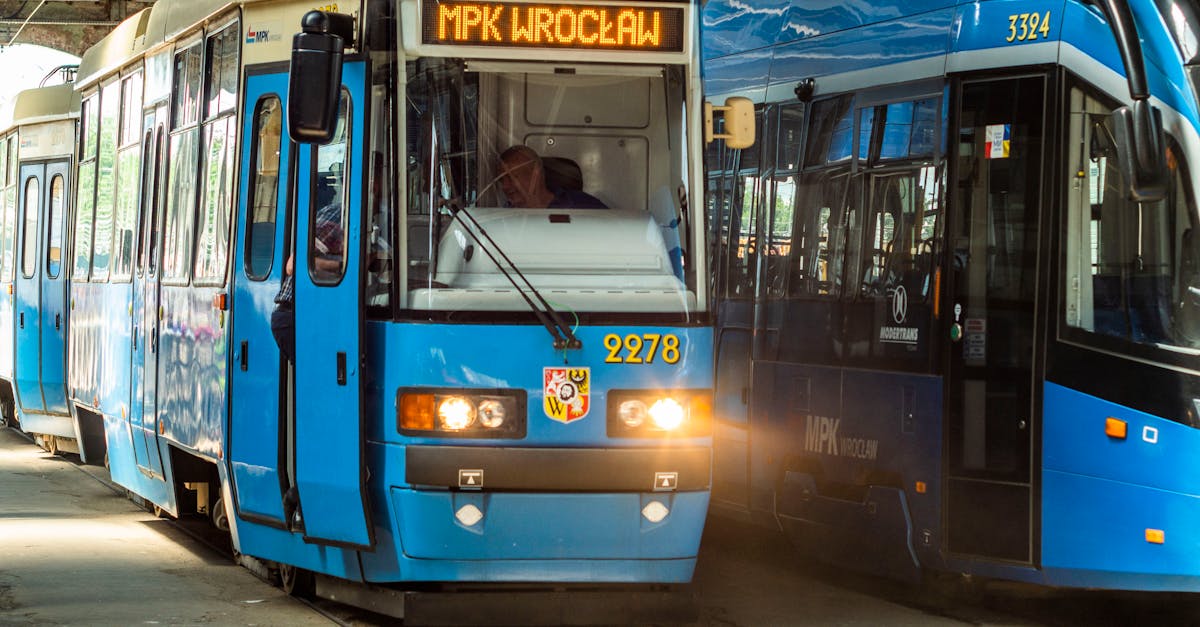
Melbourne’s transport system has two budget-friendly features that no other Australian city matches:
- Free Tram Zone — all trams inside the CBD and Docklands are completely free. This covers Flinders Street, Federation Square, Queen Victoria Market, Chinatown, Southbank (to Casino), and Docklands. You can ride all day without paying a cent.
- Daily Myki cap — once you tap on and spend A$5.70 (weekdays) or A$4.00 (weekends/public holidays) at the current half-price fares, the cap kicks in and no further fares charge that day. Zones 1 and 2 are both included.
A Myki card costs $6 (non-refundable); load with the daily cap and ride unlimited trams, trains, and buses. Skip taxis and Uber — even short CBD trips push $15–20 each way.
Airport transfer: SkyBus to CBD is $25.90 one way or $43.40 return, which works out at $21.70 each way. Avoid taxis ($75+) unless splitting 3+ ways. Uber from Tullamarine to CBD usually $55–70 — still cheaper than taxi but worth dividing.
Free things to do in Melbourne
- NGV International and NGV Australia — entry to permanent collection is free; paid exhibitions (Fri night openings are quieter).
- State Library of Victoria — free, the Domed Reading Room is one of Melbourne’s most photogenic interiors, Ned Kelly’s armour on display.
- Royal Botanic Gardens — free, open daily, 38 hectares of planted gardens, free walking maps.
- Queen Victoria Market — free to browse, a Melbourne rite of passage.
- Free Walking Tours — Free Tour Melbourne runs a two-hour, tip-based walk through the historic CBD; check start times and the meeting point on its site when you book.
- I’m Free Walking Tours — tip-based, daily 10:30am from the Sir Redmond Barry statue outside State Library Victoria.
- Hosier Lane and the laneway street art — self-guided art walk past stencils and murals that change from month to month.
- ACMI free permanent exhibition — screen history, film props, interactive games.
- Koorie Heritage Trust — free Aboriginal art and culture galleries at Fed Square.
- Brighton Bathing Boxes — free beach walk; take a Sandringham line train to Brighton Beach station, then a scenic 500 m walk via Green Point.
- Fitzroy Gardens + Cook’s Cottage grounds — gardens free; cottage $8.20 adult.
- Shrine of Remembrance — free entry, impressive WW1 memorial.
- Docklands waterfront + free weekly events — Friday night fireworks in summer.
- St Kilda Pier + penguin colony — free viewing at sunset; little penguins come ashore between rocks on the breakwater.
- Free trams and the City Circle tram (Route 35) — a heritage loop-tram narrating CBD landmarks.
Cheap eats in Melbourne
- Chinatown (Little Bourke Street) — noodle bowls $10–14. Shanghai Dumplings (Tattersalls Lane, $12 dumplings), Supper Inn (post-midnight Cantonese, $15 dishes), Dainty Sichuan ($18 mains).
- Footscray (train to Footscray, 10 min from CBD) — Vietnamese pho $10–14, African food $12, cheapest authentic ethnic eats in Melbourne.
- Sydney Road Brunswick — Middle Eastern kebabs, Turkish pide under $15, A1 Bakery for Lebanese pizza (meat pizza $7, zaatar $2.50).
- Queen Victoria Market food stalls — veal parma rolls $10, fresh sushi, hot jam doughnuts ($8 for 5), gözleme ($12).
- Shakahari (Carlton) — vegetarian mains $22–26, affordable healthy eats.
- Hakata Gensuke ramen (Russell Street) — tonkotsu ramen $17–20.
- Mamak (Lonsdale Street) — Malaysian roti canai and nasi lemak $14–18.
- Lord of the Fries (Flinders Street) — vegan fast food, burgers $11, fries $6. Open late.
- Greasy Joe’s (St Kilda) — cheap breakfasts $12–18, good for morning after.
- University cafeterias (RMIT, University of Melbourne) — anyone can buy; meals $10–15.
- 7-Eleven and Coles/Woolworths — $5–7 hot pies, $3 rolls, $3 sushi at lunchtime.
- Paul’s Bakery, Noisette — pastries and sandwiches $6–10.
Markets for self-catering
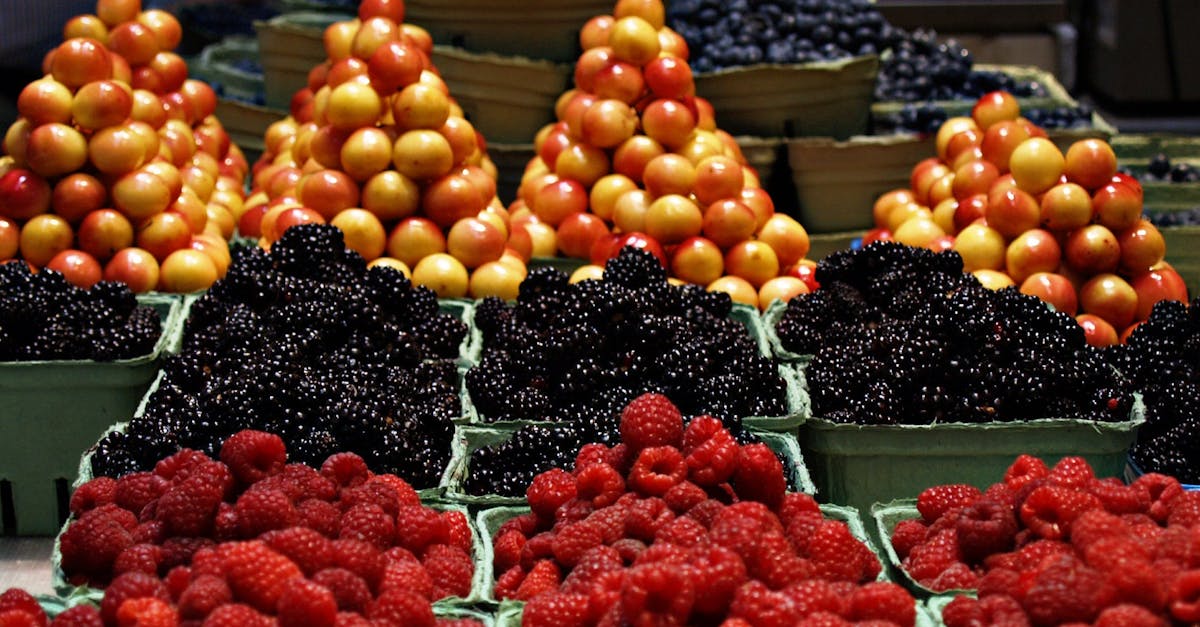
Having a kitchen at your hostel or Airbnb turns Melbourne into a much cheaper city. The best budget-friendly markets:
- Queen Victoria Market (Tue, Thu–Sun) — fruit/veg at the Tuesday and Sunday late-day clear-outs, fresh meat and fish, deli cheeses, bread. Buy a whole chicken $12, a kg of strawberries $5 in season.
- South Melbourne Market (Wed, Fri–Sun) — smaller but cheaper for fresh produce; famous for dim sims ($3 each).
- Prahran Market (Tue, Thu–Sun) — artisan focus; higher prices but quality.
- Dandenong Market (Tue, Fri, Sat, Sun) — big fresh-produce market, open Tuesday, Friday and Saturday 7am–4pm and Sunday 9am–4pm; closed on Melbourne Cup Day (3 November 2026).
- Coles and Woolworths — supermarket chains on every second CBD block. Bakery ciabatta $3.50, chicken breasts $9/kg, ready-meal pasta $7, cheese $8. Close discounts (“Specials”) run through most categories.
- Aldi — Elizabeth Street, Queen Victoria Market. Limited brand choice but great for basics.
Free picnics and parks
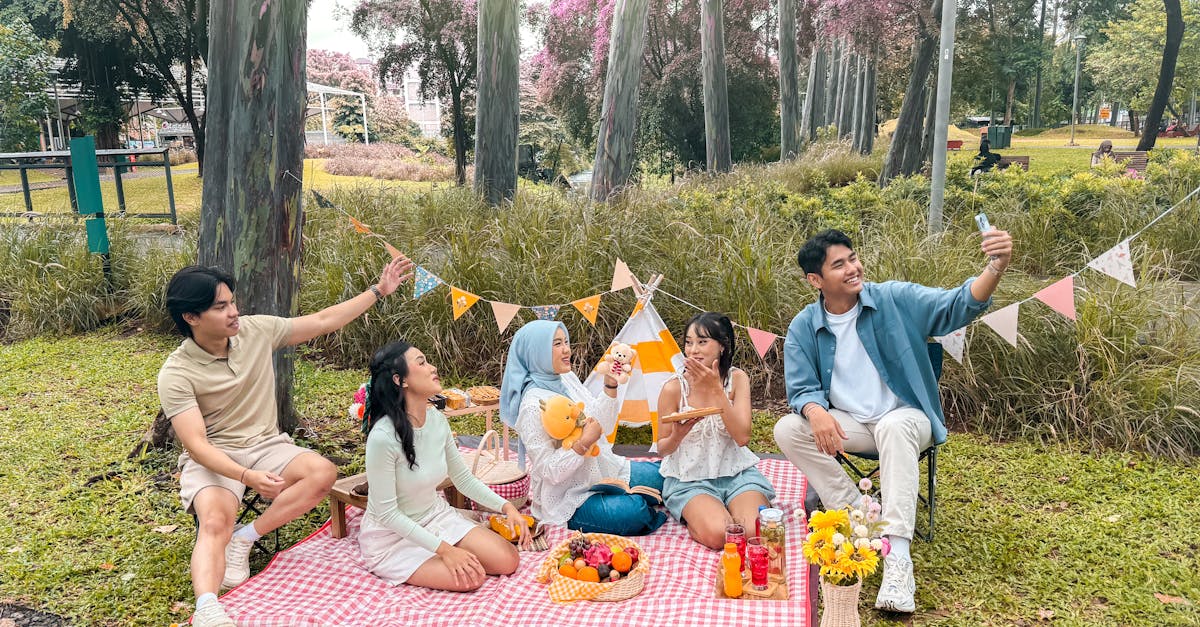
Most major Melbourne parks have free electric barbecues — a free, easy dinner if you pick up snags and bread rolls from the supermarket on the way. The key parks:
- Royal Botanic Gardens — picnic spots, no barbecues but perfect for cheese-and-bread lunches.
- Alexandra Gardens — on the Yarra, has barbecues, views of city skyline.
- Fitzroy Gardens — East Melbourne, barbecues and playgrounds.
- Flagstaff Gardens — a public garden since 1862 and one of central Melbourne’s historic gardens; CBD convenient.
- Treasury Gardens — perfect for morning coffee with a takeaway.
- Edinburgh Gardens (Fitzroy North) — hipster-favourite picnic park with barbecues.
- Princes Park (Carlton) — 38.6 hectares, barbecue, good running track.
Cheap coffee and café hacks
Melbourne takes its coffee seriously. A takeaway flat white runs $4.50–5.50 at a specialty cafe; $3.80–4.50 at a suburban bakery or convenience chain (7-Eleven has surprisingly drinkable $2 coffee). Three tactics to drink well on a budget:
- Take a reusable keep-cup: some cafes take a little off the price for it.
- Order a “long black” or “batch brew” instead of milk drinks — usually $4.
- Walk two blocks away from CBD flagships. Collingwood, Northcote and Carlton are full of neighbourhood cafes, so compare their boards with Collins Street before you settle on a regular.
Budget breakfasts worth seeking: Hash $12 at Proud Mary (Collingwood), $13 breakfast wraps at Seven Seeds, A1 Bakery’s $7 meat pizza, or $7 banh mi from Footscray.
Free walking tours
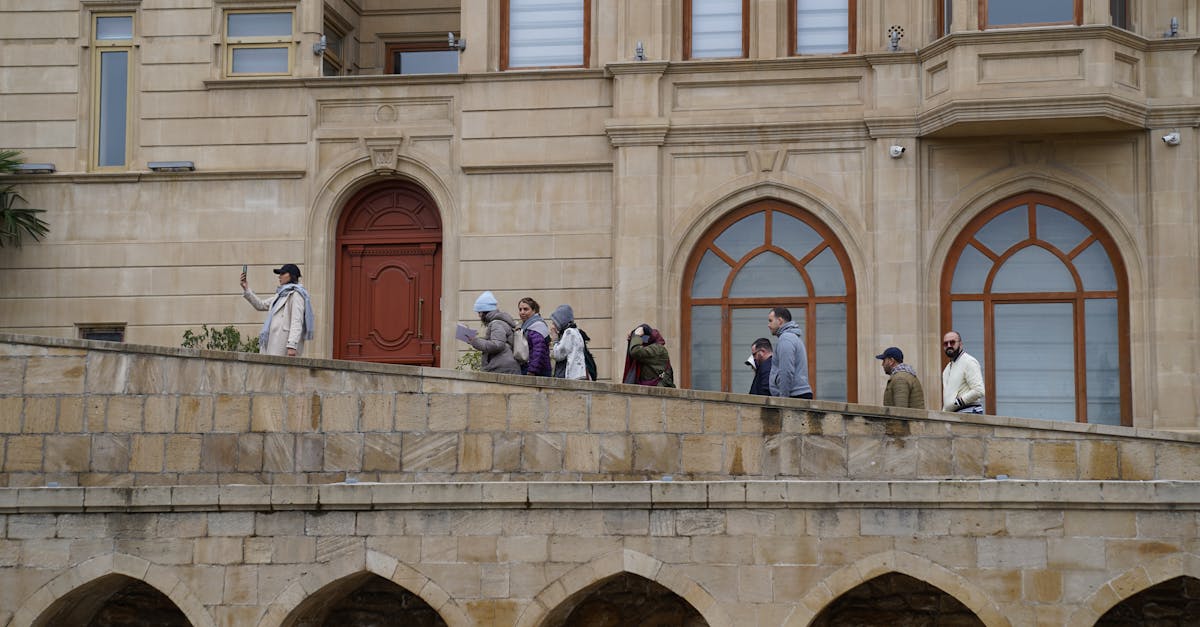
- I’m Free Walking Tours — daily 10:30am from the Sir Redmond Barry statue in front of State Library Victoria. Tip-based ($10–20 customary). History and laneways.
- Free Tour Melbourne — two hours on foot around the historic CBD, tip-based, with times and the meeting point given when you book. Multilingual guides.
- Melbourne Street Art Tour (self-guided) — pick up a free laneway art map at Federation Square tourist info.
- Melbourne Greeter Service (free, official) — book a free 2–4 hour personal orientation from a local volunteer guide through the City of Melbourne’s Greeter listing, which gives the email and phone contacts for bookings — not a tip scheme, a free city service. Book a week ahead.
- Greek Precinct walking tour — via visitvictoria.com on weekends.
- Self-guided AFL tours — MCG, Punt Road Oval, and Footscray’s Whitten Oval are all free to walk around outside match days.
Happy hour and cheap drinks
Alcohol is expensive in Australia — pints typically $10–14, cocktails $18–24. Budget approaches:
- Happy hours — plenty of CBD pubs run one on weekdays, so ask at the bar. The Transport Hotel, Berlin Bar, Fatto, and The Olive Tree all run $7–9 pints and $10 house cocktails.
- Bottle shops — Dan Murphy’s and Liquorland sell 6-pack beers for $15–20, bottles of wine $8+, perfect for self-catered drinks at hostel kitchens or picnics.
- Local pubs over Prahran — a Fitzroy or Brunswick local is often easier on the wallet than a Chapel Street or CBD bar.
- Backpacker deals — many hostels run cheap drinks nights and free dinners for guests; check the noticeboard at yours.
- BYO restaurants — “BYO” means bring-your-own wine; many casual Italian, Thai, and Vietnamese restaurants charge $3–6 corkage vs paying $50 for a restaurant bottle. Pre-buy a $10 bottle for the savings.
- Moet Glam-Punk hack — skip the club cover, have drinks at the pub, head to a late laneway bar for $14 cocktails instead of $22 at the rooftop.
Myki + public transport budget tips
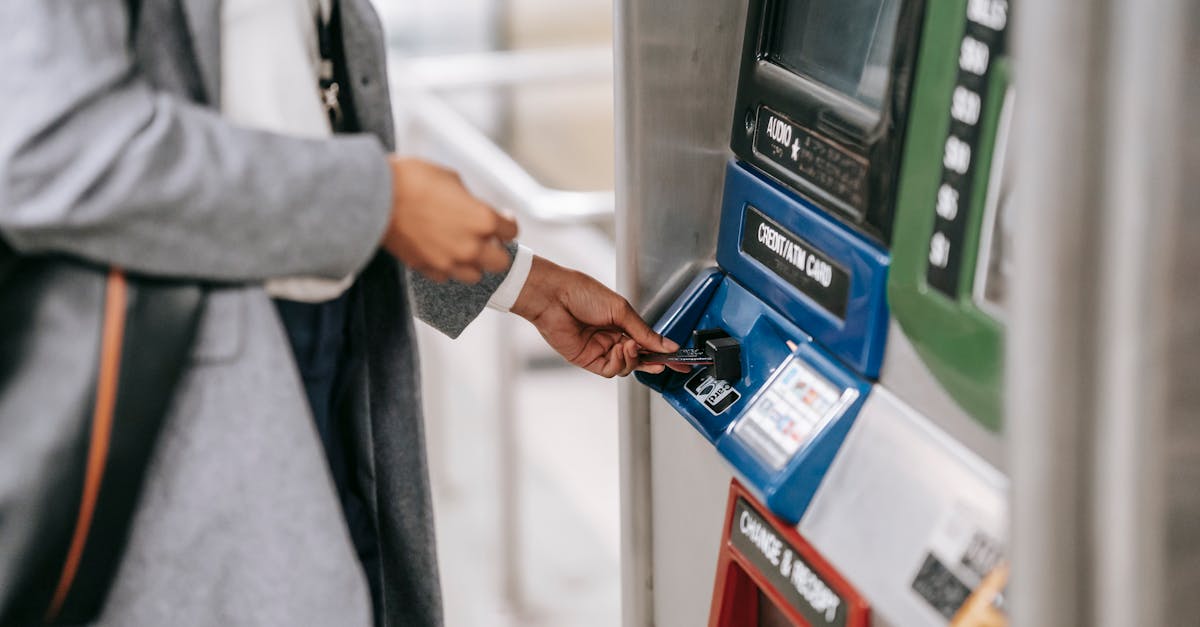
- Stay inside the Free Tram Zone during the day to avoid fares.
- Cap your Myki — while half-price fares run until 1 January 2027, daily caps are $5.70 (Mon–Fri) and $4.00 (Sat–Sun/public holidays). After the cap you ride free.
- Weekend cap is the better deal — $4.00 for a day of metropolitan travel across Zones 1 and 2, or $3.60 if you stay in Zone 2.
- Use V/Line trains to Geelong or Ballarat instead of paid day-trip coaches: until 1 January 2027 a day of regional travel is capped at $5.70 full fare ($2.85 concession) on weekdays and $4 ($2) on weekends and public holidays.
- Night Network (Fri/Sat after midnight) runs trams, trains, and buses 24 hours — included in the daily cap.
- Concession Myki (for eligible students, seniors, some international passes) halves the cap to $2.85 on weekdays and $2.00 on weekends and public holidays.
One-day budget Melbourne itinerary
A sample day showing the real cost of Melbourne on a budget:
- 8:30am — Hostel kitchen breakfast: toast + coffee ($3)
- 10:30am — Free I’m Free Walking Tour from the Sir Redmond Barry statue outside State Library Victoria (tip $10)
- 12:30pm — Lunch at Queen Victoria Market: veal parma roll + doughnut + juice ($15)
- 2pm — NGV International permanent collection (free)
- 4pm — Walk along Yarra + Royal Botanic Gardens (free)
- 6pm — Free tram to Chinatown; dumplings + noodles ($14)
- 8pm — A pint at a Fitzroy pub ($8)
- 10pm — Laneway bar walk (no cover, $14 drink)
Total: ~$70 including the hostel bed you’d already paid for. Skip the last drink and you’re at $56 — one of the better-value days you’ll have in any major Australian city.
Melbourne transport is half price until 1 January 2027
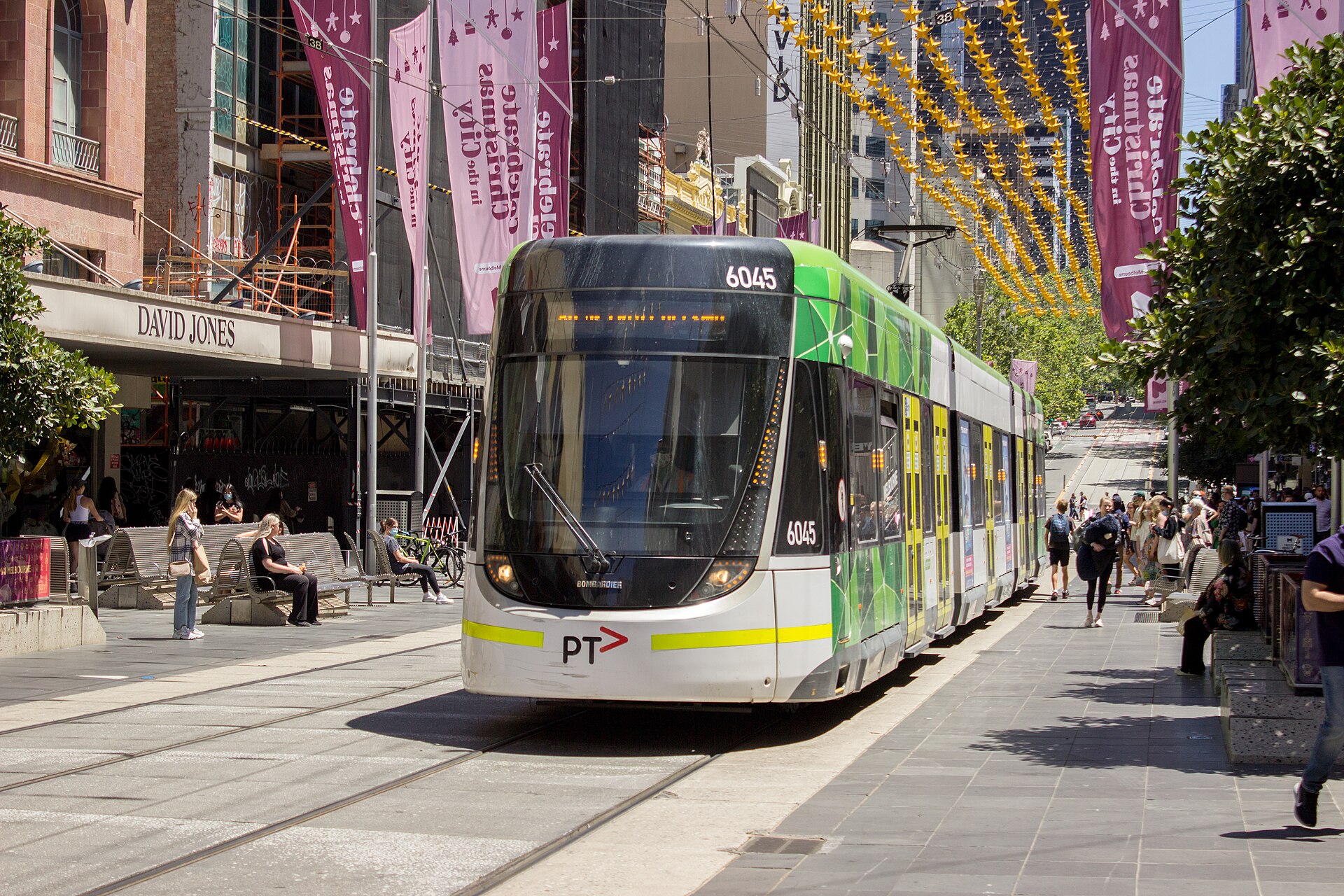
If you are visiting Melbourne on a budget right now, start here. From 1 June 2026 until 1 January 2027, public transport across Victoria is running at half fare for everyone — visitors included — which takes the full-fare daily cap from $11.40 down to $5.70. There is no registration and nothing to apply for, but you still need a ticket: touch on with a myki card, Mobile myki or a contactless payment card and the discount applies automatically.
| Fare | Half-price rate (now, to 1 Jan 2027) | Normal rate (before 1 June 2026) |
|---|---|---|
| Daily cap, full fare | $5.70 | $11.40 |
| Daily cap, concession | $2.85 | $5.70 |
| Under-18s with a Youth myki | Free | Free |
| Seniors, weekends | Free | Free |
| Metro trains, touch on and off before 7am on a weekday | Free (Early Bird) | Free |
The scheme covers metropolitan trains, trams and buses, plus regional V/Line trains and coaches. That last part matters more than it sounds: a day trip to Geelong, Ballarat or Bendigo is currently half its usual cost. SkyBus, ferries and non-subsidised regional buses are excluded, which flips the usual airport advice — see the airport section below.
Practically, a full weekday of travel across metropolitan Zones 1 and 2 costs no more than $5.70, and a weekend or public-holiday day $4.00. Over a week that is around $40 for all your transport, and less if you spend time inside the Free Tram Zone, where trams cost nothing at any time. If you are visiting before January, budget accordingly; for a later trip, check the fares on Transport Victoria’s site before you set the transport line in the calculations below. Our myki guide covers how to get and load a card.
What Melbourne costs in 2026: sample daily budgets
Generic “budget travel” numbers are useless because a solo backpacker and a family of four are running completely different economies. These are realistic 2026 daily figures in Australian dollars, built from current prices and assuming the half-price transport fares above.
| Daily cost | Solo backpacker | Budget couple | Family of four |
|---|---|---|---|
| Accommodation | $45–70 (hostel dorm) | $130–180 (budget private) | $200–280 (family room or apartment) |
| Food | $35–50 (self-catering plus one cheap meal) | $80–110 | $120–160 |
| Transport | $5.70 | $11.40 | $11.40 (under-18s travel free) |
| Activities | $0–20 | $0–40 | $0–60 |
| Coffee and incidentals | $10–15 | $20–30 | $25–40 |
| Daily total | $96–161 | $241–371 | $356–551 |
For reference, the individual prices behind those numbers: a meal at an inexpensive restaurant runs around $25, a cappuccino $5.71, a bottle of domestic beer $7.61, a litre of milk $2.46, a loaf of bread $4.18 and a dozen eggs $8.49. Accommodation is the line that moves most — dorm beds and budget rooms swing wildly with the season and the events calendar, so treat those ranges as a starting point and check actual dates.
A week in Melbourne: the seven-day budget
Weekly costs are not simply the daily figure multiplied by seven, because accommodation gets cheaper per night on longer stays and because you stop paying tourist prices for food once you have found a supermarket.
| Seven days | Backpacker | Budget couple |
|---|---|---|
| Accommodation (7 nights) | $300–450 | $850–1,150 |
| Food | $250–330 | $550–720 |
| Transport (7 days at the cap) | $40 | $80 |
| Attractions and one day trip | $80–150 | $180–320 |
| Nights out | $80–150 | $160–300 |
| Week total | $750–1,120 | $1,820–2,570 |
Two levers move this total more than anything else. The first is booking a hostel or apartment with a kitchen — self-catering breakfast and one other meal a day saves a backpacker roughly $150 across a week. The second is timing: visiting in winter rather than summer usually means cheaper rooms.
Melbourne Airport to the city on a budget
The default advice everyone gives is “take SkyBus”. Budget travellers should look at the alternative first: the public bus and train combination is covered by the half-price fares and counts toward your daily cap.
| Option | Cost (one way) | Time | Notes |
|---|---|---|---|
| Public bus + train | Within the $5.70 daily cap (half price until 1 Jan 2027) | Longer than SkyBus | Cheapest by a wide margin; requires one change and a myki |
| SkyBus | $25.90 adult, $6.60 child 4–16 | ~30 min | Direct to Southern Cross |
| SkyBus return | $43.40 | — | Cheaper per trip than two singles |
| Rideshare or taxi | $55–90 | 25–45 min | Only worth it split three or four ways, or very late at night |
The maths is stark: for a solo traveller the public transport route costs less than a quarter of SkyBus and, because it counts toward your daily cap, the rest of that day’s travel is then free. The trade-off is a slower trip and a change with luggage. For a family of four it is even more lopsided, since under-18s travel free. SkyBus still wins if you land late, are heavily loaded, or simply value the direct run to Southern Cross. Our full airport to city guide compares every option in detail.
Which Melbourne museums and galleries are actually free
Melbourne’s cultural institutions are unusually generous, and knowing which ones charge lets you fill several days for nothing. There is also a quirk in the Museums Victoria pricing that almost no visitor knows about, covered below the table.
| Institution | General entry | Notes |
|---|---|---|
| NGV International and The Ian Potter Centre | Free | Permanent collections, daily 10am–5pm. Blockbuster exhibitions are ticketed separately |
| ACMI | Free | Daily 10am–5pm, with some ticketed events. The Story of the Moving Image is free |
| State Library Victoria | Free | The domed reading room alone is worth the visit |
| Melbourne Museum | $18 adult, $12 senior | Concession and under-16s free |
| Immigration Museum | $15 adult, $12 senior | Concession and under-16s free |
The quirk: at Museums Victoria sites, concession entry is not a discount — it is free. If you hold an eligible concession card, entry to Melbourne Museum and the Immigration Museum costs nothing at all rather than a reduced rate. Under-16s are also free, which makes Melbourne Museum a considerably cheaper family outing than the headline adult price suggests. Bring physical proof; staff do check.
Budget day trips you can reach on a myki
Organised day tours out of Melbourne start around $120 per person. Almost all of the same destinations are reachable on public transport for the cost of a daily cap, and right now that cap is $5.70.
- Brighton bathing boxes — train to Brighton Beach, then a short walk. Melbourne’s most photographed row of beach huts, and completely free to look at.
- Williamstown — train or ferry to a historic seaside village with a working harbour, forty minutes from the city.
- The Dandenong Ranges — train to Belgrave, then walk into the forest. Rainforest gullies, tall mountain ash and the start of several free walking trails. Our Dandenongs day trip guide has the detail.
- Werribee — train to Werribee, then a bus to the mansion and the open range zoo. The parkland and river walks are free even if you skip the paid attractions.
- St Kilda — tram 96 from the city. Beach, pier, free little penguin viewing at dusk (book a session first), and Luna Park to look at from outside.
- Geelong, Ballarat or Bendigo — regional V/Line trains are included in the half-price scheme, putting a proper regional day trip within reach of a very small budget.
The one real exception is the Great Ocean Road. A day visit to one of its towns works by public transport, with a train to Geelong and a connecting coach along the coast, but a wider sightseeing run needs more time, a tour or a hire car split between several people.
Three-day and five-day budget itineraries
Three days on a tight budget
Day one — the free city. Start at Queen Victoria Market for a cheap breakfast, walk down through the CBD arcades and laneways to look at the street art, spend the afternoon at NGV International and ACMI at no cost, and finish watching the sunset from a free vantage point along the river. Cost: transport cap plus food.
Day two — the inner north. Tram to Fitzroy and Collingwood, browse the vintage shops along Brunswick and Smith Streets, eat lunch in one of the cheap Vietnamese or Middle Eastern places on Sydney Road, then walk through Carlton Gardens in the afternoon. Happy hour in the early evening.
Day three — the bay. Tram 96 to St Kilda, spend the day on the beach and the pier, walk the Esplanade market if it’s Sunday, and end with an evening little penguin viewing session at St Kilda Pier, which you need to book ahead. All free.
Five days, adding two day trips
Keep the three days above, then add the Dandenong Ranges on day four — train to Belgrave, a forest walk, and back by mid-afternoon — and a regional trip on day five, taking the half-price V/Line service to Ballarat or Bendigo for the goldfields architecture. Both days cost only the daily fare cap plus what you eat. That gives you five full days for a transport spend of under $30. Our three-day and five-day itineraries have the full versions if your budget is less constrained.
Melbourne versus Sydney: which is cheaper?
Melbourne is the cheaper of Australia’s two big cities for most travellers, though the gap is narrower than its reputation suggests and it is not cheaper across every category.
- Accommodation — Melbourne tends to win, though dates and events swing it; our cheap accommodation guide has the options.
- Transport — Melbourne wins decisively, especially now. The Free Tram Zone has no Sydney equivalent, and the half-price fares run until January 2027.
- Eating out — Melbourne’s migrant food scenes make good mid-range and casual food easy to find at modest prices.
- Attractions — Melbourne wins, because so many of its major cultural institutions are free. Sydney’s headline attractions — the bridge climb, the harbour ferries as sightseeing, the opera house tour — mostly charge.
- Where Sydney wins — the beaches are free and world-class, and if your trip is built around swimming and coastal walking you may spend less there.
Our full Melbourne versus Sydney comparison covers the non-financial differences.
When Melbourne is cheapest to visit
Seasonality moves accommodation prices far more than it moves anything else, and Melbourne’s low season is genuinely low.
- Cheapest: June to August. Winter is cold and grey by Australian standards, which keeps domestic tourists away and drops accommodation rates substantially. The city’s cultural programme is at its strongest in these months, so you are not sacrificing much beyond the weather. See Melbourne in winter.
- Good value: May and early September. Shoulder months with mild weather, low crowds and pre-peak pricing.
- Most expensive: late December to January, plus event weeks. Summer school holidays combine with the Australian Open in January. Grand Prix week, Melbourne Cup week and AFL Grand Final weekend each push hotel rates up sharply.
- Avoid if possible: the Victorian school holidays. The summer break runs 19 December 2026 to 27 January 2027, and in 2027 the autumn, winter and spring breaks fall 26 March to 11 April, 26 June to 11 July and 18 September to 3 October.
Our guide to the cheapest time to visit Melbourne breaks this down month by month.
Budget mistakes tourists make in Melbourne
- Touching on inside the Free Tram Zone. You do not need to, and if you touch on within the zone and then travel beyond it you will be charged. Learn where the boundary is — it is roughly Flinders, La Trobe, Spring and Spencer Streets, plus Docklands — and the boundary detours north up Peel Street and along Victoria Street specifically to put Queen Victoria Market inside.
- Buying SkyBus without checking the alternative. While half-price fares run, the bus and train route costs a fraction of the SkyBus fare and counts toward your daily cap.
- Paying for museums that are free. NGV, ACMI and State Library Victoria all have free general entry; people routinely book paid tours of things they could walk into.
- Not asking about concession. At Museums Victoria sites a concession card means free entry, not a discount, and many visitors never ask.
- Eating on the tourist strips. Southbank and the Flinders Street end of the CBD carry a premium. Walk ten minutes north or take a tram to the inner suburbs and the same meal costs a third less. See our cheap eats guide.
- Booking day tours for places the train goes. A $120 Dandenongs tour covers ground a $5.70 daily cap reaches on its own.
- Ignoring the events calendar when booking. Arriving in Grand Prix or Cup week without realising it can double your accommodation cost for no benefit.
Small budget wins that add up
- Free wifi is everywhere. The City of Melbourne runs free public wifi across much of the CBD, and State Library Victoria, ACMI, the NGV and virtually every café offer it. You may not need a data-heavy plan at all for a short trip.
- Prepaid SIMs are cheap. If you do want data, prepaid starter packs from the major carriers are available at supermarkets and convenience stores and cost a fraction of international roaming. Buy in the city rather than at the airport.
- Tap water is free and excellent. Melbourne’s drinking water is among the best of any major city and there are public refill fountains across the CBD and parks. Carry a bottle rather than buying water at $3.59 a time.
- Supermarket lunches. Coles and Woolworths in the CBD do meal deals, and fresh food nearing its date gets marked down. A supermarket lunch runs a third of a café one.
- Free walking tours run on tips — genuinely good value, but budget $10–$20 per person for the guide, because that is how the guides are paid.
- Laundry. Hostels and many apartments have laundry facilities; a week’s washing at a laundromat costs far less than hotel laundry service.
- Happy hour is a real institution in Melbourne, typically Monday to Thursday from around 4pm to 7pm, commonly putting pints and house wine at $10.
- Book accommodation with a kitchen. Self-catering breakfast alone saves a couple around $150 across a week.
None of these is dramatic on its own. Together they comfortably cover a day trip or a good dinner across a week-long trip. Our Melbourne travel tips has more of the practical detail.
FAQ: Melbourne on a budget
How much does a week in Melbourne on a budget cost?
A solo backpacker staying in hostels can cover Melbourne for about A$700–900 per week including dorm bed, self-catered meals, public transport, and free or cheap attractions. Add A$200–400 if you want nightly drinks out, paid attractions like the Skydeck, and restaurant dinners every other night.
Is Melbourne cheaper than Sydney?
On accommodation and dining, Melbourne usually comes in under Sydney. Hostel beds run A$35–55 vs Sydney’s A$45–65; mid-range restaurant mains are A$22–28 vs A$28–34. Public transport is cheaper in Melbourne while the half-price fares and the Free Tram Zone apply. Attractions pricing is similar.
Where can I eat cheap in Melbourne?
Chinatown, Footscray, Sydney Road Brunswick, and the Queen Victoria Market food stalls are the four cheap-eats anchors. Meals under A$15 are easy to find across all four. Supermarkets (Coles, Woolworths, Aldi) and hostel kitchens are the cheapest option at A$5–8 per meal.
Are there truly free things to do in Melbourne?
Yes — NGV International, NGV Australia, State Library of Victoria, Royal Botanic Gardens, Federation Square events, the Koorie Heritage Trust, self-guided street-art tours, Shrine of Remembrance, Free Tram Zone rides, Brighton Bathing Boxes, and sunset penguin-watching at St Kilda Pier are all free. Tip-based walking tours work out to $10–20 for an excellent two-hour guide.
Do I need to rent a car for Melbourne on a budget?
No — Melbourne has Australia’s best-connected public transport system, and CBD-centric attractions are all within the Free Tram Zone or a short metro ride. Only rent a car for day trips (Great Ocean Road, Mornington Peninsula, Yarra Valley) — where sharing a car with 3+ travellers brings the per-person cost down to $30–50 per day.
Is tap water safe to drink in Melbourne?
Yes, Melbourne’s tap water is excellent quality and free. Every park has refill fountains. Avoid the tourist tax of bottled water — a reusable bottle saves $40+ on a week-long trip.
Is Melbourne public transport really half price, and when does it end?
Yes. From 1 June 2026 until 1 January 2027, all Victorian public transport is half price for everyone, including international visitors. There is nothing to apply for — touch on with a myki and the discounted fare applies automatically. The full-fare daily cap is $5.70 instead of $11.40, and the concession cap is $2.85. It covers metropolitan trains, trams and buses plus regional V/Line services, but excludes ferries and non-subsidised regional buses. The half-price schedule runs through 1 January 2027, so for a trip after that, budget from the fares in force on your travel dates.
How much money do I need per day in Melbourne?
A solo backpacker staying in hostels, self-catering most meals and sticking to free attractions can run on roughly $95–$160 a day. A budget couple in a private room should plan for $240–$370 between them, and a family of four for $355–$550. Accommodation is the largest and most variable component, and it is the one line worth optimising hardest. Food comes second, and the difference between eating on tourist strips and eating in the inner suburbs is substantial.
What is the cheapest way to get from Melbourne Airport to the city?
The public bus and train combination, with one change, which falls within the $5.70 daily fare cap while half-price fares run until 1 January 2027. SkyBus is faster and runs direct to Southern Cross, but costs $25.90 one way for an adult, so the gap is unusually wide at the moment. Rideshare and taxis run $55–$90 and only make sense split between three or four people or very late at night when other services thin out.
Which Melbourne museums and galleries are free?
NGV International and The Ian Potter Centre have free entry to their permanent collections, daily 10am to 5pm. ACMI at Federation Square has free general entry, also daily 10am to 5pm, including its main Story of the Moving Image exhibition. State Library Victoria is free to enter. Melbourne Museum ($18 adult) and the Immigration Museum ($15 adult) do charge — but concession card holders and under-16s enter free rather than at a discount, which many visitors do not realise. Blockbuster touring exhibitions are ticketed separately everywhere.
Is Melbourne cheaper than Sydney?
For most travellers, yes. Rooms tend to cost less, transport is much cheaper thanks to the Free Tram Zone and the current half-price fares (a $5.70 full-fare daily cap), and far more of Melbourne’s major cultural attractions are free. Sydney’s advantage is its beaches, which cost nothing — if your trip is built around swimming and coastal walks rather than food, culture and bars, the two cities are closer than the reputation suggests.
What is the cheapest month to visit Melbourne?
June, July and August. Melbourne’s winter deters domestic tourists, which pushes accommodation rates to their annual low, and the city’s cultural calendar is at its densest in exactly those months — the jazz festival, the film festival, the NGV’s winter blockbuster and a full live music programme. Bring a proper coat and accept that you will get rained on. May and early September are the next best value. Avoid late December to January, and check the events calendar before booking, since a single race weekend or Cup week can double hotel prices.
Final word on Melbourne on a budget
Melbourne on a budget is less about finding cheap alternatives and more about understanding which parts of the city are engineered to be free. The museums, galleries, gardens, markets, and laneway street-art walks — all of which are the very best parts of Melbourne anyway — cost nothing. Layer a $35 hostel bed, $15 daily food budget, and the $5.70 weekday Myki cap on top, and an excellent trip stays well under $100 per day. Spend your saved cash on one or two big-ticket experiences (a live gig, a day trip to the Great Ocean Road, a rooftop cocktail at sunset) that justify being in Melbourne in the first place.
Melbourne on a Budget: Every Money-Saving Guide
- Free Things to Do in Melbourne (2026): 50+ No-Cost Attractions and Activities
- Cheap Accommodation in Melbourne: Hostels, Pubs & Motels (2026)
- Best Free Walking Tours in Melbourne (Compared) 2026
- Cheap Places to Eat in Melbourne: 40 Meals Under $15 (2026)
- Backpacker’s Guide to Melbourne: Hostels, Jobs & Life (2026)
- Melbourne City Cards & Passes Compared (Worth It?) 2026
- How Much Does a Trip to Melbourne Cost? (Full Breakdown) 2026
- 25 Money-Saving Tips for Melbourne Tourists (2026)
- Budget Day Trips from Melbourne: Cheap Adventures by Train (2026)
- Student Travel Guide to Melbourne: Discounts, Hostels & Hacks (2026)