Hosier Lane (2026): Melbourne’s Iconic Street Art Destination
- Words
- Melbourne Tourism Guide
- Updated
- October 25, 2026
- Read
- 13 min
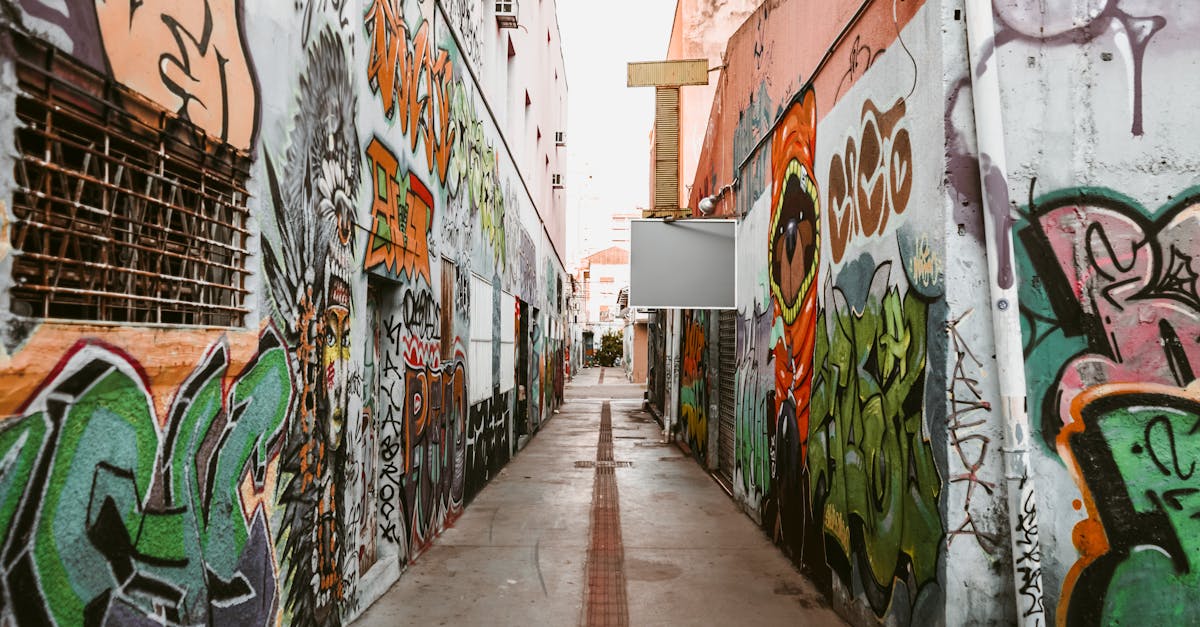
Hosier Lane Melbourne - visitor guide to the city's best-known street art laneway. Where to go, when to visit for the best photos, etiquette, and recommended guided tours.
This article contains advertising. Our booking links are routed through a partner that adds commission tracking automatically, so if you book through one we earn a commission from the provider, at no extra cost to you. It never affects what we recommend. Affiliate disclosure
Hosier Lane is one of Melbourne’s best-known laneways and arguably the single most iconic visual symbol of contemporary Melbourne. A narrow, blue-stone-paved street running between Flinders Street and Flinders Lane in the CBD — directly opposite Federation Square — Hosier Lane is known for graffiti-covered walls and street art that keeps changing. This 2026 visitor guide covers what Hosier Lane is, how it became Melbourne’s open-air street art gallery, when to visit for the best photos, what nearby laneways to combine, the etiquette around respecting the work, and how to take a guided tour from artists who actually paint the walls.
What is Hosier Lane?
Hosier Lane is a short, blue-stone-paved laneway in Melbourne’s CBD, running roughly north–south between Flinders Street and Flinders Lane, directly opposite Federation Square. Its walls are covered in graffiti and street art: stencils, throw-ups, paste-ups, sticker bombs, and large-scale murals. The work changes constantly — pieces typically last days to weeks, occasionally months for the most respected works. Photograph Hosier Lane in March, return in May, and you’ll find the lane essentially repainted.
It’s free and public, with no admission gates or tickets, though the council can step in when safety, access or maintenance call for it. The City of Melbourne has tolerated and at times actively encouraged painting in Hosier Lane and a small number of other “designated” laneways since the early 2000s, while graffiti elsewhere is an offence unless the property owner has given permission. This officially-sanctioned-but-anarchic status is what makes Hosier Lane unique.
Where is Hosier Lane?
- Address: Hosier Lane, Melbourne VIC 3000.
- Closest landmark: Directly opposite Federation Square. Cross Flinders Street from Fed Square’s western edge.
- Nearest train station: Flinders Street Station — a short walk.
- Nearest tram stop: Federation Square (Stop 13). Inside the Free Tram Zone — completely free.
- Walking from anywhere central: the time depends on where you start in the CBD grid; head for Federation Square and cross Flinders Street.
The history of Hosier Lane street art
Hosier Lane’s transformation from a service alley into Melbourne’s most famous outdoor gallery happened gradually, then all at once. Three forces converged. First, Melbourne’s planning history left the CBD with a network of narrow, mid-block laneways (originally built for night-soil collection) that became disused service alleys by the late 20th century. Second, Hosier Lane became known for street art in the late 1990s, and in 2003 Banksy made work in Melbourne as well as at an exhibition in Sydney. Third, in November 2005 the council’s Community and Culture Committee adopted a Graffiti Management Plan, under which building owners could apply for permits to keep murals.
By the late 2000s, Hosier Lane had become a destination. Wedding parties posed for photos. Tourist guidebooks listed it. Working street artists used it as a calling card. By the 2010s and into the 2020s, the lane had achieved a kind of self-sustaining cycle: artists paint here because tourists come; tourists come because artists paint here.
What you’ll see in Hosier Lane
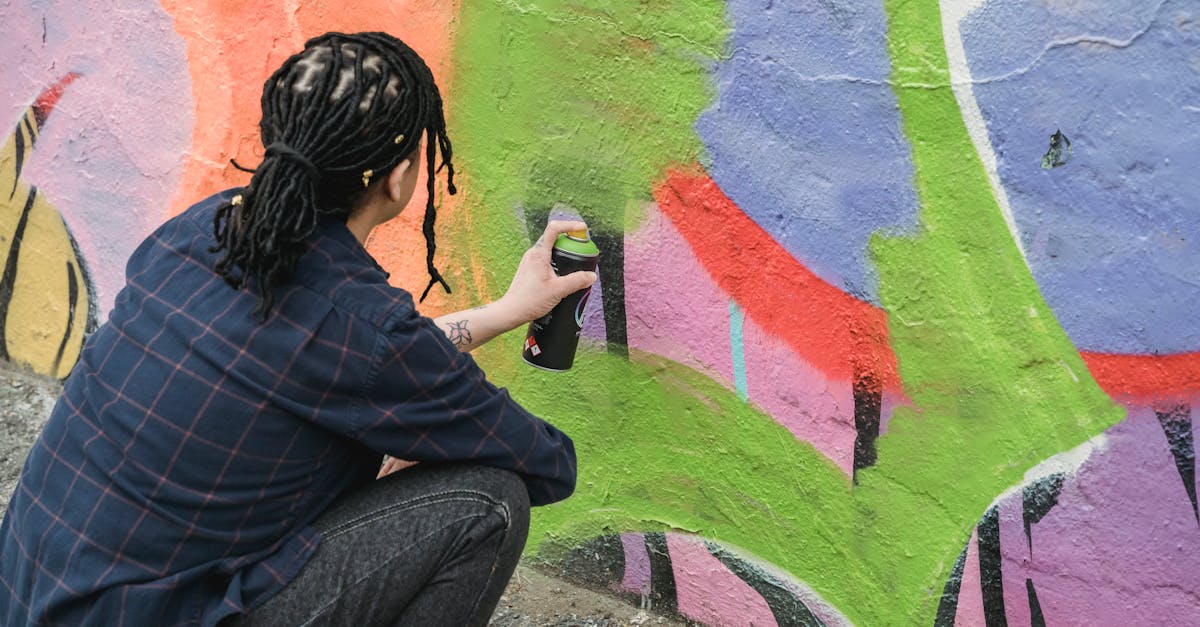
- Large-scale murals — the biggest pieces on the lane’s changing walls, painted by street artists.
- Stencils — Melbourne’s signature street-art form, often political or satirical, easy to apply in seconds.
- Throw-ups and tags — quicker, more graphic, layered over older work.
- Paste-ups — paper or vinyl prints glued to walls; some are intricate fine-art pieces.
- Sticker bombs — clusters of small artist stickers.
- 3D sculpture and installation — occasional, often political — a giant snowman, a coffin, a parked car covered in tags.
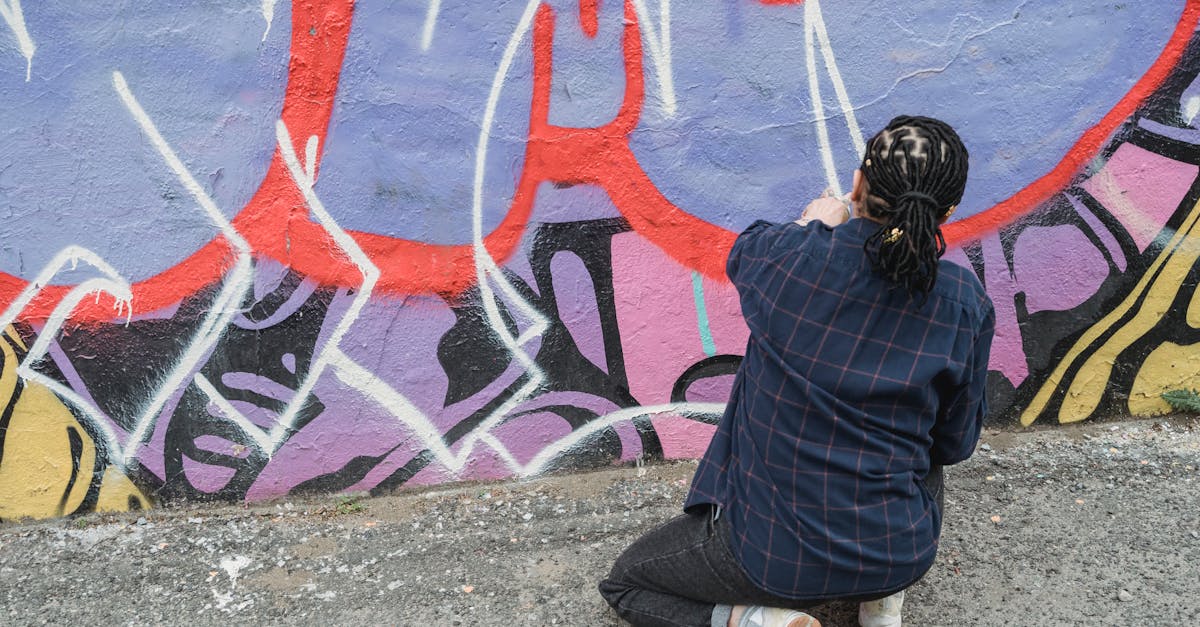
- Working artists — at any given moment a handful of people will be painting the walls.
- Wedding and engagement photoshoots — Hosier Lane is one of Melbourne’s most popular wedding-photo backdrops.
Rutledge Lane (Hosier’s wilder cousin)
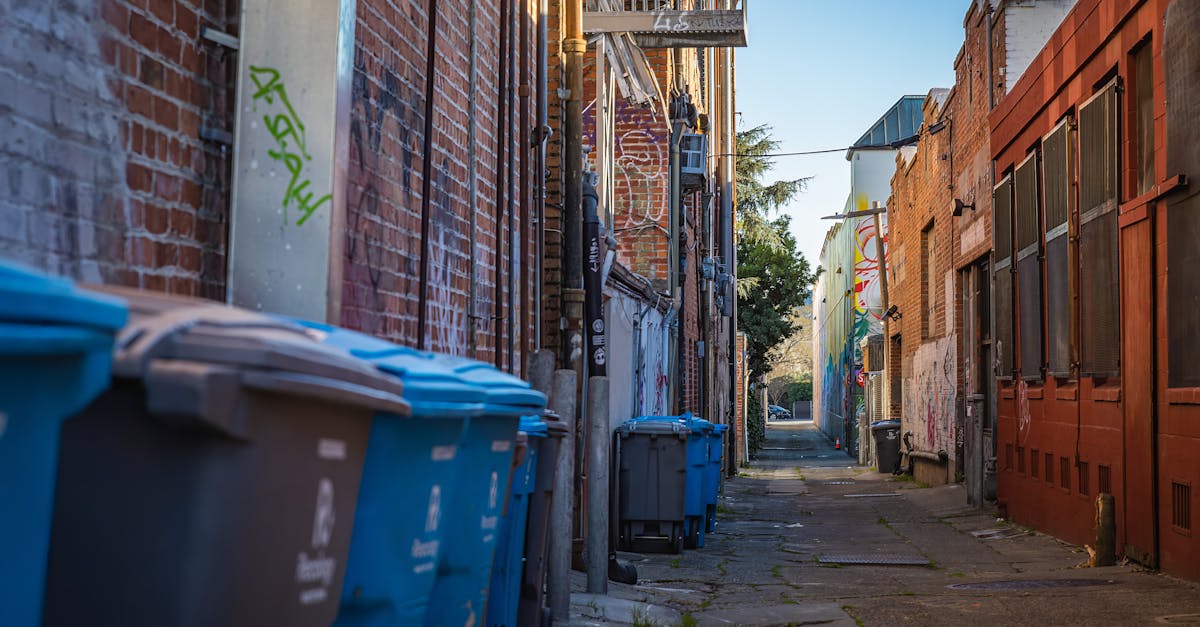
Halfway down Hosier Lane on the eastern side, an even narrower alley branches off — Rutledge Lane. Smaller, more raw, less curated, Rutledge attracts the more political, edgier, and faster-cycling work. If Hosier is Melbourne’s outdoor gallery, Rutledge is the working studio behind it. Most visitors miss Rutledge entirely; it’s worth the 5-minute detour.
Best time to visit Hosier Lane
- Early morning (8–9 am) — fewest people, best for clean photographs, often working artists are still painting from the night before.
- Late afternoon (3–5 pm) — best natural light. The lane runs north–south so afternoon sun hits both walls.
- Evening — atmospheric, more dramatic, but tighter crowd and harder photography.
- Weekdays — quieter than weekends; school holidays add foot traffic.
- Avoid Saturday lunchtime — crammed with wedding parties, tour groups, and day-trippers.
- Visit twice if you can — early morning for photos, evening for atmosphere. A return visit later in your trip will show new work.
Hosier Lane photography tips
- Bring a wide lens or wide phone mode — the lane is narrow.
- Get there before 9 am for empty shots — even Saturdays are quiet at sunrise.
- Use foot traffic creatively — silhouetted passers-by add scale and life.
- Look up — the art climbs past street level in places.
- Step into doorways — they’re often the most intricately decorated.
- Shoot the dumpsters — they cycle through wild repaints and end up in everyone’s photos.
- The intersection of Hosier and Rutledge is the most photographically dense corner.
- Don’t paint over work for a photo — never bring spray paint or markers as a tourist.
Guided Hosier Lane street art tours
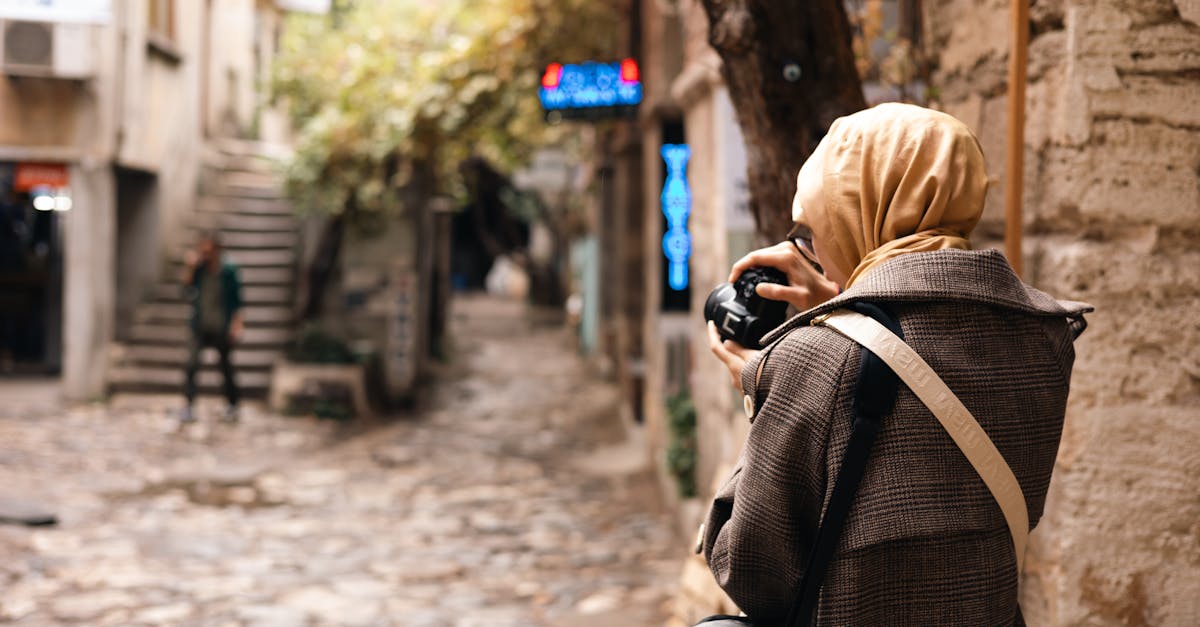
- Melbourne Street Art Tours — 3 hours; confirm the current price with the operator when you book. Run by working street artists. Includes a hands-on stencil workshop where you create your own piece. The most authoritative option.
- Blender Studios Tours — A$79, 3 hours. Takes you inside Blender Studios, now in West Melbourne — the working studio space many street artists use.
- I’m Free Walking Tours: Lanes & Arcades — tip-only, includes Hosier Lane plus shopping arcades.
- Self-guided — the lane is free to walk at any time; City of Melbourne visitor services have current visitor information.
- Greeter Service — free volunteer guide via the City of Melbourne; booking is essential, by email or phone.
Hosier Lane etiquette
The lane is public space and there are no formal rules — but there is an unwritten code that respectful visitors follow:
- Photograph but do not paint — bringing spray paint or markers as a tourist is universally frowned upon.
- Don’t tag over existing work — even quick scribbles on top of a fresh mural are strongly disliked.
- Don’t get in artists’ way — if someone is painting, give them space and ask before photographing them at work.
- Don’t litter — there are no public bins inside the lane; carry rubbish out.
- Wedding photos are fine — but be aware you’re sharing a public space.
- Be respectful of the businesses on the lane — there are bars, cafes, and offices using these doors.
- Smoking and drinking — drinking is not allowed in public; smoking is permitted but not in doorways.
Other Melbourne street art laneways to combine with Hosier Lane
- AC/DC Lane — between Flinders Lane and Little Collins, off Russell Street. Smaller, rock-and-roll-themed, hides Cherry Bar.
- Croft Alley — through Chinatown, off Little Bourke Street. Mix of graffiti and steam from Sichuan kitchens.
- Union Lane — off Bourke Street Mall. Easy to find on a shopping day.
- Centre Place — off Flinders Lane. Coffee culture combined with street art.
- Blender Lane — near Queen Victoria Market. More raw; Blender Studios, once on the lane, now works out of West Melbourne.
- Drewery Lane and Caledonian Lane — quieter, less-touristed back-block laneways with active painting.
A solid 90-minute self-guided street art walk: Hosier Lane → AC/DC Lane → Centre Place → Croft Alley → Union Lane. Coffee at Patricia or Brother Baba Budan to finish.
Cafes and bars in and around Hosier Lane
- MoVida — Frank Camorra’s Spanish restaurant at 1 Hosier Lane.
- Bar Tini (Hosier Lane itself) — Spanish wine bar.
- Cumulus Inc. (Flinders Lane) — Andrew McConnell’s restaurant, a short walk from Hosier.
- Section 8 (Tattersalls Lane) — outdoor bar made of shipping containers.
- Ponyfish Island — bar on a platform under Princes Bridge over the Yarra.
The history of Hosier Lane in detail
Hosier Lane was originally a service alley used by horse-drawn carriages and, later, delivery vans for the warehouses that lined Flinders Lane in the 19th century. Through the 20th century it was unremarkable — a back street where bins were stored. The transformation began in the 1980s with sporadic graffiti tags, then accelerated through the 1990s as Melbourne’s stencil-art movement gained momentum.
Three key moments turned Hosier Lane into a global destination:
- 2003 — Banksy in Melbourne. The British street artist Banksy made work in Melbourne during his 2003 trip to Australia, which also took in an exhibition in Sydney. Several pieces appeared on Hosier Lane and surrounding streets.
- 2005 — City of Melbourne Graffiti Management Plan. The council’s Community and Culture Committee adopted the plan in November 2005, and building owners could apply for permits to retain murals on their walls.
- Late 2000s — international tourism. Travel guides started listing Hosier Lane. Wedding photographers brought brides. By the early 2010s the lane had achieved its current self-sustaining cycle.
Famous artists who have painted in Hosier Lane
- Banksy — the British street artist worked in Melbourne in 2003, leaving pieces in or near Hosier Lane.
- Adnate — Australian street artist known for monumental portraits, often of Indigenous Australians.
- Smug — Scottish-born Melbourne-based artist with hyper-realist large-scale work.
- Rone — Australian artist famous for ethereal portraits of women.
- Lushsux — Melbourne street artist with viral satirical work, internationally known.
- Phibs — Sydney/Melbourne artist with bold graphic style.
- Drewfunk — Melbourne-based with playful, character-led work.
- Sofles — Australian artist known internationally for time-lapse painting videos.
Note that Hosier Lane is constantly repainted, so any specific artist’s work likely won’t be there long. Older famous pieces from these artists are often found in commercial galleries (Backwoods Gallery in Collingwood is a main hub), and prints can be purchased at Melbourne Street Art Tours’ shop.
The politics of legal vs illegal street art in Melbourne
Melbourne’s street art scene exists in a careful equilibrium. Painting is “tolerated” in a small number of laneways (Hosier Lane being the most famous, but also AC/DC Lane, Croft Alley, Rutledge Lane, Union Lane). Away from them, graffiti on property that can be seen from a public place is an offence unless the owner has given permission, and it can bring large fines and imprisonment. The split between “legal” and “illegal” creates a fluid scene where artists work the legal walls publicly and the illegal walls quickly and at night.
Building owners along Hosier Lane have largely accepted the painting (some even commission specific pieces). The City of Melbourne occasionally power-washes the lane to “reset” it for new work, though this is controversial — visitors can sometimes find a freshly cleaned wall and watch artists begin painting it within hours.
Where to see other Melbourne street art beyond Hosier Lane
- AC/DC Lane (between Flinders Lane and Little Collins Street) — rock-music-themed, hides Cherry Bar.
- Croft Alley (off Little Bourke Street, Chinatown) — narrow, edgier, often political.
- Union Lane (off Bourke Street Mall) — easiest to find on a shopping day.
- Centre Place — laneway cafe culture combined with street art.
- Hardware Lane — outdoor dining and a more polished laneway feel.
- Drewery Lane and Caledonian Lane — quieter back-block laneways with active painting.
- Blender Lane (near Queen Victoria Market) — Blender Studios was here but has since moved to West Melbourne.
- Smith Street and Brunswick Street, Fitzroy — large-scale murals and shop-front pieces.
- Rutledge Lane — Hosier Lane’s wilder cousin, branching off halfway down.
- Tattersalls Lane — home of Section 8 outdoor bar.
Hosier Lane photography settings and equipment
- Camera type: any modern phone or mirrorless camera works. The lane is narrow and well-lit during daytime.
- Lens: wide angle (24mm equivalent or wider) for full-wall shots. 35mm equivalent for compositions including walking subjects.
- Time of day: 8–9 am for empty laneway shots; 3–5 pm for natural light filling both walls; evening for atmospheric, moody photos.
- ISO: 100–400 in daylight, 800–1600 at dusk.
- Aperture: f/5.6 to f/8 for sharpness across the wall; f/2.8 if you want shallow depth.
- Tripods: not generally welcome in the narrow laneway during peak hours.
- Flash: avoid; the existing graffiti is best lit by ambient.
- Shoot RAW for shadow recovery if shooting at dusk.
Best businesses on Hosier Lane
- MoVida — Frank Camorra’s iconic Spanish restaurant at 1 Hosier Lane, open since 2003.
- MoVida Next Door — the bar version, smaller, walk-in.
- Bar Tini — small Spanish wine bar.
Hosier Lane weddings and engagement photoshoots
Hosier Lane is one of Melbourne’s most popular wedding-photo backdrops. The vibrant colours, narrow laneway compositions, and central CBD location make it a magnet for engagement shoots, pre-wedding photos, and bridal-party arrival shots. No permit is required for personal photography. Commercial photography (wedding photographers charging clients) technically requires a Filming on Public Land permit from the City of Melbourne if using significant equipment (lights, multiple tripods, models). Most professional wedding photographers operate small enough not to require one. Be aware that you’re sharing a public space — wedding parties should expect tourists nearby and accept it cheerfully.
Controversy and the future of Hosier Lane
Hosier Lane is occasionally controversial. Building owners who don’t want their walls painted have legal recourse but rarely use it (the lane’s tourist value is now largely accepted by the businesses there). In 2020, an act of vandalism saw paint thrown over much of the lane; it was cleaned and repainted soon after. The City of Melbourne occasionally power-washes to reset fresh work. The lane will likely continue in much the same form for the foreseeable future, though a slow gentrification of Flinders Lane around it is changing the surrounding neighbourhood.
Hosier Lane visitor numbers and best times to avoid crowds
The City of Melbourne estimates that about 1.5 million people visit Hosier Lane each year. Peak times:
- Saturday lunchtime (12–2 pm) — most crowded.
- Sunday afternoon (1–4 pm) — second busiest.
- School holidays — sustained moderate crowd.
- Weekday morning (8–9 am) — quietest.
- Weekday evening (after 8 pm) — atmospheric, moderate crowd.
- Rainy afternoons — surprisingly good for photos with wet stone reflections.
Frequently asked questions about Hosier Lane
Where is Hosier Lane in Melbourne?
Hosier Lane runs between Flinders Street and Flinders Lane in Melbourne’s CBD, directly opposite Federation Square. The closest train station is Flinders Street Station, an easy walk away. Cross Flinders Street from Fed Square’s western edge.
Is Hosier Lane free?
Yes — Hosier Lane is a public street with no admission, no gates, and no opening hours. Visit any time of day or night for free.
Is it safe to visit Hosier Lane at night?
Generally yes — the lane is well-lit and busy throughout the evening, especially weekends. After 1 am it can be quieter. Standard CBD common sense applies.
Is the street art in Hosier Lane legal?
Hosier Lane is one of a small number of Melbourne laneways where painting is tolerated. Elsewhere, graffiti without the property owner’s permission is an offence. Tourists should photograph only — never paint.
How long should I spend at Hosier Lane?
30 minutes for a quick photo walk; 60 minutes including Rutledge Lane and a coffee at MoVida or nearby. A full guided street art tour adds 2–3 hours.
What’s the best time of day to photograph Hosier Lane?
Early morning (8–9 am) for empty-laneway photos. Late afternoon (3–5 pm) for natural light filling both walls. Saturday afternoons are most crowded — best avoided for photographers.
Can I take wedding or engagement photos in Hosier Lane?
Yes — Hosier Lane is one of Melbourne’s most popular wedding-photo backdrops. No permit required for personal photography; commercial shoots may need a City of Melbourne permit.
Are there toilets at Hosier Lane?
Not in the lane itself. Public toilets are at Federation Square (across Flinders Street), Flinders Street Station, and the Forum Theatre courtyard nearby.
Final word: Hosier Lane is unmissable
Of all the things to do in Melbourne, Hosier Lane is the one universally recommended to first-time visitors — and one that holds up to the recommendation. It’s free, it’s central, it’s photogenic, and it changes constantly so even repeat Melbourne visitors find new work each time. Pair Hosier Lane with a free walking tour or guided street art tour to understand the layered history of what you’re looking at, then keep wandering — the laneway culture extends through dozens of similar back streets that most tourists miss. For broader cultural context, see our Melbourne arts and culture pillar.