Best Coffee in Melbourne (2026): Why This City Rules Coffee Culture
- Words
- Melbourne Tourism Guide
- Updated
- August 20, 2026
- Read
- 13 min

Best coffee in Melbourne — why this city is the world capital of specialty coffee, where to drink, what to order, the top espresso bars, pour-over cafes, and roasters worth visiting.
This article contains advertising. Our booking links are routed through a partner that adds commission tracking automatically, so if you book through one we earn a commission from the provider, at no extra cost to you. It never affects what we recommend. Affiliate disclosure
The best coffee in Melbourne is some of the best coffee in the world — full stop. Specialty coffee professionals from Tokyo, Berlin, Brooklyn, and Portland make pilgrimages here. The flat white was popularised here. Three of the last decade’s World Barista Championship finalists trained on Melbourne machines. This 2026 guide is for visitors who want to taste the city’s coffee at the level it deserves: not “best brunch with coffee” but the cafes, roasters, and espresso bars where coffee is the whole point. We cover where to drink, how to order, what makes Melbourne coffee different, and how to take the experience home.
Why is Melbourne known for coffee?
The short story: Italian and Greek post-war immigrants brought espresso machines to Melbourne in the 1950s. Pellegrini’s on Bourke Street opened in 1954 with the city’s first commercial espresso machine. Through the next 50 years, Melbourne quietly built a culture of independent neighbourhood cafes. Then in the early 2000s a wave of specialty roasters — Mark Dundon’s Seven Seeds, Aaron Wood’s Industry Beans, the Proud Mary team — combined Italian-style espresso with imported third-wave standards (single-origin sourcing, lighter roasts, precision brewing). The result is a coffee culture that is uniquely Melbourne: technical, independent, daily, and excellent.
Melbourne also has the highest density of independent cafes per capita in any major English-speaking city. Tight planning rules and high commercial rents in the CBD historically prevented major chain dominance, leaving room for small operators. Walk for ten minutes in any direction in Fitzroy, Carlton, or the CBD and you’ll pass ten independent specialty cafes.
Top espresso bars: where to find the best coffee in Melbourne

- Patricia Coffee Brewers (Little Bourke Street, CBD) — standing-room espresso bar, no chairs at all. Pour rotating beans from Australia’s best roasters. Cult-status flat whites for office workers and visiting baristas alike. The single best espresso in the CBD.
- Market Lane (Therry Street, near Queen Vic Market) — flagship of Australia’s most respected specialty roaster. Beautiful brewing methods, single-origins, and an Aeropress demo that visitors love.
- Brother Baba Budan (Little Bourke Street, CBD) — chairs hanging from the ceiling. Run by Seven Seeds. A two-decade Melbourne institution.
- Seven Seeds (Berkeley Street, Carlton) — the espresso bar that helped launch Melbourne’s specialty coffee scene. Still excellent.
- Proud Mary (Oxford Street, Collingwood) — internationally known, exports beans worldwide. Long brunch menu but the coffee remains the headline.
- Aunty Peg’s (Wellington Street, Collingwood) — coffee tasting room from the Proud Mary team. Drink rare and experimental brews here.
- Industry Beans (Rose Street, Fitzroy) — flagship roastery and brewlab. Coffee-flight tastings are exceptional.
- Cup of Truth (Campbell Arcade, CBD) — underground subway-arcade espresso bar. Small, distinctive, excellent.
- Higher Ground (Little Bourke Street, CBD) — soaring power-station space; the coffee is consistent and the room is the most photogenic in the CBD.
- Padre Coffee (Brunswick East and South Melbourne Market) — relaxed roaster cafe with strong espresso and good pastries.
What is the best coffee in Melbourne to order?

- Flat white — Melbourne’s signature drink. Double ristretto shot, smooth microfoam, no dry foam on top. Roughly 1:1 ratio of espresso to milk. The default Melbourne order.
- Long black — espresso poured over hot water. Deeper, less acidic than American coffee. The best way to taste a single-origin bean.
- Macchiato (short or long) — espresso with a small dollop of foam. Strong, traditional, fast.
- Magic — a Melbourne speciality. Double ristretto in a 5-oz cup, finished with steamed milk. Stronger than a flat white.
- Filter / batch brew — single-origin, brewed slowly. Specialty cafes often have a daily rotating filter.
- Pour-over — V60, Chemex, or Kalita. A barista hand-brews a single cup. A$8–A$12, takes 5 minutes.
- Cold brew — steeped overnight. Lower acidity, smoother flavour profile.
- Aeropress — a punchy, espresso-adjacent style brewed individually. Strong cult following.
If you want the canonical Melbourne experience, order a flat white at Patricia or Market Lane and a single-origin filter at Industry Beans or Proud Mary on the same day. You’ll taste the spectrum.
Specialty roasters worth visiting
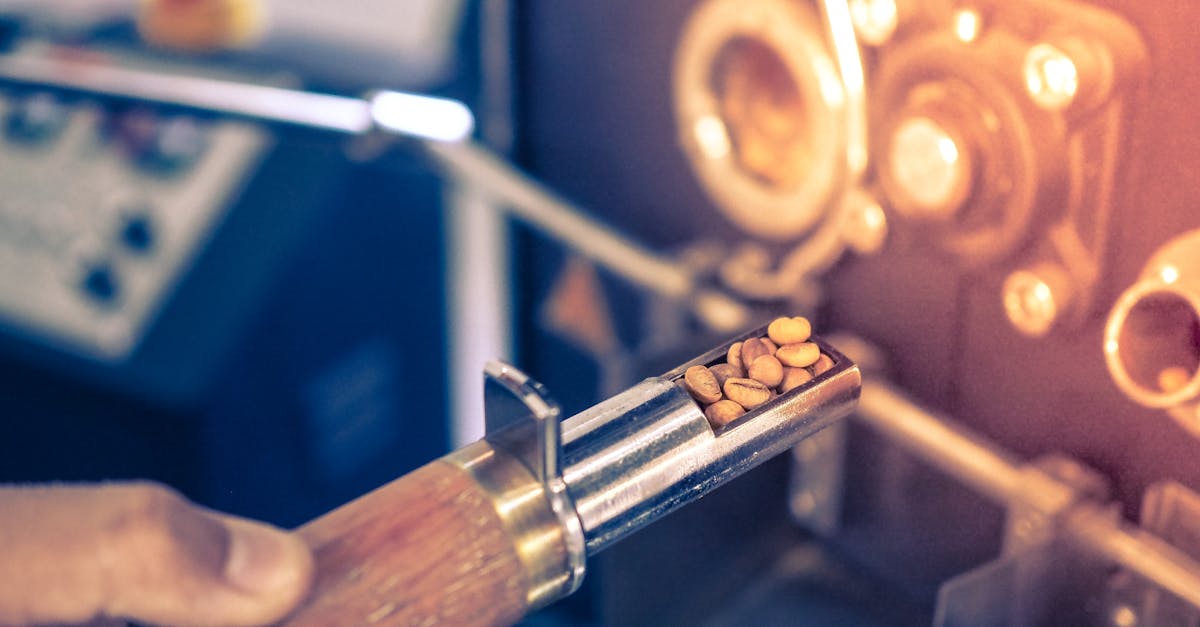
- Seven Seeds (Carlton) — the godfather roaster of Melbourne’s specialty scene.
- Industry Beans (Fitzroy) — flagship roastery with a 1,000-square-foot brewlab.
- Market Lane (multiple) — beautiful brewing methods, ethical sourcing, and education.
- Proud Mary / Aunty Peg’s (Collingwood) — internationally known, exports beans worldwide.
- St ALi (South Melbourne) — large operation, multiple cafes, sustainable sourcing.
- Padre Coffee (Brunswick East) — relaxed and excellent.
- Code Black (Brunswick) — design-forward roaster and cafe.
- Allpress (Collingwood) — global roaster with a strong Melbourne flagship.
- Small Batch Roasting Co (Fitzroy) — micro-roaster and barista training centre.
- Five Senses (Cremorne) — Perth-born, with a strong Melbourne presence.
Most of these roasters offer free or low-cost cuppings (small group tastings) on weekends. Industry Beans, Market Lane, and Proud Mary all run them; check their websites and book ahead.
Pour-over and filter coffee in Melbourne

For visitors interested in the technical end of coffee, Melbourne’s pour-over and filter culture is exceptional. Aunty Peg’s in Collingwood is the most dedicated pure-tasting room; Market Lane Therry Street offers daily-rotating filter brews; Industry Beans does coffee flights pairing the same bean across espresso, batch, and pour-over preparations. A pour-over costs A$8–A$12 and takes 4–5 minutes to brew. The barista will explain the bean’s origin, processing, and tasting notes.
Buying Melbourne coffee beans
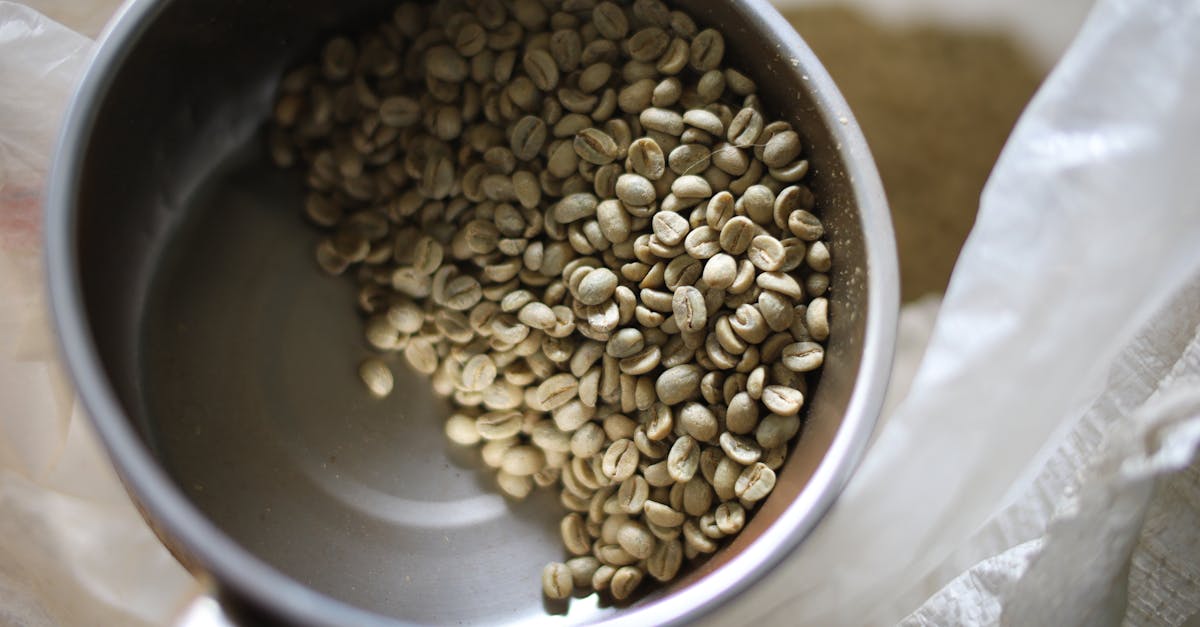
If you want to take Melbourne coffee home, every roaster sells whole beans by the bag (250 g typically A$22–A$30). Most also ship internationally. The roasters most visitors take home: Seven Seeds, Market Lane, Industry Beans, Proud Mary, and St ALi. Bags are typically vacuum-sealed and travel-friendly. A few practical tips: buy whole beans (ground coffee oxidises in days), look for a roast date within the past 14 days, and pack in checked baggage if you’re travelling internationally to avoid pressure issues at altitude.
Best coffee in Melbourne by neighbourhood
- CBD — Patricia, Market Lane (Therry St), Brother Baba Budan, Higher Ground, Cup of Truth.
- Fitzroy / Collingwood — Industry Beans, Proud Mary, Aunty Peg’s, Vacation Coffee.
- Carlton — Seven Seeds, Pellegrini’s (the OG), Brunetti.
- Brunswick — Padre Coffee, Code Black, Small Batch.
- South Melbourne — St ALi, South Melbourne Market roasters.
- South Yarra / Prahran — Twenty & Six Espresso, Top Shop, Patch.
- St Kilda / Bayside — Monk Bodhi Dharma, The Galleon, Mart 130.
- Richmond / Cremorne — Top Paddock, Three Bags Full, Maker Fine Coffee.
How to order coffee in Melbourne
- Order at the counter — most cafes are counter-order, table service is rare.
- Specify takeaway or stay — staying gets a ceramic cup; takeaway is paper.
- Default flat white — if uncertain, this is the safe order.
- Bean of the day — most specialty cafes have one; ask the barista.
- Plant milks — oat, almond, soy, macadamia all standard. Usually a A$0.50–A$1 surcharge.
- Tipping not expected — round up at most.
- Decaf — well respected at specialty cafes; you won’t get the side-eye.
- Sugar — Melburnians often drink coffee unsugared. The barista won’t add it without you asking.
Cafe etiquette and culture
- Most cafes open at 7 am and close by 3 or 4 pm — Melbourne is a daytime cafe city.
- Lunch service usually starts around 11 am.
- Wi-Fi is standard in most cafes; ask first if you plan to stay an hour.
- Tap water is brought free; ask once if it doesn’t appear.
- Outdoor seating is dog- and child-friendly at most independent cafes.
- Card surcharge of around 1.5% is common.
- Many cafes only accept card; cash is rare in 2026.
- Reusable keep-cups are widely accepted; some cafes give a A$0.50 discount.
How much does the best coffee in Melbourne cost?
- Flat white / latte / cappuccino — A$5.00–A$5.50 in the CBD, A$4.50–A$5 in the inner suburbs.
- Long black / Americano — same as flat white.
- Magic / piccolo / cortado — A$5–A$5.50.
- Single-origin pour-over — A$8–A$12.
- Cold brew — A$6–A$7.
- Coffee flight (3 brewing methods) — A$15–A$20.
- Bag of beans (250 g) — A$22–A$30.
A perfect Melbourne coffee day
- 7:30 am — start at Patricia in the CBD. Standing-room flat white.
- 9:00 am — walk to Market Lane Therry Street. Single-origin pour-over.
- 10:30 am — tram to Carlton. Brunch at Seven Seeds with a magic.
- 12:30 pm — tram to Fitzroy. Coffee flight at Industry Beans.
- 2:00 pm — walk to Aunty Peg’s in Collingwood for an experimental pour-over.
- 3:00 pm — wrap up with a final espresso at Proud Mary and pick up a bag of beans to take home.
Total cost: A$45–A$60 across six cafes and a bag of beans. Total caffeine: significant. Total Melbourne coffee education: complete.
The history of Melbourne coffee culture
Melbourne’s coffee story begins with post-war Italian and Greek migration. In 1954, Pellegrini’s Espresso Bar opened on Bourke Street with the city’s first commercial Faema espresso machine — a striking departure from the milk-bar coffee Australians had been drinking. Through the 1950s and ’60s, dozens of Italian-run bars opened across Lygon Street, Smith Street, and the inner suburbs. The flat white emerged in this era; both Sydney and Melbourne claim to have invented it, and the truth is that the drink evolved across both cities through the 1970s and ’80s.
The third-wave revolution arrived in the early 2000s. Mark Dundon opened Seven Seeds in 2009, treating coffee like wine — single-origin, high-quality green-bean sourcing, lighter roasts that highlighted bean character. Aaron Wood opened Industry Beans, Nolan Hirte opened Proud Mary in Collingwood, and the Market Lane group (Jonathan Holden and Fleur Studd) brought specialty filter coffee into the mainstream. By the mid-2010s Melbourne had hundreds of independent specialty cafes and a global reputation. The 2014 World Barista Championships were held in Melbourne, cementing the city as a global coffee capital.
Australian baristas at the World Barista Championships
- Hugh Kelly — Australian Barista Champion 2017, 2018, 2024.
- Sasa Sestic — World Barista Champion 2015 (training with Melbourne roasters).
- Pete Licata — competed via Australian rounds.
- Matt Perger — World Brewers Cup 2012, training in Melbourne specialty cafes.
- Tim Williams — Australian Barista Champion 2024 (Industry Beans).
- Many top-finishing competitors at the World Barista Championship train at Melbourne specialty roasters during the off-season.
Brewing science: what makes Melbourne coffee different
- Bean sourcing — Melbourne’s top roasters source single-origin green beans directly from farms in Ethiopia, Kenya, Colombia, Brazil, Guatemala, Costa Rica, and Indonesia. Direct trade and microlot sourcing are common.
- Light to medium roasting — Melbourne specialty roasters favour lighter roasts that highlight bean character, while Italian-style cafes use darker roasts. The contrast is part of the city’s coffee landscape.
- Espresso machine quality — La Marzocco, Slayer, and Synesso machines dominate. These offer barista control over temperature, pre-infusion, and pressure profile.
- Grinder quality — Mythos, EK43, and Mahlkönig grinders are standard at top cafes.
- Water — most specialty cafes use filtered, mineralised water tuned for espresso extraction.
- Milk quality — Riverina-region farm-direct milk, often single-origin (single-farm) at top cafes.
- Skilled baristas — Melbourne baristas frequently train internationally and bring back techniques.
Italian-style espresso bars in Melbourne
Alongside the third-wave specialty scene, Melbourne retains a strong Italian-style espresso bar tradition. These cafes use darker roasts, traditional Italian methods, and operate as standing bars where you have your coffee in 5 minutes and leave.
- Pellegrini’s (Bourke Street, CBD) — opened 1954, the city’s oldest espresso bar. Granitas and pasta at the bar.
- Brunetti (Lygon Street) — large Italian bakery cafe with proper biscotti and granitas.
- Tiamo (Lygon Street) — long-running Italian cafe.
- University Cafe (Lygon Street) — heritage Italian.
- The Coffee Pot (Carlton) — small Italian-Greek operation.
Coffee and food pairings in Melbourne
- Single-origin Ethiopian filter + ricotta hotcake — bright, fruity coffee with sweet ricotta.
- Espresso + Italian almond biscotti — classic Pellegrini’s pairing.
- Flat white + smashed avocado on sourdough — Melbourne’s signature pairing.
- Long black + fruit Danish — clean coffee with sweet pastry.
- Pour-over Kenyan + dark chocolate — the citrus notes of Kenyan coffee complement chocolate.
- Cold brew + corn fritters — savoury brunch with smooth cold brew.
- Magic + granita — the strong magic balances the sweet ice slush.
Melbourne coffee education and barista classes
- Industry Beans Brewlab classes — A$60–A$100 for 2–3 hour workshops on espresso, brewing methods, and latte art.
- Market Lane cuppings — small group tastings on weekend mornings; A$25 per session.
- Proud Mary brewing classes — at Aunty Peg’s tasting room, A$80 for 2 hours.
- Seven Seeds Espresso 1-2-3 — beginner-to-intermediate barista classes, A$120.
- Small Batch Roasting Co — small-group workshops, with their roasting facility.
- St ALi Coffee School — multi-session courses for serious learners.
Home brewing equipment to take home from Melbourne
- Aeropress — A$60, made in the US but ubiquitous in Melbourne. Buy at any specialty cafe.
- Hario V60 pour-over kit — A$30–A$60.
- Chemex 3-cup — A$55 with paper filters.
- Espresso machines — Breville Barista Express (A$799) for home use; serious enthusiasts go higher.
- Grinders — Baratza Encore (A$200) is the entry-level recommendation.
- Beans (250g bags) — A$22–A$30 from any specialty roaster, internationally shipped.
Iconic Melbourne flat white spots ranked
- Patricia Coffee Brewers — the canonical CBD flat white. Standing-room only.
- Market Lane (Therry Street) — flat whites with bean rotation; consistently excellent.
- Brother Baba Budan — long-running, central, beloved.
- Seven Seeds (Carlton) — the godfather roaster’s flat white.
- Industry Beans (Fitzroy) — flagship roastery flat white.
- Higher Ground (CBD) — large-volume but consistently high-quality.
- Cup of Truth — underground subway-arcade espresso.
- Top Paddock (Richmond) — brunch-focused but the flat white is excellent.
- Maker Fine Coffee (Cremorne) — small but technically strong.
- Padre Coffee (Brunswick East) — relaxed, excellent.
Melbourne coffee delivery and ordering apps
- Hey You — app for pre-ordering coffee at hundreds of Melbourne cafes; pay in-app and pick up.
- Bopple — similar pre-order app.
- Skip — combined food and coffee pre-order.
- UberEats / Deliveroo / DoorDash — coffee delivery, though most coffee is best fresh from the bar.
- Direct online ordering — most specialty roasters ship beans worldwide via their websites.
Best Melbourne coffee tours for visitors
- Melbourne Coffee Tours — A$99, 3 hours, includes 4 cafe visits and tastings.
- Hidden Secrets Tours: Coffee & Cafes — A$110, 4 hours, includes brunch and 5 cafes.
- I’m Free Walking Tours — free tip-only walking tour mentions coffee culture.
- Self-guided coffee crawl — Patricia → Market Lane → Brother Baba Budan → Higher Ground (CBD); or Industry Beans → Proud Mary → Aunty Peg’s (Fitzroy/Collingwood).
Frequently asked questions about the best coffee in Melbourne
Why is Melbourne coffee considered the best?
A combination of strong Italian/Greek immigrant espresso heritage, a 2000s wave of specialty roasters who pushed the city into third-wave coffee, and a planning environment that protects independent cafes. The result is a city with the highest density of high-quality independent cafes per capita in the English-speaking world.
What’s the most-ordered coffee in Melbourne?
The flat white. It’s a double ristretto shot with smooth microfoam, in a roughly 1:1 ratio of coffee to milk. Most Melburnians order flat whites by default.
How much does coffee cost in Melbourne?
A flat white in 2026 is A$5–A$5.50 in the CBD and A$4.50–A$5 in the inner suburbs. Specialty single-origin pour-overs run A$8–A$12. Bags of beans (250 g) cost A$22–A$30.
What’s the difference between a flat white and a latte?
A flat white is smaller (5 oz), uses double ristretto, has microfoam (no dry foam on top), and is roughly 1:1 espresso to milk. A latte is larger (8–10 oz), milkier, and has more visible foam on top. Both have espresso and steamed milk; the ratio differs.
Where is the best coffee in the Melbourne CBD?
Patricia Coffee Brewers, Market Lane (Therry Street), Brother Baba Budan, Higher Ground, and Cup of Truth are all top-tier CBD options. Patricia is the most respected espresso bar; Market Lane is best for filter and pour-over.
Can I tour a Melbourne coffee roaster?
Yes — Industry Beans, Market Lane, Proud Mary, and Seven Seeds all offer tours, cuppings, and brewing classes (typically A$30–A$80, weekend mornings, book ahead). It’s one of the best ways to deepen a coffee-focused trip.
What time do Melbourne cafes open?
Most open at 7 am Monday to Friday, slightly later at weekends. Most close by 3 or 4 pm. Melbourne is a daytime cafe city — for evening coffee, you usually need a bar or restaurant.
Do Melbourne cafes accept cash?
Many are now card-only. A 1.5% credit-card surcharge is common but rarely enough to make cash worth carrying. Tap-to-pay is universal.
Final word: drink the best coffee in Melbourne while you can
For visitors with even a passing interest in coffee, Melbourne offers the rare combination of accessibility, quality, and depth — the best coffee in Melbourne is no more than a 5-minute walk from any point in the CBD or inner suburbs, and the technical level is genuinely world-leading. Pick three cafes per day, alternate espresso and filter, and bring home a bag of beans. For more on Melbourne’s wider cafe scene, see our best cafes in Melbourne guide and our best restaurants in Melbourne pillar.