Driving in Melbourne: Rental Cars, Parking & Road Rules
- Words
- Melbourne Tourism Guide
- Updated
- October 25, 2026
- Read
- 11 min
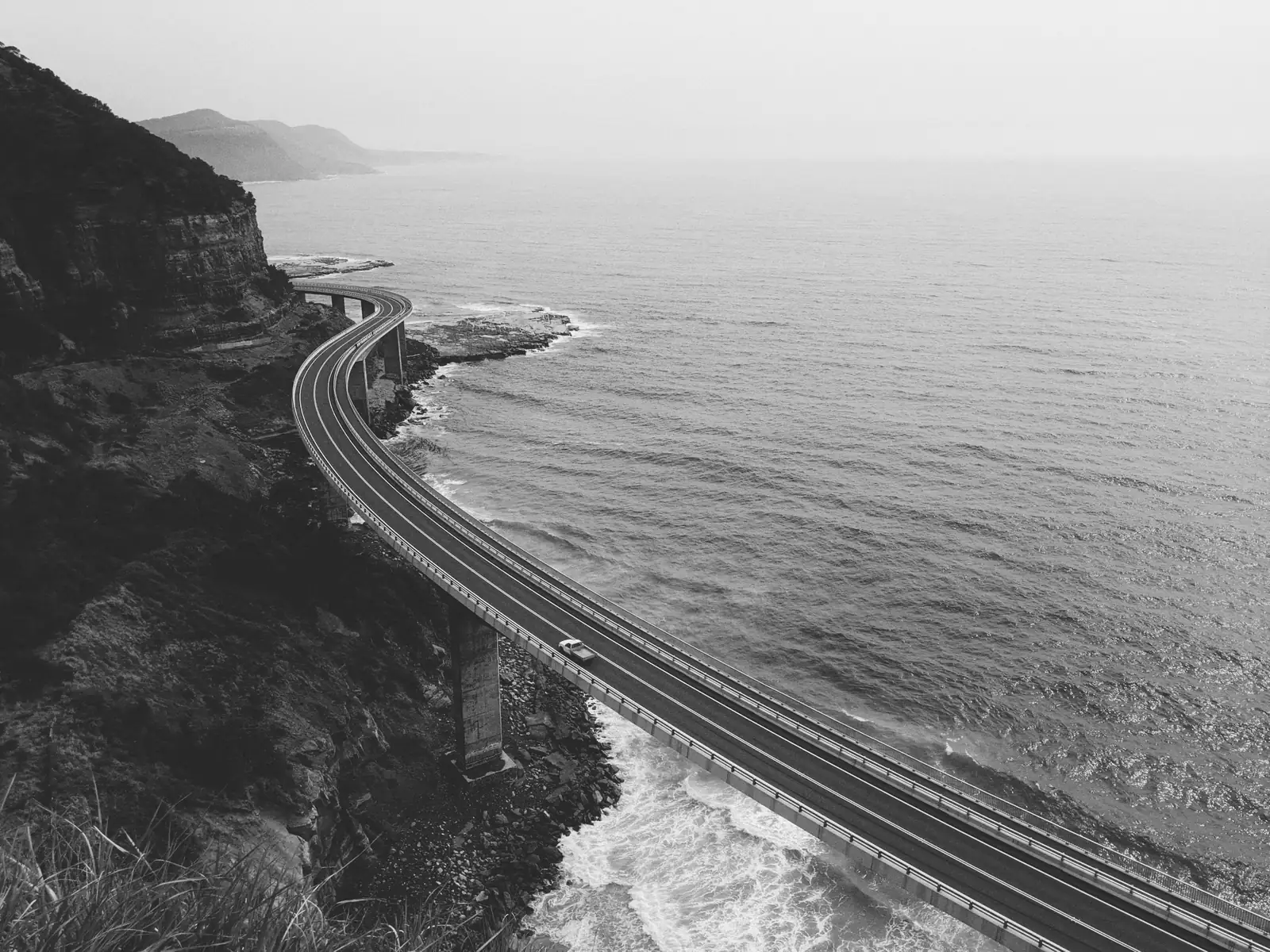
Driving in Melbourne as a tourist — hire cars, the hook turn, giving way to trams, CityLink tolls, road rules and when a car is worth it for day trips.
This article contains advertising. Our booking links are routed through a partner that adds commission tracking automatically, so if you book through one we earn a commission from the provider, at no extra cost to you. It never affects what we recommend. Affiliate disclosure
Here’s my honest advice on driving in Melbourne: for the city itself, you almost certainly don’t need a car — the trams, trains and your own two feet will serve you better, and parking is a hassle. But for day trips — the Great Ocean Road, the wine country, the national parks — a car opens up the best of Victoria. So this guide is really two guides in one: why to skip the car in the city, and how to drive confidently when you do need one, covering the quirks that catch visitors out (yes, the famous hook turn), the road rules, the tolls and where it all makes sense. It’s a practical part of our Melbourne public transport guide.
Should you drive in Melbourne?
For getting around the city, the answer is usually no. Melbourne’s centre is compact and walkable, the tram network (free in the city centre) and trains are extensive, parking is expensive and limited, and the city’s traffic quirks — hook turns, tram give-way rules, one-way laneways — make driving stressful for first-timers. You’ll have a more relaxed, cheaper trip leaving the car out of your city plans. Where a car earns its keep is for day trips and regional exploring, where public transport thins out and the freedom to stop where you like is invaluable. Many visitors hire a car only for the days they’re heading out of town.
Renting a car
Hiring a car is easy in Melbourne, with major rental companies at the airport and in the city. A few things to know: you’ll need a valid driver’s licence, with either an English translation or an International Driving Permit if your licence isn’t in English. Ask the rental company about its minimum age and any young-driver surcharge. Book ahead in peak periods, check the insurance and excess, and ask how the company handles tolls (more on that below). For day trips, pick the car up when you need it rather than paying for city parking across your whole stay — a money-saver many visitors miss.
Driving on the left
If you’re visiting from a right-hand-drive country, remember: Australia drives on the left, and the driver sits on the right of the car. Give yourself time to adjust — roundabouts (give way to the right), turning into the correct lane, and judging the car’s width all take a little getting used to. Take it slow on your first drive, ideally starting on quieter roads rather than the CBD, and stay extra alert at intersections and when pulling out. Most visitors adapt within a day, but the first hour or two demands real concentration, so don’t plan a complex city drive as your very first outing.
The famous hook turn
Melbourne’s signature driving quirk is the hook turn — a right turn made from the far-left lane, designed to keep trams flowing through the busy CBD. You’ll only do one where signs direct you (mostly at certain city intersections). Here’s how: as you approach, stay in the far-left lane; when your light is green, pull forward to the left side of the intersection and wait (keeping clear of pedestrians and through traffic); when the lights of the street you’re turning into turn green, complete your right turn. It feels backwards at first, but it’s logical once you’ve done one. Outside the CBD, right turns are normal. If hook turns make you nervous, it’s another good reason to avoid driving in the city centre.
Giving way to trams
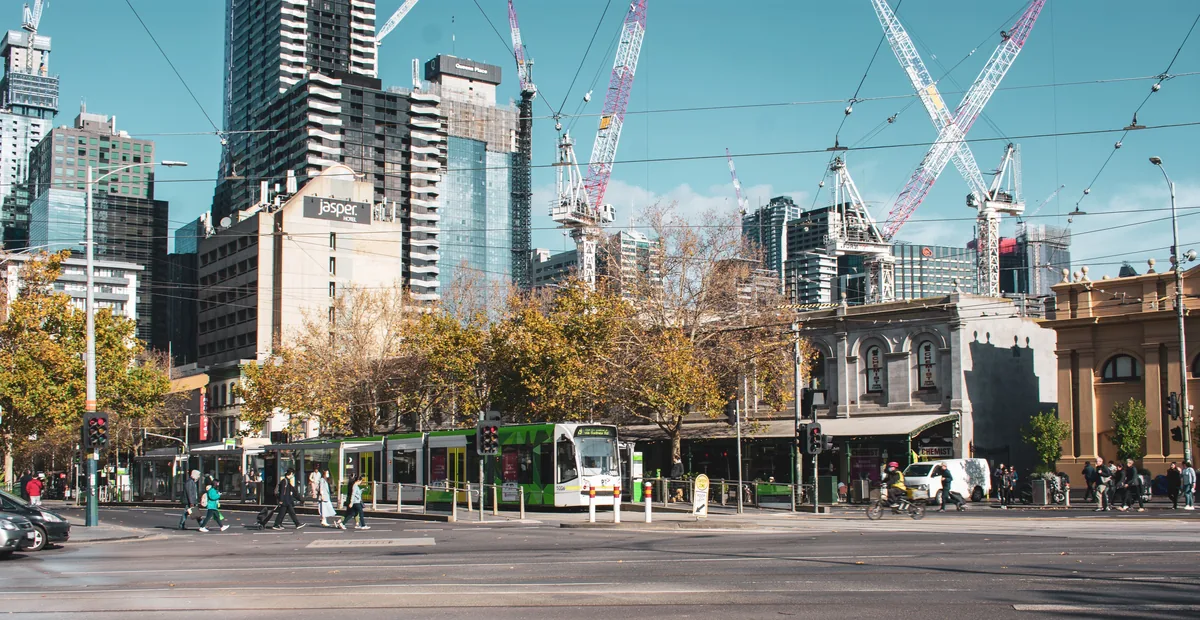
Sharing the road with trams is the other big adjustment. The rules: give way to trams when they’re turning or pulling out, and crucially, when a tram stops in the middle of the road to let passengers on or off (at a road-level stop), you must stop behind it and wait — passengers will be stepping onto the road. Where there’s a safety zone you can drive past a stopped tram; where there isn’t, stay behind it until the doors close and the road is clear of pedestrians. Watch for tram tracks (they can be slippery when wet and catch bike wheels), and be aware that trams have right of way in many situations. Our tram guide explains the network from the passenger side.
Tolls: CityLink and EastLink
Melbourne has two main toll roads — CityLink (which links the airport to the CBD and runs through the city) and EastLink (in the eastern suburbs) — and both are fully electronic: there are no toll booths or cash. Your number plate is scanned as you drive under a gantry, and the toll is charged automatically. To use them legally you need a pass or account (a trip pass or an e-tag). The good news for visitors: most rental companies handle tolls for you, either bundling them into your rate or charging them afterwards — confirm the arrangement when you collect the car. If you’re driving your own or a borrowed vehicle, arrange a pass with the toll operator before you travel.
Key road rules for visitors
A quick rundown of the essentials. The blood-alcohol limit is 0.05 (and zero for learner and probationary drivers) — drink-driving is taken very seriously, with frequent breath testing. Mobile phones must not be handled while driving (hands-free only). Speed limits are strictly enforced by cameras: typically 50km/h on residential streets, 40km/h in school zones (during posted times) and shopping strips, and 100–110km/h on freeways. Seatbelts are compulsory for everyone, and child restraints are required for young children. At roundabouts, give way to vehicles already on the roundabout (to your right). Keep left unless overtaking on multi-lane roads. Fines and demerit points apply, so drive carefully.
When driving makes sense
This is where a car shines. The classic Victorian road trips — the Great Ocean Road, the Yarra Valley wineries, Phillip Island, Wilsons Promontory and the Grampians — are all far better with your own wheels, letting you stop at lookouts, set your own pace and reach places public transport doesn’t. For these, hiring a car (or for some, joining a tour) is well worth it. Our day trips guide covers which destinations need a car and which you can reach by train or tour.
Country and regional driving
Driving in regional Victoria is generally relaxed, but a few cautions matter. Wildlife — especially kangaroos — is a genuine hazard on country roads at dawn and dusk, so avoid driving then where you can, and slow down if you see animals near the road. Distances can be long and roads quiet, so guard against fatigue, take regular breaks, and fuel up in towns as service stations thin out (a real consideration heading to places like Wilsons Prom). Some coastal and mountain roads are winding, so allow more time than the distance suggests, and check the weather and any fire warnings before remote trips.
Parking
If you do bring a car into the city, parking is the main headache — it’s limited, metered and expensive in the CBD, with strict time limits and ticketing. The smart approach is to use a car park rather than chance the street, compare rates (some bookable apps offer discounts), and consider park-and-ride at outer stations if you’re coming in for the day. For everything on rates, locations and how to save, see our dedicated Melbourne parking guide — it’s the companion to this article for anyone driving in the city.
Tips for driving in Melbourne
Skip the car in the city — use public transport and walk. Hire only for day trips to save on parking. Master the hook turn (or avoid CBD driving). Give way to trams and wait behind one at a roadside stop. Confirm toll handling with your rental company. Mind speed and school zones — cameras are everywhere. Watch for wildlife on country roads at dawn and dusk. And use a navigation app for routes and live traffic. Get these right and driving Victoria’s roads becomes a pleasure rather than a worry.
Traffic and navigation
Melbourne’s traffic is manageable by big-city standards but does get heavy in the weekday peak hours and around major events. The CBD’s grid is easy to follow but slow, with frequent lights, trams and pedestrians; the freeways move well outside peak. A navigation app (Google Maps or similar) with live traffic is essential for routing around congestion and finding the fastest way out of the city for a day trip. Avoid driving into the CBD at peak times if you can, and allow extra time when leaving on a Friday afternoon, when everyone else is also heading to the coast or country for the weekend.
Fuel and EV charging
Petrol stations are plentiful in the suburbs and along main routes, though they thin out in remote regional areas, so fuel up before long country drives. Fuel prices follow a weekly cycle in Melbourne, and apps can help you find the cheapest day and station. If you’ve hired an electric vehicle, charging infrastructure is growing across the city and along major touring routes like the Great Ocean Road, but plan charging stops in advance for regional trips and check your hire car’s range. For most short day trips a single tank or charge is ample; it’s the longer regional loops where forward planning on fuel matters most.
Driving with kids
If you’re hiring a car as a family, note that Australian law requires appropriate child restraints for young children — rental companies can supply car seats and boosters for an extra fee, but you must request them in advance, and quality and availability vary. Some families bring a familiar travel car seat from home. Plan for breaks on longer drives, pack snacks and entertainment, and remember that wildlife and winding roads on country routes call for extra care with precious cargo aboard. For more family-travel tips, see our guide to things to do in Melbourne with kids.
One-way streets, laneways and clearways
A few city-specific traps worth knowing. Melbourne’s CBD has many one-way streets and narrow laneways (some pedestrian-only), so follow signage carefully and your navigation app’s lane guidance. Watch for clearways — main roads where parking is banned during peak hours and cars are towed — and tram lanes you can’t drive in. Bike lanes are increasingly common too. These rules are part of why driving in the city centre is more trouble than it’s worth for visitors, and why we recommend leaving the car for the open road. If you must drive in, go slowly and read the signs.
Driving vs public transport: the cost
Weigh up the real cost of a city car. Beyond the hire fee, you’re paying for fuel, expensive CBD parking (often more than the daily car-hire rate), tolls and the stress of unfamiliar roads — whereas a capped daily Myki fare costs only a few dollars for unlimited trams and trains. For the city, public transport wins decisively on both cost and convenience. The maths flips for day trips, where a shared hire car split between a group is often cheaper and far more flexible than multiple tour tickets or long rideshares. So: public transport in town, car for the country — that’s the cost-smart approach.
Frequently asked questions
Do I need a car in Melbourne?
Not for the city — public transport and walking cover it well, and parking is expensive and limited. A car is worth hiring for day trips like the Great Ocean Road, wine country and national parks, where it gives you freedom the network can’t. Many visitors rent only for those days.
What is a hook turn in Melbourne?
A hook turn is a right turn made from the far-left lane, used at certain CBD intersections to keep trams flowing. You pull to the left side of the intersection, wait, and complete the turn when the lights of the street you’re entering go green. Signs show where they apply.
How do Melbourne toll roads work?
CityLink and EastLink are fully electronic — no booths or cash. Your number plate is scanned under gantries and the toll charged automatically, so you need a pass or e-tag. Most rental companies handle tolls for you; confirm the arrangement when you collect the car.
What side of the road does Melbourne drive on?
Australia drives on the left, with the driver seated on the right of the car. Give yourself time to adjust at roundabouts and intersections, and take your first drive somewhere quiet rather than the CBD.
The bottom line
In Melbourne, the smart move is to leave the car parked — use the trams, trains and your feet for the city, where driving is more hassle than help. Save the hire car for the day trips, where it unlocks the Great Ocean Road, the wineries and the national parks. Learn the hook turn and the tram rules, sort your tolls, and drive carefully on country roads, and you’ll have the best of both worlds: an easy city stay and the freedom to explore the spectacular country beyond it. It’s the approach locals themselves take — few Melburnians would dream of driving into the CBD for a night out, but a weekend road trip down the coast is a different story entirely.
For most visitors the real reason to hire a car is the coast. The winding stretch between Lorne and Apollo Bay is where the keep-left reminders, the turnout etiquette and the dusk wildlife warnings above matter most, and our Great Ocean Road travel guide walks through drive times, fuel stops and which direction to take it.