SEA LIFE Melbourne Aquarium Guide: Tickets & What to See
- Words
- Melbourne Tourism Guide
- Updated
- July 25, 2026
- Read
- 11 min
Your guide to SEA LIFE Melbourne Aquarium — what to see, ticket prices and how to save, the penguins and shark tunnels, and tips for a smooth family visit.
This article contains advertising. Our booking links are routed through a partner that adds commission tracking automatically, so if you book through one we earn a commission from the provider, at no extra cost to you. It never affects what we recommend. Affiliate disclosure
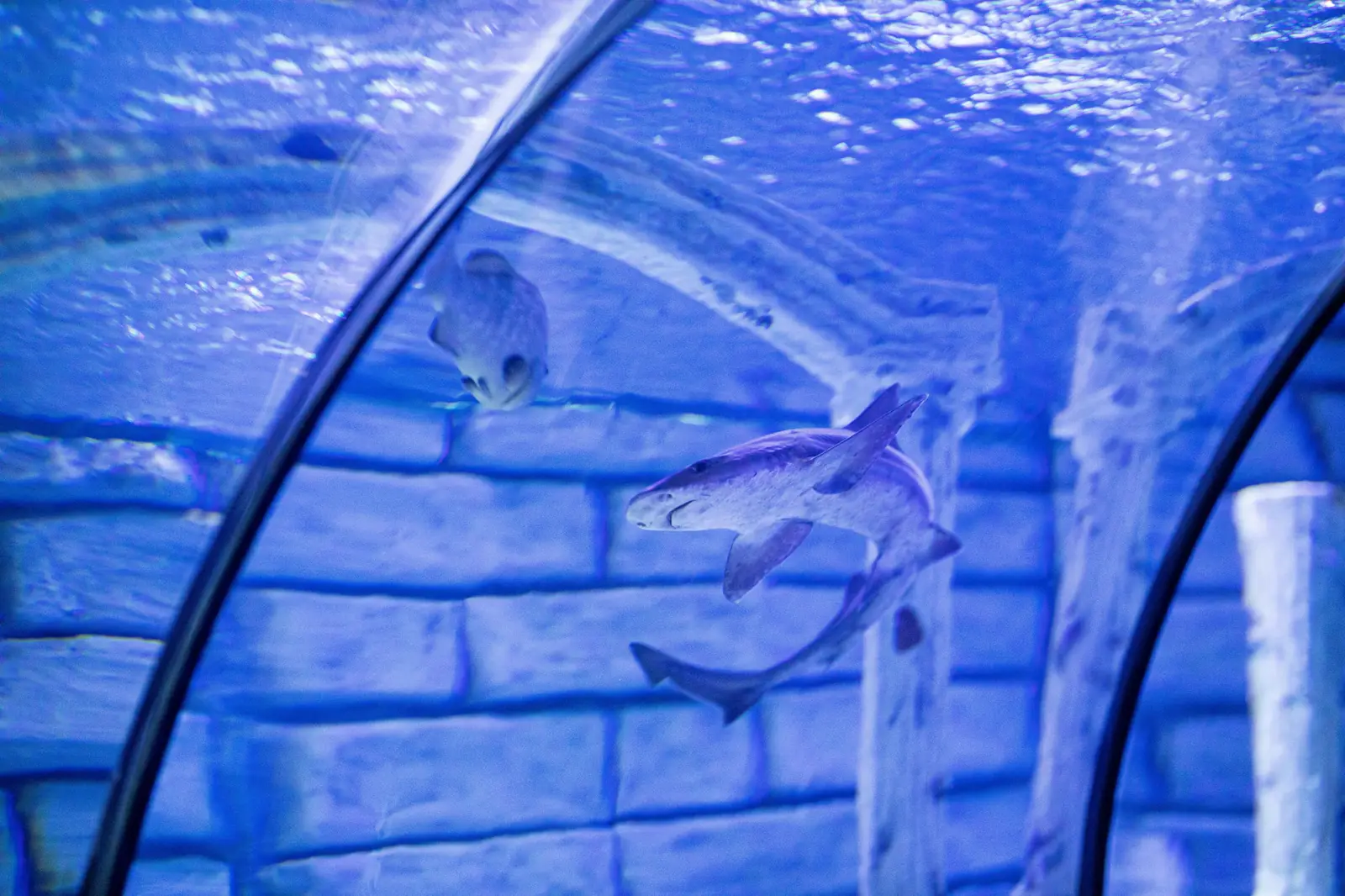
There’s a moment at SEA LIFE Melbourne Aquarium that gets every kid — and, honestly, every adult — every single time: standing in the glass tunnel as a stingray the size of a coffee table glides silently overhead and a grey nurse shark cruises past at eye level. It’s pure wide-eyed wonder, and it’s why the aquarium is one of the city’s most reliable family days out, rain or shine. Right on the Yarra in the heart of the CBD, it packs thousands of marine animals into a couple of easy, undercover hours. This guide covers what to see, how to save on tickets, and how to plan a smooth visit. It’s a highlight of our Melbourne with kids guide.
What is SEA LIFE Melbourne Aquarium?
SEA LIFE Melbourne is a large, modern aquarium on the banks of the Yarra River, beside Flinders Street and the Crown precinct. Spread over multiple levels, it’s home to thousands of marine creatures across around a dozen themed zones — from tropical reefs and a colossal ocean tank to a colony of Antarctic penguins. Crucially for Melbourne, it’s entirely indoors, which makes it a brilliant rainy-day saviour as well as a sunny-day treat. It’s compact enough to see comfortably in a couple of hours, making it ideal for families, and it’s right in the centre of town within the Free Tram Zone.
The must-see zones
A few attractions are the stars of the show.
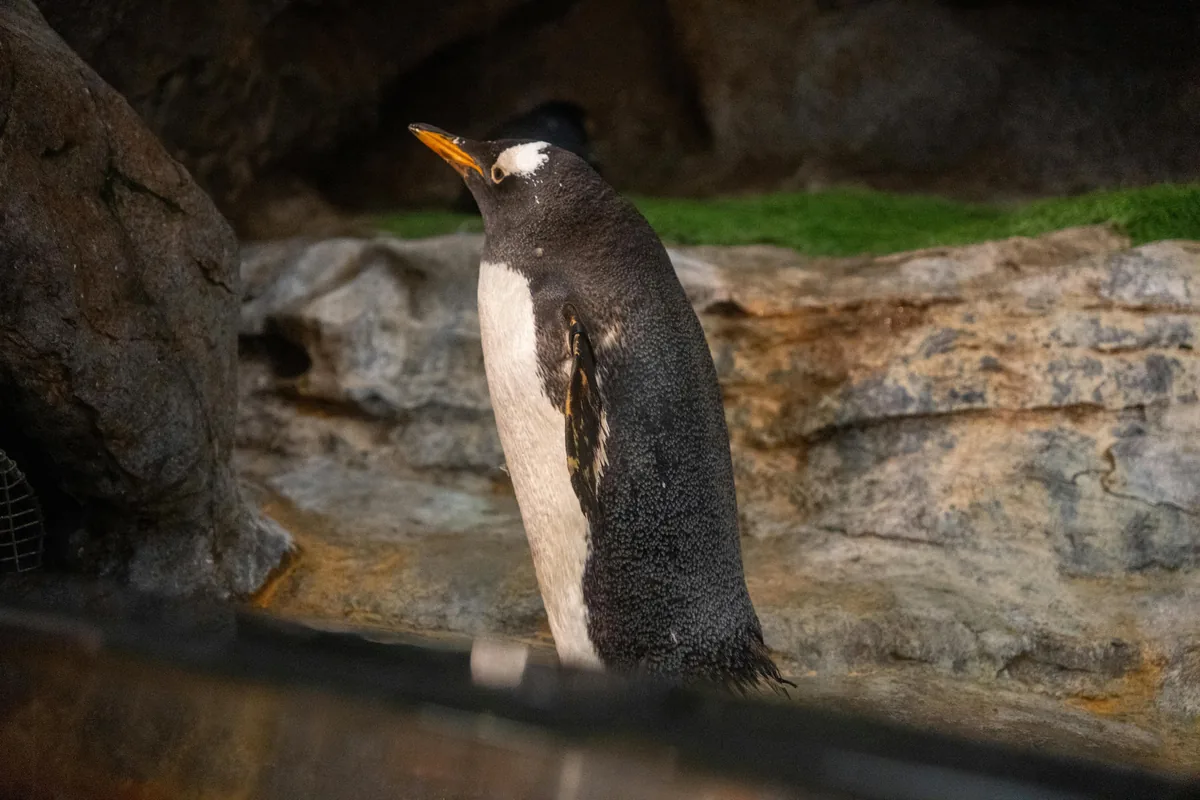
The Oceanarium is the showstopper — a 2.2-million-litre tank recreating Australia’s offshore waters, with walk-through underwater tunnels where massive stingrays, loggerhead turtles and several shark species glide all around you. Penguin Playground is the other crowd favourite, home to King and Gentoo penguins (including a few social-media-famous residents) in a chilly Antarctic habitat you can watch them porpoise and waddle through. Elsewhere, Bay of Rays showcases fiddler rays and Port Jackson sharks, the mesmerising jellyfish displays glow under coloured light, Night on the Reef reveals the ocean’s natural bioluminescence, and there’s a resident saltwater crocodile that always draws a crowd. Add seahorses, clownfish and touch-pool encounters, and there’s plenty to hold little ones’ attention.
Tickets and prices
Here’s the key money-saving tip: book online in advance. Buying ahead — ideally at least a day before, on a weekday outside school holidays — can save you a significant amount, sometimes up to half the gate price. As a rough guide, adult tickets start around AU$42 online (versus roughly $49 at the gate), child tickets (ages 4–15) from around AU$29, and children under 4 go free with a paying adult. Family passes and combo tickets (bundling other city attractions) can save more if you’re doing several sights. Entry typically includes a digital photo pass. Always check the official site for current pricing and any timed-entry requirements.
Special experiences
Beyond general admission, the aquarium offers some memorable add-ons for older kids and adventurous adults. Penguin Passport lets you suit up in Antarctic gear and step onto the ice to meet the penguins up close on a behind-the-scenes tour. Shark Dive Xtreme is the big one — a chance to dive in the Oceanarium with sharks, rays and turtles, no cage required (for certified and intro divers). There are also behind-the-scenes tours and animal feeding experiences. These book out and cost extra, so reserve ahead if one appeals — they turn a good visit into an unforgettable one.
Planning your visit
Most families spend 1.5 to 3 hours here — closer to three if you catch the talks and feeding sessions, which are well worth timing your visit around (check the daily schedule on arrival). To dodge the biggest crowds, aim for a weekday outside school holidays, and arrive early or later in the afternoon. The aquarium is fully stroller and wheelchair friendly, with lifts between levels, and there’s a café and gift shop on site. It’s a one-way route through the zones, so you won’t get lost, and the dim, climate-controlled interior is a welcome escape on a hot or rainy day alike.
Getting there
The aquarium couldn’t be more central — it sits on the Northbank of the Yarra at the corner of Flinders and King streets, a short walk from Flinders Street and Southern Cross stations and well within the Free Tram Zone, so you can get there from anywhere in the CBD without paying a fare. Our public transport guide explains the trams and trains. It’s also an easy walk from Southbank, Crown and the Docklands.
A rainy-day and with-kids winner
Because it’s entirely indoors, SEA LIFE is one of the city’s best wet-weather options — when Melbourne’s famous “four seasons in one day” turns grey, the aquarium is a guaranteed hit. It pairs naturally with the city’s other family attractions and indoor escapes; see our guides to rainy-day activities and things to do in Melbourne with kids for more ways to fill a family day.
Combine with nearby attractions
The aquarium’s central riverside location makes it easy to build a full day around. Just steps away are the Crown entertainment complex, the Southbank promenade, and the Melbourne Skydeck at Eureka Tower for the city’s best views. The Yarra cruises depart nearby, and Queen Victoria Market and the laneways are a short tram ride away. For older kids and a contrast of pace, our guide to Melbourne Zoo covers another brilliant animal encounter across town.
Daily talks and feeding sessions
One of the best ways to get more out of your visit is to plan around the daily talks and feeding sessions. Throughout the day, keepers give live presentations at different zones — feeding the sharks and rays in the Oceanarium, talking through the penguins’ antics, or introducing the crocodile — and these are genuinely engaging, packed with facts that bring the animals to life for kids. Grab a schedule when you arrive (or check the app) and build your route around the ones that appeal. Catching a feed is often the highlight of the whole visit, so it’s worth a little planning to line them up.
Visiting with toddlers vs older kids
The aquarium works across a wide age range, but the experience differs. For toddlers and pre-schoolers, the appeal is sensory and immediate — the colour, the movement, the touch pools and the penguins — so keep the pace gentle, bring the stroller (the route is fully pram-friendly), and don’t worry about reading every information panel. School-age kids get more from the talks, the bigger predators and the interactive elements, and may love the idea of a Penguin Passport encounter. Teens and adults can go further with the Shark Dive. The dim, enclosed environment can briefly overwhelm very young or sensitive children, so the quieter early-morning slots are ideal for them.
More than a day out: conservation
SEA LIFE is also involved in marine conservation and breeding programs, and the visit doubles as a low-key education in ocean life and the threats facing it. The signage and keeper talks weave in messages about plastic pollution, sustainable seafood and protecting marine habitats, which can spark great conversations with curious kids. Several of the species on display are part of regional breeding and rescue efforts. It’s a nice bonus that a fun family outing also leaves children a little more aware of why the ocean matters — and what they can do to help look after it.
Food, facilities and accessibility
Practical bits make the day smoother. There’s a café on site for snacks and meals, though you’re free to bring your own and there are food options aplenty nearby on Southbank. A gift shop (positioned, inevitably, at the exit) does a roaring trade in plush sharks and penguins. The venue is fully accessible — step-free with lifts between levels, wheelchair and stroller friendly, with accessible toilets and baby-change facilities. If you’re visiting with a child who finds crowds or noise difficult, the quieter weekday mornings are your friend, and staff are generally happy to help.
Annual passes and combo deals
If you’re a local family or planning to visit more than one major attraction, do the maths on passes. An annual pass can pay for itself in as few as two visits and often includes perks and discounts — worth it if the aquarium is a regular rainy-day fallback. Combo tickets that bundle SEA LIFE with other city attractions (such as the observation deck or other animal parks) can also offer solid savings for visitors doing the rounds. Compare the combined online price against individual tickets before you book, and you may shave a useful amount off a family outing.
Best time to visit
Because it’s indoors and climate-controlled, the aquarium is a year-round, all-weather option — which also makes it predictably busy on rainy days and during school holidays, when half the city has the same idea. For the most relaxed visit, aim for a weekday outside the Victorian school holidays, and go either at opening or from mid-afternoon, avoiding the late-morning peak. Winter and wet days draw the biggest crowds (everyone’s chasing an indoor activity), so if your trip is flexible, a fine-weather weekday is quietest. Whenever you go, pre-booking a timed online ticket means you skip the queue at the door.
Aquarium or zoo?
Families often ask whether to do the aquarium or the zoo — and the honest answer is they’re different enough to justify both on a longer trip. The aquarium is compact, central, indoors and quick (a couple of hours), making it perfect for a half-day, a rainy day, or younger children with shorter attention spans. Melbourne Zoo is a larger, mostly outdoor day out with a huge range of land animals, better suited to a full day in good weather. If you can only choose one, let the weather and your children’s ages decide; our Melbourne Zoo guide helps you weigh it up.
Money-saving tips for families
A day at the aquarium needn’t break the bank. Always book online and in advance for the biggest discount, look for family passes (two adults plus children) which beat individual tickets, and consider combo tickets if you’re visiting other attractions. Bring your own water bottles and snacks to avoid café prices, and travel in on free CBD trams. If you’ll visit more than twice, an annual pass is the smart play. With a little planning, the aquarium is one of the better-value big-ticket family attractions in the city, especially measured against the wide-eyed reactions you’ll get from the kids.
Make a day of it on the river
The aquarium’s riverside spot makes it easy to stretch into a full family day. Afterwards, stroll the Southbank promenade with its buskers and views, ride to the top of the Melbourne Skydeck for a thrill, hop a Yarra cruise, or wander across to the laneways for lunch. On a fine day you could pair the morning aquarium with an afternoon in the gardens or at a playground. It slots neatly into a broader family itinerary — our guide to things to do in Melbourne has plenty more to weave in.
Meet the star residents
Every aquarium has its celebrities, and SEA LIFE Melbourne is no exception. The penguin colony in particular has produced genuine social-media stars over the years — fluffy, oversized chicks and characterful adults who’ve drawn international attention and queues of admirers. The big sharks and the resident saltwater crocodile have their own followings, and keepers will happily share the names and personalities of individual animals during the talks. For kids, putting a name to a face turns a generic “fish in a tank” into a character they’ll remember and ask about long after the visit — so listen out for the keepers’ introductions and let your children pick a favourite to follow around the zones.
Frequently asked questions
How much are SEA LIFE Melbourne Aquarium tickets?
Booking online in advance, adult tickets start around AU$42 and child tickets (4–15) from around AU$29, with under-4s free. Gate prices are higher, so booking ahead — especially on a weekday outside school holidays — can save up to around half.
How long do you need at SEA LIFE Melbourne?
Most visitors spend 1.5 to 3 hours. Allow closer to three hours if you’re visiting with children or want to catch the daily talks and feeding sessions.
What can you see at Melbourne Aquarium?
Highlights include the 2.2-million-litre Oceanarium with walk-through shark-and-ray tunnels, the King and Gentoo penguins in Penguin Playground, jellyfish displays, a saltwater crocodile, seahorses and touch pools across around a dozen themed zones.
Is SEA LIFE Melbourne good for a rainy day?
Yes — it’s entirely indoors and centrally located within the Free Tram Zone, making it one of the city’s best wet-weather family activities. It’s stroller and wheelchair friendly too.
The bottom line
SEA LIFE Melbourne Aquarium is a compact, captivating, all-weather day out that delivers genuine wonder for kids and grown-ups alike. Book your tickets online to save, time your visit around the feeding talks, and don’t rush the Oceanarium tunnels — that’s where the magic happens. Central, indoors and endlessly engaging, it’s a near-guaranteed win for any Melbourne family trip. Tired legs, happy kids and a camera roll full of sharks and penguins — that’s the mark of a good day out, and the aquarium delivers it reliably whatever the weather is doing outside.