Melbourne with Kids (2026): Complete Family Travel Guide
- Words
- Melbourne Tourism Guide
- Updated
- October 25, 2026
- Read
- 24 min
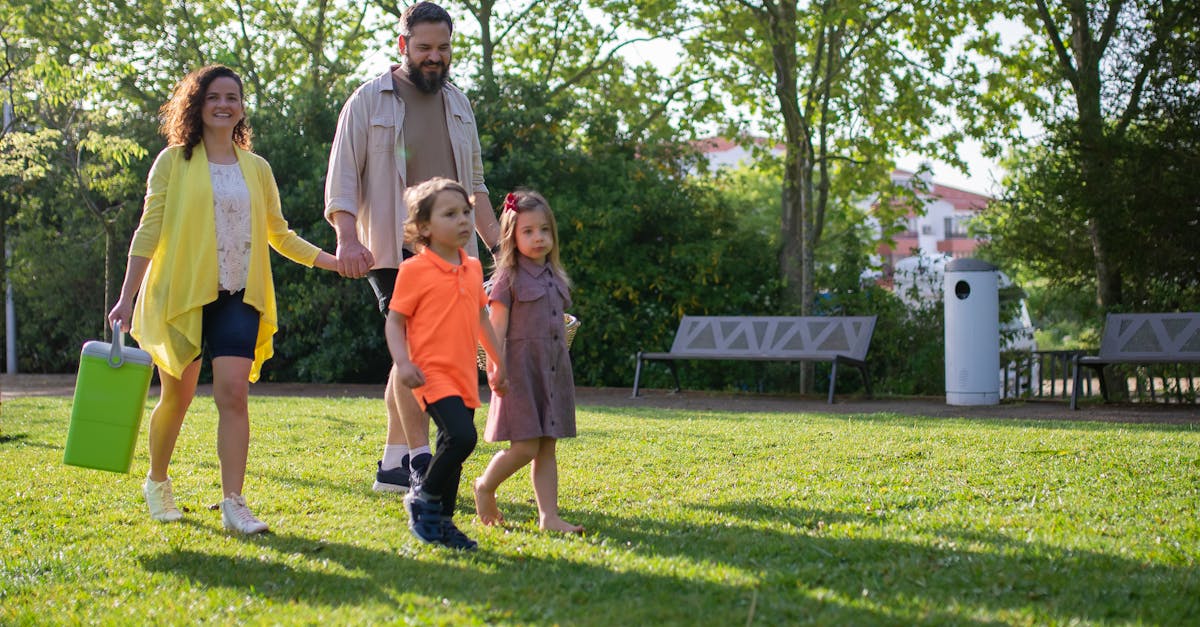
Melbourne with kids — the complete family travel guide. Zoo, Aquarium, Scienceworks, Luna Park, Melbourne Museum, best playgrounds, kid-friendly restaurants, free activities and rainy-day indoor ideas.
This article contains advertising. Our booking links are routed through a partner that adds commission tracking automatically, so if you book through one we earn a commission from the provider, at no extra cost to you. It never affects what we recommend. Affiliate disclosure
Last updated: August 2026. Melbourne is one of Australia’s most kid-friendly capital cities — compact enough to navigate with a stroller, safe, and packed with attractions that work for toddlers through teenagers. Whether you’re planning a week here with a family of four or tacking on a family day-trip to a longer itinerary, this guide to Melbourne with kids is built around what actually works: the attractions worth the ticket price, the free and cheap alternatives, the restaurants that welcome kids, and the practical tricks (public transport, strollers, rainy-day backups) that make the difference between a memorable family trip and an exhausted one.
This guide is split by age band (toddlers, 5–10, tweens/teens) where the answer changes, and otherwise by type of activity. Every attraction listed has been selected with real families in mind — budget, transport access, whether it suits a half-day or a full-day slot, and whether you’ll need to queue.
Melbourne with kids at a glance
| Attraction | Age best | Half/full day | Approx cost (family of 4) |
|---|---|---|---|
| Melbourne Zoo | All ages | Full day | $125 (kids under 16 free weekends) |
| SEA LIFE Aquarium | All ages | Half day | $140 |
| Scienceworks | 4+ | Half day | $30 |
| Luna Park | 3+ (rides vary) | Half day | $175 (family unlimited rides pass, up to four) |
| Melbourne Museum | All ages | Half day | $30 (kids free) |
| IMAX Melbourne | 5+ | 2 hours | $100 |
| Melbourne Skydeck | 6+ | 1.5 hours | $130 |
| Puffing Billy Railway | All ages | Full day | $140+ (return from Belgrave) |
| Werribee Open Range Zoo | All ages | Full day | $125 |
| ArtPlay / Birrarung Marr | 0–12 | Half day | Check the City of Melbourne site |
Melbourne Zoo — most families’ day one
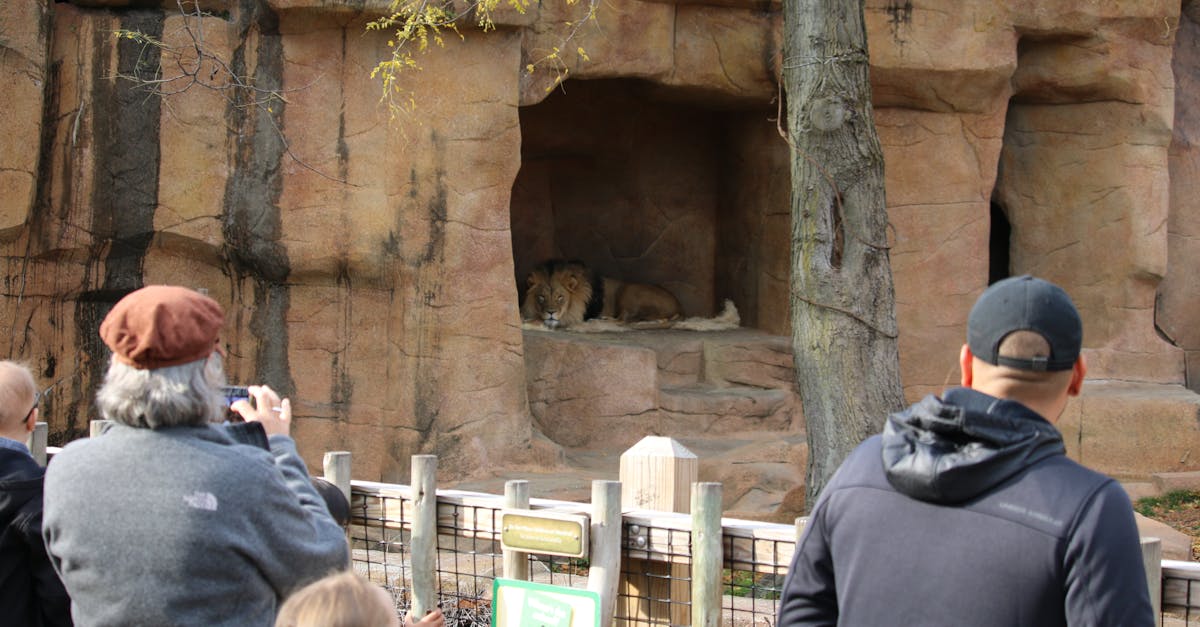
Opened in 1862, Melbourne Zoo is Australia’s oldest zoo. Highlights for kids include the walk-through butterfly house, the gorilla forest, the Wild Sea penguin colony, and the Australian bush precinct — note that the elephants have moved to the new Werribee Elephant Trail, which opened in March 2025. Free roaming emus, kangaroos, and wallabies in the Australian Bush section give kids a close-up first encounter with native wildlife.
Kids under 16 go free on weekends, school and public holidays — this is one of the best family deals in the city. A family of four (two adults + two kids aged 4–15) pays from $116 on a free-child day versus from $174 on a paid weekday, and date-based pricing can push both higher. The gates open at 9am.
Getting there: Tram 58 from William Street (CBD) runs direct to the zoo; or take the Upfield train line to Royal Park station, across the road from the zoo’s rail gate.
SEA LIFE Melbourne Aquarium
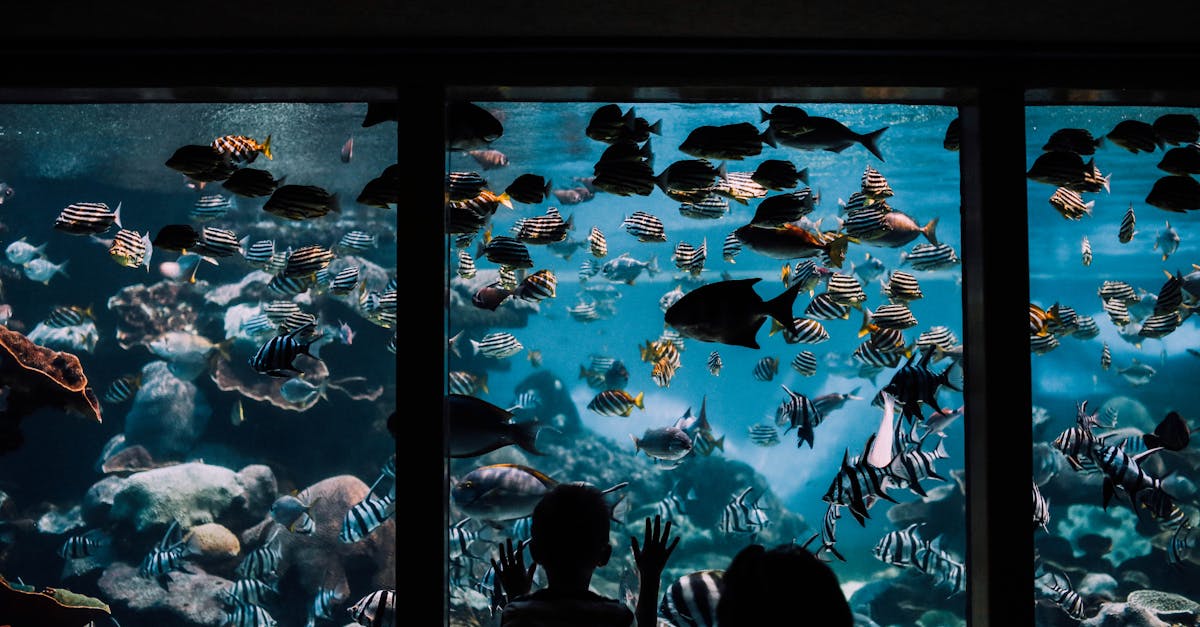
Located on the Yarra River at King Street Bridge, SEA LIFE is the easiest half-day family activity in the CBD. The Oceanarium tunnel — a 2.2 million litre tank with sharks, stingrays, and sea turtles — is the headline experience. The Antarctic exhibit’s king and gentoo penguins and the touch-pool in Discovery Rockpool are particular toddler favourites.
Book online, ideally for a weekday: advance weekday prices outside school and public holidays start at $39 for adults and $25 for children, against $54 and $40 on the day, and advance weekend prices are higher. A timed entry ticket helps avoid the 11am–1pm crush. Allow 2–3 hours. Kids under 2 are free. The exit into the gift shop is predictable — set expectations with older kids in advance.
Scienceworks — interactive science museum
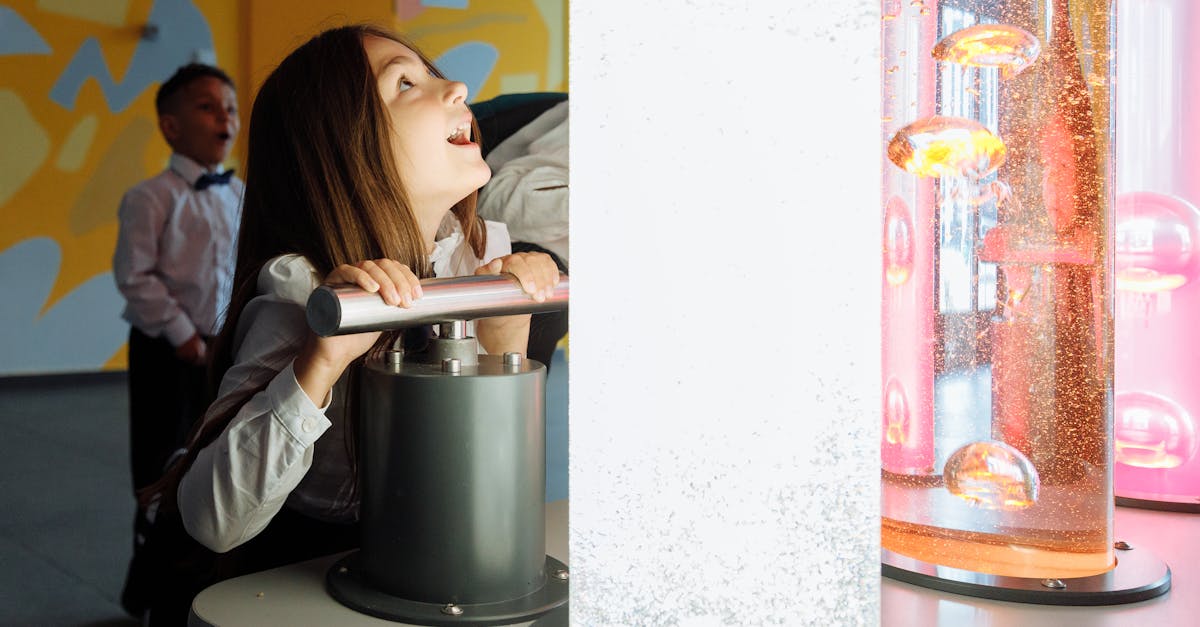
In Spotswood, a short train ride from the CBD, Scienceworks is a hands-on science museum and a rainy-day saviour. Exhibits include the Lightning Room (working Tesla coil demonstrations), the Think Ahead future-living zone, the Sports Works physical-testing hall, and — separately ticketed — the Melbourne Planetarium, which runs age-appropriate shows including Tycho for under-8s.
Entry is free for kids 16 and under, and adults pay $15 each. Add Planetarium tickets ($10/adult, $6/child) if you want one. Open daily 10am–4:30pm.
Luna Park Melbourne — the classic amusement park
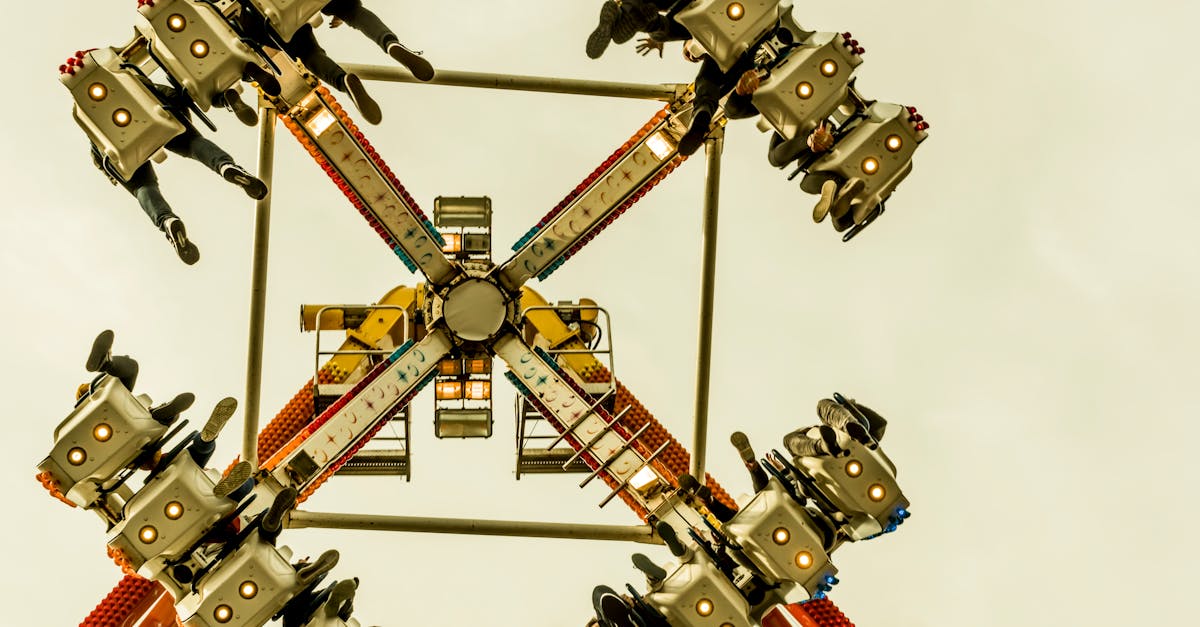
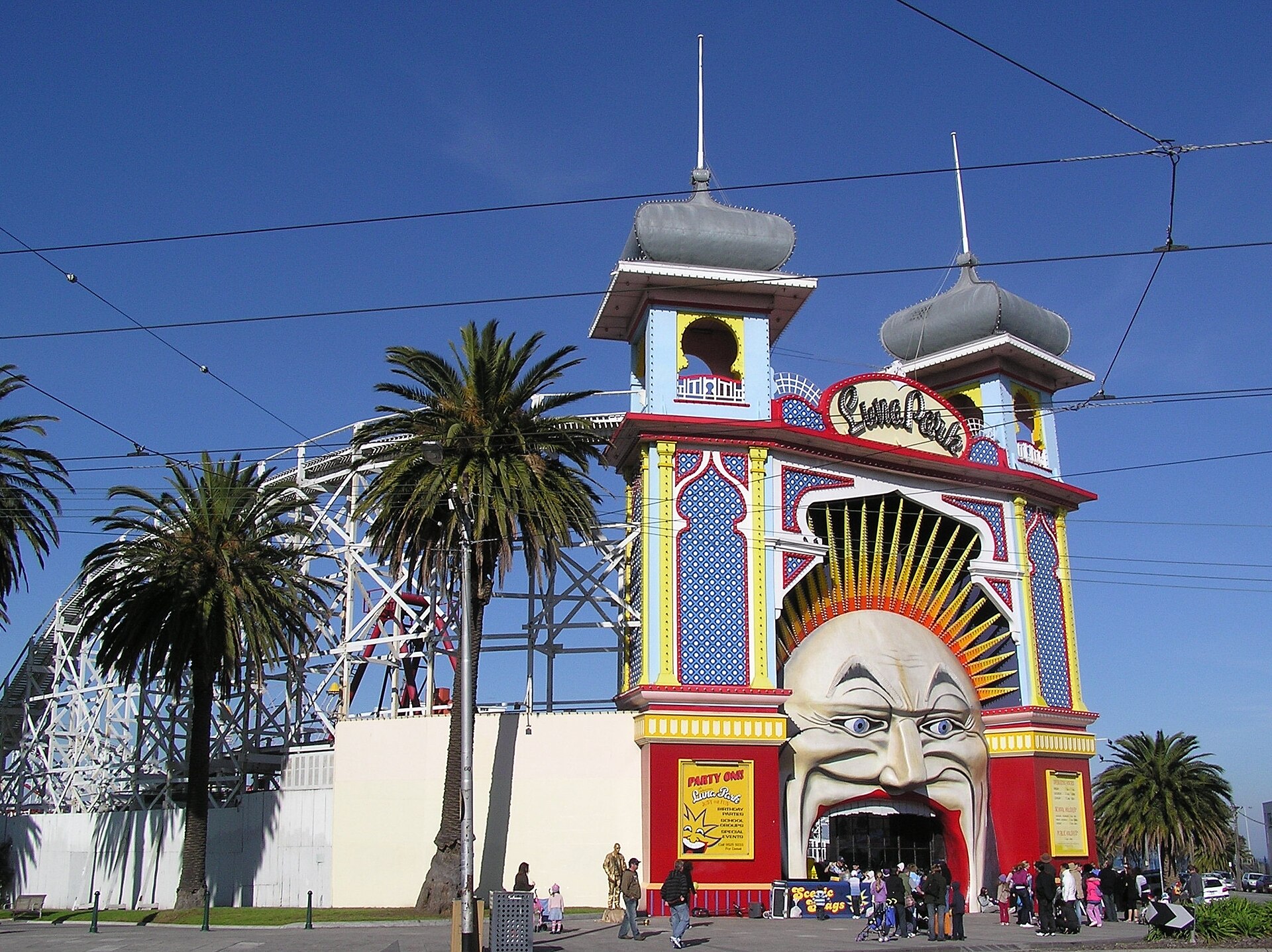
Luna Park in St Kilda has the iconic Mr Moon face entrance, the heritage-listed Scenic Railway (the world’s oldest continually operating roller coaster, running since 1912), and a mix of heritage and modern rides. For toddlers and young kids, the Carousel, Ferris Wheel, and Dodgem Cars are the sweet spot. Thrill-seeking tweens will want the Enterprise (spinning gondolas), Pharaoh’s Curse (swinging pendulum), and the Power Surge.
Pricing: an Unlimited Rides pass, entry included, costs $57 for ages 13+ and $47 for ages 4–12, and under-4s ride free; entry with one ride or game is $30 for ages 4+. An unlimited pass typically pays off if you plan 4+ rides. Note: the park only opens most days during school holidays and weekends — check before you go. Tram 96 runs from the city direct to St Kilda Beach.
Melbourne Museum — for curious kids
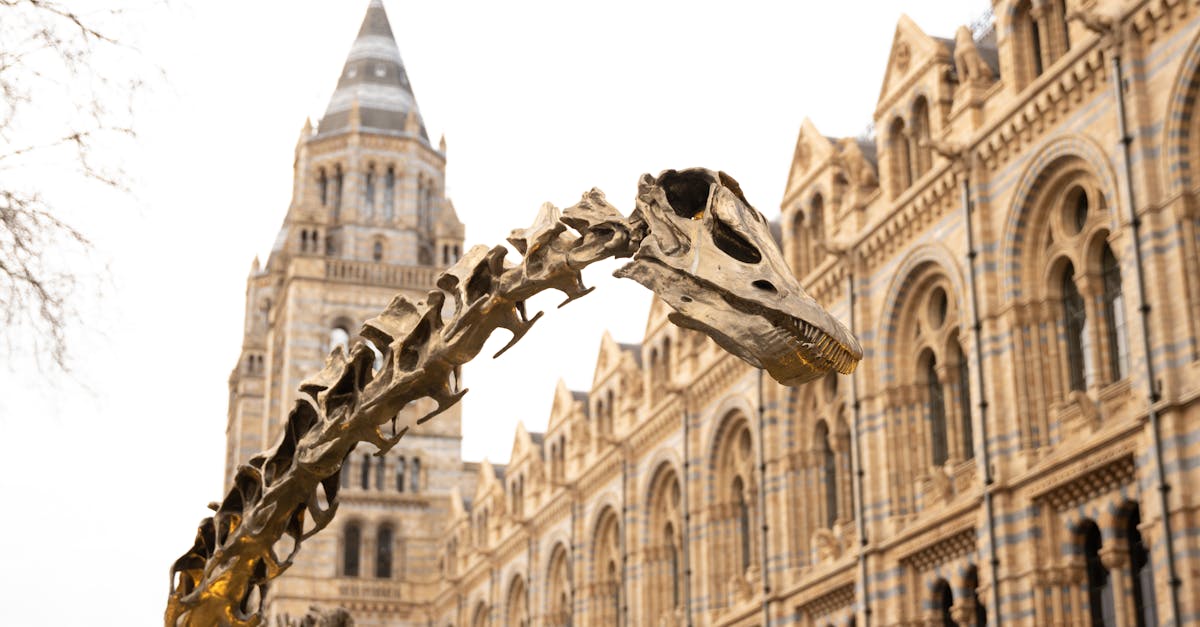
In Carlton Gardens, Melbourne Museum has dinosaur skeletons (the Triceratops is the headline), Bunjilaka (the First Peoples gallery), and a dedicated Children’s Gallery for babies to five-year-olds. The IMAX cinema next door screens family and nature documentaries.
Kids under 16 enter free. Check the current adult price on the Museums Victoria site. Open daily 9am–5pm. Pair this with a picnic in Carlton Gardens or a coffee on Lygon Street (Italian restaurant strip; pizza joints welcome kids).
Best playgrounds in Melbourne
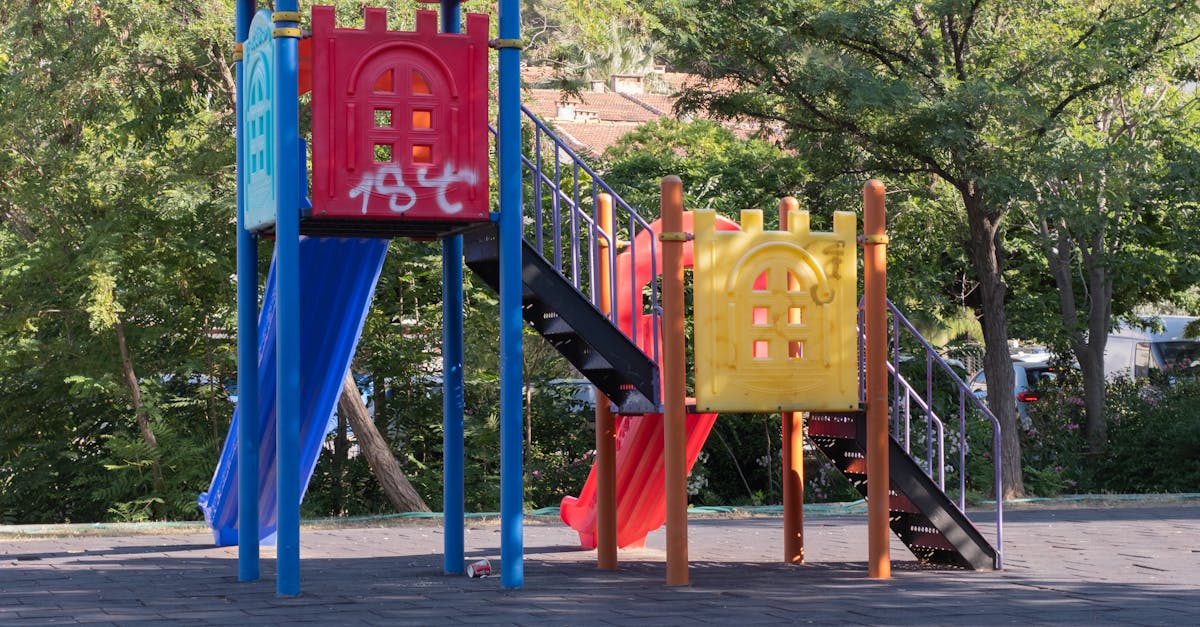
- Birrarung Marr Play Space (CBD) — “Ovens and Billabongs” water play area and climbing structures right behind Federation Square. Summer water-play in season.
- Royal Park Nature Play (Parkville) — adventure play in native-bushland setting; logs, tunnels, sand.
- St Kilda Adventure Playground — closed for upgrades expected to finish in mid-2027; reopening news is on the City of Port Phillip site.
- Fitzroy Gardens Model Tudor Village + Conservatory playground — small play zone combined with free attractions including the Cooks’ Cottage.
- Flagstaff Gardens — central CBD park with playground and barbecues.
- Docklands Park — on the waterfront.
- Albert Park Playground — large, lakeside with paddle-boat hire.
- Ron Barassi Senior Park (Docklands) — open space and play areas, opened in October 2015.
- Elwood Beach Playground — sand play adjacent to the beach.
Kid-friendly restaurants
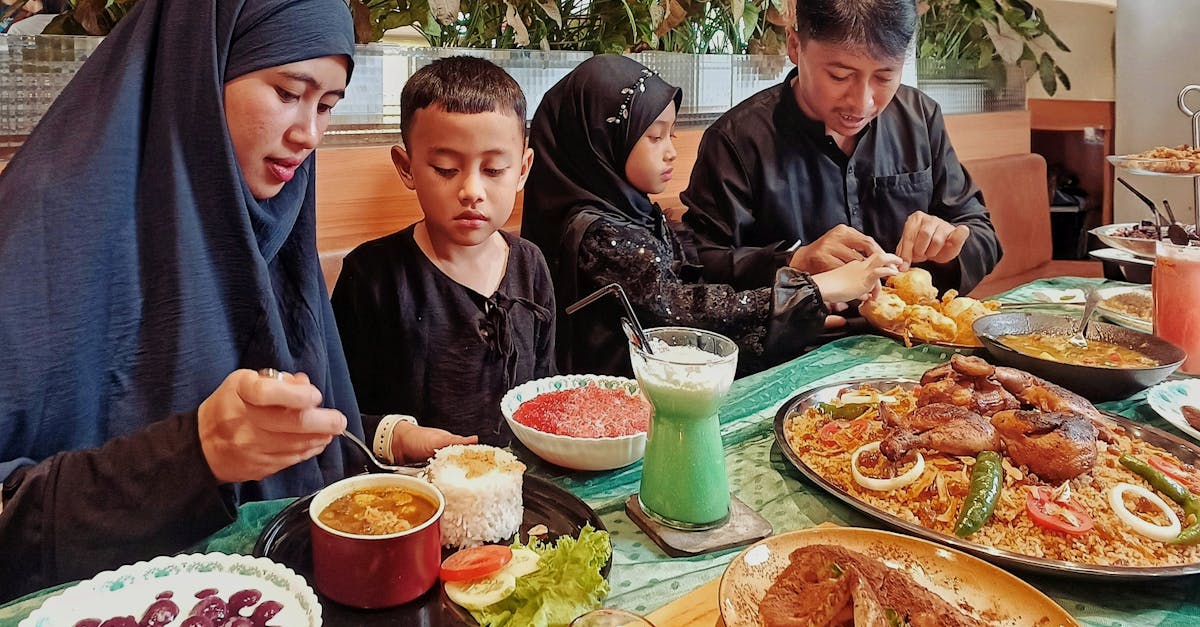
- Grill’d (multiple locations) — Australian gourmet burgers; kids burger + chips + drink around $12.
- Beatbox Kitchen — good burgers, low-key, welcoming.
- 400 Gradi — Neapolitan pizza; spacious, loud, kid-tolerant.
- Lucy Liu (CBD) — Asian fusion with a separate kids menu; lively.
- Chin Chin (125 Flinders Lane, CBD) — Thai; open for lunch and dinner seven days a week from 11am, so an early meal with kids is easy to fit in.
- Stalactites (Lonsdale Street) — Greek, in the CBD since 1978; open 11am–midnight Sunday to Thursday and until 2am Friday and Saturday (closed Christmas Eve, Christmas Day, New Year’s Eve and New Year’s Day). Simple menu, kids love the yogurt dip.
- Top Paddock (Richmond) — brunch spot with a kids’ menu and outdoor seating.
- Fonda Mexican (multiple) — tacos and quesadillas; kids eat free Sundays.
- Lygon Street (Carlton) — almost every restaurant serves pasta and pizza and handles families well; Tiamo is the value pick.
- South Melbourne Market food hall — point-and-order dim sims, pastries, and rainbow slushes; good for picky eaters.
Family day trips from Melbourne

- Phillip Island Penguin Parade (about 110 minutes’ drive, plus time for traffic) — the world’s largest little-penguin colony comes ashore each evening. Kids 3+ onwards are mesmerized.
- Puffing Billy Steam Railway (Dandenong Ranges, 1 hour) — heritage steam train on a line that dates from 1900; the classic “legs out the window” trip.
- Werribee Open Range Zoo (30 min) — African safari bus tour; a unique day out for animal-loving kids.
- Healesville Sanctuary (about an hour by car) — Australian native wildlife up close; kids can see kangaroos and wombats, and the Spirits of the Sky bird show is a highlight.
- Mornington Peninsula Hot Springs (1.5 hours) — family pools open at the Bath House; older kids enjoy the cave pool.
- Sovereign Hill, Ballarat (1 hour 15 minutes) — living history gold-rush town; kids pan for gold.
- Great Ocean Road short-loop — to Bells Beach and Split Point Lighthouse works as a day-trip with young kids if you turn back at Lorne.
Free things to do in Melbourne with kids

- ArtPlay (Birrarung Marr) — free drop-in art workshops for kids most weekends.
- Royal Botanic Gardens + Ian Potter Children’s Garden — free walk-in (Children’s Garden open only in school terms).
- State Library of Victoria — the Dome reading room, Ned Kelly’s armour, and weekend kids’ storytime sessions. Free.
- NGV International and NGV Australia — entry to the permanent collection is free and both are open daily 10am–5pm; family-friendly art-trail guides available. Until 13 December 2026 some NGV International galleries may be closed while the Triennial is installed.
- Free trams inside the CBD Free Tram Zone — a sightseeing tram ride is entertainment in itself.
- Queen Victoria Market — wander the food halls and grab cheap takeaway (closed Mondays and Wednesdays).
- Brighton Bathing Boxes — free beach walk with photogenic colourful huts.
- Federation Square events — free pop-up events most weekends; check the Fed Square calendar.
- Docklands Harbour waterfront — free street art, playgrounds, ferris wheel views, and free fireworks on Friday nights in summer.
- Heide Museum of Modern Art gardens (Bulleen) — free outdoor sculpture walk with picnic space.
Indoor activities for rainy days

- Melbourne Museum + IMAX combo — a full day without going outside.
- Scienceworks — heated, big, and easy for strollers.
- SEA LIFE Aquarium — entirely indoor.
- LEGOLAND Discovery Centre Melbourne (Chadstone) — build zones, 4D cinema, rides for 3–10 year olds.
- Funfields Water Park runs a summer season (31 October 2026 to 25 April 2027) and is closed outside it → out of season, try Epic Play Centre (Moorabbin) — indoor jungle gym.
- Gravity Zone Trampoline Park — indoor trampolining that burns off energy on a wet day.
- Melbourne Skydeck — weatherproof CBD activity at 88 floors up.
- ACMI (Australian Centre for the Moving Image) — free permanent exhibition in Fed Square; kid-friendly interactive games.
- Chadstone Shopping Centre — with LEGOLAND Discovery Centre, kids’ play zones, and family-friendly dining.
CBD sightseeing with kids
- Ride the City Circle tram (route 35) — free, circuit of major CBD landmarks; narration on board. Great for rainy days or tired legs.
- Federation Square — public squares, free events, ACMI and Ian Potter Centre: NGV Australia.
- Melbourne Skydeck (Eureka Tower) — observation deck 88 floors up; The Edge (glass box extending out) is a thrill for tweens. Book a sunset time slot.
- Yarra River paddle-boat or the GoBoat (self-drive electric boat) from Docklands — slow river cruise kids enjoy.
- Captain Cook’s Cottage in Fitzroy Gardens — small and historic; $8.20 adults, $4.50 children 5–15, good combined with playground.
- Chinatown — dumplings at Shanghai Dumplings, lion dancers on weekends during Chinese New Year.
- Old Melbourne Gaol — for older tweens/teens with an interest in Ned Kelly.
Practical family tips for Melbourne
- Myki cards — under-5s travel free without a card, and children 5–17 ride free on a Youth Myki; 18-year-olds pay concession fares on a Child or Concession Myki. Load enough credit for the week; trams in the CBD Free Tram Zone are free.
- Strollers — trams are generally stroller-friendly (low-floor E-class trams are best); lifts are available at all train stations. The CBD grid is flat and easy to walk with a pram.
- Breastfeeding and baby-change — supported across public spaces. Parents’ rooms at Emporium (Level 3), Melbourne Central, Westfield Doncaster, Chadstone, and the Zoo.
- Parks for picnics — Royal Botanic Gardens, Fitzroy Gardens, Alexandra Gardens, and Birrarung Marr all have barbecues and play spaces.
- Public transport after dark — safe, well-used; older kids can ride alone without concern.
- Sunscreen and hats — UV is extreme in summer (Dec–Feb). Broad-brim hats are near-mandatory at school and childcare.
- Cheap family meal hack — Coles and Woolworths supermarkets, ubiquitous across the CBD, offer takeaway sushi, pies, and fruit packs for $5–10 per head.
Sample 3-day Melbourne with kids itinerary
Day 1 — CBD orientation: Morning at SEA LIFE Aquarium, lunch at South Wharf, afternoon at Scienceworks, dinner at Chin Chin or Stalactites in CBD.
Day 2 — Zoo + gardens day: Morning at Melbourne Zoo (tram 58), picnic in Royal Park, afternoon at Melbourne Museum + IMAX, dinner on Lygon Street.
Day 3 — Beach + theme park day: Morning at St Kilda Beach (tram 96), Luna Park rides, lunch at Acland Street cake shops, afternoon ice cream and playground, evening back to city.
Bonus day 4 — Day trip: Puffing Billy + Healesville Sanctuary (pre-booked tour) or DIY Phillip Island penguin evening (leave 2pm, back 10pm).
What a family day out in Melbourne actually costs
Family travel guides are strangely shy about numbers, which is unhelpful when the cost of a day out is the thing most parents are actually deciding on. These are current 2026 prices, with the child rate alongside the adult one.
| Attraction | Adult | Child | Family deal |
|---|---|---|---|
| Melbourne Zoo | From $58 | 4–15 from $29 weekdays; free weekends and holidays; under-4s always free | Annual adult membership $149 — under-16s from the same household join free |
| Melbourne Museum | $18 | Free, 16 and under | Not needed |
| Scienceworks | $15 | Free, 16 and under | Planetarium and Lightning Room $8–$25 extra |
| SEA LIFE Aquarium | From $39 online, $54 at the door | 2–15 from $25 online, $40 at the door; under-2s free | Book ahead for a weekday outside school and public holidays for the lowest prices |
| Luna Park unlimited rides | 13+ $57 | 4–12 $47; under-4s free | Family Pass $175 for up to four |
| Melbourne Skydeck | From $33 | 4–16 from $21; infants free | 2 adults + 2 children from $89 |
| ACMI and State Library | Free | Free | — |
The pattern worth noticing: Melbourne’s public institutions are close to free for children, while the commercial attractions are not. A family of four can fill three days on museums, galleries, the library and playgrounds for the price of the two adult tickets, and then spend the money on one big commercial day out. Always buy online — SEA LIFE’s advance prices start $15 below the door price on weekdays outside school and public holidays, and $5 below at weekends.
Kids Go Free: four zoos at no charge for children
This is the single biggest saving available to a family visiting Melbourne, and most travel guides either miss it or describe it wrongly.
Children under 16 enter Melbourne Zoo, Werribee Open Range Zoo, Healesville Sanctuary and Kyabram Fauna Park free of charge on weekends, Victorian public holidays, and Victorian government school holidays. Not discounted — free. There is no residency requirement in the published terms, so visiting and interstate children qualify alongside local ones. Children must be accompanied and supervised by an adult, or entry is refused.
The arithmetic matters. On a paid weekday, two adults and two children aged 4–15 at Melbourne Zoo cost from $174. On a Saturday, the same family pays from $116 — the two adult tickets only, with prices varying by date. If your dates are flexible at all, put the zoo on a weekend and something else on a weekday, which is the exact opposite of the usual crowd-avoidance advice and worth the trade.
If you are staying longer, an adult Zoos Victoria membership at $149 a year — or $12.42 a month over 12 months — gives entry every day to all four zoos, and children under 16 from the same household join free. Two adult memberships pay for themselves in about three zoo visits.
Free public transport for under-18s
Since 1 January 2026, anyone under 18 travels free on all Victorian public transport — trains, trams, buses and regional V/Line services — using a Youth myki. This is new enough that it appears in almost no family travel guides.
- Children under four travel free with no card at all.
- Ages five to 17 travel free with a Youth myki. The card costs $5 and is available from staffed stations or online. No ID is required to travel.
- They still have to tap on for every trip, even though the fare is zero.
- It must be the card. Tapping a contactless bank card charges the full adult fare — the free travel only works through a Youth myki, and it is not available on Mobile myki.
- Eighteen-year-olds pay a concession fare rather than travelling free.
Combined with the half-price fares running until 1 January 2027, this means two adults with two under-18s on Youth mykis currently pay at most $11.40 for a weekday of unlimited travel across metropolitan Melbourne, or $8 on weekends and public holidays — the two adult daily caps, with the children free (the cards themselves cost extra). Buy the Youth mykis at the airport station or Southern Cross on your first morning. See our myki guide for the mechanics.
Melbourne with toddlers, primary kids and teenagers
Almost every guide treats “kids” as one undifferentiated group, which is why families with a three-year-old and a fifteen-year-old find them useless. The city works very differently by age.
Toddlers and under-fives
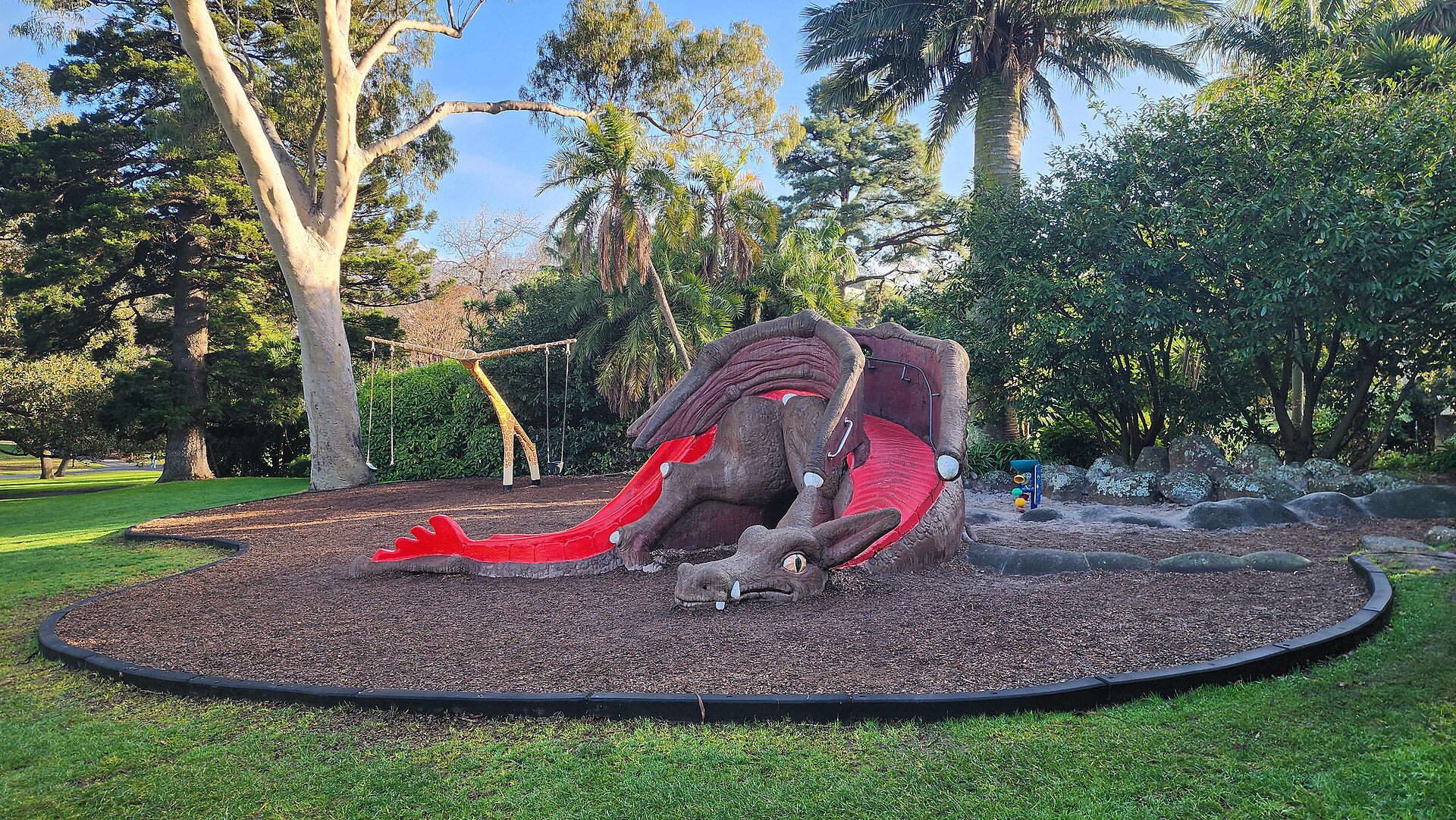
Keep it short, free and outdoors, and plan around the nap. The State Library’s Children’s Quarter is free, open daily 10am to 6pm, and has baby change and quiet nursing nooks. Melbourne Museum’s under-five gallery is included with entry — and entry is free for the child anyway. Melbourne Zoo has a dedicated play space for ages three to eight and an indoor toddler area for wet days. Fitzroy Gardens has the dragon slide and public toilets; Buluk Park in Docklands has water troughs and climbing nets and sits inside the Free Tram Zone. Everything on that list except the zoo is free.
Primary school age
The easiest age group in Melbourne and the one the city is best set up for. Scienceworks and the Lightning Room, the aquarium, Luna Park, the zoo, IMAX, and the nature play playgrounds at Royal Park all land squarely here. This is also the age at which the free museum entry is worth the most — you can do Melbourne Museum, Scienceworks, ACMI and the library across two days for the cost of adult tickets alone.
Teenagers
The group every Melbourne family guide ignores. Teenagers are generally past zoos and aquariums, and the things that work are the things that make Melbourne itself interesting: the street art laneways and Hosier Lane; vintage and record shopping on Brunswick and Smith Streets; skating and basketball courts; the Skydeck and its glass Edge cube; trampoline and indoor sports parks; the beach at St Kilda with Luna Park’s single-ride option rather than the full pass; live music, much of it all-ages; and a sport fixture at the MCG or Marvel Stadium. Give them a Youth myki, agree a meeting point, and let them navigate a couple of hours of the city themselves — Melbourne is compact, gridded and safe enough for that to work.
Getting around with a pram
Melbourne is a good pram city, with one significant caveat about trams.
- Prams travel free on all public transport, and you do not need to fold them.
- Trains are straightforward. Every metro train is pram accessible and every station except one has a ramp or a lift.
- Trams are the problem. Only some are low-floor. Step-free trams run on every service on routes 11, 19, 96 and 109, and on some services on 5, 6, 16, 48, 58, 72 and 86. If an older high-floor tram arrives, wait for the next one rather than wrestling a pram up the steps.
- The stop matters as much as the tram. A low-floor tram at an ordinary kerbside stop still leaves a gap and a step down to the road. Look for raised platform stops.
- Book a pram slot at SEA LIFE. The aquarium limits pram numbers per session and requires a free pram reservation for your timeslot; if none is available they lend baby carriers instead. This catches families out at the door.
- Prams are not permitted on the Skydeck’s Edge experience.
The CBD itself is flat, gridded and wide-footpathed, and the arcades and shopping centres are connected under cover — which makes the city centre the easiest part of Melbourne to push a pram around, particularly in the rain.
Sensory-friendly and accessible options
Melbourne’s major family attractions run formal low-sensory programmes with published dates and prices, and this information is close to impossible to find in mainstream travel guides.
- Melbourne Museum and Scienceworks run Low Sensory Sessions on the first Saturday of each month, with reduced lighting, lower sound levels and smaller crowds.
- SEA LIFE Melbourne runs sensory sessions with fewer visitors and softer sound and lighting; check the dates on the aquarium’s site.
- Changing Places facilities — full-size change benches with adult hoists — are available at Collins Place in the CBD, open 24 hours, and at Federation Square. There are others at the MCG, Melbourne Zoo, Werribee, Healesville and Arts Centre Melbourne.
- Companion Card holders’ carers enter Luna Park and most major venues free, and travel free on public transport.
- Breastfeeding is legally protected in Victoria — it is unlawful for a venue to refuse service or ask a parent to move or cover up. You can feed anywhere you are entitled to be.
Parenting rooms with baby change are standard at the major museums, shopping centres and attractions; SEA LIFE has a parents room at Rocky Shores and change facilities at four points around the building.
School holidays: dates, programmes and crowds
Victorian school holidays cut both ways. They bring a surge of dedicated children’s programming — and a surge in crowds and accommodation prices.
| Period | Dates |
|---|---|
| Summer 2026–27 | 19 December 2026 – 27 January 2027 |
| Autumn 2027 | 26 March – 11 April 2027 |
| Winter 2027 | 26 June – 11 July 2027 |
| Spring 2027 | 18 September – 3 October 2027 |
The trade-off: visiting inside a holiday period gets you school holiday programmes at the museums, Junior Ranger sessions in the parks, and the Kids Go Free zoo scheme applying on weekdays as well as weekends. Visiting just outside one gets you shorter queues, cheaper rooms and a calmer city. If you must travel during a holiday period, do the big attractions on the first or last weekday of the block, and go early — most family attractions are at their quietest before 11am.
What’s new and what’s changed for families
Melbourne’s family attractions have shifted meaningfully in the last two years, and older guides — including older versions of this one — describe a city that has moved on.
- The elephants have left Melbourne Zoo. The $88 million Werribee Elephant Trail opened in March 2025, a 21-hectare habitat housing the herd relocated from Melbourne Zoo. If seeing elephants matters to your children, you now need Werribee Open Range Zoo, not the city zoo — and Kids Go Free applies there too.
- St Kilda has a free penguin viewing experience, opened in late 2025 on the rebuilt pier. Wild little penguins, no ticket, and a natural pairing with Luna Park and the beach in one afternoon.
- SEA LIFE has added a Rocky Shores touch pool, which is consistently the highlight for younger children.
- Melbourne Museum runs family sleepovers — overnight stays in the galleries, priced $225–$265, on selected dates. They sell out.
- Closed and gone: Monopoly Dreams Melbourne shut in late 2025, though it still appears in some guides. The Birrarung Marr playground reopened in September 2026 after renewal works, and ArtPlay next door continues to run.
- Check before you travel: works on tram route 58 to Melbourne Zoo can bring replacement buses, so look at the disruption notices on the day, and the zoo’s outdoor water play is turned on only in hot weather.
FAQ: Melbourne with kids
Is Melbourne a good city for kids?
Yes — Melbourne is consistently ranked one of the most liveable cities for families. It’s walkable, has excellent public transport with discounted child fares, world-class free parks and museums, and a climate without the summer extremes of Australia’s north. Accommodation, attractions, and restaurants are visibly family-friendly.
What’s the best age to take kids to Melbourne?
Melbourne works for every age band. Toddlers love the Zoo, Scienceworks’ junior zones, and playgrounds. 5–10s get the most out of Luna Park, Puffing Billy, the Aquarium, and IMAX. Tweens and teens do well with the Skydeck, Chadstone shopping, the MCG tour, and the NGV. Babies and under-2s travel here easily with pram-accessible trams and plentiful change rooms.
How many days do you need in Melbourne with kids?
Three to four days covers the major attractions (Zoo, Aquarium, Museum, Luna Park, Scienceworks) and a playground-and-beach rest day. Five to seven days allows a Phillip Island penguin trip, Puffing Billy, and time in Healesville Sanctuary or the Mornington Peninsula.
Where should families stay in Melbourne?
The CBD around Flinders Street and Southbank gives fastest access to most attractions and is walkable for short legs. South Melbourne and St Kilda offer more space and proximity to the beach, at the cost of short tram rides. Apartment-hotels like Pan Pacific, Mantra Southbank, or Adina Apartment Hotel Southbank give families kitchens and washer/dryer access at similar nightly cost to hotel rooms.
Are there discounts on Melbourne attractions for families?
Yes — Melbourne Zoo, Werribee Open Range Zoo, and Healesville Sanctuary are free for kids under 16 on weekends and public/school holidays. Melbourne Museum, Scienceworks, and Immigration Museum are free for kids under 16 year-round. SEA LIFE Melbourne also sells a combined SEA LIFE and LEGOLAND Discovery Centre ticket that advertises savings of up to 30%.
Is public transport in Melbourne easy with kids?
Yes. Trams are low-floor and stroller-friendly (avoid older W-class heritage trams if you’re with a pram), train stations have lifts, and the CBD Free Tram Zone means no ticketing for inner-CBD hops. Under-5s need no card at all, 5–17s travel free on a Youth Myki, and 18-year-olds get concession fares with a Child or Concession Myki.
Do children really get into Melbourne Zoo free, and does it apply to visiting families?
Yes. Under-16s enter Melbourne Zoo, Werribee Open Range Zoo, Healesville Sanctuary and Kyabram Fauna Park free on weekends, Victorian public holidays and Victorian government school holidays. There is no residency requirement in the published terms, so visiting and interstate children qualify. Children must be supervised by an adult. On an ordinary weekday, children aged 4–15 pay from $29; under-4s are always free. For two children aged 4–15, a weekend visit instead of an ordinary weekday saves the cost of their tickets, currently from $58 combined.
Is public transport free for children in Melbourne?
Yes. Since 1 January 2026, anyone under 18 travels free on all Victorian public transport with a Youth myki. Under-fours travel free with no card at all. The Youth myki costs $5 from a staffed station or online, no ID is needed, and children still have to touch on for every trip even though the fare is zero. Two things catch people out: tapping a contactless bank card instead charges the full adult fare, and Youth myki is not available through Mobile myki, so it has to be a physical card.
How much does a family day out in Melbourne cost?
It depends entirely on whether you pick a public institution or a commercial attraction. Melbourne Museum, Scienceworks and State Library Victoria are free for children — a family of four does any of those for the price of the adult tickets, which is $18 or less each. ACMI’s general entry is free for everyone, though some exhibitions charge children too. Commercial attractions are a different order: Luna Park’s family pass is $175, SEA LIFE from $39 an adult and $25 a child booked ahead for a weekday, Melbourne Skydeck from $89 for two adults and two children. Transport currently adds up to $11.40 a weekday for the whole family, or $8 on weekends and public holidays, with the children on Youth mykis. Budget one paid attraction per day and fill the rest for free.
What is there to do in Melbourne with a toddler?
Plenty, and most of it free. State Library Victoria’s Children’s Quarter is free and open daily 10am to 6pm with baby change and quiet feeding nooks. Melbourne Museum’s under-five gallery is included with entry, and children enter free anyway. Melbourne Zoo has a dedicated play space for ages three to eight plus an indoor toddler area for bad weather. For playgrounds, Fitzroy Gardens has the dragon slide and toilets, and Buluk Park in Docklands has water play inside the Free Tram Zone. Keep days short and plan around naps — the CBD is flat and easy with a pram.
What can teenagers actually do in Melbourne?
The things that make Melbourne interesting to adults, which is why it works better for teenagers than most cities. Street art in the laneways around Hosier Lane; vintage and record shopping along Brunswick and Smith Streets; the Skydeck and its glass Edge cube; trampoline and indoor sports parks; St Kilda beach with a single-ride ticket at Luna Park rather than the full pass; all-ages live music; and a game at the MCG or Marvel Stadium. Give them a Youth myki and let them explore an area independently — the city grid is compact and easy to navigate.
Can you take a pram on Melbourne trams?
Yes, prams travel free and do not need to be folded — but only some trams are low-floor. Step-free trams run on every service on routes 11, 19, 96 and 109, and on some services on routes 5, 6, 16, 48, 58, 72 and 86. If a high-floor tram with steps arrives, wait for the next one. The stop matters too: a low-floor tram at an ordinary kerbside stop still leaves a step down to the road, so look for raised platform stops. Trains are simpler — all metro trains are pram accessible and all but one station has a ramp or lift.
Which Melbourne attractions run sensory-friendly sessions?
Melbourne Museum and Scienceworks both run Low Sensory Sessions on the first Saturday of each month, with reduced lighting and sound and smaller crowds. SEA LIFE Melbourne holds sensory sessions too, with lower capacity and softer sound and lighting. For a Changing Places facility with an adult hoist, there is one at Collins Place in the CBD around the clock, and another on Level 1 of the MCG, inside Gate 3. Companion Card holders’ carers enter most venues free.
Should we avoid the Victorian school holidays?
It is a genuine trade-off rather than a clear no. School holidays bring dedicated children’s programming at the museums, Junior Ranger sessions in the parks, and the Kids Go Free zoo scheme extending to weekdays — but also longer queues and higher accommodation prices. The remaining periods are 19 December 2026 to 27 January 2027 (students go back on 28 January), then 26 March to 11 April, 26 June to 11 July and 18 September to 3 October 2027. If you travel within one, hit the big attractions early in the morning and on the first or last weekday of the block.
Final thoughts — Melbourne with kids
The recipe for a great family trip in Melbourne is simple: one big attraction a day, a park-or-playground break, cheap eats, and at least one day trip to meet Australian wildlife. The city’s compact core, excellent public transport, and the unusually family-focused pricing on cultural attractions mean Melbourne with kids is rarely stressful and almost always memorable. Pack a rainjacket (weather shifts fast), stay central, and don’t try to do everything — Melbourne rewards families who go slow.
Melbourne With Kids: The Full Family Series
- Melbourne Zoo Visitor Guide (2026): Tickets, Map & Tips
- SEA LIFE Melbourne Aquarium Guide: Tickets & What to See
- Scienceworks Melbourne Guide: Exhibits, Planetarium & Tips
- Free Things to Do in Melbourne with Kids (30 Ideas)
- Best Playgrounds in Melbourne: 20 Parks to Let Kids Loose
- Indoor Activities for Kids in Melbourne: Rainy Day Saviors
- Kid-Friendly Restaurants in Melbourne: 30 Family Picks
- Family Day Trips from Melbourne: 12 Kid-Friendly Adventures
- Melbourne Museum for Kids: Exhibits Your Family Will Love