Best Hostels in Melbourne: Backpacker’s Complete Guide (2026)
- Words
- Melbourne Tourism Guide
- Updated
- August 20, 2026
- Read
- 10 min
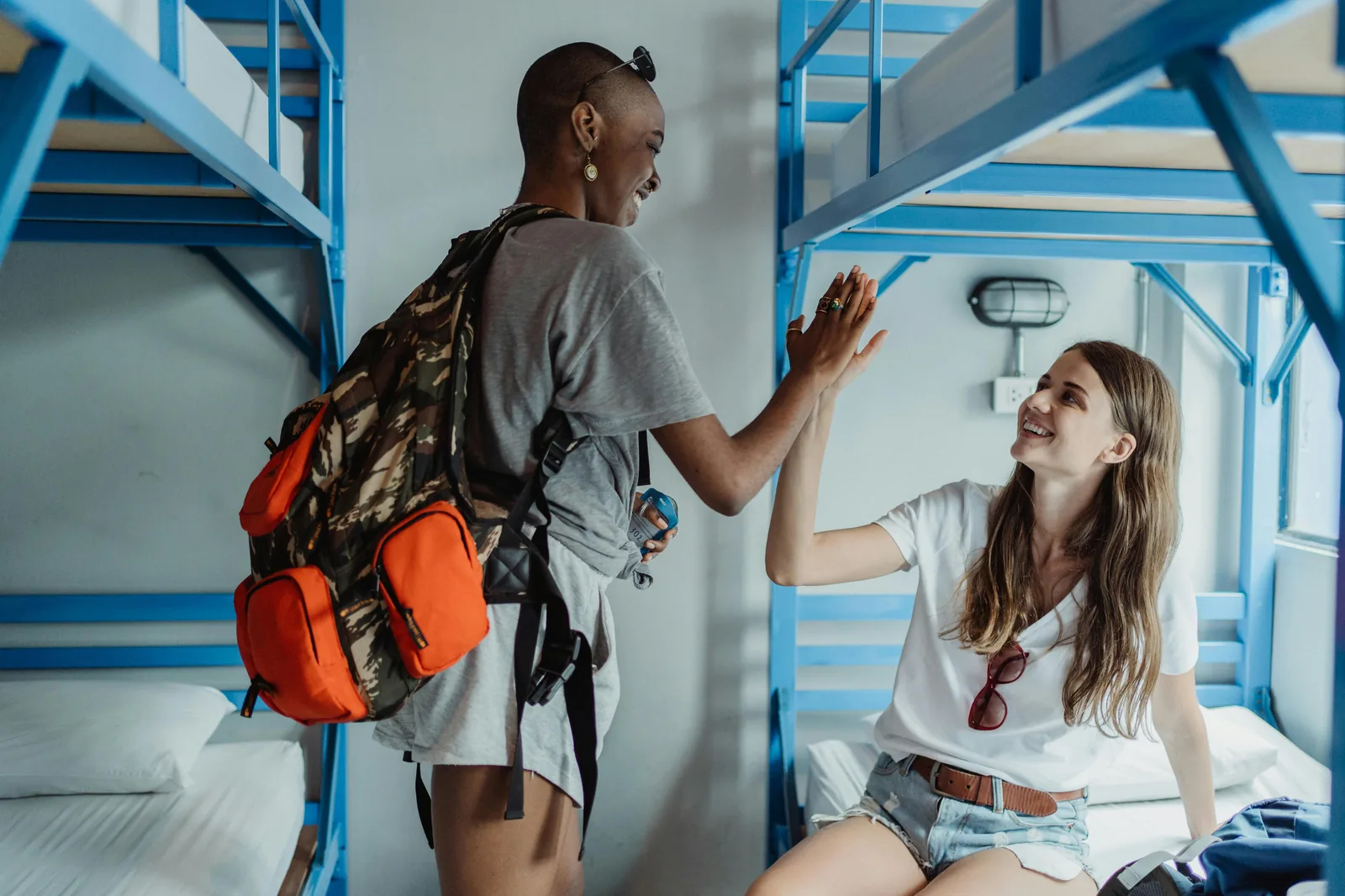
The best hostels in Melbourne for backpackers and solo travellers — top picks in the CBD and St Kilda, dorm vs private, costs, safety and what to look for before you book.
This article contains advertising. Our booking links are routed through a partner that adds commission tracking automatically, so if you book through one we earn a commission from the provider, at no extra cost to you. It never affects what we recommend. Affiliate disclosure
Melbourne is one of Australia’s best hostel cities — a social, affordable launchpad for backpackers, solo travellers and anyone happy to trade a little privacy for a lot of value and a built-in community. The modern hostels here are a long way from the grim bunkrooms of old: think clean dorms, smart private rooms, rooftop barbecues, free walking tours and bars that double as the city’s friendliest meeting spots. This guide covers the best hostels in Melbourne, the best areas to base yourself, and exactly what to look for. It’s part of our wider guide to where to stay in Melbourne.
What to expect from Melbourne hostels
Melbourne’s hostel scene is mature and varied. At the budget end you’ll find classic dorm beds (typically four to twelve bunks) from around $25 to $40 a night; most hostels also offer private rooms (singles, doubles and twins) for those who want their own space at a fraction of hotel prices. Standards are high — modern hostels feature good kitchens, lockers, free Wi-Fi, common rooms, laundry and often a bar or café, with many laying on free breakfasts, walking tours and social events. The vibe ranges from quiet and boutique to full-on party, so it pays to match the hostel to your style. For solo travellers especially, a hostel is the easiest way to meet people and find travel companions in a new city.
Best areas for hostels
Two areas dominate. The CBD is the most convenient — central hostels sit inside the Free Tram Zone, steps from the laneways, Southern Cross Station and the nightlife, ideal if you want to be in the thick of it and walk everywhere. St Kilda, by the bay a short tram ride south, is the traditional backpacker heartland: beachy, lively and packed with cheap eats and bars, with a string of well-known hostels and a sociable, holiday feel. Between them you’ll find spots in inner pockets like Fitzroy and along the tram lines. For first-timers chasing sights and transport, the CBD wins; for a beachy, party-leaning base, St Kilda is the classic call. Both are well-connected by tram. Our best areas to stay guide compares the neighbourhoods.
The best hostels in Melbourne
A handful of hostels consistently earn top marks. In St Kilda, the long-running Base St Kilda (Nomads) is the classic beachside party hostel, while quieter options nearby suit those who want the area without the late nights. In the CBD, Flinders Backpackers is praised for its central location and generous free breakfast and events; Melbourne Central YHA is a polished, reliable choice with a rooftop and city views; the design-led Space Hotel blends hostel value with hotel-style rooms and a rooftop; and United Backpackers, right opposite Flinders Street Station, is about as central as it gets. Newer arrivals like Europa Melbourne push the “poshtel” end with smarter rooms. Standards and ownership shift over time, so always check recent reviews — but these are the names that regularly top the lists.
Dorm or private room?
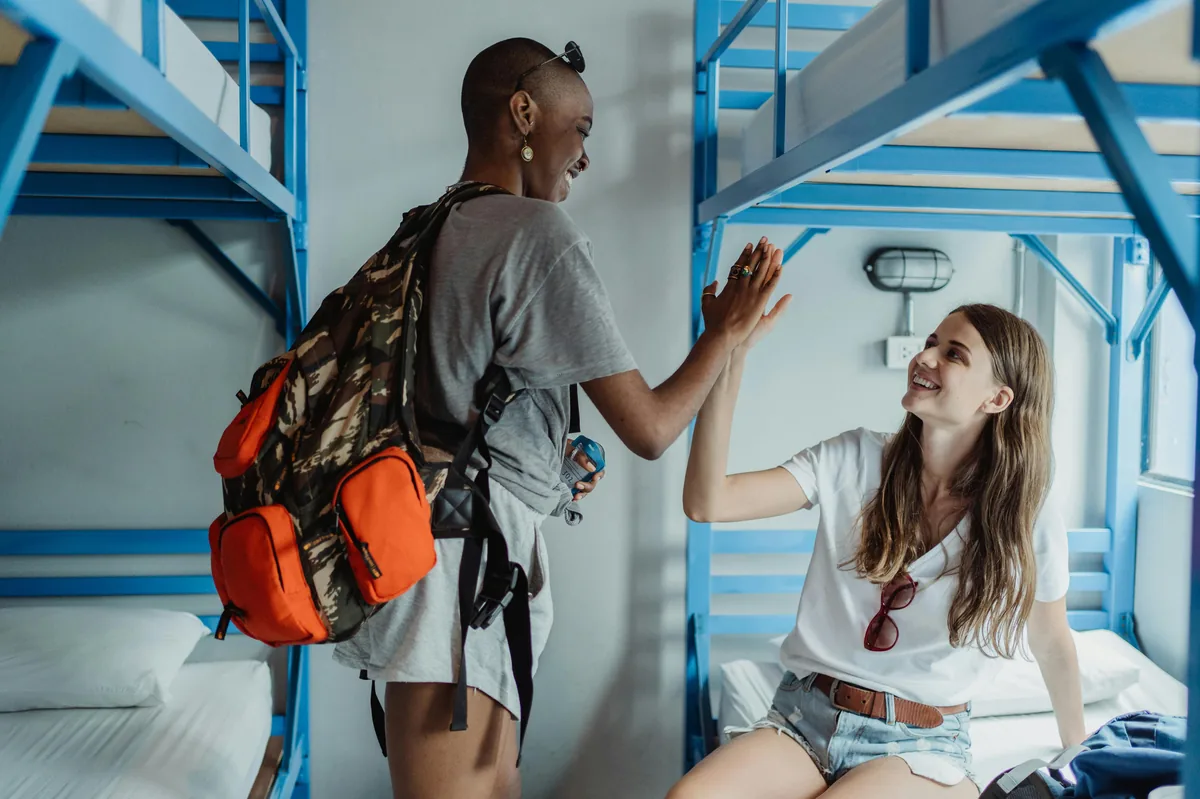
The big decision is dorm versus private. Dorms are the cheapest option and the most social — you’ll meet people instantly — but you trade privacy, quiet and security of belongings (use the lockers). Mixed and female-only dorms are usually both available, and smaller dorms cost a little more for more peace. Private rooms in hostels give you a lockable door, often an ensuite, and a quieter night, while still offering the shared kitchen, common areas and social scene — frequently cheaper than a budget hotel and great for couples or light sleepers who still want the hostel vibe. If you’re a solo traveller chasing company and the lowest price, go dorm; if you value sleep and privacy but still want the atmosphere and savings, a hostel private room is a smart middle ground.
What to look for when booking
A few checks separate a great hostel stay from a regrettable one. Read recent reviews for cleanliness, security and noise — and to gauge whether it’s a party or a quiet hostel. Confirm there are secure lockers (and bring a padlock if needed). Check what’s included: free breakfast, Wi-Fi, linen, tours and events all add value. Look at the kitchen and common areas, which make self-catering and socialising easy. Consider the location relative to transport and the sights, and whether you want beach (St Kilda) or city (CBD). Note the cancellation policy and any key-deposit or age rules. And if you want quiet, avoid the hostels marketed heavily on their bar and party nights. A little homework ensures the hostel matches your travel style.
Costs and saving money
Hostels are the cheapest comfortable beds in Melbourne. Expect roughly $25 to $40 for a dorm bed and around $90 to $140 for a private room, varying with season, location and demand (prices climb during summer, school holidays and major events). To save more, book midweek and outside peak periods, stay a few nights for better rates, and self-cater using the hostel kitchen — a huge saving in a city where eating out adds up. Many hostels throw in free breakfast and walking tours, stretching your budget further. Being central or in St Kilda also keeps transport cheap, with the Free Tram Zone and short tram rides. For more ways to keep costs down, see our budget hotels and free things to do guides.
Solo travel and safety
Melbourne is a popular, well-trodden stop on the backpacker trail and a comfortable city for solo travellers, including women. Hostels make meeting people effortless through common rooms, bars, tours and events, so you’re rarely alone unless you want to be. For safety, choose hostels with secure lockers and 24-hour reception, use the lockers for valuables, opt for female-only dorms if you prefer, and take the usual care with belongings in shared spaces. The central and St Kilda areas are busy and well-lit with good late transport, and the city’s strong solo-travel scene means you’ll quickly find company. With a little common sense, a hostel stay here is safe, sociable and one of the best ways to experience the city on a budget.
Party hostels versus quiet hostels
Melbourne hostels split roughly into two camps, and choosing the right one shapes your whole stay. Party hostels — often those with their own busy bars and nightly events, especially in St Kilda — are brilliant for meeting people, pub crawls and a non-stop social buzz, but expect noise and late nights. Quieter, boutique-style hostels and “poshtels” focus on clean, comfortable rooms, good kitchens and a calmer atmosphere, suiting older travellers, couples, digital nomads and anyone who values sleep. Plenty sit in the middle, sociable but not raucous. The listings and reviews make the vibe obvious, so read them before you book. There’s no wrong choice — just match it to what you want from the trip. If you’re working remotely or travelling to actually see the city rather than the inside of a bar, lean towards the quieter end.
Working-holiday and long-stay tips
Melbourne is a magnet for working-holidaymakers, and many hostels cater to longer stays. If you’re settling in for weeks while you find work or an apartment, ask about weekly rates, which are far cheaper than nightly, and look for hostels with good kitchens, laundry, reliable Wi-Fi and work-friendly common areas. Some hostels have dedicated long-stay floors or working-traveller communities that make job-hunting and flat-hunting easier through word of mouth. Being central or in St Kilda keeps you close to casual work in hospitality and retail, and to the transport you’ll need for interviews. A hostel is often the ideal first base when you arrive — cheap, social and full of people who’ve just done exactly what you’re doing — before you move into a share house. Just confirm the maximum-stay policy, as some hostels cap how long you can stay.
Hostels versus budget hotels and Airbnbs
How do hostels stack up against the alternatives? Against budget hotels, hostel dorms are far cheaper and much more social, while hostel private rooms often undercut budget hotels and add a built-in community — though hotels win on privacy and quiet (see our budget hotels guide). Against Airbnbs, hostels are usually cheaper for solo travellers and far more sociable, while an Airbnb or apartment can be better value for couples or groups wanting a whole place to themselves (see best Airbnbs in Melbourne). The decision comes down to your priorities: lowest price and meeting people point to a hostel; privacy and space point to a hotel room or rental. For most budget-minded solo travellers and backpackers, the hostel remains the best-value, most enjoyable way to experience Melbourne.
Getting around from your hostel
One of the joys of a Melbourne hostel stay is how cheaply you can get around. Central hostels sit inside the Free Tram Zone, so you can ride trams across the CBD and Docklands for nothing — perfect for sightseeing on a shoestring. From St Kilda, the iconic route 96 tram runs straight into the city, and a tap-and-go Myki card covers all trams, trains and buses beyond the free zone. The airport is reached by SkyBus from Southern Cross Station, a short walk or tram from most central hostels. Because you can walk or tram almost everywhere from a central or St Kilda base, many backpackers spend next to nothing on transport during their stay — money far better spent on coffee, day trips and a night out. Our public transport guide explains Myki and the network.
What to bring for a hostel stay
A little kit makes hostel life smoother. Bring a padlock for the lockers, a quick-dry towel (some hostels charge for linen or towels), flip-flops for shared showers, an eye mask and earplugs for dorm sleeping, and a power bank and travel adaptor. A reusable water bottle and a tote bag for groceries help with self-catering, and a small day pack is handy for sightseeing. Keep your valuables — passport, cards, phone — on you or locked away at all times. A reusable coffee cup is very on-brand for Melbourne and saves a little at the city’s countless cafés. None of it is essential, but these small items make dorm living more comfortable and secure, and they’re cheap insurance against the minor annoyances that can otherwise nag at an otherwise great-value stay. For more on what to bring to Melbourne generally, see our packing tips in the wider travel guides.
Frequently asked questions
What is the best area to stay in a hostel in Melbourne?
The CBD is most convenient — central, inside the Free Tram Zone and walkable to the sights and nightlife — while St Kilda is the classic beachside backpacker area, lively and sociable a short tram ride south. First-timers chasing sights usually prefer the CBD; those wanting beach and party lean St Kilda.
How much do hostels cost in Melbourne?
Roughly $25 to $40 a night for a dorm bed and around $90 to $140 for a private room, varying with season, location and demand. Prices rise during summer, school holidays and major events. Booking midweek and self-catering in the hostel kitchen saves money.
Do Melbourne hostels have private rooms?
Yes. Most hostels offer private singles, doubles and twins — often with ensuites — alongside dorms. They’re frequently cheaper than budget hotels while still giving you access to the kitchen, common areas and social scene, making them great for couples or light sleepers.
Are hostels in Melbourne safe?
Generally yes. Choose hostels with secure lockers and 24-hour reception, use the lockers for valuables, and consider female-only dorms if preferred. The central and St Kilda areas are busy and well-lit with good late-night transport, and Melbourne is a comfortable city for solo travellers.
The bottom line
Hostels are the savviest way to do Melbourne on a budget — clean, modern and sociable, with dorms for the lowest prices and private rooms for those who want their own space without hotel rates. Base yourself in the central CBD for sights and transport or beachy St Kilda for the classic backpacker scene, check recent reviews, use the kitchen to save, and take the usual care with your gear. You’ll meet people, spend little and be perfectly placed to enjoy one of the world’s most liveable cities.