Dandenong Ranges Walks: Best Trails & Difficulty Guide (2026)
- Words
- Melbourne Tourism Guide
- Updated
- July 25, 2026
- Read
- 10 min

The best Dandenong Ranges walks by difficulty — from easy garden loops to the 1000 Steps and Sherbrooke Falls, with distances, wildlife, gardens and how to get there.
This article contains advertising. Our booking links are routed through a partner that adds commission tracking automatically, so if you book through one we earn a commission from the provider, at no extra cost to you. It never affects what we recommend. Affiliate disclosure
The Dandenong Ranges are Melbourne’s green escape — a cool, misty world of towering mountain ash, tree-fern gullies, lyrebirds and waterfalls, barely an hour from the CBD. For walkers, it’s the best bushwalking close to the city, with trails for every level from gentle garden strolls to the calf-burning 1000 Steps. This guide breaks down the best Dandenong Ranges walks by difficulty, with distances, what you’ll see and how to get there. It’s part of our wider guide to outdoor activities in Melbourne and a companion to our best hikes near Melbourne guide.
Why walk the Dandenongs?
Rising just east of Melbourne around Mount Dandenong, the ranges are a pocket of cool-temperate rainforest and tall, wet eucalypt forest protected within Dandenong Ranges National Park and a string of beautiful gardens. The walking here is a world away from the dry plains around the city — shaded, green and alive with birdsong, with giant mountain ash (the world’s tallest flowering plants), dense tree-fern gullies and, if you’re lucky and quiet, the famous superb lyrebird. Trails range from flat, pram-friendly garden paths to steep forest climbs, and they’re well-marked and maintained. Because it’s so close and so accessible, the Dandenongs are the default choice for Melburnians wanting a forest walk — and the perfect introduction to Victorian bushwalking for visitors. Just come prepared for mud and cooler, wetter weather than the city.
Easy walks (gentle, family-friendly)
If you want beauty without the burn, the Dandenongs deliver. The Alfred Nicholas Memorial Gardens at Sherbrooke feature an easy loop (around 1.5km) down to an ornamental lake and boathouse — postcard-pretty, especially in autumn. The Olinda Falls walk is a short, pleasant stroll to a pretty cascade. The RJ Hamer Arboretum and the National Rhododendron Gardens (Olinda) offer gentle paths through sweeping collections of trees and flowering shrubs, spectacular in spring. The Margaret Lester Forest Walk near Ferntree Gully is a short, wheelchair-and-pram-accessible loop through fern forest — ideal for those wanting an easy taste of the rainforest. These walks are perfect for families, casual strollers and anyone short on time, and most have car parks, toilets and a café nearby. They prove you don’t need to tackle the 1000 Steps to enjoy the ranges.
Moderate walks (forest loops)
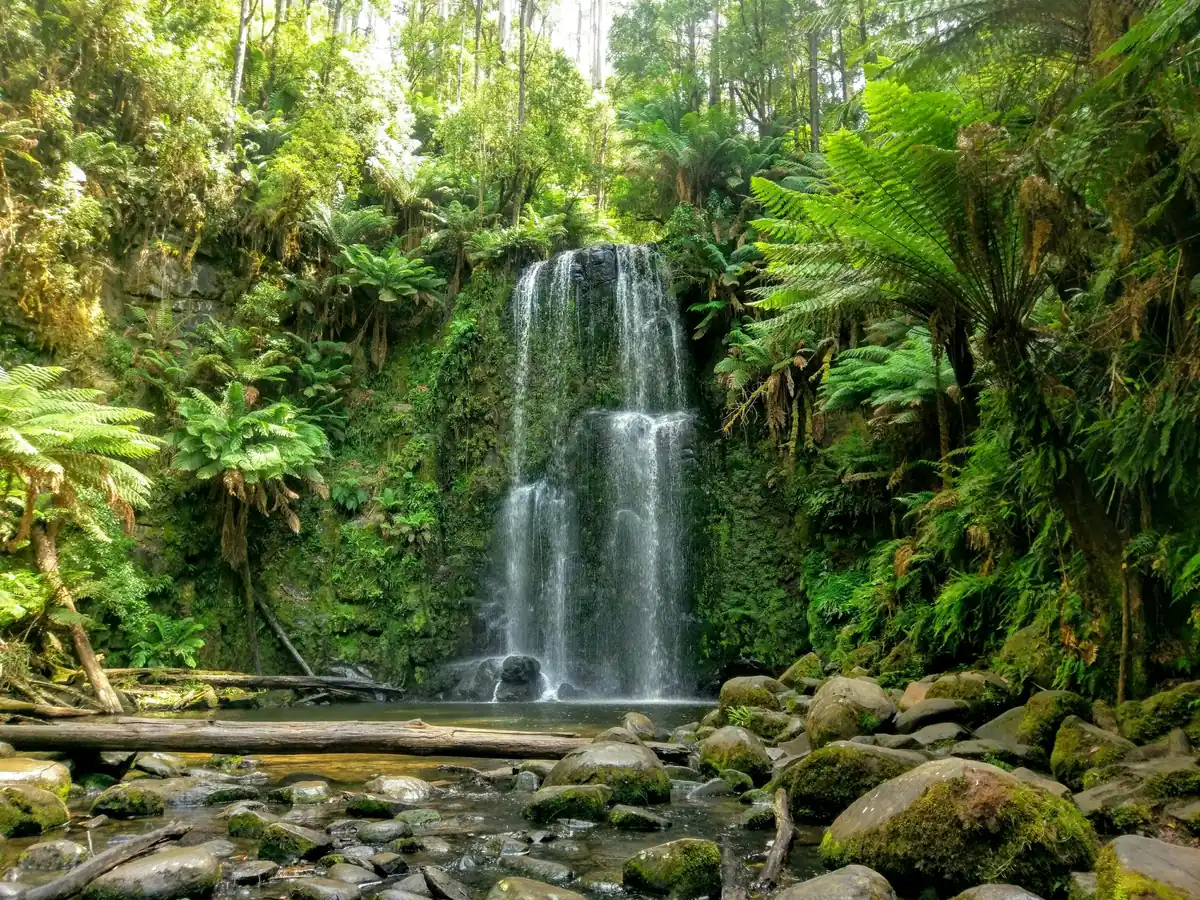
For a proper forest walk without an extreme climb, the moderate trails are the sweet spot. The Eastern Sherbrooke Forest loop (around 5–6km, allow a couple of hours) starts on the Lyrebird Track and winds through some of the most scenic forest in the ranges, with one steepish section, varied vegetation and excellent chances of spotting lyrebirds and wallabies — a brilliant first “real” hike in the park. The walk to Sherbrooke Falls (around 4km return via Sherbrooke Lodge) follows a gentle, mostly flat path along the creek to a pretty waterfall, through towering mountain ash and tree ferns. The Margaret Lester to Sherbrooke connections and various loops around Grants Picnic Ground add more options. These walks reward you with the full Dandenongs experience — tall forest, ferns, creeks and wildlife — at a manageable effort.
Hard walks (the climbs)
For a workout, the Dandenongs have a couple of genuine leg-burners. The famous 1000 Steps (Kokoda Memorial Track) at Upper Ferntree Gully climbs steeply up the Tree Fern Gully Track — around 1.7km up, or a 3–4km circuit returning via the gentler Lyrebird Track. It’s busy, steep and a serious cardio session (locals use it as a fitness challenge), but the forest is gorgeous and it commemorates the Kokoda Track campaign with moving memorials along the way. Push on to One Tree Hill for a longer loop. For summit views, the climb to the top of Mount Dandenong and the SkyHigh lookout rewards you with sweeping panoramas over Melbourne and the bay. These harder walks need decent fitness, water and good footwear — the steps and tracks get slippery when wet — but they’re the most exhilarating way to experience the ranges.
Wildlife and what you’ll see
Part of what makes walking the Dandenongs special is the wildlife. The forests are one of the best places near Melbourne to spot the superb lyrebird — listen for its extraordinary mimicry of other birds (and even chainsaws and camera shutters) and you might glimpse one scratching in the leaf litter, especially in winter. Crimson rosellas and king parrots are common and often tame around picnic grounds, wallabies graze the forest edges, and you’ll hear kookaburras throughout. The vegetation is a highlight in itself: the soaring mountain ash, the prehistoric tree ferns, mossy logs and, in the gardens, spectacular seasonal displays of rhododendrons, azaleas, daffodils and autumn colour. Walk quietly, especially early in the morning, and the forest comes alive around you. It’s a genuinely immersive natural experience so close to a major city.
Getting there and practicalities
The Dandenongs are around an hour’s drive east of Melbourne, and most trailheads need a car — though the 1000 Steps is the great exception, reachable by train to Upper Ferntree Gully station and a short walk to the trailhead, making it the most accessible serious walk near the city. Other popular spots like Sherbrooke, Olinda and Grants Picnic Ground are best reached by car, with parking at the main trailheads. Bring layers (it’s cooler and wetter than the city), sturdy shoes with grip (trails get muddy), water and snacks. There are cafés, tearooms and the famous mountain villages of Olinda, Sassafras and Sherbrooke for a post-walk treat. Check for trail closures after storms. Our Dandenong Ranges day trip guide covers the villages, gardens and Puffing Billy for a full day out.
The famous gardens and their walks
The Dandenongs are as celebrated for their gardens as their forest, and many double as gentle walking destinations. The Dandenong Ranges Botanic Garden (formerly the National Rhododendron Gardens) at Olinda sprawls across the hillside with walking paths through one of the southern hemisphere’s great collections of rhododendrons, azaleas, camellias and cherries — a riot of colour in spring and a blaze of foliage in autumn, with sweeping valley views. The Alfred Nicholas Memorial Gardens are smaller but exquisite, their lake-and-boathouse scene among the most photographed in the ranges. Pirianda Garden and the RJ Hamer Arboretum offer quieter, less-visited paths among rare trees. These gardens charge little or nothing to enter and reward an unhurried wander, making them perfect for combining a relaxed walk with the changing seasons. Visit in spring for the flowers or autumn for the colour, and you’ll see the Dandenongs at their most spectacular — no serious hiking required.
Safety and trail conditions
The Dandenongs are gentle compared with wilderness hiking, but a little care goes a long way. The biggest issue is mud — the forest trails hold water and can be slippery for days after rain, so grippy, sturdy footwear is essential, especially on the steeper tracks and the 1000 Steps. It’s cooler and wetter than the city year-round, so bring a layer and a rain jacket even on a fine Melbourne day. Trails are well-signed, but phone reception drops out in the gullies, so download an offline map. Watch for the occasional fallen tree or closure after storms (check Parks Victoria for alerts), and in the warmer months stay alert for snakes, giving them a wide berth. Carry water, as there’s none on the trail, and tell someone your plans on the longer loops. With sensible footwear and a check of the conditions, walking the Dandenongs is safe and hugely rewarding for all ages and abilities.
Pair your walk with Puffing Billy and the villages
A walk in the Dandenongs is even better as part of a full day out. The historic Puffing Billy steam railway winds through the forest from Belgrave, and many visitors combine a ride with a walk — you can even alight at stations like Menzies Creek and explore on foot. The mountain villages of Sassafras, Olinda and Sherbrooke are dotted with tearooms, antique shops, galleries and the famous Miss Marple’s Tearoom and Pie in the Sky, perfect for a post-walk Devonshire tea or lunch. Grants Picnic Ground is a classic spot to feed the wild king parrots and rosellas. Building a walk around these attractions turns a quick outing into a memorable day in the hills. For the full itinerary — railway, gardens, villages and lookouts — see our Dandenong Ranges day trip guide, which ties it all together.
Which walk should you choose?
With so many options, here’s how to decide. If you have young kids or limited time, do the Alfred Nicholas Gardens loop or the accessible Margaret Lester Forest Walk — short, pretty and easy. If you want a proper forest walk but not a brutal climb, the Eastern Sherbrooke loop or the Sherbrooke Falls walk give you the full rainforest experience at moderate effort. If you’re after a fitness challenge or want the most iconic Dandenongs walk, tackle the 1000 Steps (and continue to One Tree Hill if you’ve got the legs). If views are your priority, head for Mount Dandenong and SkyHigh. And if it’s spring or autumn, prioritise the flowering gardens and arboretum for the seasonal spectacle. There’s genuinely a walk here for every visitor, every fitness level and every season — the only mistake is not allowing enough time to linger in the forest.
Best spots for photos
The Dandenongs are wonderfully photogenic, and a few spots stand out. The boathouse and lake at the Alfred Nicholas Gardens is the classic shot, mirror-still in the morning and framed by autumn colour. The towering mountain ash and tree ferns along the Sherbrooke trails make for moody, cathedral-like forest images, especially when mist hangs in the gullies. The 1000 Steps and the surrounding fern gully are atmospheric, and the SkyHigh lookout on Mount Dandenong delivers sweeping panoramas over Melbourne, glittering at dusk. In spring, the Dandenong Ranges Botanic Garden bursts with rhododendron and azalea colour; in autumn, the deciduous trees across the ranges turn gold and red. For the best light and the fewest crowds, arrive early in the morning — you’ll often have the misty forest almost to yourself, and the wildlife is at its most active. Whatever the season, bring a camera; the Dandenongs rarely disappoint.
Extend your walking further afield
If the Dandenongs whet your appetite, more great walking is close by. To the northeast, the forests and waterfalls around Marysville and the Yarra Ranges offer taller falls and quieter trails. The flat, leafy Lilydale to Warburton Rail Trail follows a former railway line through the foothills, ideal for an easy long walk or cycle. And back in the city, you can keep the momentum going on Melbourne’s urban trails — the riverside paths, the parklands and the bay. For more walking ideas across the region, see our guides to the best hikes near Melbourne, the best walking trails in Melbourne and the Yarra River walks. The Dandenongs are the perfect gateway to Victoria’s walking — once you’ve experienced that cool forest air an hour from the city, you’ll be planning the next one before you’ve made it back to the car.
Frequently asked questions
What is the best walk in the Dandenong Ranges?
For a workout, the 1000 Steps (Kokoda Memorial Track) is the most famous — steep but rewarding and reachable by train. For a scenic forest walk at moderate effort, the Eastern Sherbrooke Forest loop and the Sherbrooke Falls walk are favourites, and for easy beauty, the Alfred Nicholas Gardens loop is hard to beat.
How hard are the 1000 Steps?
They’re a genuine workout — a steep climb of around 1.7km up the Tree Fern Gully Track, often done as a 3–4km circuit returning via the gentler Lyrebird Track. It’s popular with fitness enthusiasts. Take water, wear grippy shoes, and expect crowds on weekends.
Can you walk in the Dandenongs without a car?
The 1000 Steps is the most accessible, reachable by train to Upper Ferntree Gully station and a short walk. Most other trailheads (Sherbrooke, Olinda, Grants Picnic Ground) realistically require a car or a guided tour.
When is the best time to walk the Dandenong Ranges?
Autumn for colour and stable weather, spring for the flowering gardens and full waterfalls. The forest walks are shaded and pleasant in summer, while winter brings mist, full creeks and the best lyrebird sightings — though trails get muddy and days are short. Wear sturdy shoes year-round.
The bottom line
The Dandenong Ranges are the finest bushwalking close to Melbourne — cool, green and immersive, with a trail for every level. Take the gentle garden loops for easy beauty, the Sherbrooke forest walks for the full rainforest experience at moderate effort, or the 1000 Steps for a proper climb. Listen for lyrebirds, dress for cooler and wetter weather, wear grippy shoes for the mud, and reward yourself with a Devonshire tea in one of the mountain villages afterwards. It’s one of the great outdoor escapes on Melbourne’s doorstep.