Best Parks in Melbourne: 15 Green Spaces to Explore (2026)
- Words
- Melbourne Tourism Guide
- Updated
- October 25, 2026
- Read
- 11 min
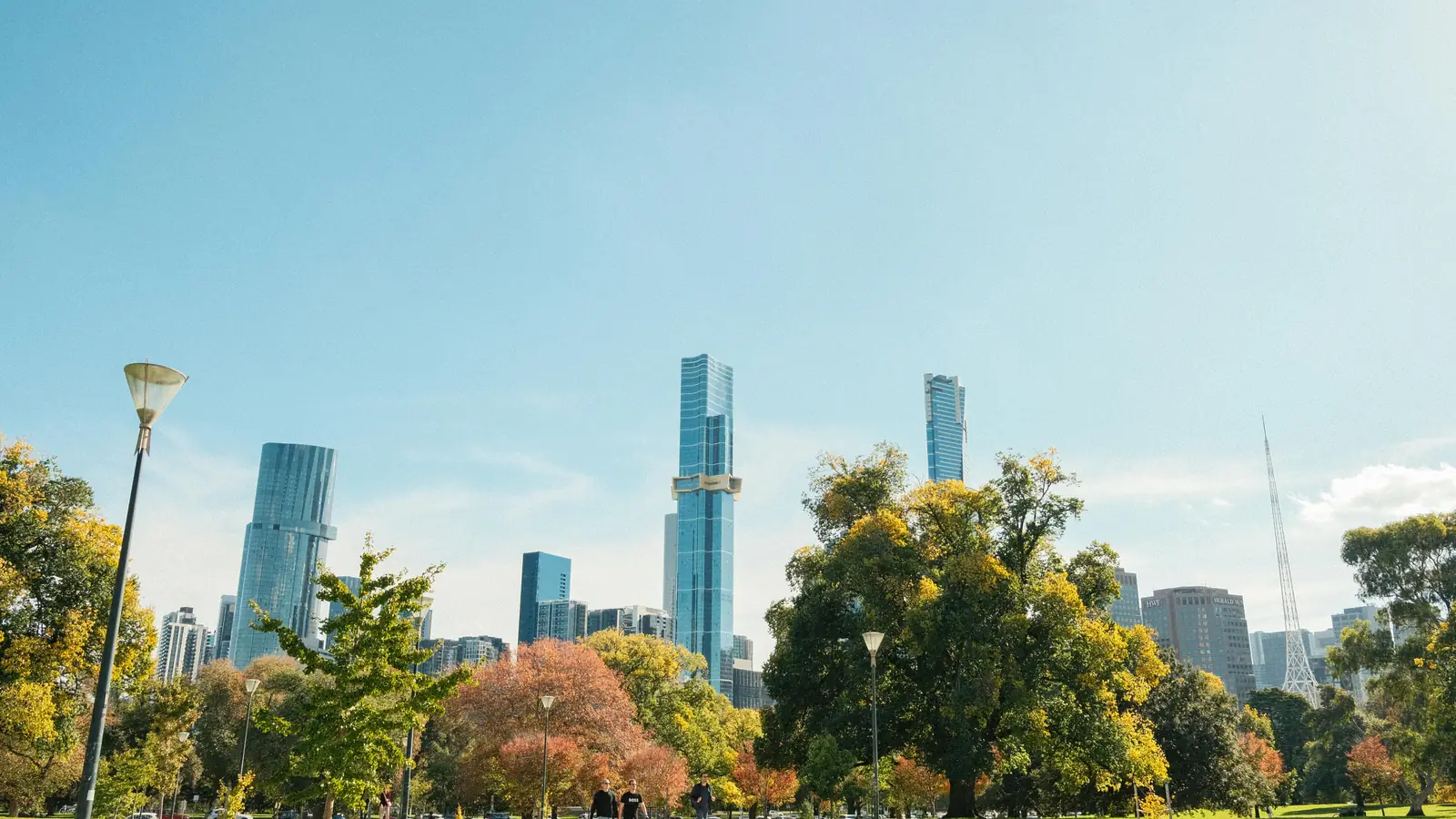
The 15 best parks and gardens in Melbourne — Royal Botanic Gardens, Fitzroy and Carlton Gardens, Royal Park, Albert Park, Edinburgh Gardens and more, with tips and transport.
This article contains advertising. Our booking links are routed through a partner that adds commission tracking automatically, so if you book through one we earn a commission from the provider, at no extra cost to you. It never affects what we recommend. Affiliate disclosure
Melbourne is one of the world’s great garden cities — ringed and threaded with grand 19th-century gardens, sprawling parklands and leafy local reserves, almost all of them free to enjoy. Whether you want a heritage garden with follies and fountains, a vast park to run or picnic in, or a quiet green escape from the laneways, the city delivers. This guide rounds up 15 of the best parks and gardens in Melbourne, what makes each special and how to get there. It’s part of our wider guide to outdoor activities in Melbourne.
A garden city
Melbourne’s founders laid out a ring of parks and gardens around the young city, and that green legacy is one of the best things about the place today. Within a short walk or tram ride of the CBD you can be among soaring elms and oaks, ornamental lakes, heritage rotundas and world-class botanic collections — and most of it costs nothing to enter. The gardens are woven into daily life here: locals run the loops, picnic on the lawns, attend free concerts and simply escape the city among the trees. For visitors, they offer a relaxed, free counterpoint to the museums and shopping, and many sit conveniently beside the major sights. Below we’ve grouped the best by type — the grand CBD-fringe gardens, the big inner parklands, and the local and quirky favourites — so you can pick the right green space for your mood.
The headline act: Royal Botanic Gardens
No list starts anywhere else. The Royal Botanic Gardens, on the Yarra’s south bank near the CBD, are among the finest in the world — 38 hectares of sweeping lawns, ornamental lakes, themed gardens and around 8,500 plant species, all free to enter. Wander the lakeside paths, picnic under ancient trees, explore the Australian Forest Walk, bring the kids to the Children’s Garden, or run the famous Tan Track around the perimeter. It’s a place to lose a few unhurried hours and the green heart of the city. Because it deserves its own deep-dive, we’ve written a dedicated Royal Botanic Gardens visitor guide with maps, highlights and tips — start there if it’s top of your list, then read on for the rest.
Grand heritage gardens (CBD fringe)
Ringing the city are a cluster of beautiful Victorian-era gardens. Fitzroy Gardens, on the CBD’s eastern edge, is a heritage gem of 26 hectares — elm-lined avenues, fountains, a conservatory, the Cook’s Cottage (Captain Cook’s family home, shipped from England) and a model Tudor village. Adjacent Treasury and Parliament Gardens add more leafy strolling by the grand public buildings. To the north, Carlton Gardens is a UNESCO World Heritage Site, home to the magnificent Royal Exhibition Building and Melbourne Museum, with manicured lawns, ornamental lakes and grand European trees. On the western side, the compact Flagstaff Gardens, a public garden since 1862, is a popular lunchtime spot with city views. These gardens are walkable from the centre, steeped in history and gorgeous in every season — especially autumn, when the deciduous trees turn.
Big inner-city parklands
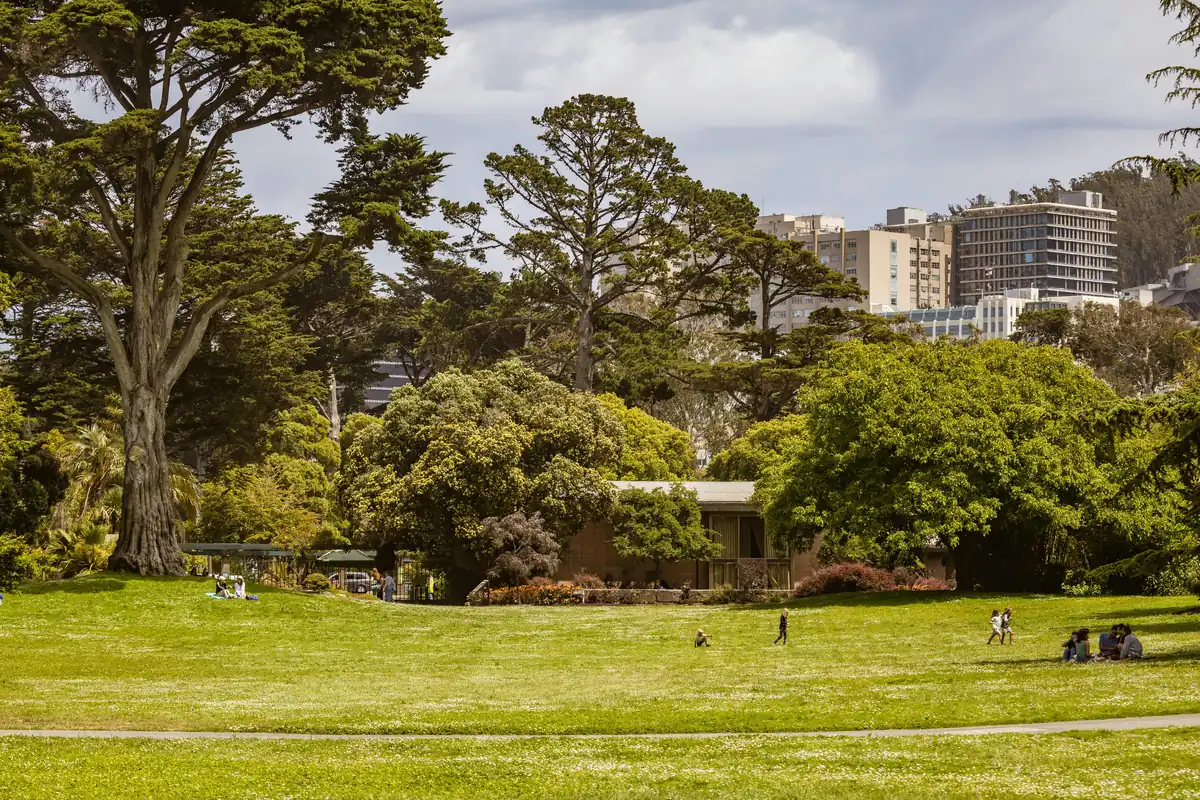
For wide-open space, Melbourne’s larger parks deliver. Royal Park in Parkville is the biggest inner park — sweeping native grasslands, wetlands, sporting fields and city views, and home to Melbourne Zoo. The Domain Parklands / Kings Domain, beside the Botanic Gardens, hold the Shrine of Remembrance, the Sidney Myer Music Bowl (free summer concerts) and Government House. Yarra Park surrounds the MCG in a sea of grand elms. Princes Park in Carlton North offers a popular flat running loop. And Albert Park, just south of the city, wraps a big lake with a 5km walking circuit, sailing, golf and the Grand Prix track — we’ve covered it in full in our Albert Park guide. These parklands are where Melbourne comes to run, picnic, play sport and gather — vast, green and free.
Local favourites and quirky green spaces
Beyond the famous gardens, Melbourne’s local parks have real character. Edinburgh Gardens in Fitzroy North is the beloved inner-north hangout — lawns full of picnickers, a heritage rotunda and a relaxed, hip vibe. Birrarung Marr, right beside the CBD on the river, is a modern park with art, terraces, the Federation Bells and great skyline views, perfect for events and a riverside stroll. Westgate Park near the docks is famous for its pink salt lake, which turns vivid pink in late summer under the right conditions. The St Kilda Botanical Gardens offer a peaceful bayside retreat, and Yarra Bend Park in Fairfield/Kew is the city’s largest area of natural bushland, with river trails, a colony of flying foxes and the Studley Park Boathouse. These spots show Melbourne’s green side at its most local and characterful.
Getting around the gardens
Most of Melbourne’s best parks are remarkably easy to reach. The CBD-fringe gardens — Fitzroy, Carlton, Flagstaff, Treasury and the Domain — are walkable from the city centre or a short tram ride, many within or just outside the Free Tram Zone. The Royal Botanic Gardens and Domain are a stroll across the river from Federation Square. Royal Park, Princes Park and Albert Park are quick tram trips, and Yarra Bend and Westgate Park are short drives or rides from the centre. Because they’re so accessible and free, you can easily string several together — a heritage garden, a riverside park and a big parkland — in a relaxed day of green wandering. Our public transport guide covers the trams, and our free things to do guide has more no-cost ideas.
Best parks for a picnic
Melburnians take picnicking seriously, and the city’s parks are made for it. For a classic, central picnic, the Royal Botanic Gardens’ lawns are unbeatable — grab supplies and settle under a heritage tree by the lake. Fitzroy Gardens and Carlton Gardens offer grand, leafy settings within walking distance of the CBD. For a relaxed, local vibe, the lawns of Edinburgh Gardens in Fitzroy North fill with picnickers on weekends, and Princes Park and the Domain have plenty of open grass. By the water, Albert Park Lake and Birrarung Marr pair a picnic with skyline and lake views, while bayside spots like the St Kilda Botanical Gardens add a seaside feel. Most have toilets and nearby cafés or markets for supplies (the Queen Victoria, South Melbourne and Prahran markets are picnic gold). Bring a rug, grab some local cheese, bread and a coffee, and you’ve got one of the simplest and best free pleasures Melbourne offers.
Parks through the seasons
Melbourne’s gardens reward visits year-round, each season showing a different face. Spring (September–November) brings blossom, bulbs and fresh green growth — the gardens are at their most floriferous, and the Botanic Gardens and heritage parks burst with colour. Summer (December–February) is for picnics, free outdoor concerts at the Sidney Myer Music Bowl, and seeking the shade of the big old trees; it’s also when Westgate Park’s salt lake can turn pink. Autumn (March–May) is arguably the most beautiful, as the city’s many deciduous elms, oaks and planes turn gold and red — Fitzroy and Carlton Gardens are spectacular. Winter (June–August) is crisp and quiet, lovely for a brisk walk with the bare heritage trees and misty mornings, and you’ll often have the lawns to yourself. Whatever the time of year, there’s always a reason to be in a Melbourne park — which, in a city this green, is rather the point.
Best parks for families and kids
Melbourne’s parks are a godsend for families, with excellent free playgrounds and space to run wild. The Royal Botanic Gardens’ Ian Potter Foundation Children’s Garden is a standout — a dedicated kids’ garden with water play, tunnels and plantings to explore (check seasonal opening). Royal Park has the wonderful nature-play playground near the zoo, while Fitzroy Gardens charms little ones with its model Tudor village and fairy tree. Birrarung Marr and the riverside parks put play space beside the city, and Edinburgh Gardens, Princes Park and the bayside gardens all have good playgrounds and open lawns. Add the ducks and swans at Albert Park Lake and the flying foxes at Yarra Bend, and there’s plenty of free natural entertainment. Pack a picnic and a ball, and a Melbourne park easily fills a happy family afternoon at no cost. For more ideas, see our free things to do guide.
Best parks for running and exercise
Melbourne is a runner’s city, and its parks provide the loops locals swear by. The Tan Track around the Royal Botanic Gardens is the most famous — a 3.8km gravel circuit that’s the city’s unofficial running headquarters, busy from dawn to dusk. The Albert Park Lake loop (around 5km, flat) is another favourite with skyline views. Princes Park in Carlton North offers a popular flat 3.2km loop, and the big parklands — Royal Park, the Domain and Yarra Park — link into the riverside trails for longer runs. Many host free weekly parkrun events on Saturday mornings, a great way for visitors to join the local running community. With flat, traffic-free paths, plenty of greenery and central locations, Melbourne’s parks make keeping up your running routine on holiday genuinely enjoyable. Our best walking trails guide has more routes, and the outdoor classes guide covers organised fitness.
Wildlife in the city’s parks
One of the joys of Melbourne’s parks is how much wildlife thrives in them. Albert Park Lake and the Botanic Gardens’ lakes host black swans, ducks, ibis, herons and even pelicans; the gardens themselves are full of rainbow lorikeets, cockatoos and possums (the latter emerging at dusk). Yarra Bend Park in Fairfield is home to a large colony of grey-headed flying foxes, an extraordinary sight at dusk as thousands stream out to feed, and its river corridor shelters water rats, turtles and many birds. Royal Park’s grasslands and wetlands draw native birds, and you’ll spot kookaburras, magpies and parrots across most of the city’s green spaces. Early morning and dusk are the best times to see wildlife active. It’s a reminder that even in a major city, nature is close at hand — and for visitors, spotting an Australian icon like a swan, cockatoo or flying fox in a city park is a real treat.
Free events and outdoor cinema
Melbourne’s parks aren’t just for quiet strolls — they’re the stage for much of the city’s free outdoor life, especially in the warmer months. The Sidney Myer Music Bowl in the Domain hosts free concerts as well as the much-loved, ticketed Carols by Candlelight, while summer brings outdoor cinema seasons in the Botanic Gardens (the famous Moonlight Cinema) and pop-up events across the parklands. Birrarung Marr regularly hosts festivals, cultural events and installations beside the river, and many gardens stage seasonal flower shows, markets and community days. The Royal Botanic Gardens run guided walks, Aboriginal heritage tours and family programs throughout the year. Most of these events are free or low-cost, making the parks a brilliant, budget-friendly way to experience the city’s culture under the open sky. Check what’s on when you visit — there’s often something happening in a Melbourne park, particularly over summer. Our things to do in Melbourne guide and the events calendar help you plan around them.
Frequently asked questions
What is the best park in Melbourne?
The Royal Botanic Gardens are the standout — world-class, free and beautiful. For heritage charm, Fitzroy Gardens (with Cook’s Cottage) and the UNESCO-listed Carlton Gardens are top picks; for big open space, Royal Park and Albert Park; and for local character, Edinburgh Gardens and riverside Birrarung Marr.
Are Melbourne’s parks free to enter?
Yes — virtually all of Melbourne’s parks and gardens, including the Royal Botanic Gardens, Fitzroy Gardens, Carlton Gardens and Albert Park, are free to enter. Some attractions within them (like the Melbourne Zoo in Royal Park or Cook’s Cottage in Fitzroy Gardens) charge admission.
Which Melbourne park has the pink lake?
Westgate Park, near the Westgate Bridge and the docks, has a salt lake that turns vivid pink in late summer under hot, dry, sunny conditions, caused by algae and high salinity. The colour varies year to year, so it’s not guaranteed, but it’s a striking sight when it happens.
What’s the best park near the Melbourne CBD?
The Royal Botanic Gardens and the Domain are just across the river, while Fitzroy Gardens, Carlton Gardens, Flagstaff Gardens and Birrarung Marr are all within walking distance or a short tram ride of the city centre — most within or just outside the Free Tram Zone.
The bottom line
Melbourne’s parks and gardens are one of the city’s great free pleasures. Start with the world-class Royal Botanic Gardens, wander the heritage charm of Fitzroy and Carlton Gardens, stretch out in the big parklands of Royal Park and Albert Park, and seek out local favourites like Edinburgh Gardens, Birrarung Marr and Westgate Park’s pink lake. Almost all are free, most are easy to reach by foot or tram, and together they show why Melbourne is so often called a garden city. Pack a picnic, pick a few, and enjoy the green side of town.