Best Beaches Melbourne (2026): Bay, Surf & Family Picks
- Words
- Melbourne Tourism Guide
- Updated
- September 16, 2026
- Read
- 11 min
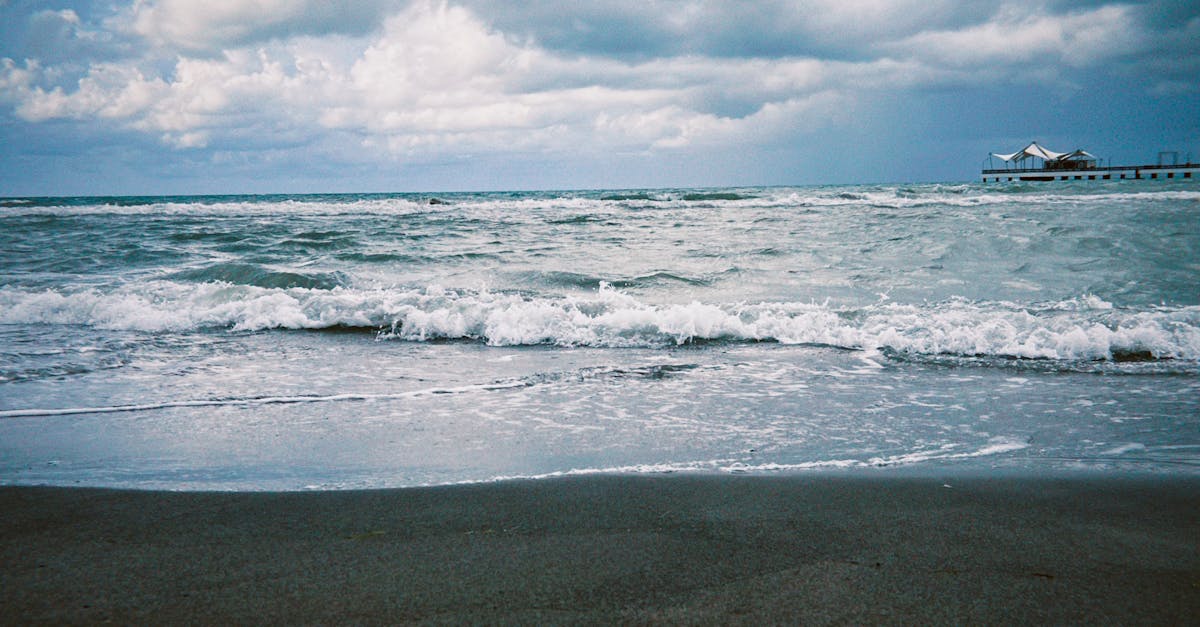
Best beaches in Melbourne — St Kilda, Brighton bathing boxes, Williamstown, Half Moon Bay, Mornington Peninsula and Surf Coast (Bells Beach). Family, surf, snorkel and sunset picks.
This article contains advertising. Our booking links are routed through a partner that adds commission tracking automatically, so if you book through one we earn a commission from the provider, at no extra cost to you. It never affects what we recommend. Affiliate disclosure
Melbourne is one of the world’s most beach-rich major cities, with more than 30 swimming beaches within an hour’s drive of the CBD and over 100 kilometres of accessible coastline along Port Phillip Bay. From St Kilda’s bustling tram-accessible scene to the family-friendly bay beaches of Brighton, Williamstown and Sandringham, to the surf coast at Portsea and Sorrento on the Mornington Peninsula, Melbourne’s beaches offer something for every type of beachgoer.
This guide covers the best beaches in Melbourne by category — best for swimming, families, surfing, scenery, dogs, sunsets and accessibility — with detailed transport, parking, facilities and seasonal information for each. Whether you’re staying in the CBD or planning a full day at the coast, you’ll find the right beach for your day.
Quick comparison: Best Melbourne beaches
| Beach | Distance from CBD | Best For | Transport |
|---|---|---|---|
| St Kilda Beach | 6 km | City vibe, sunset, paddle | Tram 96 |
| Brighton Beach | 11 km | Bathing boxes, families | Brighton Beach train |
| Williamstown Beach | 8 km | Calm bay, families | Williamstown train/ferry |
| Sandringham Beach | 15 km | Calm, less crowded | Sandringham line |
| Half Moon Bay | 20 km | Snorkelling | Black Rock train + bus |
| Mordialloc Beach | 25 km | Wide, family-friendly | Frankston line |
| Portsea / Sorrento | 95 km | Surfing, ocean swimming | Car (90 min) |
| Bells Beach | 110 km | World-class surf | Car (90 min) |
Bay beaches vs ocean beaches
Melbourne sits on Port Phillip Bay, a large sheltered bay protected from the open Southern Ocean by Point Nepean and Point Lonsdale. This means most of Melbourne’s beaches are calm, swimming-friendly bay beaches with little to no surf — ideal for families, weak swimmers and casual paddling.
Ocean beaches with surf and bigger waves are found on the Mornington Peninsula’s “back beaches” (Portsea, Sorrento, Rye, Gunnamatta) and along the Surf Coast (Bells Beach, Torquay, Anglesea, Lorne). These are 90 minutes to 2 hours from the CBD and best done as day trips.
Best beaches for a city day trip
1. St Kilda Beach
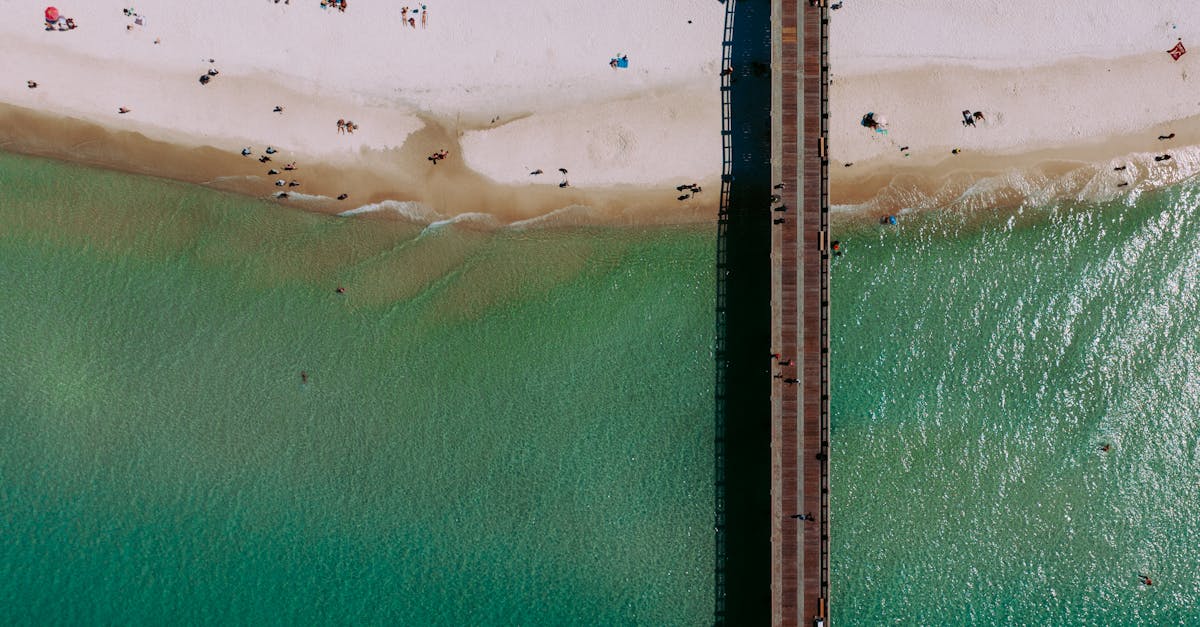
St Kilda is Melbourne’s most-visited beach, a 700-metre stretch of soft sand 6 km from the CBD with the iconic St Kilda Pier, a free penguin colony viewing platform, kite-surfing in the afternoons, and the Esplanade buzzing with restaurants, bars and the famous Acland Street cake shops behind it.
- Transport: Tram 96 from the CBD (25 min)
- Best for: First-time visitors, sunset, city beach vibe
- Facilities: Toilets, showers, kiosks, lifeguards (summer), free Wi-Fi
- Watch out for: Crowds and parking on summer weekends
2. Brighton Beach
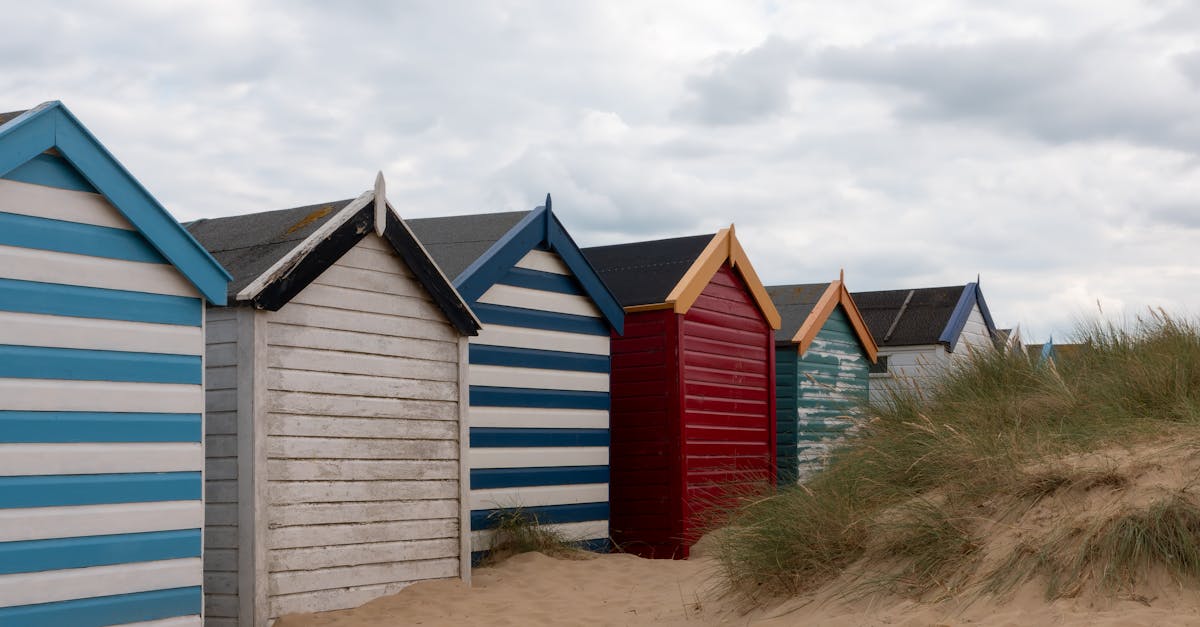
Brighton Beach is famous for its 82 brightly painted bathing boxes — 19th-century beach huts in heritage colours that line Dendy Street Beach. The beach is wide, calm, and family-friendly, with shallow water for kids. Brighton itself has upmarket cafes and shopping in Church Street and Bay Street.
- Transport: Brighton Beach train station (Sandringham line, 35 min from Flinders Street)
- Best for: Photography, families, calm swimming
- Facilities: Toilets, showers, lifeguards (summer), beachside cafes
- Bathing box note: Boxes are private property — view but don’t touch
3. Williamstown Beach
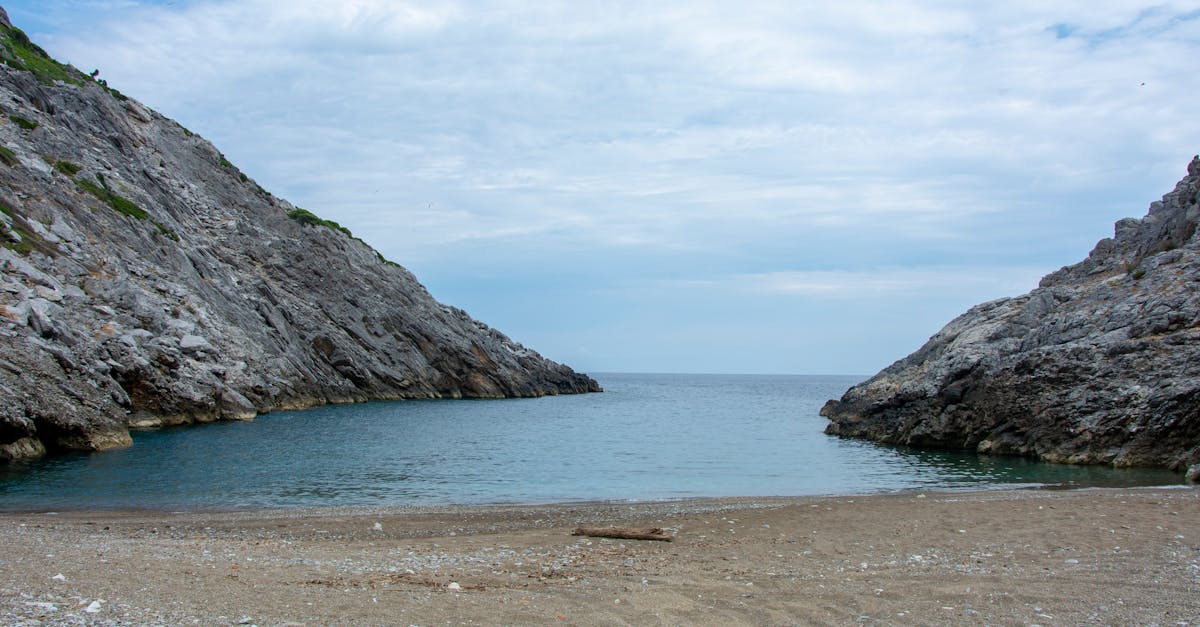
Williamstown Beach is a 600-metre stretch of calm bay beach in heritage Williamstown, with skyline views back toward the CBD. The water is shallow and sheltered, making it one of Melbourne’s safest family beaches. There’s a netted swimming enclosure protecting against jellyfish in summer.
- Transport: Williamstown train (24 min) or ferry from Southbank (45 min, scenic)
- Best for: Heritage day trip, families, picnics
- Facilities: Toilets, free BBQs, playground, beach kiosk
For a full Williamstown day, see our Williamstown guide.
4. Sandringham Beach
Sandringham Beach is a calm bayside beach 15 km southeast of the CBD, less crowded than Brighton or St Kilda but with similar scenery. Sandringham Yacht Club hosts beginner sailing courses on weekends. Good rock pools at low tide for kids.
- Transport: Sandringham train (33 min)
- Best for: Quieter day, sailing, rock pools
- Facilities: Toilets, showers, beach kiosk
5. Half Moon Bay (Black Rock)
Half Moon Bay is a small horseshoe-shaped beach 20 km from the CBD with the wreck of HMAS Cerberus visible offshore — a 19th-century ironclad battleship. The bay is sheltered, has the clearest water in inner-bay Melbourne, and is the city’s best snorkelling beach. Equipment hire on-site in summer.
- Transport: Black Rock train + 15 min walk, or 825 bus from Sandringham station
- Best for: Snorkelling, photography, quieter swimming
- Facilities: Toilets, kiosk, snorkel hire (summer)
6. Mordialloc Beach
Mordialloc Beach is one of Melbourne’s widest bay beaches, 25 km from the CBD. The shallow water extends 50+ metres before getting deep, making it exceptional for very young children. Mordialloc itself has a vibrant cafe strip on Main Street.
- Transport: Mordialloc train (Frankston line, 35 min)
- Best for: Toddlers, very wide sand, dining strip
Best Mornington Peninsula beaches
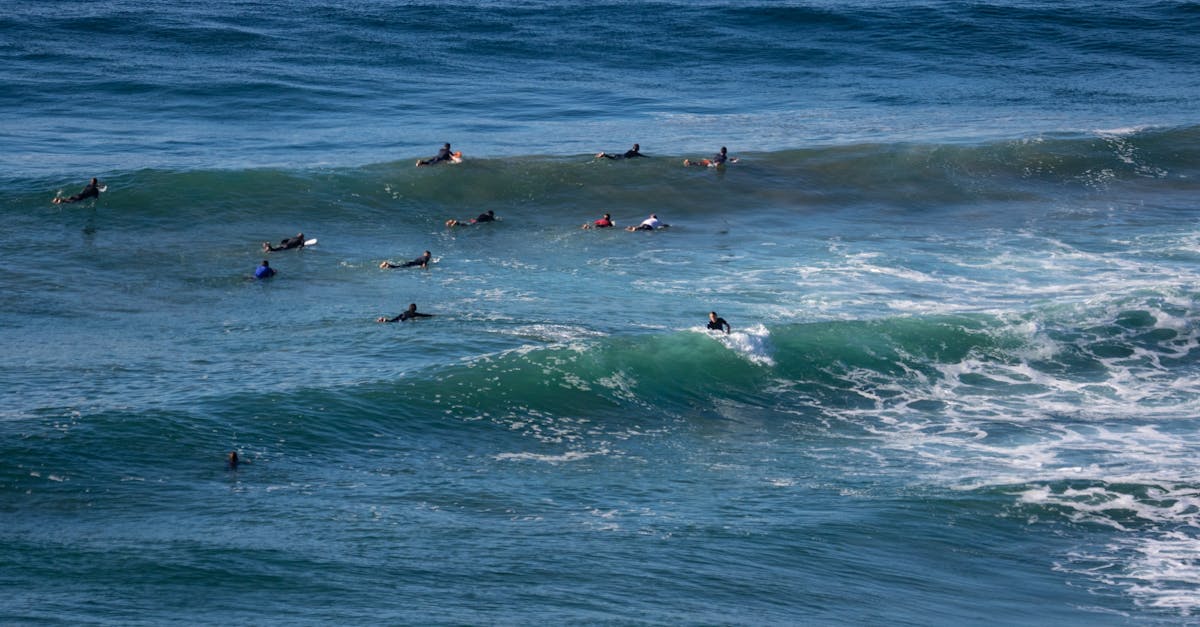
The Mornington Peninsula is 90 minutes south of Melbourne and has two coasts: the calm bay side (Mornington, Mt Martha, Sorrento, Portsea) and the wild ocean back beaches (Sorrento Back Beach, Portsea Back Beach, Gunnamatta). Best done as a day trip; see our Mornington Peninsula day-trip guide for the full plan.
7. Sorrento Front Beach
Sorrento Front Beach is on the bay side of the peninsula — calm, family-friendly, and walking distance to Sorrento village’s cafes and shops. The Queenscliff-Sorrento ferry departs from here, providing a link across to the Bellarine Peninsula and Geelong.
8. Sorrento Back Beach
The Back Beach is on the ocean side — wild, scenic, with spectacular cliffs at Coppins Lookout. Strong currents and undertows make it unsuitable for inexperienced swimmers. Lifeguards patrol in summer.
9. Portsea Back Beach
Portsea Back Beach is a top surfing and bodyboarding beach. The London Bridge rock formation makes for striking photos. Patrolled by lifeguards in summer.
10. Gunnamatta Beach
Gunnamatta is one of Victoria’s most consistent surf beaches, with reliable swells and patrolled sections in summer. Good for experienced surfers and bodyboarders.
Best Surf Coast beaches
11. Bells Beach
Bells Beach is one of the world’s most famous surfing beaches, hosting the annual Rip Curl Pro every Easter — Australia’s longest-running surf competition. Located 100 km southwest of Melbourne, it’s part of the Great Ocean Road. Strong rips and large waves; for advanced surfers only. Spectator viewing from the cliff-top platform is free.
12. Torquay Beach
Torquay is the gateway to the Surf Coast and home to the Surf World museum. The main beach is patrolled, suits intermediate surfers, and has a strong cafe and shopping strip in town.
13. Anglesea Beach
Anglesea is family-friendly with a calmer river-mouth beach in addition to the main surf beach. The Anglesea Golf Course famously has resident kangaroos. Lifeguarded in summer.
14. Lorne Beach
Lorne is the prettiest of the Surf Coast towns, with a 1.5 km wide-sand beach, the Erskine Falls hinterland just inland, and the Pier-to-Pub annual swim event in January (one of Australia’s biggest open-water swims).
Best Phillip Island beaches
Phillip Island is 2 hours south of Melbourne, famous for the Penguin Parade (see our Penguin Parade guide) and home to several quality beaches:
- Cape Woolamai: Long surfing beach, 8km of golden sand, patrolled in summer.
- Smiths Beach: Family-friendly with rock pools at low tide.
- Cowes Beach: Calm bay-side beach with a pier and walking-distance to Cowes township.
- Surf Beach: Strong surf, popular with experienced bodyboarders.
Beaches by category
Best beaches for families
Mordialloc Beach — wide sand, very shallow, train-accessible. Williamstown Beach — netted enclosure, free BBQs, playground. Brighton Beach — calm, plus iconic bathing boxes. Sorrento Front Beach — sheltered, ferry trip option.
Best beaches for surfing
Bells Beach — world-famous, advanced surfers only. Gunnamatta — consistent waves, intermediate. Torquay Beach — patrolled, intermediate. Cape Woolamai — long beach, all levels.
Best beaches for snorkelling
Half Moon Bay — Cerberus wreck and clear water. Rye Pier — sea horses and weedy sea dragons. Mornington Pier — fish life under the pier. Portsea Pier — best visibility on the peninsula.
Best beaches for sunset
St Kilda Beach — sun sets over the bay; bring a picnic. Brighton Beach — bathing boxes silhouetted at golden hour. Williamstown — sun sets over the CBD skyline. Portsea Front Beach — peninsula sunsets are spectacular.
Best dog-friendly beaches
Brighton Dog Beach (Dendy Street section, off-leash before 10am and after 7:30pm Nov-Apr; all day rest of year). Hampton Beach — off-leash year-round on designated section. Half Moon Bay — off-leash mornings before 10am. Mordialloc Foreshore — designated dog beach section.
Most accessible (wheelchair / pram-friendly)
Williamstown Beach — sealed paths, accessible toilets, beach matting in summer. St Kilda Beach — flat boardwalk, beach wheelchair available at the lifeguard tower. Mordialloc — sealed paths to water’s edge.
Beach safety in Melbourne
Always swim between the red-and-yellow flags on patrolled beaches. Major patrol periods are December-March (summer) at most beaches, with extended hours on holiday weekends. Patrol times are typically 11am-5pm at weekends and select weekdays.
Sun protection: Australian UV is intense — UV Index regularly hits 11+ in summer. SPF 50+ sunscreen, broad-brimmed hat, and sun-protective clothing are essential. Reapply sunscreen every 2 hours.
Marine life: Bay beaches: occasional jellyfish (mostly harmless to humans), stingrays in shallow waters, and rare blue-ringed octopus in rock pools (do not touch). Ocean beaches: stronger rips, occasional shark sightings (extremely rare incidents).
Water temperatures: Port Phillip Bay water is 14-16°C in winter and 18-21°C in summer — colder than Sydney year-round. Wetsuits are recommended for prolonged swimming outside summer.
When to visit Melbourne beaches
December-February: Peak summer. Average maximum 26-29°C, water temperature 19-21°C, lifeguards on duty. Crowds are heaviest on weekends and during school holidays (mid-Dec to late January).
March-April: Often the best beach weather — settled days, water still warm from summer (around 19°C), fewer crowds. Late autumn is ideal for the Mornington Peninsula.
October-November: Spring beach days return but water is still cold (15-17°C). Good for walks, picnics; not yet ideal for prolonged swimming.
June-August: Winter. Beaches still beautiful for walks and photography but too cold for most swimmers. Storm-watching at the Surf Coast can be spectacular.
More outdoor Melbourne: pair a beach day with the city’s best parks, a lap of Albert Park Lake, or a ride along the Bay Trail bike path.
Frequently asked questions
Does Melbourne have nice beaches?
Yes — Melbourne has 30+ swimming beaches within an hour of the CBD, including iconic spots like St Kilda, Brighton (with bathing boxes), Williamstown and Half Moon Bay. The world-class Surf Coast (Bells Beach, Lorne) is 90 minutes away. Bay beaches are generally calm and family-friendly; ocean beaches at Mornington Peninsula and Surf Coast offer surfing.
Is St Kilda Beach worth visiting?
Yes — particularly for first-time visitors. It’s tram-accessible from the CBD, has lifeguarded swimming in summer, free penguin viewing on St Kilda Pier, plus a vibrant cafe and bar strip on Acland Street and the Esplanade. Crowds are heavy in summer; quieter in autumn and spring.
Can you swim at Melbourne beaches in winter?
Winter water temperatures are 14-16°C — too cold for most swimmers without a wetsuit. Beaches remain beautiful for walking, photography, and storm-watching. The Brighton Icebergers (a winter swimming club) swim daily through winter at Dendy Street Beach.
What is the most photogenic beach in Melbourne?
Brighton Beach with its 82 painted bathing boxes is Melbourne’s most-photographed beach, especially the heritage-listed boxes on Dendy Street Beach. Best photographed at sunrise or golden hour. The “rainbow” multi-coloured box is the most iconic.
Are Melbourne’s beaches safe for swimming?
Yes — most bay beaches are calm and have lifeguards in summer. Always swim between the red-and-yellow flags. Ocean beaches (Mornington Peninsula back beaches, Surf Coast) have stronger rips and require more swimming experience. Check beachsafe.org.au for daily conditions.
What is the closest beach to Melbourne CBD?
St Kilda Beach is the closest at 6 km southwest — about 25 minutes by tram 96. Williamstown Beach (8 km southwest) and Albert Park Beach (5 km south) are also very close.
Are Melbourne beaches free?
Yes — all Melbourne and Mornington Peninsula beaches are free to access. Some beaches charge for parking in summer (typically A$3-6/hr). Beach lockers, deckchair hire and BBQs at some beaches incur small fees.
Getting to the beaches
Many of Melbourne’s best beaches are reachable without a car. The bayside favourites are the easiest: St Kilda is a straight run on the route 96 tram from the CBD, Brighton (and its famous bathing boxes) and Elwood are a short train or tram trip, and Williamstown is reachable by train and ferry. These calm, family-friendly bay beaches are perfect for a quick city escape and pair well with the Bay Trail for walking and cycling. The wilder Mornington Peninsula and Surf Coast ocean beaches generally need a car (around 60–90 minutes), though some are reachable by train plus bus or a guided tour. For getting around, see our public transport guide, and to combine a beach day with active pursuits, our outdoor activities guide.
Things to do at the beach beyond swimming
Melbourne’s beaches offer far more than a swim. The calm bay waters at St Kilda, Elwood and Albert Park are ideal for stand-up paddleboarding, kayaking and kitesurfing, with hire and lessons available (see our outdoor classes guide). The foreshore Bay Trail is brilliant for a walk, run or ride between beaches, and St Kilda Pier is famous for its colony of little penguins, which return at dusk. Beach yoga and bootcamps run on the sand in the warmer months, and the bayside suburbs are packed with cafés, bars and ice cream for after. At Brighton, the colourful bathing boxes are one of Melbourne’s most photographed sights. Whether you want to be active, watch wildlife, or simply stroll and eat, the beaches deliver a full day out — not just a place to lie on the sand.
Plan your Melbourne beach day
For your first Melbourne beach trip, take tram 96 to St Kilda for the classic city beach experience. For families, head to Williamstown or Brighton. For peninsula scenery and surf, plan a full-day trip to Sorrento and Portsea. For more outdoor ideas, see our Melbourne outdoor activities guide. To plan your timing, check our Melbourne weather guide and our summer in Melbourne guide.
For a beach with real surf and green hills behind it, you’ll need to leave the bay. Three hours down the coast, the long patrolled beach at Apollo Bay is one of the friendliest on the Great Ocean Road; our Apollo Bay guide covers swimming, seals at Marengo and where to stay.