Grampians from Melbourne: Day Trip vs Overnight Options
- Words
- Melbourne Tourism Guide
- Updated
- July 25, 2026
- Read
- 11 min
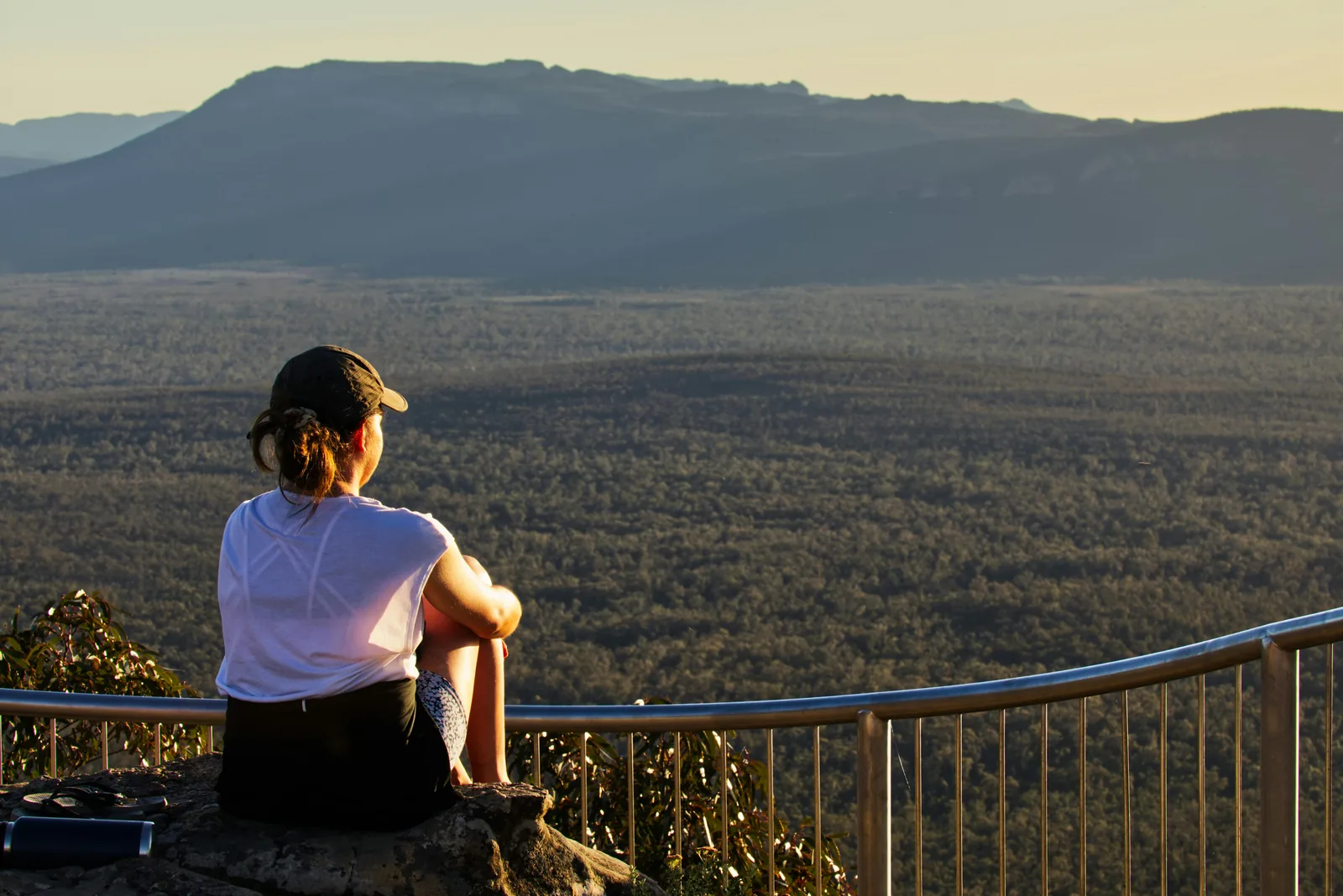
Visit the Grampians from Melbourne — The Pinnacle, MacKenzie Falls and the best lookouts, plus an honest day-trip vs overnight comparison and how to plan it.
This article contains advertising. Our booking links are routed through a partner that adds commission tracking automatically, so if you book through one we earn a commission from the provider, at no extra cost to you. It never affects what we recommend. Affiliate disclosure
The Grampians — Gariwerd to its Traditional Owners — is one of Victoria’s most spectacular natural escapes: a range of rugged sandstone mountains rising from the western plains, threaded with waterfalls, lookouts, ancient rock art and some of the best bushwalking in the state. The big question everyone asks is whether to attempt it as a day trip from Melbourne or stay overnight, and I’ll give you a straight answer to that here, along with the must-do highlights, the best hikes by ability, and how to plan it well. It’s one of the most scenic options on our day trips from Melbourne guide.
What and where are the Grampians?
The Grampians National Park lies about 235km northwest of Melbourne, roughly a three-hour drive, centred on the town of Halls Gap. It’s a dramatic landscape of jagged sandstone ridges, sweeping valleys, year-round waterfalls and abundant wildlife, and it holds deep cultural significance as Gariwerd, home to the largest concentration of Aboriginal rock art in southeastern Australia. For visitors, it offers a concentrated hit of natural beauty — lookouts, walks and wildlife — that makes it one of the most rewarding nature destinations within reach of the city.
Day trip or overnight?
This is the key decision, so here’s my honest take. A day trip is possible — organised full-day tours from Melbourne run around 13 hours, hitting the headline sights, and self-drivers can do the same with an early start. It’s a long day with a lot of driving (three hours each way), but you’ll see the best of it. An overnight stay is far better, though: staying in Halls Gap lets you tackle more walks, catch sunrise and sunset at the lookouts, see the wildlife at its most active, and actually relax rather than rush. My recommendation: if you only have one day, take a tour so someone else drives; if you can spare a night, do — the Grampians reward it more than almost any other Victorian destination.
Getting there
The Grampians are about a three-hour drive west via the Western Highway through Ballarat and Ararat. Self-driving gives you freedom to explore at your own pace, while a guided day tour from Melbourne takes the long drive off your hands and bundles the highlights — a sensible choice for a single day. There’s also a V/Line train-and-coach connection to Halls Gap via Ballarat or Stawell if you’re staying overnight without a car. Our transport guide covers getting out of the city, and you could even combine the Grampians with a stop in Ballarat for Sovereign Hill on a longer trip.
The must-do highlights
For a day visit, these are the essentials.
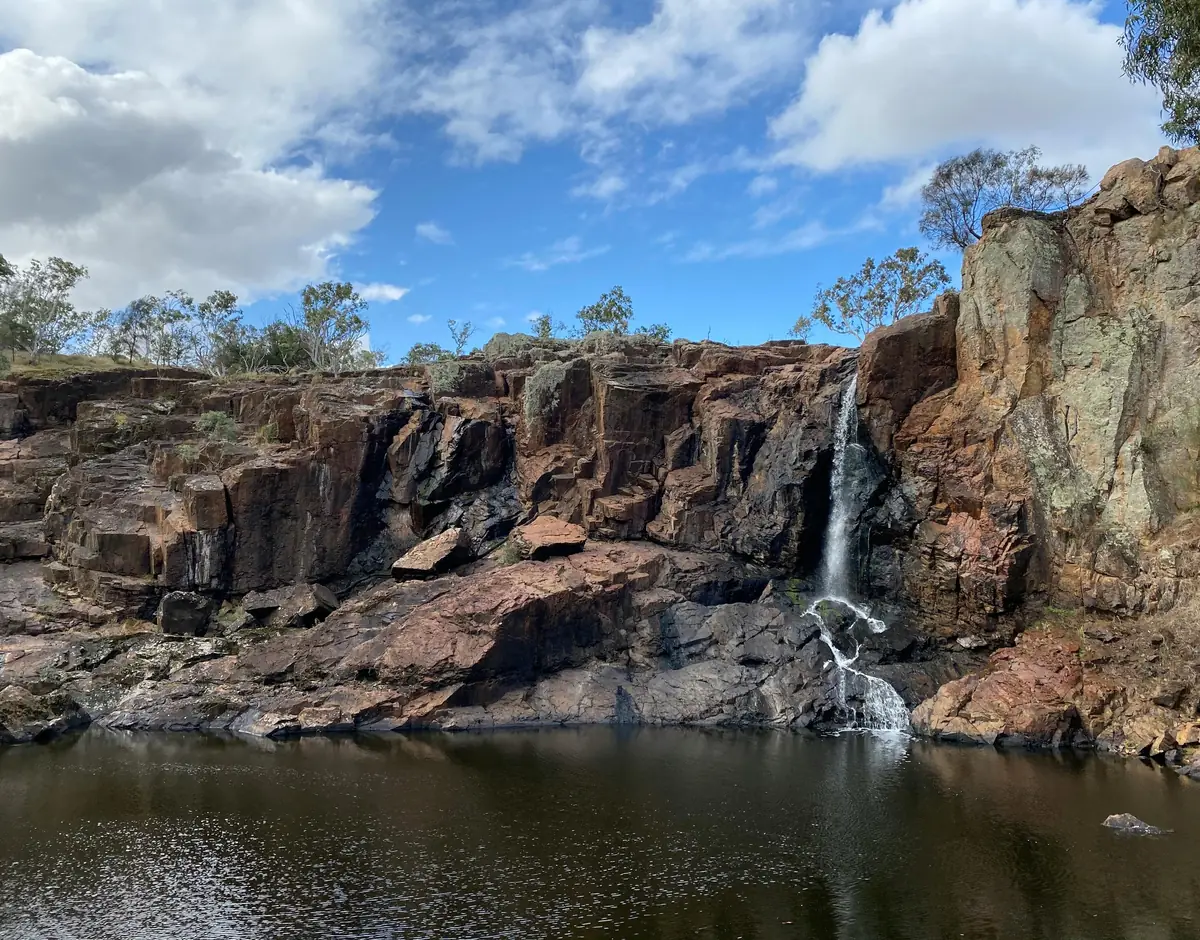
The Pinnacle is the signature walk — a roughly 4.2km return hike (from the Sundial car park) through dramatic rock formations like the Grand Canyon and Silent Street to a jagged clifftop lookout with breathtaking views over Halls Gap and the valley. MacKenzie Falls is the other must-see — one of Victoria’s largest waterfalls and the only one in the Grampians that flows year-round, reached by a steep but short (about 2km return) trail, with an easier lookout option for those who don’t want the climb back up. Boroka Lookout and Reed Lookout / The Balconies offer jaw-dropping panoramas for minimal effort, perfect if you’re short on time or energy. And Halls Gap itself is worth a wander, with kangaroos often grazing right in town.
Hikes by ability
The Grampians cater to every fitness level. Easy: the lookout points (Boroka, Reed/The Balconies) require only short walks from the car park for huge rewards, and the MacKenzie Falls lookout is accessible without the steep descent. Moderate: The Pinnacle and the MacKenzie Falls base walk involve steeper, rockier sections but are manageable for reasonably fit walkers. Challenging: longer summit walks like Mount William (the highest peak) and sections of the multi-day Grampians Peaks Trail reward serious hikers. Match the walk to your group and the time you have, and always carry water, wear proper shoes and check conditions before you set out.
Wildlife and culture
The Grampians teem with wildlife: kangaroos famously graze on the lawns and ovals of Halls Gap (especially at dusk), and you’ll likely spot emus, echidnas, wallabies and a wealth of birdlife, including colourful cockatoos and gang-gangs. The park is also one of Australia’s most important cultural landscapes — Gariwerd holds numerous Aboriginal rock-art sites, some accessible to visitors, telling stories tens of thousands of years old. The Brambuk cultural facilities at Halls Gap (check current opening) help interpret this heritage. Visiting with awareness of the land’s deep cultural significance adds real meaning to the scenery.
A suggested day itinerary
To pack the best into one day: leave Melbourne by 7am, drive west (coffee stop in Ballarat or Ararat), and reach Halls Gap by around 10.30am. Walk to The Pinnacle (allow two to three hours return) for the signature view, then lunch in Halls Gap. In the afternoon, drive to MacKenzie Falls for the waterfall, and finish at Boroka or Reed Lookout for the panorama before the drive home. Keep an eye out for kangaroos around Halls Gap as the afternoon cools. It’s a big day — leaving by mid-to-late afternoon gets you home at a sensible hour.
Staying overnight in Halls Gap
If you stay, Halls Gap is the natural base — a small town with motels, cabins, caravan parks, B&Bs and a handful of pubs and cafés (the Kookaburra Hotel is a local favourite for dinner). An overnight lets you add walks like the Mount William summit or the Wonderland circuit, catch the lookouts at golden hour, and see the wildlife without rushing. For the truly adventurous, the multi-day Grampians Peaks Trail traverses the range with hike-in campgrounds. Even one night transforms the trip from a driving marathon into a proper mountain escape.
Best time to visit and what to bring
Spring (September–November) is glorious, with wildflowers carpeting the park and waterfalls at their fullest. Autumn offers mild, settled walking weather. Summer can be hot and carries bushfire risk, so check warnings and avoid hiking in extreme heat. Winter is cool, green and dramatic, with the waterfalls flowing strongly. Whenever you go, pack sturdy shoes, water, snacks, sun protection and layers, and check Parks Victoria for trail closures and fire conditions before you set out — some walks close after damage or during fire-risk days.
Plan your Grampians trip
The Grampians sit further afield than the headline day trips, so pick your approach to the distance carefully — a tour for a single day, or an overnight for the full experience. For closer wilderness, our guides to Wilsons Promontory and the Great Ocean Road offer alternatives (and the Great Ocean Road combines beautifully with the Grampians on a multi-day western Victoria loop). The full day trips from Melbourne guide maps every option.
Gariwerd: culture and rock art
The Grampians is far more than a scenic playground — as Gariwerd, it holds profound cultural significance for the Traditional Owners, including the Jardwadjali and Djab Wurrung peoples, and contains the richest concentration of Aboriginal rock art in southeastern Australia. Several art sites are accessible to respectful visitors, their ochre paintings telling stories that stretch back tens of thousands of years. Interpretive facilities at Halls Gap help share this living culture (check current opening hours before relying on them). Taking time to learn even a little of Gariwerd’s deep history — and treading lightly at the cultural sites — transforms a hike among the rocks into something richer and more meaningful.
Where to stay around Halls Gap
If you turn the trip into an overnight, Halls Gap is the obvious base, offering everything from caravan parks and cabins to comfortable motels, B&Bs and a few boutique stays, all within walking distance of the trailheads and the town’s cafés. The town sits right in the valley, surrounded by the ranges, with kangaroos often grazing on the recreation reserve. Nearby Dunkeld, at the southern end of the park, offers a more upmarket base (and the acclaimed Royal Mail Hotel). Book ahead for weekends, school holidays and the spring wildflower season, when Halls Gap fills up. Even one night here dramatically improves the trip.
Combine with the Great Ocean Road
Here’s a tip for travellers with more time: the Grampians pair beautifully with the Great Ocean Road on a multi-day western Victoria loop. From Melbourne you can drive the Great Ocean Road west to the Twelve Apostles, then head inland to the Grampians, returning via Ballarat — a spectacular two-to-four-day road trip taking in coast, rainforest and mountains. It’s one of the best self-drive itineraries in the state and far more relaxed than trying to day-trip each destination separately. Our guide to the Great Ocean Road covers that leg, and our 7-day Melbourne itinerary shows how to fit the region into a longer trip.
Food and the Halls Gap scene
For a small mountain town, Halls Gap has a decent spread of places to refuel after a hike — cafés for breakfast and coffee, a bakery, a couple of pubs serving hearty meals, and the general store for supplies. For something special, the Royal Mail Hotel in nearby Dunkeld is renowned for its fine dining and exceptional wine list, a destination restaurant in its own right. On a day trip, plan a relaxed lunch in Halls Gap between your morning and afternoon walks, and pack snacks and water for the trails, where there are no shops. A picnic at one of the lookouts is a lovely option on a fine day.
Families and accessibility
The Grampians can work well for families with the right walk choices. The lookouts (Boroka, Reed/The Balconies) require only short, easy walks for huge rewards — ideal with kids — and the MacKenzie Falls lookout avoids the steep descent. Spotting the kangaroos around Halls Gap is a guaranteed hit with children. Steeper walks like The Pinnacle suit older, fitter kids. Some lookouts and facilities offer accessible access, though the rugged terrain limits options for wheelchairs and prams on the trails themselves — check Parks Victoria for specifics. As with any long day trip, families often find an overnight stay far more manageable than the round-trip drive.
Safety in the park
A few sensible precautions keep a Grampians visit safe. Wear proper footwear and carry plenty of water — the walks are rockier and more exposed than they look. Check weather and fire conditions before you go, as the park can close trails (or close entirely) on high-fire-risk days in summer, and waterfalls and rock surfaces get slippery after rain. Stick to marked trails, mind your footing near cliff edges at the lookouts (some are unfenced), and tell someone your plans if you’re tackling a longer walk, as mobile coverage is patchy. With basic preparation, the Grampians are a safe and superb place to walk.
The wildflower season
If you can time it, spring (roughly September to November) is the Grampians at their most magical. The park is one of Victoria’s richest wildflower regions, and in spring the bush erupts with colour — orchids, wattles, grevilleas and countless native blooms carpet the trails and roadsides. The waterfalls also run at their fullest after the winter rains, and the weather is mild for walking. It’s the most popular time to visit for good reason, so book accommodation early if you’re staying. Even outside spring, the park’s evergreen eucalypt forests, dramatic rock formations and year-round MacKenzie Falls ensure there’s always something spectacular to see — but the wildflower season is a genuine highlight worth planning around.
Frequently asked questions
Can you do the Grampians as a day trip from Melbourne?
Yes — organised day tours run around 13 hours and hit the highlights, and self-drivers can do the same with an early start. It’s a long day with three hours’ driving each way, so an overnight stay in Halls Gap is far more rewarding if you can manage it.
How far are the Grampians from Melbourne?
About 235km, or roughly a three-hour drive northwest via the Western Highway through Ballarat. Halls Gap is the main town and base for the national park.
What are the best things to do in the Grampians in a day?
Hike to The Pinnacle for the signature view, see MacKenzie Falls (the only year-round waterfall), and take in the Boroka and Reed/Balconies lookouts. Halls Gap is great for spotting kangaroos and grabbing lunch.
Is it better to do the Grampians as a day trip or stay overnight?
An overnight in Halls Gap is better — it lets you do more walks, see the wildlife and lookouts at their best, and avoid a six-hour round-trip drive in one day. But a day trip (ideally by tour) still captures the highlights.
The bottom line
The Grampians deliver some of Victoria’s most spectacular scenery — clifftop lookouts, year-round waterfalls, ancient rock art and kangaroos grazing in town. It’s a long way for a single day, so take a tour if you’re day-tripping, or better still, stay a night in Halls Gap and give this magnificent range the time it deserves. Either way, it’s a reminder of the wild grandeur sitting just a few hours west of Melbourne. For walkers and nature lovers, it’s one of the most rewarding escapes the state has to offer — and one that lingers in the memory long after you’ve driven home.