How Much Does a Trip to Melbourne Cost? (Full Breakdown) 2026
- Words
- Melbourne Tourism Guide
- Updated
- October 25, 2026
- Read
- 10 min
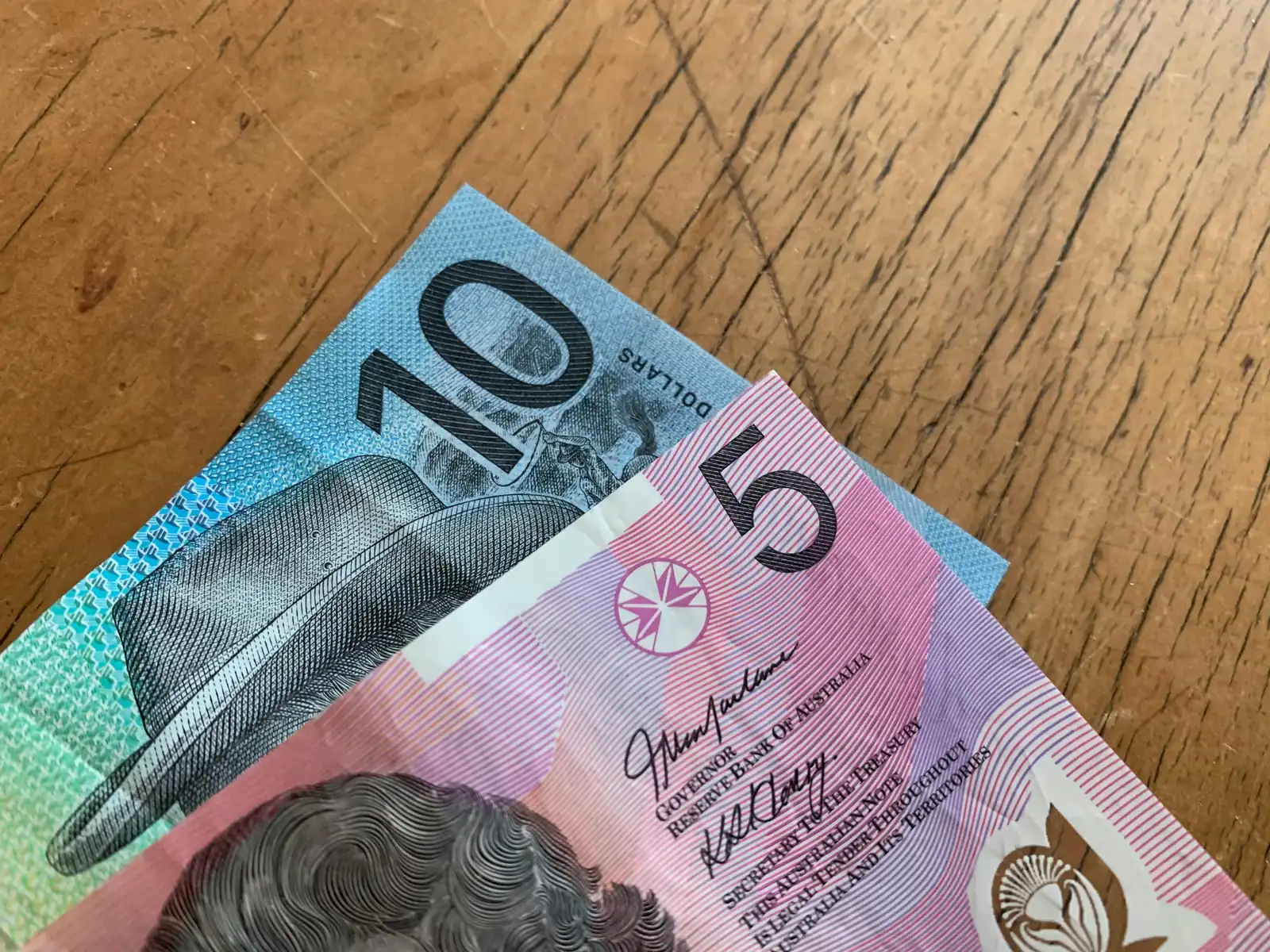
A full breakdown of how much a Melbourne trip costs — daily budgets by travel style, costs for accommodation, food, transport and activities, sample budgets and how to save.
This article contains advertising. Our booking links are routed through a partner that adds commission tracking automatically, so if you book through one we earn a commission from the provider, at no extra cost to you. It never affects what we recommend. Affiliate disclosure
How much does a trip to Melbourne actually cost? It’s the first question most travellers ask, and the honest answer is “anywhere from a backpacker’s shoestring to a luxury splurge”. This guide gives you a full, realistic breakdown — daily budgets by travel style, costs by category, and sample budgets for a few days and a week — so you can plan your Melbourne trip with confidence. All figures are in Australian dollars (AUD) and exclude international flights. It’s part of our wider guide to Melbourne on a budget.
Daily budget by travel style
As a rough guide, a day in Melbourne (per person, excluding flights) costs approximately: budget — around AUD 100–130; mid-range — around AUD 350–450; and luxury — AUD 1,000+. The budget figure covers a hostel dorm or cheap shared room, cheap eats and some self-catering, mostly free or capped transport, and free or low-cost activities. The mid-range figure assumes a 3–4 star hotel room, eating out for most meals, paid attractions and the odd taxi or tour. The luxury figure reflects five-star hotels, fine dining, premium experiences and private transport. Most leisure travellers land somewhere in the mid-range, while backpackers and savvy budget travellers comfortably do the lower figure. Melbourne is moderately expensive — comparable to major Western European cities like London or Paris — so it pays to plan, but it’s very doable on a budget thanks to the city’s free attractions and cheap multicultural food. Below we break the costs down by category.
Accommodation costs
Accommodation is usually the biggest expense. Expect roughly: a hostel dorm bed at AUD 30–45 a night; a hostel private room or budget hotel at AUD 120–200; a mid-range hotel or apartment-hotel at AUD 200–350; and luxury hotels from AUD 400 to well over AUD 1,000. Prices swing significantly with season and events — they spike during the Australian Open, Grand Prix, AFL Grand Final and Melbourne Cup, and drop in the winter low season (June–August). Apartment-hotels offer great value for groups and families splitting a two-bedroom. Booking early, travelling midweek and avoiding peak events make the biggest difference. For the full options, see our guides to cheap accommodation, budget hotels and the best areas to stay. Managing your accommodation cost is the single biggest lever on your overall budget.
Food and drink costs
Food costs vary hugely with how you eat. On a budget, you can eat well for AUD 25–40 a day by mixing cheap eats (dumplings, banh mi, food courts) with some self-catering from markets. Mid-range, eating out for most meals, expect AUD 60–100+ a day. A casual café breakfast runs AUD 15–25, a cheap lunch AUD 10–18, a mid-range dinner AUD 30–50, and a great coffee around AUD 4.50–6. Drinks add up — a beer or glass of wine is roughly AUD 10–15, a craft cocktail AUD 20–28 — so a night out can cost as much as a day’s food. The good news: Melbourne’s multicultural cheap eats are genuinely excellent, tipping isn’t expected, tap water is free, and BYO restaurants save on drinks. Our cheap places to eat guide shows how to feast for less.
Transport costs
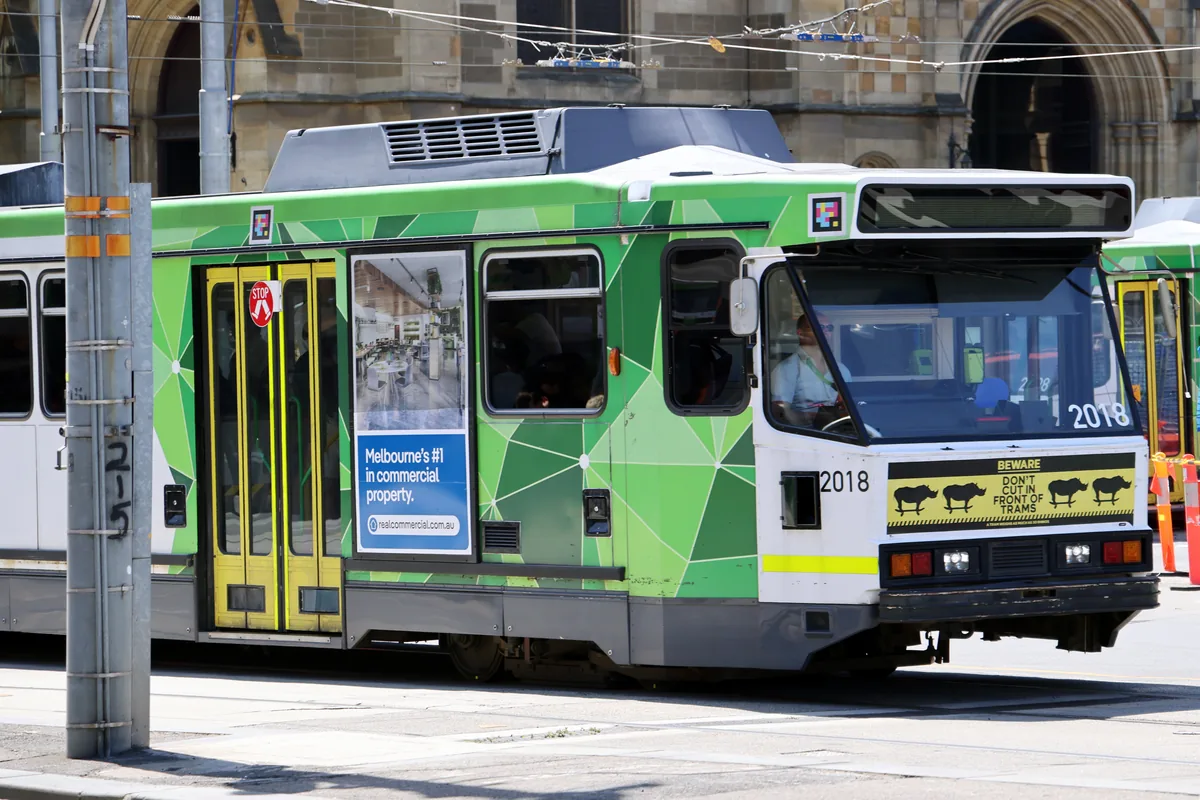
Transport is one of Melbourne’s cheaper categories for visitors. The Free Tram Zone covers the entire CBD and Docklands at no cost, so you can sightsee the centre for free. Beyond it, a Myki card covers trams, trains and buses with a daily fare cap (so you never pay more than a set amount per day, with cheaper weekend caps) — budget only a few dollars a day for most city-based trips. The airport SkyBus runs to the city for a modest fare. You rarely need a car in the city (and CBD parking is expensive at AUD 40–70 a day), so skip it unless you’re doing regional drives, in which case day car hire or tours are the way to go. Rideshare and taxis are available but add up. Overall, most visitors spend very little on transport thanks to the Free Tram Zone and the daily cap. Our public transport guide explains Myki and fares.
Activities and extras
Here’s where Melbourne shines for budgets: so many attractions are free. The NGV collection, the laneways and street art, the gardens, the State Library, free walking tours (tip-based) and free events mean your activity spend can be minimal. Paid attractions when you want them: the zoo, aquarium, Skydeck and similar typically run AUD 25–50 each (cheaper booked online), and tours or day trips AUD 50–200. A night out (drinks, a gig or club entry) might be AUD 50–100+. Souvenirs, SIM cards and incidentals add a little. The key point is that activities are as cheap or expensive as you choose — you can fill days for free, or spend freely on premium experiences. Budget travellers lean on the free offering and pick a few paid highlights; others splurge on tours and attractions. Our guides to free things to do and attraction passes help you optimise this category.
Sample budgets
Putting it together, here are rough per-person costs (excluding flights). A budget 3-day trip: around AUD 300–400 (hostel, cheap eats, free attractions, minimal transport). A mid-range 3-day trip: around AUD 1,000–1,350 (hotel, eating out, a few paid attractions). A budget week: around AUD 700–900; a mid-range week: around AUD 2,000–2,800; a luxury week: AUD 7,000+. These exclude international airfares, which are often the largest single cost of a Melbourne trip for overseas visitors. Your actual total depends most on accommodation choice, how often you eat out, and how many paid attractions and nights out you do. The encouraging takeaway is the wide range: Melbourne genuinely works for shoestring backpackers and luxury travellers alike, and the city’s free attractions and cheap eats mean even a modest budget buys a rich experience. Plan around your priorities and the numbers fall into place.
How the season affects your costs
When you visit can shift your total by hundreds of dollars. Summer (Dec–Feb) and the major-event periods are the priciest — accommodation spikes around the Australian Open (January), the Grand Prix (March), the AFL Grand Final (late September) and the Melbourne Cup (early November), when rooms can double and sell out. Winter (Jun–Aug) is the cheapest stretch, with good hotel deals (saving roughly AUD 70–100 a night versus summer), fewer crowds, and the NGV’s Winter Masterpieces, a winter exhibition that recurs each year (check the NGV’s site for the next one), as a drawcard. Autumn and spring offer mild weather and good value outside the event weeks. If your dates are flexible, shifting your trip to the low season or avoiding event spikes is one of the easiest ways to cut costs without changing how you travel. The trade-off is winter’s cold and short days, but for budget travellers the savings are well worth it. Our cheapest time to visit Melbourne guide maps the price calendar month by month so you can time your trip for value.
Hidden and easy-to-forget costs
A realistic budget accounts for the extras that catch travellers out. Airport transfers (SkyBus or a taxi/rideshare from Tullamarine), a local SIM or eSIM, travel insurance, and baggage or storage all add up. Drinks are a big one — alcohol is pricey, so a few nights out can rival your food budget. Tipping, happily, is not expected in Australia, which saves the 15–20% you might budget elsewhere. Watch for weekend and public holiday surcharges at some restaurants, CBD parking if you drive, and booking/service fees on tickets. Souvenirs and the temptation of Melbourne’s great shopping can stretch a budget too. Building a small buffer (say 10–15%) into your plan covers these incidentals without stress. None are huge individually, but together they can add a meaningful amount, so it’s worth factoring them in rather than budgeting only for the headline costs of bed, board, transport and attractions. A little contingency keeps your trip on budget.
Cash, cards and money matters
A few practicalities help you manage money in Melbourne. Australia is largely cashless — cards and mobile payments are accepted almost everywhere, so you don’t need much cash (handy for small market stalls, tips on free tours, and the odd cash-only cheap-eat). Since 1 October 2026 businesses can no longer add a surcharge for paying with Visa, Mastercard, American Express or eftpos cards. Use a travel card or bank card with low foreign-transaction fees to avoid losing money on every purchase, and withdraw from bank ATMs to dodge fees. Tipping is not expected, so the price you see is generally what you pay (a relief versus tip-heavy countries). The currency is the Australian dollar (AUD). Displayed prices include GST (10% sales tax) already; the exception is the weekend and public holiday surcharge some restaurants add. International visitors can claim GST back on eligible larger purchases via the Tourist Refund Scheme at the airport. Sorting a low-fee card and understanding that tipping and tax are built in means your money goes further and your budgeting is more predictable than in many comparable destinations.
Budgeting tips for first-timers
If it’s your first Melbourne trip, a few principles keep costs in check. Decide your travel style honestly (budget, mid-range or luxury) and budget the matching daily figure, then add flights and a contingency buffer. Prioritise accommodation — it’s your biggest controllable cost, so choosing a hostel or apartment-hotel over a hotel transforms your budget. Eat like a local at the cheap multicultural eateries rather than tourist-strip restaurants. Use the Free Tram Zone and the daily Myki cap rather than taxis. Lean on free attractions — Melbourne’s are exceptional — and pay only for the few paid sights you really want. Travel off-peak if you can. And book flights and accommodation early for the best fares. Following these, even first-timers can keep a Melbourne trip surprisingly affordable. The city rewards a little planning: knowing where the costs lie and where the free value is lets you spend on what matters to you and save everywhere else.
How Melbourne compares to other Australian cities
For context, Melbourne sits among Australia’s pricier cities, broadly comparable to Sydney (Sydney’s accommodation and some attractions can run a touch higher), and generally costing more than smaller cities like Adelaide, Brisbane or Hobart. That said, Melbourne offers exceptional value in a few areas that soften the blow: its cheap, world-class multicultural food is arguably better value than most Australian cities, its Free Tram Zone is a genuine money-saver in the heart of the city, and its wealth of free attractions (the NGV, gardens, laneways) means lower unavoidable costs. So while Melbourne isn’t cheap by global standards, it punches above its weight for budget-conscious visitors who use these advantages. If you’re touring Australia and watching costs, Melbourne is a city where smart travellers can keep a lid on spending while still enjoying a rich experience — making it a budget-friendlier stop than its “moderately expensive” label might suggest. Pair this guide with our money-saving tips to get the most from your dollars.
Frequently asked questions
How much does a trip to Melbourne cost per day?
Roughly AUD 100–130 a day for budget travellers, AUD 350–450 for mid-range, and AUD 1,000+ for luxury (per person, excluding flights). The budget figure covers a hostel, cheap eats, capped/free transport and free activities; mid-range assumes a hotel, eating out and paid attractions.
Is Melbourne expensive to visit?
It’s moderately expensive — comparable to major Western European cities like London or Paris. However, it’s very doable on a budget thanks to the Free Tram Zone, excellent cheap multicultural food, and a huge range of free attractions, so costs can be kept low with planning.
What’s the biggest cost of a Melbourne trip?
For overseas visitors, airfares are a significant cost on top of the daily budget. Once you are there, accommodation and food and drink are the main things to budget for. Transport is relatively cheap (Free Tram Zone and daily-capped Myki fares), and many attractions are free.
How can I reduce my Melbourne trip cost?
Stay in hostels or apartment-hotels, eat at the cheap multicultural eateries and self-cater, use the Free Tram Zone and daily-capped Myki, lean on free attractions, travel in the winter low season, and avoid major-event price spikes. These levers can dramatically lower your daily spend.
The bottom line
A Melbourne trip costs roughly AUD 100–130 a day on a budget, AUD 350–450 mid-range and AUD 1,000+ for luxury, per person and excluding flights — with accommodation the biggest variable. The city is moderately expensive but genuinely flexible: the Free Tram Zone, brilliant cheap eats and an abundance of free attractions mean even a tight budget buys a rich experience, while there’s no shortage of ways to splurge. Plan around your accommodation choice and how often you eat out and pay for attractions, use the money-saving levers, and you can confidently budget a Melbourne trip to suit your wallet — from backpacker shoestring to five-star indulgence.