Indigenous Culture Experiences in Melbourne (Respectful Guide)
- Words
- Melbourne Tourism Guide
- Updated
- July 25, 2026
- Read
- 11 min
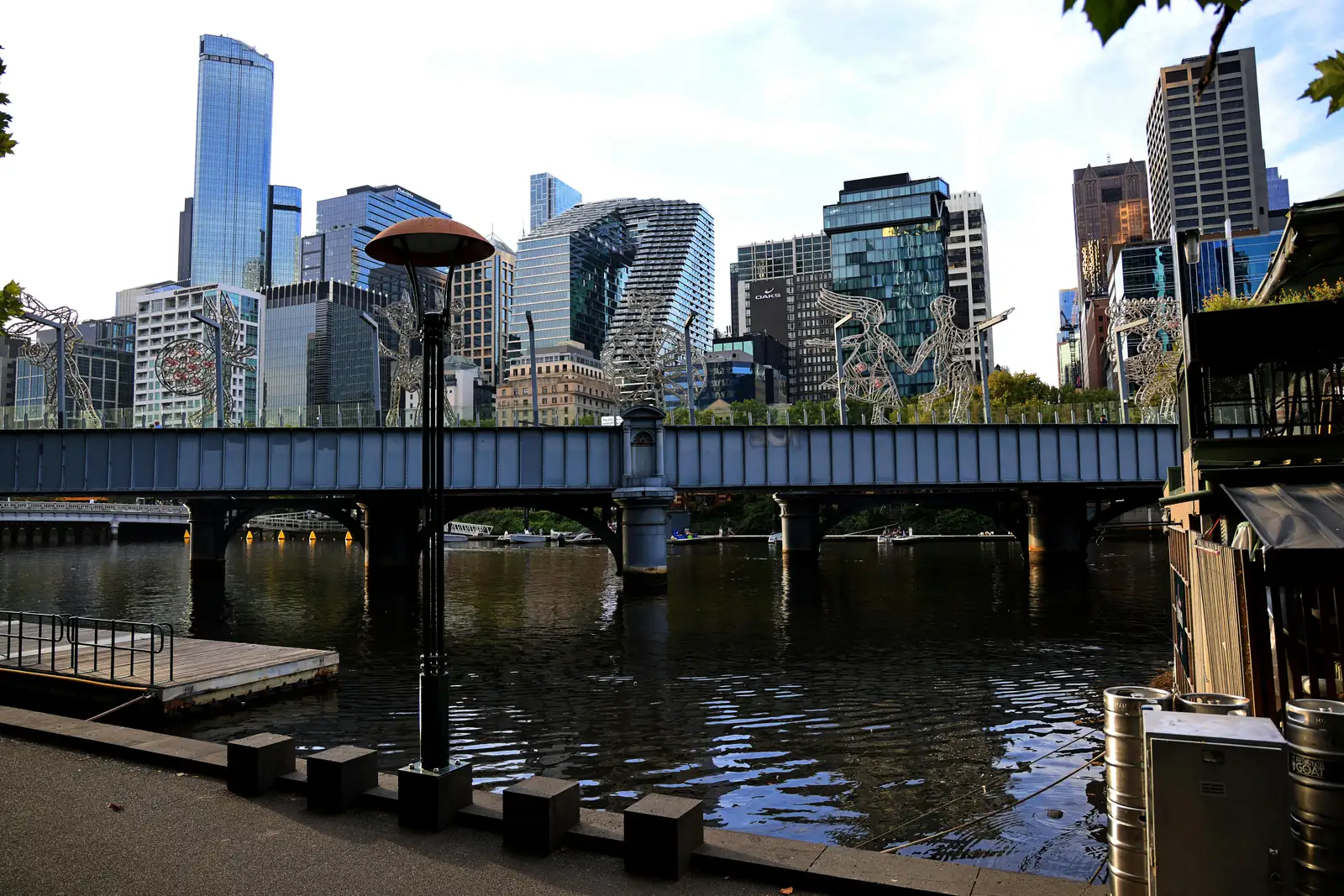
Experience Aboriginal culture in Melbourne respectfully — First Peoples-led walks, the Koorie Heritage Trust and Bunjilaka, art, significant sites and ethical tips.
This article contains advertising. Our booking links are routed through a partner that adds commission tracking automatically, so if you book through one we earn a commission from the provider, at no extra cost to you. It never affects what we recommend. Affiliate disclosure
Long before it was Melbourne, this place was — and still is — Naarm, the meeting ground of the peoples of the Kulin Nation, home to one of the oldest continuous living cultures on earth. For visitors, taking time to learn about and respectfully experience that culture is one of the most meaningful things you can do here, and the city offers wonderful, authentic ways to do it: First Peoples-led walking tours, cultural centres, art and significant sites along the Birrarung (the Yarra River). This guide brings them together thoughtfully, with an emphasis on experiences led by, and benefiting, Aboriginal communities. It’s an important chapter of our Melbourne arts and culture guide.
Whose Country are you on?
Melbourne sits on the traditional lands of the Wurundjeri Woi-wurrung and Bunurong Boonwurrung peoples, part of the wider Kulin Nation, who have cared for this Country for tens of thousands of years. In the Woi-wurrung language, the Yarra River is the Birrarung (“river of mists”), and the city itself is often called Naarm. This is a living culture, not a historical one — First Peoples communities here today continue rich traditions of art, language, custodianship and storytelling. Approaching your visit with that awareness, and acknowledging the Traditional Owners, is the respectful foundation for everything that follows.
Cultural centres
Two places are essential starting points. The Koorie Heritage Trust, in Federation Square, is an Aboriginal-owned and managed organisation offering an authentic, urban Aboriginal cultural experience — explore its collections of art and artefacts, browse the shop of ethically sourced work, and join one of its guided walks led by First Peoples guides. The Bunjilaka Aboriginal Cultural Centre, on the ground floor of the Melbourne Museum, takes visitors on a powerful journey through thousands of years of continuous culture via multimedia, artworks and the moving First Peoples gallery — covering Dreaming stories, traditional tools, possum-skin cloaks and the realities of colonisation through to today. Both are accessible, central and deeply rewarding.
First Peoples-led walking tours
The most immersive way to experience Aboriginal culture is on a tour led by a First Peoples guide. The Koorie Heritage Trust’s Birrarung Wilam (River Camp) Walk begins at Federation Square and follows the river, with your guide helping you look beyond the cityscape to understand the deep cultural history of Naarm and the Birrarung. The walk takes in the Birrarung Wilam art installation (more below) and shares the continuing connection of Victorian First Peoples to this place. The Wurundjeri Woi Wurrung Cultural Heritage Aboriginal Corporation also offers cultural walks — including along the Birrarung to significant sites like Dights Falls — and the City of Melbourne publishes a self-guided Aboriginal Melbourne walk. Choosing a guided, community-led tour ensures your visit directly supports and respects the people whose culture you’re learning about.
Birrarung Wilam and public art
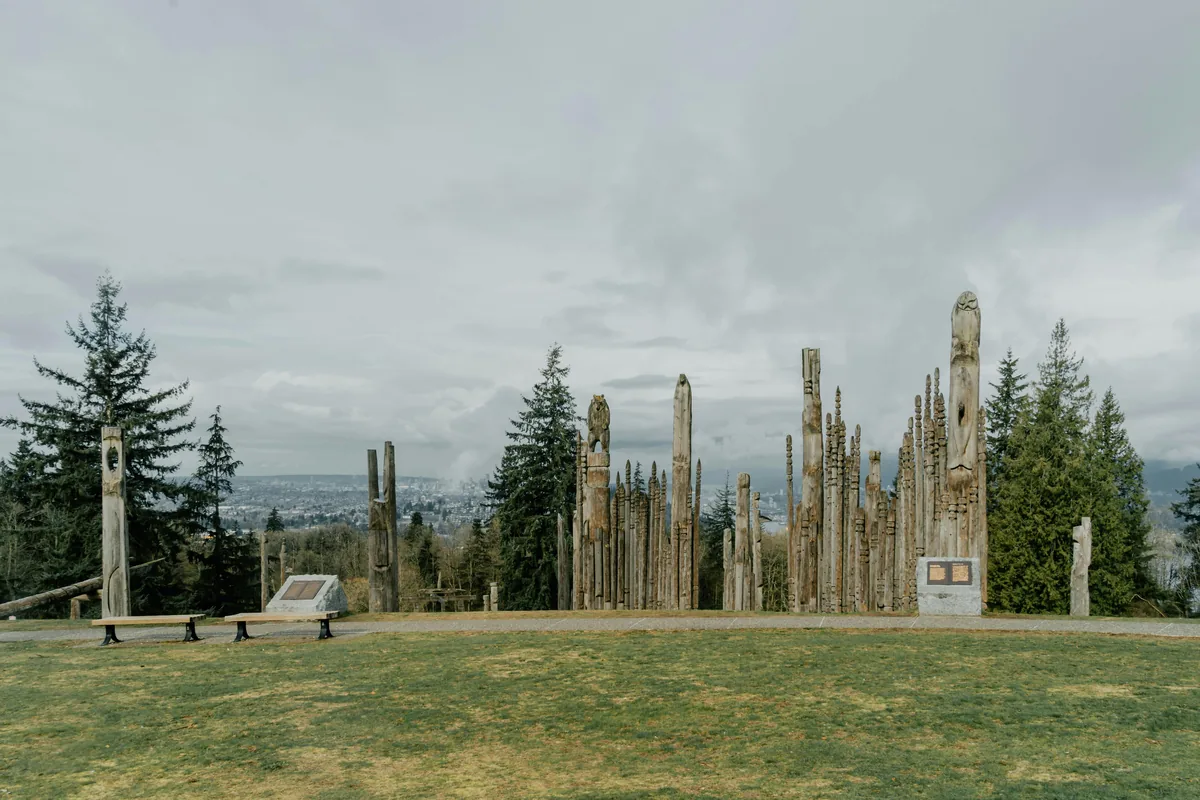
Right beside Federation Square, the riverside park of Birrarung Marr is home to Birrarung Wilam (“Camp on the Yarra”), a striking public art installation celebrating the culture of the Kulin Nation. It features a stylised eel pathway (eels are deeply significant to the local peoples), towering message-stick sculptures, etched-metal panels evoking possum-skin cloaks, large stylised shields and spears, and ornamental water vessels. It’s free, central and open at all hours — a beautiful, meaningful stop on a riverside walk, and a reminder of the living culture beneath the modern city. Keep an eye out, too, for Aboriginal public art and design woven through the city’s spaces.
Aboriginal art and where to see it
Melbourne is a wonderful place to encounter Aboriginal art. The National Gallery of Victoria holds a significant collection of First Peoples art, from traditional works to contemporary practice, displayed across its two sites (and free to view). The Koorie Heritage Trust and Bunjilaka both showcase art alongside cultural interpretation, and the city has commercial galleries specialising in Aboriginal art. Engaging with this art — ancient and contemporary — is one of the richest ways to appreciate the depth and diversity of First Peoples cultures, and Melbourne’s institutions present it with care and context.
Buying authentic Aboriginal art (do it ethically)
If you’d like to take home a piece of Aboriginal art, please buy it ethically — this matters enormously. Purchase from Aboriginal-owned organisations (like the Koorie Heritage Trust shop), reputable galleries that work directly and fairly with artists and communities, or art centres that ensure artists are properly credited and paid. Avoid cheap, mass-produced “Aboriginal-style” souvenirs, which are often fakes that exploit First Peoples culture without benefiting the communities. Ask about the artist and the work’s provenance; ethical sellers will be happy to tell you. Buying authentically supports living artists and communities, and means your souvenir carries genuine cultural value.
Aboriginal heritage in the gardens and beyond
The Royal Botanic Gardens offers an Aboriginal Heritage Walk, where an Aboriginal guide shares traditional uses of plants, seasonal knowledge and the area’s significance to the Kulin peoples — a lovely, gentle way to connect culture and landscape. Beyond the city, cultural experiences extend into the regions, from the rock-art-rich landscapes of the Grampians (Gariwerd) to wildlife and Country-based experiences. Wherever you go in Victoria, you’re on Aboriginal land with deep stories attached, and seeking out community-led experiences is a meaningful way to travel. Our day trips guide and Grampians guide touch on some of these.
Cultural events and festivals
Timing your visit around a cultural event deepens the experience. NAIDOC Week (usually July) celebrates the history, culture and achievements of Aboriginal and Torres Strait Islander peoples with events across the city. Yirramboi, a First Nations arts festival, showcases contemporary Indigenous creativity. The annual Tanderrum ceremony welcomes the Melbourne arts season on Kulin Country, and major festivals like RISING regularly feature significant First Peoples programming. Check our events and festivals calendar and the festival organisers’ sites for dates and programs during your visit.
Visiting respectfully
A few principles make for a respectful visit. Choose community-led experiences — tours and centres run by First Peoples ensure authenticity and benefit communities directly. Listen and learn with an open mind; ask questions respectfully and follow your guide’s lead, especially at significant sites. Buy art ethically, as above. Acknowledge Country and the Traditional Owners. And approach everything with the understanding that this is a living, continuing culture deserving of respect, not a relic. Doing so transforms a sightseeing stop into genuine cultural understanding — and is simply the right way to engage.
The seasons of the Kulin calendar
One of the most fascinating things visitors learn is that the Kulin peoples recognise not four seasons but a more nuanced cycle tied to the local environment — traditionally several seasons marked by changes in plants, animals and weather rather than fixed calendar dates. Eel season, wombat season, orchid season and others reflect a deep, observational knowledge of Country built over countless generations. You’ll encounter this knowledge on cultural walks and at Bunjilaka, where guides explain how the land’s rhythms shaped daily life, food and movement. It’s a profound reframing of the place you’re standing in — the same parks and riverbanks read entirely differently through this lens, which is exactly what makes a First Peoples-led experience so illuminating.
A note on language and respect
Language matters when engaging with First Peoples cultures. “Aboriginal and Torres Strait Islander peoples”, “First Peoples” and “First Nations” are widely accepted respectful terms; “Koorie” (or “Koori”) refers specifically to Aboriginal people of southeastern Australia, including Victoria. Use of traditional place names like Naarm (Melbourne) and Birrarung (Yarra) is increasingly common and welcomed. When in doubt, follow the language your guides and the cultural organisations use. Approaching with humility — listening more than assuming, and recognising that there is no single “Aboriginal culture” but many distinct nations, languages and traditions — is the foundation of a respectful visit.
Acknowledgement and Welcome to Country
You’ll likely encounter two important protocols during your visit. A Welcome to Country is a ceremony performed by a Traditional Owner welcoming visitors to their land, often opening major events and festivals. An Acknowledgement of Country is a statement — which anyone can offer — recognising the Traditional Owners of the land you’re on, commonly heard at the start of events, in venues and even on signage around the city. Understanding the distinction, and the respect behind both, helps you appreciate a practice that has become an important part of public life in Melbourne and across Australia.
Supporting Aboriginal-owned businesses
One of the most direct ways to engage respectfully is to support Aboriginal-owned and operated businesses. Beyond the cultural tours and the Koorie Heritage Trust, Melbourne and Victoria have a growing number of Aboriginal-owned cafés, design studios, fashion labels, art centres and tour operators. Seeking these out — for a meal, a gift, a tour or a coffee — ensures your tourism dollars directly benefit First Peoples communities. Many are listed through Aboriginal business directories and tourism bodies. It’s a simple, meaningful choice that turns ordinary travel spending into genuine support for the communities whose culture makes this such a special place to visit.
Experiencing it with kids
Aboriginal cultural experiences can be wonderful for families, sparking children’s curiosity about the world’s oldest living culture. Bunjilaka at the Melbourne Museum is especially engaging for kids, with interactive, multimedia storytelling, and the museum’s free entry for children makes it easy. The Birrarung Wilam installation and riverside walks are accessible and visual, and some cultural walks and events welcome families. Talking with children about Acknowledgement of Country and the deep history of the land they’re visiting plants important seeds of understanding and respect. Our things to do with kids guide has more family ideas to pair it with.
Cultural experiences beyond the city
If you travel beyond Melbourne, Victoria offers deeper cultural experiences on Country. The Grampians (Gariwerd) holds the richest concentration of Aboriginal rock art in southeastern Australia, with some sites open to respectful visitors and cultural tours available. Other regions offer Country-based experiences, bush-food walks and cultural centres run by local communities. Wherever you go in Victoria, you’re on Aboriginal land with stories stretching back tens of thousands of years, and choosing community-led experiences is the best way to engage with them. Our guides to the Grampians and day trips from Melbourne point to some of these.
The deep history of Naarm
The story of this place stretches back far beyond European settlement in 1835. For tens of thousands of years, the peoples of the Kulin Nation lived along the Birrarung and the bay, managing the land with fire, harvesting eels through sophisticated traditional systems, and maintaining complex social, spiritual and trade networks. The arrival of colonists brought profound and devastating disruption — dispossession, violence and the lasting impacts of colonisation that First Peoples communities continue to navigate today. Understanding this history, including its painful chapters, is part of engaging honestly with the culture. The cultural centres and tours don’t shy away from it, and approaching your visit with that fuller awareness makes the living, resilient culture you encounter all the more remarkable.
Why make space for this in your trip
It would be easy to fill a Melbourne itinerary with coffee, laneways and galleries and never engage with the culture that has shaped this place for millennia. But making space for even one First Peoples-led experience — a riverside walk, an afternoon at Bunjilaka, a visit to the Koorie Heritage Trust — adds a depth and perspective that the rest of the trip simply can’t. You’ll see the familiar city through entirely new eyes, learn something genuinely profound, and directly support the communities sharing their culture with you. Of all the things you can do in Melbourne, it’s among the most worthwhile — and the most quietly unforgettable.
Frequently asked questions
What Aboriginal cultural experiences are there in Melbourne?
You can visit the Aboriginal-owned Koorie Heritage Trust at Federation Square, the Bunjilaka Aboriginal Cultural Centre at the Melbourne Museum, join First Peoples-led walking tours along the Birrarung, see the Birrarung Wilam art installation, and view Aboriginal art at the NGV.
Whose land is Melbourne on?
Melbourne (Naarm) sits on the traditional lands of the Wurundjeri Woi-wurrung and Bunurong Boonwurrung peoples of the Kulin Nation, who have cared for this Country for tens of thousands of years and maintain a living culture today.
Where can I buy authentic Aboriginal art in Melbourne?
Buy from Aboriginal-owned organisations like the Koorie Heritage Trust shop, reputable galleries that work fairly with artists, or art centres that credit and pay artists properly. Avoid mass-produced “Aboriginal-style” souvenirs, which are often inauthentic.
Are there First Peoples-led tours in Melbourne?
Yes — the Koorie Heritage Trust runs the Birrarung Wilam (River Camp) walk from Federation Square, the Wurundjeri corporation offers cultural walks, and the Royal Botanic Gardens runs an Aboriginal Heritage Walk, all led by Aboriginal guides.
The bottom line
Engaging with Aboriginal culture is one of the most meaningful experiences Melbourne offers — a chance to connect with one of the world’s oldest living cultures on the very Country it belongs to. Start at the Koorie Heritage Trust or Bunjilaka, take a First Peoples-led walk along the Birrarung, view the art with fresh eyes, and buy ethically if you buy at all. Approached with respect and curiosity, it adds a depth to your visit that no other experience can match.