Fine Dining Restaurants in Melbourne: The Complete Guide
- Words
- Melbourne Tourism Guide
- Updated
- July 25, 2026
- Read
- 11 min

Discover Melbourne's best fine dining — from Attica to Vue de monde — plus what hats mean, what to expect, how to book and how to splurge for less.
This article contains advertising. Our booking links are routed through a partner that adds commission tracking automatically, so if you book through one we earn a commission from the provider, at no extra cost to you. It never affects what we recommend. Affiliate disclosure
Melbourne takes its food more seriously than just about any city in the country, and nowhere is that more obvious than at the top end. This is a city where a degustation can run to twenty courses of native Australian ingredients you’ve never heard of, where the best tables are booked out months in advance, and where dinner becomes a four-hour piece of theatre. I’ve splurged on enough special-occasion meals here to have strong opinions, and I’ve learned how to do fine dining in Melbourne well — including how to experience the very best rooms without spending a fortune. This guide walks you through the icons, what to expect, and how to book. It’s the most glamorous chapter of our wider guide to the best restaurants in Melbourne.
What fine dining means in Melbourne
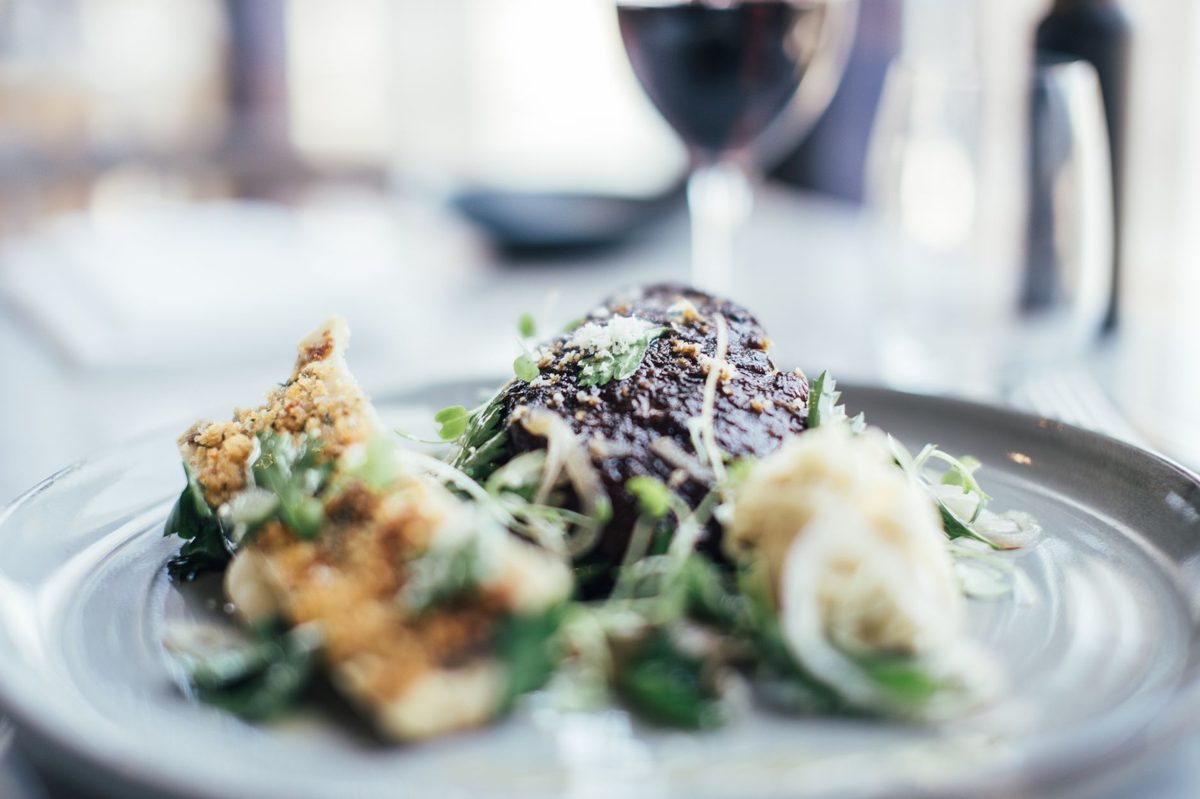
Unlike Paris or Tokyo, Australia doesn’t have the Michelin Guide. Instead, the benchmark here is the chef’s “hat” — awarded by the influential Good Food Guide, with one, two or three hats roughly equivalent to the Michelin star system. A one-hat restaurant is excellent; two hats is exceptional; three hats places a restaurant among the very best in the country. When locals talk about a “two-hatted” or “three-hatted” restaurant, that’s the shorthand. Melbourne consistently boasts one of the largest concentrations of hatted restaurants in Australia, spread between glossy CBD towers and unassuming inner-suburban addresses where some of the country’s most celebrated kitchens hide in plain sight.
The icons you should know
A handful of restaurants define the top of Melbourne’s scene.
Attica, in suburban Ripponlea, is the city’s most internationally celebrated restaurant. Chef Ben Shewry’s deeply personal, narrative-driven menu showcases native Australian ingredients in ways that have earned it a place on “world’s best” lists for years. Reservations are released months in advance and vanish in minutes, so plan ahead. Vue de monde, perched atop the Rialto tower on Collins Street, pairs a jaw-dropping city view with a refined, native-leaning degustation — a classic Melbourne special-occasion choice (expect upwards of $300 per person). Gimlet at Cavendish House brings glamorous, old-world dining and superb cocktails to the CBD, Kisumé delivers theatrical modern Japanese across multiple levels, and Flower Drum remains the grand dame of Cantonese fine dining, an institution for decades. Beyond the city, regional destination restaurants like Brae in Birregurra draw diners on a pilgrimage out of town.
Fine dining by style
Melbourne’s high-end scene is wonderfully diverse. Modern Australian is the flagship style — chefs foraging and championing native ingredients, exemplified by Attica and Vue de monde. French and European fine dining endures in elegant rooms across the city. Japanese is a particular strength, from sleek omakase counters to theatrical izakaya-meets-fine-dining venues. And Chinese fine dining, led by long-standing institutions, is taken as seriously here as anywhere outside Asia. Whatever your taste, there’s a hatted kitchen working at the top of its game — which is exactly why Melbourne rewards the curious diner.

What to expect
A fine dining experience in Melbourne usually means a degustation — a set, multi-course tasting menu (anywhere from five to twenty-plus courses) that takes you on a journey through the kitchen’s ideas. Most offer an optional matched wine flight, often featuring outstanding Victorian and Australian producers. Budget roughly $200 to $400 per person for the food at the top tier, more with wine. Meals are leisurely — three to four hours is normal — so settle in. Dress codes are generally smart-casual to smart; you won’t need a jacket and tie at most places, but it’s the occasion to make an effort. Dietary requirements are handled with care if you flag them when booking.
How to book the best tables
This is where planning pays off. The most sought-after restaurants — Attica chief among them — release reservations on a set schedule, often two to three months ahead, and the best slots disappear within minutes of going live. So: know the release date for your dream restaurant and be online the moment bookings open. Be flexible on day and time — weekday and lunch sittings are easier to land than Saturday night. Join cancellation lists and follow restaurants on social media for last-minute releases. And book the rest of your trip around the table, not the other way round, if there’s a particular restaurant you have your heart set on. For a special-occasion dinner, it’s worth the effort.
Fine dining without the splurge
Here’s the insider knowledge: you don’t always need to commit to the full evening degustation to taste a hatted kitchen. Many top restaurants offer a set lunch menu at a fraction of the dinner price — the same quality, fewer courses, often in a lighter, more relaxed setting. Bar seating at high-end venues frequently lets you order à la carte without a reservation, so you can sample the cooking and the cocktails for far less. And special events, chef collaborations and festival menus — particularly during the Melbourne Food and Wine Festival — open the doors to experiences that are otherwise hard to get. These are the moves that let you eat brilliantly on a more modest budget.
For special occasions and views
Fine dining and a celebration go hand in hand, and Melbourne does occasions beautifully. For a proposal, an anniversary or a milestone birthday, the rooftop fine-diners with skyline views are hard to beat, while the intimate suburban rooms offer a more personal kind of magic. Many restaurants will help you mark the moment with a quiet word when you book. If you’re planning a romantic night, our guide to romantic things to do in Melbourne has more ideas to build an unforgettable evening around dinner.
Where to find them and getting there
Melbourne’s fine dining clusters in two broad zones: the CBD (including the high-rise restaurants and glamorous Collins Street rooms) and the inner suburbs — Ripponlea, Fitzroy, Carlton, South Yarra and beyond — where many destination restaurants hide. The city venues are easily reached on foot or by tram within the Free Tram Zone; for the suburban spots, a short tram or rideshare does the job. Our public transport guide has the details, and if you’re choosing a base, our guide to where to stay in Melbourne can help you pick a neighbourhood close to the action.
Tips for a great fine dining experience
Book early and be flexible on timing. Consider lunch for the same quality at a lower price. Flag dietaries when you reserve, not on the night. Arrive on time — degustations run to a schedule. Pace yourself across the courses and the wine. Ask the staff for recommendations; sommeliers and floor teams at this level are genuinely knowledgeable and love to help. And make a night of it — a pre-dinner cocktail and a leisurely meal is the whole point.
Round out your Melbourne food trip
Fine dining is the peak, but it’s just one slice of Melbourne’s food obsession. Balance a splurge dinner with the city’s legendary cafés, brunches and markets, and you’ll see the full spectrum of why this is Australia’s food capital. Explore the rest with our guides to the best cafés, the best brunch, and the wider best restaurants in Melbourne. For independent reviews and the latest hat awards, the Good Food Guide is the authority.
How Melbourne became a fine dining city
Melbourne’s status as Australia’s culinary capital didn’t happen by accident. Waves of post-war migration — Italian, Greek, Vietnamese, Chinese and many more — gave the city an extraordinarily deep and diverse food culture, while a long-standing café and coffee obsession created diners who genuinely care about what’s on the plate. Over the past two decades, a generation of ambitious chefs pushed that foundation upmarket, championing native Australian ingredients and a distinctly local, ingredient-driven style of fine dining rather than simply importing European templates. The result is a high-end scene with real identity: confident, creative and unmistakably Melbourne. Understanding that backstory makes a degustation here feel less like a luxury splurge and more like a taste of the city’s whole story.
The suburban destination restaurants
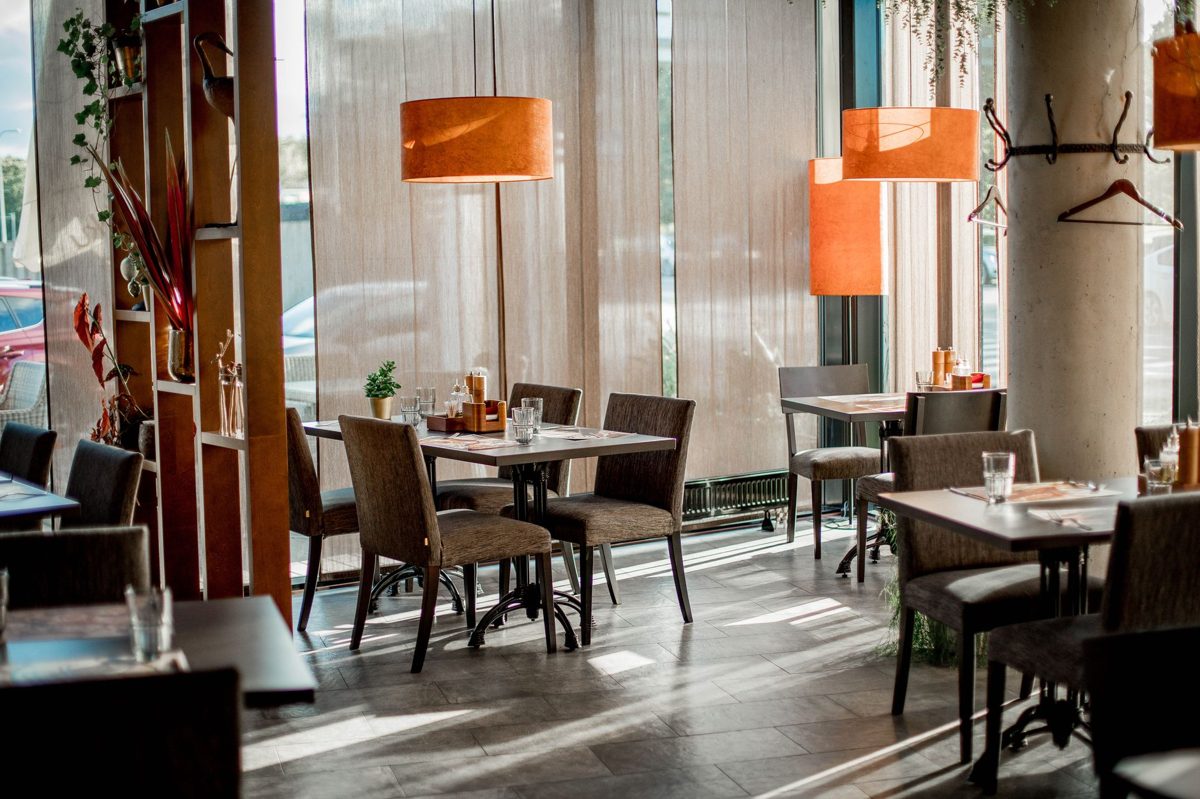
One of the quirks that makes Melbourne special is that some of its very best restaurants aren’t in the CBD at all — they’re tucked into quiet suburban streets and converted shopfronts. Attica’s Ripponlea address is the famous example, but the inner suburbs of Fitzroy, Carlton, Collingwood, South Yarra and Richmond are dotted with acclaimed kitchens that reward a short tram ride or rideshare. Part of the pleasure is the contrast: an unassuming exterior on a residential street giving way to some of the most accomplished cooking in the country. Don’t restrict your search to the city centre — venturing into the neighbourhoods is where some of the most memorable meals are found, and our neighbourhoods guide can help you get your bearings.
Wine and the Victorian connection
A great fine dining meal in Melbourne is amplified by what’s in the glass. Victoria is home to some of Australia’s finest cool-climate wine regions — the Yarra Valley, Mornington Peninsula, Macedon Ranges and beyond — and the city’s top sommeliers lean heavily on this local bounty. A matched wine flight at a hatted restaurant is often a guided tour through the state’s best producers, many of them small and hard to find elsewhere. If the wine captivates you, consider extending your trip with a day in wine country; our guide to the best day trips from Melbourne covers the regions and how to visit the cellar doors behind the bottles.
Dining solo and dietary requirements
Fine dining in Melbourne is welcoming to solo diners and those with dietary needs alike. Many top restaurants have bar or counter seating that’s perfect for eating alone — often the best seat in the house for watching the kitchen work — and solo diners are treated with the same care as any table. As for dietary requirements, the city’s restaurants are highly experienced with vegetarian, vegan, gluten-free and allergy-conscious dining; the key is to flag your needs when you book rather than on the night, so the kitchen can plan a full alternative menu rather than improvising. Plant-based diners in particular are well catered for, as our guide to the city’s best vegan restaurants shows.
When to go and seasonal menus
The best Melbourne kitchens cook to the seasons, so the menu you experience will shift through the year — lighter, brighter produce in spring and summer; richer, deeper flavours in autumn and winter. There’s no bad time to dine well here, but if you want a particular dish or ingredient at its peak, it’s worth asking the restaurant what’s in season when you book. Autumn, with its produce-rich harvest and the overlapping food festival season, is an especially rewarding time for a serious food trip; our guide to the best time to visit Melbourne breaks down the seasons.
Making the most of the experience
A few small things help you get the best out of a high-end meal. Arrive relaxed and unrushed — these dinners unfold slowly, and trying to squeeze one in before a show defeats the purpose. Trust the kitchen: ordering the full degustation and the matched wines is how you experience the chef’s vision as intended. Engage with the floor staff and sommelier, who can tell you the story behind each dish and steer you brilliantly. Put your phone away and be present; the best Melbourne restaurants design an experience meant to be savoured, not photographed. And don’t be intimidated — the city’s fine dining culture is famously warm and unstuffy, far more about hospitality than formality.
Is fine dining in Melbourne worth it?
For a special occasion, absolutely. A meal at one of Melbourne’s hatted restaurants is genuinely one of the highlights of a visit — a multi-hour journey through the creativity, produce and hospitality that have made this city Australia’s food capital. And because of the lunch menus, bar seats and festival events, you don’t need an unlimited budget to taste that quality. Whether you go all-out on a three-hatted degustation or sneak in a set lunch at a celebrated kitchen, it’s an experience that will stay with you long after the trip is over.
Frequently asked questions
What are the best fine dining restaurants in Melbourne?
Attica in Ripponlea and Vue de monde atop the Rialto are the most celebrated, alongside city rooms like Gimlet and Kisumé and institutions such as Flower Drum. Regional destination restaurants like Brae are also worth the drive.
How much does fine dining cost in Melbourne?
Expect roughly $200 to $400 per person for a degustation at the top tier, and more with matched wines. Set lunch menus and bar seating are more affordable ways to experience the same kitchens.
Does Melbourne have Michelin stars?
No — Australia doesn’t have the Michelin Guide. The local benchmark is the chef’s “hat” awarded by the Good Food Guide, with one to three hats roughly equivalent to Michelin stars.
How far ahead should I book a top Melbourne restaurant?
The most in-demand restaurants release reservations two to three months ahead and book out within minutes. Be online when bookings open, stay flexible on day and time, and join cancellation lists for last-minute tables.
The bottom line
Melbourne’s fine dining is world-class, deeply personal and surprisingly diverse — from native-ingredient degustations to grand Cantonese banquets and sky-high city rooms. Book the big names early, consider a lunch sitting to stretch your budget, dress up, and give yourself the whole evening. A great meal here isn’t just dinner; it’s one of the best things you can do in the city, and a window into the produce, people and creativity that make Melbourne tick.