Melbourne Street Art Guide: Laneways, Artists & Tours
- Words
- Melbourne Tourism Guide
- Updated
- October 25, 2026
- Read
- 11 min
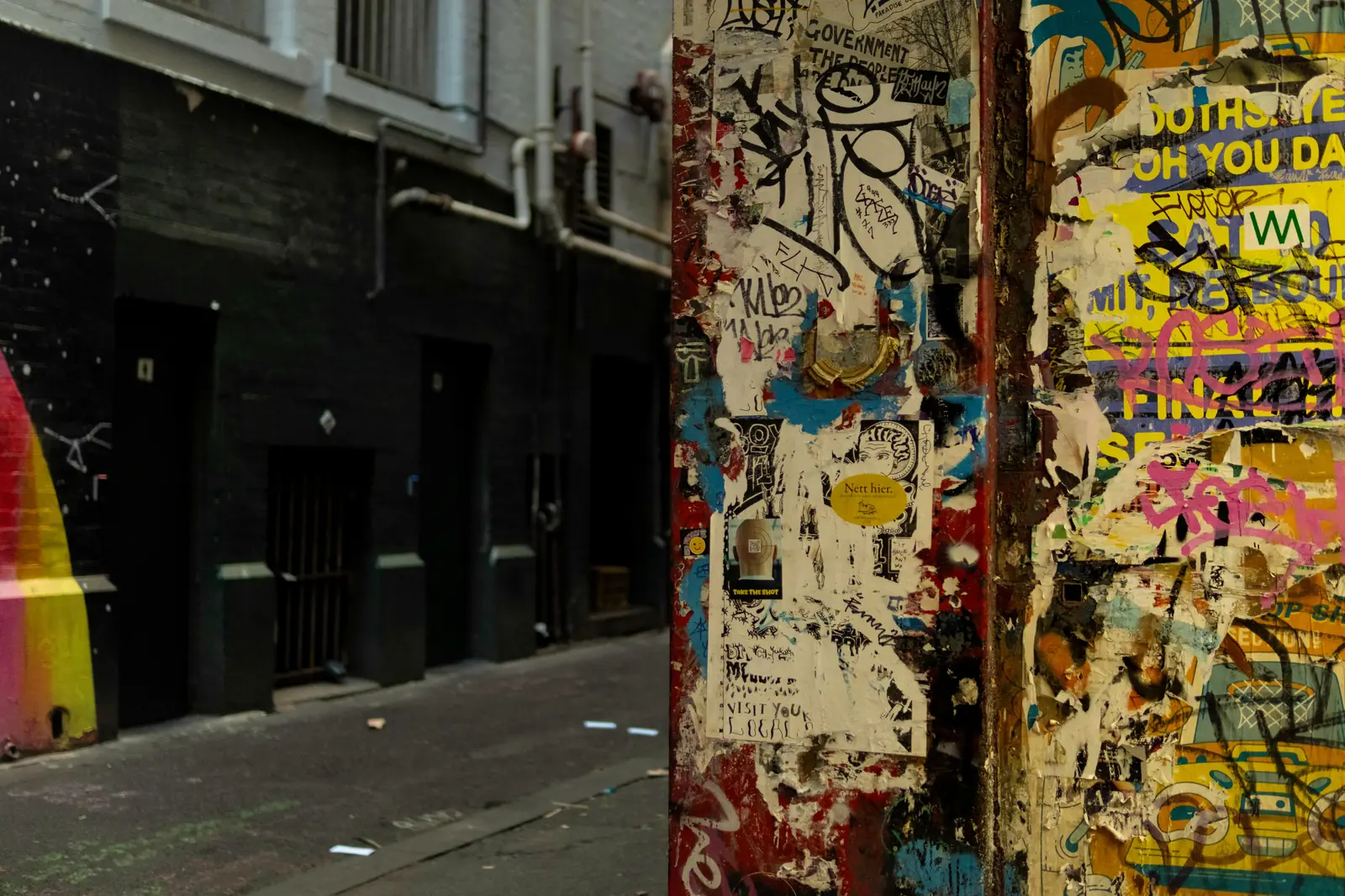
The complete Melbourne street art guide — the best laneways, the artists to know, the history, where to find murals beyond the CBD, and how to see it all.
This article contains advertising. Our booking links are routed through a partner that adds commission tracking automatically, so if you book through one we earn a commission from the provider, at no extra cost to you. It never affects what we recommend. Affiliate disclosure
Melbourne wears its art on the outside. While other cities hang their masterpieces in galleries, Melbourne sprays, stencils and pastes them across the bluestone walls of its laneways, turning the whole city into a living, ever-changing open-air gallery. It’s widely known for its street art, and discovering it is one of the most quintessentially Melbourne things you can do — and unlike a gallery, it’s free, open around the clock, and different every time you return. This guide is the big-picture overview: why the scene exists, where to find the best work, the artists who made it famous, and how to experience it — whether you wander solo or join a tour. It’s a cornerstone of our Melbourne arts and culture guide.
Why Melbourne is a street art capital
Melbourne’s street-art reputation didn’t appear by accident. In the late 1990s and early 2000s the city became the epicentre of Australia’s stencil-art movement — this was a key stop on Banksy’s travels, and a generation of local artists turned the city’s tangle of bluestone laneways into their canvas. Rather than waging total war on it, the City of Melbourne eventually designated certain lanes as permitted, legal art spaces, and that pragmatic decision transformed a subculture into a globally celebrated attraction. The result is a self-renewing gallery where the work changes constantly — the wall you photograph today may be painted over next month, which is precisely the point.
The essential laneways
The CBD’s laneways are the heart of the scene. Hosier Lane is the icon — the most famous and photographed of them all, an ever-shifting wall of murals, stencils and paste-ups opposite Federation Square; our dedicated Hosier Lane guide goes deep on it. AC/DC Lane pays tribute to rock’n’roll, Duckboard Place hides towering large-format murals, Union Lane off the Bourke Street Mall is a riot of colour, and Centre Place and Croft Alley reward anyone willing to wander. To walk them all in a logical loop, follow our self-guided Melbourne street art tour, and for the wider context of these alleys see our guide to Melbourne’s best laneways.
Beyond the CBD: the inner north
If the city lanes leave you wanting more — and they will — the inner-northern suburbs are where the scene gets bigger and bolder. Collingwood is home to the heritage-listed Keith Haring mural on Johnston Street, and Fitzroy and Brunswick add more murals along their streets and lanes. Further west, Footscray has its own vibrant scene. A short tram ride from the CBD opens up a whole second layer of the city’s street art, and our neighbourhoods guide helps you navigate it.
The artists to know
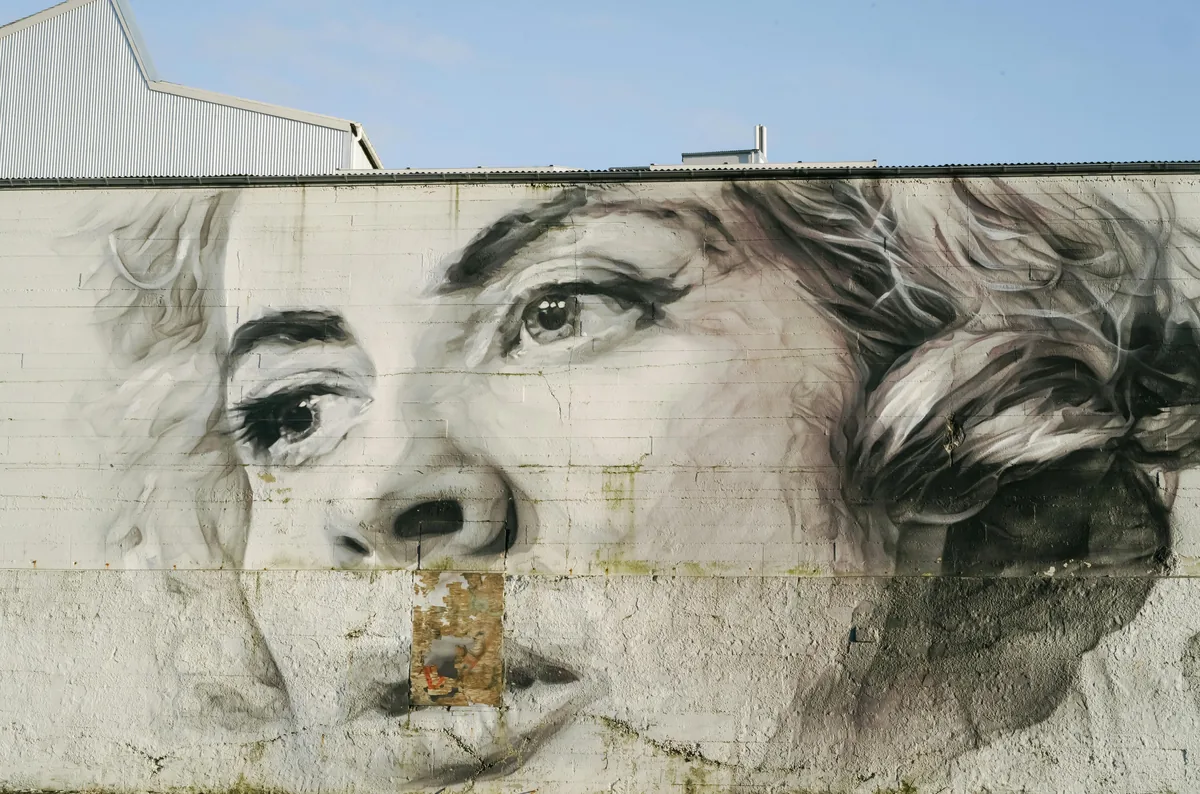
Putting names to the work makes it richer. Adnate is famous for monumental portraits — often of Indigenous Australians — painted as large murals on building walls. Rone is known worldwide for haunting, beautiful portraits of women that weather and fade into the brick. Makatron blends nature and machinery, Sofles brings explosive colour and lettering, and a deep bench of stencil artists keeps the Banksy-era tradition alive. You won’t catch every name, but learning to recognise a few hands transforms the experience from passive looking into genuine appreciation. Many of these artists now show in galleries too, a sign of how far the scene has travelled.
Street art vs graffiti: the culture and debate
Locals are sharp about the distinction: “street art” (commissioned or permitted murals, stencils and paste-ups) is different from illegal tagging, and Hosier Lane is the one place the council recognises as free to paint. The scene carries a healthy internal tension, too — purists argue the lanes should evolve organically as artists’ space, while others worry that “Instagram tourism” has turned Hosier Lane into a backdrop rather than a canvas. A widely reported 2020 incident, in which people coated much of Hosier Lane with fire extinguishers full of paint, reignited the debate over who the lanes belong to. For visitors, the takeaway is simple: come with curiosity and respect for a living, contested art form.
How to experience it
You have three good options. Self-guided is free and flexible — follow our self-guided street art tour for a logical CBD loop. Guided tours add the back-stories and take you to spots you might never find alone. The City of Melbourne also publishes an official street-art walk, and Visit Victoria keeps a guide to the best spots. Whichever you choose, the lanes are free to explore and open at all hours.
Photography and best times
Melbourne’s street art is endlessly photogenic, and a few habits help. Go early — Hosier Lane fills up fast, so arrive before 9am for that iconic empty-alley shot. Embrace overcast days — the city’s famously flat light actually makes the colours pop and kills harsh shadows, so a grey day is ideal. Look up and down — the best pieces are often above eye line or tucked into doorways and downpipes. The lanes are some of the most Instagrammable spots in the city, as our guide to Melbourne’s most Instagrammable places notes.
Etiquette
A few simple courtesies keep the scene healthy. Photograph freely — it’s welcomed — but don’t touch wet work, never add your own tags to the legal walls, and give working artists space (many are happy to chat, but don’t crowd the ladder). Be mindful of the cafés and businesses operating in the lanes, and remember you’re a guest in a living, working gallery. Treat the art and the artists with respect, and you’ll get the best of one of Melbourne’s most generous, democratic cultural offerings.
Make a cultural day of it
Street art pairs beautifully with the rest of Melbourne’s creative life. Combine a morning in the laneways with a visit to a major gallery — our guides to the free NGV and ACMI are nearby in the CBD — or extend into the bars and music of the inner north after dark, as our things to do at night guide suggests. It all adds up to a city that treats creativity as a public good.
A brief history of the scene
To appreciate what you’re looking at, it helps to know how it began. Melbourne’s stencil-art movement exploded in the late 1990s and early 2000s, when artists used hand-cut stencils to spray quick, layered, often political images across the city. The scene drew international attention and influence — Banksy left work here during his travels, and at least one piece, the Little Diver stencil, has since been lost, a fate that says everything about the form’s impermanence. What set Melbourne apart was the city’s response: rather than an all-out crackdown, authorities eventually designated certain laneways as legal art spaces. That turned a subculture into a globally recognised attraction, and over two decades it has matured from underground rebellion into a celebrated part of the city’s identity, with former lawbreakers now commanding gallery shows and major commissions.
The styles and techniques
Part of the fun is learning to read the different forms. Stencils — the technique that made the city famous — produce crisp, repeatable images, often satirical or political. Paste-ups (wheatpasted paper artworks) let artists prepare detailed work in the studio and apply it quickly on the street. Freehand murals and “pieces” range from lettering and characters to the enormous photo-realistic portraits Melbourne is now known for. 3D and sculptural interventions pop up in unexpected corners. And layered over everything are the tags and throw-ups of traditional graffiti culture. Once you can distinguish a stencil from a paste-up from a freehand mural, the lanes reveal themselves as a conversation between many different hands and traditions.
Commissioned murals and festivals
Beyond the spontaneous laneway work, Melbourne’s street art is increasingly shaped by commissioned murals and festivals. Large-scale wall commissions have transformed entire streetscapes in the inner north and west, bringing internationally renowned artists to the city’s warehouse walls. Various street-art and mural festivals over the years have added ambitious new works across the suburbs, and councils and businesses regularly commission pieces that blur the line between graffiti and public art. For visitors, this means the scene is constantly expanding beyond the famous CBD lanes — it’s worth checking what’s recently gone up.
Notable works to seek out
Because the lanes change constantly, no single piece is guaranteed to still be there — but certain works and locations endure. Adnate’s monumental Indigenous portraits gaze down from above Hosier Lane and across the inner north; the heritage-listed Keith Haring mural in Collingwood (one of the few surviving public works by the late American pop artist anywhere in the world) is a genuine art-historical treasure, carefully restored and protected. Large warehouse murals in Fitzroy and Collingwood by touring international artists are often the city’s most photographed. Treat the hunt as a treasure hunt rather than a checklist, and you’ll enjoy the surprises far more than ticking off a list.
Street art with kids
Exploring the lanes makes a surprisingly good family activity. The short, colourful laneways hold children’s attention, and turning it into a “spot the hidden character” game keeps younger ones engaged. Keep an eye on little ones near working artists and the occasional service vehicle, build in a doughnut or hot-chocolate stop, and the inner-city street-art walk becomes an easy, free outing. Some guided tours and workshops cater specifically to families, letting kids try their hand at stencil art. It’s a creative, screen-free way to show children a different, more playful side of the city.
Accessibility and getting around
The good news is that most of the famous CBD laneways are flat, central and easy to reach on foot, with the whole street-art core sitting within or near the Free Tram Zone, so you can explore much of it without paying a fare. The bluestone laneway surfaces can be uneven in places, but the main lanes are generally manageable. For the inner-north murals in Fitzroy and Collingwood, a short tram ride gets you most of the way. Our public transport guide explains the trams, and because the CBD is so walkable, a street-art wander slots easily into any day in the city.
When to go
Street art is a year-round, all-weather pleasure in Melbourne — the lanes offer some shelter, and the work looks great in any conditions (the colours arguably pop more under grey skies). For photography, early morning gives you empty frames and soft light; late afternoon has lovely warm light too. Avoid the busiest midday window at Hosier Lane if you want space to take it in. There’s no “season” for street art as such — it changes week to week regardless — but pairing a wander with a fine spring or autumn day, when the city is at its most walkable, makes for an especially pleasant outing.
Why it matters
It’s worth pausing on why Melbourne’s street art is more than a photo opportunity. In a city that prizes creativity, the lanes are a rare thing: a major cultural attraction that’s free, democratic and constantly renewed by the community itself rather than curated from above. They give emerging artists a public platform, turn overlooked alleys into destinations, and let the city’s character — irreverent, diverse, creative — express itself in plain sight. Engaging with it thoughtfully, rather than just snapping a quick photo, connects you to something genuinely distinctive about Melbourne. It’s public art in the truest sense, and it belongs to everyone who walks the lanes.
Frequently asked questions
Where is the best street art in Melbourne?
Hosier Lane is the most famous, with AC/DC Lane, Duckboard Place, Union Lane and Centre Place close behind in the CBD. For larger murals, head to Fitzroy and Collingwood in the inner north. The art changes constantly, so you’ll always see something new.
Is Melbourne’s street art legal?
The celebrated laneways are legal, permitted art walls sanctioned by the City of Melbourne — distinct from illegal tagging. Artists paint over each other’s work continually, which is why the lanes are always changing.
Can you do a street art tour in Melbourne?
Yes. You can follow a free self-guided walking route through the CBD lanes, or join a paid guided tour led by practising artists, some of which include a stencil workshop. The lanes are free to explore any time.
Who are Melbourne’s famous street artists?
Adnate (monumental portraits, often of Indigenous Australians), Rone (haunting portraits of women), Makatron and Sofles are among the best known, alongside a deep community of stencil artists carrying on the city’s early-2000s tradition.
The bottom line
Melbourne’s street art is the city distilled — creative, a little rebellious, democratic and never the same twice. Walk the famous lanes, venture into Fitzroy and Collingwood for the bigger murals, learn a couple of artist names, and go early for your photos. Whatever’s on the walls the week you visit, it’ll be worth the wander — and it’s a powerful reminder that in Melbourne, art belongs to the streets as much as the galleries. Few experiences capture the city’s spirit so completely, and best of all, it costs nothing but the time to look.