Backpacker’s Guide to Melbourne: Hostels, Jobs & Life (2026)
- Words
- Melbourne Tourism Guide
- Updated
- October 25, 2026
- Read
- 11 min

The complete backpacker's guide to Melbourne — where to stay, getting around cheaply, finding working-holiday jobs, free and cheap things to do, meeting people and staying safe.
This article contains advertising. Our booking links are routed through a partner that adds commission tracking automatically, so if you book through one we earn a commission from the provider, at no extra cost to you. It never affects what we recommend. Affiliate disclosure
Melbourne is a backpacker’s dream — a creative, walkable, multicultural city with a brilliant hostel scene, endless free and cheap things to do, a thriving working-holiday job market, and an easy, welcoming vibe for solo travellers. Whether you’re passing through for a few days or basing yourself here for a working-holiday stint, this guide covers everything: where to stay, how to get around, finding work, meeting people, and living well on a budget. It’s part of our wider guide to Melbourne on a budget.
Why backpackers love Melbourne
Melbourne consistently ranks as one of the world’s most liveable cities, and backpackers find out why fast. It’s walkable and compact, with free trams across the centre; it’s multicultural and creative, with world-class food, coffee, street art, live music and nightlife; and crucially for budget travellers, so much of it is free or cheap. The hostel scene is excellent and sociable, the working-holiday job market is strong, and the city is a hub on the east-coast backpacker trail with easy connections onward. Add a packed calendar of free events and festivals, and Melbourne offers a rich, affordable experience whether you stay three days or three months. It does get cold and changeable (pack layers), and it’s not Australia’s beach-and-sunshine cliché — but for culture, food and city life on a budget, it’s hard to beat. Here’s how to do it well.
Where to stay
Backpackers have two main bases. The CBD is central, walkable and within the Free Tram Zone, with the most hostels and the best transport — ideal for sightseeing and nightlife. St Kilda, by the bay, is the classic beachside backpacker area: lively, sociable and a tram ride from town. Hostels offer dorm beds from around $25–40 and private rooms from roughly $90–140, with kitchens, common areas, free breakfasts and events that make meeting people easy. For longer stays, ask about weekly rates and hostel long-stay floors, or move into a share house (the cheapest option for a month or more). Our dedicated guides to the best hostels in Melbourne and cheap accommodation break down the options. Choose the CBD for sights and transport, St Kilda for the beach-and-party scene — both are well-connected and full of fellow travellers.
Getting around cheaply
Melbourne’s public transport is a backpacker’s friend. The Free Tram Zone covers the whole CBD and Docklands at no cost — you can sightsee the centre for free. Beyond it, a tap-and-go Myki card covers metropolitan trams, trains and buses, with a daily fare cap so you never pay more than a set amount per day, a lower cap on weekends and public holidays, and free eligible weekday train trips that finish before 7.15am under the Early Bird. The iconic route 96 tram links St Kilda to the city. For getting around on the cheap, walking and cycling are great in the flat, compact inner city (e-bike share and bike hire are available). The airport is served by SkyBus. You rarely need a car in the city, saving on hire and parking — though a cheap car hire or a tour helps for regional day trips. Our public transport guide explains Myki and the network in full.
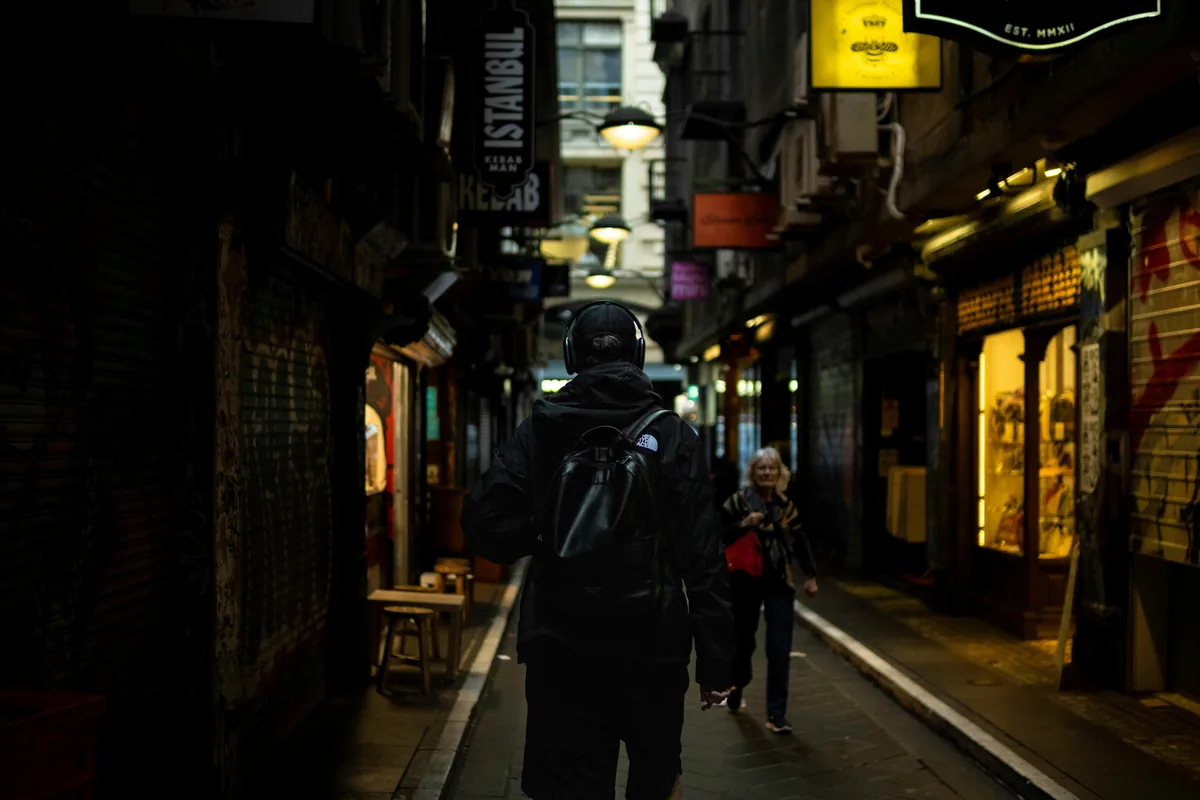
Working holiday and finding a job
Many backpackers come to Melbourne on a Working Holiday visa (subclass 417/462 for eligible nationalities), which lets you work to fund your travels. Melbourne’s job market is strong for travellers, especially in hospitality (cafés, bars, restaurants — the city’s huge food scene always needs staff), retail, events and farm/regional work (which can count towards visa extensions). To get started, you’ll need an Australian bank account, a Tax File Number (TFN) and a local SIM, all easy to sort on arrival. Find work through hostel notice boards and networks (word of mouth is huge), job apps and sites, and by dropping résumés in person at cafés and bars. A Responsible Service of Alcohol (RSA) certificate is essential for hospitality work and quick to get online. Hostels are great for job leads and advice from travellers who’ve just done it. With Melbourne’s deep hospitality scene, casual work is very findable, making it a top base for a working holiday.
Free and cheap things to do
Melbourne is made for budget fun. So much is free: wandering the laneways and street art, the NGV’s permanent collection, the State Library, the Royal Botanic Gardens, the riverside and bay, the free trams, free walking tours (tip-based) and a calendar of free festivals and events. Cheap thrills include $10 dumplings and banh mi, beach days at St Kilda, live music at pubs (often free entry), and markets. The city’s whole personality — coffee, food, art, music, parks — is accessible on a shoestring. Build your days around the free attractions, eat at the multicultural cheap-eat precincts, and you’ll experience the best of Melbourne for very little. Our guides to free things to do, free walking tours and cheap places to eat are essential reading for backpackers.
Meeting people and staying safe
Melbourne is easy and safe for solo backpackers. Hostels make meeting people effortless through common rooms, bars, tours and events, and the city’s free walking tours, pub gigs and social scene mean you’re rarely alone unless you want to be. The city is generally safe, including for solo women, with busy, well-lit central areas and good late-night transport (the weekend all-night Night Network). Take the usual care: use hostel lockers for valuables, stick to populated areas late at night, watch your belongings, and trust your instincts. The backpacker community is large and friendly, and Australians are welcoming, so making friends and finding travel companions is straightforward. With a sociable hostel as your base and a bit of common sense, Melbourne is one of the most rewarding and comfortable cities on the backpacker trail. See our guides on getting around safely and the wider city for more.
Sorting the essentials on arrival
A few practical tasks set you up for a smooth Melbourne stay. Get a local SIM or eSIM (cheap prepaid plans from the major providers cover you for data and calls). Open an Australian bank account — easy to do online or in branch with your passport, and essential for getting paid. Apply for a Tax File Number (TFN) online so you’re taxed correctly at work. Grab a Myki card for transport. If you’ll work in hospitality, complete your RSA certificate online. Sort travel and (if working) health cover as needed. Most of this can be done in your first few days, often with help from your hostel. Getting these basics in place quickly means you can start working, getting around and living like a local without hassle. Australians are used to working-holiday travellers, so the systems are straightforward — ask other backpackers or hostel staff if you’re unsure where to start, as they’ve all just been through it themselves.
Beyond the city: cheap adventures
Melbourne is a great launchpad for budget adventures beyond the city. Many of the region’s highlights are reachable cheaply by public transport: a Myki gets you to the bay beaches and the Dandenong Ranges (the 1000 Steps), and regional trains reach towns like Geelong and Ballarat. Cheap or free day trips include the beaches, the You Yangs, and the gardens and walks around the city. For the bigger-ticket trips — the Great Ocean Road, the Grampians, Wilsons Promontory, the Mornington Peninsula and the Yarra Valley — backpacker-oriented day tours offer good value if you don’t have a car, or split a cheap car hire with hostel mates. Our guides to budget day trips from Melbourne and the best day trips cover how to explore Victoria affordably. There’s a whole state to discover from your Melbourne base, much of it on the cheap.
When to come and what to pack
Backpackers can visit Melbourne year-round, but timing affects cost and experience. Summer (Dec–Feb) is warm and lively with festivals and beach days, so book beds ahead. Winter (Jun–Aug) is cold and grey but the cheapest time, with hostel and accommodation deals — great if you’re working and based here. Autumn and spring are mild and good value. For working holidays, arriving before summer catches the hospitality hiring rush. Whatever the season, pack layers — Melbourne’s weather is famously changeable, “four seasons in one day”, so bring a warm layer and a rain jacket even in summer, plus comfortable walking shoes. A reusable coffee cup and water bottle are very on-brand and save money. Don’t expect tropical Australia here; Melbourne is a temperate, cultural city. Come prepared for the climate and the budget rhythms, and you’ll have a brilliant, affordable time. Our cheapest time to visit guide has the calendar.
What it costs: a backpacker’s daily budget
How much do you need? On a tight backpacker budget, you can do Melbourne for roughly AUD 100–130 a day, covering a hostel dorm bed (around $30–40), cheap eats and self-catering ($25–40), transport (often little, thanks to the Free Tram Zone and the daily Myki cap), and free or cheap activities. Push it lower if you self-cater heavily, stick to free attractions and travel in the winter low season; spend a bit more for private rooms, more eating out and paid attractions. Big-ticket day trips and nights out are the main extras to budget for. If you’re on a working holiday, your wages will typically cover living costs with money left for travel, especially once you move from a hostel into a cheaper share house. The key levers are accommodation and food — keep those lean with hostels and cheap eats, lean on free transport and free things to do, and Melbourne is very affordable. Our how much does a Melbourne trip cost guide breaks the numbers down in full.
Backpacker culture and etiquette
A few unwritten rules make hostel and backpacker life smoother. In dorms, be considerate — use a head-torch rather than the main light late at night, pack quietly for early starts, and keep noise down after hours. Label your food in the shared kitchen and clean up after yourself. Be open and friendly — the backpacker scene runs on easy conversation, shared meals and spontaneous plans, so say yes to the hostel events and you’ll quickly find a crew. Respect the locals and the city — Melbourne welcomes travellers, and a bit of courtesy goes a long way. Share tips generously (where to find work, the best cheap eats, the next good gig), as that’s how the community works. And look out for fellow travellers, especially solo ones on a big night out. Embracing this sociable, considerate, share-the-knowledge culture is what turns a Melbourne stopover into the kind of experience — and friendships — that backpackers remember for years.
Onward travel from Melbourne
Melbourne is a key hub on the Australian backpacker trail, with easy and affordable onward options. Budget flights connect to Sydney, the Gold Coast, Tasmania, Adelaide and beyond. Long-distance buses and trains run up the east coast and across the state. The Great Ocean Road is the classic backpacker drive west towards Adelaide, and Tasmania (by ferry from nearby Geelong or by air) is a popular add-on. Many travellers base themselves in Melbourne for a working-holiday stint to save money, then travel onward to chase summer up north. Whether you’re continuing your trip or settling in to work and explore Victoria, Melbourne’s transport links and central position make it a natural and convenient base. Plan your onward legs in advance for the cheapest fares, and consider timing your travels with the seasons (north in winter, south in summer). From here, the whole country is within reach.
Frequently asked questions
Is Melbourne good for backpackers?
Yes — Melbourne is one of Australia’s best backpacker cities: walkable and multicultural, with an excellent sociable hostel scene, free trams and loads of free and cheap things to do, plus a strong working-holiday job market (especially in hospitality). It’s a top base for both short visits and longer working-holiday stays.
Where should backpackers stay in Melbourne?
The CBD is central, walkable and within the Free Tram Zone with the most hostels and best transport, while St Kilda is the classic beachside backpacker area — lively and a tram ride from town. Hostels offer cheap dorms and private rooms; for longer stays, look at weekly rates or a share house.
Can you find work as a backpacker in Melbourne?
Yes — Melbourne’s job market is strong for working-holiday travellers, especially in hospitality, retail and events. You’ll need an Australian bank account, a Tax File Number, a local SIM and (for hospitality) an RSA certificate. Find work via hostel notice boards, job apps and dropping résumés in person.
Is Melbourne safe for solo backpackers?
Generally yes, including for solo women. The central and inner areas are busy and well-lit with good late-night transport. Use hostel lockers for valuables, stick to populated areas late at night, and take the usual precautions. The large, friendly backpacker community makes meeting people easy.
The bottom line
Melbourne is a brilliant base for backpackers — sociable hostels in the CBD and St Kilda, free trams and cheap transport, endless free and cheap things to do, a deep hospitality job market for working-holiday travellers, and a safe, welcoming, creative city to call home. Sort your TFN, bank account, SIM and (for hospitality) RSA, base yourself in a good hostel, build your days around the free attractions and cheap eats, and you’ll experience one of the world’s great cities on a shoestring. Whether you’re here for three days or three months, Melbourne delivers backpacker value and culture in spades.
The Great Ocean Road is the trip most backpackers do from Melbourne, and budget coach tours start from about A$95 with lunch at your own expense. Before you book, read our Great Ocean Road tours comparison — for solo travellers, a two-day tour with a night on the coast is often the better deal.