Royal Botanic Gardens Melbourne (2026): Complete Guide & Map
- Words
- Melbourne Tourism Guide
- Updated
- July 25, 2026
- Read
- 11 min

Royal Botanic Gardens Melbourne — 38 hectares, free entry, top precincts, Aboriginal Heritage Walk, dining and the Shrine of Remembrance.
This article contains advertising. Our booking links are routed through a partner that adds commission tracking automatically, so if you book through one we earn a commission from the provider, at no extra cost to you. It never affects what we recommend. Affiliate disclosure
The Royal Botanic Gardens Melbourne is one of the world’s finest botanic gardens — 38 hectares of curated landscapes on the south bank of the Yarra River, just south of the CBD. Established in 1846 and designed primarily by William Guilfoyle from 1873, the Gardens hold more than 8,500 species across themed precincts, lakes, follies, lawns and one of the southern hemisphere’s most important indigenous plant collections. They’re free to enter and open every day of the year.
This guide covers everything you need for a Royal Botanic Gardens visit: opening hours, free guided tours, must-see precincts, the Aboriginal Heritage Walk, dining options, accessibility, the adjacent Shrine of Remembrance, and seasonal highlights. Whether you’re stopping by for an hour or planning a full day with picnic and a self-guided plant tour, this guide has the right plan.
Royal Botanic Gardens at a glance
| Address | Birdwood Avenue, Melbourne VIC 3004 |
|---|---|
| Hours | 7:30am to sunset (closing 5-8:30pm depending on season) |
| Cost | FREE |
| Best transport | Tram 8 (St Kilda Road) or Flinders Street + 10 min walk |
| Size | 38 hectares (94 acres) |
| Plant species | 8,500+ |
| Best for | Walking, picnics, photography, family outings, Aboriginal heritage tours |
| Time needed | 1-4 hours depending on interest |
How to get there
By tram
Tram 8 (Toorak) or trams 3, 5, 6, 16, 64, 67 stop along St Kilda Road at Domain Interchange. The Visitor Centre is a 5-minute walk via Birdwood Avenue. From CBD: 15-20 minutes via tram.
On foot
From Federation Square, walk across Princes Bridge along Alexandra Avenue (15 minutes) — a scenic Yarra River walk. Many visitors include this as part of a CBD-South Yarra walking route.
By bike or scooter
Lime e-scooters and Mobike bikes are widely available in the CBD and South Yarra. Bikes can be ridden through the Gardens on shared paths.
Driving and parking
Limited paid parking is on Birdwood Avenue and Domain Road. Wilson Parking and several Secure Parking lots in the Domain area are A$10-25 for the day. Public transport is recommended — parking fills up by 11am on weekends.
Top precincts and highlights
1. Ornamental Lake
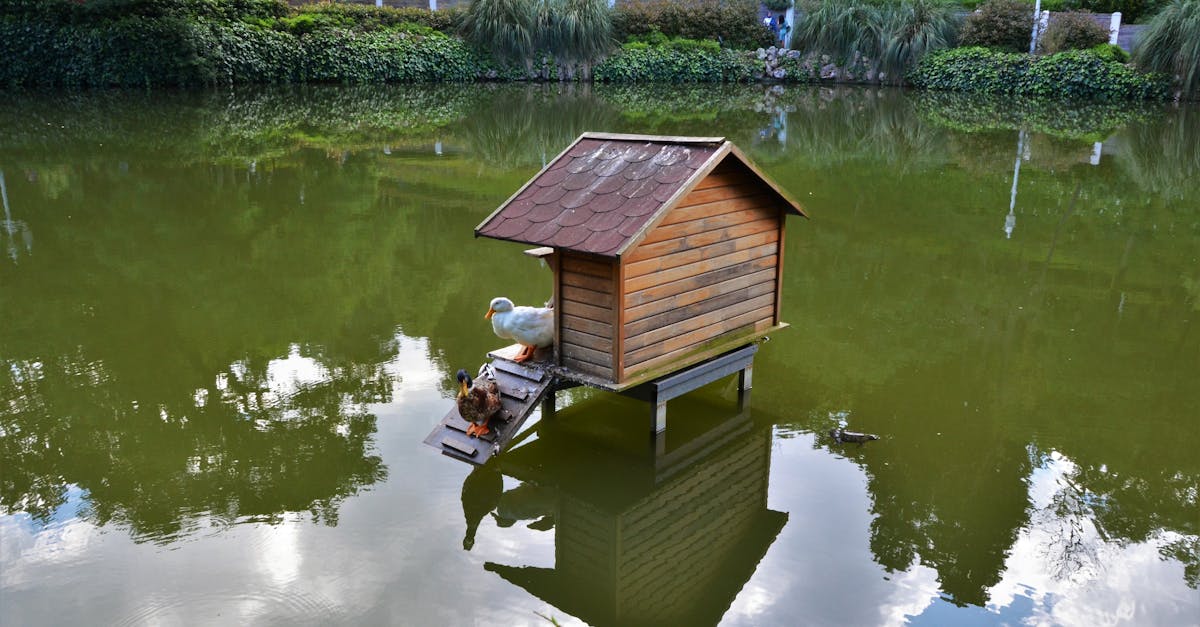
The Ornamental Lake is the heart of the Gardens — a 4-hectare artificial lake created in 1875 with five small islands, swans, and reflective waters that frame stunning city views to the north. The 2 km perimeter walk is the Gardens’ classic loop. Look for black swans, pelicans, eels and the occasional rakali (Australian water rat).
2. Guilfoyle’s Volcano
Guilfoyle’s Volcano is a quirky 1876 stone-and-lava landscape designed to look like a dormant volcano. The crater is filled with arid succulents and cacti. The summit gives one of the best elevated views over the Gardens and the CBD skyline.
3. Temple of the Winds
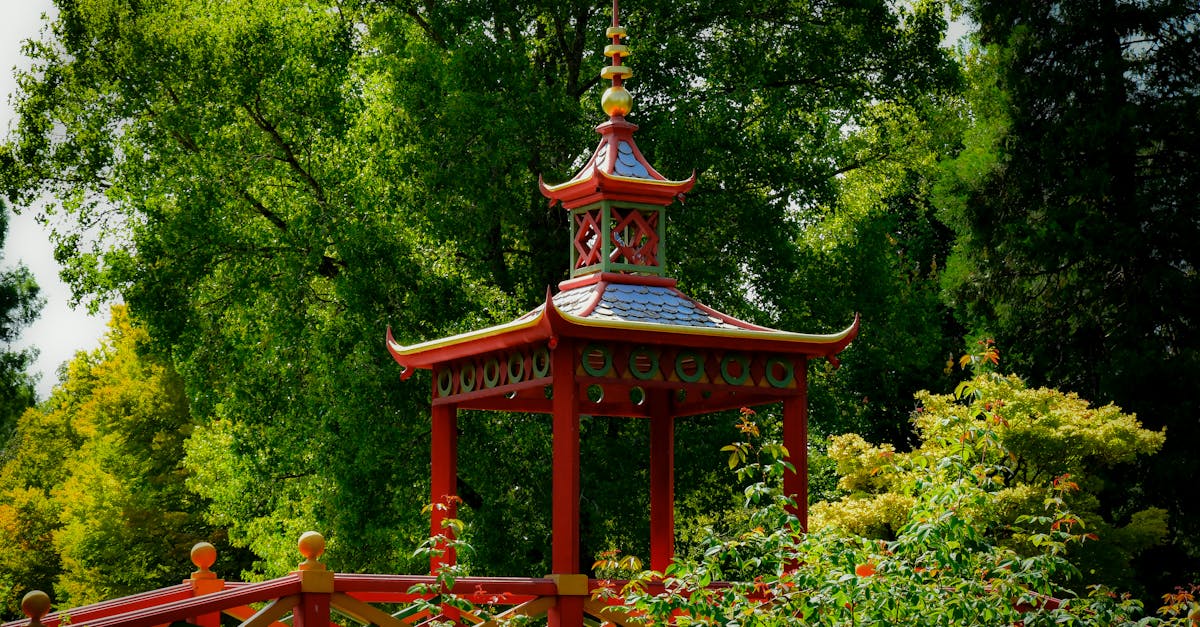
The Temple of the Winds is a Greek-style stone folly built in 1901, perched at the gardens’ highest point. The view sweeps over the Yarra River, the CBD skyline, and the river bends. It’s a popular picnic and proposal spot.
4. Australian Forest Walk
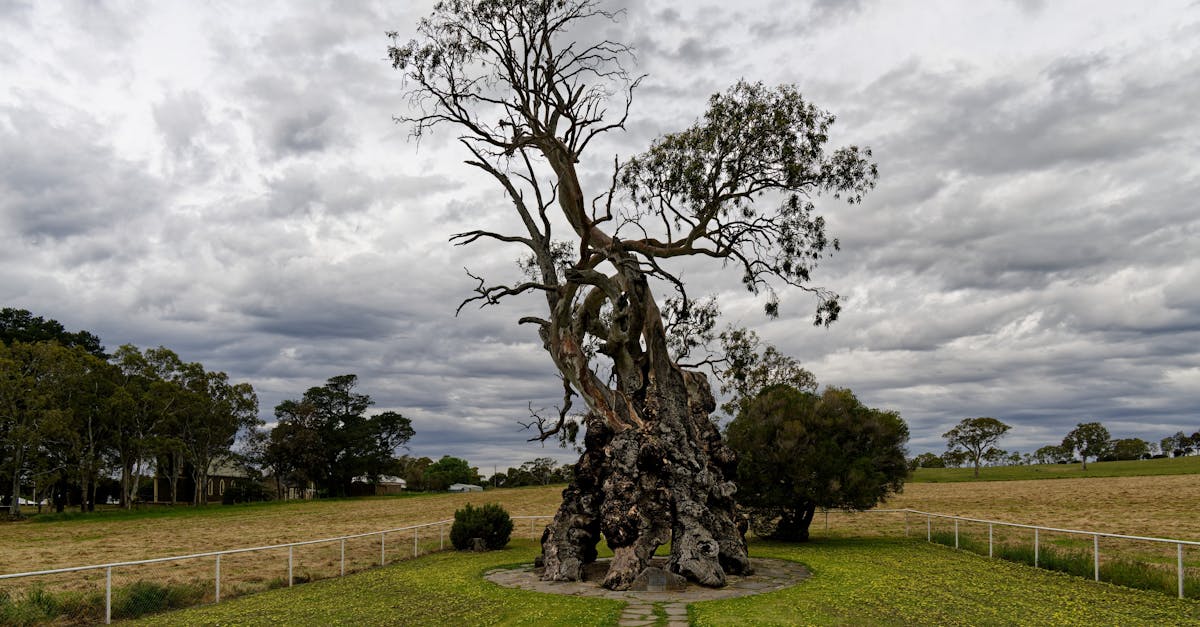
The Australian Forest Walk showcases Melbourne’s indigenous flora — 100+ eucalyptus species, plus banksias, wattles, native grasses and bush tucker plants. The walk is a 30-minute loop with informational signage. Look for sulphur-crested cockatoos, eastern rosellas and silvereyes.
5. Hopetoun Lawn and Grand Allée
Hopetoun Lawn is the Gardens’ largest open lawn, framed by mature deciduous trees that turn brilliant red and yellow in autumn (April-May). The Grand Allée — a 19th-century avenue of London plane trees — runs through this section. Best photography spot in autumn.
6. Children’s Garden
The Ian Potter Foundation Children’s Garden is a 0.5-hectare designed playspace with bamboo forests, water rills, the Plant Tunnel and the Wet Play area. Free entry; recommended for children 0-10. Open 10am-sunset, closed for maintenance on Mondays in winter.
7. Herb Garden & Cactus Beds
The Herb Garden displays 100+ culinary, medicinal and aromatic herbs in a heritage walled garden style. The adjacent Cactus and Succulent Garden has one of the southern hemisphere’s most important arid plant collections.
8. Tropical Glasshouse
The Tropical Glasshouse is a 22-degree heated glasshouse with 200+ tropical species — orchids, bromeliads, pitcher plants and tropical palms. Free entry; open daily 10am-3:30pm.
9. Rose Garden
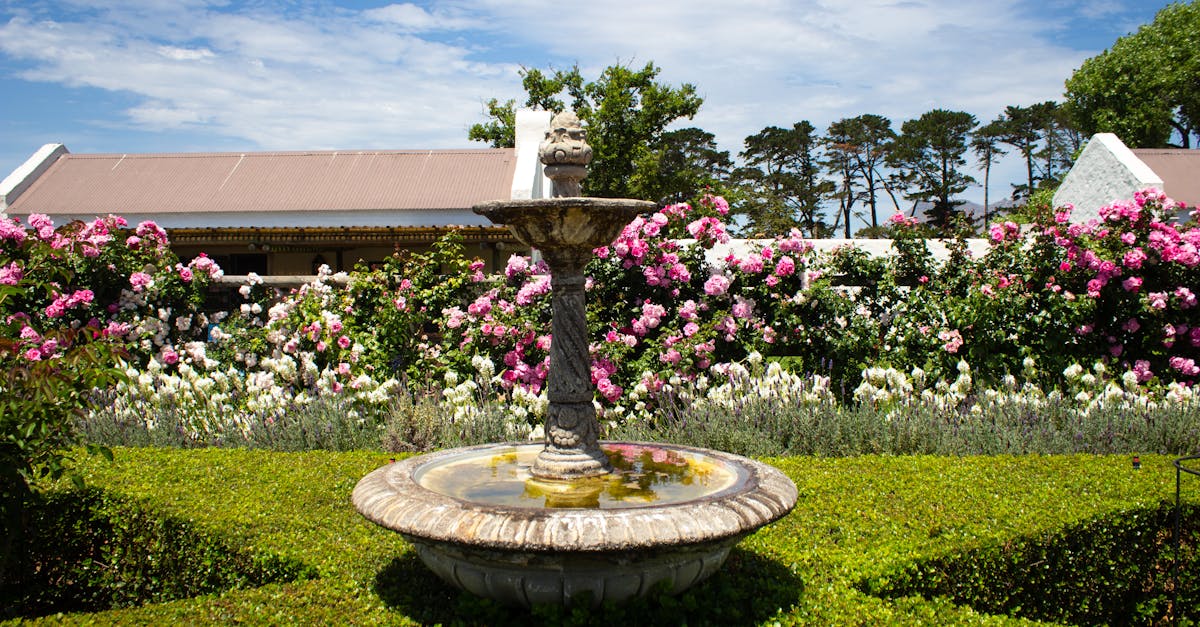
The Rose Garden contains 200+ rose varieties from heritage to modern hybrids. Peak bloom is October-December, with a second flush in March-April. Highly photogenic.
Free guided tours
The Royal Botanic Gardens runs free guided walks daily — book through the Visitor Centre at the F gate or online. Most tours run 60-75 minutes and cover up to 20 walkers.
Aboriginal Heritage Walk
The Aboriginal Heritage Walk is one of Melbourne’s most authentic Indigenous cultural experiences — a 90-minute walk led by Aboriginal guides through the site once used by the Boon Wurrung and Woi Wurrung clans. Sites include traditional bush tucker plants, scarred trees and the cultural significance of the Yarra River. A$36 adult, A$18 child. Runs 11am Sunday and select Saturdays. Bookings essential.
Garden Discovery Walks (free)
Free 60-minute walks led by trained Friends of the Gardens volunteers. Themes include “Heritage Trees,” “Australian Plants,” “Spring Highlights,” and “Garden History.” Run 11am Mon-Fri, 11am and 2pm Saturdays. Meet at the Visitor Centre.
Punting on the Lake
Punting on the Lake offers Edwardian-style guided punt rides on the Ornamental Lake — A$30 adult, A$22 child for 25 minutes. The punt operator narrates the history. Only operates Sept-April, weather-permitting.
Cinema and concerts in summer
Moonlight Cinema
From mid-December to early March, the Gardens host the Moonlight Cinema — Melbourne’s premier outdoor cinema. Lawn entry A$26pp; “Gold Grass” with cushions and table service A$50pp. Films range from new releases to cult classics. Picnic blankets allowed; alcohol available.
Live at the Bowl
Adjacent to the Gardens is the Sidney Myer Music Bowl, an outdoor amphitheatre that hosts free Melbourne Symphony Orchestra concerts in February-March, plus paid pop concerts year-round.
Adjacent attractions
Shrine of Remembrance
The Shrine of Remembrance is across St Kilda Road from the Gardens — Australia’s largest WWI memorial, modelled on the Mausoleum of Halicarnassus. The Shrine balcony has the Gardens’ best aerial views. Free entry, open 10am-5pm daily. Allow 30-60 minutes.
NGV International
The National Gallery of Victoria is 5 minutes’ walk north — Australia’s most-visited art museum, free permanent collection. Easy to combine with a Botanic Gardens visit. See our NGV Melbourne guide.
Government House
Government House — the Governor of Victoria’s official residence — sits at the southwest corner of the Gardens. Open for free public tours on select Saturdays in spring; bookings essential.
Food and dining
- The Terrace — sit-down restaurant with Yarra River views. Mains A$28-42. Booking recommended.
- Jardin Tan — French-Vietnamese cafe within the Gardens. Pastries, salads, mains A$22-35. Outdoor seating.
- Gardens House — wine bar and cafe in a heritage cottage. Coffee A$5, brunch dishes A$22-28.
- Tea House Kiosks — three small kiosks throughout the Gardens for coffee, tea, sandwiches and ice cream.
BYO picnic: Picnics are encouraged. Multiple lawns and shaded picnic areas. No glass bottles, no alcohol (except at ticketed events). Free water refill stations throughout.
Visitor tips
- Wear walking shoes: The Gardens cover 38 hectares. The full perimeter is 4-5 km.
- Sun protection: Many areas have limited shade. Bring a hat and sunscreen.
- Dogs: Dogs are NOT allowed in the Royal Botanic Gardens (with the exception of guide and assistance dogs). Dog walkers should use Albert Park or Royal Park instead.
- Cycling: Cycling is permitted on shared paths only — most internal paths are pedestrian-only.
- Drone photography: Not permitted without a permit (apply via the Royal Botanic Gardens website).
- Public toilets: Located at the Visitor Centre, near the Children’s Garden, and at the south entrance.
- Self-guided plant ID: Download the Royal Botanic Gardens Visitor app for free GPS-based audio tours and plant identification.
Accessibility
The Gardens are largely wheelchair-accessible. Main paths are sealed; some side trails through the Australian Forest Walk are gravel/grass. The Visitor Centre has accessible toilets and free wheelchair hire (call 03 9252 2300). Companion Card is welcomed for paid tours.
Best time to visit
October-December: Peak season — roses in bloom, herbaceous borders at their best, Children’s Garden open all hours. Warm-but-mild weather (18-26°C).
March-May (autumn): Spectacular autumn colour on Hopetoun Lawn and the Grand Allée. Cooler, less crowded.
December-February (summer): Highest visitation. Moonlight Cinema runs. Hot days (30°C+) — visit early morning or late afternoon.
June-August (winter): Quiet and atmospheric. Camellia Walk peaks in July. Tropical Glasshouse is a winter highlight.
Time of day: Early morning (7:30-9am) for birdwatching and photography. Sunset for golden-hour light. Avoid 12-2pm in summer.
Suggested itinerary (3 hours)
- 10:00am: Enter at Visitor Centre (F Gate). Pick up a free map.
- 10:15am: Walk Australian Forest Walk and Bushland Trail (40 min)
- 11:00am: Climb Guilfoyle’s Volcano for views
- 11:30am: Walk to Temple of the Winds for skyline view
- 12:00pm: Lunch at Jardin Tan or picnic on Hopetoun Lawn
- 1:00pm: Loop the Ornamental Lake (45 min)
- 1:45pm: Visit Tropical Glasshouse and Herb Garden
- 2:15pm: Walk to Shrine of Remembrance (5 min)
- 3:00pm: NGV International (next door, see NGV guide)
Explore more of green Melbourne: see our guides to the best parks in Melbourne, the best hikes near Melbourne and outdoor classes and fitness.
Frequently asked questions
Are the Royal Botanic Gardens free?
Yes — entry is free, every day of the year. Some tours and events (Aboriginal Heritage Walk, Punting on the Lake, Moonlight Cinema) are paid extras.
How long do you need at the Royal Botanic Gardens?
1-2 hours for a basic walk-through. 3-4 hours for the full experience including a tour, picnic and the Shrine of Remembrance. Plant enthusiasts can easily spend a full day.
Is there a tram to the Royal Botanic Gardens?
Yes — tram 8 stops at Domain Interchange on St Kilda Road, a 5-minute walk to the Gardens. Trams 3, 5, 6, 16, 64, and 67 also stop there.
Can you have a picnic in the Royal Botanic Gardens?
Yes — picnics are encouraged. Multiple shaded lawn areas. No glass bottles, no alcohol (except at ticketed events). Free water refill stations available.
Are dogs allowed in the Royal Botanic Gardens Melbourne?
No — dogs are not permitted, except for assistance dogs. Royal Park (5 min west) and Albert Park (10 min south) allow dogs on lead.
What’s the best time to photograph the Gardens?
Golden hour (1 hour before sunset) for soft warm light. Spring (October-November) for floral colour. Autumn (April-May) for the deciduous trees on Hopetoun Lawn. Early morning has the lowest visitor numbers.
Is the Aboriginal Heritage Walk worth it?
Yes — it’s one of the most respectful Indigenous cultural experiences in Melbourne, led by Aboriginal guides who share traditional knowledge of the land, plant uses and the Boon Wurrung and Woi Wurrung peoples. Highly recommended for a meaningful Melbourne visit. Book ahead — 90 min, A$36.
Walking the gardens and the Tan
The gardens are made for walking. Inside, a network of paths winds past the ornamental lakes, themed gardens and sweeping lawns — allow a couple of hours to wander and you’ll constantly find new corners. Encircling the gardens is the famous Tan Track, a flat 3.8km gravel loop that’s Melbourne’s most iconic walking and running circuit, busy from dawn to dusk and taking in the Shrine of Remembrance and river views along the way. You can combine a lap of the Tan with a wander through the gardens for a perfect morning. The gardens also connect to the wider riverside paths, so they slot neatly into a longer walk. For more routes, see our guides to the best walking trails in Melbourne and Yarra River walks, and our overview of the best parks in Melbourne.
Wildlife and the lakes
The gardens are a haven for wildlife in the heart of the city. The ornamental lakes draw black swans, ducks, eels and many waterbirds, while the trees are full of rainbow lorikeets, cockatoos, kookaburras and, at dusk, possums. You may spot water dragons basking near the lakes in the warmer months. It’s one of the easiest places in Melbourne to encounter Australian birds and animals up close, making it especially rewarding for visitors and families. Early morning is the best time to see wildlife active and the gardens at their most peaceful, before the day’s crowds arrive. The combination of world-class horticulture, tranquil lakes and abundant wildlife is exactly what makes the Royal Botanic Gardens such a beloved green escape — a genuine slice of nature minutes from the CBD.
Visiting with kids
Families are wonderfully catered for. The Ian Potter Foundation Children’s Garden is a dedicated space for kids to explore — with water play, a bamboo forest, tunnels and plantings designed for little adventurers (it closes periodically for seasonal maintenance, so check before you go). Beyond it, the vast lawns are perfect for picnics and running around, the lakes and wildlife delight children, and the gardens run family-friendly programs and trails. Bring a picnic, let the kids loose on the grass, spot the swans and lorikeets, and you’ve got an easy, free family outing in the middle of the city. It pairs beautifully with the nearby Shrine of Remembrance and the riverside. For more family ideas, see our free things to do in Melbourne guide.
Plan your visit
The Royal Botanic Gardens pair perfectly with the adjacent NGV International and Shrine of Remembrance for a full afternoon of culture and nature. For more outdoor ideas, see our best parks in Melbourne guide, our outdoor activities guide, and our free things to do guide.