Melbourne CBD Guide (2026): What to Do, See and Eat in the City Centre
- Words
- Melbourne Tourism Guide
- Updated
- October 27, 2026
- Read
- 11 min
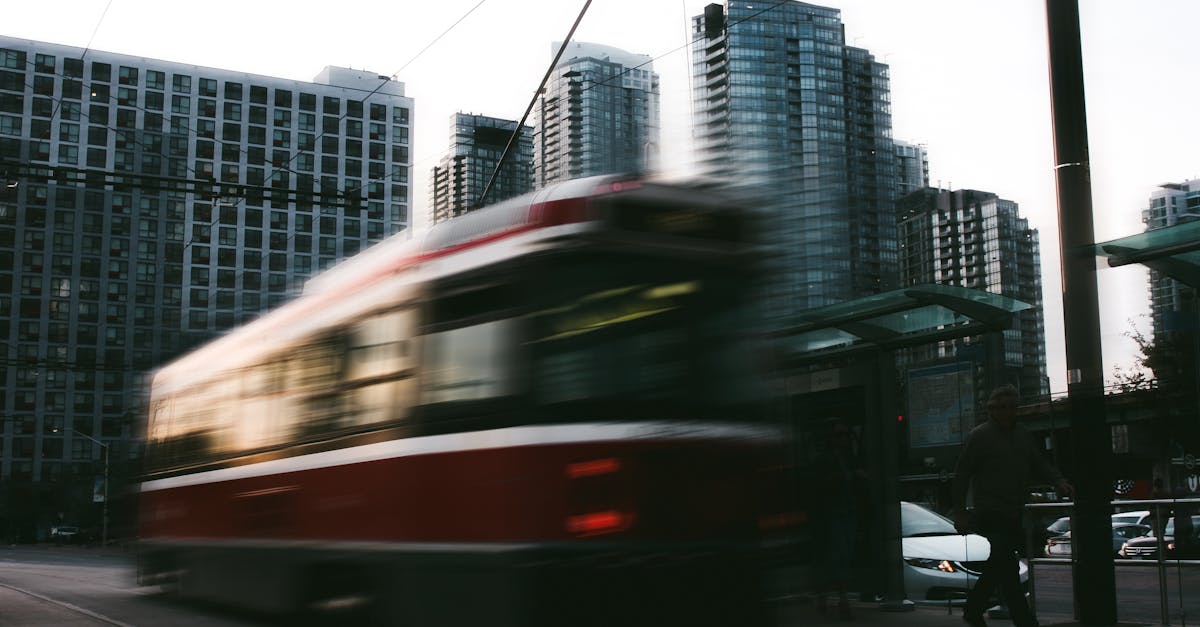
Melbourne CBD guide — what to do, see, and eat in the city centre. Federation Square, Hosier Lane, Free Tram Zone, laneway cafes, rooftop bars, theatres, and shopping.
This article contains advertising. Our booking links are routed through a partner that adds commission tracking automatically, so if you book through one we earn a commission from the provider, at no extra cost to you. It never affects what we recommend. Affiliate disclosure
The Melbourne CBD — the central business district — is the city’s compact heart, anchored by Federation Square, the Yarra River, the State Library, Queen Victoria Market, and a tight grid of Victorian-heritage streets crossed by hundreds of laneways. Most first-time Melbourne visitors stay in the CBD because everything that makes Melbourne famous is walking distance: NGV Australia, ACMI, Hosier Lane, the Free Tram Zone, the laneway cafes, the rooftop bars, and the world-class restaurants of Flinders Lane. This 2026 visitor guide covers everything you need to plan a Melbourne CBD visit: top attractions, where to eat, where to stay, transport, shopping, and how to navigate the CBD’s unique laneway culture.
Melbourne CBD quick facts
- Boundaries: Spring Street (east), La Trobe Street (north), Spencer Street (west), Flinders Street and the Yarra River (south).
- Size: About 1.61 km × 0.80 km. Walkable corner-to-corner in 30 minutes.
- Established: 1837 (laid out by Robert Hoddle).
- Free Tram Zone: covers the entire CBD plus Docklands.
- Major train stations: Flinders Street, Southern Cross, Melbourne Central, Parliament, Flagstaff.
- Best for: first-time visitors, dining, arts, shopping, business.
- Walking grid: wide main streets (Bourke, Collins, Lonsdale) crossed by narrow laneways.
- Population (CBD residents): ~50,000.
- Daytime workforce: ~700,000.
Top things to do in the Melbourne CBD
- Walk Hosier Lane and other CBD laneways.
- Visit NGV Australia and ACMI at Federation Square (free).
- Tour the State Library of Victoria’s La Trobe Reading Room (free).
- Shop Queen Victoria Market.
- Eat brunch on Hardware Lane or Degraves Street.
- Drink at hidden CBD bars (Black Pearl, Eau de Vie).
- Watch the Coop’s Shot Tower at Melbourne Central.
- Visit Parliament House and the Old Treasury Building.
- Walk Bourke Street Mall.
- Take a Greeter Service free volunteer-guided walking tour.
- Visit the Old Melbourne Gaol (where Ned Kelly was hanged).
- Catch a show at Her Majesty’s, Princess, Regent, or Comedy theatre.
- Eat dinner at Tipo 00, MoVida, or Cumulus Inc.
- Sunset walk on Princes Bridge over the Yarra.
- Crown Riverwalk fire fountain show (every hour after dark).
Federation Square: the CBD’s cultural heart
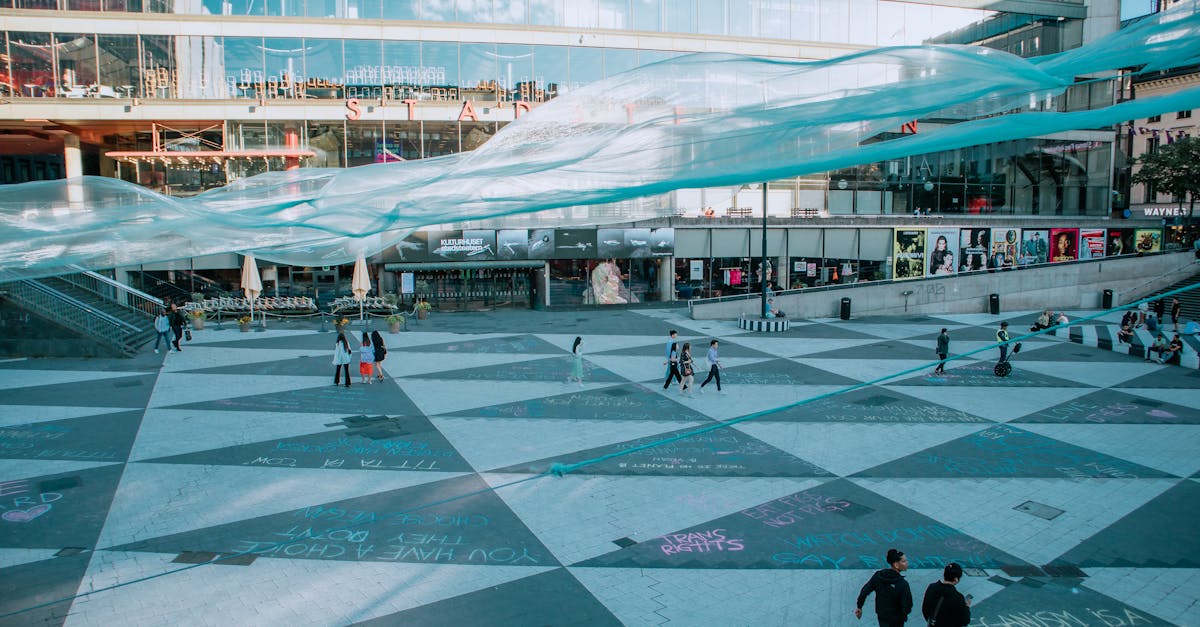
Federation Square is the CBD’s cultural anchor — a public plaza opposite Flinders Street Station, opened 2002. Houses NGV Australia (free), ACMI (free permanent gallery) and the Koorie Heritage Trust (free Indigenous gallery). Hosts free public events year-round including AFL Grand Final live screenings, NYE fireworks, and Diwali celebrations.
Melbourne CBD laneways
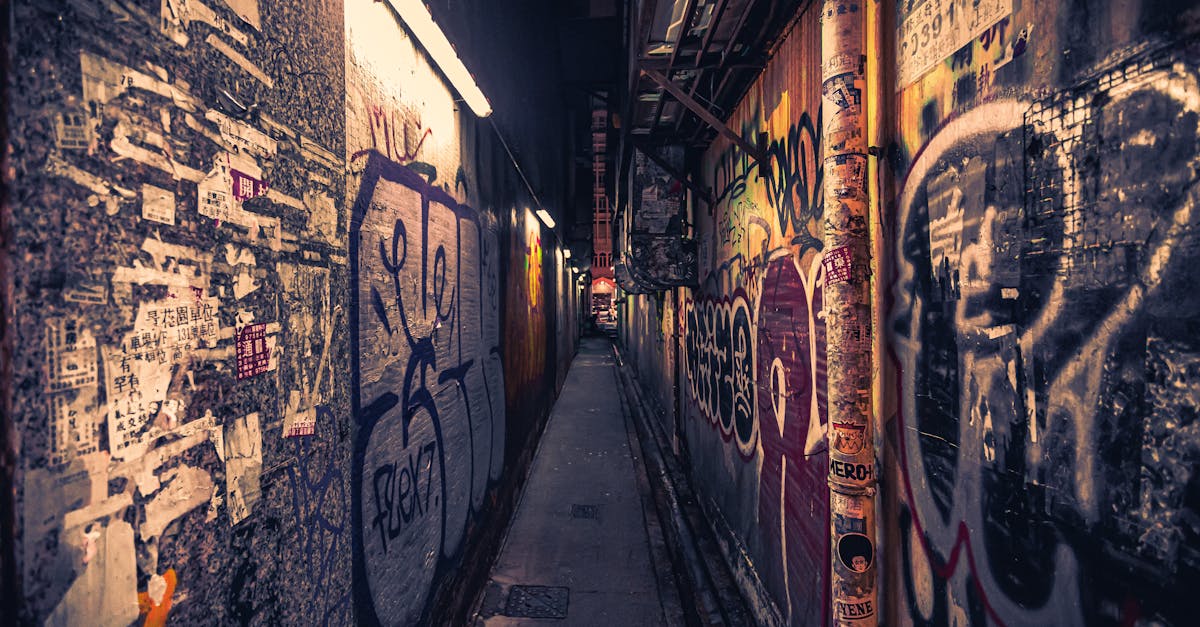
- Hosier Lane — most famous, opposite Federation Square.
- Degraves Street — laneway cafe icon.
- Centre Place — narrow cafe culture.
- Hardware Lane — outdoor dining.
- AC/DC Lane — rock and roll and street art.
- Croft Alley — Chinatown back-block.
- Tattersalls Lane — Section 8 outdoor bar.
- Meyers Place — polished evening.
- Block Place — boutique shopping.
- Howey Place — heritage character.
- Carson Place — small bars.
Melbourne CBD best brunch
- Higher Ground (Little Bourke Street) — soaring industrial cathedral; book ahead.
- Hardware Société (10 Katherine Place) — French-leaning brunch with parquet floors.
- Manchester Press (Rankins Lane) — bagels and brunch.
- Cumulus Inc. (Flinders Lane) — Andrew McConnell’s all-day brunch.
- Brother Baba Budan (Little Bourke Street) — chairs hanging from the ceiling.
- Dukes Coffee Roasters (Flinders Lane) — sit-down or takeaway.
- Patricia Coffee Brewers (Little Bourke Street) — standing-room only espresso bar.
Melbourne CBD dining
- Tipo 00 (Little Bourke Street) — modern Italian, pasta-led.
- Cecconi’s (Flinders Lane) — old-school Italian fine dining.
- Pellegrini’s (Bourke Street) — heritage Italian espresso bar (1954).
- MoVida (Hosier Lane) — Spanish.
- Cumulus Inc. (Flinders Lane) — modern Australian.
- Chin Chin (Flinders Lane) — pan-Asian sharing.
- Mamasita (Collins Street) — Mexican.
- Supernormal (Flinders Lane) — modern Asian.
- Attica (Ripponlea — short tram) — three-hat fine dining.
- Stalactites (Lonsdale Street) — heritage Greek souvlaki.
- HuTong Dumpling Bar (Russell Street) — Shanghai dumplings.
- Lord of the Fries (multiple) — vegan fast food.
Melbourne CBD bars
- Bomba — Spanish-flavoured rooftop.
- Goldilocks — secret rooftop accessed via barbershop.
- Loop Roof (Meyers Place) — laid-back, best happy hour.
- The Everleigh (Fitzroy) — speakeasy-style cocktails.
- Heartbreaker (Russell Street) — late-night dive.
- The Toff in Town (Curtin House) — train-carriage themed booths.
- Section 8 (Tattersalls Lane) — outdoor shipping-container bar.
- Cherry Bar (68 Little Collins Street) — classic-rock institution.
- Lui Bar (Rialto) — top-floor cocktail bar with skyline views.
Melbourne CBD shopping
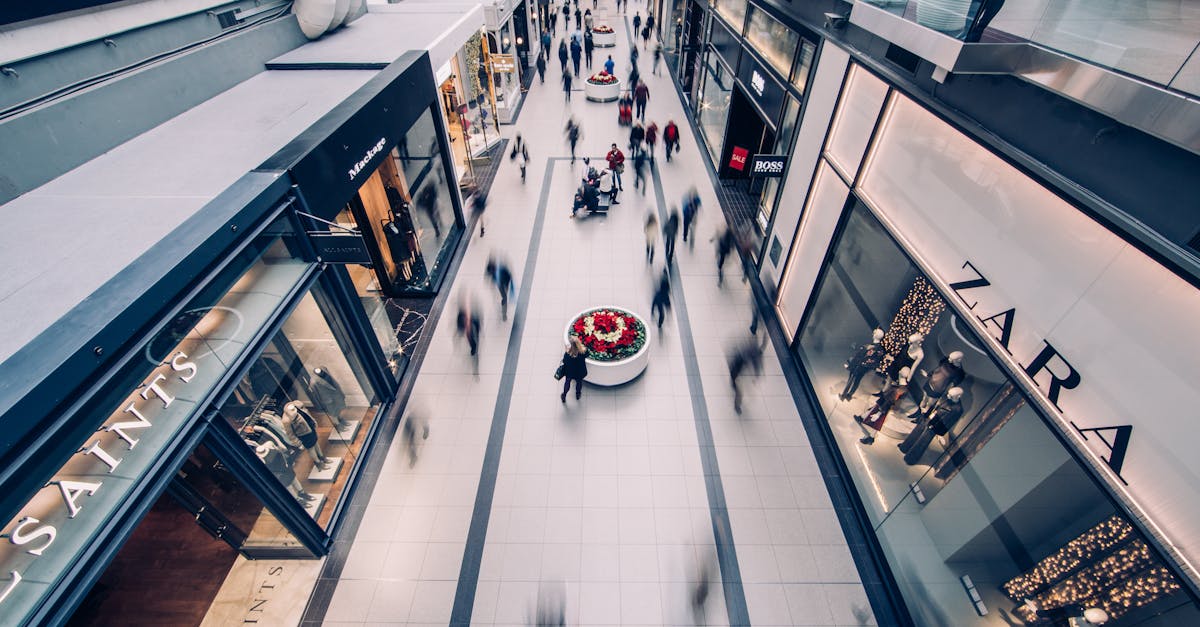
- Bourke Street Mall — pedestrian-only shopping spine. David Jones, Myer, Apple Store.
- Melbourne Central — large CBD shopping centre.
- Emporium Melbourne — premium shopping mall.
- QV Centre — mid-range shopping.
- Block Arcade — heritage Victorian shopping arcade.
- Royal Arcade — Australia’s oldest shopping arcade (opened 1870).
- Collins Place — luxury brands.
- Flinders Lane — Australian fashion designers.
- Little Collins Street — independent boutiques.
- Howey Place — jewellers.
- Manchester Lane — tailoring.
Melbourne CBD transport
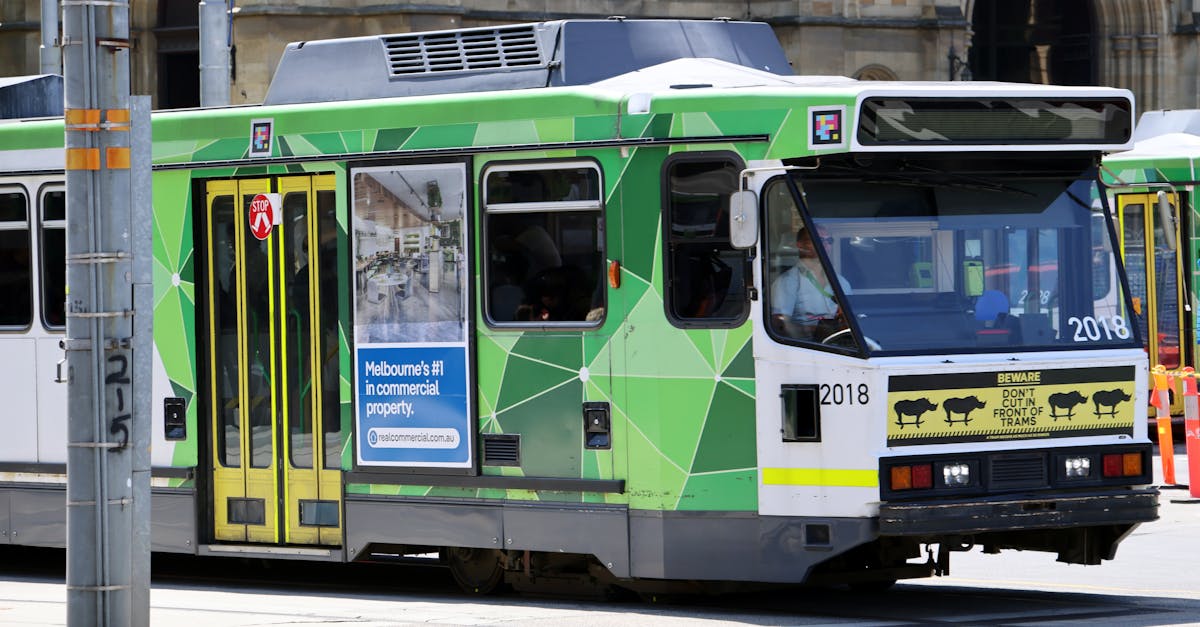
- Free Tram Zone — every tram inside the CBD boundary is free.
- City Circle Tram (route 35) — heritage W-class trams running entirely within the zone, free.
- Train stations — Flinders Street, Southern Cross, Melbourne Central, Parliament, Flagstaff.
- Walking — most attractions are within 10–15 minutes’ walk of each other.
- Bike — Capital City Trail passes through the CBD.
- Drive — paid parking everywhere; most CBD parking is meter or multi-storey.
- Taxi and rideshare — Uber, Didi, taxis available 24/7.
- Free Wi-Fi — Melbourne CBD Free Wi-Fi covers most of the area.
Melbourne CBD accommodation
- Luxury — Park Hyatt Melbourne, Crown Towers, the Langham, Sofitel on Collins, QT Melbourne.
- Upscale — Hotel Lindrum, Adelphi Hotel, Sofitel, Pan Pacific.
- Mid-range — Adina Apartment Hotel, Holiday Inn on Flinders, Mercure Melbourne.
- Budget — Citiclub Hotel, Atlantis Hotel, Causeway Inn.
- Hostels — Space Hotel, Discovery Melbourne, Greenhouse Backpacker.
- Apartment-style — Quest, Adina, Mantra, Pegasus.
Melbourne CBD heritage architecture
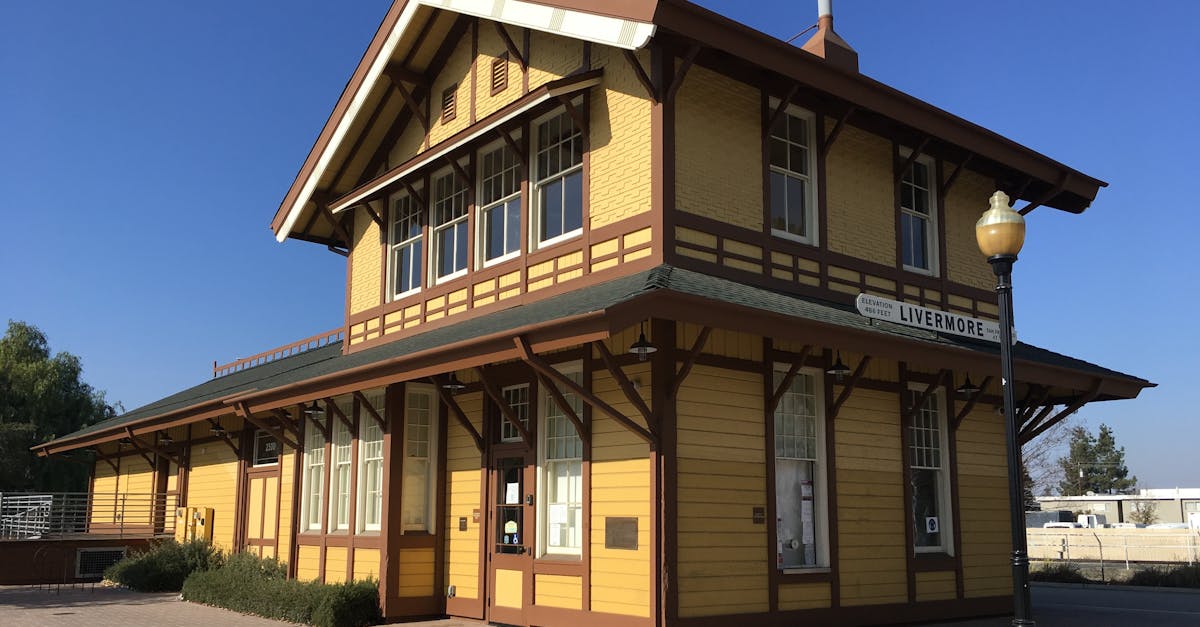
- Flinders Street Station (1909) — iconic Edwardian-era yellow building.
- Princes Bridge (1888) — heritage stone bridge over the Yarra.
- Block Arcade and Royal Arcade — Victorian shopping arcades.
- State Library of Victoria (1856) — La Trobe Reading Room dome.
- Old Melbourne Gaol — heritage prison where Ned Kelly was hanged.
- Parliament House (1856) — Australia’s first Federal Parliament met here in 1901.
- Old Treasury Building (1862) — sandstone heritage with rotating exhibits.
- Forum Theatre — heritage Moorish-revival cinema.
- The Athenaeum Theatre — heritage venue on Collins Street.
- The Princess Theatre (1886) — heritage on Spring Street.
- Her Majesty’s Theatre (1886) — heritage on Exhibition Street.
- The Regent Theatre (1929) — art deco palace on Collins Street.
Melbourne CBD walking tours
- Greeter Service — free volunteer-guided personalised CBD walks. Book 1 week ahead.
- I’m Free Walking Tours — daily tip-only tours.
- Free Walking Tour Melbourne — daily 10 am tour.
- Hidden Secrets Tours — premium three-hour Lanes & Arcades tour from A$139 per person.
- Melbourne Street Art Tours — A$69, working artist guide.
- Melbourne Heritage Trail — free self-guided walk.
- Foodie Trails — multiple food-focused walking tours.
- Aboriginal Heritage Walk at Royal Botanic Gardens — 90 minutes, A$55 adults (A$40 concession), Wurundjeri-led.
Melbourne CBD by season
- Spring (Sep–Nov) — best season. Outdoor laneway dining, festivals, comfortable temperatures.
- Summer (Dec–Feb) — busy. Rooftop bars peak. Australian Open. NYE.
- Autumn (Mar–May) — settled weather. Comedy Festival in April, and the F1 Grand Prix on 2–4 April in 2027.
- Winter (Jun–Aug) — quieter; indoor culture (NGV, ACMI, museums) shines.
Melbourne CBD with kids
- Sea Life Aquarium — air-conditioned indoor.
- Melbourne Museum — free for under-16s.
- NGV Australia children’s gallery (free).
- ACMI Story of the Moving Image (free, hands-on).
- Crown Riverwalk fire fountains (free, hourly after dark).
- Birrarung Marr playground (free).
- City Circle heritage tram (free).
- Eureka Skydeck Edge.
- State Library children’s gallery.
- QVM food court for kids’ lunch.
- Melbourne Star Observation Wheel (when running).
Melbourne CBD by night
- Hidden small bars (Black Pearl, Goldilocks, Eau de Vie).
- Live music at Cherry Bar, the Forum, 170 Russell.
- Theatre district shows (Her Majesty’s, Princess, Regent, Comedy).
- Crown Casino atrium fire fountains.
- Yarra River walk to Southbank Promenade.
- Hosier Lane after dark — atmospheric.
- Late-night dumplings on Russell Street.
- Late-night Vietnamese at Pho Hung Vuong (Victoria Street, near CBD).
- Outdoor cinema at Federation Square in summer.
Melbourne CBD events year-round
- NYE fireworks (Dec 31) — Yarra River.
- Australian Open (mid-late January) — Melbourne Park.
- Melbourne F1 Grand Prix (2–4 April 2027) — Albert Park.
- Moomba Festival (March) — Yarra River.
- Melbourne International Comedy Festival (April).
- RISING Festival (May–June).
- MIFF (August).
- AFL Grand Final live site (late September).
- Melbourne Cup Carnival (early November).
- NGV Triennial (every 3 years; next December 2026).
The CBD’s laneways, arcades and shopping
No visit to the Melbourne CBD is complete without exploring its famous laneways and arcades — the graffiti-covered alleys of Hosier Lane and AC/DC Lane, the heritage Block and Royal arcades, and the café-packed Degraves Street. They’re the soul of the city centre, hiding cafés, laneway bars, boutiques and street art. The CBD is also Melbourne’s shopping heart, from the Bourke Street Mall department stores to the premium Emporium and the youthful Melbourne Central — see our shopping in Melbourne guide. Wandering the grid on foot, ducking down lanes and looking up at the mix of Victorian and modern architecture, is the best way to feel the city’s character.
Eating and drinking in the city
The CBD is one of the best places to eat in Melbourne, with everything from Chinatown’s dumplings and late-night feasts to hatted fine dining, hidden rooftop bars and the city’s renowned coffee culture in every laneway. For a night out, the centre holds many of the city’s best cocktail bars, rooftop bars and live music venues, plus the late-night eats of Chinatown. Whether you want a quick, cheap feed or a special dinner, the CBD delivers across every budget and cuisine.
Where the CBD connects
The compact, walkable CBD is the hub of Melbourne and connects easily to the surrounding precincts. Across the river lies Southbank and its arts precinct; to the west, the waterfront of Docklands and Southern Cross Station; and to the north, the inner-city suburbs of Carlton and Fitzroy. The entire centre sits within the Free Tram Zone, so getting around costs nothing — see our public transport guide. For the wider picture, our neighbourhoods guide maps how it all fits together.
Top sights in the city centre
Beyond the laneways, the CBD packs in many of Melbourne’s headline sights. Federation Square and Flinders Street Station are the city’s iconic meeting points; the State Library Victoria dazzles with its domed reading room; Chinatown is one of the oldest in the world; and the grand Parliament, Old Melbourne Gaol and the heritage theatres add history and culture. The Queen Victoria Market sits at the northern edge, and the river and Southbank arts precinct are a short walk south. Most are free or cheap to visit and within walking distance of each other, so you can string together a day of sightseeing on foot. For the full list, see our things to do in Melbourne guide.
Best way to explore the CBD
The CBD is best explored on foot, using the free trams to cover longer stretches. Give yourself time to wander without a fixed plan — duck down lanes, look up at the architecture, and follow your nose to a café or bar. A good approach is to start at Federation Square, work through the laneways and arcades, browse the shopping strips, and finish with a rooftop drink or a Chinatown dinner. The grid layout makes navigation simple, and the Free Tram Zone means you never have to walk further than you want to. Mornings are quieter for sightseeing and coffee; evenings bring the bars and restaurants to life. However you do it, the compact, walkable CBD is the easiest part of Melbourne to explore and the natural starting point for any visit.
Frequently asked questions about the Melbourne CBD
Where should I stay in Melbourne CBD?
Anywhere inside the Free Tram Zone is good. CBD core (Bourke Street/Collins Street area) for first-time visitors. Southbank for river views. Docklands for waterfront. Premium hotels include Park Hyatt, Crown Towers, the Langham.
Is Melbourne CBD safe at night?
Yes — well-lit, busy through the evening, with strong police and security presence. Standard urban common sense applies after midnight.
How long do I need in Melbourne CBD?
Two days minimum to cover the major attractions and laneways. Three days for relaxed exploration including dining and rooftop bars. Four days if combining with day trips.
Is Melbourne CBD walkable?
Yes — the CBD measures roughly 1.61 km by 0.80 km, walkable corner-to-corner in 30 minutes. The Free Tram Zone makes it even easier with free trams.
What’s the Free Tram Zone?
Every tram inside the CBD boundary (Spring, La Trobe, Spencer, Flinders Streets, plus Docklands) is free — no Myki tap required.
What’s the best Melbourne CBD attraction?
Hosier Lane is the icon. Federation Square (NGV Australia + ACMI) is the cultural heart. Queen Victoria Market is a must-see. State Library of Victoria’s La Trobe Reading Room is the most beautiful indoor space.
Where do locals eat in the CBD?
Hardware Lane, Flinders Lane, Degraves Street, Centre Place. Tipo 00, Cumulus Inc., Cecconi’s, MoVida are local favourites.
Can you walk from Federation Square to Queen Victoria Market?
Yes — 15 minutes’ walk through the CBD. Or 5 minutes by free tram.
Final word: Melbourne CBD is the city’s compact heart
For first-time Melbourne visitors, the CBD is the right place to base. Walking distance to every major attraction, inside the Free Tram Zone, dense with the laneway, dining, and rooftop bar scene Melbourne is famous for. Plan two to three days in the CBD before exploring outer neighbourhoods. For broader Melbourne neighbourhood context, see our Melbourne neighbourhoods guide pillar.
Almost every famous building in the city sits inside this grid or just beyond it. If you want the history behind Flinders Street Station, the arcades, Parliament House and St Patrick’s, plus honest verdicts on Skydeck and the Old Melbourne Gaol, see our full guide to Melbourne’s landmarks.