Lorne Guide: Beach Town, Waterfalls & Cafes
- Words
- Melbourne Tourism Guide
- Updated
- September 16, 2026
- Read
- 14 min
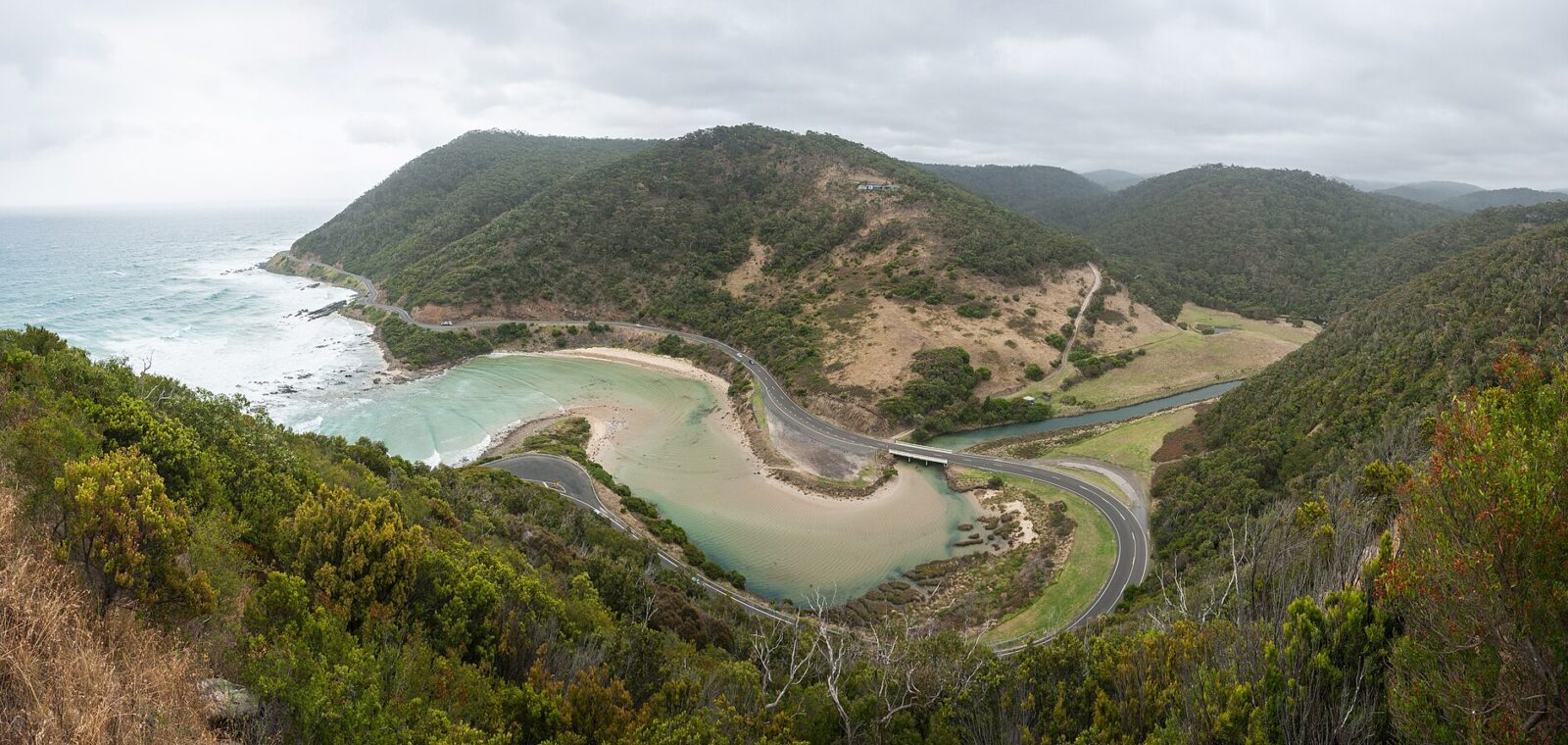
The prettiest town on the Great Ocean Road — and what's changed in the forest behind it.
This article contains advertising. Our booking links are routed through a partner that adds commission tracking automatically, so if you book through one we earn a commission from the provider, at no extra cost to you. It never affects what we recommend. Affiliate disclosure
Stand at Teddy’s Lookout on a clear morning and you’ll understand why Melburnians have been driving down here for more than a century. Below you, the Great Ocean Road bends in a tight S around the mouth of the St George River, the forest drops straight into the sea, and to the east the town curls around the sand of Loutit Bay. It’s the kind of view that makes people start looking at real estate listings on the drive home.
There are other Lornes — in New South Wales, in Scotland, in North America — which is why so many people type Lorne Victoria into a map. This is the Great Ocean Road one: a beach town about two hours from Melbourne with the prettiest setting on the coast, the best cafés between Torquay and Port Fairy, and a hinterland of waterfalls and forest walks. This guide covers what to do, the beach and pier, the waterfalls (including what’s closed after storms in 2026), where to eat and stay, events and how to get there. Details were checked in September 2026; confirm anything time-sensitive before you go. For the rest of the road, see our complete Great Ocean Road guide.
Lorne at a Glance
| Question | Answer |
|---|---|
| Where is it? | On Loutit Bay on the Great Ocean Road, about 46 km past Torquay and 45 km before Apollo Bay |
| Distance from Melbourne | About 140 km, roughly 2 hours via Geelong and Torquay |
| Public transport | V/Line train to Geelong, then the daily V/Line coach |
| Best known for | Its beach and pier, Teddy’s Lookout, Erskine Falls, cafés, and the Pier to Pub ocean swim |
| How long to stay | A long lunch on a road trip; a night or a weekend to enjoy it properly |
| Peak season | Late December to the end of January, Easter and long weekends |
| Heads-up for 2026 | Storm damage in January 2026 closed the track to the base of Erskine Falls; the top platform is open |
What Lorne Is Like
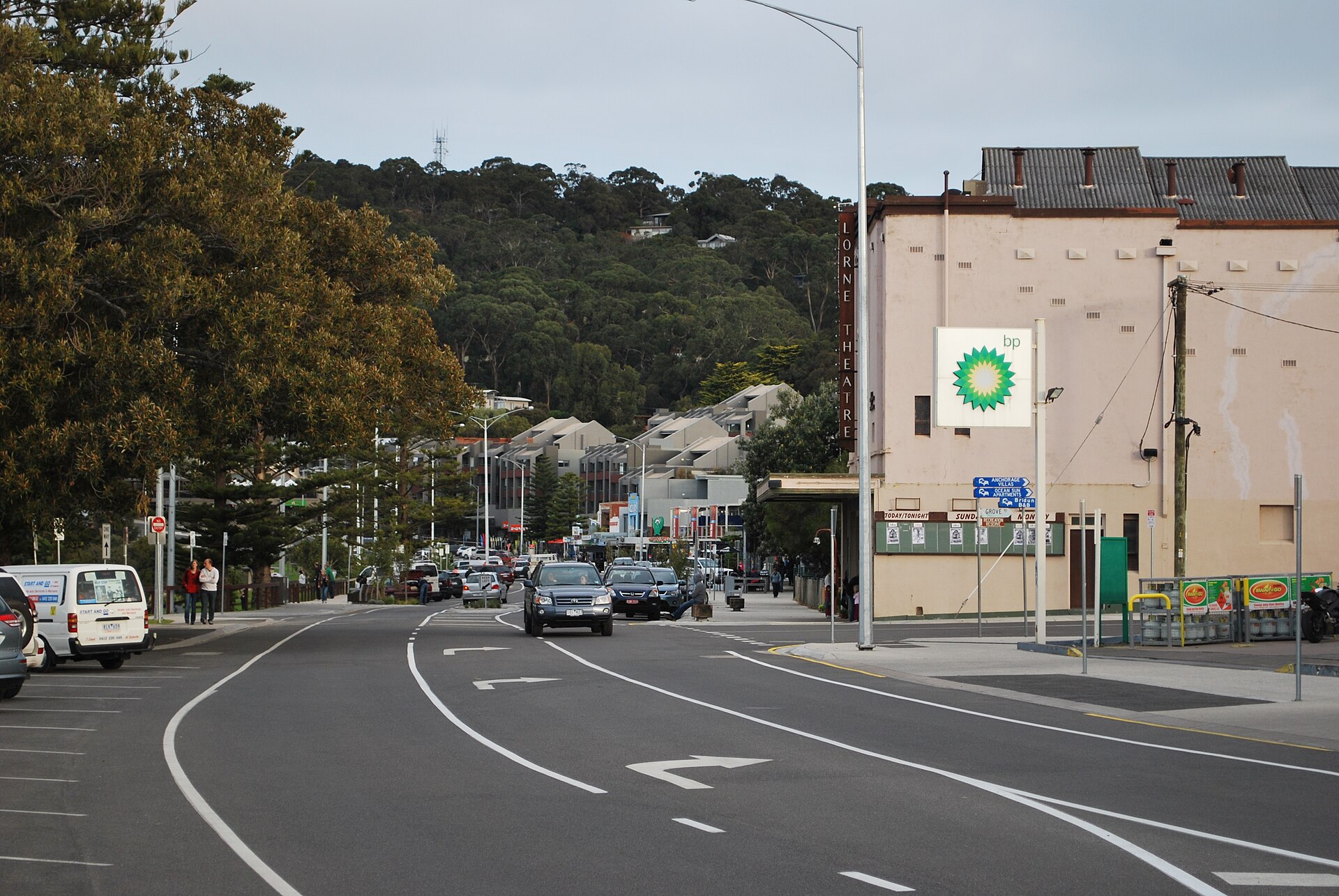
Lorne sits in a narrow strip between the Otway Ranges and the sea, which gives it a sense of enclosure that other coastal towns don’t have. The main street, Mountjoy Parade, runs along the foreshore, with cafés, surf shops, boutiques, the old Lorne Theatre cinema and a couple of hotels on one side and grassy parkland, playgrounds and the beach on the other. Behind the town, houses climb up into the forest on steep, winding streets.
In summer, Lorne is busy, glamorous and a little bit pleased with itself: Melbourne families who’ve been coming for generations, weekenders from the city, surfers and a steady stream of road-trippers stopping for lunch. In winter it’s quiet, misty and much more affordable, and the forest behind town comes into its own. Both versions are worth knowing.
Things to Do in Lorne
Teddy’s Lookout
Lorne’s best view is free and a five-minute drive from the main street. Follow George Street up the hill to the end, park, and walk a couple of minutes to the lookout platforms. You look straight down on the Great Ocean Road snaking around the river mouth, with the Otways folding away inland. It’s excellent at any time of day but best in the late afternoon. If you’re fit, you can walk up from the town along the river and through the bush.
Lorne Beach
Lorne’s main beach, sheltered within Loutit Bay, is one of the gentler swimming beaches on the Great Ocean Road and a favourite with families. It’s patrolled by the Lorne Surf Life Saving Club through the summer season; swim between the red and yellow flags. The foreshore behind it has lawns, picnic areas, barbecues and playgrounds, and in summer it’s the social heart of the town. Surfers head to the point breaks at the northern end of the bay and further along the coast.
Lorne Pier
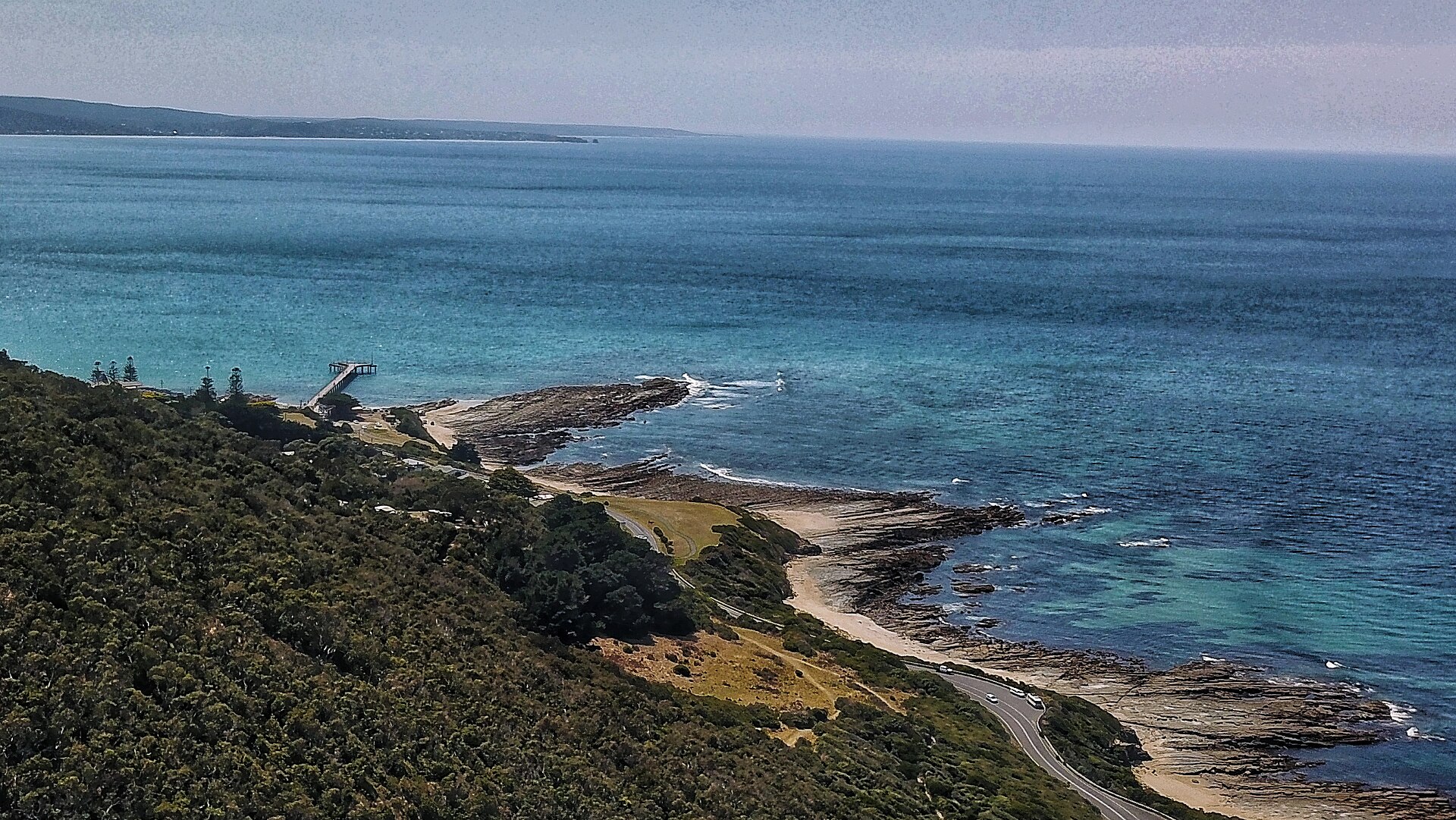
At the southern end of the bay, Lorne Pier is a classic spot for an early morning or sunset walk, for fishing, and for watching the swell roll past. The historic Grand Pacific Hotel, a 19th-century landmark, overlooks the pier, and there are rock platforms at Point Grey below it for a wander at low tide. Take care on the rocks in any kind of swell.
The Swing Bridge and the Erskine River
At the northern end of town, the Erskine River meets the sea beside a small historic swing bridge. It’s a pleasant place for a short stroll or a paddle in the calm river mouth, and a popular spot for kids with fishing lines.
Qdos Arts
Up in the hills on Allenvale Road, Qdos Arts combines a contemporary art gallery, a sculpture park set in the bush, a café and accommodation. It’s the centre of Lorne’s arts scene and a lovely place for a slow morning coffee surrounded by trees and sculpture.
Lorne Theatre
The old cinema on Mountjoy Parade still screens films, and a movie on a wet evening in Lorne is one of the small, simple pleasures of a stay in town.
Erskine Falls and the Waterfalls Behind Lorne
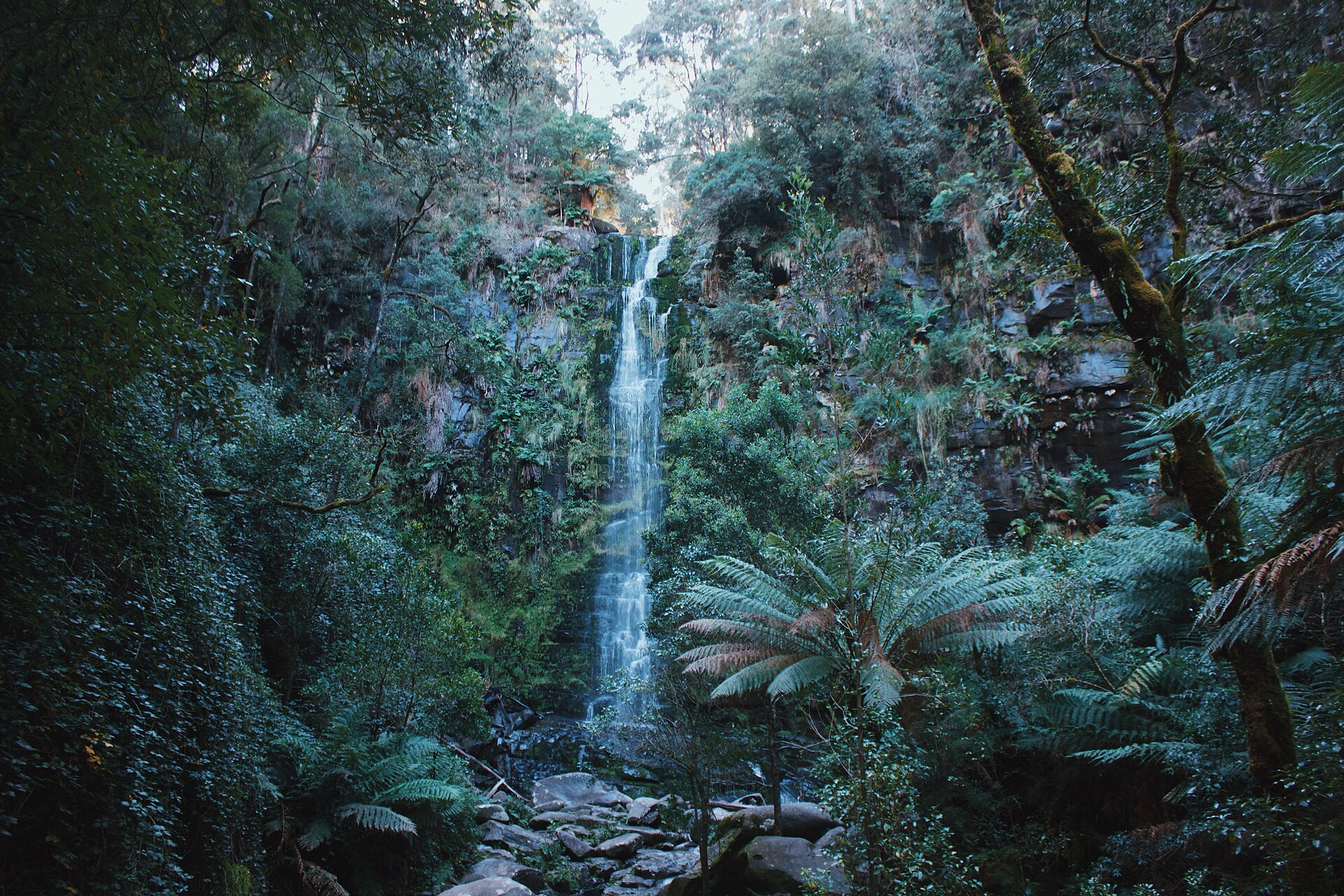
Lorne’s hinterland is part of the Great Otway National Park, and it has more waterfalls within a short drive of town than anywhere else on the Great Ocean Road. The most famous is Erskine Falls, about 9 km from Lorne along Erskine Falls Road, where the Erskine River drops about 30 metres into a fern-filled gully.
What’s open in 2026
Severe thunderstorms and flash flooding on 16 January 2026 caused significant damage across the eastern part of the Great Otway National Park around Lorne. At Erskine Falls, only the top viewing platform is open, a short walk from the car park. The lower track down to the base of the falls and the Erskine River Walk are closed. The top platform still gives a good view of the falls, especially after rain, but you won’t be able to stand in the spray at the bottom.
The same storms hit the wider forest around town, so other walks in the hills behind Lorne may also be closed or partly closed. From 1 July 2026, management of some parks and campsites along the Great Ocean Road moved to the Great Ocean Road Coast and Parks Authority. Before you set out on any walk, check the current closures on Parks Victoria’s changes of conditions page or ask at a visitor centre. Conditions change as repairs are completed.
If tracks reopen
When the lower track reopens, the walk down to the base of Erskine Falls is steep, with a few hundred steps each way, and takes about 30 to 45 minutes return. It’s worth the effort. The waterfalls behind Lorne are at their most impressive in winter and spring after heavy rain, and the forest walks through tree ferns and mountain ash are among the most beautiful short walks in Victoria.
Beyond Lorne: Nearby Stops
| Destination | Direction | Drive | Why go |
|---|---|---|---|
| Teddy’s Lookout | Edge of town | 5 min | The best view in Lorne |
| Erskine Falls (top platform) | Inland | 15 min | 30 m waterfall in a fern gully |
| Cumberland River | West | 10 min | River gorge, holiday park and beach |
| Wye River | West | 20 min | Tiny village, pub on the hill |
| Kennett River | West | 25 min | Wild koalas and king parrots |
| Memorial Arch, Eastern View | East | 15 min | The Great Ocean Road’s war memorial |
| Split Point Lighthouse, Aireys Inlet | East | 25 min | Lighthouse and clifftop walk |
| Apollo Bay | West | 55 min | Harbour town and gateway to the Otways |
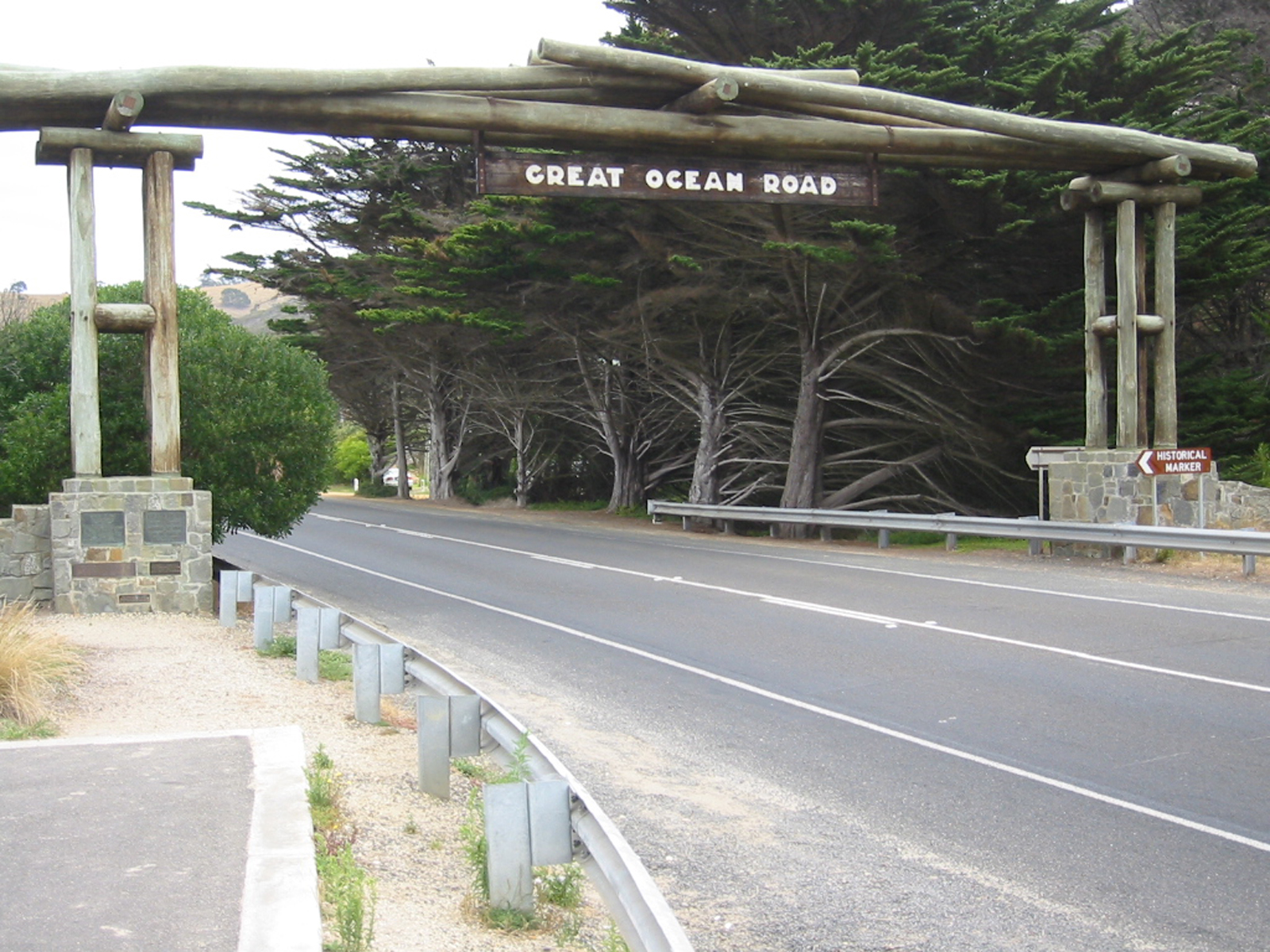
The drive west from Lorne to Apollo Bay is one of the most spectacular sections of the whole Great Ocean Road, with the road hugging the cliffs for most of the way. It’s also one of the most winding, so take your time and use the turnouts. For how Lorne fits into a longer trip, see our Great Ocean Road itinerary, and for the next town along, our Apollo Bay guide.
Events in Lorne
Lorne Pier to Pub
Every January, thousands of swimmers line up on Lorne Beach for the Lorne Pier to Pub, a 1.2 km ocean swim from the pier to the beach in front of the Lorne Hotel, run by the Lorne Surf Life Saving Club. It’s often described as the largest ocean swim in the world, and it turns Lorne into a festival for the weekend. The 2027 event is on Saturday 9 January 2027, with entries opening on 2 November 2026. It’s part of a weekend of events that also includes the Mountain to Surf run. If you’re not swimming, be aware that accommodation for that weekend books out many months ahead.
Lorne Sculpture Biennale
Every couple of years, the Lorne Sculpture Biennale places large-scale outdoor sculptures along the foreshore and around town, with talks, tours and events. Dates for the next edition hadn’t been confirmed when we checked, so look at the Biennale’s website if you want to time a visit around it.
Where to Eat in Lorne
Lorne has the best food scene on the eastern half of the Great Ocean Road. Mountjoy Parade is lined with cafés, bakeries, gelato shops and restaurants, most with views across the road to the water, and there are more places on the pier and the side streets.
- Breakfast and coffee — the main street cafés are busy from 08:00 in summer. Go early or be prepared to queue.
- Lunch — fish and chips on the foreshore, a café lunch on Mountjoy Parade, or a longer meal with views at the pier.
- Dinner — Lorne has several proper restaurants, from modern Australian and seafood to Greek and Italian, and a couple of pubs with bistros. Book in peak season.
- Treats — ice cream and gelato on the foreshore are part of the Lorne ritual.
- Supplies — a supermarket on the main street for self-caterers.
Lorne is expensive by regional standards, and it shows at dinner. For a cheaper evening, get takeaway and eat on the foreshore, or drive 20 minutes to Wye River for a pub meal with a view. Outside summer, some places reduce their hours or close midweek.
Where to Stay in Lorne
Lorne has the widest range of accommodation on the Great Ocean Road outside Torquay, and it’s also the most expensive town to stay in.
- Beachfront resorts — Mantra Lorne and the Cumberland Lorne Resort both sit on Mountjoy Parade opposite the beach, with apartments, pools and ocean views.
- Hotels and motels — along Mountjoy Parade and the Great Ocean Road through town.
- B&Bs and guesthouses — in the hills behind town, often with views over Loutit Bay.
- Holiday houses — hundreds of them, many with long minimum stays in summer.
- Qdos Arts — accommodation in the bush at the gallery and sculpture park.
- Caravan parks and camping — in town near the Erskine River, and at Cumberland River, 10 minutes west (the Cumberland River park closed for a period after the January 2026 floods, so check it has reopened).
For summer and the Pier to Pub weekend, book months ahead. In winter, you’ll find much better rates and often availability on the day. Our guide to Great Ocean Road accommodation compares Lorne with the other towns along the road.
Getting to Lorne
By car
From Melbourne, take the West Gate Freeway and the Princes Freeway (M1) to Geelong, then the Surf Coast Highway to Torquay and the Great Ocean Road through Anglesea and Aireys Inlet to Lorne. It’s about 140 km and roughly two hours without stops. An alternative inland route runs from Geelong via Winchelsea and Deans Marsh, crossing the Otways and descending steeply into Lorne; it’s a little quicker from Melbourne’s western suburbs and a good way to avoid the coastal traffic on busy weekends. If you’re new to driving in Australia, see our guide to driving in Melbourne as a tourist.
By public transport
Take the V/Line train from Southern Cross Station to Geelong, then the V/Line coach along the Great Ocean Road to Lorne, which runs daily and continues to Apollo Bay. A new coach timetable started in late August 2026, so check the current V/Line timetable. Our Melbourne public transport guide explains V/Line tickets.
On a tour
Most Great Ocean Road day tours drive through Lorne, and some stop briefly. See our Great Ocean Road tours comparison.
When to Visit Lorne
- Summer (December–February) — warm, busy and buzzing. Great beach days, patrolled swimming, and the Pier to Pub in early January. Book everything ahead.
- Autumn (March–May) — often the best weather of the year, calmer seas and fewer crowds after Easter.
- Winter (June–August) — quiet, cold and moody, with waterfalls in flow and the best accommodation prices. Some businesses shorten their hours.
- Spring (September–November) — green, fresh and changeable, with fewer visitors outside school holidays.
For the bigger picture, see our best time to visit Melbourne guide.
A Short History of Lorne
The hills and river mouths around Lorne were cared for by Aboriginal people for many thousands of years before European settlement, and the coast here remains culturally significant. Loutit Bay takes its name from a 19th-century sea captain who sheltered here, and the town itself was named in the early 1870s after the Marquis of Lorne, whose marriage to Queen Victoria’s daughter Princess Louise was the society event of the day.
Timber-getters were among the first settlers, but Lorne found its real purpose early: as a holiday resort. By the late 19th century, guesthouses and hotels were welcoming visitors who arrived by coach over the hills from Deans Marsh or by boat, and the grand old buildings on Mountjoy Parade date from those decades. The opening of the Great Ocean Road section from the east in the early 1920s made Lorne reachable along the coast for the first time, and the town has been Melbourne’s favourite beach resort ever since. Surf culture arrived in the 1960s and never left, and the Pier to Pub grew from a local race into a national institution.
Lorne with Kids
Lorne is one of the most family-friendly towns on the Great Ocean Road. The sheltered, patrolled beach is ideal for younger swimmers in summer; the foreshore has shaded lawns and playgrounds; and the calm water at the Erskine River mouth is perfect for paddling and fishing. The top platform at Erskine Falls is a short, easy walk suitable for little legs. A day trip west to Kennett River to spot koalas and have king parrots land nearby is usually the highlight for kids, and ice creams on the foreshore are a daily requirement. On a rainy day, a film at the Lorne Theatre saves the afternoon. For more ideas, see our family day trips from Melbourne.
Is Lorne Worth Visiting?
Yes. Lorne is the most beautiful town on the Great Ocean Road and the best place on the eastern half of the route to slow down, eat well and spend a night. The honest caveats: it’s pricey, especially in January; the main street can feel more like a Melbourne shopping strip than a coastal village on a busy weekend; and with Erskine Falls partly closed in 2026, the hinterland isn’t quite as accessible as usual.
If you’re only passing through, give Lorne a long lunch and a trip up to Teddy’s Lookout. If you can, stay a night outside peak season, when the town quietens down and the forest and the beach are yours.
A Weekend in Lorne
Saturday
- Drive down from Melbourne, stopping at the Memorial Arch and Split Point Lighthouse.
- Late breakfast on Mountjoy Parade.
- A swim or a walk on Lorne Beach.
- Afternoon at Qdos Arts, then Teddy’s Lookout before sunset.
- Dinner in town, or fish and chips on the foreshore.
Sunday
- Early walk along the beach to the pier.
- Drive to the Erskine Falls top platform before the car park fills.
- Coffee in town, then drive west along the coast to Wye River and Kennett River for koalas.
- Lunch at Wye River, then return to Melbourne via the inland route through Deans Marsh.
Lorne FAQ
How far is Lorne from Melbourne?
About 140 km, or roughly two hours by car via Geelong, Torquay and the Great Ocean Road.
Is Erskine Falls open?
Partly. After storms in January 2026, only the top viewing platform is open. The track to the base of the falls and the Erskine River Walk are closed. Check Parks Victoria for updates.
Can you swim at Lorne?
Yes. Lorne Beach is sheltered and patrolled in summer; swim between the flags.
When is the Lorne Pier to Pub?
The 2027 Lorne Pier to Pub is on Saturday 9 January 2027. Entries open on 2 November 2026.
Is Lorne or Apollo Bay better?
Lorne is prettier, with better cafés and restaurants. Apollo Bay is cheaper and better placed for the Otways and the Twelve Apostles. Many people stay one night in each.
How long should I spend in Lorne?
A couple of hours for lunch and Teddy’s Lookout on a road trip, or a night or a weekend to enjoy the beach and hinterland properly.
Can I get to Lorne without a car?
Yes. Take the V/Line train from Southern Cross to Geelong, then the daily V/Line coach along the Great Ocean Road.
Driving down from Melbourne, the Surf Coast comes first. Our guide to Torquay and Bells Beach has the stops worth making on the way to Lorne, from the Bells lookout to rock pools at Point Danger and kangaroos at Anglesea.
Related Melbourne Guides
- Great Ocean Road: The Complete Travel Guide
- Apollo Bay Guide
- Where to Stay on the Great Ocean Road
- Great Ocean Road Itinerary: 1, 2, 3 & 5 Days
- Great Ocean Road Day Trip from Melbourne
- Best Day Trips from Melbourne
Photo Credits
The Great Ocean Road and St George River mouth from Teddy’s Lookout: Great Ocean Road, Lorne, Australia – Feb 2012 by Diliff, CC BY-SA 3.0, via Wikimedia Commons.
Lorne Pier from the hills: Lorne Pier from Teddys March 2019 by Bob Tan, CC BY-SA 4.0, via Wikimedia Commons.
Erskine Falls: Erskine Falls by Ari Moore, CC BY-SA 4.0, via Wikimedia Commons.
Mountjoy Parade, Lorne: LorneMainStreet by Mattinbgn, CC BY-SA 3.0, via Wikimedia Commons.