Great Ocean Road Itinerary: 1, 2, 3 & 5 Days Compared
- Words
- Melbourne Tourism Guide
- Updated
- October 25, 2026
- Read
- 22 min
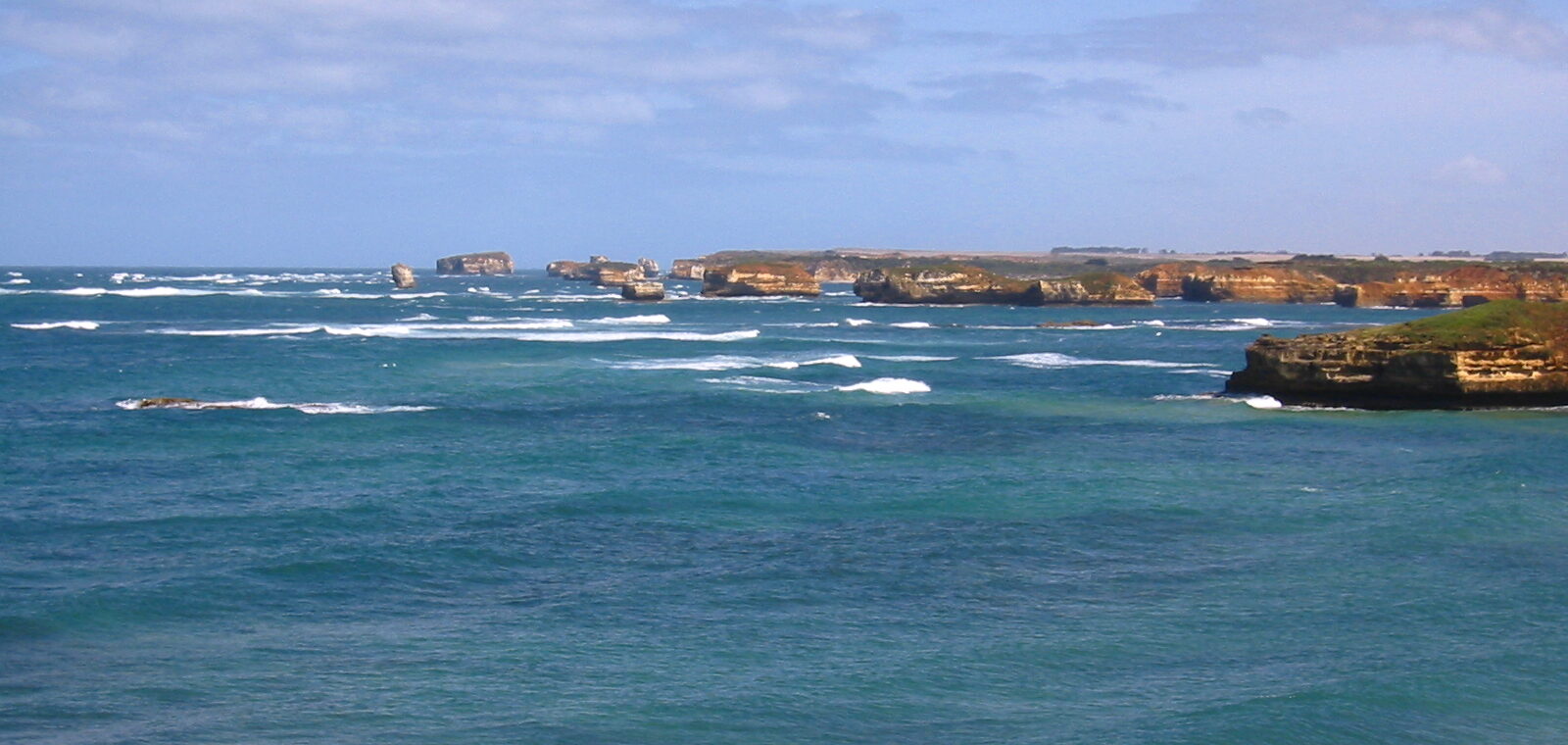
Four tested plans, timed to put you at the Twelve Apostles when the coaches have gone.
This article contains advertising. Our booking links are routed through a partner that adds commission tracking automatically, so if you book through one we earn a commission from the provider, at no extra cost to you. It never affects what we recommend. Affiliate disclosure
The most common Great Ocean Road mistake isn’t a wrong turn. It’s arriving at the Twelve Apostles at two in the afternoon, shoulder to shoulder with four coachloads of day-trippers, having rushed past every waterfall and koala on the way, and then facing three hours of driving home in the dark. A good great ocean road itinerary fixes nearly all of that just by moving the overnight stops and the time you reach the cliffs.
Below are four tested plans — one, two, three and five days — laid out hour by hour, with the drive time for each leg, where to sleep, and the stops we’d cut if the day runs long. Prices and opening hours were checked in October 2026; treat them as the right order of magnitude and confirm anything bookable before you go. For background on each town and sight along the way, our complete Great Ocean Road guide goes section by section.
The Four Itineraries Compared
| 1 day | 2 days | 3 days | 5 days | |
|---|---|---|---|---|
| Longest single day in the car | Very long | Long | Moderate | Moderate |
| Overnight stops | None | Apollo Bay | Apollo Bay, Port Campbell | Lorne, Apollo Bay or Cape Otway, Port Campbell, Port Fairy |
| Twelve Apostles at sunset? | Only in winter, then a night drive | No (midday) | Yes | Yes, plus sunrise |
| Otway waterfalls | No | Maits Rest only | One waterfall | Several |
| Warrnambool / Port Fairy | No | No | Warrnambool | Both, plus Tower Hill |
| Best for | Short stays, no other option | Weekenders | Most first-timers | Families, walkers, slow travellers |
If you’re torn between two and three days, take three. The extra day costs one more night’s accommodation and turns the trip from a drive with stops into a holiday.
Five Decisions to Make Before You Plan
1. Which direction?
Drive west along the coast and come home inland. You get the Surf Coast in the morning, the winding Lorne–Apollo Bay stretch while you’re fresh, and the Shipwreck Coast in the afternoon light. The inland return via Colac or the Princes Highway is straight, quick and less tiring. The only good reason to reverse it is photographing sunrise at the Twelve Apostles, and even then the 5-day plan below lets you do both.
2. When is sunset?
The whole itinerary hinges on this. The Twelve Apostles look their best in the last hour of light, and the coaches from Melbourne have mostly left by then. Sunset at Port Campbell is close to 21:00 in late December and January, about 19:50 in mid-March, about 17:15 in June, and around 19:45 in mid-October once daylight saving has started. Look up the exact time for your date and plan backwards.
3. Where will you sleep?
Apollo Bay and Port Campbell are the two workhorse overnight stops. Lorne is prettier and pricier; Port Fairy is lovelier and further. In December, January and on Easter weekend, book months ahead — the coast simply runs out of beds.
4. Car, coach or tour?
Every itinerary here assumes a car unless marked otherwise. There’s a public transport version further down, and it works, but the V/Line coach between Apollo Bay and Warrnambool runs only on Mondays, Wednesdays and Fridays, which dictates your whole schedule. If you’re new to driving on the left, read our guide to driving in Melbourne as a tourist first.
5. What season?
Summer gives long evenings and swimming but the heaviest traffic and fire risk. Autumn is the calmest and often the most pleasant. Winter brings short days, rain and whales at Warrnambool. Spring is green and changeable. In June and July, a one-day trip loses much of its appeal because you’ll be driving the Otways in the dark.
One-Day Great Ocean Road Itinerary
Route: Melbourne → Torquay → Lorne → Apollo Bay → Twelve Apostles → Loch Ard Gorge → inland to Melbourne.
Distance: the coast road out and the inland highway back, all in one day.
Honest verdict: doable, but it’s a driving day with views rather than a coastal holiday. Share the driving if you can.
| Time | Stop | Notes |
|---|---|---|
| 06:30 | Leave Melbourne | Beat the Westgate Bridge traffic; coffee in the car |
| 07:45 | Torquay (quick stop) or Bells Beach lookout | 15 minutes. Toilets and fuel in Torquay |
| 08:45 | Memorial Arch, Eastern View | 10 minutes for photos and the plaques |
| 09:15 | Lorne | Breakfast on the foreshore; 45 minutes |
| 10:30 | Kennett River | 30 minutes looking for wild koalas |
| 11:15 | Apollo Bay | Early lunch; fill the tank |
| 12:15 | Maits Rest Rainforest Walk | 30 minutes on the boardwalk |
| 14:00 | Gibson Steps and Twelve Apostles | 1 hour. Busiest time of day, unfortunately |
| 15:15 | Loch Ard Gorge | 45 minutes; walk down to the sand |
| 16:15 | Leave for Melbourne, inland via Timboon and Colac | About 3 hours. Dinner stop in Colac or Geelong |
| 19:30–20:00 | Back in Melbourne |
What to cut if you’re behind: breakfast in Lorne becomes a takeaway, and Maits Rest goes. What never to cut: the inland return. Driving back along the coast adds nearly two hours on the most tiring section of the road.
In summer, you can flip the afternoon: take a long lunch in Apollo Bay, reach the Apostles around 18:00, stay for the light, and accept getting home near midnight. It’s glorious and exhausting in equal measure. For a fuller breakdown of the single-day version, including tours, see our dedicated Great Ocean Road day trip guide.
Two shorter one-day alternatives
If the full return trip sounds like too much, there are two honest alternatives that trade breadth for a better day.
The Surf Coast and Lorne loop. Leave Melbourne at 09:00, spend the morning in Torquay and at Bells Beach, walk the clifftops at Aireys Inlet, pass under the Memorial Arch and have a long lunch in Lorne. Stop at the Erskine Falls upper lookout in the afternoon (the track to the base has been closed since storms in January 2026), then continue to Kennett River for koalas before turning back. Home by 19:00 with about four and a half hours of driving in total. You won’t see the Twelve Apostles, but you’ll see the most beautiful stretch of the road properly, and you’ll be relaxed enough to enjoy it. This is the version we suggest to anyone with a long flight the next day.
The Shipwreck Coast straight shot. Take the inland route via Geelong and Colac directly to Port Campbell — roughly three hours, on fast roads. Spend four or five hours on the cliffs: the Twelve Apostles, Gibson Steps, Loch Ard Gorge, London Arch, The Grotto and the Bay of Islands, with lunch in Port Campbell. Drive home the same way. You miss the coastal drive itself, but you see the famous landmarks without rushing, and in summer you can stay for sunset and still be home before midnight. It works best for photographers and anyone who has already driven the eastern half of the road on a previous trip.
Two-Day Great Ocean Road Itinerary
Route: Melbourne → Surf Coast → Lorne → Apollo Bay (overnight) → Otways → Shipwreck Coast → inland to Melbourne.
Overnight: Apollo Bay.
Best for: a weekend away.
Day 1: Melbourne to Apollo Bay (about 200 km, 3 hours of driving)
| Time | Stop | Notes |
|---|---|---|
| 09:00 | Leave Melbourne | No need for a dawn start today |
| 10:15 | Torquay | Coffee, the surf museum or the beach; 1 hour |
| 11:30 | Bells Beach and Anglesea | Lookout at Bells; Anglesea Golf Club has resident kangaroos and runs guided tours |
| 12:30 | Split Point Lighthouse, Aireys Inlet | Clifftop walk; 45 minutes |
| 13:30 | Memorial Arch | 10 minutes |
| 14:00 | Lorne | Late lunch, then Erskine Falls or Teddy’s Lookout |
| 16:00 | Kennett River | Look for wild koalas in the gums; 30–45 minutes |
| 17:00 | Apollo Bay | Check in, Mariners Lookout for the view, fish and chips on the foreshore |
Day 2: Apollo Bay to Melbourne via the Twelve Apostles (the long driving day)
| Time | Stop | Notes |
|---|---|---|
| 08:30 | Leave Apollo Bay | Full tank before you go |
| 08:50 | Maits Rest | Rainforest boardwalk, 30 minutes; quiet at this hour |
| 09:30 | Cape Otway (optional) | Keep an eye out for koalas on Lighthouse Road. The lighthouse tower is closed for restoration; the precinct is open at reduced entry (A$11 adult). Skip it if you’d rather have longer at the cliffs |
| 11:30 | Gibson Steps and Twelve Apostles | Beat the worst of the tour crowds; 1 hour |
| 12:45 | Loch Ard Gorge | 1 hour, including the cemetery and lookouts |
| 14:00 | Lunch in Port Campbell | |
| 15:00 | London Arch and The Grotto | 30 minutes for both |
| 15:45 | Leave for Melbourne, inland | About 3 hours |
| 19:00 | Back in Melbourne |
The trade-off: this plan puts you at the Twelve Apostles in the middle of the day. If sunset matters more than getting home at a reasonable hour, reverse day two: take the Otway hinterland slowly, arrive at the cliffs for the last hour of light, and drive home in the dark — or better, switch to the three-day plan.
Three-Day Great Ocean Road Itinerary
Route: Melbourne → Surf Coast → Lorne → Apollo Bay (night 1) → Otways → Twelve Apostles at sunset → Port Campbell (night 2) → Bay of Islands → Warrnambool → inland to Melbourne.
Overnights: Apollo Bay, Port Campbell.
Best for: almost everyone. This is the plan we’d recommend to a friend.
Day 1: Melbourne to Apollo Bay
Follow day one of the two-day itinerary above, with one change: slow down. Add both Teddy’s Lookout and the upper platform at Erskine Falls (the steps to the base were closed after storms in January 2026), stop at Wye River for a drink at the pub on the hill, and aim to reach Apollo Bay by 17:30. You have nothing to rush for tomorrow.
Day 2: Apollo Bay to Port Campbell via the Otways (short drives, long stops)
| Time | Stop | Notes |
|---|---|---|
| 09:00 | Leave Apollo Bay | Fill the tank before you head into the Otways |
| 09:20 | Maits Rest | 30 minutes |
| 10:00 | Cape Otway Lighthouse Road | Precinct open Friday to Tuesday, 09:30–16:30 (last entry 16:00), with the tower closed for restoration |
| 11:30 | Otway hinterland: choose one | Hopetoun Falls (short, steep, beautiful) or the Otway Fly treetop walk (1.9 km circuit, about an hour; last admission 15:30) |
| 13:30 | Lunch at Lavers Hill or a picnic | Limited options — pack something from Apollo Bay |
| 15:00 | Check in at Port Campbell | Rest, then head out |
| 16:00 | Loch Ard Gorge | Tour crowds thinning out; 1 hour |
| Last hour before sunset | Gibson Steps, then the Twelve Apostles boardwalks | The payoff of the whole trip |
| After sunset | Dinner in Port Campbell | Book ahead in summer; the town is tiny |
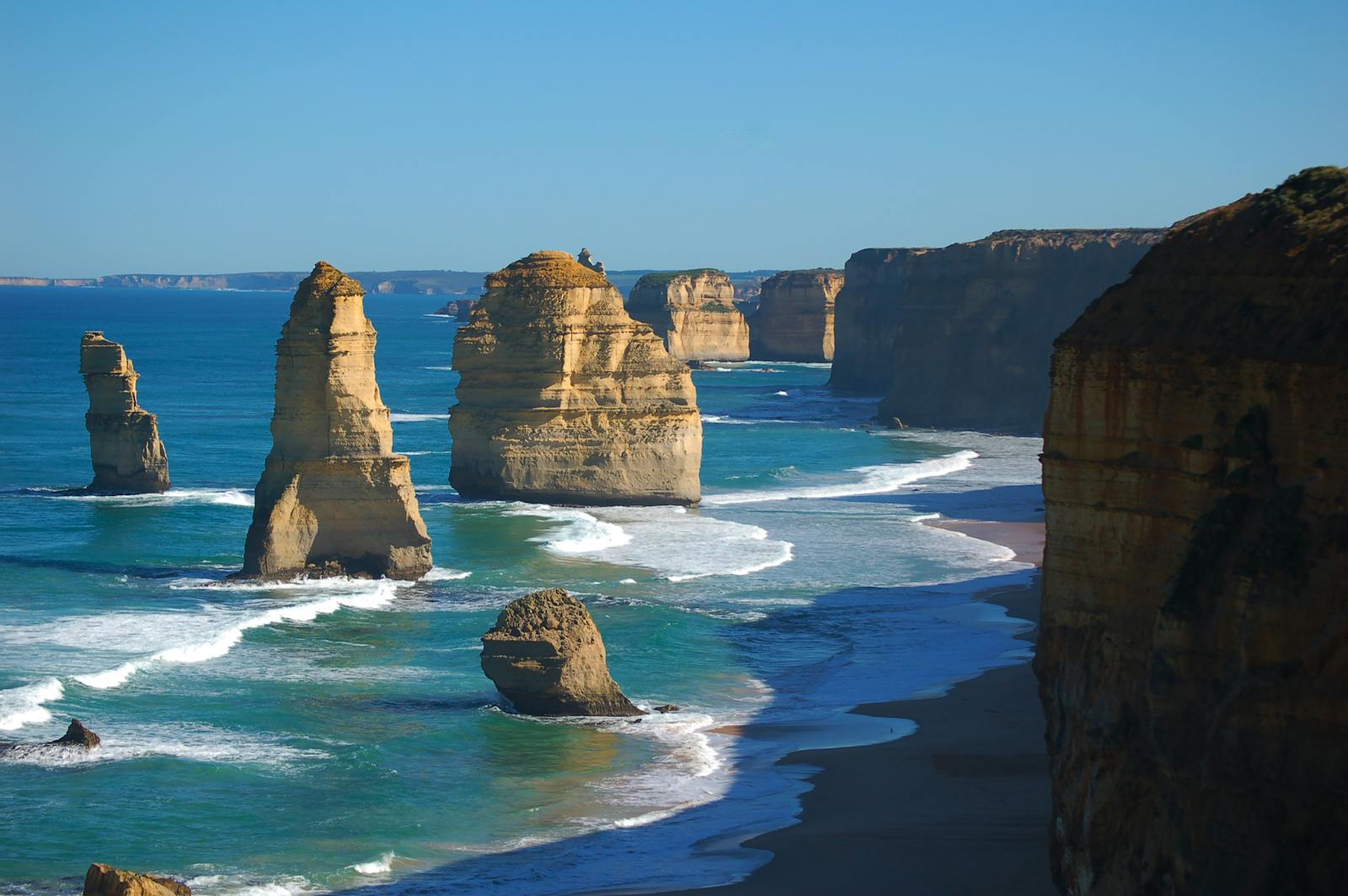
Day 3: Port Campbell to Melbourne via Warrnambool (the long drive home)
| Time | Stop | Notes |
|---|---|---|
| Sunrise (optional) | Twelve Apostles | Almost empty; bring a jacket |
| 09:00 | The Arch and London Arch | 30 minutes |
| 09:45 | The Grotto | 20 minutes, down the steps |
| 10:15 | Bay of Martyrs and Bay of Islands | 45 minutes; quieter and just as dramatic |
| 11:30 | Warrnambool | Flagstaff Hill Maritime Village, or Logans Beach whale platform from June to September |
| 13:00 | Lunch in Warrnambool | |
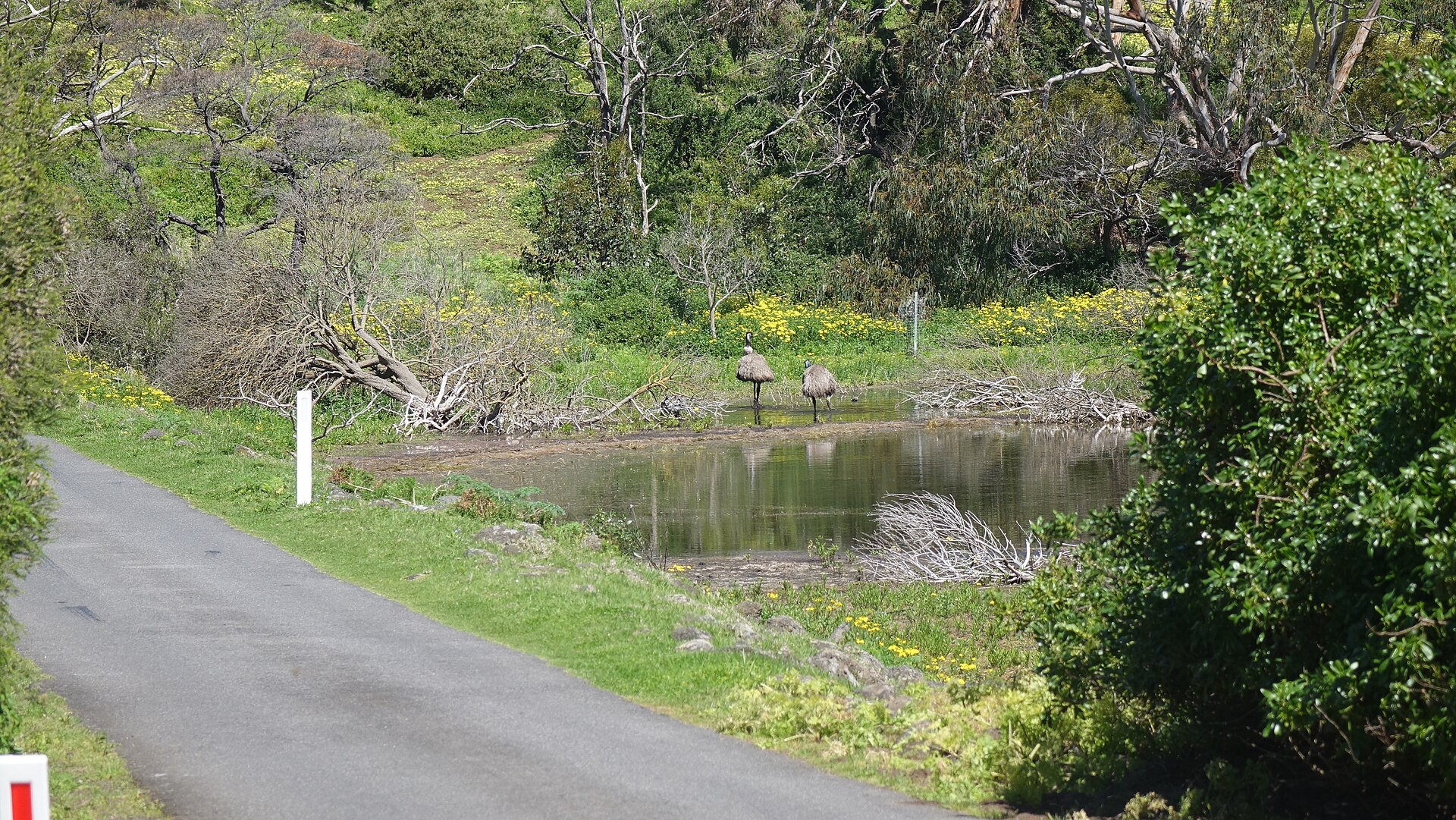
| 14:00 | Tower Hill Wildlife Reserve | Emus, koalas, kangaroos; 1 hour |
| 15:00 | Leave for Melbourne via the Princes Highway | About 3 hours |
| 18:00 | Back in Melbourne |
What makes this plan work: no day has more than about four hours of driving, you see the Twelve Apostles at their best, and you finish with the underrated western end that day-trippers never reach. If you only have two nights but want the sunset, drop Warrnambool and drive home from Port Campbell after the Bay of Islands.
What the three-day plan actually feels like
The first day is the one people remember for the road itself. The traffic thins out after Torquay, and by the time you pass under the Memorial Arch the car has gone quiet because everyone is looking out of the left-hand windows. Lunch in Lorne runs long, which is fine, because nothing needs to happen until evening. Kennett River in the late afternoon is a good place to look for wild koalas, and the last half-hour into Apollo Bay, with the light going gold on the water, is as good as the drive gets.
Day two changes gear. The Otways are cool and green and smell of wet earth even in summer, and a short walk at Maits Rest resets everyone after a day in the car. The drive through Lavers Hill feels long and slightly lost — it’s the least scenic hour of the trip, and it’s worth knowing that in advance. Then the road drops to the coast near Princetown and the landscape turns to open heath and cliff edge, and suddenly you’re at Loch Ard Gorge with an afternoon still in hand. Sunset at the Twelve Apostles, after the coaches have left, is the moment the whole plan exists for.
Day three is the gentle wind-down. The western landmarks are less crowded and often more interesting, Warrnambool feels like a real town rather than a tourist stop, and Tower Hill sends you home having seen emus wandering past the car. Three hours on the highway later, you’re back in the city before dinner, rather than stumbling in at midnight.
Five-Day Great Ocean Road Itinerary
Route: Melbourne → Lorne (night 1) → Apollo Bay or Cape Otway (night 2) → Otways → Port Campbell (night 3) → Warrnambool → Port Fairy (night 4) → Melbourne or the Grampians.
Best for: families, walkers, photographers and anyone who’d rather sit in a café than a car.
Day 1: Melbourne to Lorne
Leave mid-morning. Spend a proper couple of hours in Torquay — the beach, the surf museum, the outlet shops if you need warm layers. Walk a section of the Surf Coast Walk between Bells Beach and Point Addis, or around the clifftops at Aireys Inlet under Split Point Lighthouse. Arrive in Lorne by late afternoon, swim if it’s warm, and eat on Mountjoy Parade.
Driving: about 2 hours.
Day 2: Lorne to Apollo Bay or Cape Otway
Start with Erskine Falls before the car park fills, then Teddy’s Lookout. Drive the coast slowly, stopping at Cumberland River, Wye River and Kennett River for koalas. Lunch in Apollo Bay, then walk up to Mariners Lookout or take a short section of the Great Ocean Walk from Marengo. For a night that feels truly remote, stay in the forest or on the Cape Otway coast rather than in town.
Driving: about 45 minutes from Lorne to Apollo Bay before stops; Cape Otway adds more.
Day 3: The Otways to Port Campbell
This is the day most itineraries skip. Visit Maits Rest early, then head inland on the Beech Forest roads to Hopetoun Falls, Beauchamp Falls or Triplet Falls, and the grove of Californian redwoods by the Aire River. Add the Otway Fly if you’re travelling with kids; check entry prices on its website when you book. Come down to the coast mid-afternoon and do Loch Ard Gorge and the Twelve Apostles at sunset.
Driving: slower than the map suggests, with much of it on narrow forest roads.
Day 4: Port Campbell to Port Fairy
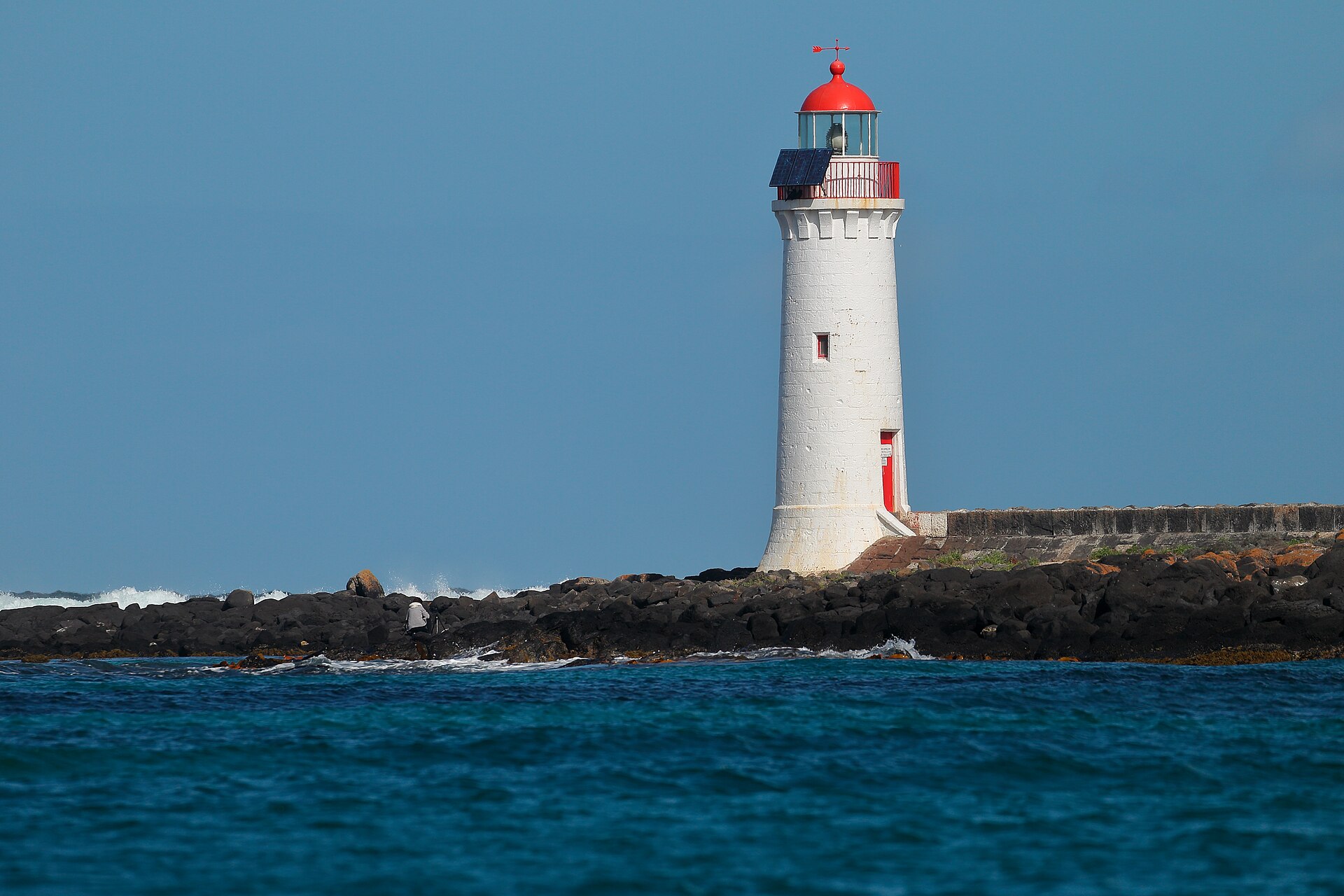
Optional sunrise at the Apostles. Then work west: London Arch, The Grotto, the Bay of Martyrs and the Bay of Islands. Lunch in Warrnambool and visit Flagstaff Hill, or the whale platform at Logans Beach in season. Spend a late afternoon at Tower Hill, then drive the last half-hour to Port Fairy. Walk around Griffiths Island to the lighthouse at dusk, when shearwaters return to their burrows in spring and summer.
Driving: an easy day on the road, with time for stops.
Day 5: Port Fairy to Melbourne — or on to the Grampians
The direct drive back to Melbourne is a half-day run via Warrnambool and the Princes Highway. Break it at Camperdown or Colac, or detour to Lake Purrumbete for lunch. Alternatively, extend the trip: Halls Gap is within a morning’s drive north of Port Fairy, and our Grampians guide can take it from there, making a week-long loop home via Ballarat.
Itinerary Variations
With young kids
- Use the five-day plan, but cut the Otway waterfalls to one and add a beach afternoon in Lorne or Apollo Bay.
- Prioritise wildlife: Kennett River koalas, Anglesea kangaroos, Tower Hill emus.
- The Otway Fly and the Flagstaff Hill sound-and-light show (check current schedule) are the two biggest hits with children.
- Keep driving legs under 90 minutes where possible and plan toilet stops in towns; many lookouts have no facilities.
For more ideas, see our family day trips from Melbourne.
Without a car (V/Line, 4 days)
Build this around the coach timetable. The V/Line coach from Geelong to Apollo Bay (via Torquay, Anglesea, Aireys Inlet and Lorne) runs daily; the onward coach from Apollo Bay to Warrnambool via the Twelve Apostles runs only on Mondays, Wednesdays and Fridays. A new timetable started in late August 2026, so check the current version on the V/Line site before booking accommodation.
| Day | Plan |
|---|---|
| Day 1 (Friday) | Train Southern Cross → Geelong; coach to Lorne. Afternoon on the beach and the pier |
| Day 2 (Saturday) | Lorne. Teddy’s Lookout on foot, Erskine Falls by taxi or with a local tour, a swim |
| Day 3 (Sunday) | Coach to Apollo Bay; afternoon at Mariners Lookout and a short Great Ocean Walk section from Marengo |
| Day 4 (Monday) | Coach to Warrnambool via the Twelve Apostles, Loch Ard Gorge and London Arch; evening V/Line train back to Southern Cross (or stay the night in Warrnambool) |
The limitation is obvious: the coach stops only briefly at the cliffs, and you won’t see the Twelve Apostles at sunset. Our Melbourne public transport guide covers how V/Line tickets work.
In winter (June to August)
- Don’t attempt a one-day trip; the Otways in the dark in rain aren’t fun.
- Use the three-day plan, but reach Port Campbell by about 16:00 — sunset is around 17:15.
- Waterfalls are at their best, and southern right whales calve at Logans Beach in Warrnambool.
- Pack properly waterproof clothing; our Melbourne in winter guide covers what to expect.
For walkers
Swap day two of the five-day plan for a full day on the Great Ocean Walk. The roughly 100 km trail from Apollo Bay to the Twelve Apostles is usually walked over eight days; to walk a single section, you’ll need to arrange transport between its two trailheads. The section from Castle Cove to Johanna Beach and the final stretch into the Twelve Apostles are among the most rewarding single days. Hike-in campsites must be booked through Parks Victoria.
Reverse direction for photographers
Drive straight to Port Campbell on day one via the inland Princes Highway, shoot sunset at the Apostles, then sunrise the next morning, and work your way back east along the coast over two days. You’ll drive the twisty Lorne section on the last afternoon, so keep that day short.
Adjusting the Itinerary by Month
The same plan can feel completely different in January and July. These are the adjustments we’d make through the year.
| Months | Approx. sunset at Port Campbell | Adjustments |
|---|---|---|
| December–January | Around 20:45–21:00 | Book beds months ahead. Start early to beat traffic on the Surf Coast. Summer evenings make a sunset at the Apostles on a two-day trip realistic. Check fire danger ratings every morning. |
| February–March | Around 20:45 in early February, 19:25 by late March | The best balance of long days and fewer crowds once school returns. Autumn calm often starts in March. Avoid Labour Day weekend if you can. |
| April–May | Around 18:17 in early April, falling to 17:17 by late May, once daylight saving ends | Easter is very busy around Bells Beach and Lorne. After that, quiet, settled weather and good light for photographers. |
| June–August | Around 17:15 in June, about 18:06 by late August | Use the three-day plan, not the one-day. Aim to reach Port Campbell by 16:00. Whales at Warrnambool. Waterfalls at their best. Expect rain. |
| September–November | About 18:07–18:32 in September, then 19:36–20:36 once daylight saving starts on 4 October | Changeable, windy weather and green hills. Late whales in September. Spring school holidays and Melbourne Cup weekend fill accommodation. |
Self-Drive Itinerary vs a Tour Itinerary
Most day tours from Melbourne follow almost exactly the one-day itinerary above, sometimes in reverse. That’s worth knowing when you’re deciding between hiring a car and booking a seat. A tour removes the stress of driving on the left, the fatigue of the night drive home, and the navigation. You also get commentary and usually a guided walk in the Otways. What you give up is control: the stops are fixed, the time at each is short, and you’ll almost certainly be at the Twelve Apostles in the busy middle of the day.
Multi-day tours are a better compromise. Two- and three-day tours overnight on the coast, usually in Apollo Bay or Port Campbell, and they tend to include a sunset or sunrise at the cliffs. For solo travellers, or anyone who doesn’t drive, they’re the closest thing to the three-day itinerary without a car. For a group of three or four people who are comfortable driving, a hire car is almost always cheaper and more flexible.
Planning Checklist
A few weeks before
- Book accommodation for each overnight stop, especially in summer and on long weekends.
- Book a hire car with unlimited kilometres; check the insurance excess, as narrow roads and wildlife make scrapes more likely.
- If you’re using V/Line, check the current coach timetable and plan around the Monday, Wednesday and Friday service.
- Book your Twelve Apostles visit at twelveapostles.org.au (every visitor has needed a reservation since 16 October 2026), timed for the late afternoon on your Port Campbell day.
The day before
- Look up sunset at Port Campbell for your date and set the plan around it.
- Download offline maps; coverage drops out in the Otways.
- Check the forecast, VicTraffic for road closures and, in summer, the VicEmergency app for fire danger.
- Pack layers, a rain jacket, sturdy shoes for Gibson Steps and the Otway walks, and snacks for the Otway section.
On the road
- Refuel in Apollo Bay before heading west.
- Swap drivers every couple of hours.
- Use turnouts to let traffic pass, and never stop on the carriageway.
- Leave the Shipwreck Coast early enough to be off the Otway roads before dark, or drive home inland.
What the Trip Costs
The coastal sights from Loch Ard Gorge to the Bay of Islands are free, so most of an itinerary’s cost is car, fuel, food and beds. The paid extras are few:
| Item | Cost (checked September 2026) |
|---|---|
| Twelve Apostles, Loch Ard Gorge, London Arch, The Grotto, Bay of Islands | Loch Ard Gorge, London Arch, The Grotto and Bay of Islands are free. The Twelve Apostles need an advance booking through twelveapostles.org.au; entry to the new precinct is free until April 2027 |
| Maits Rest, Erskine Falls, Hopetoun Falls, Teddy’s Lookout, Memorial Arch | Free |
| Cape Otway Lightstation precinct (tower closed) | A$11 adult, A$5 child, A$28 family |
| Otway Fly Treetop Walk | Mid-A$20s adult; confirm when booking |
| Tower Hill Wildlife Reserve | Check Parks Victoria’s Tower Hill page before you go |
| Fuel for a three-day loop | Depends on your car and detours: work it out from your car’s consumption and the route on a map |
Accommodation is the biggest variable by far, and it swings dramatically between a midweek night in winter and a Saturday in January. Book early for the cheaper motels in Apollo Bay and Port Campbell.
Where to Eat on Each Day
Food on the Great Ocean Road is better than it used to be, but it’s unevenly spread, and the gaps catch people out. Plan meals around the towns rather than hoping something turns up.
- Torquay and Anglesea — plenty of cafés and bakeries along the main streets; the easiest place for a proper breakfast on day one.
- Aireys Inlet — a small cluster of cafés near the lighthouse turn-off and a pub; good for coffee, less so for a big lunch.
- Lorne — the best range on the road, from beachfront cafés to dinner restaurants on Mountjoy Parade and the pier. Book dinner in summer.
- Wye River — the general store and the pub on the hill, both with water views. A good lunch stop if Lorne is packed.
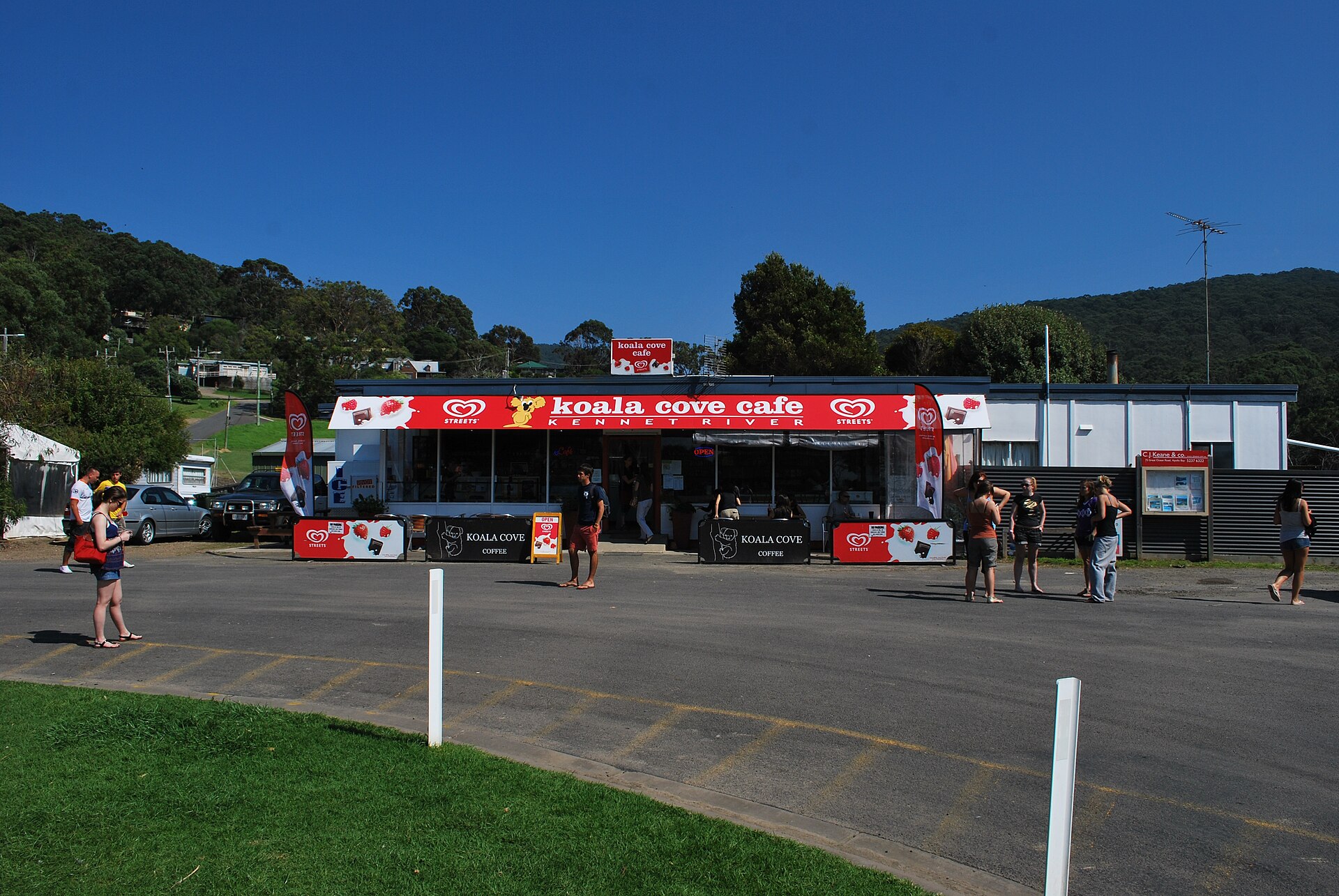
- Kennett River — a café and kiosk by the caravan park; fine for a coffee and ice cream while you look for koalas.
- Apollo Bay — fish and chips on the foreshore, pubs, a couple of good dinner options and a supermarket to stock up before the Otways.
- Lavers Hill and the Otways — very limited. Take a picnic from Apollo Bay.
- Port Campbell — a handful of cafés, a pub and a few restaurants, most closing early outside summer. Book dinner or plan around it.
- Warrnambool and Port Fairy — proper regional towns with plenty of choice, including some of the best dining on the whole trip in Port Fairy.
Outside the peak season, expect shorter hours west of Apollo Bay, and check a restaurant’s hours before you travel, especially on winter weeknights. If you plan to stay at the Twelve Apostles for sunset in summer, eat an early dinner in Port Campbell first, or bring food with you.
Common Itinerary Mistakes
- Driving back along the coast. Always return inland unless you have a specific reason not to.
- Staying in Torquay on night one. It’s too close to Melbourne to break the journey. Lorne or Apollo Bay is better.
- Arriving at the Twelve Apostles at midday. Plan the day around sunset (or sunrise).
- Trying to do everything in the Otways. One waterfall and one forest walk is plenty for most trips.
- Not refuelling in Apollo Bay. The next reliable fuel is Port Campbell or Princetown.
- Relying on mobile coverage. Signal drops out in the Otways; download offline maps.
- Stopping on the road for koalas. Pull fully off the road into a car park or turnout.
- Underestimating the weather. Even on a hot day in Melbourne, the Shipwreck Coast can be cold and wild. Check our packing list.
Fitting the Road Into a Longer Trip
The three-day itinerary fits neatly into a week in Victoria. Our seven-day Melbourne itinerary spends three days in the city first, then heads for the coast. With five days in total, use our five-day Melbourne itinerary and take the two-day version of the road. And if you have time for only one more trip beyond the coast, the Sovereign Hill day trip to Ballarat is an easy detour on the way home from Port Fairy or the Grampians.
Great Ocean Road Itinerary FAQ
How many days do you need for the Great Ocean Road?
Three days is ideal for most people: overnight in Apollo Bay and Port Campbell, and see the Twelve Apostles at sunset. Two days is a good minimum. One day works if you accept eight to nine hours in the car.
What is the best 3-day Great Ocean Road itinerary?
Day one: Melbourne to Apollo Bay via Torquay, Lorne and Kennett River. Day two: the Otways and Cape Otway, then Loch Ard Gorge and the Twelve Apostles at sunset, sleeping in Port Campbell. Day three: London Arch, the Bay of Islands, Warrnambool and Tower Hill, then back inland to Melbourne.
Should I drive the Great Ocean Road clockwise or anticlockwise?
From Melbourne, drive west along the coast first and return inland. It puts the Shipwreck Coast in the afternoon light and saves the quick, straight roads for the drive home.
Where should I stay overnight on the Great Ocean Road?
Apollo Bay for the first night and Port Campbell for the second. Lorne is a prettier (and pricier) alternative for night one, and Port Fairy is the best choice for a final night on a longer trip.
Can you do the Great Ocean Road and the Grampians together?
Yes. From Port Fairy or Warrnambool, Halls Gap is a straightforward drive north. Five to seven days lets you drive the coast, spend two nights in the Grampians and return via Ballarat.
Is the Great Ocean Road worth doing in one day?
It’s worth it if it’s your only chance, but you’ll spend most of the day driving. If you can add even one night, the trip improves enormously.
When is the best time for the Twelve Apostles on an itinerary?
The last hour before sunset, or at sunrise. Both avoid the midday tour crowds and give the best light on the limestone.
Every plan above depends on getting the overnight stops right, and on this coast the good rooms go early. Our guide to Great Ocean Road accommodation goes town by town — Lorne, Apollo Bay, Cape Otway, Port Campbell and Port Fairy — with named places to stay, honest trade-offs and how far ahead to book.
If your overnight stop is Port Campbell, give it an evening and a morning. Our Port Campbell and Loch Ard Gorge guide has a 24-hour plan, the walks worth doing and the lookouts to the west towards Warrnambool.
Related Melbourne Guides
- Great Ocean Road: The Complete Travel Guide
- Great Ocean Road Day Trip from Melbourne
- The Grampians from Melbourne
- Melbourne Itinerary: 7 Days
- Driving in Melbourne as a Tourist
- Best Day Trips from Melbourne
Photo Credits
Bay of Islands near Peterborough: Bay of Islands 2 Victoria by Cookaa, CC BY-SA 3.0, via Wikimedia Commons.
Emus at Tower Hill: Emus crossing Tower Hill Lake by Neb, CC BY-SA 4.0, via Wikimedia Commons.
Griffiths Island Lighthouse, Port Fairy: Griffiths Island Lighthouse (25702396250) by Ed Dunens, CC BY 2.0, via Wikimedia Commons.
Koala Cove Cafe, Kennett River: Kennett River Koala Cove Cafe by Mattinbgn, CC BY-SA 3.0, via Wikimedia Commons.