Torquay & Bells Beach: The Surf Coast Guide
- Words
- Melbourne Tourism Guide
- Updated
- October 10, 2026
- Read
- 14 min
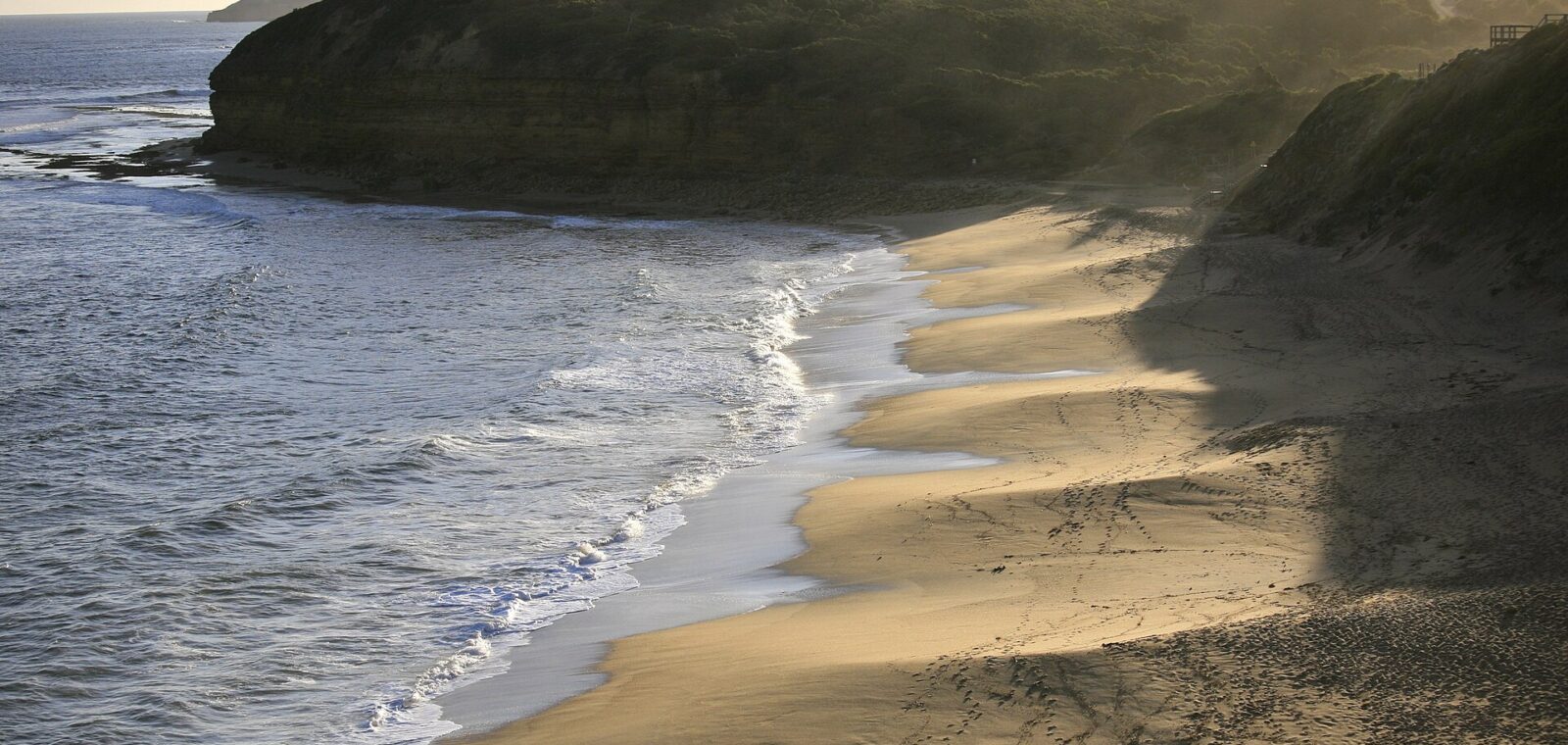
A gravel car park, a staircase and one of the world's great waves — plus the surf town that grew up beside it.
This article contains advertising. Our booking links are routed through a partner that adds commission tracking automatically, so if you book through one we earn a commission from the provider, at no extra cost to you. It never affects what we recommend. Affiliate disclosure
On a big autumn swell, you can hear Bells before you see it. The car park at the top of the headland fills with surfers pulling on wetsuits in the wind, someone’s dog barks at the gulls, and below the timber staircase long, clean lines wrap around the reef and peel right, one after another, the way they have in a thousand surf magazine photos. It’s a strangely humble place for somewhere so famous: a gravel car park, a lookout, a set of steps and the Southern Ocean.
People often search Bells Beach Torquay as if they’re one place, and in a sense they are. Torquay is the town where Australian surf culture found its commercial home, and Bells Beach, ten minutes down the road, is the break that made the whole region famous. This guide covers both, along with Jan Juc, Point Danger and the Surf Coast Walk: the beaches, surfing and surf lessons, the surf museum, food, where to stay and how to get there. Prices were checked in September 2026; treat them as a guide and confirm before you go. For the rest of the road, see our complete Great Ocean Road guide.
Torquay and Bells Beach at a Glance
| Question | Answer |
|---|---|
| Where? | The start of the Great Ocean Road, about 100 km south-west of Melbourne and 20 minutes from Geelong |
| Drive from Melbourne | About 1 hour 15 minutes |
| Torquay to Bells Beach | About 7 km, 10 minutes |
| Public transport | V/Line train to Geelong, then the V/Line coach to Torquay |
| Best known for | Bells Beach and the Rip Curl Pro, surf brands and outlet shopping, the Australian National Surfing Museum, family beaches |
| Best for swimming | Torquay Front Beach and patrolled surf beaches in summer. Not Bells |
| Best for surfing | Bells and Winkipop for experienced surfers; Torquay and Jan Juc for learners with a lesson |
| Traditional Owners | Wadawurrung people |
Bells Beach
Why it’s famous
Bells Beach is one of the world’s great right-hand reef breaks. When a strong swell arrives from the Southern Ocean and the wind blows offshore, waves wrap around the headland and break in long, powerful walls over the reef. It’s not a gentle wave, and it’s not a place to learn.
Bells is also the home of the Rip Curl Pro Bells Beach, the longest-running event in professional surfing. It grew out of a local Easter surfing contest first held in the early 1960s, and winners still ring the famous Bells trophy, a large bell, above their heads on the podium. In 2026 the event ran from 1 to 11 April as the opening stop of the World Surf League Championship Tour. Dates for 2027 hadn’t been announced when we checked; historically, the contest runs around Easter, and the town fills up.
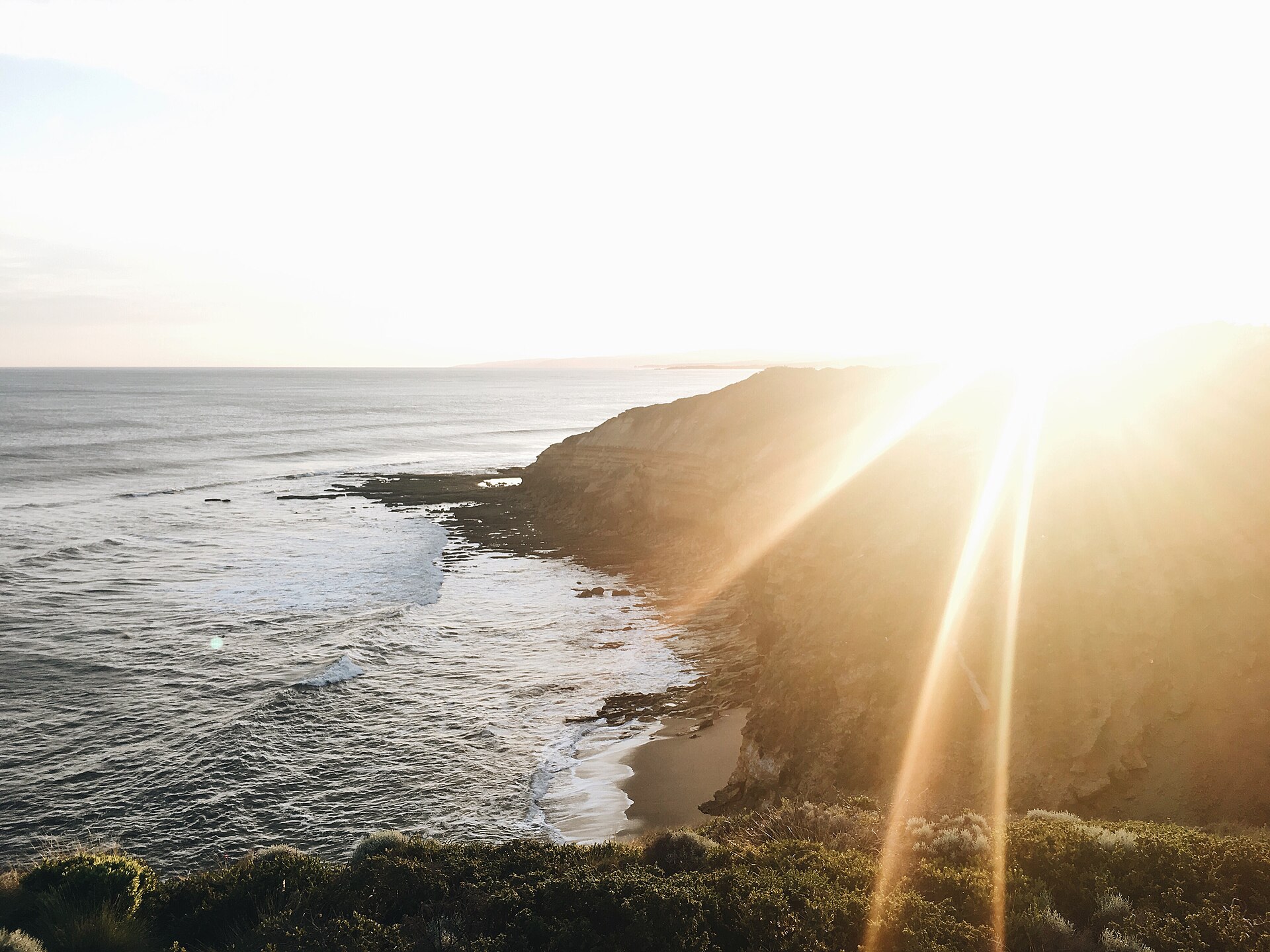
In 1973, Bells Beach became Australia’s first declared surfing recreation reserve, protecting the break and the surrounding coast. The surrounding clifftops and bushland are part of the reserve, and the whole area is Wadawurrung Country.
Visiting Bells Beach
You don’t need to surf to enjoy Bells. From the car park on Bells Boulevard, a short walk takes you to the lookout platforms on the clifftop, where you can watch the surfers from above. A timber staircase leads down to the sand. Next door, Winkipop, another high-quality right-hander, often works when Bells doesn’t, and the lookout between them gives views of both.
A few honest notes:
- Don’t swim at Bells. It isn’t patrolled, the rips are strong, and the waves are powerful. Walk on the sand and watch from the shore instead.
- It’s not always spectacular. On a flat, onshore day it’s a pleasant, windy beach with a car park. Check a surf forecast if you want to see waves.
- The best time to visit is early morning or late afternoon on a day with a decent swell, when the light is good and surfers are out.
- During the Rip Curl Pro, access, parking and viewing arrangements change. Check the event’s information before you go.
Surfing Bells
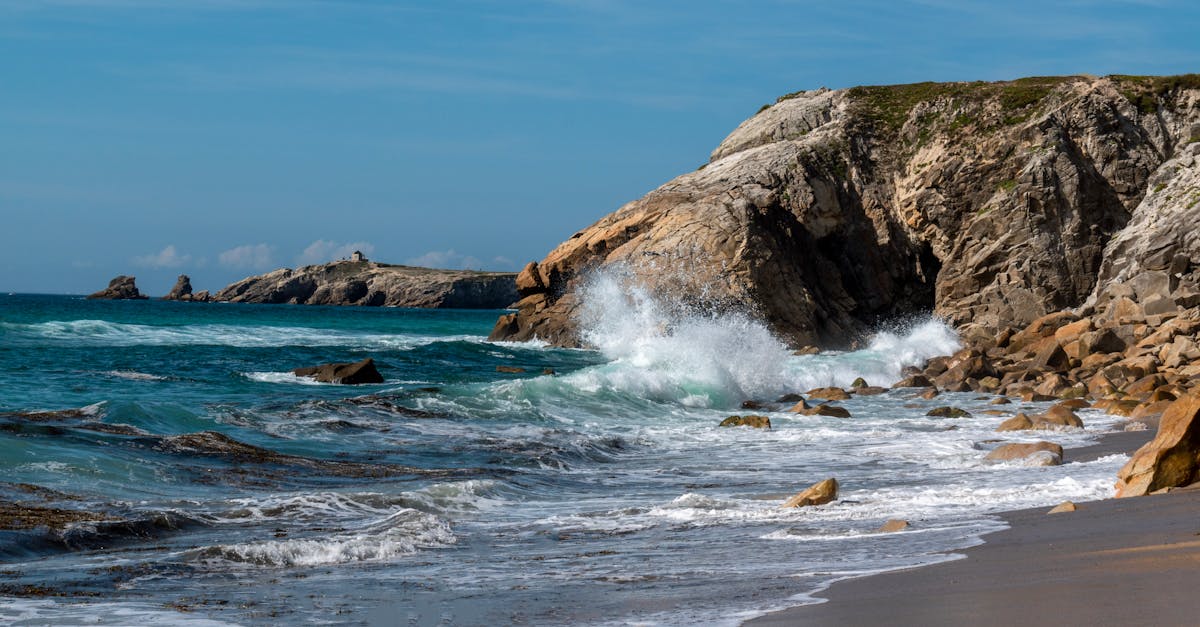
Bells and Winkipop are for experienced surfers only. They break over reef, get crowded with skilled locals, and can be very big and very cold. The season for the best waves is autumn and winter, when groundswells arrive from the south-west. If you’re an intermediate surfer visiting Torquay, you’ll have a better time at one of the beach breaks nearby, and a better reception from locals too.
Torquay
Torquay is where the Great Ocean Road officially begins, and it has grown from a small seaside village into one of the fastest-growing towns in Victoria. It’s a laid-back, sunny surf town with a long foreshore, family beaches, cafés, a large holiday park and, on the highway into town, the outlet shops and headquarters of the surf industry.
Torquay’s surf history
Two of the world’s biggest surf brands started here around the end of the 1960s. Rip Curl began making wetsuits and boards in Torquay, and Quiksilver started producing boardshorts nearby in the same era. What began as small operations run by local surfers grew into global businesses, and Torquay became the commercial capital of Australian surfing. You’ll see that history everywhere, from the shops on the Surf Coast Highway to the surf museum.
Australian National Surfing Museum
Inside the Surf City precinct at 77 Beach Road, the Australian National Surfing Museum tells the story of surfing in Australia, from early board-riders to world champions. It has collections of boards, wetsuits, photographs and memorabilia, including displays about Bells Beach and the Rip Curl Pro. It’s open daily from 09:00 to 17:00 (closed on Christmas Day), and admission was listed at A$12 for adults, A$8 for concessions and A$25 for a family when we checked. It’s small, and an hour is plenty, but it’s genuinely interesting even if you’ve never been in the water — and a good wet-weather option.
Outlet shopping
The Surf City precinct and the stretch of Surf Coast Highway into town are lined with surf brand shops and outlets, including Rip Curl and Quiksilver. It’s the best place in Victoria to buy a wetsuit, and prices on last season’s stock can be good. If you’re heading further along the Great Ocean Road, this is also the place to buy a warm jacket before the weather turns. For more outlet shopping closer to Melbourne, see our guide to DFO outlets in Melbourne.
Torquay’s Beaches
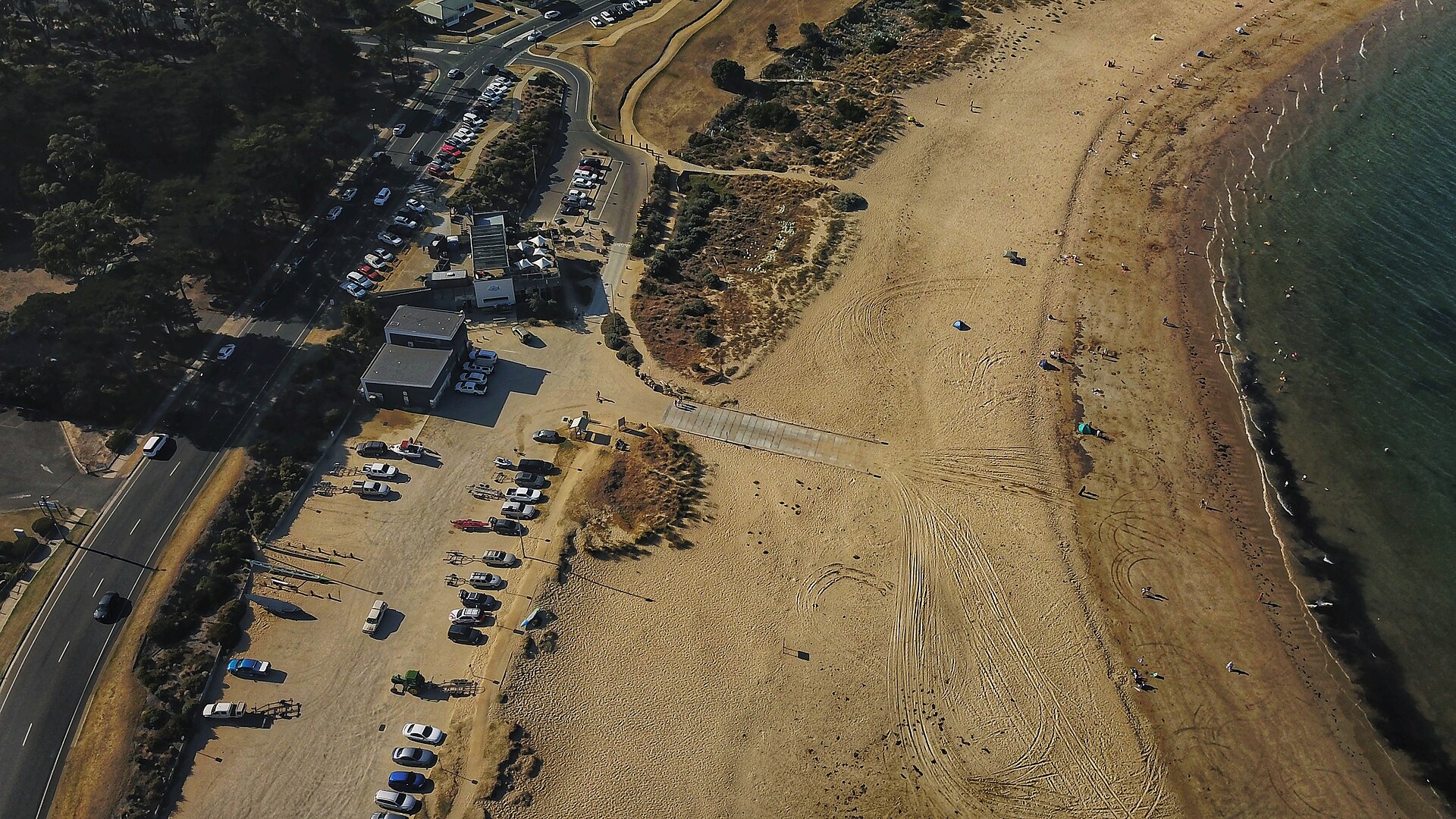
Torquay has something for every kind of beachgoer, from toddlers to experienced surfers.
| Beach | What it’s like | Best for |
|---|---|---|
| Front Beach (Zeally Bay) | Sheltered, gentle and shallow, with a long foreshore of lawns and trees | Families, young children, swimming |
| Fishermans Beach | Calm beach with the boat ramp and a café | Families, paddling, boating |
| Torquay Surf Beach (Back Beach) | Open surf beach, patrolled in summer | Surf lessons, bodyboarding, swimming between the flags |
| Point Danger | Headland with rock platforms and a marine sanctuary | Rock pooling, views, a walk |
| Jan Juc | Surf beach below cliffs, patrolled in summer | Surfing, surf lessons, swimming between the flags |
| Bells Beach | Famous reef break, not patrolled | Watching surfers — not swimming |
In summer, the main surf beaches are patrolled by local surf life saving clubs; always swim between the red and yellow flags, and remember that conditions on open beaches along this coast can change quickly. For more beach options, see our guide to the best beaches in and around Melbourne.
Point Danger Marine Sanctuary
At the southern end of Torquay’s main beaches, the headland at Point Danger is protected as a marine sanctuary. At low tide, the rock platforms reveal pools full of crabs, sea stars, anemones and seaweed, and it’s one of the best rock-pooling spots on the Surf Coast. Look but don’t take anything; collecting is prohibited in the sanctuary. The clifftop above has good views back along Torquay’s beaches and out towards Bells.
Learning to Surf
Torquay and nearby Anglesea are among the most popular places in Victoria to learn to surf. Several licensed surf schools run group and private lessons on the beach breaks, including Torquay Surf Beach and Jan Juc, with soft boards and wetsuits provided. Lessons usually last about two hours, and operators choose the beach each day depending on conditions, which is the main reason to take a lesson rather than hiring a board on your own. Summer and school holidays book out, so reserve a spot ahead. Surf lessons are a great way to spend a morning with teenagers, and many schools take children from about eight years old.
A few tips for first-timers:
- The water is cold year-round by most visitors’ standards; a full wetsuit is standard even in summer.
- Learn at a beach break with a school, never at Bells, Winkipop or other reef breaks.
- Respect surf etiquette: don’t drop in on other surfers, and stay out of the way of experienced riders.
- Wear sunscreen, including on your face and the backs of your hands, even on cloudy days.
For other ways to get active near the city, see our guide to outdoor activities in Melbourne.
The Surf Coast Walk
The Surf Coast Walk follows the coast for about 44 km from Torquay to Fairhaven near Aireys Inlet, divided into 12 sections of roughly 2 to 3 km each. You can walk the whole thing over two or three days, but most visitors pick one or two sections as a morning walk.
The best short sections
- Point Danger to Bird Rock — clifftop walking from Torquay to the lookout above Jan Juc, with views over the surf.
- Bird Rock to Bells Beach — past Jan Juc’s cliffs to the famous break. Combine it with the previous section for a half-day walk from Torquay to Bells.
- Bells Beach to Point Addis — wilder coastline, clifftop heath and the long sweep of Point Addis beach. One of the most beautiful stretches of the walk.
- Sunnymead to Aireys Lighthouse — ends at Split Point Lighthouse, with views along the coast towards Lorne.
Much of the walk follows clifftops and beaches, and some beach sections are only passable at low tide, so check tide times before you set out. There’s little shade, so bring water, a hat and sunscreen. For more walks near the city, see our guide to the best walking trails in Melbourne.
Point Addis
Between Bells and Anglesea, Point Addis is a dramatic headland above a long, wild beach, protected as part of the Point Addis Marine National Park. The lookout at the car park has one of the best views on the Surf Coast. Nearby, a walking track through the Ironbark Basin includes interpretive signs about Wadawurrung culture and the traditional use of plants and land, and it’s worth an hour.
Beyond Torquay: Along the Surf Coast
- Anglesea (15 minutes) — family beach town on a river mouth, and the Anglesea golf course, where eastern grey kangaroos graze on the fairways, especially in the late afternoon.
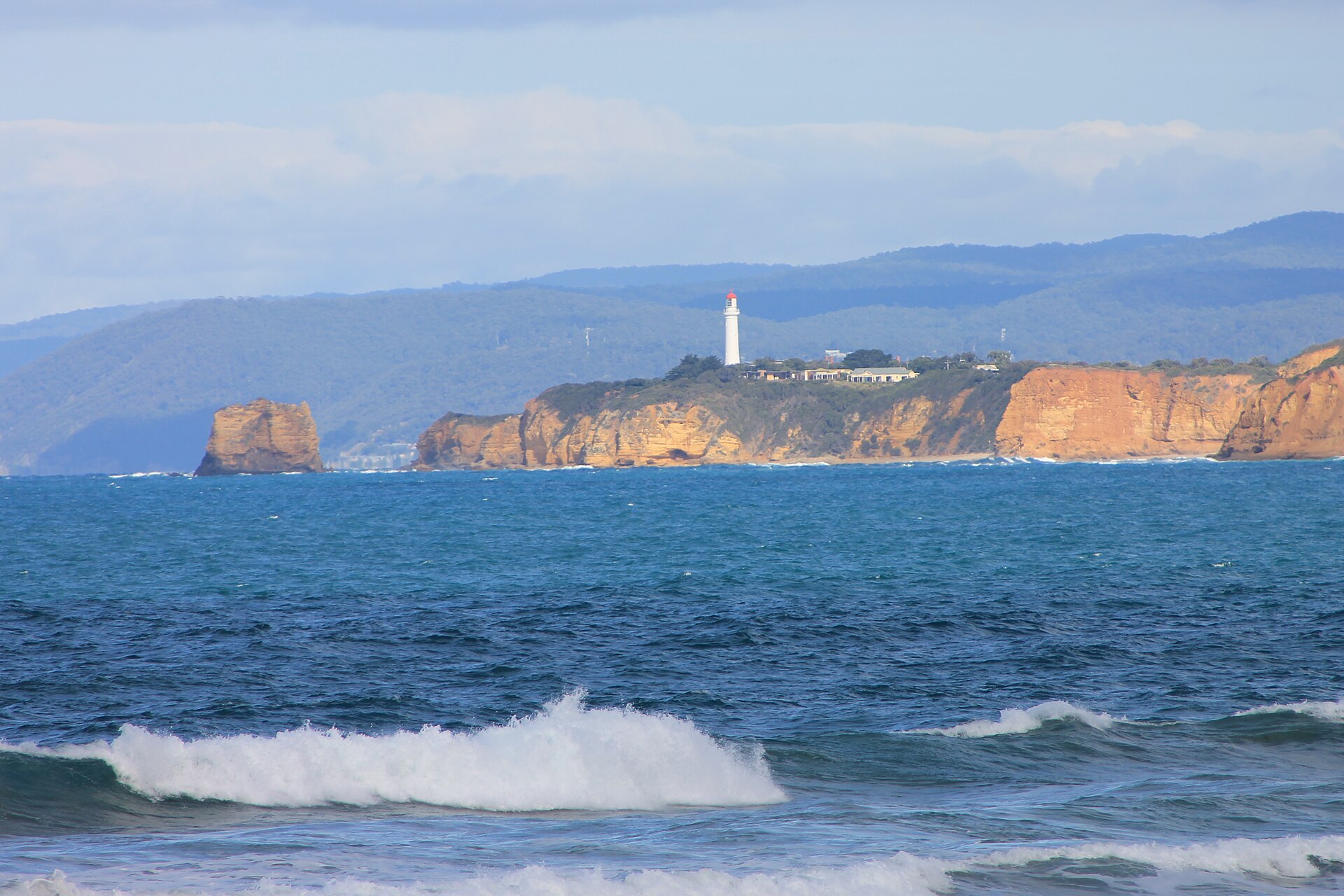
- Aireys Inlet (25 minutes) — Split Point Lighthouse and its clifftop walks.
- Memorial Arch, Eastern View (30 minutes) — the timber arch that marks the Great Ocean Road as a war memorial.
- Bellbrae (10 minutes inland) — small cellar doors, farm-gate producers and the Great Ocean Road Chocolaterie & Ice Creamery.
- Lorne (50 minutes) — the prettiest town on the Great Ocean Road; see our Lorne guide.
Where to Eat
Torquay’s food scene has grown alongside the town. Most options cluster in three places: the main shopping streets around Gilbert Street, the foreshore along The Esplanade, and the Surf City precinct.
- Cafés — plenty of good coffee and brunch spots, busiest on weekend mornings.
- Beachfront dining — a café and restaurant at Fishermans Beach and a handful of places along The Esplanade with water views.
- Pubs — for a casual meal and a beer after a surf.
- Fish and chips — best eaten on the foreshore lawns at Front Beach.
- Bellbrae and the hinterland — cellar doors and farm-gate producers a short drive inland.
Torquay is busy on summer weekends, so book dinner in advance.
Where to Stay
Torquay has the largest range of accommodation on the Surf Coast. Options include the RACV Torquay Resort, set on a golf course with ocean views, an indoor pool and a day spa; the large foreshore caravan park, with cabins and campsites a short walk from the beach; motels and apartments around town; and many holiday houses in Torquay and Jan Juc. Aireys Inlet and Anglesea offer quieter alternatives.
An honest note: if you’re driving the Great Ocean Road, Torquay is too close to Melbourne to be a good first overnight stop — you’ll leave nearly all the driving for the next day. It’s a great place for a Surf Coast weekend, though. Our guide to Great Ocean Road accommodation compares Torquay with the towns further along.
Getting to Torquay and Bells Beach
By car
From Melbourne, take the West Gate Freeway and the Princes Freeway (M1) to Geelong, then follow the Surf Coast Highway to Torquay. It’s about 100 km and takes around 1 hour 15 minutes, depending on traffic. Bells Beach is about 10 minutes from the centre of Torquay via Bells Boulevard. On summer and holiday weekends, leave early to avoid traffic around Geelong. If you’re new to driving in Australia, read our guide to driving in Melbourne as a tourist.
By public transport
Take the V/Line train from Southern Cross Station to Geelong, then the V/Line coach, which runs daily along the Great Ocean Road through Torquay. There’s no regular public transport to Bells Beach itself; you’ll need to walk (about an hour and a half each way along the Surf Coast Walk from Torquay), cycle, or take a taxi. Check the current V/Line timetable, as a new coach timetable started in late August 2026. Our Melbourne public transport guide explains V/Line tickets.
On a tour
Many Great Ocean Road day tours from Melbourne stop briefly at Bells Beach or Torquay on the way to the Twelve Apostles. See our Great Ocean Road tours comparison.
When to Visit
- Summer (December–February) — warm days, patrolled beaches, surf lessons and a lively town. Accommodation and the foreshore get busy, especially in January.
- Autumn (March–May) — the best waves start to arrive, the weather is often settled, and the Rip Curl Pro usually runs around Easter.
- Winter (June–August) — cold, with powerful swells at Bells; great for watching experienced surfers, less so for beach days.
- Spring (September–November) — changeable weather, wildflowers along the Surf Coast Walk, and fewer crowds.
For a wider view of the seasons, see our guide to the best time to visit Melbourne.
A Perfect Day on the Surf Coast
- 08:00 — Coffee on Gilbert Street, then a morning surf lesson at Torquay Surf Beach or Jan Juc.
- 11:00 — Warm up with a browse through the surf shops and an hour at the Australian National Surfing Museum.
- 12:30 — Lunch by the water at Fishermans Beach or fish and chips on the Front Beach foreshore.
- 14:00 — Walk the Surf Coast Walk from Point Danger past Bird Rock to Bells Beach, and watch the surfers from the lookout.
- 16:30 — Drive to Point Addis for the view, then on to Anglesea golf course to see the kangaroos.
- 18:00 — Sunset at Split Point Lighthouse in Aireys Inlet, then dinner before heading back to Melbourne or on to Lorne.
Is It Worth Visiting?
Torquay and Bells Beach are worth a stop for almost everyone driving the Great Ocean Road, and worth a whole weekend if you surf, have kids, or want a beach break close to Melbourne. The honest caveat is that Torquay itself isn’t the most beautiful town on the coast — it’s more suburban than Lorne or Apollo Bay, and parts of the highway into town are strip malls and outlets. The coastline is the attraction.
If you’re passing through on a Great Ocean Road trip, give it an hour: the lookout at Bells, a quick walk at Point Danger or Jan Juc, and a coffee. If you have a day, take a surf lesson in the morning, walk from Torquay to Bells along the Surf Coast Walk in the afternoon, and finish with fish and chips on the foreshore.
Torquay and Bells Beach FAQ
How far is Bells Beach from Torquay?
About 7 km, or roughly 10 minutes by car. You can also walk there along the Surf Coast Walk in about an hour and a half.
Can you swim at Bells Beach?
It isn’t recommended. Bells Beach isn’t patrolled, and the powerful waves and rips make it dangerous for swimmers. Swim at patrolled beaches such as Torquay Surf Beach or Jan Juc in summer, or at the sheltered Front Beach.
When is the Rip Curl Pro at Bells Beach?
The event usually runs in April around Easter. In 2026 it was held from 1 to 11 April. Dates for 2027 hadn’t been announced in September 2026.
Is Torquay good for beginner surfers?
Yes, with a lesson. Surf schools run lessons at Torquay Surf Beach, Jan Juc and nearby Anglesea, choosing the safest beach each day. Beginners should avoid Bells and Winkipop.
How far is Torquay from Melbourne?
About 100 km, or roughly 1 hour 15 minutes by car.
What is Torquay known for?
Surfing. It’s the start of the Great Ocean Road, the birthplace of Rip Curl and Quiksilver, home to the Australian National Surfing Museum, and minutes from Bells Beach.
Is the surf museum worth visiting?
Yes, for an hour, especially if you’re interested in surf culture or the weather is poor. Adult entry was listed at A$12 in 2026.
Related Melbourne Guides
- Great Ocean Road: The Complete Travel Guide
- Lorne Guide
- Great Ocean Road Itinerary: 1, 2, 3 & 5 Days
- Where to Stay on the Great Ocean Road
- Best Beaches in Melbourne
- Great Ocean Road Day Trip from Melbourne
Photo Credits
Bells Beach from the clifftop: Bells Beach, Victoria Australia (6758794277) by Alex Proimos from Sydney, Australia, CC BY 2.0, via Wikimedia Commons.
Sunset over the Bells Beach headland: Bells Beach, Australia (Unsplash) by Samantha Lynch, CC0, via Wikimedia Commons.
Fishermans Beach, Torquay: Aerial perspective of Fishermans’ Beach at Torquay. March 2019 by Bob Tan, CC BY-SA 4.0, via Wikimedia Commons.