Melbourne International Film Festival (MIFF) Visitor Guide
- Words
- Melbourne Tourism Guide
- Updated
- July 25, 2026
- Read
- 11 min
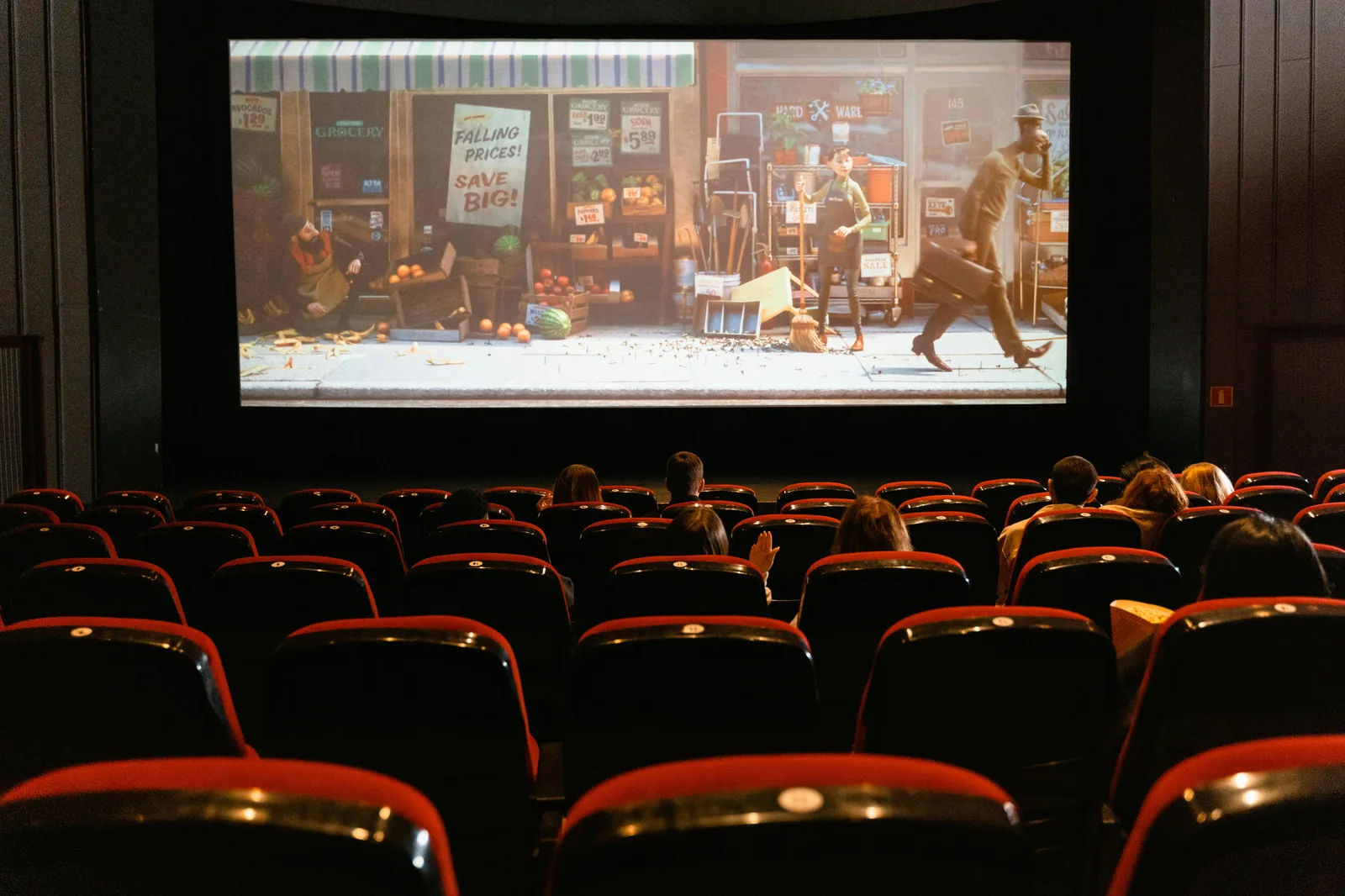
Your guide to MIFF, the Melbourne International Film Festival — 2026 dates, venues, how passes and tickets work, what's on and tips for a winter film trip.
This article contains advertising. Our booking links are routed through a partner that adds commission tracking automatically, so if you book through one we earn a commission from the provider, at no extra cost to you. It never affects what we recommend. Affiliate disclosure
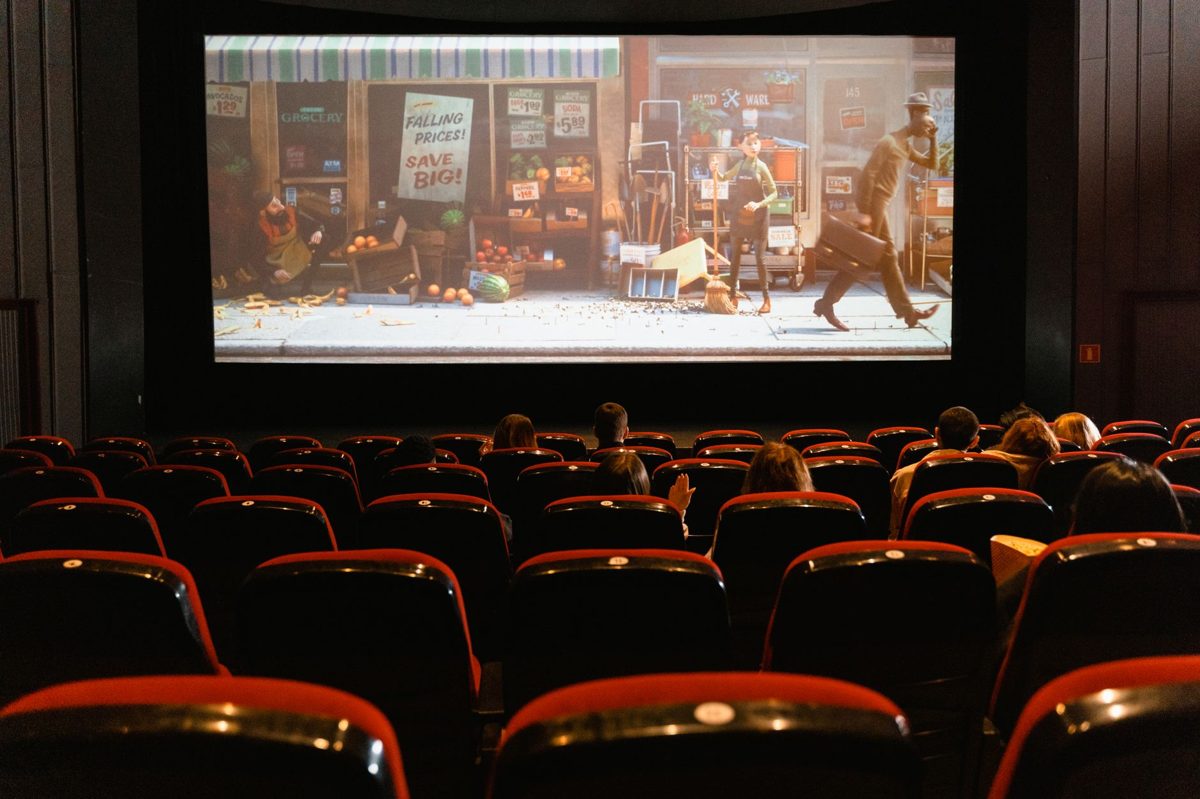
There’s a particular kind of magic to watching a film in a packed Melbourne cinema in the depths of winter — the city cold and dark outside, the room hushed and warm, a story unfolding on screen that you’ll be arguing about over a drink an hour later. For nearly three weeks each August, the Melbourne International Film Festival turns the whole city into exactly that experience, hundreds of times over. MIFF is one of the oldest and most important film festivals in the world, and it’s a cinephile’s dream — but it’s also just a brilliant excuse to spend a Melbourne winter in the dark watching extraordinary films. Here’s how to do it. It’s a cultural highlight on our Melbourne events and festivals calendar.
What is the Melbourne International Film Festival?
The Melbourne International Film Festival (MIFF) is one of the world’s longest-running film festivals, first held in 1952. Each year it presents a vast program — recently more than 275 features, shorts, documentaries and immersive works — drawn from across the globe, including Australian premieres, festival-circuit award contenders, restored classics and bold new voices. The 2026 edition is the 74th. For film lovers it’s a chance to see months’ worth of acclaimed cinema in one concentrated burst, often before general release; for casual moviegoers, it’s a wonderfully social, city-wide celebration of storytelling. Either way, it’s a defining part of Melbourne’s winter cultural calendar.
When is MIFF?
The festival runs for around 17 days in August. In 2026 it takes place from 6 to 23 August. August is the heart of Melbourne winter — cold, often grey, and absolutely perfect for disappearing into a cinema — which is part of why the festival has such a cosy, devoted following. The full program is typically released in early July (9 July for 2026), with tickets and passes on sale ahead of opening night. If you’re planning a winter trip, our guide to the best time to visit Melbourne explains what to expect from the season.
Where it screens
MIFF takes over many of Melbourne’s most-loved cinemas and venues. The grand, atmospheric Forum Theatre is a festival favourite, alongside ACMI at Federation Square, the beautifully restored Capitol, Kino Cinemas, Hoyts Melbourne Central and various theatres around the CBD. Selected sessions also screen in regional Victoria and online, so you can take part even if you can’t make it into the city for everything. Most of the main venues are within easy walking distance of one another in the city centre, which makes festival-hopping a pleasure — you can catch an afternoon documentary, grab dinner, and be back for an evening premiere without straying far.
What’s on the program
The breadth is the beauty of MIFF. You’ll find international features and documentaries, a strong showcase of new Australian cinema, short-film packages, retrospectives and restored classics, late-night genre and cult sessions, and increasingly a strand of immersive and XR (extended reality) works. Beyond the screenings, the festival runs in-conversation events, Q&As with filmmakers, industry talks and awards. Whether your taste runs to arthouse drama, hard-hitting documentary, world cinema or a midnight horror, there’s a strand for you — and discovering a film you knew nothing about is half the joy.
Tickets and passes
You can buy single-session tickets, but if you’re planning to see several films, a Multipass is the way to go — passes such as a Multipass-6 or Multipass-12 bundle six or twelve standard admissions at a better per-ticket rate, and you can use them yourself or share with friends. The festival also offers full passes for the truly committed, and early-bird discounts reward booking before a cut-off date. Tickets go on sale around the program launch in early July, and popular sessions — opening and closing night, big premieres, filmmaker Q&As — sell out, so plan those early. Everything is bookable through the official MIFF website.
How to plan your festival
With hundreds of sessions, a little strategy helps. Start with the program guide when it drops in July and shortlist your must-sees. Book the buzzy sessions early — premieres, award contenders and anything with a filmmaker in attendance. Leave room for discovery: some of the best MIFF memories come from taking a punt on an unknown title. Mix it up across documentary, drama and world cinema. And check session lengths and venues so you can string films together without a mad dash across town. A Multipass plus a loose plan is the sweet spot.
The perfect winter activity
MIFF and a Melbourne winter were made for each other. When the days are short and the weather’s wild, there’s nothing better than ducking from the cold into a warm cinema, then debriefing over dinner or a drink in a snug bar afterwards. It pairs perfectly with the city’s other cold-weather pleasures — galleries, laneway cafés and cosy restaurants — and makes a brilliant anchor for a winter city break. For more ways to enjoy the season indoors, see our guide to things to do in Melbourne on a rainy day and the city’s wider arts and culture scene.
Getting there and where to stay
Because the main venues cluster in the CBD, the festival is easy to navigate on foot, and the Free Tram Zone covers the city centre at no cost; our public transport guide has the details. For the most film-packed trip, stay central in the CBD so you can walk between cinemas and home after late sessions. August is low season for tourism, which can mean better accommodation value — a nice bonus. Our guide to where to stay in Melbourne breaks down the best central areas.
Tips for the best MIFF
Get a Multipass if you’re seeing more than a few films — it’s better value and more flexible. Book early for premieres and Q&A sessions. Build in meal breaks between films and reserve a table; our restaurants guide has options near the venues. Dress warmly for the walks between cinemas. Try a session at the Forum or the Capitol at least once — the venues are part of the experience. And read the program closely to catch the talks and special events, not just the screenings.
Make a winter trip of it
MIFF is the ideal centrepiece for a winter visit to Melbourne, when the city leans into its cosy, cultural best. Tie your film schedule together with the galleries, theatres, restaurants and bars that make a Melbourne winter so enjoyable — our guide to things to do in Melbourne and our after-dark night guide will help. For the full program and tickets, head to the official MIFF website.
A bit of history
MIFF has been running since 1952, making it one of the oldest continuously operating film festivals in the world — older than many of the festivals it’s often compared to. Over more than seven decades it has grown from modest beginnings into a major event on the international circuit, a launchpad for Australian cinema and a place where Melbourne audiences get first access to films that go on to define the year. That long heritage gives the festival a real sense of authority and tradition; when you take your seat, you’re part of an institution that has shaped how this city watches and talks about film for generations.
Premieres, awards and discoveries
A big part of MIFF’s appeal is being among the first to see films that everyone will be talking about. The festival hosts Australian and world premieres, screens many of the year’s major festival-circuit and awards contenders, and runs its own awards and competition strands that champion new and Australian work. For film fans, this is the thrill of MIFF: catching a future favourite months before it reaches cinemas or streaming, and being in the room for the Q&A with the people who made it. Keep an eye on the buzz titles in the program — word travels fast during the festival, and the most-talked-about sessions add extra screenings when they sell out.
The great cinemas of MIFF
Half the pleasure of MIFF is where you watch. The festival makes a point of using some of Melbourne’s most characterful venues, and the experience of seeing a film in them is special in its own right. The Forum Theatre, with its faux-night-sky ceiling and Moorish fantasy interior, is a bucket-list cinema experience. The lovingly restored Capitol, with its dazzling geometric ceiling, is an architectural treasure. ACMI at Federation Square is the city’s home of the moving image year-round. Even the more conventional multiplex venues take on a festival buzz. If you can, choose at least one session purely for the venue — it’s part of what makes MIFF feel like more than just going to the movies.
MIFF beyond the cinema
The festival has expanded well beyond traditional screenings. Many recent editions include an online component, letting you stream a selection of the program from home — handy if you can’t get to every session or you’re outside the city. There’s also a growing slate of immersive and extended-reality works for the more adventurous, plus a rich program of talks, panels and in-conversation events with directors, actors and industry figures. These events are a brilliant way to deepen your festival experience and hear directly from the people behind the films, and many are surprisingly accessible to general audiences, not just industry insiders.
Weather and what to wear
August is the depth of Melbourne winter, with cold days, chilly nights and a fair chance of rain — which is exactly why a film festival suits it so well. Dress warmly in layers for the walks between venues, bring a coat and an umbrella, and wear comfortable shoes for the city strolls. Cinemas are warm inside, so you’ll want layers you can shed. The upside of the wintry weather is that it makes the cosy dark of a cinema, and the warm bar or restaurant afterwards, feel all the more inviting — lean into the season rather than fighting it.
Is MIFF for casual moviegoers?
Absolutely — you don’t need to be a film buff to love MIFF. While it’s a serious festival with serious cinema, the program is broad enough that anyone who enjoys a good story on screen will find plenty to love, from crowd-pleasing documentaries and acclaimed dramas to fun late-night genre sessions. The atmosphere is welcoming rather than intimidating, the audiences are enthusiastic, and there’s a real social buzz to it all. If you’ve never done a film festival before, start with a couple of well-reviewed titles in a beautiful venue, and you’ll quickly catch the bug. It’s one of the most rewarding ways to spend a winter evening in the city.
Pairing films with food and drink
A great MIFF day is as much about the breaks between films as the films themselves. Because the main venues sit in the heart of the city, you’re surrounded by some of Melbourne’s best eating and drinking, so build meals and debriefs into your schedule. A pre-film dinner in Chinatown, a glass of wine in a laneway bar between sessions, a late supper after an evening premiere — these are where festival friendships are made and films are dissected. Our guide to the best restaurants in Melbourne and our after-dark guide will help you fill the gaps between screenings.
Getting the most value
MIFF rewards a bit of planning. Beyond the Multipass, look out for early-bird pricing when tickets first go on sale, and consider whether a full festival pass makes sense if you’re a heavy viewer. Daytime and weekday sessions are often easier to get into than prime weekend-evening slots, and they can be a calmer, more affordable way to see a lot of films. Sharing a Multipass with travel companions spreads the cost, and the online program (where available) lets you add a few more titles without leaving your accommodation. With a little forethought, you can pack a remarkable amount of world-class cinema into a single trip.
The festival atmosphere
Beyond the screenings, MIFF has a social heart. The festival typically runs a central hub or lounge where pass-holders and audiences gather between films to talk, drink and decompress, and the queues themselves become a place to swap recommendations with strangers who quickly feel like fellow travellers. There’s an opening-night event to launch proceedings and a closing celebration to see them off, plus filmmaker appearances dotted throughout. That sense of a shared, city-wide event — thousands of people watching and arguing about the same films at the same time — is what lifts MIFF above simply going to the cinema, and it’s why so many locals treat it as the highlight of their winter.
Frequently asked questions
When is MIFF 2026?
The Melbourne International Film Festival 2026 runs from 6 to 23 August — its 74th edition — with the full program released in early July. It’s held over roughly 17 days each August.
Where are MIFF films screened?
At cinemas and venues across Melbourne, including the Forum Theatre, ACMI, the Capitol, Kino Cinemas and Hoyts Melbourne Central, with selected sessions in regional Victoria and online.
What is a MIFF Multipass?
A Multipass bundles a set number of standard admissions — such as six or twelve — at a better per-ticket price than single tickets, and you can use them yourself or share with friends.
How do I get MIFF tickets?
Through the official MIFF website. Tickets and passes go on sale around the program launch in early July, with early-bird discounts for booking ahead. Popular sessions sell out, so book those early.
The bottom line
MIFF is one of the great film festivals, and experiencing it is one of the best things you can do in a Melbourne winter — hundreds of films, gorgeous historic cinemas, and a whole city in a cinematic mood. Grab a Multipass, shortlist your must-sees, leave room to take a chance on something unknown, and let the dark of the cinema light up your whole winter trip.