Melbourne Food and Wine Festival: Events, Dates & Guide
- Words
- Melbourne Tourism Guide
- Updated
- July 25, 2026
- Read
- 11 min
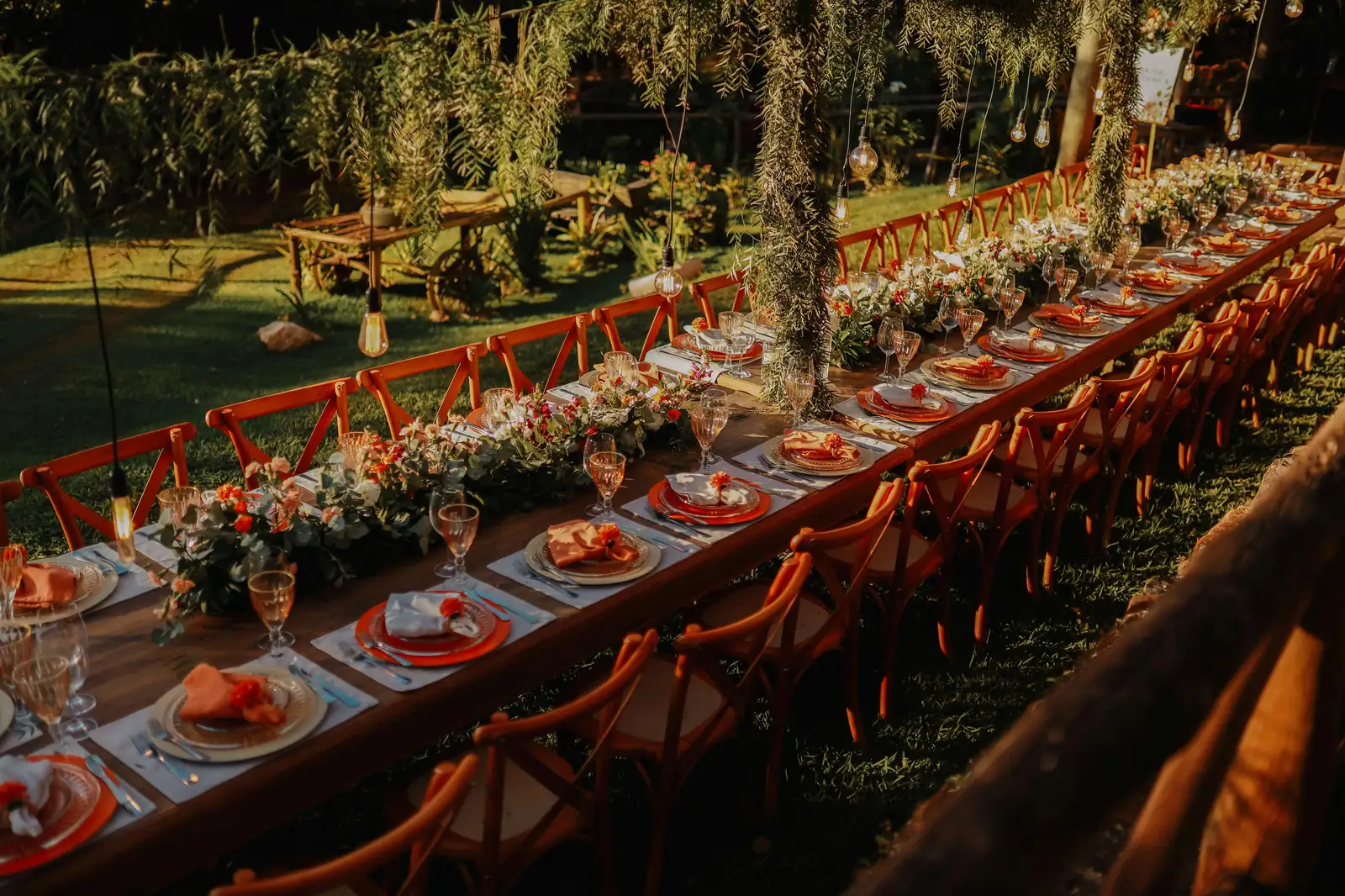
Your guide to the Melbourne Food and Wine Festival — 2026 dates, the World's Longest Lunch, free events, wine-country experiences and how to get tickets.
This article contains advertising. Our booking links are routed through a partner that adds commission tracking automatically, so if you book through one we earn a commission from the provider, at no extra cost to you. It never affects what we recommend. Affiliate disclosure
Melbourne doesn’t really need an excuse to eat and drink well — it’s the unofficial food capital of Australia, after all — but every March it gives itself one anyway. The Melbourne Food and Wine Festival turns the whole city and state into a ten-day celebration of everything delicious, from a 600-metre lunch table strung through a city park to free pizza giveaways and blind whisky tastings. I’ve sat at the World’s Longest Lunch under the plane trees, queued for a pastry at a bakery showcase, and discovered a tiny regional winery I’d never have found otherwise. This guide will help you navigate it all. It’s a flagship entry on our Melbourne events and festivals calendar, and a dream for anyone who loves to eat.
What is the Melbourne Food and Wine Festival?
The Melbourne Food and Wine Festival (MFWF) is one of Australia’s premier culinary events, running for around ten days each March with more than 200 events across Melbourne and regional Victoria. Since its beginnings in the early 1990s, it has grown into a showcase of the state’s restaurants, chefs, growers, winemakers and producers, drawing famous international chefs alongside the best local talent. The program spans everything from grand set-piece feasts and intimate winemaker dinners to markets, masterclasses, tastings and free street events. Whether you want a once-in-a-lifetime degustation or just a great day grazing, the festival has something at every price point. And because so much of it spills out into the city’s restaurants, bars and markets, even visitors who don’t book a single official event end up swept along by the atmosphere.
When is the festival?
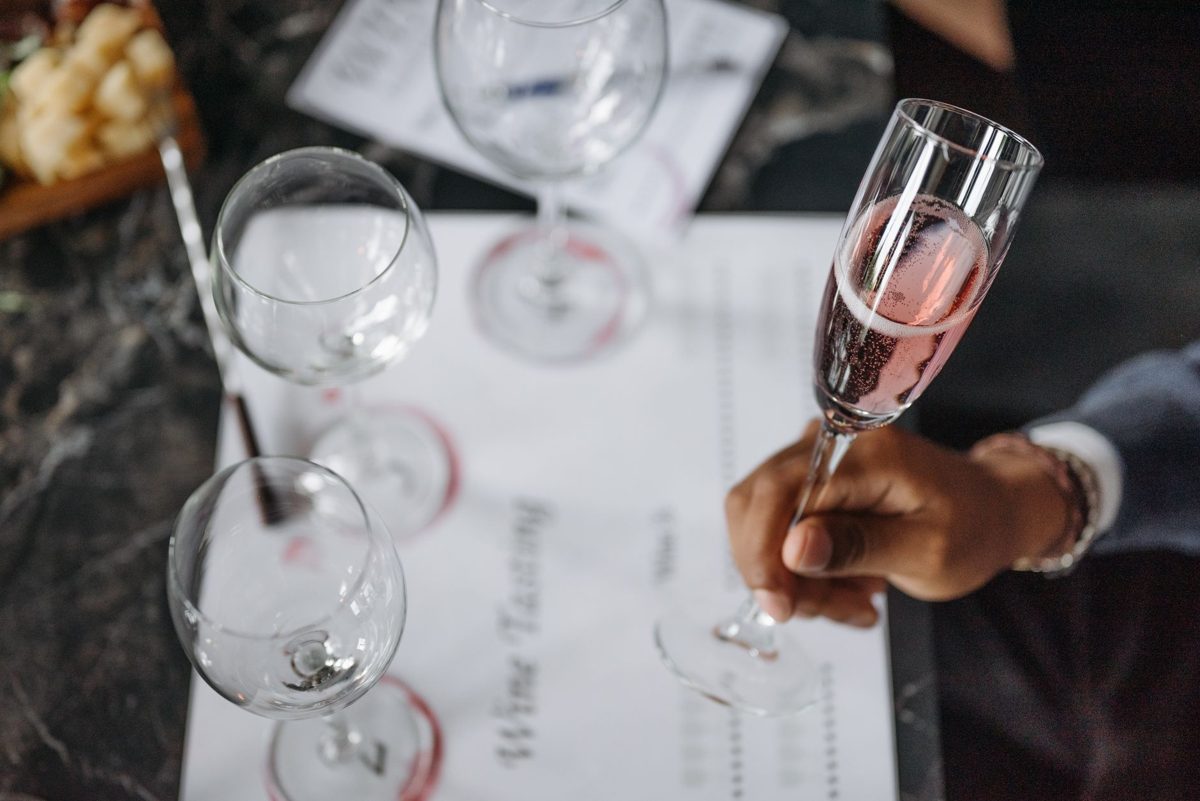
The festival takes place over about ten days in March. In 2026 it runs from 20 to 29 March. That places it in the heart of Melbourne’s glorious autumn — warm days, cool evenings and the city’s dining scene firing on all cylinders — and within a packed month of events that makes March a brilliant time to visit. Our guide to the best time to visit Melbourne explains why autumn is such a sweet spot for a food-focused trip.
The World’s Longest Lunch
If the festival has one signature event, it’s the World’s Longest Lunch. Each year a single, enormous table — recently around 600 metres long, seating roughly 1,600 diners — is laid out in a spectacular location, often the leafy Treasury Gardens, and guests sit down together for a multi-course meal designed by leading chefs and matched with Victorian wines. It’s part feast, part theatre, part civic celebration, and it sets the tone for the whole festival. Regional versions of the Longest Lunch pop up across Victoria too, so you can experience the concept in wine country or by the coast as well as in the city. Tickets are highly sought after, so book early.
Other flagship events
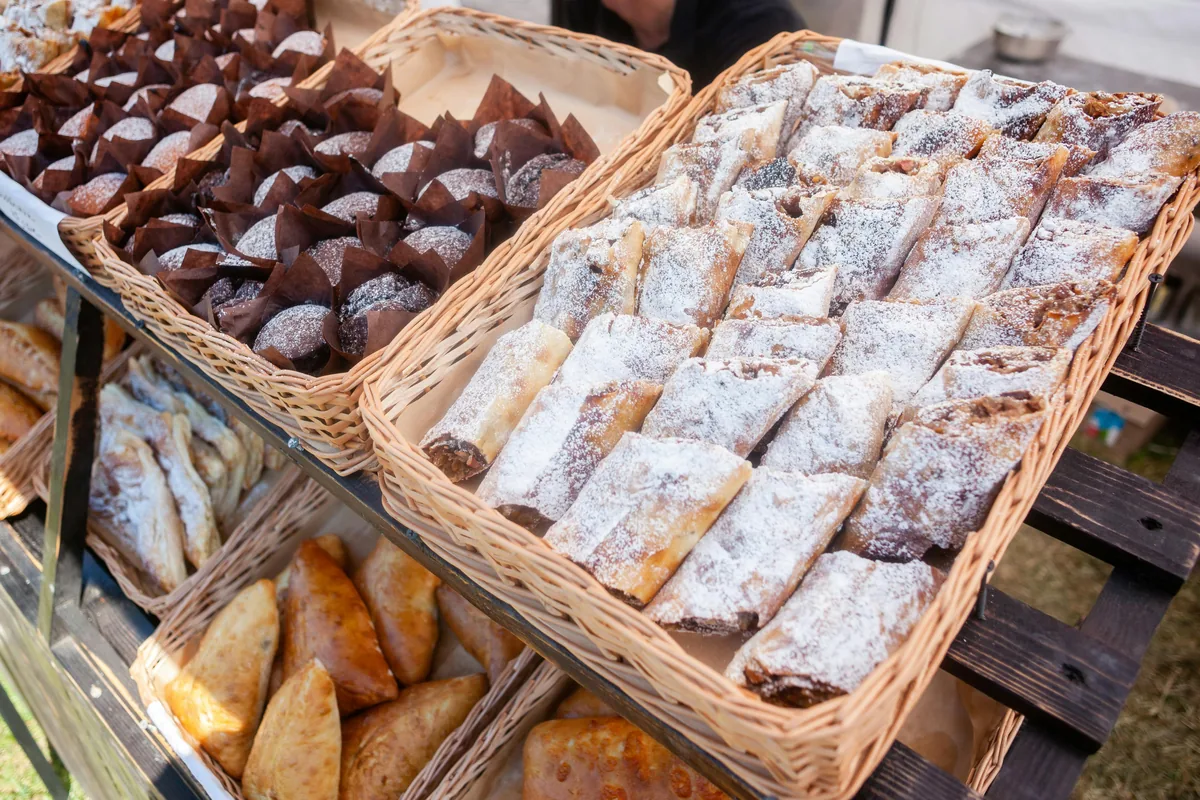
Beyond the Longest Lunch, the program is full of headline experiences. The Bakers Dozen takes over Federation Square with stalls from the city’s best bakeries — think queues for cult croissants, bagels and pastries. A Cake Picnic and other playful pop-ups bring a sense of fun, while the Global Dining Series flies in internationally renowned chefs for special collaboration dinners at Melbourne’s top restaurants. There are masterclasses, producer tastings, long lunches with a theme (recent years have spotlighted Melbourne’s Greek food scene), and intimate events that take you behind the scenes with chefs and winemakers. The breadth is the point: you can build a festival to suit your tastes and budget.
Free events and budget options
You don’t need a big budget to enjoy the festival. Recent programs have included several free food events — think Korean fried chicken celebrations and pizza giveaways from beloved local venues — alongside affordable market-style showcases where you pay only for what you eat. Browsing the Bakers Dozen, sampling at producer stalls and catching the free pop-ups can make for a fantastic, low-cost day. It pairs well with the no-cost ideas in our guide to free things to do in Melbourne, so you can balance a splurge event with a thriftier day.
Wine country and regional events
One of the festival’s great strengths is that it spreads beyond the city into Victoria’s superb food and wine regions. Across the ten days you’ll find events in the Yarra Valley, the Mornington Peninsula and further afield — cellar-door experiences, vineyard lunches and producer tours that show off the state’s bounty. If you’re happy to venture out of the city, these regional events are some of the most memorable, and they make a perfect excuse for a day trip. Our guide to the best day trips from Melbourne covers the wine regions and how to reach them.
How to attend and book tickets
Tickets for individual events are sold through the festival’s official website, and they typically go on sale a few months ahead (recent on-sales have opened in late November of the preceding year), with presales for subscribers. The marquee events — the World’s Longest Lunch, the Global Dining Series and the most popular masterclasses — sell out, so if there’s something you have your heart set on, sign up for alerts and book the moment tickets drop. Many smaller events and free pop-ups can be enjoyed more spontaneously once you’re in town and have seen the full program. Prices range widely, from free to premium, so there’s flexibility to build a festival that fits your budget.
Pair it with Melbourne’s dining scene
The festival is the perfect lens through which to explore Melbourne’s year-round food obsession. Even outside the official events, the city’s restaurants lift their game during the festival, and it’s a wonderful time to book the places you’ve been meaning to try. From laneway wine bars to multi-hatted fine diners and the cuisines of the city’s diverse neighbourhoods, there’s no shortage of brilliant eating. Our guide to the best restaurants in Melbourne has bookable picks by area and budget to round out your festival itinerary.
Getting there and where to stay
Many of the festival’s city events are in central locations — Treasury Gardens, Federation Square and CBD restaurants — easily reached on foot or by tram within the Free Tram Zone; our public transport guide has the details. For regional events, you’ll want to plan transport in advance (a wine tour with a driver is the stress-free option). Stay central — in the CBD or Southbank — for the best access to the city program, and book early, as March is a busy month. Our guide to where to stay in Melbourne breaks down the best areas.
Tips for the festival
Book the marquee events early — the Longest Lunch and big-name dinners sell out fast. Mix splurge and savings: pair one special ticketed event with free pop-ups and market showcases. Consider a regional day in wine country for a different experience. Pace yourself — it’s a marathon of eating, not a sprint. Check the full program when it’s released and build a loose plan around a few anchor events. And come hungry — obviously. Leave a little room in your schedule, too, because the best festival discoveries are often the spontaneous ones you stumble into between booked events.
Make an autumn food trip of it
The Food and Wine Festival is the ideal centrepiece for an autumn visit built around eating and drinking well. The weather is at its most pleasant, the city is buzzing, and the festival gives you a ready-made excuse to explore both Melbourne’s restaurants and Victoria’s wine regions. Build your trip with our guide to things to do in Melbourne, and check what else is on via our events and festivals calendar. For the full program and tickets, head to the official festival website.
A bit of history
The Melbourne Food and Wine Festival began in the early 1990s and has grown, over three decades, into one of the most respected culinary festivals in the Southern Hemisphere. It was built on a simple, enduring idea: to celebrate the extraordinary produce, winemakers and chefs of Melbourne and Victoria, and to share that bounty with the public. Along the way it helped cement Melbourne’s reputation as a world-class food city and pioneered events — like the World’s Longest Lunch — that have since been imitated around the globe. When you join in today, you’re part of a tradition that has shaped how this city eats, drinks and gathers for a generation.
Events for every kind of food lover
The beauty of the program’s scale is that there’s something for every palate and budget. Wine buffs can dive into tastings, masterclasses and winemaker dinners that go deep on Victorian regions and varietals. Bakery and dessert fans have the Bakers Dozen, the Cake Picnic and a parade of pastry pop-ups. Fine-dining devotees can chase the Global Dining Series and special collaboration menus at the city’s best restaurants. Families and casual grazers are well served by the free events, markets and relaxed daytime showcases. And the curious can take a masterclass and actually learn something — knife skills, wine pairing, fermentation, you name it. Read the program with your own appetite in mind and build a festival that’s unmistakably yours.
What to expect at the World’s Longest Lunch
If you snag a ticket to the flagship lunch, here’s the experience: you arrive at a beautiful outdoor setting — Treasury Gardens is a recent favourite — to find a single, impossibly long table dressed for a feast, stretching as far as you can see beneath the trees. You’re seated among hundreds of fellow diners, and over a leisurely afternoon a team of celebrated chefs sends out a multi-course menu, each course matched with Victorian wines and introduced with a sense of occasion. The atmosphere is convivial and celebratory, equal parts elegant lunch and joyful community gathering. It’s the kind of event you’ll be talking about long after the trip, and a wonderful way to taste the talent of the city’s chefs in one sitting.
Weather and what to wear
Late March in Melbourne is early autumn — usually warm and pleasant, but with the city’s trademark unpredictability, so an outdoor event could be balmy or breezy. For garden events like the Longest Lunch, dress smart-casual but bring a light layer for the afternoon, and consider sun protection if the day is bright. For evening dinners, the city cools down, so a jacket is wise. Comfortable shoes help if you’re moving between venues or browsing market showcases. As ever in Melbourne, checking the forecast and packing a layer or two means the weather never gets in the way of a good meal.
Victoria’s food and wine regions
Part of what makes this festival special is the extraordinary larder on Melbourne’s doorstep. Within an hour or two of the city lie some of Australia’s finest wine and produce regions, and the festival shines a light on all of them. The Yarra Valley is famous for cool-climate chardonnay and pinot noir, sparkling wines and a string of acclaimed cellar-door restaurants. The Mornington Peninsula pairs pinot and chardonnay with coastal scenery, hot springs and farm-gate produce. Further out, regions like the Macedon Ranges, Bellarine Peninsula and Gippsland each bring their own specialties, from artisan cheese and fresh berries to just-caught seafood and cool-climate sparkling wine. Many festival events take you straight to the source, and even outside the festival these regions make superb day trips — see our guide to day trips from Melbourne for how to explore them.
The city’s markets during the festival
Melbourne’s famous food markets take on extra energy during the festival, and they’re a brilliant, affordable way to taste the city’s produce. The Queen Victoria Market, South Melbourne Market and Prahran Market are treasure troves of local cheese, smallgoods, seafood, fresh produce and prepared food any day of the year, and festival time often brings special tastings, demonstrations and events. Wandering a market with a coffee in hand, grazing as you go, is a quintessential Melbourne food experience that costs little and delivers a lot — and it’s the perfect counterpoint to a splurge dinner elsewhere in your trip.
Frequently asked questions
When is the Melbourne Food and Wine Festival 2026?
The 2026 Melbourne Food and Wine Festival runs from 20 to 29 March, a ten-day program of more than 200 events across Melbourne and regional Victoria.
What is the World’s Longest Lunch?
It’s the festival’s signature event — a single enormous table (recently around 600 metres, seating about 1,600 diners) in a spectacular setting like Treasury Gardens, where guests share a multi-course meal by leading chefs matched with Victorian wines. Regional versions are held across the state too.
Are there free events at the festival?
Yes. Recent programs have included free food events and giveaways, plus market-style showcases like the Bakers Dozen where you only pay for what you eat. You can enjoy a great day at the festival on a modest budget.
How do I get tickets to the Melbourne Food and Wine Festival?
Tickets are sold via the official festival website and usually go on sale a few months ahead (recently in late November). Marquee events sell out, so book early; many smaller and free events can be enjoyed spontaneously.
The bottom line
The Melbourne Food and Wine Festival is a love letter to one of the world’s great eating cities and the bountiful state around it. Whether you splash out on the World’s Longest Lunch, queue for a cult pastry at the Bakers Dozen, or simply graze your way through the free pop-ups, you’ll taste exactly why Melbourne takes its food so seriously. Plan a few days around it, come hungry, and let the city feed you. Few destinations make eating and drinking such a central, joyful part of the experience — and for ten days every March, Melbourne turns that everyday pleasure into a genuine celebration.