Melbourne Fringe Festival: What to See and How to Attend
- Words
- Melbourne Tourism Guide
- Updated
- July 25, 2026
- Read
- 11 min
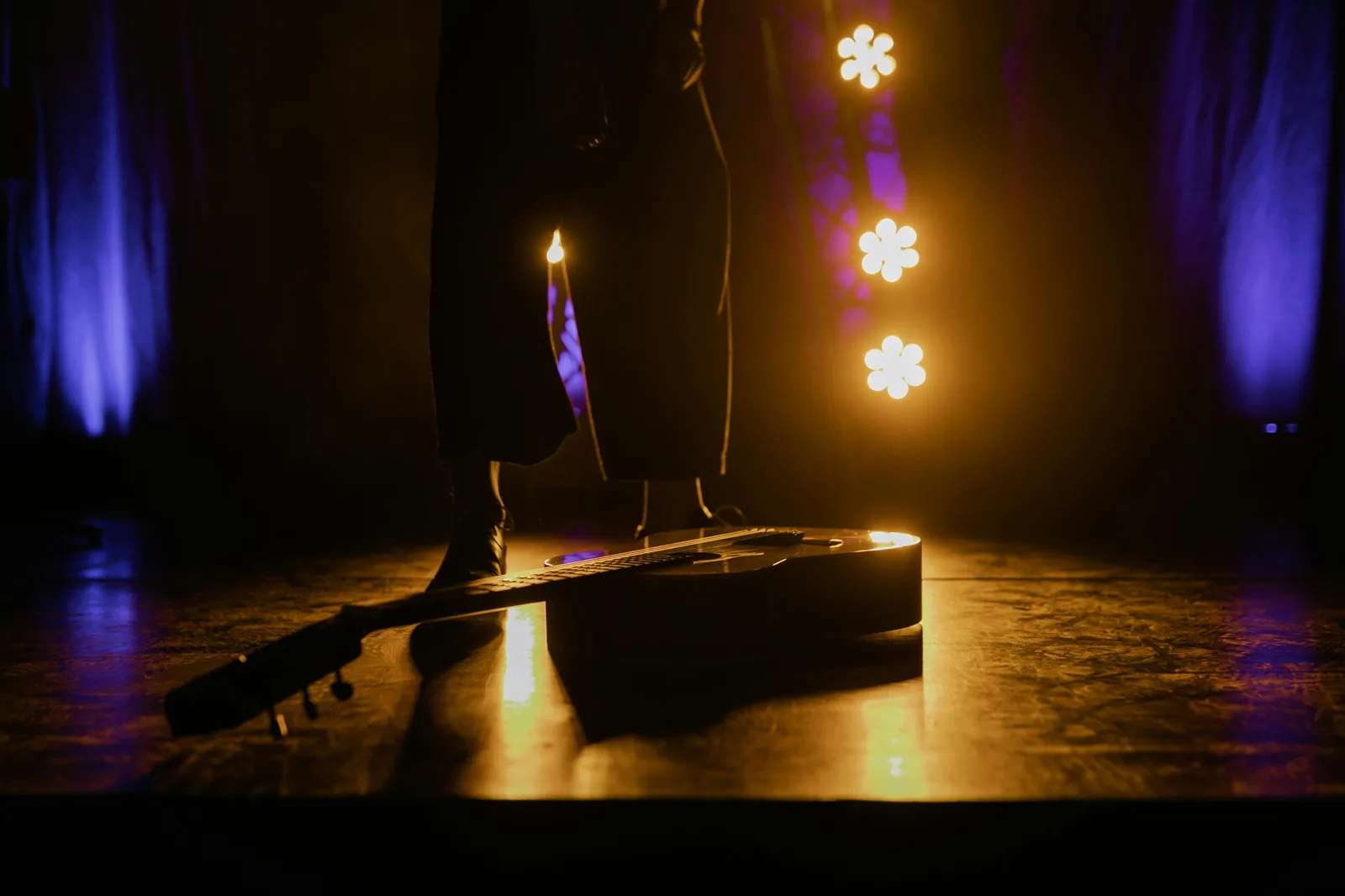
Your guide to the Melbourne Fringe Festival — 2026 dates, what to see across 450+ independent shows, ticket tips, venues and how to attend this spring.
This article contains advertising. Our booking links are routed through a partner that adds commission tracking automatically, so if you book through one we earn a commission from the provider, at no extra cost to you. It never affects what we recommend. Affiliate disclosure
If the big festivals are Melbourne’s polished, headline acts, the Melbourne Fringe is the city’s beating creative heart laid bare — raw, fearless, surprising and gloriously unpredictable. For three weeks each spring, hundreds of independent artists take over theatres, galleries, warehouses, bars and pop-up spaces across the city to show work you simply won’t see anywhere else. I’ve seen extraordinary one-person shows in tiny rooms, baffling and brilliant experimental pieces, and future stars taking their very first bow at Fringe. This guide will help you dive into one of Melbourne’s most exciting and accessible festivals. It’s a vital, only-here entry on our Melbourne events and festivals calendar.
What is the Melbourne Fringe Festival?
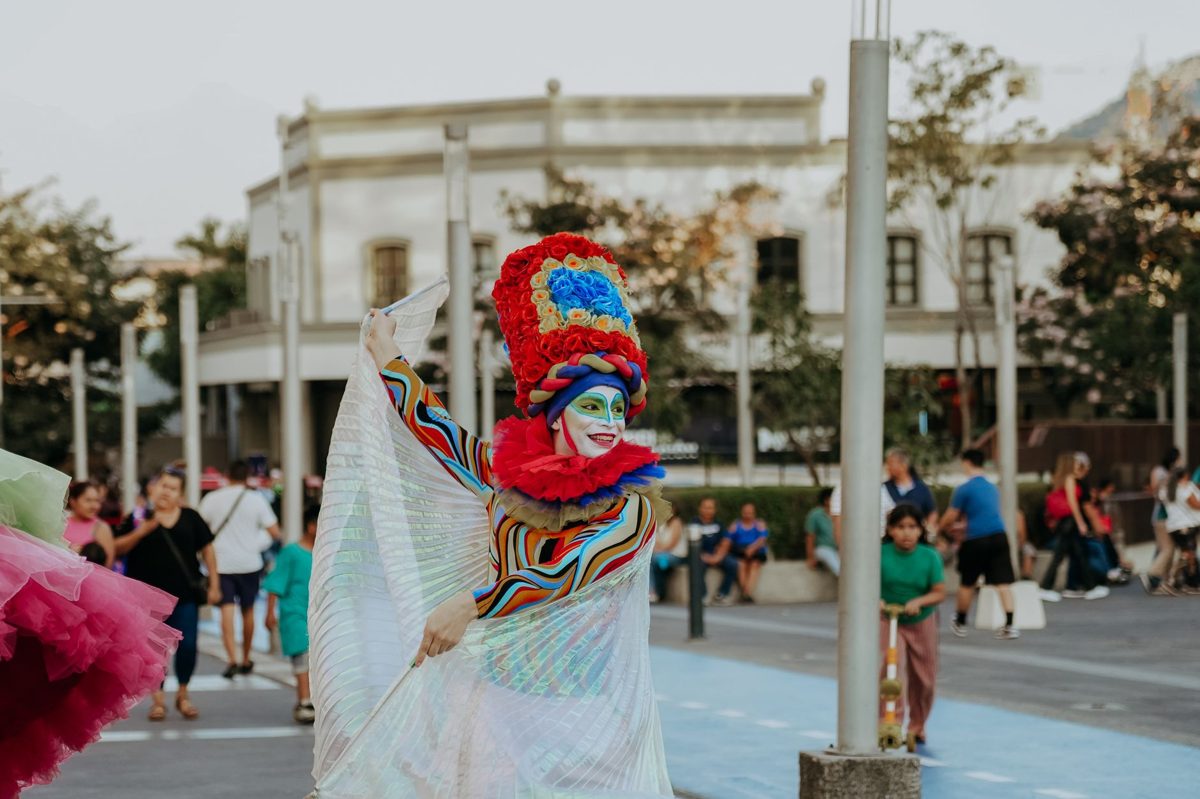
Melbourne Fringe is an open-access, independent arts festival — meaning any artist can register a show, with no curatorial gatekeeping. The result is a sprawling, democratic celebration of creativity: recently more than 450 events across about 20 days, spanning comedy, cabaret, theatre, dance, circus, music, visual art, spoken word, live art and experimental work that defies easy description. Running since 1982, it exists to give a platform to emerging, mid-career and established independent artists alike, and to push artistic boundaries. It’s where Melbourne’s underground and independent scenes come out to play, and where a lot of the city’s best-known performers got their start. Think of it less as a single venue’s season and more as a three-week takeover of the entire city by its artists.
When is Melbourne Fringe?
The festival runs for around 20 days from late September into October. In 2026 it takes place from 29 September to 18 October. That timing lands it in spring, as Melbourne warms up and shakes off winter, and it dovetails with a busy season of events around the city. If you’re planning your visit, our guide to the best time to visit Melbourne covers what spring has in store.
The open-access ethos
What makes Fringe different from a curated festival is its open-access model: the program isn’t selected by a panel, so it reflects the full, unfiltered range of what artists want to make right now. That’s both the risk and the reward. You might see something rough around the edges — but you might also witness a genuinely original, electrifying piece of work before anyone else has heard of it. Fringe is where boundaries get pushed, new forms get tested and bold ideas thrive. Embracing that spirit of discovery, and being willing to take a chance on the unknown, is the key to a great Fringe.
What you can see
The variety is staggering. Expect stand-up and character comedy, cabaret and burlesque, intimate theatre and big ensemble pieces, contemporary dance, circus and physical performance, live music and spoken word, immersive and site-specific work, visual art installations and large-scale public artworks. There are shows for every sensibility — family-friendly daytime pieces, late-night provocations, and everything in between. The festival also spotlights work by First Nations artists, disabled artists, queer artists and culturally diverse voices, making it one of the most genuinely inclusive arts events in the country, with a program that reflects the full diversity of the city itself.
Where it happens
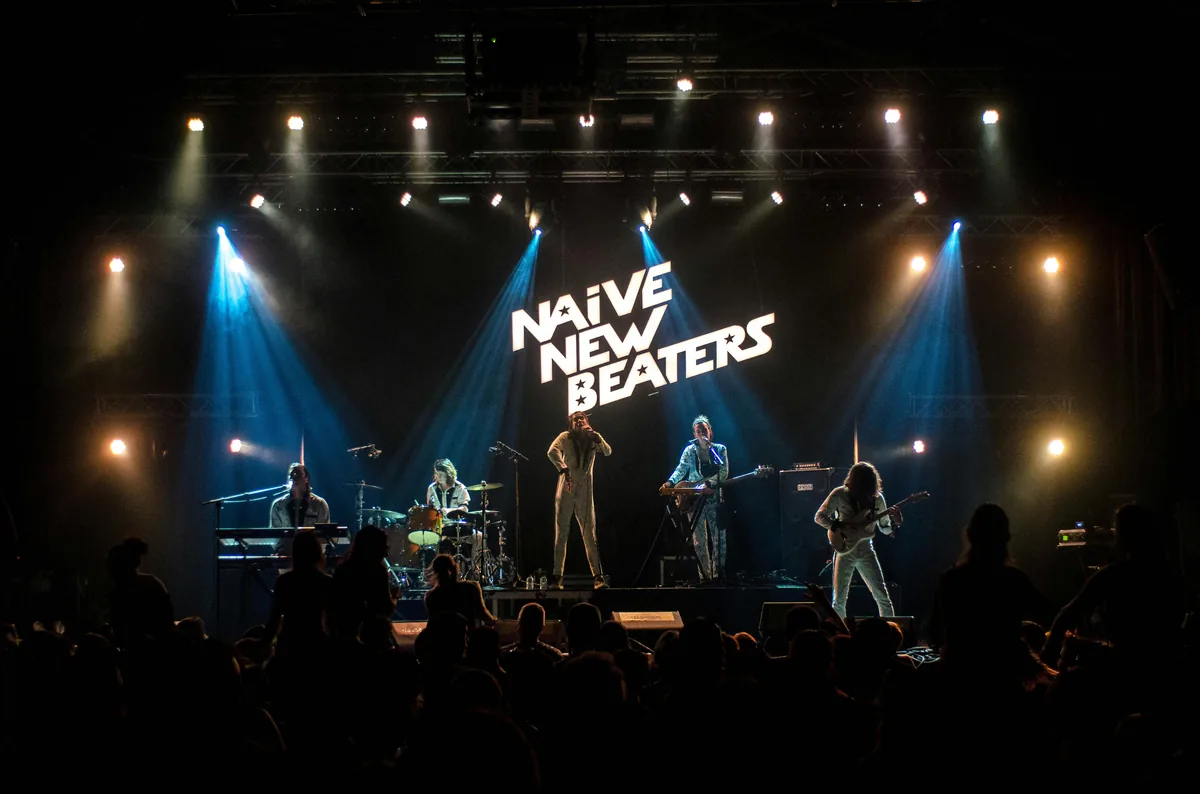
Fringe spreads across the city and especially the creative inner north. Venues range from established independent theatres and galleries to warehouses, bars, basements, outdoor spaces and purpose-built pop-up hubs that buzz with energy each night. The festival often centres a major hub where audiences gather between shows to drink, eat and soak up the atmosphere. Neighbourhoods like Fitzroy, Collingwood and the CBD are dense with venues — our Melbourne neighbourhoods guide can help you get your bearings, and the inner north is worth exploring in its own right while you’re there.
How to choose what to see
With hundreds of events, a little curiosity goes a long way. Browse the program on the festival website and pick a few things that intrigue you across different art forms. Take a punt on something you know nothing about — that’s the whole spirit of Fringe, and the discoveries are the best part. Look for the free events and public artworks dotted through the program. Read reviews and word-of-mouth as the festival gets going; buzz builds fast around the standout shows. And don’t be afraid of the small rooms — some of the most memorable Fringe experiences happen in front of tiny audiences.
Tickets and how to attend
Fringe is one of the more affordable festivals around, with many tickets modestly priced and a good number of free events throughout the program. Everything is bookable through the official Melbourne Fringe website, where you’ll find listings, access information, ticket types and any discounts. Because individual shows are cheaper than mainstream theatre, you can afford to be adventurous and see several in a night. Some of the most-hyped shows sell out their short runs, so book those ahead, but much of the festival can be enjoyed spontaneously once you’ve seen what’s on. A useful tip: many shows run for only a handful of performances over the three weeks, so if something catches your eye, check its dates early rather than assuming it’ll still be on later in your trip.
How Fringe differs from the other festivals
Melbourne hosts several big arts festivals, and it helps to know how Fringe fits in. Where the Melbourne International Comedy Festival focuses squarely on comedy and skews toward established and touring acts, Fringe is broader in art form and more grassroots and experimental, leaning into emerging artists and new work. It’s the place for the genuinely independent, the boundary-pushing and the brand new. If you love discovering things before they’re famous and don’t mind a bit of rough-and-ready alongside the polished, Fringe is your festival. Explore the city’s wider creative life in our arts and culture guide.
Getting there and where to stay
Many Fringe venues are in the CBD and the inner-north suburbs, well served by trams and trains; the Free Tram Zone covers the city centre, and trams run up to Fitzroy and Collingwood. Our public transport guide has the details. For the most immersive festival experience, stay in or near the CBD or the inner north so you can hop between venues and get home easily after late shows. Our guide to where to stay in Melbourne breaks down the best areas.
Tips for a great Fringe
Be adventurous — take chances on unknown acts and unfamiliar art forms. Stack your night with two or three short shows, since venues cluster close together. Seek out the free events and public artworks. Chat to other audience members in the queues and hubs for recommendations. Support emerging artists — your ticket genuinely matters to independent makers. And build in food and drinks between shows; our restaurants guide and night guide have you covered.
Make a spring trip of it
Fringe is a wonderful centrepiece for a spring visit, when Melbourne is warming up and the events calendar is full. Pair your shows with the city’s galleries, bars, restaurants and the creative energy of the inner north for a trip that gets right under the city’s skin. Plan it with our guide to things to do in Melbourne, and see what else is on via our events and festivals calendar. For the full program and tickets, head to the official Melbourne Fringe website.
A bit of history
Melbourne Fringe has been championing independent art since 1982, growing from grassroots beginnings into one of the most significant open-access arts festivals in Australia. For over four decades it has been a launchpad — countless now-celebrated comedians, theatre-makers, dancers and artists took early, formative steps on a Fringe stage. That heritage matters: the festival has helped shape Melbourne’s reputation as Australia’s cultural capital, and its commitment to giving anyone a platform has kept the city’s creative scene restless, diverse and genuinely exciting. When you buy a ticket, you’re directly supporting the next generation of artists and a tradition of fearless creativity that runs deep in this city.
Highlights, awards and the public program
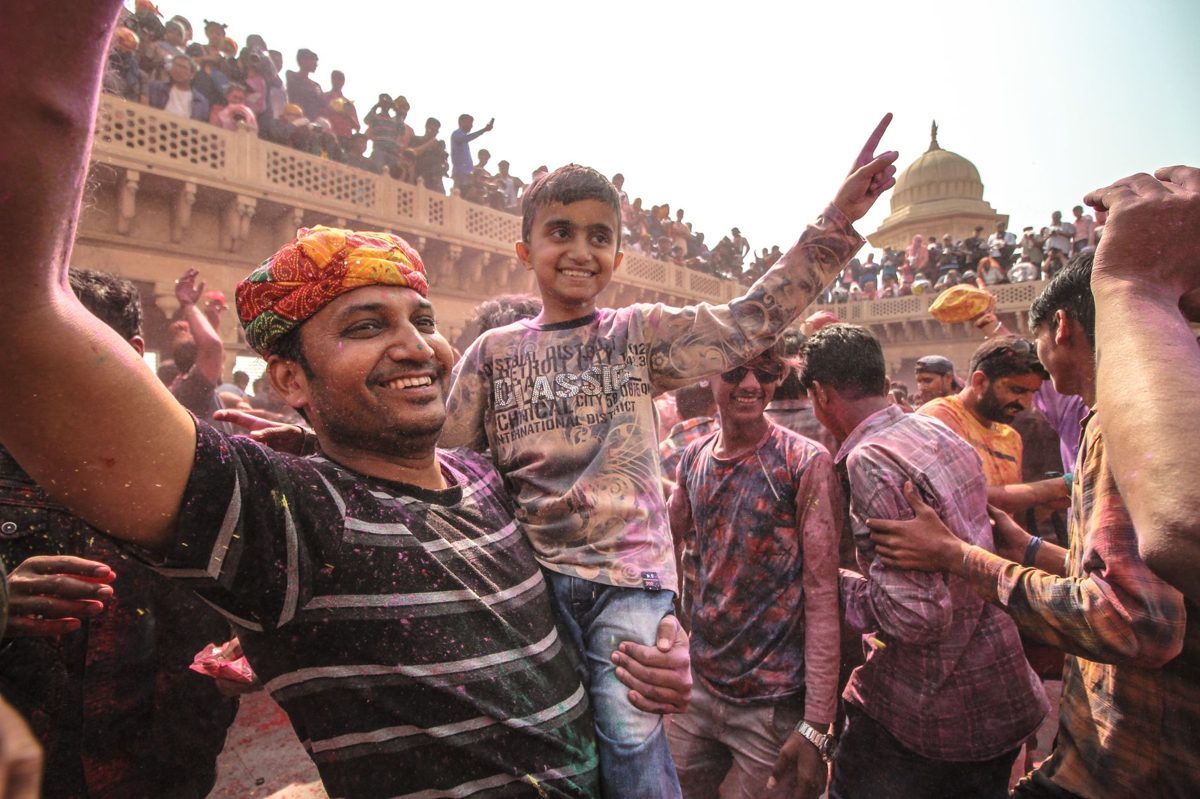
Each year the festival shines a light on standout work through its awards and a curated slate of marquee events, alongside the open-access program. Look out for large-scale public artworks and free installations that pop up in unexpected corners of the city, the headline shows that generate the most buzz, and special one-off events that bring the community together. The festival also presents work in non-traditional and outdoor spaces, so you might encounter Fringe art on a street corner or in a shopfront as much as in a theatre. Following the awards buzz and the word-of-mouth favourites is a great way to find the season’s must-sees.
The festival hubs and atmosphere
A big part of the Fringe experience happens between the shows. The festival typically runs a central hub — a bar and gathering space where audiences, artists and performers mingle late into the night, swapping recommendations and decompressing after intense little shows. This is where the festival’s community spirit really comes alive, and where a casual chat in a queue can lead you to the best thing you’ll see all week. The energy in the inner-north venues, in particular, is electric during Fringe — bars and pop-up spaces humming with creative people, all there for the same reason. It’s a wonderful, welcoming scene to be part of, even as a visitor.
Families, access and inclusion
Fringe works hard to be for everyone. The program includes family-friendly and daytime shows suitable for younger audiences, and the festival is a leader in accessibility, with a strong commitment to presenting work by and for disabled artists and audiences, including relaxed performances, Auslan-interpreted shows and accessible venues. It also platforms First Nations, queer and culturally diverse artists, making it one of the most inclusive festivals in the country. If you have specific access requirements, the festival website details accessible shows and venues, and the team can help you plan your visit.
Why supporting Fringe matters
There’s something genuinely meaningful about being a Fringe audience member. Because the festival is open-access and built around independent artists — many self-funding their work — your ticket has a real, direct impact. You’re not just being entertained; you’re helping sustain the grassroots creative ecosystem that feeds the rest of Melbourne’s arts scene. That’s part of what makes Fringe feel different from a slick commercial event: there’s a sense of community and shared investment, of audiences and artists in it together. Taking a chance on an unknown show isn’t just fun — it’s a small act of support for the city’s creative future.
Weather and what to wear
Late September into October is spring in Melbourne — warming up, but still changeable, with the city’s trademark unpredictability. Days can be mild and bright or cool and showery, and evenings stay crisp, so dress in layers and bring a light jacket and an umbrella for the walks between venues. Many Fringe spaces are intimate and can get warm once full, so layers you can shed are ideal. Comfortable shoes help, since a good Fringe night often involves walking between several venues across the CBD and inner north.
A first-timer’s approach
Never done a Fringe before? Here’s the easy way in. Pick one show that sounds appealing and is well reviewed to anchor your night, then add one or two cheaper wildcards on either side of it — a late comedy set, a piece of physical theatre, a cabaret. Keep your expectations open rather than demanding polish; the joy of Fringe is in its rawness and surprise. Build in time at a festival hub or a nearby bar to talk it over, and don’t worry if one show isn’t to your taste — at Fringe prices, you can simply try something else. Within a single evening you’ll likely swing from baffled to delighted to genuinely moved, which is exactly the point.
Melbourne’s independent arts scene year-round
If your trip doesn’t coincide with the festival, Melbourne’s independent creative scene runs all year. The same inner-north neighbourhoods that buzz during Fringe — Fitzroy, Collingwood, Brunswick and the CBD — are home to independent theatres, artist-run galleries, live-music rooms and experimental spaces every week of the year. The city’s deep, ground-up creative culture is one of its defining features, and it’s what makes events like Fringe possible in the first place. Our arts and culture guide points to the venues and institutions worth seeking out whenever you visit.
Frequently asked questions
When is the Melbourne Fringe Festival 2026?
The 2026 Melbourne Fringe Festival runs from 29 September to 18 October — about 20 days of independent arts across the city. It’s held over late September and October each year.
What kind of shows are at Melbourne Fringe?
Everything independent — comedy, cabaret, theatre, dance, circus, music, spoken word, visual art, live art and experimental work, with more than 450 events from emerging and established artists alike.
How much are Melbourne Fringe tickets?
Fringe is one of the more affordable festivals, with many shows modestly priced and plenty of free events throughout the program. Tickets are booked through the official Melbourne Fringe website.
How is Fringe different from the Comedy Festival?
The Comedy Festival focuses on comedy and features many established and touring acts, while Fringe is broader in art form, more grassroots and experimental, and leans into emerging artists and brand-new work.
The bottom line
Melbourne Fringe is the city at its most fearless and creative — hundreds of independent shows, a buzzing scene across the CBD and inner north, and the constant thrill of discovering something new. Browse the program, take a few chances, seek out the free events, and let yourself be surprised. There’s no better way to feel the genuine, unpolished creative pulse of Melbourne — the city that quietly fuels so much of Australia’s art, comedy and performance, one tiny stage at a time.