Best Food Markets in Melbourne: A Local’s Guide
- Words
- Melbourne Tourism Guide
- Updated
- July 29, 2026
- Read
- 11 min
The best food markets in Melbourne — Queen Victoria, South Melbourne, Prahran, Footscray and more. What to buy, what to eat, opening days and insider tips.
This article contains advertising. Our booking links are routed through a partner that adds commission tracking automatically, so if you book through one we earn a commission from the provider, at no extra cost to you. It never affects what we recommend. Affiliate disclosure
Markets are where Melbourne’s food obsession started, and they’re still where I send anyone who wants to taste the real city. Long before the laneway cafés and the hatted restaurants, there were the market halls — the smell of roasting coffee and ripe peaches, traders shouting the day’s specials, deli counters hung with salami and stacked with cheese. Melbourne’s food markets are part grocery run, part cultural institution and part sensory feast, and the best of them are genuine must-visits. This guide rounds up the city’s great food markets — what to buy, what to eat, and how to do each one like a local. It’s a flavour-packed corner of our wider guide to the best restaurants in Melbourne.
Why Melbourne’s markets matter
Melbourne’s market culture runs deep. The city’s diverse, food-loving population has kept its markets thriving for generations, and they remain the place where the cuisines and communities that shaped Melbourne come together under one roof. They’re where chefs shop, where locals do their weekend grocery run, and where visitors can taste an enormous range of the city’s best food in a single, atmospheric outing — usually for very little money. Most are undercover too, which makes them a brilliant all-weather option. If you want to understand how Melbourne eats, start at a market.
Queen Victoria Market
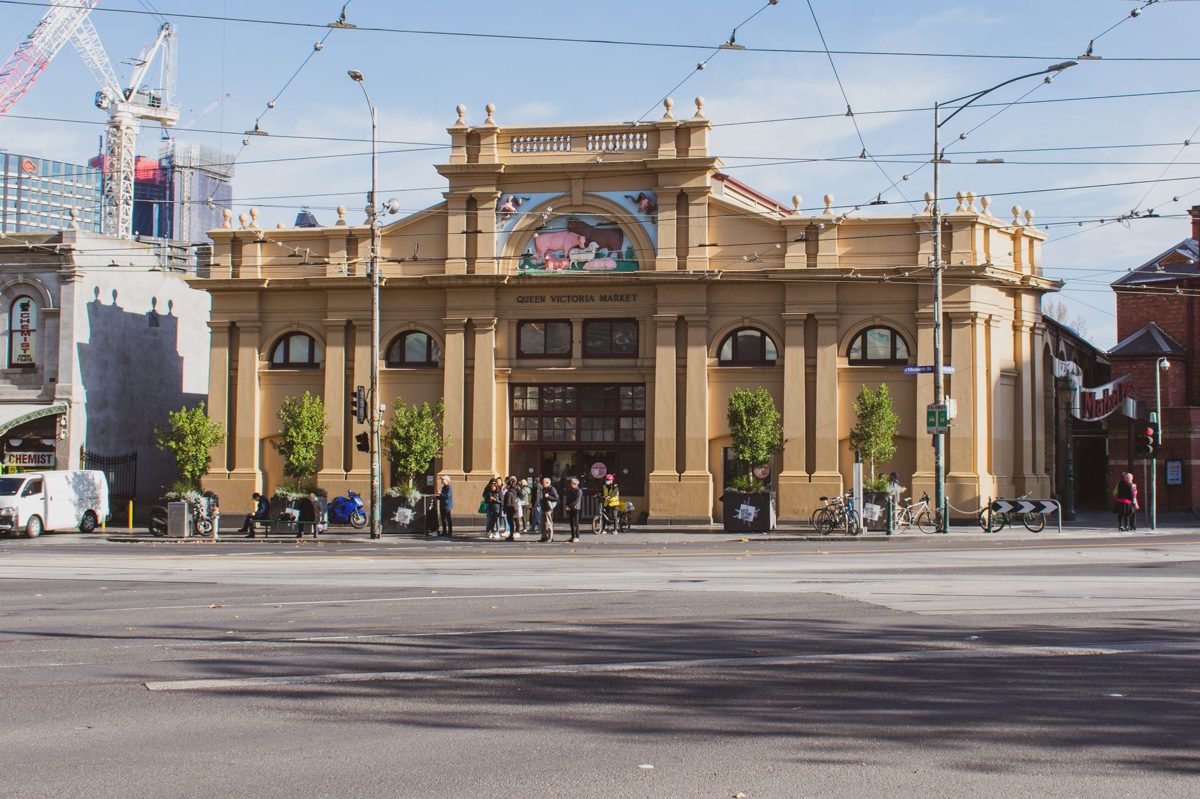
The big one. Queen Victoria Market has been trading for more than 140 years and is the city’s most iconic and diverse — a sprawling site with fresh produce sheds, a famous deli hall (the dairy, cheese, smallgoods and continental delicacies are extraordinary), specialty traders and street food. Go hungry: grab a hot jam doughnut from the long-running van, a bratwurst, a cheese toastie or a coffee, and graze your way around. The market trades Tuesday, Thursday, Friday, Saturday and Sunday, and in the cooler months it also hosts the much-loved Winter Night Market on Wednesday evenings (a Summer Night Market runs in the warmer months), with street-food stalls, bars, live music and a festive buzz. It’s the essential Melbourne market experience.
South Melbourne Market
The locals’ all-rounder. South Melbourne Market is a beloved neighbourhood institution that strikes a perfect balance between fresh produce, specialty grocers and ready-to-eat food. It’s most famous for its dim sims — people queue for the original recipe that’s been made here for decades — but you’ll also find excellent seafood, cheese, deli goods, and a great spread of food stalls and cafés to eat in. Trading Wednesday, Friday, Saturday and Sunday, it’s a relaxed, friendly market that’s easy to spend a leisurely morning in, and a short tram ride from the CBD.
Prahran Market
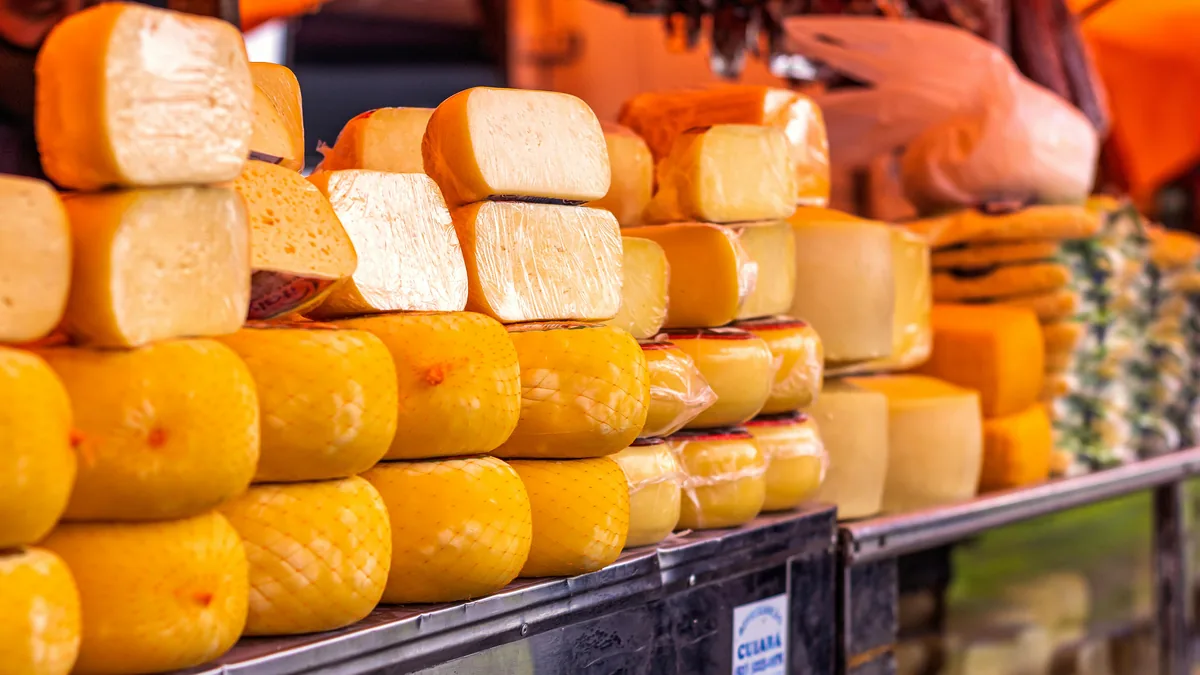
The connoisseur’s choice. Prahran Market is Melbourne’s oldest food market and a genuine foodie paradise, where tradition meets premium, global flavour. This is the place for free-range butchers, sustainably sourced seafood, certified organic groceries and some of the best specialty food in the city. Don’t miss Maker & Monger, whose cheese toasties (made with farmhouse and artisan cheeses matured on site) have a cult following, or grab a coal-grilled sausage at Mr Bratwurst. It’s a market that rewards a slow, indulgent wander, especially for serious cooks and cheese lovers.
Footscray Market
The multicultural heart of the west. Footscray Market is a bustling, 10,000-square-metre indoor market in Melbourne’s inner west, famed for its multicultural energy and abundance of fresh, affordable produce. This is where the city’s Vietnamese, African and Asian communities shop, and it’s a thrilling place to explore — exotic fruit and vegetables, fresh seafood, spices, and bargain prices throughout. It’s grittier and more authentic than the polished inner-city markets, and a short train ride from the CBD. Pair it with the superb pho and banh mi of surrounding Footscray for a brilliant, budget-friendly food adventure.
More markets worth knowing
Beyond the big names, Melbourne has markets for every interest. Dandenong Market, in the outer south-east, is another vibrant multicultural market well worth the trip for its diversity and value. Farmers’ markets dedicated to Victorian producers and sustainable farming run across the city — regular favourites include Coburg and Carlton on Saturdays and Alphington on Sundays — perfect for the freshest seasonal produce direct from the growers. The Collingwood Children’s Farm Farmers’ Market, held monthly on a working farm by the Yarra, is a charming weekend outing. And don’t forget the city’s night markets, which turn market shopping into an evening event.
How to make the most of a market visit
A few habits make a market trip better. Go early for the best produce and a calmer atmosphere, or late for end-of-day bargains as traders clear stock. Bring a reusable bag and some cash (though most stalls take cards now). Come hungry and graze as you go — the prepared-food stalls are half the fun. Check the trading days, as none of the markets open every day. And chat to the traders: they’re generous with samples, tips and recommendations, and it’s the fastest way to find the good stuff. For a guided introduction, plenty of Melbourne food tours centre on the markets.
Getting there
The major markets are easy to reach by public transport. Queen Victoria Market sits at the top of the CBD, within the Free Tram Zone; South Melbourne and Prahran are short tram rides from the city; and Footscray and Dandenong are quick train trips. Our Melbourne public transport guide covers the trams, trains and the Myki card you’ll need. Because most markets are undercover, they make a great plan whatever the weather — and a fine addition to a rainy-day itinerary.
Build it into your food trip
Markets are the perfect counterpoint to Melbourne’s restaurants and cafés — a cheap, lively, hands-on way to taste the city’s produce between bigger meals. Stock up for a picnic in the gardens, assemble a cheese-and-smallgoods feast, or simply graze the food stalls for lunch. Round out your eating with our guides to the best cafés, cheap eats and the wider best restaurants in Melbourne, and if you’re shopping for more than food, our Melbourne shopping guide covers the markets’ non-food side too.
A bit of history
Melbourne’s markets aren’t just shopping destinations — they’re living heritage. Queen Victoria Market has been trading since the 1870s and is heritage-listed, its sheds and halls little changed in character over more than a century. Prahran Market is even older, dating back to the 1860s and proudly billing itself as Melbourne’s oldest continuously operating food market. These places have fed the city through gold rushes, world wars and waves of migration, and that longevity is part of their charm: when you buy a wheel of cheese or a bag of peaches, you’re taking part in a ritual generations of Melburnians have shared. Understanding that history makes a market visit feel like more than a grocery run.
Eating your way around the markets
The smartest way to “do” a Melbourne market is to treat it as a progressive meal. At Queen Victoria Market, start with a coffee and a hot jam doughnut, graze the deli hall for cheese and cured meats, then grab a bratwurst or a börek to finish. At Prahran, the Maker & Monger cheese toastie is non-negotiable, ideally followed by a coal-grilled sausage and an oyster or two. South Melbourne demands a dim sim (or several), while Footscray rewards the adventurous with pho, banh mi and tropical fruit you won’t find elsewhere. Skip breakfast, pace yourself across the stalls, and you’ve got a brilliant, low-cost lunch that doubles as a tour of the city’s food cultures.
Markets by what you’re after
Different markets do different things best. For cheese and deli goods, Queen Victoria Market’s dairy hall and Prahran are the standouts. For premium and organic produce, Prahran leads. For seafood, both Prahran and South Melbourne shine. For multicultural and budget produce, Footscray and Dandenong are unbeatable. For direct-from-grower seasonal produce, seek out the farmers’ markets. And for a picnic haul to take to the gardens or the beach, any of the big markets will set you up with bread, cheese, smallgoods, fruit and something sweet. Match the market to your mission and you’ll get the best out of it.
The night markets in detail
Queen Victoria Market’s night markets are a highlight of the calendar and a completely different experience from daytime shopping. The Winter Night Market, on Wednesday evenings through the colder months, fills the market sheds with street-food trucks, local brewers and distillers, hot mulled wine, live music, festival bars and pop-up shopping — it’s atmospheric, lively and free to enter. In summer, the Summer Night Market brings a warm-weather version with the same global street-food focus and party energy. Both are fantastic, low-cost nights out and a brilliant way to eat your way around the world in one spot; they regularly feature on lists of the best things to do in Melbourne after dark.
Visiting markets with kids
Markets are a winner with children — the colour, noise, samples and treats keep them engaged, and there’s room to move. The food stalls mean easy, fuss-free eating, and many markets have specific kid-friendly attractions; the Collingwood Children’s Farm Farmers’ Market, set on a working farm by the Yarra, is especially lovely for families. Bring a stroller-friendly attitude (the big markets are flat and undercover), let the kids pick a treat, and you’ve got an easy, affordable family outing. For more ideas, see our guide to things to do in Melbourne with kids.
Beyond food: shopping the markets
Most of Melbourne’s big markets are about more than groceries. Queen Victoria Market has extensive general-merchandise sheds selling everything from clothing and leather goods to souvenirs and homewares, and South Melbourne and the suburban markets mix specialty retail and crafts among the food. It makes the markets a great one-stop for picking up a gift or a only-in-Melbourne souvenir alongside your cheese and coffee. If shopping is a focus of your trip, our Melbourne shopping guide covers the markets’ retail side and the city’s best strips and arcades.
Best time to visit
Timing shapes the experience. Early morning (the markets open around dawn) gets you the freshest produce, the pick of the seafood and a calmer, more local atmosphere — ideal for serious shopping. Mid-morning to early afternoon on weekends is the liveliest, busiest time, full of buskers and bustle, best if you want the full sensory experience. Late in the trading day, traders often discount perishable stock, so it’s the moment for a bargain. Weekends are busiest across the board; weekdays are quieter and easier if you prefer space to browse. And remember the night markets offer an entirely different, after-dark version of the experience in season.
Tips for visitors from overseas
A few notes if you’re visiting from abroad. Australia has strict biosecurity rules, so fresh produce, meat and dairy generally can’t be taken out of the country — enjoy them here rather than packing them home. Most stalls now accept cards and contactless payment, but a little cash is handy for smaller traders. Tap water is safe and free, so bring a bottle. And don’t be shy about asking for a taste — sampling is part of market culture here, and traders are happy to let you try before you buy. Markets are also one of the most affordable ways to eat well in an otherwise pricey city, making them a savvy choice for budget-conscious travellers, as our guide to free and cheap things to do in Melbourne notes.
A great all-weather option
One underrated virtue of Melbourne’s markets is that most are largely undercover, which makes them a perfect plan when the city’s famously changeable weather turns. Wandering the covered halls of Queen Victoria Market or the indoor expanse of Footscray Market is a warm, dry, sensory-rich way to spend a grey morning, coffee in hand. It’s exactly the kind of flexible, weather-proof activity that saves a Melbourne day out — and it slots neatly into the ideas in our guide to things to do in Melbourne on a rainy day. Rain or shine, the markets deliver.
Frequently asked questions
What is the best food market in Melbourne?
Queen Victoria Market is the most iconic and diverse, and the essential visit. For premium and specialty food, Prahran Market is unbeatable; South Melbourne Market is the best all-rounder; and Footscray Market is the multicultural pick for value and variety.
What days are Melbourne’s food markets open?
It varies — Queen Victoria Market trades Tuesday, Thursday, Friday, Saturday and Sunday; South Melbourne on Wednesday, Friday, Saturday and Sunday; Prahran most days except Monday; and Footscray Tuesday to Saturday. Always check before you go, as none open every day.
Are there night markets in Melbourne?
Yes. Queen Victoria Market runs a popular Winter Night Market on Wednesday evenings in the colder months and a Summer Night Market in the warmer months, with street food, bars, live music and shopping.
What should I buy at a Melbourne food market?
Head for the deli and dairy halls for cheese and smallgoods, the produce sheds for fresh fruit and veg, and the food stalls for ready-to-eat treats — a hot jam doughnut at Queen Vic, a dim sim at South Melbourne, or a cheese toastie at Prahran.
The bottom line
Melbourne’s food markets are the city’s pantry and its soul — atmospheric, affordable and bursting with the produce and cultures that make this Australia’s food capital. Start with Queen Victoria Market, branch out to Prahran, South Melbourne and Footscray, go hungry, bring a bag, and graze your way through. There’s no better — or cheaper — way to taste the real Melbourne.