Best Asian Restaurants Melbourne (2026): Complete Guide
- Words
- Melbourne Tourism Guide
- Updated
- July 25, 2026
- Read
- 14 min
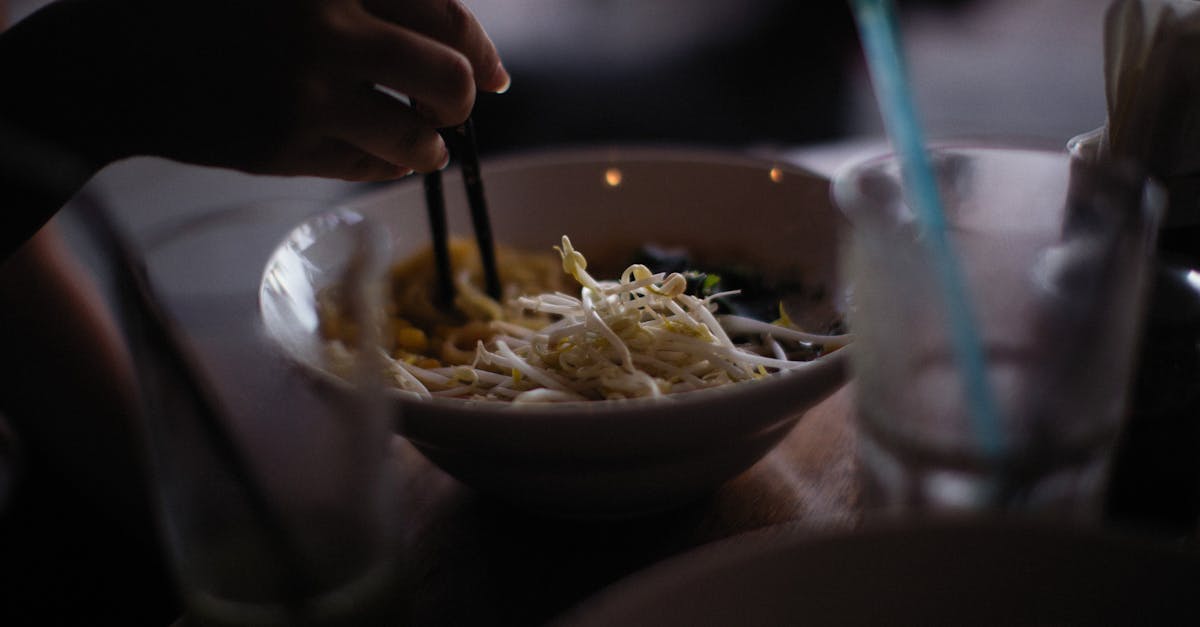
Best Asian restaurants in Melbourne — Chinese, Vietnamese, Thai, Japanese, Korean, Malaysian, Indian and Sri Lankan picks from cheap-eats banh mi to A$315 omakase counters.
This article contains advertising. Our booking links are routed through a partner that adds commission tracking automatically, so if you book through one we earn a commission from the provider, at no extra cost to you. It never affects what we recommend. Affiliate disclosure
Melbourne is widely regarded as Australia’s finest Asian dining city. With more than 30% of Melburnians having Asian heritage and a continuous stream of immigration from China, Vietnam, Thailand, Japan, Korea, Malaysia, India, Sri Lanka and the Philippines since the 1850s, Melbourne’s Asian food scene is deep, diverse and constantly evolving. From dumpling houses in Chinatown that have been frying since the 1970s to Tokyo-trained ramen chefs and Michelin-pedigree omakase counters, Asian food in Melbourne ranges from A$8 banh mi to A$400 chef’s-table tasting menus.
This guide covers the best Asian restaurants in Melbourne by cuisine — Chinese, Vietnamese, Thai, Japanese, Korean, Malaysian, Indian and Sri Lankan — with neighbourhood guides, price points, must-order dishes and booking advice. Whether you’re hunting for cheap-eats banh mi on Victoria Street or planning a celebration dinner at one of the city’s top tasting-menu rooms, you’ll find everything you need.
Why Melbourne is Australia’s Asian food capital
Melbourne’s Asian dining strength rests on three foundations. First, deep migrant history: Cantonese miners arrived in the 1850s gold rush and Chinatown on Little Bourke Street has operated continuously since 1854 — making it the longest-running Chinatown in the Western world. Second, scale: more than 1.4 million Melburnians (about 28% of the metro population) have Asian heritage, sustaining authentic neighbourhood food economies. Third, Melbourne’s restaurant culture rewards specialists. The city’s restaurateurs frequently spend years training in Tokyo, Hong Kong, Bangkok or Hanoi before opening here, and Melbourne diners reliably reward technical precision.
The result is a city where you can eat A$8 pho for breakfast, A$22 ramen at lunch, and a A$280 omakase counter at dinner — all at internationally competitive standards. According to the 2026 Melbourne Good Food Guide, Asian-cuisine restaurants now make up 9 of the city’s top 30 dining venues.
Chinese restaurants: Chinatown and beyond
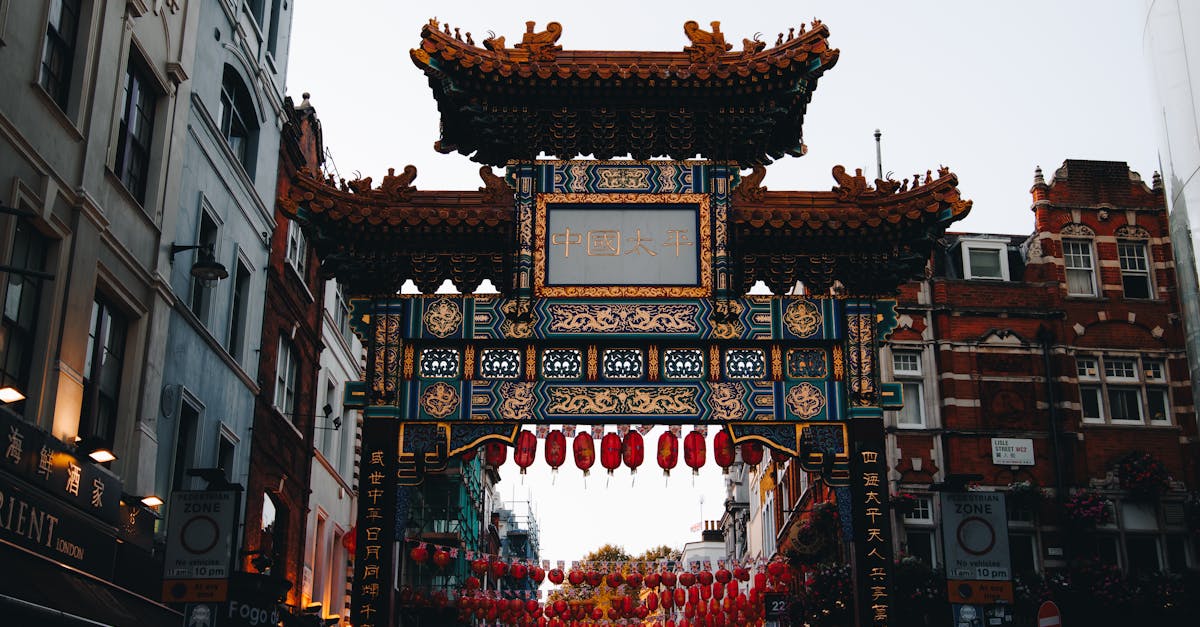
Melbourne’s Chinatown stretches for two blocks along Little Bourke Street between Spring and Swanston, anchored by the ornamental Chinese Gates at each end. Cantonese cuisine dominates the historic core — yum cha (dim sum), roast duck, salt-and-pepper squid and clay-pot rice are staples — but the modern Chinatown also includes regional specialists for Sichuan, Shanghainese and Northern Chinese cooking.
Best Cantonese yum cha
Shark Fin Inn (52 Little Bourke St) and Shark Fin House (131 Little Bourke St) are Chinatown’s institutional yum cha rooms, both serving steaming carts of har gow, siu mai, char siu bao and turnip cakes from 11am daily. Expect to pay A$45-65 per person. Weekend mornings see queues from 11am — book ahead through their websites.
Tim Ho Wan (206 Bourke St, atop Emporium) is the Hong Kong Michelin-starred dim sum chain’s only Australian outpost. The famous baked BBQ pork buns are A$10.80 for three and arguably the best in Melbourne. Tim Ho Wan does not take reservations — arrive at 11am opening or after 8pm to skip the queue.
Best dumplings
HuTong Dumpling Bar (14-16 Market Lane) specialises in Shanghainese xiao long bao (soup dumplings). The 16-piece basket of pork xiao long bao for A$18.80 is Melbourne’s gold standard. The owner trained in Shanghai and the dumplings have a distinctive 18-fold pleat.
Camy Shanghai Dumpling House (25 Tattersalls Lane) is the cheap, cash-only basement classic. Pork dumplings (steamed or boiled) are A$11.50 for 15 pieces — they make 12,000+ dumplings daily by hand. Cash only, no bookings, and the queue moves fast. Open until 2am most nights.
David’s (4 Cecil Place, Prahran) takes a refined route — Shanghainese banquet menus including pristine xiao long bao, drunken chicken and braised pork belly. Set lunch is A$45; dinner mains A$32-58. David’s is one of the few Chinese restaurants in Melbourne with a strong wine list.
Sichuan and spicy Chinese
Dainty Sichuan (176 Toorak Rd, South Yarra) is Melbourne’s flagship Sichuan restaurant. Mapo tofu, spicy boiled fish, and the legendary “fish-flavoured eggplant” are standout dishes. Expect to pay A$70-90 per person with drinks. Heat levels are no joke — order “less spicy” if you can’t handle Sichuan peppercorn numbness.
Spicy Fish (256 Russell St, CBD) is a cheaper Sichuan alternative — the boiled fish in chili oil is A$38 and feeds two. Open until midnight.
Modern Chinese fine dining
Lee Ho Fook (11-15 Duckboard Place) is chef Victor Liong’s Cantonese-influenced modern restaurant. It holds a Good Food Guide hat and the eight-course chef’s menu is A$140. Standouts include crispy eggplant with red vinegar, and Murray cod with XO sauce. Book 2-3 weeks ahead.
Flower Drum (17 Market Lane) is Melbourne’s white-tablecloth Cantonese institution, opened 1975. The menu is presented orally — there’s no written list — and dinner runs A$180-250 per person. The Peking duck (A$110 for the table) is the dish to order. Flower Drum is one of two Chinese restaurants in Australia with three Good Food Guide hats. Book a month ahead for weekend dinner.
Vietnamese restaurants: Victoria Street and beyond
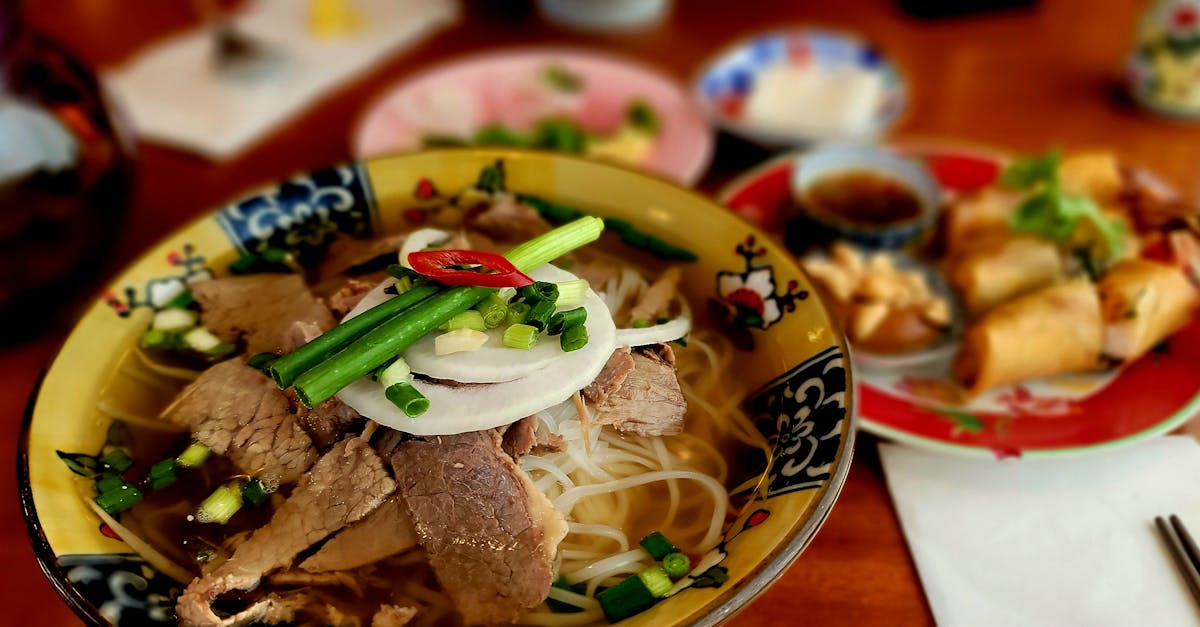
Melbourne has the largest Vietnamese community in Australia outside Sydney’s Cabramatta. The two main hubs are Victoria Street in Richmond (“Little Saigon”) and Springvale in the southeast. Both have dozens of pho, banh mi, bun bo Hue and com tam restaurants at backpacker prices.
Best pho in Melbourne
Pho Dzung (234 Victoria St, Richmond) is the unanimous local pick for the city’s best pho. The 24-hour broth is rich, balanced and aromatic. A large bowl with rare beef and brisket is A$16. Open 7am-9pm daily, no bookings, but tables turn fast.
Pho Hung Vuong (128 Hopkins St, Footscray) is the western suburbs equivalent. The chicken pho (pho ga) is exceptional — A$15 for a large bowl with poached chicken thigh and bone-in stock.
Co Thu Quan (262 Victoria St, Richmond) has a signature “five-flavour” beef pho with brisket, tendon, tripe, meatballs and rare beef for A$18.50. The hand-cut rice noodles are a point of pride.
Best banh mi
Phuoc Thanh Bakery (134 Victoria St, Richmond) makes banh mi from house-baked baguettes for A$8.50. The classic special — pork pâté, pork roll, ham, pickled vegetables, coriander, chili, mayo — is the benchmark.
N Lee Bakery (220 Victoria St, Richmond) is a tighter contest at A$8 each — the BBQ pork banh mi sells out by 1pm most days.
Modern Vietnamese
Anchovy (338 Bridge Rd, Richmond) is chef Thi Le’s modern Vietnamese-Chinese fusion restaurant — Good Food Guide hat-rated and one of Melbourne’s most-booked tables. The five-course menu is A$110. Standouts include Sichuan-spiced quail and char-siu pork ribs. Book 3+ weeks ahead.
Uncle (188 Carlisle St, St Kilda) is a hawker-style modern Vietnamese restaurant with sharing plates A$18-32. The crispy soft-shell crab in la lot leaves is the signature. Good for groups.
Thai restaurants
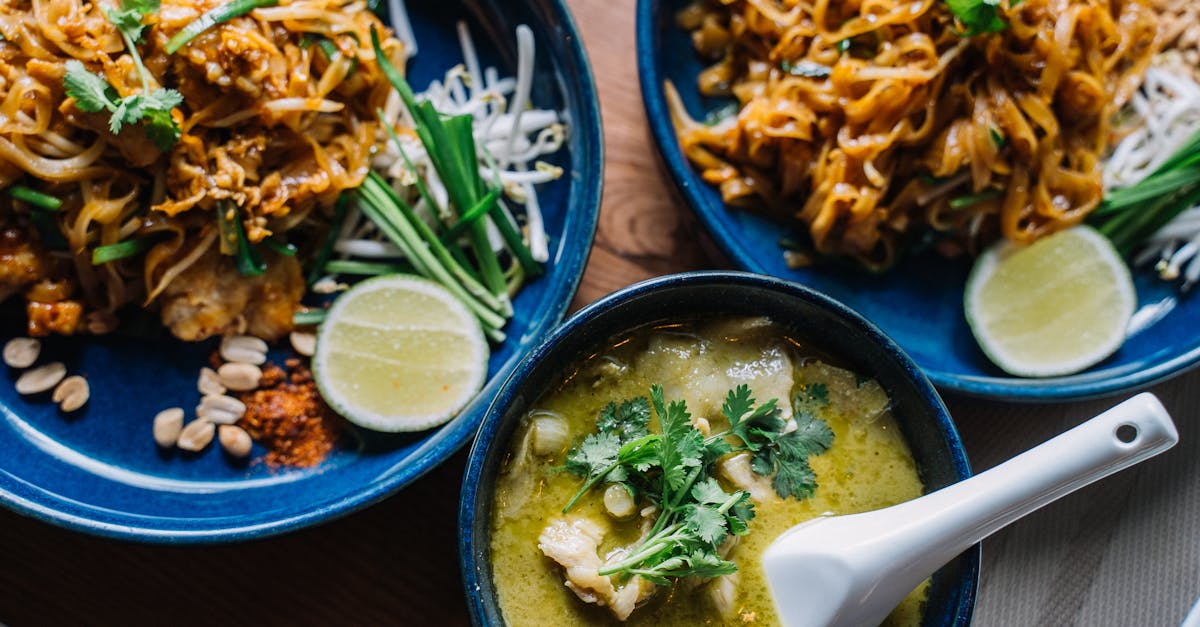
Melbourne’s Thai restaurant scene is broad — a major Thai-Australian community has supported authentic restaurants in Brunswick, Footscray and Richmond for decades. The best Thai restaurants in Melbourne are split between cheap-and-cheerful neighbourhood eateries (A$15-25 mains) and refined royal-Thai dining rooms (A$80-150 per person).
Top Thai picks
Soi 38 (38 McIlwraith Place, CBD) is a hidden basement Thai noodle bar — boat noodle soup A$16, pad see ew A$14. Often a 30-minute wait at lunch but worth it. Cash only.
Thai Tao Cafe (367 Sydney Rd, Brunswick) is the family-run pick — green curry A$17, pad ka prao with crispy pork A$19. The chili levels are honest.
Longrain (44 Little Bourke St, CBD) is Sydney chef Martin Boetz’s Melbourne royal-Thai outpost. Five-course tasting A$110, sharing plates A$28-45. The caramelised pork hock with five-spice egg is the signature.
Chin Chin (125 Flinders Lane, CBD) is a buzzy modern South-East Asian restaurant — not strictly Thai, but with Thai-leaning sharing plates. The “feed me” set menu is A$72 and reliably the most fun in town. No bookings — queue at 5:30pm or after 9pm.
Japanese restaurants: from ramen to omakase
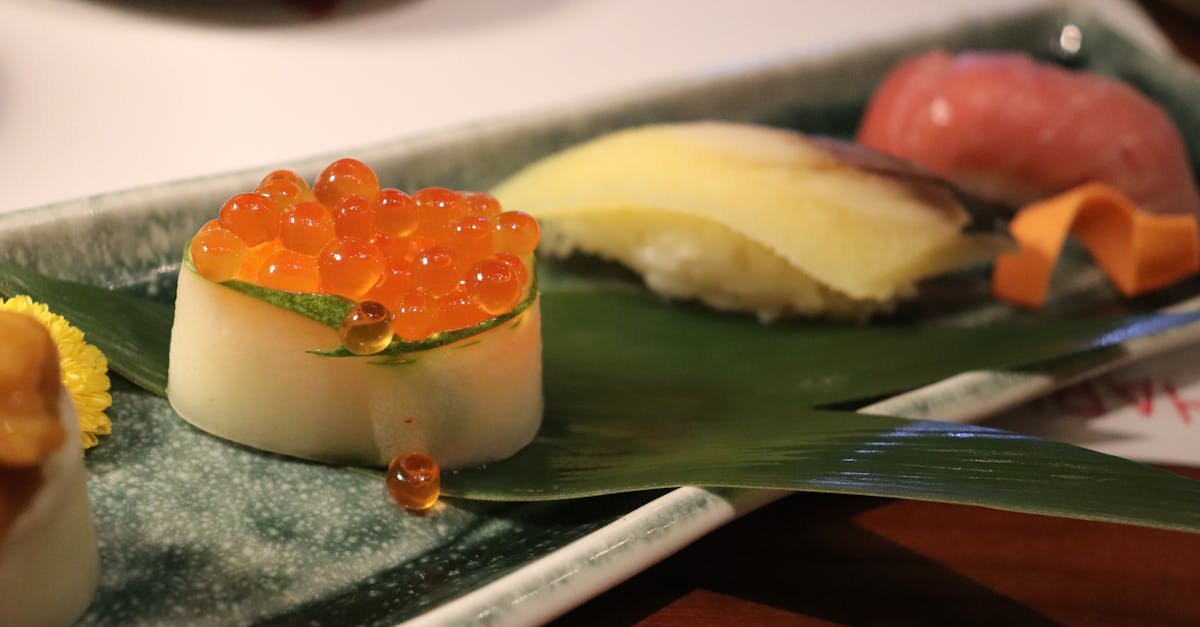
Melbourne’s Japanese restaurant scene is the deepest in Australia. The city has more than 600 Japanese restaurants — including dedicated ramen shops, izakaya, sushi bars, omakase counters, yakitori specialists and tonkatsu houses. Many head chefs have spent 10+ years training in Tokyo, Osaka or Kyoto.
Best ramen
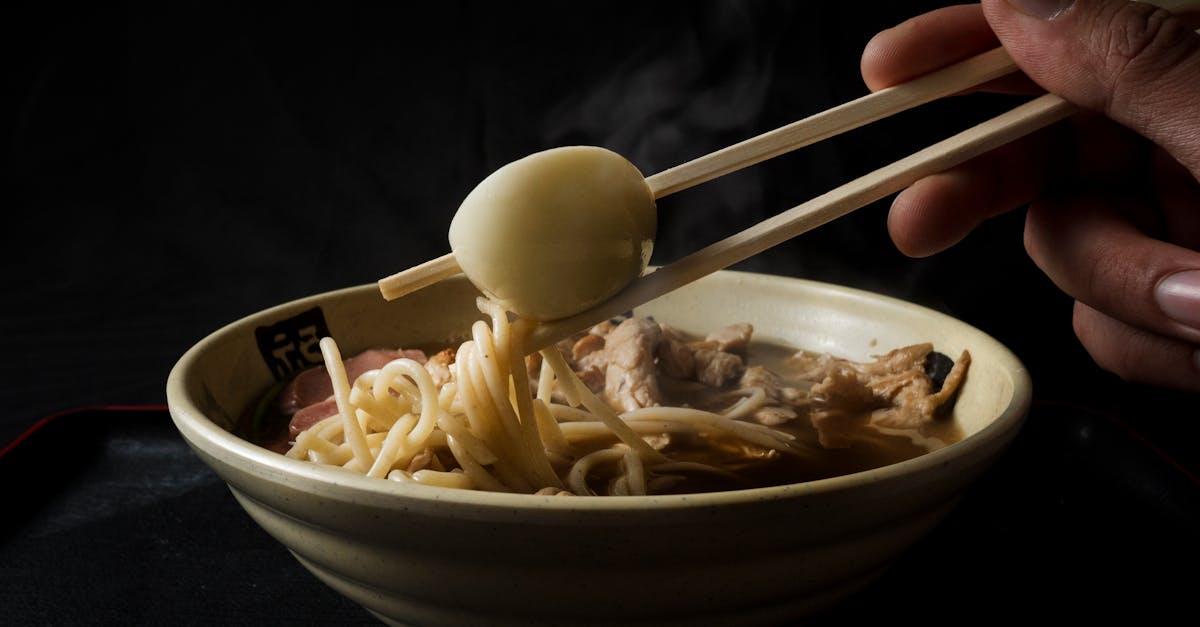
Hakata Gensuke (168 Russell St, CBD) is a Japanese-owned Hakata-style tonkotsu ramen specialist. The signature tonkotsu ramen with rich pork bone broth is A$18.50 with five customisable elements (broth strength, garlic, noodle hardness, etc.). The 12-hour broth is the city benchmark.
Shop Ramen (329 Smith St, Fitzroy) does an excellent shoyu ramen for A$19.50. Owner trained in Tokyo’s Bashamichi neighbourhood. Wagyu beef ramen A$24.
Ichi Ni Ni Ichi (12 Albert Coates Lane, CBD) does Hokkaido-style miso ramen — A$22 — with a milky shellfish broth that’s rare in Australia.
Best sushi and omakase
Minamishima (4 Lord St, Richmond) is Melbourne’s flagship omakase counter. Chef Koichi Minamishima trained at Sukiyabashi Jiro in Tokyo. Two seatings nightly (5:30pm and 8:15pm), 14 seats, A$315 per person for omakase. Books open three months in advance and fill within an hour. Holds three Good Food Guide hats — Australia’s highest sushi rating.
Kappo (20 Crossley St, CBD) is the more accessible omakase room — A$160 for 12-course chef’s menu. Books one month ahead.
Saké Restaurant & Bar (123-125 Flinders Lane, CBD) is the polished izakaya pick. Sashimi, robata grills and excellent saké list. Mains A$32-58.
Best yakitori and izakaya
Tonka (20 Duckboard Place) is technically modern Indian — but mention is here because the staff is Japanese-trained and the bar program is dual Japanese-Indian. Skip.
Ishizuka (Basement, 213 Russell St, CBD) is Japanese kaiseki — the multi-course traditional menu is A$280, served at a 14-seat counter. Subtle, expensive, and exceptional.
Robata Bar & Sake (43 Hardware Lane, CBD) does charcoal-grilled skewers — wagyu yakitori A$8-12 each, chicken thigh A$5.50. Casual and excellent.
Korean restaurants
Melbourne’s Korean dining scene clusters around Russell Street and La Trobe Street in the CBD’s “Koreatown” mini-precinct, plus pockets in Box Hill and Glen Waverley. Korean BBQ, fried chicken, bibimbap and tofu stews are widely available.
Top Korean picks
Mukja Korean Fried Chicken (314 Russell St, CBD) is Melbourne’s best Korean fried chicken — soy garlic and gochujang varieties, A$26 for half bird. Crispy double-fried skin.
Hwaro (562 Little Bourke St, CBD) is the high-end Korean BBQ choice — Wagyu marble 9+ A$120 per kg, charcoal table grills. Prices reflect premium beef sourcing.
Hangang (220 Lonsdale St, CBD) does Korean-style cold buckwheat noodles (mul naengmyeon) and traditional set meals. Lunch A$22-28.
Other Asian cuisines
Malaysian and Singaporean
Mamak (366 Lonsdale St, CBD) does Malaysian roti and curries — mee goreng A$17, roti canai A$8. The signature fluffy roti is made fresh in the open kitchen. Long queues at lunch.
Laksa King (6-12 Pin Oak Crescent, Flemington) is the best curry laksa in Melbourne — A$17.50 for a large bowl. Cash only, no bookings.
Killiney Kopitiam (250 Russell St, CBD) does Singaporean kaya toast, Hainanese chicken rice and laksa. Set breakfast A$15.
Indian and Sri Lankan
Daughter In Law (37 Little Bourke St, CBD) is chef Jessi Singh’s modern Indian restaurant — Good Food Guide hat-rated. Sharing plates A$24-38, signature dishes include the unauthentic butter chicken (deconstructed) and the curry-leaf scallops. Book 2 weeks ahead.
Tonka (20 Duckboard Place) is the upscale modern Indian standby — eight-course tasting A$130. Famous for naan with truffle and the salt-cured kingfish.
Babu Ji (4 Grosvenor Place, St Kilda) does street-food-style Indian sharing plates — A$18-32 each. The Bombay duck and dahi puri are standouts.
Sigiri (175 Lygon St, Brunswick East) is Melbourne’s best Sri Lankan restaurant. Hoppers A$8 each, kothu roti A$24, lamprais A$26. The chili-egg hopper for breakfast (Saturday only) is famous.
Best Asian restaurants by occasion
| Occasion | Restaurant | Price per person | Booking |
|---|---|---|---|
| Special celebration | Minamishima (omakase) | A$315 | 3 months ahead |
| Birthday / anniversary | Flower Drum (Cantonese) | A$220 | 1 month ahead |
| Date night under A$100pp | Anchovy or Lee Ho Fook | A$80-110 | 2-3 weeks ahead |
| Group / large party | Chin Chin “Feed Me” | A$72 | Walk-in only |
| Family with kids | HuTong, Sigiri, Mamak | A$30-50 | HuTong only |
| Quick lunch | Hakata Gensuke, Phuoc Thanh, Mukja | A$15-25 | None |
| Late night (after 11pm) | Camy Dumpling, Soi 38 | A$15-25 | None |
Asian dining neighbourhoods
Chinatown and CBD
Little Bourke Street between Spring and Swanston is the historical Chinatown core, now also home to Korean BBQ on Russell Street and Japanese ramen and izakaya in Hardware Lane. Hidden basement Thai (Soi 38), Sichuan (Spicy Fish), and dim sum (Tim Ho Wan) are within 5 minutes’ walk. The CBD has the highest Asian restaurant density per square kilometre in Australia.
Richmond (Victoria Street)
Victoria Street between Hoddle and Church is “Little Saigon” — 50+ Vietnamese restaurants, plus Cambodian, Lao and modern fusion. The strip is open until late and is busiest on Friday-Sunday evenings. Public transport: tram 78 from Brunswick Street to Victoria Street.
Footscray and Sunshine
Footscray’s Hopkins Street is Melbourne’s primary Vietnamese, Ethiopian, Sudanese and African food strip. The Footscray Market and the Footscray Asian Grocery on Hopkins Street are top picks for cooking ingredients. Pho Hung Vuong on Hopkins is the local pho legend.
Box Hill and Glen Waverley
The eastern suburbs have Melbourne’s largest concentration of Chinese, Korean and Taiwanese eating. Box Hill Centro, the Glen Waverley Galleria and the area around Springvale Road have hundreds of restaurants and supermarkets. Hot pot, Sichuan, Korean BBQ and Taiwanese bubble tea are abundant.
Springvale
Springvale (45 minutes southeast of CBD) has the second-largest Vietnamese community in Melbourne. The Springvale Asian Grocery, plus dozens of pho, banh mi and dessert shops, line Springvale Road and Buckingham Avenue.
Booking and tips
Booking apps: Most upmarket Asian restaurants use TheFork, Quandoo or Resy for reservations. Minamishima uses its own website with a three-month rolling window. Flower Drum and HuTong take phone bookings.
Walk-in policies: Chin Chin, Tim Ho Wan, Camy Dumpling, Mukja, Soi 38 and most Vietnamese pho shops are walk-in only. Arrive at opening (5:30-6pm dinner, 11am lunch) or after the 8:30pm rush.
Cash: Camy Dumpling, Soi 38, Laksa King and most banh mi bakeries on Victoria Street are cash only.
Tipping: Tipping is not customary in Australia at any price point. Service charges (10% on Sundays/public holidays at some restaurants) are not gratuities — staff are paid casual loadings.
BYO: Many Asian restaurants in Melbourne are BYO (Bring Your Own wine), with a A$3-12 corkage fee. HuTong, Camy, most Victoria Street pho shops, and many Thai restaurants are BYO.
Asian food festivals and markets
Lunar New Year (January-February): Chinatown, Box Hill and Footscray host two-day street festivals. Free entry, lion dancing, and pop-up food stalls.
Night Noodle Markets (April): 2-week pop-up at Birrarung Marr along the Yarra River. 30+ Asian street food stalls, A$10-18 per dish. Run by Time Out and the Melbourne Food and Wine Festival.
Lygon Street Festa (October): While historically Italian, the Lygon Festa now includes Asian food trucks alongside the Italian section.
Queen Victoria Market — Wednesday Night Market (November-March): 30+ international food stalls every Wednesday evening, with Asian cuisines well represented.
Frequently asked questions
What is the best Asian restaurant in Melbourne?
The most-awarded Asian restaurant in Melbourne is Minamishima (sushi/omakase), with three Good Food Guide hats — Australia’s highest sushi rating. For Cantonese, Flower Drum is the long-running benchmark. Anchovy is the top modern Vietnamese. For accessibility and consistency, Chin Chin is Melbourne’s most-loved buzzy Asian restaurant.
Where is Melbourne’s Chinatown?
Melbourne’s Chinatown is on Little Bourke Street, between Spring and Swanston Streets in the CBD. It’s two blocks long, marked by ornamental Chinese gates at each end. It has operated continuously since 1854 — the longest-running Chinatown in the Western world.
Is Melbourne better than Sydney for Asian food?
Both cities have exceptional Asian food. Melbourne is generally regarded as having a deeper independent restaurant culture and stronger Vietnamese, Thai and Sri Lankan scenes. Sydney has stronger Cantonese seafood (Cabramatta and Chatswood) and arguably better high-end Chinese banquet rooms. For Japanese fine dining and ramen, the cities are roughly tied.
How much does Asian food cost in Melbourne?
Cheap eats: A$8-18 per dish (banh mi, ramen, pho, dumplings). Mid-range neighbourhood Asian: A$22-40 per main. Modern Asian fine dining: A$80-150 per person with drinks. Top-tier omakase or Cantonese: A$200-320 per person.
Are reservations required?
For top-tier restaurants (Minamishima, Flower Drum, Anchovy, Lee Ho Fook): yes, 2-12 weeks ahead. For mid-tier modern Asian (Chin Chin, Tonka, Daughter In Law): 1-3 weeks ahead. Cheap-eats and neighbourhood pho/dumpling/banh mi shops: walk-in only.
What’s the best Asian food neighbourhood for a tourist?
For visitors staying in the CBD, Chinatown plus Hardware Lane and Russell Street has the highest density of quality Asian restaurants in Australia. For a half-day food crawl, take tram 78 to Victoria Street in Richmond and eat banh mi, pho and Vietnamese dessert at A$8-16 per dish.
Are there vegetarian/vegan Asian restaurants in Melbourne?
Yes — Smith and Daughters (Fitzroy) is fully vegan modern Asian-Latin fusion. Ratiyam (CBD) is a vegan Sri Lankan/Indian buffet at A$24. Most Thai, Indian and Vietnamese restaurants in Melbourne offer extensive vegetarian sections.
Plan your Melbourne food trip
Melbourne rewards visiting eaters with diversity at every price point. A reasonable three-day food itinerary: lunch in Chinatown (Tim Ho Wan and HuTong), dinner at Anchovy or Chin Chin; second day in Richmond on Victoria Street for pho and banh mi at lunch then sushi at Minamishima or Kappo for dinner; third day at Footscray Market in the morning then a degustation at Lee Ho Fook or Flower Drum that evening.
For more on Melbourne’s food scene, see our guide to the best restaurants in Melbourne overall, and our cheap eats guide for budget recommendations under A$15. For evening planning, see our Melbourne nightlife guide.