Melbourne Food Tours: The Best Tastings & Walks
- Words
- Melbourne Tourism Guide
- Updated
- July 29, 2026
- Read
- 11 min
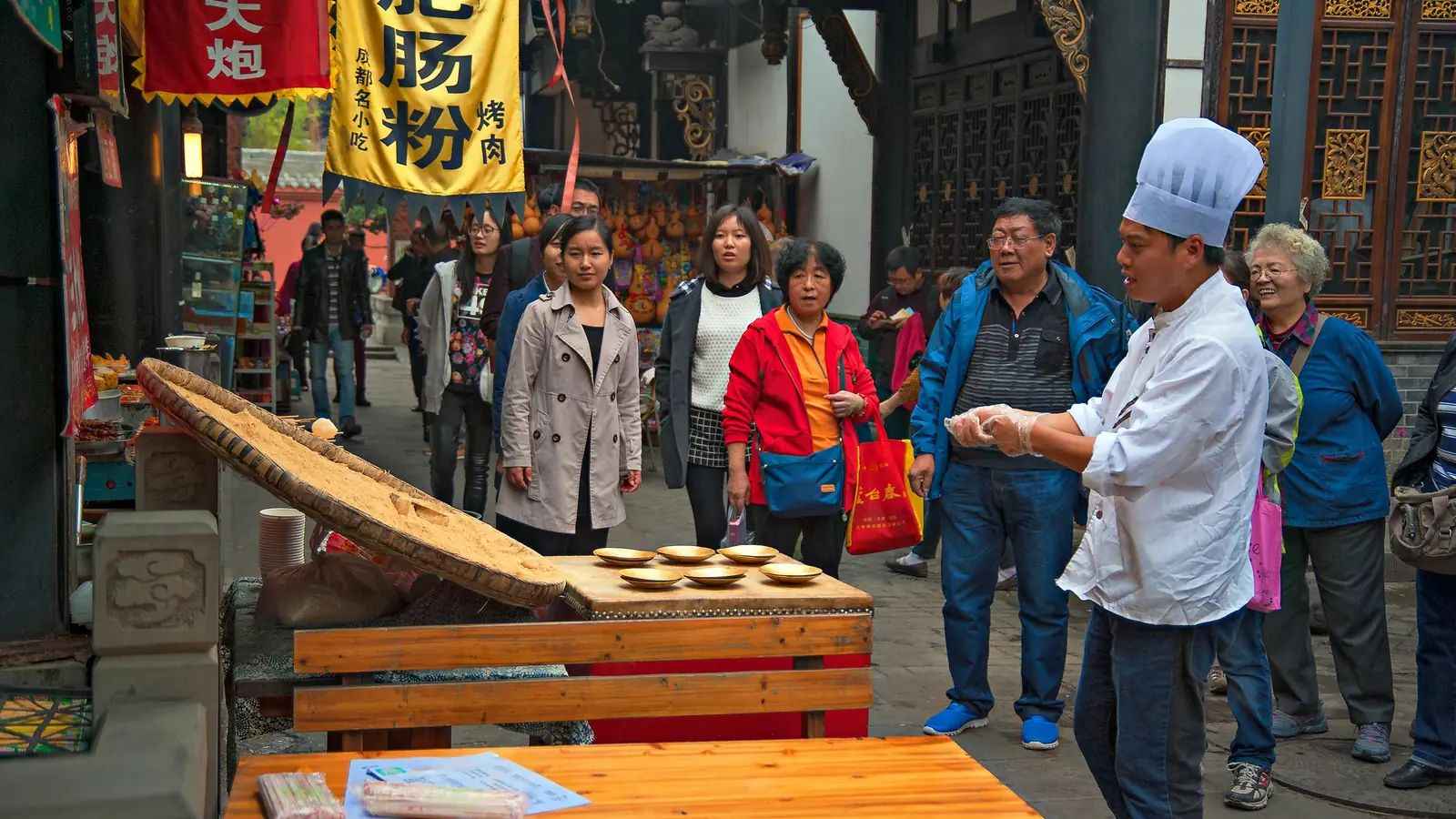
The best Melbourne food tours — laneway walks, market tastings, Chinatown and coffee tours — plus what to expect, prices and a free self-guided route.
This article contains advertising. Our booking links are routed through a partner that adds commission tracking automatically, so if you book through one we earn a commission from the provider, at no extra cost to you. It never affects what we recommend. Affiliate disclosure
If I had to recommend one thing to do on your first day in Melbourne, it might just be a food tour. There’s no faster way to crack open a city this obsessed with eating — a few hours with a local guide who knows which laneway hides the best dumplings, which market stall does the city’s finest cheese toastie, and which unmarked door leads to a perfect espresso. You’ll eat brilliantly, learn the lay of the land, and pick up a list of places to return to all trip. This guide covers the best types of food tours in Melbourne, what to expect, and even a free self-guided route. It’s a delicious way into our wider guide to the best restaurants in Melbourne.
Why take a food tour?
Melbourne’s food scene is famously hidden — the best of it tucked down laneways, up flights of stairs and behind unmarked doors that you’d never find on your own. A good food tour hands you a local’s map and a local’s stories: the history behind the dishes, the immigrant communities that shaped them, and the spots even guidebooks miss. You’ll taste a wide range in a single outing, meet the makers, and come away knowing the city far better than a solo wander would teach you. For first-time visitors especially, it’s the perfect orientation — and for food lovers, it’s simply a great few hours of eating with expert guidance. By the end you’ll have not just a full stomach but a mental map of the city’s best eating, ready to put to use for the rest of your stay.
The main types of food tour
Melbourne offers a tour for every appetite. Here are the main styles to choose from.
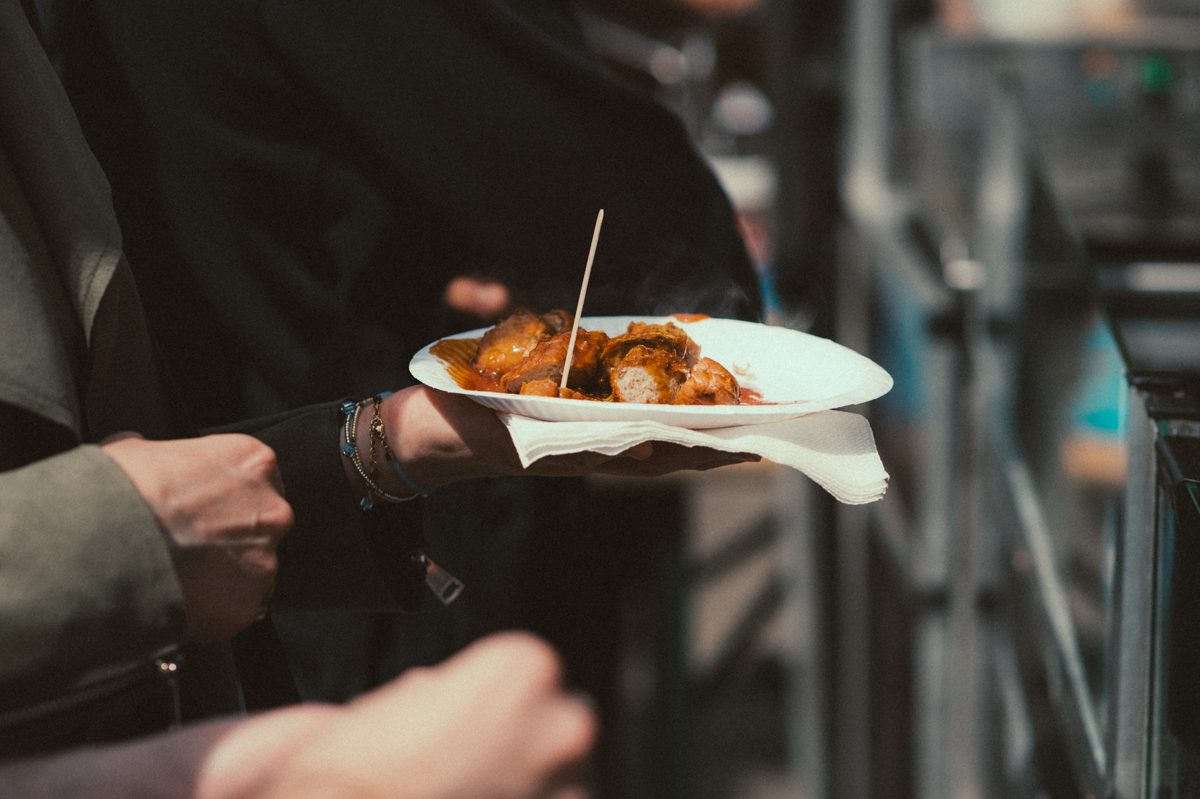
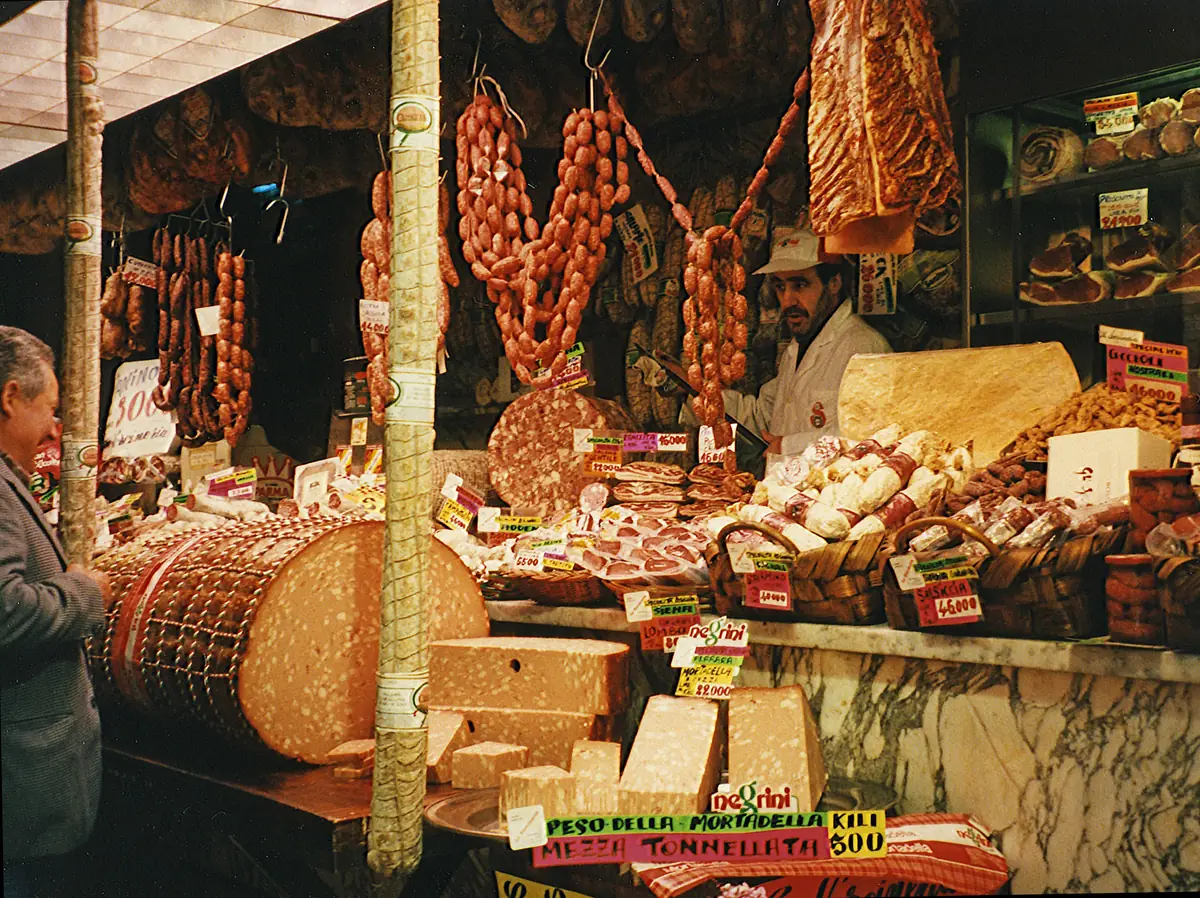
Laneway and CBD walking tours are the classic — a few hours weaving through the city’s arcades and alleys, sampling everything from dumplings and pastries to barista coffee and chocolate, with the street art and architecture as a backdrop. Queen Victoria Market tours take you through the historic market’s deli, dairy and produce halls, tasting cheeses, smallgoods, oysters, fruit and more from the traders themselves. Chinatown and Asian-food tours dive into one of the oldest continuous Chinatowns in the world, while suburban tours of Footscray and Richmond explore the city’s superb Vietnamese, African and Asian communities. Coffee tours trace Melbourne’s world-famous café culture from roastery to cup. And progressive dinner and evening tours hop between several venues for a multi-course crawl, sometimes with cocktails and street art along the way.
What to expect
Most food tours run for two to four hours and cover a walkable area on foot, with several tasting stops along the way — enough food that you generally won’t need a meal afterwards. Group sizes are usually small (often capped around 10–12) so the experience stays personal and you can chat with your guide. Prices vary with length and inclusions, but expect roughly the cost of a nice meal out, with tastings (and sometimes drinks) included. Tours run rain or shine — Melbourne’s covered laneways and arcades help — and most operate year-round. Come hungry, wear comfortable shoes, and let your guide know about any dietary requirements when you book.
The best tour for you
First-time visitors should start with a laneway or general city tour for the best all-round orientation. Serious foodies will love a market or progressive-dinner tour that goes deep on produce and provenance. Coffee obsessives can’t miss a dedicated coffee tour — this is the city that arguably perfected the flat white, after all. Families do well on shorter market or sweet-treat tours that keep younger ones engaged. And the culturally curious should seek out a Footscray or Chinatown tour to taste the immigrant stories that built Melbourne’s food culture. Whatever your angle, there’s a tour pitched right at it.
A free, self-guided food tour
Prefer to go it alone? You can absolutely build your own food crawl for the price of what you eat. Here’s a route I’d suggest: start with a coffee and pastry in Degraves Street, wander up through the Block Arcade (peek at the Hopetoun Tea Rooms), then make your way to Queen Victoria Market for a graze through the deli hall — cheese, smallgoods, a famous hot jam doughnut. From there, head into Chinatown for dumplings or a bao, and finish with gelato or a laneway cocktail. It hits the same notes as a guided tour, at your own pace and budget. Our guide to Melbourne’s best laneways maps the route, and the Queen Victoria Market guide tells you exactly what to seek out.
How to book and what to bring
Most tours are bookable online in advance, and popular ones — especially small-group and evening tours — sell out, so reserve ahead, particularly on weekends and during peak seasons. Check the meeting point and start time carefully, and arrive a few minutes early. What to bring: an empty stomach (don’t eat beforehand), comfortable walking shoes, a water bottle, a light layer for Melbourne’s changeable weather, and a way to take notes on the places you’ll want to revisit. Flag any allergies or dietary needs at the time of booking so the guide can plan your tastings.
Build it into your food trip
A food tour is a brilliant first move, but it’s the start of the eating, not the end. Use what you learn to plan the rest of your trip — book the restaurants your guide raves about, return to the market for a proper graze, and chase down the cafés and bakeries you discover. Our guides to the best cafés, best brunch and cheap eats in Melbourne will keep you well fed, and if your visit lines up with the Melbourne Food and Wine Festival, you’ll find even more guided tastings on offer.
Why Melbourne’s food tours are so good
To understand why food tours work so well here, you have to understand Melbourne’s food story. Successive waves of migration — Italian and Greek after the war, then Vietnamese, Chinese, Lebanese, Ethiopian, Indian and many more — turned the city into one of the most diverse eating destinations on earth. Whole neighbourhoods became known for particular cuisines, laneways filled with hole-in-the-wall gems, and a fierce local pride in good coffee and good produce took hold. A food tour distils all of that into a few hours, with a guide to join the dots between the dishes and the communities behind them. It’s not just eating — it’s a crash course in the city’s social history, told through its food.
Footscray and the multicultural west
For adventurous eaters, a tour of Footscray in Melbourne’s inner west is a revelation. This bustling suburb is famous for its Vietnamese pho and banh mi, its African and Ethiopian restaurants, and its enormous, frenetic indoor market piled high with produce from around the world. It’s grittier and more authentic than the polished city laneways, and a guided tour helps you navigate the best of it — the standout pho counter, the bakery doing the perfect banh mi, the spice stalls and tropical fruit. Suburbs like Richmond (Victoria Street’s “Little Saigon”) and Springvale offer similar deep dives into Melbourne’s Asian communities. These tours are where you taste the real, unvarnished diversity of the city.
Coffee tours: the Melbourne obsession
You can’t talk about Melbourne food without talking about coffee. The city is fanatical about it — locals will happily walk past three cafés to reach their favourite barista — and a dedicated coffee tour is a brilliant way to understand the obsession. These tours typically take you from specialty roasteries to hidden laneway espresso bars, explaining the city’s coffee history (Italian migrants planted the seed in the 1950s) and the technique behind the perfect flat white, an Australian invention. You’ll taste your way through single origins and house blends, learn to tell a good pour from a great one, and never look at a takeaway cup the same way again. Pair it with our guide to the best coffee in Melbourne to keep the caffeine flowing all trip.
Evening and progressive dinner tours
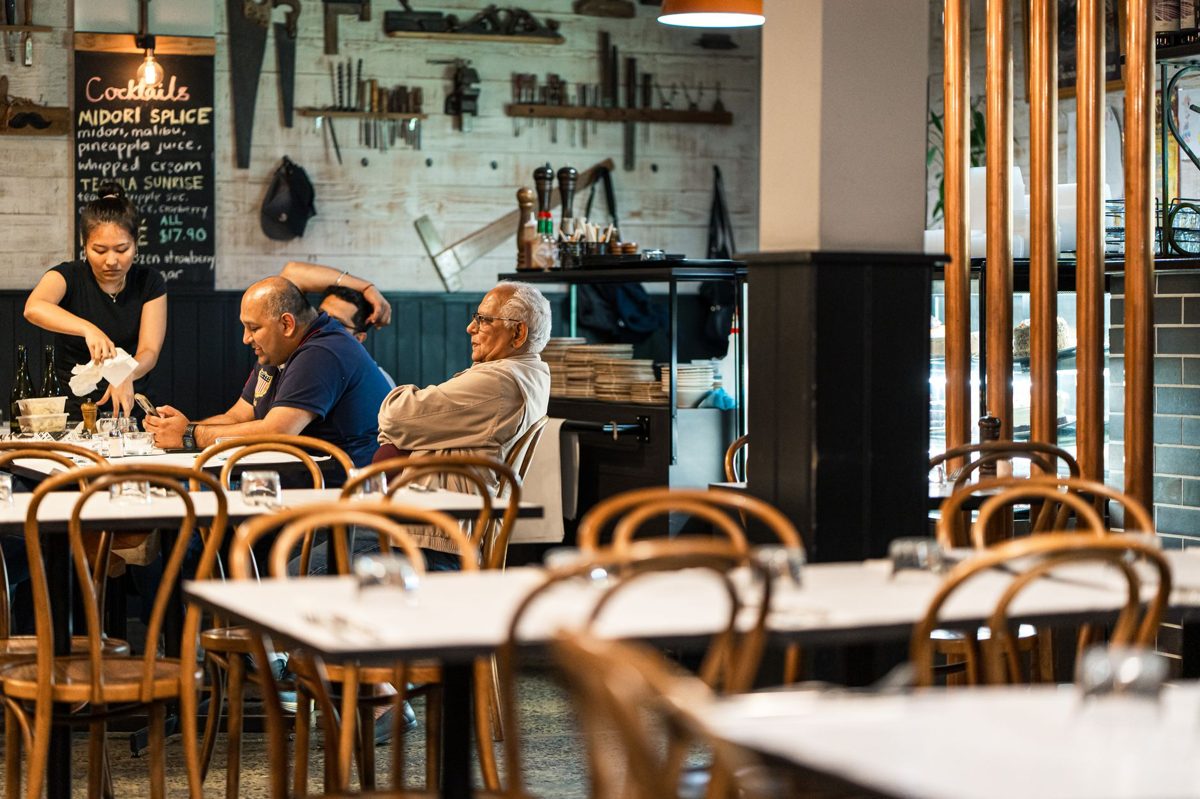
For a different energy, an evening food tour turns dinner into an adventure. Progressive dinner tours move between four or five venues across a night, with each stop serving a different course — perhaps dumplings in Chinatown, a main in a laneway bistro, and dessert and a cocktail to finish, with the city’s nightlife and street art as the backdrop. They’re a social, lively way to eat, ideal for groups and for visitors who want to experience Melbourne after dark. Some focus on a particular precinct or cuisine; others roam widely. Either way, you’ll cover a lot of delicious ground and see how the city transforms once the sun goes down.
Wine and produce tours beyond the city
If you’re happy to venture out of town, the food experience extends into Victoria’s superb wine and produce regions. Day tours to the Yarra Valley and Mornington Peninsula combine cellar-door tastings with long lunches, cheese makers, chocolate factories and farm gates — a full-day feast in beautiful countryside, usually with a driver so you can enjoy the wine. These make a perfect extension to a city food trip; our guide to the best day trips from Melbourne covers the regions and how to reach them, whether you join an organised tour or strike out on your own.
Food tours with kids and dietary needs
Food tours can work well for families and for diners with specific requirements, with a little planning. Shorter market and sweet-treat tours tend to suit children best, keeping the pace up and the tastings fun. Most operators are happy to accommodate vegetarian, vegan, gluten-free and allergy-conscious guests if you let them know when you book, adjusting the tastings accordingly — Melbourne’s broad, produce-driven food culture makes this easier here than in many cities. If you’re travelling with little ones, our guide to things to do in Melbourne with kids has more family-friendly ideas to pair with your tour.
Guided or self-guided: which is right for you?
Both have their place. A guided tour is worth it when you want context, hidden spots you’d never find alone, and the reassurance of a curated route — ideal early in your trip or if you’re a nervous or first-time visitor. A self-guided crawl suits confident, budget-conscious travellers who’d rather set their own pace and linger where they like. Many people do both: a guided tour on day one to get the lay of the land and a list of recommendations, then a self-directed return to the favourites later in the trip. There’s no wrong answer — it comes down to whether you value local storytelling and convenience, or flexibility and saving a few dollars.
Best time of year for food touring
Food tours run year-round in Melbourne, and the city’s covered laneways, arcades and indoor markets mean weather rarely spoils them. That said, autumn (March to May) is a particularly lovely time, with mild walking conditions and the buzz of the food festival season, while spring brings fresh produce and pleasant temperatures. Summer can be hot for a long walking tour, so opt for morning or evening departures, and winter’s chill makes a warming progressive dinner tour especially appealing. Whenever you visit, there’s a tour to suit the season — just dress for Melbourne’s famously changeable conditions.
Tipping and etiquette
A quick word on etiquette: tipping is not obligatory in Australia the way it is in some countries, but it’s a kind gesture to tip a great guide if you’ve had a wonderful time. Beyond that, the etiquette is simple — arrive on time, come genuinely hungry, pace yourself so you can enjoy every stop, ask plenty of questions (guides love sharing their knowledge), and be respectful of the small businesses and traders you visit. A food tour is a chance to support the independent operators who make Melbourne’s food scene special, so engage with them, buy something if a stop wins you over, and spread the word.
Frequently asked questions
Are Melbourne food tours worth it?
Yes — especially for first-time visitors. A food tour gives you a local’s knowledge of the city’s hidden laneway eats, market traders and café culture, plus a wide range of tastings in a few hours and a list of places to return to.
How long do Melbourne food tours take?
Most run two to four hours on foot, with several tasting stops along the way — usually enough food that you won’t need a separate meal afterwards. Evening progressive-dinner tours can run a little longer.
How much do food tours in Melbourne cost?
Prices vary with length and inclusions but are roughly the cost of a nice meal out, with tastings (and sometimes drinks) included. Small-group and evening tours sit at the higher end.
Can I do a self-guided food tour of Melbourne?
Absolutely. A great free route runs from Degraves Street coffee through the Block Arcade to Queen Victoria Market and Chinatown, finishing with gelato or a laneway drink — the same flavours at your own pace and budget.
The bottom line
A food tour is the single best way to understand why Melbourne is Australia’s food capital — a few hours of expert-guided eating that unlock the city’s hidden corners and immigrant stories. Whether you join a small-group laneway crawl, a market graze or a dedicated coffee tour, or simply follow our self-guided route, come hungry and you’ll leave with a full stomach, a head full of stories, and a long list of places to come back to. Few activities pack so much of a city’s character into a single, delicious afternoon.